
Rafael Estrella retweetledi
Rafael Estrella
16.2K posts


Rafael Estrella
@Estrella_Rafa
Exembajador de España. Former Spanish Ambassador to Argentina. Antes, 1/4 de siglo en parlamento español. Mundo, política, redes. Opiniones personales. Granada
España Katılım Ağustos 2009
1.3K Takip Edilen4.8K Takipçiler
Rafael Estrella retweetledi

La idea dominante es que la actual agresividad antiespañola de Israel se debe a lo mucho que les ha criticado Pedro Sánchez desde otoño de 2023 y a la gran distancia izquierda-derecha entre ambos gobiernos. Pero la hostilidad de Netanyahu hacia España es mucho más profunda [1/12]
Prime Minister of Israel@IsraeliPM
Prime Minister Benjamin Netanyahu: “Israel will not remain silent in the face of those who attack us. Spain has defamed our heroes, the soldiers of the IDF, the soldiers of the most moral army in the world. 1/4
Español

Rafael Estrella retweetledi

🇦🇷 46 millones hab
🇪🇸 49,5 millones hab
Empresas
🇦🇷 < 600.000
🇪🇸 > 3.500.000
Renta per cápita 2025
🇦🇷 14.000 USD
🇪🇸 38.000 USD
EL ESPAÑOL@elespanolcom
Milei sacude Madrid y lanza un dardo al Gobierno de Sánchez: "Si no tenéis empresarios, vais a ser pobres" dozz.es/pza914
Español
Rafael Estrella retweetledi
Trump exigió el 5% de gasto en Defensa para conservar la OTAN. Cedieron (aunque pocos cumplirán y sólo uno tuvo el coraje de decir que el rey estaba desnudo). Meses después amenazó a Dinamarca (OTAN) con anexionarse Groenlandia. Se ha olvidado del asunto porque tiene otro lío.
Estados Unidos no ha puesto un dólar para Ucrania desde febrero de 2025 y ha dicho a los europeos que son ellos quienes deben mantener la seguridad en Europa, no Washington. Que se concentren en Europa, que ya EEUU se encarga del resto.
Ahora exige una misión militar naval europea para abrir Ormuz porque él no tiene medios para hacerlo, a pesar de que se le explicó antes de la guerra lo que iba a pasar.
Si los europeos no organizan esa misión, amenaza con "cosas malas" para la OTAN.
La cumbre europea de esta semana debería ser la del "vete a tomar por culo". A la larga será mejor para Europa. Y es mucho más digno.
Español
Rafael Estrella retweetledi

Estados Unidos votando en la ONU contra Irán “porque [con sus ataques a países del Golfo] viola el derecho internacional y supone una seria amenaza para la paz”.
No es IA.
No es un programa cómico ni comedia.
Ha ocurrido de verdad
euronews@euronews
The UN Security Council passed a resolution calling for Iran to immediately halt its attacks on Gulf states, saying they breach international law and pose a "serious threat to international peace and security.
Español
Rafael Estrella retweetledi
Was this part of the plan? Now security warning for 🇺🇸 citizens includes even Egypt.

English
Rafael Estrella retweetledi
Ver la entrevista completa de Xavier Fortes sobre Operacion Jaque Mate...
rtve.es/play/videos/la…
Español
Rafael Estrella retweetledi

Al fin.... llegó!! Ganas de que sirva para impulsar una gran conversación pública. Desde el convencimiento de que siempre hay alternativas, y dependen de lo que hagamos o lo que dejemos hacer. Gracias a @EdicionesPaidos y al jurado por este premio que hoy ya es realidad.

Español
@MikeBenzCyber @elonmusk You liars. PP’s Aznar regularized half a million foreigners barely the same figures than Sanchez. Most of these inmigrants amWILL NOT have voting rights for years, not in this decade (latin americans -most of them Venezuelan exilees can get it in a shorter period).
English

This is why the corrupt Spanish government is suddenly rushing to flood the country with 500,000 immigrants & criminalize any speech that criticizes them. Their party is losing elections, rejected by their own voters, so they’re importing immigrants to keep them voted in.
Bloomberg@business
Spanish Prime Minister Pedro Sánchez’s Socialist party sustained its second major loss in two months in a snap regional election, underlining the government’s waning support in large parts of the country. bloomberg.com/news/articles/…
English
Rafael Estrella retweetledi
Incomprensible. Se los van a comer. De verdad, @Jorge_Azcon , “vamos a volver al 36”?
Esther Palomera@estherpalomera
Este es el cartel del fin de campaña del PP Aragón . Tándem Feijòo-Vito Quiles
Español
Rafael Estrella retweetledi
Este hilo de @monteromonti acumula conocimiento, sensatez y valores democráticos. Poco se habla de impuestos cuando hay que acoger a 11.000 evacuados
José María Montero S@monteromonti
Hay negacionismos q disfrazan un oportunismo ciego, egoísta e irresponsable. Si peligroso es el #negacionismo climático ⛈️ aún peor es el negacionismo fiscal 💸 Para qué sirven los #impuestos?, vociferan algunos (demasiados) 👉🏼 Para hacer frente a #emergencias ingobernables,...
Español
Rafael Estrella retweetledi
Las causas del tren de tormentas en Andalucía se conocen, las consecuencias se empiezan a intuir. Y son devastadoras. LLueve mal. Hoy en @el_pais elpais.com/espana/2026-02…
Español
Rafael Estrella retweetledi
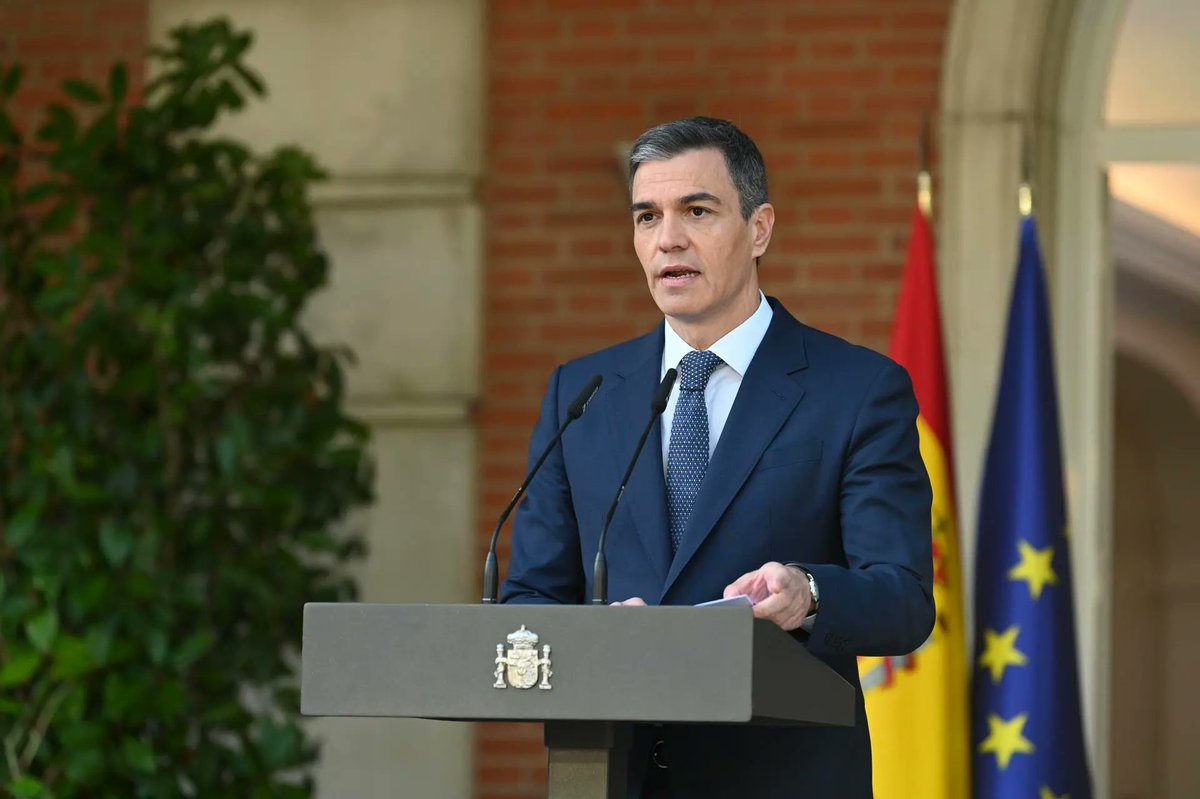
The Triumvirate
There are eras when politics is explained by institutions, and eras when it is explained by temperaments. Our era has architecture, but it is not exactly overflowing with character.
2026 will be an ugly year, but it will also be the year when the liberal democracies of the Northern Hemisphere discover the map of resistance to tyranny, to its quintacolumnistas (so many in Spain, so much to sweep away), and to its hate platforms.
The map of resistance began to be drawn by an Italian banker trained by the Jesuits. The man who should have been president of the European Commission and wasn’t. And who, thanks to that, can now move freely. Mario Draghi.
The Italian argues that Europe can no longer live off past inertia, that it needs a new scale of action if it does not want to become an object of someone else’s history, and that it must do so by leaping toward federal integration.
Draghi—who, besides being one of the smartest living Europeans, is also one of the shrewdest politicians—knows the conditions are not there. And even so, what he is doing still makes sense.
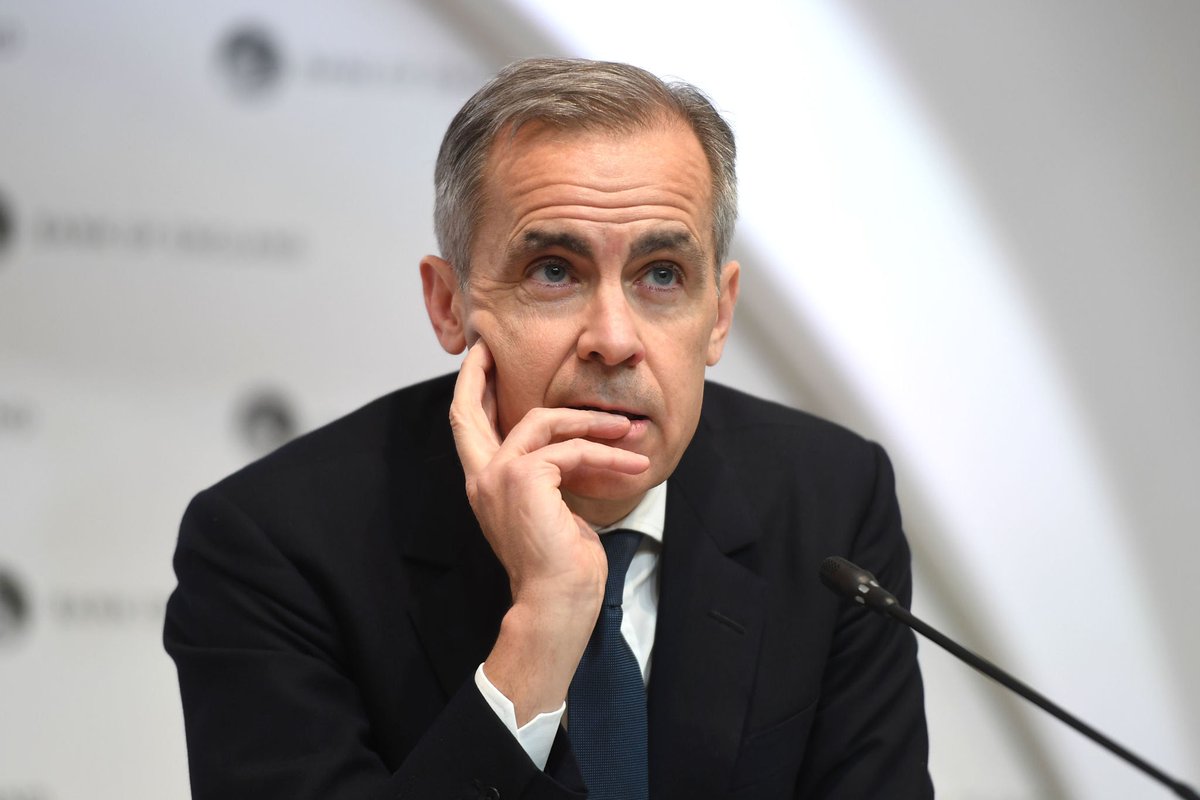
Draghi’s map found an unexpected laborer in Davos. A Canadian liberal, Mark Carney. In the Swiss village, he said it bluntly where others were afraid to raise their voices: the old relationship of growing integration with the United States “is over,” and with it, a model of globalization anchored in Washington. That world is dead. Mourning it in hopes it returns is useless and only leads to melancholy. We have to turn the page.
Absent from Davos because of the train accident, Pedro Sánchez appeared in Dubai, somewhat late. In a dark room, with a speech and a strategy he had been chewing over for almost a year, the Spaniard closed the circle.
The ideological Draghi and the laborer Carney were missing a resister. And Sánchez is the ideal enemy for Durov or Musk. He has bought into the idea that he is the “last (socialdemocrat) man standing.”
As, these days, comments come in from European analysts and journalists applauding that someone is standing up to Nero—and others say he is being brave—he has finally learned that, in reality, he has very little to lose, because history teaches that if they are going to execute you anyway, better to be executed by a tyrant for resisting than by the next democracy for having collaborated with the tyrant.
The triangle of Mario Draghi, Mark Carney, and Pedro Sánchez is not any kind of organic alliance; they do not divide up roles or share a common liturgy. Each has his own methods, the ones that work for him. And yet, they are converging.
Draghi, Carney, and Sánchez are converging because they have diagnosed our historical moment better than anyone: the end of geoeconomic innocence, the erosion of the multilateralism that the misnamed West gave itself 80 years ago, the return of power politics and force, technological pressure, lies, domination, and vassalage.
Draghi, Carney, and Sánchez each embody a different strategic function within the same project: defending and updating liberal democracies in a hostile environment. Where Starmer trembles (incomprehensibly, from Madrid), Merz looks only to his auto industry, Von der Leyen buries her head in the sand, and in Latin America Lula and Petro are increasingly left alone in the face of the growth of Trump’s pawns, Draghi, Carney, and Sánchez have chosen another path.
Draghi set the ship on course toward a destination he knows is difficult, but right. Let us move from fictitious confederation to pragmatic federation. Let us advance with those willing, and then consolidate stronger institutions. Let us stop sharing communiqués and start sharing Defense, Industry, and Finance. Let Europe adopt a strategy of legitimate, democratic power. Draghi leaves behind “more Europe” as a moral slogan and turns it into “more Europe” as a material condition for autonomy—almost for survival.
Sánchez is not the theorist Draghi is. But he represents an indispensable virtue Draghi lacks: resistance. Sánchez does not yield. Ever. Not to the internal adversary, which controls—for the first time in democracy (oh Bolaños, oh Marlaska)—a large part of the powers of the state, nor to the external adversary.
Resistance against the climate of an era that rewards authoritarian simplification and that makes supposed progressives (Starmer again) look reactionary. Not because they are, but out of fear of appearing to be what they are.
Governing in a minority for nearly eight years, under unbearable judicial and media pressure and extreme polarization, requires above all a sense of resistance. And Sánchez learned that the best course was not to give up an inch on institutional ground, not to hand over the agenda, to go against nearly all of Europe when it was the right thing to do (migration), and never to confuse fatigue with defeat. Sánchez would be a phenomenon in ultra-distance cycling: grit your teeth and endure.
His strategy against the new reactionary plutocracy (months in the oven and a year of invisible work—oh Madrid journalists, what distraction, what distraction!—) puts Spain at the head of those who have decided that neither democracy, nor international law, nor public sovereignty, nor the information space will fall at the feet of the new Neros. No matter how much they bark. Especially if they bark.
Carney completes the triangle because he is the politician of synthesis. The Canadian, who had every chance of losing, won the legislative elections in March 2025 because his people voted against Trump. Not in favor of Carney. But then a Carney emerged in Davos who surprised the world. He is credible. He is right, and his ideas are clear. He is the laborer.
His strategic turn is the most valuable, because he has much more to lose. More than Draghi and more than Sánchez. Carney supplied the words. We must, he said, “seek a coalition of countries with similar ideas and values” to defend democracy, cooperation, open trade (Sánchez likes to call it open strategic autonomy), and shared rules.
Carney is bold out of necessity. He knows nostalgia will lead him to defeat. And defeat for Canada would mean disappearance.
The triangle has no command room, but it converges. Draghi draws the map: if Europe does not want to be a vassal, it must become federal. Sánchez shows the tactic: resist the reactionary siege. And strike back when the rival does not expect it. Grit your teeth, clench your fists. Carney deploys his laborers: make those liberal values he defends useful for winning support from middle powers unwilling to kneel.
The trio defends a shared sovereignty: commercial, energy, military, technological. Because it is impossible to manage all that from a national framework.
It staunchly defends democracy and pluralism that protects freedoms, without that implying neutrality toward actors who deliberately erode democratic space. Democracies must be militant to protect themselves from quintacolumnists who seek to erode and topple them.
It defends multilateralism: all three raise the banner of global rules, legitimacy, patience, and institutional resistance.
Are Draghi, Carney, and Sánchez the hope of the liberal democracies of the Northern Hemisphere? In a strict institutional and political sense, surely not. In a historical sense, yes. Because their three responses are the response to the challenge.
Draghi tells us that without a map we get lost. Sánchez tells us that if we are faint-hearted, we will abandon the fight. To yield, for example, on migration policy to the siren songs of the far right—to racism, to fear—is to walk toward defeat. Carney teaches us that we must put in place the means so resistance is not futile.
The tyrant prospers before those who bow their heads, because he fragments and intimidates. The Draghi-Sánchez-Carney triangle proposes the opposite: integrate, resist, and build.

English
Rafael Estrella retweetledi

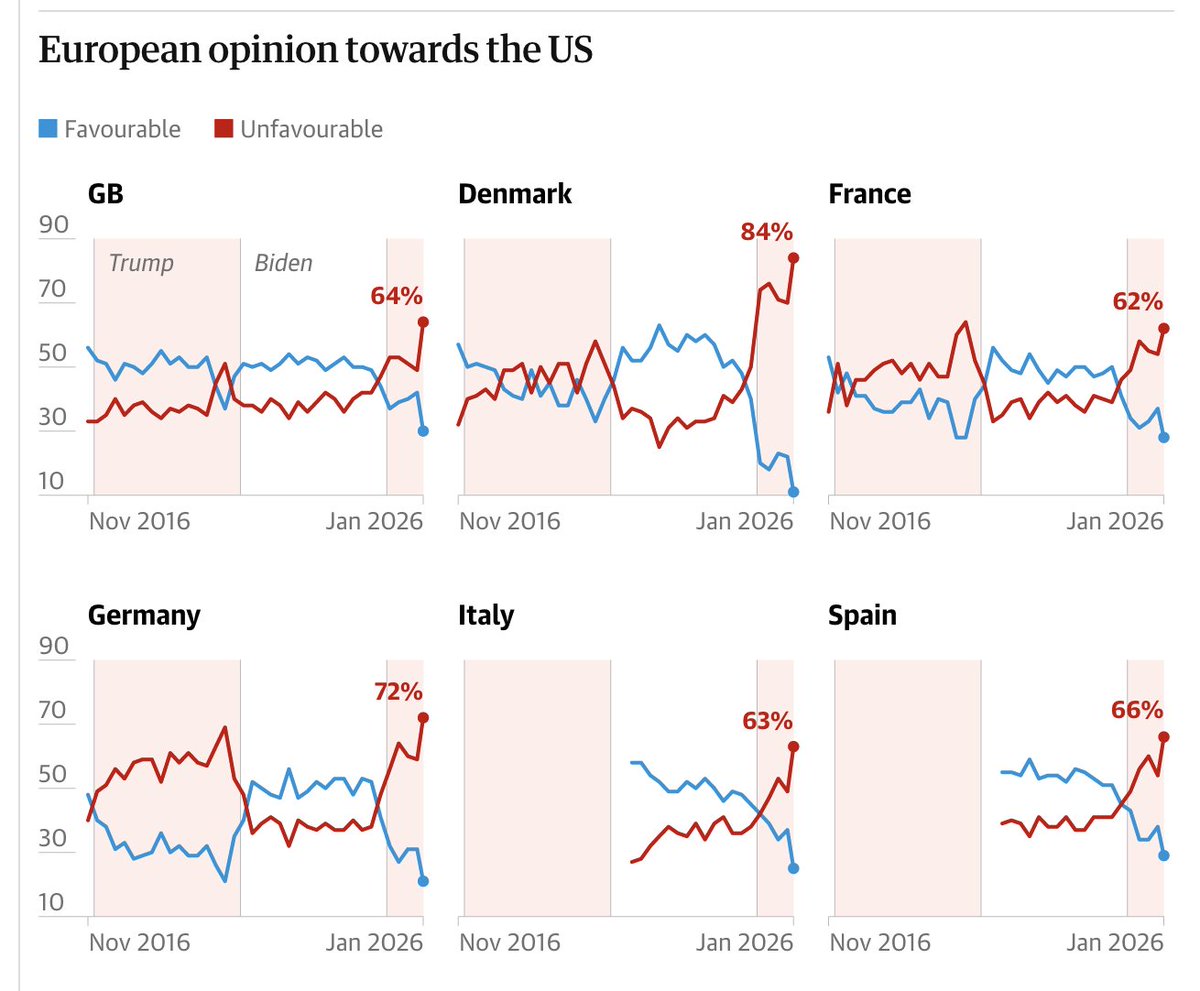
Some really striking numbers in this new survey showing the flip in European public opinion about America.
But bear in mind this is only Western Europe. In Eastern Europe, it has been harder to take the blinders from peoples' eyes.
theguardian.com/world/2026/feb…
English
Rafael Estrella retweetledi

Rafael Estrella retweetledi
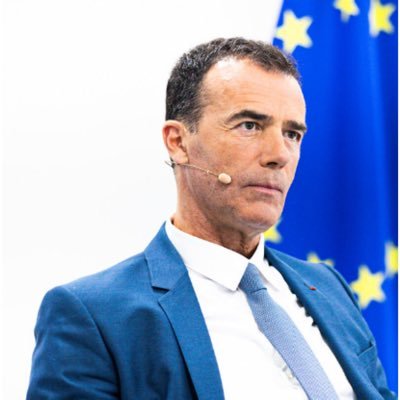
Europe is no longer just regulating payments. It is building them. Bancomat, Bizum, MB Way, Vipps MobilePay and EPI are creating a pan-European system for 130 million users. Less dependence, more sovereignty. This is the Europe of solutions.

English
Rafael Estrella retweetledi

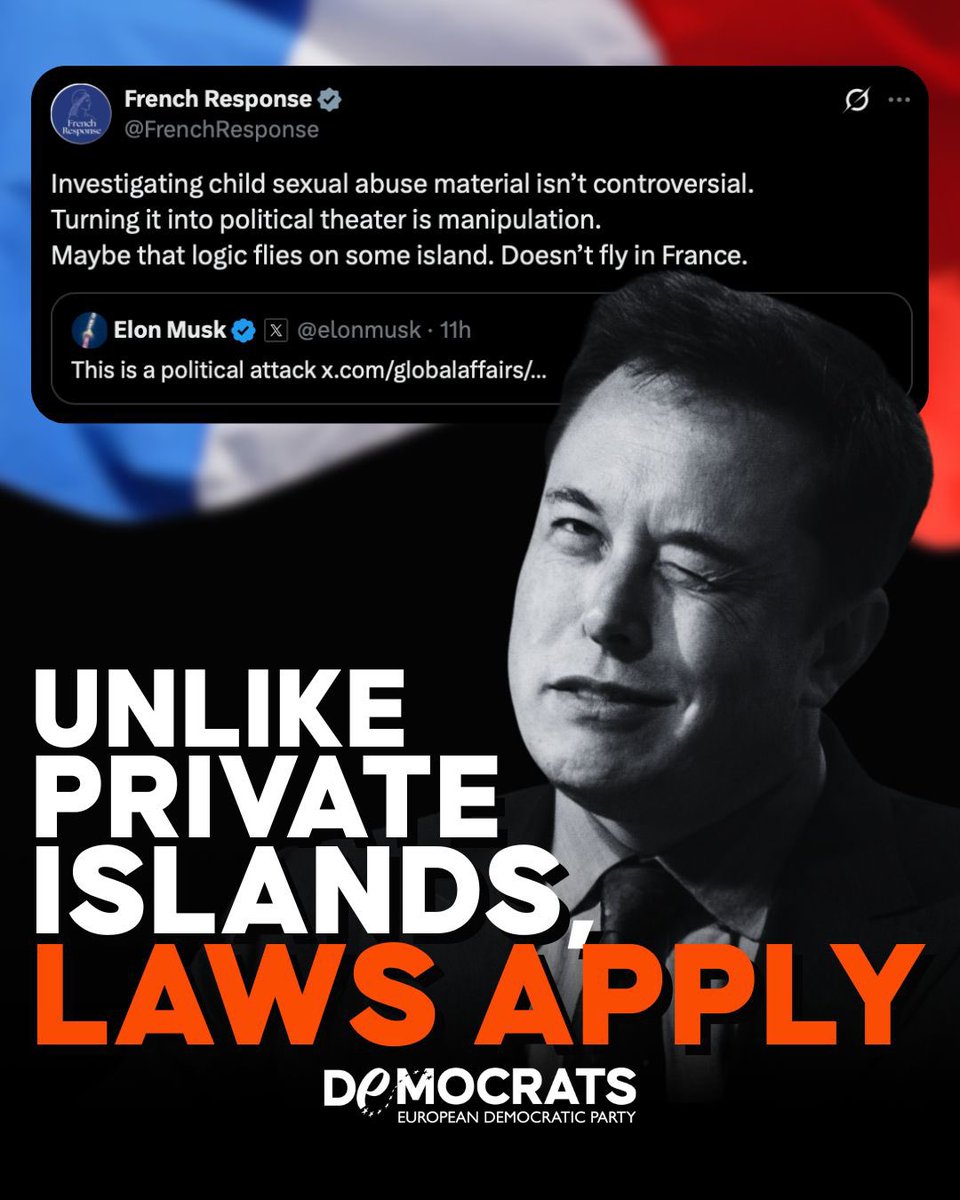
In France and across Europe, the rule of law is not optional, unlike on some private islands. France’s official diplomacy account @francediplo_EN replied with dry irony to Elon Musk’s claim of a “political attack”, dismantling the narrative in one line. Investigating child sexual abuse material is not censorship and not politics. It is a serious judicial inquiry into grave crimes. Accountability is not an attack.
English
Rafael Estrella retweetledi

Rafael Estrella retweetledi
Vender armas sin licencia en la calle es ilegal. Lo contrario nos parecería una barbaridad. En Telegram se hace.
Desnudar a una niña en la calle es ilegal. Lo contrario nos parecería una barbaridad. En Grok (X) se hace.
Ofrecer datos bancarios robados de alguien en el banco es ilegal. Y te parece correcto que así sea. Se venden en Telegram.
Si un alumno de 12 años pegara en una pared del cole una foto manipulada de una compañera para desnudarla probablemente sería expulsado. Lo hace en Instagram de forma anónima. Por cosas así hay suicidios de niños.
Vender mujeres y niñas para esclavizarlas prostituyéndolas es ilegal. Y lo entiendes perfectamente. Pero en Telegram se hace. Se organiza ese tráfico.
Negar el Holocausto es ilegal en buena parte de Europa. Y supones que después de Auschwitz es lo correcto. En X se hace a diario sin consecuencias.
Publicitar en televisión que beber lejía es bueno para el catarro es ilegal. Lógico. Aquí no.
Ningún padre y ninguna madre expondría a sus hijos pequeños a pedopornografía, violencia o incitación al suicidio.
En esta red se hace. Y en Tiktok. Y en Instagram. Y en Telegram. Y en WhatsApp. Etc.
Impedir eso no es censura. Y hay normativa europea y nacional, absolutamente democrática, para impedirlo. Ahora toca aplicarla.
Quienes defienden que las redes sociales sean un lugar sin ley no defienden la libertad de expresión. Al contrario. Acabarían con ella si pudieran. Defienden la violencia, la xenofobia, la pederastia y todo eso que no defienden en público porque sus madres los coserían a tortazos.
El vaso de la paciencia de los gobiernos europeos se llenó.
Ya era hora.
Español