ExaNeSt_H2020

7K posts

ExaNeSt_H2020

ExaNeSt_H2020

@ExaNeSt_H2020

H2020 project, developing solutions for Interconnection Networks, Storage, and Cooling for exascale-level supercomputers, tuning real HPC Applications.

Katılım Kasım 2015
429 Takip Edilen565 Takipçiler
ExaNeSt_H2020 retweetledi
Ayaan 🐧
Ayaan 🐧@twtayaan·
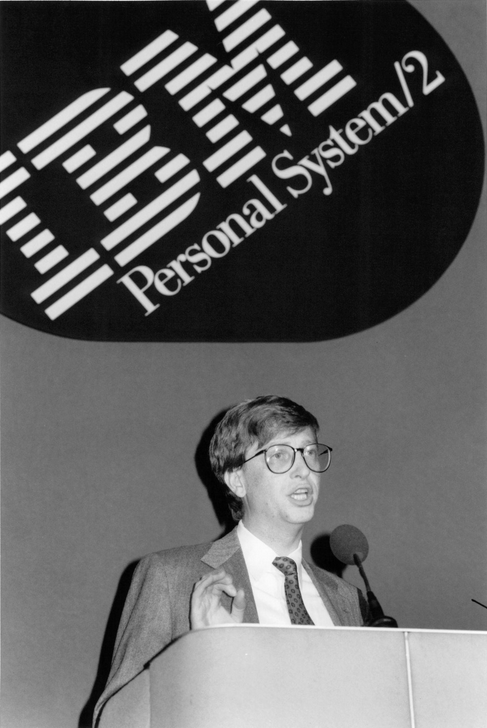
In the 1980s, Microsoft and IBM tried to build the future of computing together. 💻🤝 They called it OS/2. 💿 And for a moment, it looked like Windows might never win. > IBM and Microsoft partnered to replace MS-DOS completely. > OS/2 was their next-generation operating system. > Proper 32-bit multitasking. > Rock-solid stability. > Enterprise-grade performance years ahead of its time. > While Windows crashed constantly in the 90s… > OS/2 machines could run for months without rebooting. > Banks trusted it. > ATMs ran on it for decades. > Then everything changed. > IBM and Microsoft had a massive fallout. > Microsoft walked away to focus entirely on Windows. > Without Microsoft, the software ecosystem collapsed. > Developers stopped building apps for OS/2. > Windows took over the world. > IBM kept OS/2 alive for enterprise customers until 2006. > Most people assumed it died there. > But it didn’t. > In 2017, a small company called Arca Noae licensed the code from IBM. > They released ArcaOS, a modern version of OS/2. > Added USB 3.0 support. > Modern drivers. > Better hardware compatibility. > And somehow… it’s still getting updates in 2026. > Mainly used by banks, industrial systems, and hardcore enthusiasts. > Because rewriting that old software would cost millions. Most operating systems disappear when they lose the market. OS/2 refused to die. 🔥
Ayaan 🐧 tweet mediaAyaan 🐧 tweet media
English
54
105
648
40.2K
ExaNeSt_H2020 retweetledi
Captain Insight
Captain Insight@CaptainInsightX·
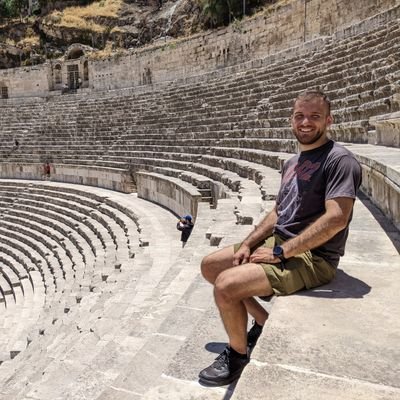
33 years ago a PhD student cracked Microsoft's secret protocol alone. Linus Torvalds invented Git because of him. 🤯 Meet Andrew Tridgell 🇦🇺 > Australian engineer. Born 1967. Goes by "Tridge." > 1991 ~ a PhD student in Canberra. > Couldn't get his computers to share files with Windows. > Microsoft's networking protocol was a black box. > So he wrote a packet sniffer. Read raw network traffic. > Reverse-engineered Microsoft's protocol byte by byte. Alone. > Built Samba in 1992. Released it free. > Today every Linux server, every NAS box, every printer, every Android backup ~ runs Samba. 🚀 > 2001 ~ Microsoft CEO called Linux "a cancer." > Microsoft refused to share its protocols. Samba had to keep guessing. > 2006 ~ Tridge flew to Luxembourg. > Testified against Microsoft in EU antitrust court. > Microsoft lost. At every level. > Forced to publish their secrets. > Meanwhile in 2005 ~ he reverse-engineered BitKeeper. > The proprietary tool the Linux kernel ran on. > BitKeeper retaliated. Revoked Linux's license overnight. > Linus had no version control. He locked himself in for 10 days. > Out came Git. > Today 94% of every developer on Earth uses it. > No Tridge ~ no Git. He built how the world talks to Windows. He beat Microsoft in court. He forced the birth of Git. One Aussie hacker. Three battles. All won. No company. No fame. Still codes from Canberra. Open-source GOAT. 🐐
Captain Insight tweet mediaCaptain Insight tweet media
English
37
223
1.3K
58.5K
ExaNeSt_H2020 retweetledi
Uros Popovic
Uros Popovic@popovicu94·
Quick Linux insight: Your terminal emulator is emulating 1970s hardware. GNOME Terminal, iTerm2, Alacritty, kitty: these are graphical applications whose job is to behave like a DEC VT100 from 1978. A screen and a keyboard connected to a serial line. The hardware is gone, but the protocol stayed. Your $TERM variable says something like "xterm-256color." The program on the other end of your shell prompt is sending escape sequences designed for a physical device that no longer exists. Every modern terminal speaks that 50-year-old language, and more. The window on your screen is in a way a museum piece with very good fonts. Nowadays it can do a lot more too. We'll zoom into all of this in the next Linux Field Guide text on the role of shell and what it really means to "work in the terminal".
Uros Popovic tweet media
English
5
12
168
7.8K
ExaNeSt_H2020 retweetledi
Captain Insight
Captain Insight@CaptainInsightX·
The NSA spent billions trying to break encryption. One German programmer beat them. He earned only $25k a year. 🤯 Meet Werner Koch 🇩🇪 > German free software developer. Born 1961 in Düsseldorf. > 1997 ~ Richard Stallman called for a free encryption tool. > Only option then: closed-source, US-restricted PGP. > Werner answered. He built GnuPG (GPG) alone — free software to encrypt files, sign software, and verify identity. > 1999 ~ Released GPG 1.0. Fully open source. No restrictions. > Today his code verifies every Linux server update, every Debian package, every Tor Browser download on Earth. > Every signed Linux release depends on it. > Used by activists, dissidents, and security pros worldwide to stay untracked. > Edward Snowden used GPG in 2013 to leak NSA documents. It held up against the world’s most powerful spy agency. 🚀 > 2001 ~ Founded g10code with his brother to work full-time on GPG. > Earned $25,000/year for 14 years while supporting his wife and daughter. > 2012 ~ Funding ended. He had to let go of his only programmer. > 2013 ~ He was the sole maintainer and nearly quit. > 2015 ~ ProPublica story dropped. Internet donated $137k in 24 hours. > Facebook + Stripe pledged $50k/year each. Linux Foundation gave $60k. > Won FSF Award for the Advancement of Free Software. > Today he still maintains GPG from his home in Erkrath, Germany. One man kept the internet’s secrets, secret. The world almost lost him in 2013. His code still protects yours. Privacy GOAT. 🐐
Captain Insight tweet mediaCaptain Insight tweet media
English
74
1.1K
6.9K
233.3K
ExaNeSt_H2020 retweetledi
Association for Computing Machinery
Happy birthday, Ron Rivest! Ron Rivest, Leonard M. Adleman, and Adi Shamir received the 2002 #ACMTuringAward for their ingenious contribution to making public-key cryptography useful in practice with the RSA public key cryptosystem. Rivest discusses: buff.ly/f7hoKM0
English
0
10
30
1.7K
ExaNeSt_H2020 retweetledi
The Nobel Prize
The Nobel Prize@NobelPrize·
In his official Nobel Prize interview Victor Ambros spoke about the importance of failure and how much it can teach us. Watch his full interview at bit.ly/42pPZCI
The Nobel Prize tweet media
English
17
94
401
18.3K
ExaNeSt_H2020 retweetledi
HIGHER Project
HIGHER Project@higherEUproject·
🙏 A big thank you to those who attended our Open Compute Project Foundation (OCP) EMEA Summit session yesterday, "Towards a European Open Infrastructure: Insights from HIGHER, CAPE, and CHORYS." 👍
HIGHER Project tweet mediaHIGHER Project tweet media
English
0
2
2
37
ExaNeSt_H2020 retweetledi
Association for Computing Machinery
Happy Birthday to Claude Shannon, known by many as the “father of Information Theory.” Shannon was an American mathematician and electrical engineer. In 1948, he published A Mathematical Theory of Communication, which effectively created the field.
English
10
232
666
37.2K
ExaNeSt_H2020 retweetledi
Uros Popovic
Uros Popovic@popovicu94·
Picked this up. "The Design and Implementation of the FreeBSD Operating System" - because the more I dig into Linux, the more I want to see what the road not taken looks like. Quick lineage check: Linux is a kernel for a Unix-like OS. It was written from scratch to match Unix interfaces and philosophy, but it shares no code with the original. FreeBSD is Unix-descended. The codebase traces back to the original Berkeley Unix work. Real ancestry. That makes FreeBSD the closest open-source thing we have to a continuous Unix bloodline. Why I care: when you only know one system, you can't tell which design decisions are fundamental and which are just how that system happened to do it. Reading about a sibling OS is a shortcut to seeing the difference. Curious to dig into: - Jails (the original container idea, predates Linux namespaces) - kqueue - One base system vs distro fragmentation If you've spent time with FreeBSD, what should I not skip?
Uros Popovic tweet media
English
12
31
275
11K
ExaNeSt_H2020 retweetledi
Scott Hanselman 🌮
Scott Hanselman 🌮@shanselman·
The earliest DOS source code was found on printer paper in Tim Paterson's garage so we've open sourced it on 86-DOS 1.00’s 45th anniversary! This is next-level software archaeology for study, preservation, and plain ol’ curiosity. Go dig in and learn how it was recovered! #DOS #RetroComputing opensource.microsoft.com/blog/2026/04/2…
English
35
554
2K
104.1K
ExaNeSt_H2020
ExaNeSt_H2020@ExaNeSt_H2020·
/* compatible with the UNIX tenet that "Everything is a file" ... */
Uros Popovic@popovicu94

You've installed Linux a dozen times. The installer asked you the same questions every time. Disk layout. Username. Timezone. Keyboard. A progress bar. A reboot. The installer is a wizard around a process that isn't really wizardry. Underneath, it's copying files into directories, writing a few config files, installing a bootloader. That's it. That's the whole job. The reason this matters: as long as the installer is the only way you know how to produce a Linux system, you're stuck with the kinds of systems installers are designed to produce. General-purpose desktops. General-purpose servers. The shapes someone else decided were worth shipping. Skip the installer and the shape is yours. The catch is that "skip the installer" sounds like the kind of thing only kernel developers do and it isn't. Alpine Linux has a tool called apk.static, a single statically-linked binary that runs on any Linux. You point it at a target directory, hand it a list of packages, and it populates that directory with a working Alpine root filesystem. Tar the directory, hand the tarball to QEMU as an initramfs, and you have a Linux system you built on purpose, booting in a VM, in a few commands. Once you've done that, the installer stops being the thing that produces Linux systems. It becomes one possible front-end, among many, for a process you now control directly. And once you control the process, you can shape the output. The list of packages is yours. The init script is yours. A bootable Linux image stops being something you receive and starts being something you assemble, with a clear input and a predictable output. The new series walks through it from the first command. Starts soon on The Linux Field Guide: lfg.popovicu.com

English
0
0
0
25
ExaNeSt_H2020 retweetledi
MIT CSAIL
MIT CSAIL@MIT_CSAIL·
61 years ago this month, the Fast Fourier Transform was created, a powerful tool for image compression & data analysis. Watch a classic MIT breakdown of FFT, perhaps the most-taught algorithm at the Institute: bit.ly/4cNMbPm v/@MITOCW
English
33
447
2.7K
166.1K
ExaNeSt_H2020 retweetledi
Uros Popovic
Uros Popovic@popovicu94·
Today is the day. The Linux Field Guide is officially live. This is the project I've been talking about for a while. A long-form publication for "upper beginner" Linux users - the people who installed Linux, are comfortable in a terminal, and want to understand WHY things work the way they do, not just how to type the commands. The first article is now up. It opens Series 01: The C Layer. lfg.popovicu.com/series/the-c-l… Title: Why C is the Linux userspace interface. Most writing about C defends it the same way - "it's fast," "it's close to the metal," "there's too much legacy code to replace it." All of these treat C as a tool you happen to be stuck with. This article makes a different argument: C isn't a language you pick on Linux. It is literally the operating system interface, as POSIX defines it. Working code throughout. Real assembly for x86_64 and RISC-V, the actual ld command line gcc hides from you, and Apple's own documentation as receipts. About a 15 minute read. This is article 1 of many. Six series planned, each ~10 entries. The C Layer is just the start - shells, /proc, signals, files-as-everything, and bootstrapping a Linux system from scratch are all coming. A newsletter is in the works for readers who want article roundups plus extra content. For now, follow here for updates. Thank you to everyone who followed along through the campaign this past week. Today is the payoff.
English
22
105
617
25K
ExaNeSt_H2020 retweetledi
Internet Archive
Internet Archive@internetarchive·
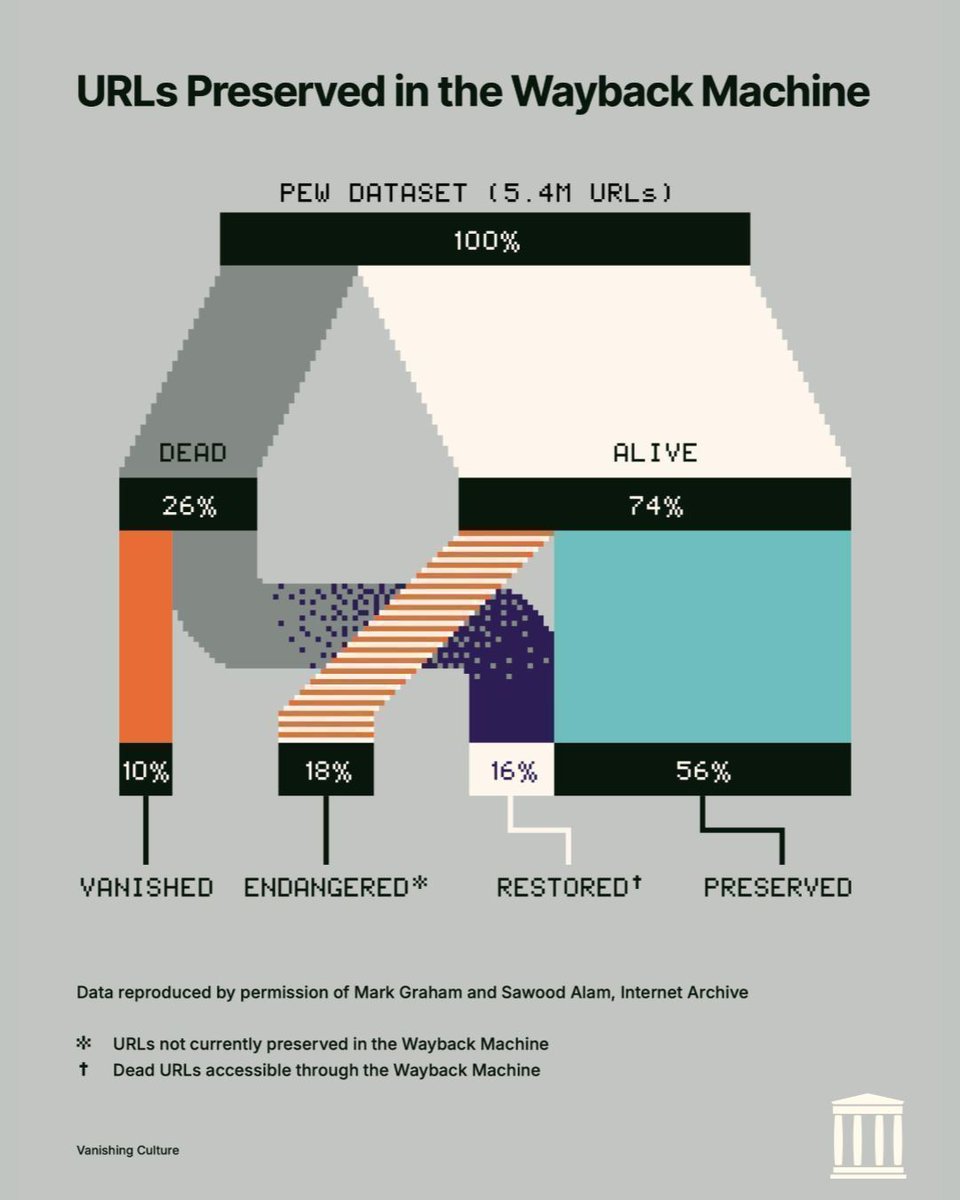
The web is disappearing 🕳️ According to a Pew Research Center report, 26% of pages from 2013-2023 are no longer accessible. But that’s not the whole story. In a new study published in Internet Archive's book, VANISHING CULTURE, data scientists working with the Wayback Machine have found: 16% have been restored through the Wayback Machine. 56% are preserved before they disappear. Preservation is the remedy for cultural loss. 📚 Read VANISHING CULTURE free from the Internet Archive 📖 Download & read: archive.org/details/vanish… 🛒 Purchase in print: betterworldbooks.com/product/detail… #VanishingCulture #DigitalMemory #InternetArchive #BookTwitter
Internet Archive tweet media
English
171
4.5K
12.4K
469.4K
ExaNeSt_H2020 retweetledi
Ihtesham Ali
Ihtesham Ali@ihtesham2005·
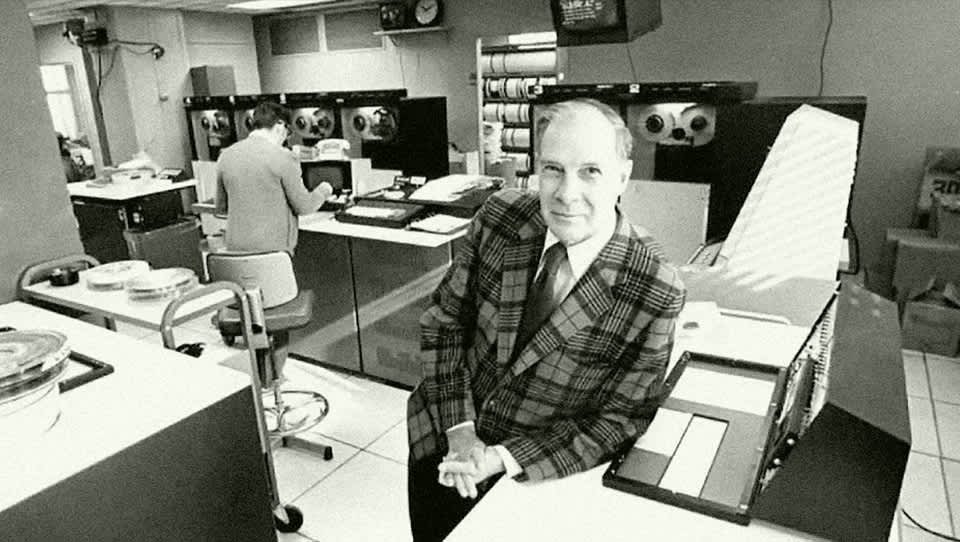
A mathematician who shared an office with Claude Shannon at Bell Labs gave one lecture in 1986 that explains why some people win Nobel Prizes and other equally smart people spend their whole lives doing forgettable work. His name was Richard Hamming. He won the Turing Award. He invented error-correcting codes that made modern computing possible. And he spent 30 years at Bell Labs sitting in a cafeteria at lunch watching which scientists became legendary and which ones faded into nothing. In March 1986, he walked into a Bellcore auditorium in front of 200 researchers and told them exactly what he had seen. Here's the framework that has been quoted by every serious scientist for the last 40 years. His opening line landed like a punch. He said most scientists he worked with at Bell Labs were just as smart as the Nobel Prize winners. Just as hardworking. Just as credentialed. And yet at the end of a 40-year career, one group had changed entire fields and the other group was forgotten by the time they retired. He wanted to know what the difference actually was. And he said it wasn't luck. It wasn't IQ. It was a specific set of habits that almost nobody is willing to follow. The first habit was the one that hurts the most to hear. He said most scientists deliberately avoid the most important problem in their field because the odds of failure are too high. They pick a safe adjacent problem, solve it cleanly, publish it, and move on. And because they never swing at the hard problem, they never hit it. He said if you do not work on an important problem, it is unlikely you will do important work. That is not a motivational line. That is a logical one. The second habit was about doors. Literal doors. He noticed that the scientists at Bell Labs who kept their office doors closed got more done in the short term because they had no interruptions. But the scientists who kept their doors open got more done over a career. The open-door scientists were interrupted constantly. They also absorbed every new idea passing through the hallway. Ten years in, they were working on problems the closed-door scientists did not even know existed. The third habit was inversion. When Bell Labs refused to give him the team of programmers he wanted, Hamming sat with the rejection for weeks. Then he flipped the question. Instead of asking for programmers to write the programs, he asked why machines could not write the programs themselves. That single inversion pushed him into the frontier of computer science. He said the pattern repeats everywhere. What looks like a defect, if you flip it correctly, becomes the exact thing that pushes you ahead of everyone else. The fourth habit was the one that hit me the hardest. He said knowledge and productivity compound like interest. Someone who works 10 percent harder than you does not produce 10 percent more over a career. They produce twice as much. The gap doesn't add. It multiplies. And it compounds silently for years before anyone notices. He finished the lecture with a line I have never been able to shake. He said Pasteur's famous quote is right. Luck favors the prepared mind. But he meant it literally. You don't hope for luck. You engineer the conditions where luck can land on you. Open doors. Important problems. Inverted questions. Compounded hours. Those are not traits. Those are choices you make every single day. The transcript has been sitting on the University of Virginia's computer science website for almost 30 years. The video is free on YouTube. Stripe Press reprinted the full lectures as a book in 2020 and Bret Victor wrote the foreword. Hamming died in 1998. He gave his final lecture a few weeks before. He was 82. The lecture that explains why some careers become legendary and others disappear is still free. Most people who could benefit from it will never open it.
Ihtesham Ali tweet media
English
147
1.9K
8.2K
1.2M
ExaNeSt_H2020 retweetledi
Association for Computing Machinery
We mourn the loss of Michael O. Rabin, who has passed away at the age of 94. Alongside Dana S. Scott, Rabin received the 1976 ACM Turing Award for their seminal paper, "Finite Automata and Their Decision Problem."
Association for Computing Machinery tweet media
English
1
14
26
1.8K
ExaNeSt_H2020 retweetledi
Ericsson
Ericsson@ericsson·
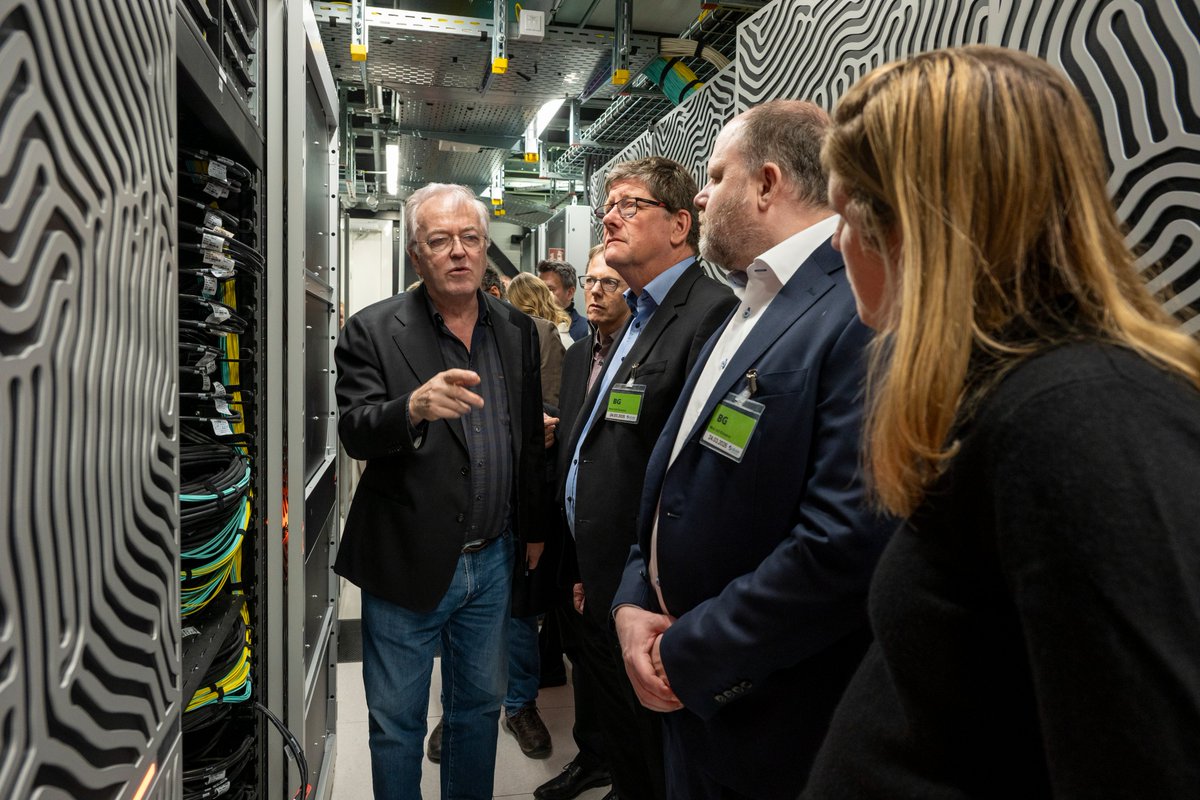
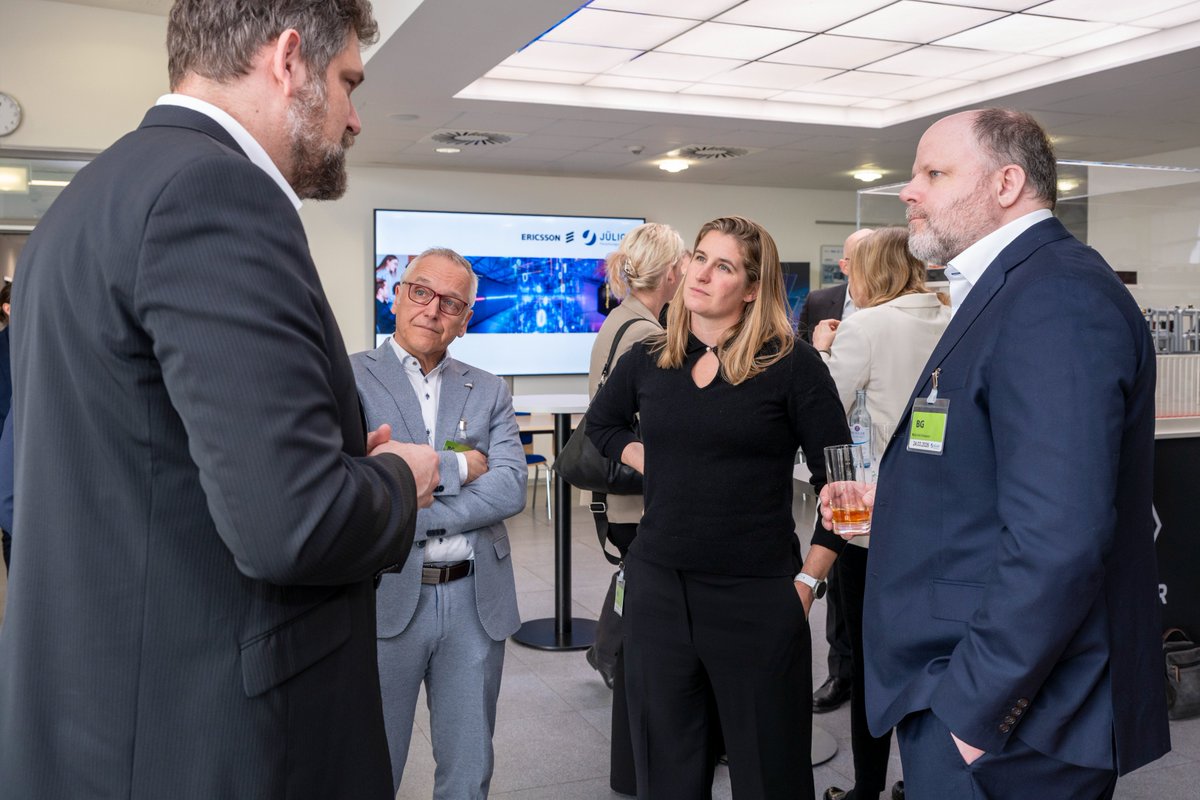
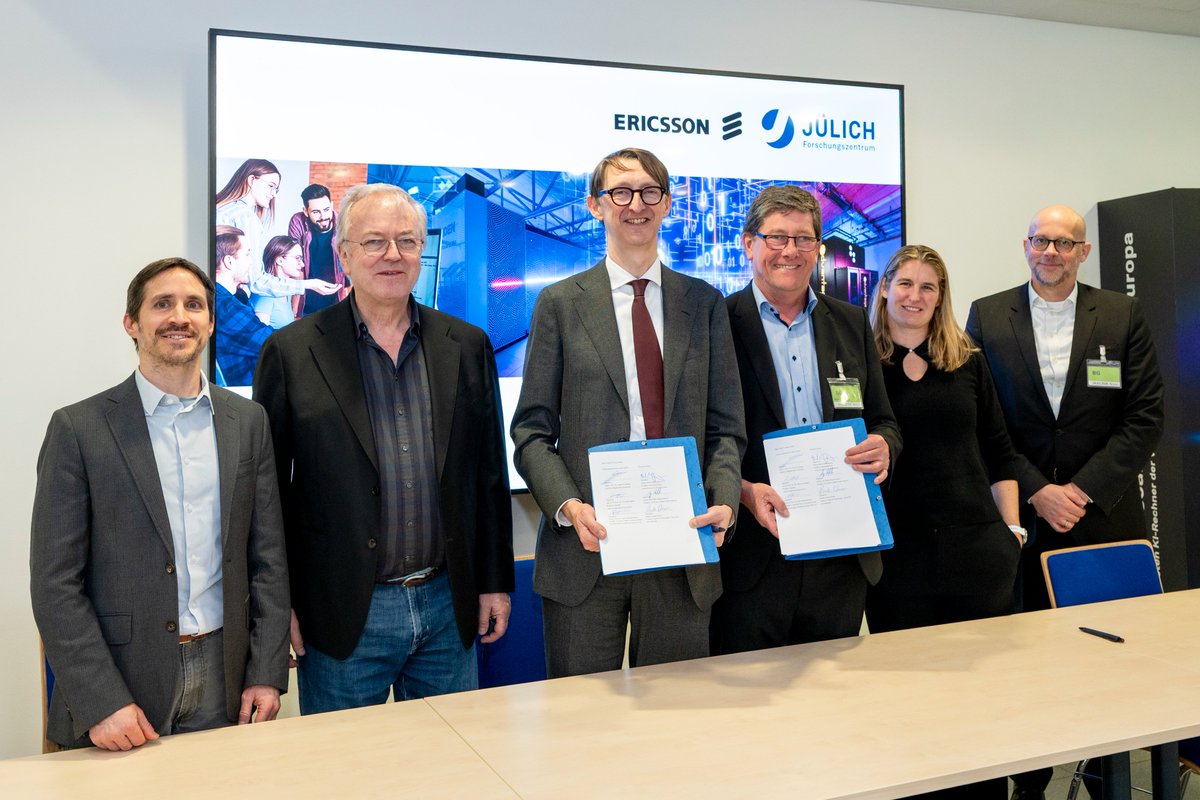
📣 #Breaking: We're partnering with Forschungszentrum Jülich to develop advanced AI for 5G and 6G. Using JUPITER, Europe’s first exascale supercomputer 🤖, we’ll power the next wave of mobile networks. #news #Innovation #AI #6G #telecoms
Ericsson tweet mediaEricsson tweet mediaEricsson tweet media
English
3
6
12
842