Sabitlenmiş Tweet

Software-defined phased array imaging the geostationary arc at 10489.999600 MHz. Twinkle, twinkle, little QO-100 CW beacon. #amateurradio
English
F4DAV
1.9K posts
@F4DAV
Amateur radio, SDR. https://t.co/TkL74YhcUU | https://t.co/49GoEYZkfu | https://t.co/HHjGe1SxEX


Does anyone here own Reuter Electronik products? (German company) I'm interested in their "Pocket" model which is a portable direct sampling SDR. Would love to know how it compares to other high performance SDRs, and if it's worth it. Base model starts at €1300 🙈
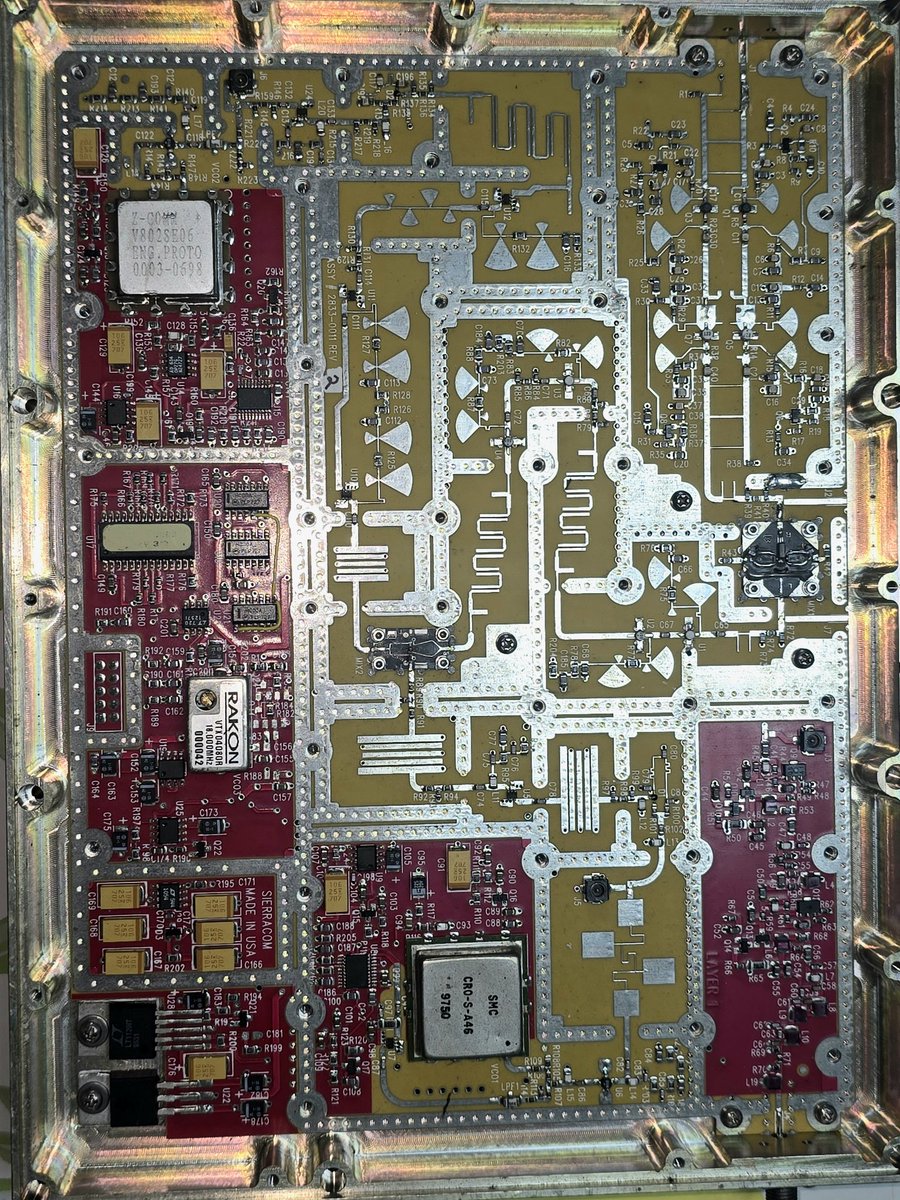
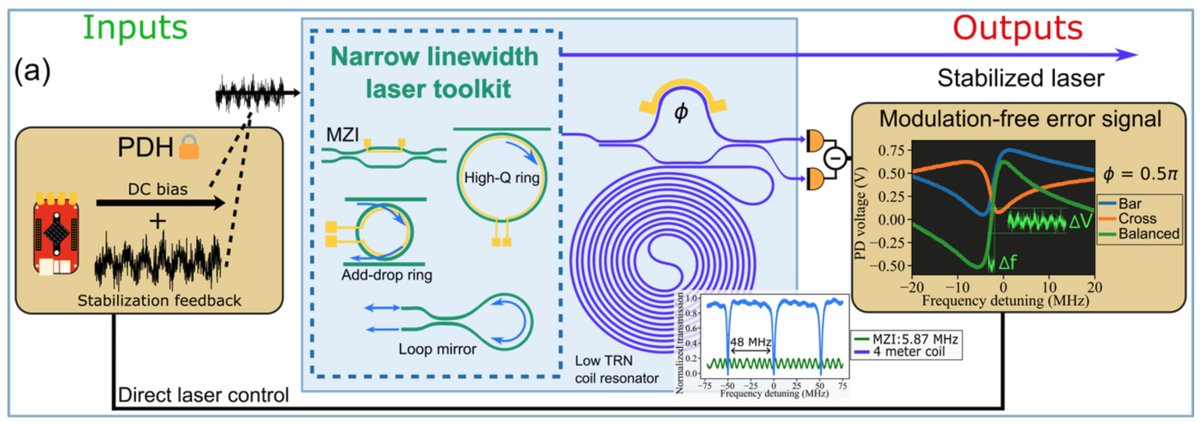
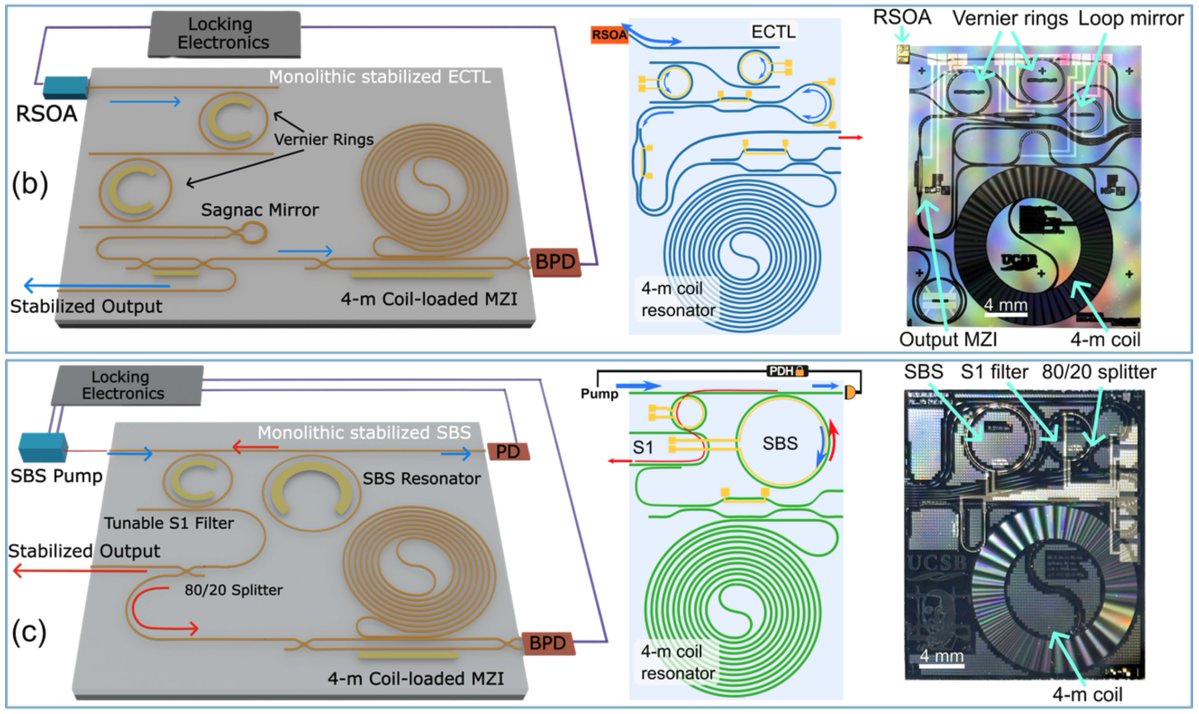
this figure got me thinking wow these fiber optic gyro coils look nice, and oh boy do they look nice, how the hell do you wind them like these?


Google's project Taara is doing long range (20 km) free space optical comm. Now they have a chip for steering the beam ( and potentially correcting the scintillation as well since the aperture got many segments? ) The chip looks amazing, and it looks like a phased array, there are splitter trees and modulators (?). The size of the aperture / the beam looks like ~5 mm diameter, and that is a Rayleigh length of ~< 15 m at 1.5 um wavelength, or an insertion loss of >30 dB at 1 km, or >60 dB at 20 km, just from divergence of the beam. They must have some really good and fast detectors.

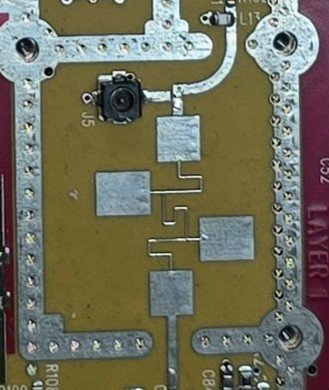


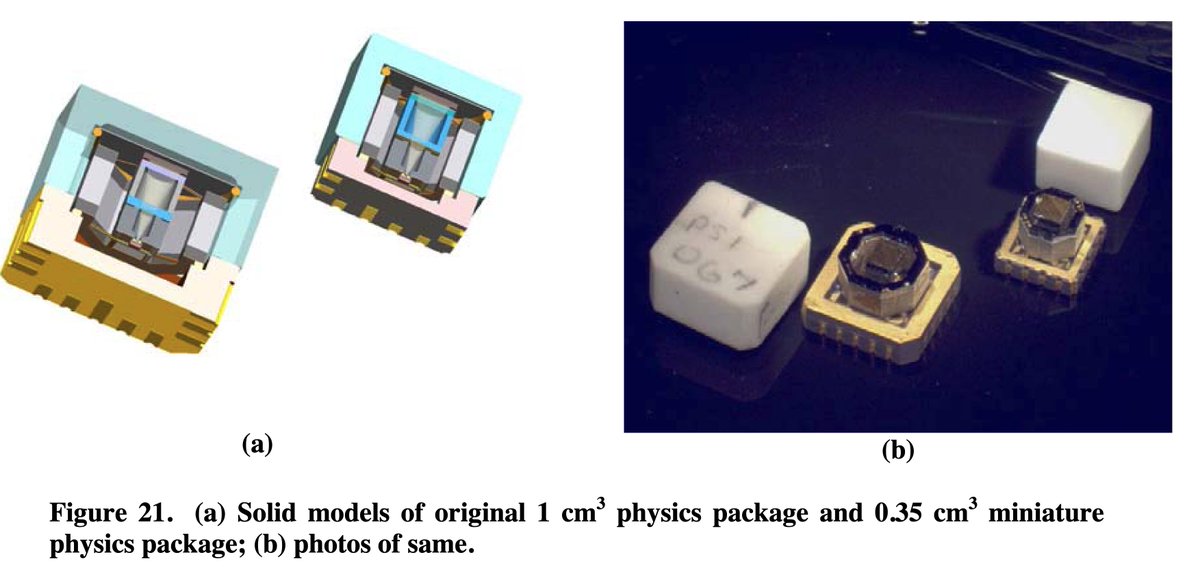
TIL you can buy a chip-scale atomic clock (CSAC) with just ~ $2000, and they'll miss one second only every 4000 years. Fig. 3 is from 2003, and it is commercialized in 2011: spectrum.ieee.org/chipscale-atom…




The vehicle roll-rate and gimballing is wild...wow. Thats some performance and still mission success !
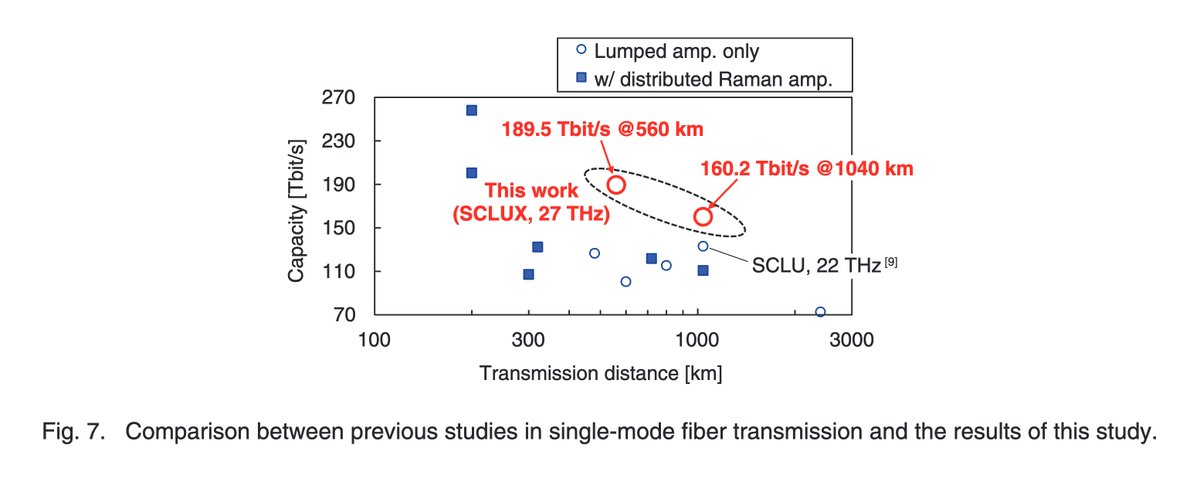
256 Tb/s data rates over 200 km distance have been demonstrated on single mode fiber optic, which works out to 32 GB of data in flight, “stored” in the fiber, with 32 TB/s bandwidth. Neural network inference and training can have deterministic weight reference patterns, so it is amusing to consider a system with no DRAM, and weights continuously streamed into an L2 cache by a recycling fiber loop. The modern equivalent of the ancient mercury echo tube memories. You would need to pipeline a bunch of them to implement modern trillion parameter models, but fiber transmission may have a better growth trajectory than DRAM does today, so it might someday become viable. Much more practically, you should be able to gang cheap flash memory together to provide almost any read bandwidth you require, as long as it is done a page at a time and pipelined well ahead. That should be viable for inference serving today if flash and accelerator vendors could agree on a high speed interface.


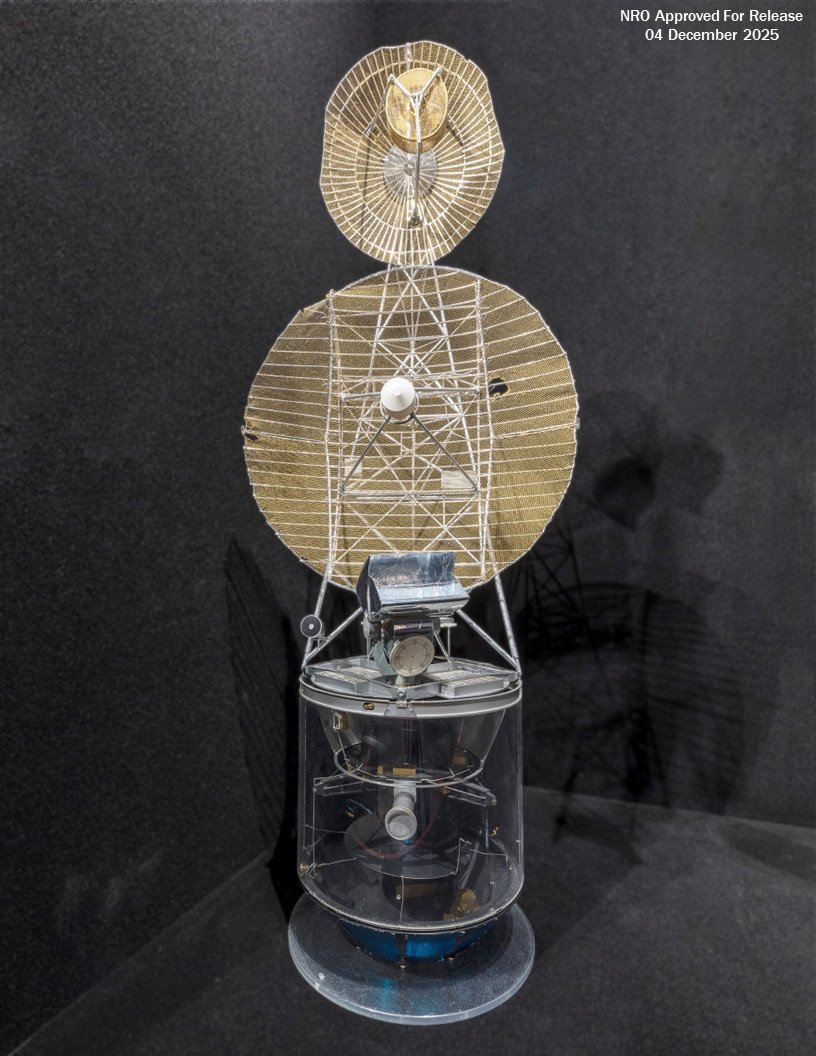
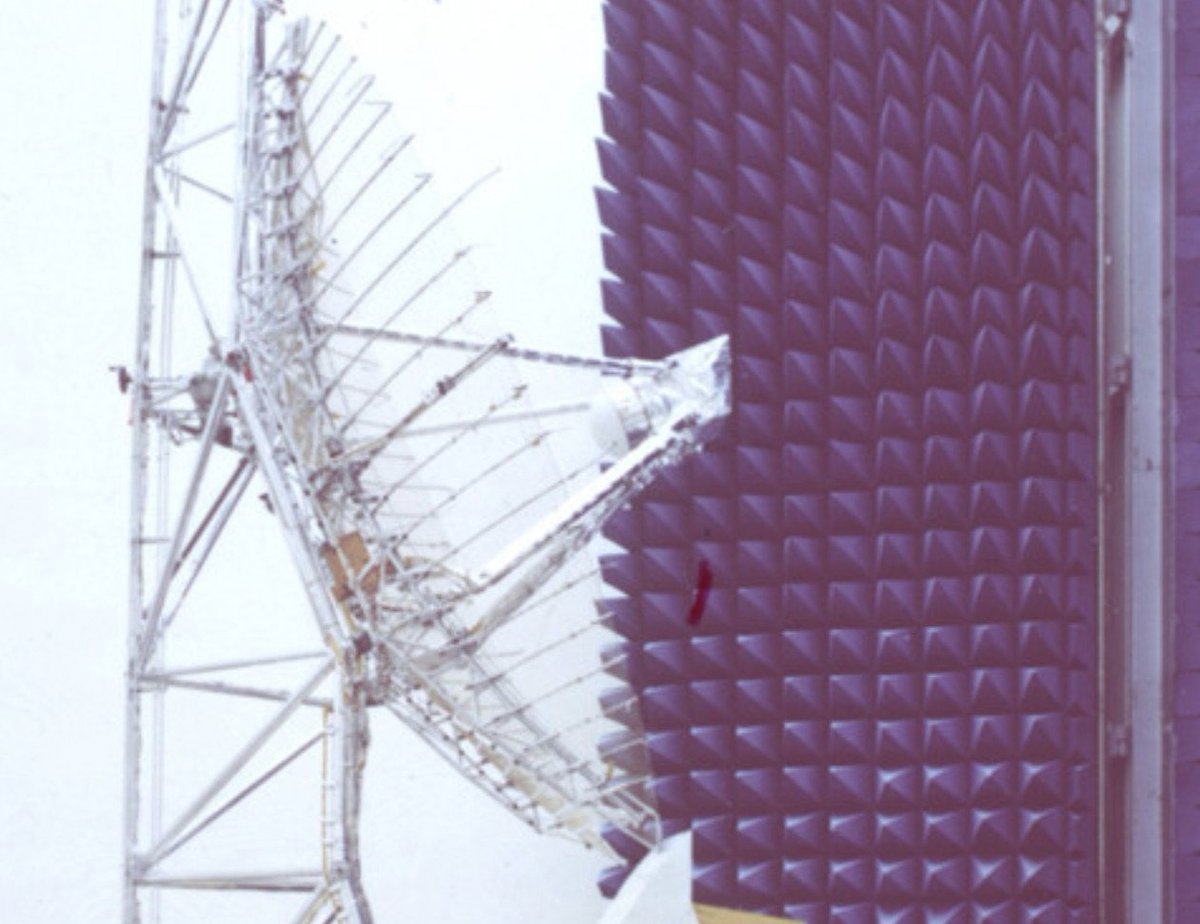
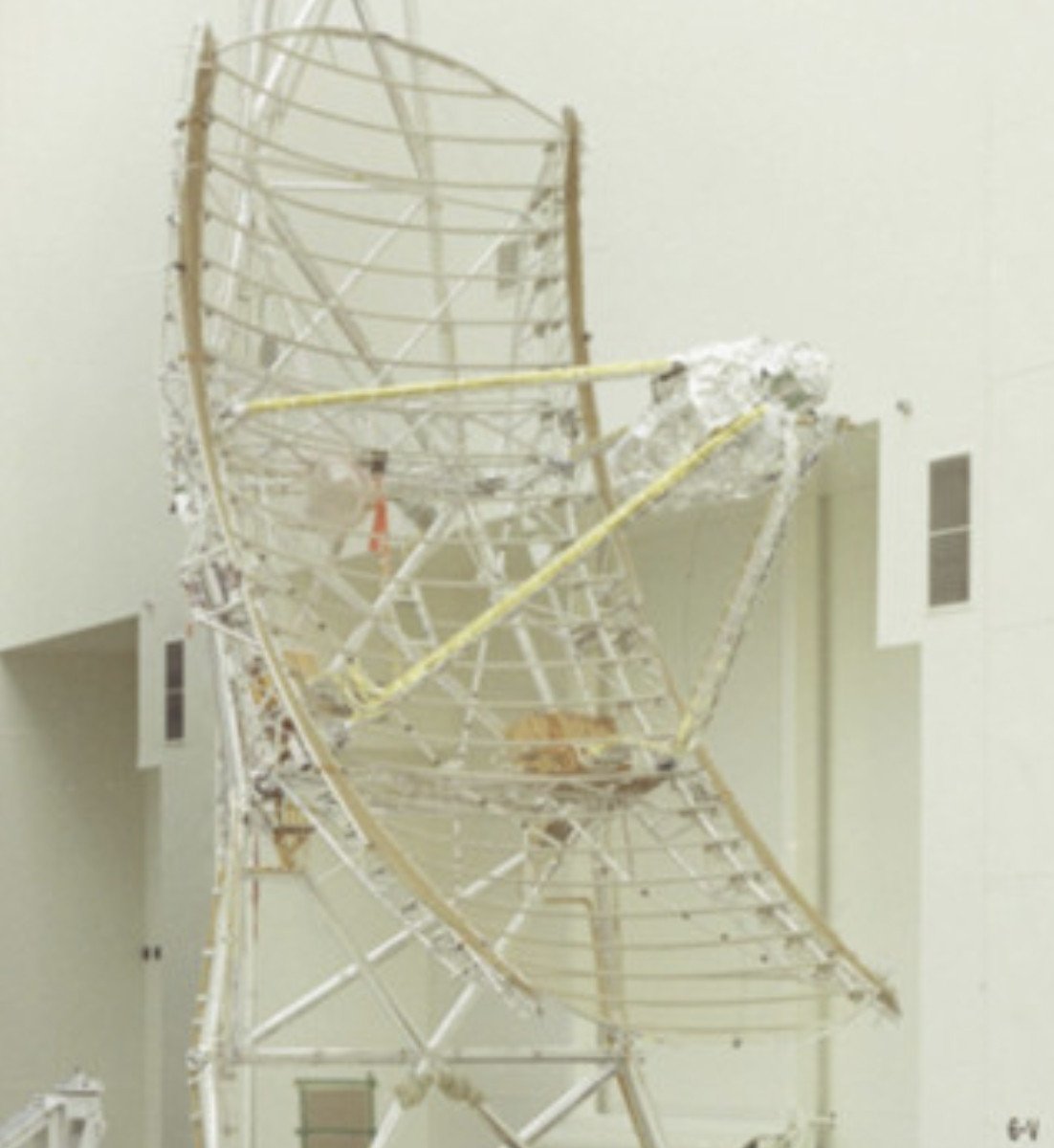
Oh nice, I'm trying to get some sleep and then the NRO releases declassified images of the JUMPSEAT SIGINT satellite... Source: nro.gov/foia-home/foia…

nice plot of good clocks, evolution over time they are gonna redefine the second!