

Fred Coloe
5.6K posts

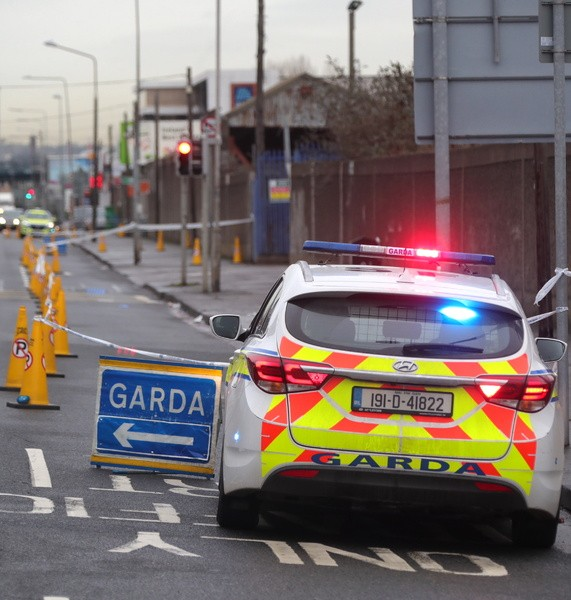
A motorist who carried out a “spontaneous and dreadful” road rage attack on a 64-year-old cyclist has had his jail term replaced with a fully suspended sentence and his driving ban lifted on appeal.
Judge Simon McAleese ordered Glen Corcoran (30) to pay €15k to the family of the victim, who the court heard has has since passed away due to an unrelated illness.
The judge had earlier noted that jails are “bursting at the seams”, with some prisoners sleeping on the floor and others being released early.
courtsnewsireland.ie/motorist-who-c…
English
@TONYxTWO Oh the irony. A pro gun nut job running scared when a gunman shows up!!! 😂😂
English


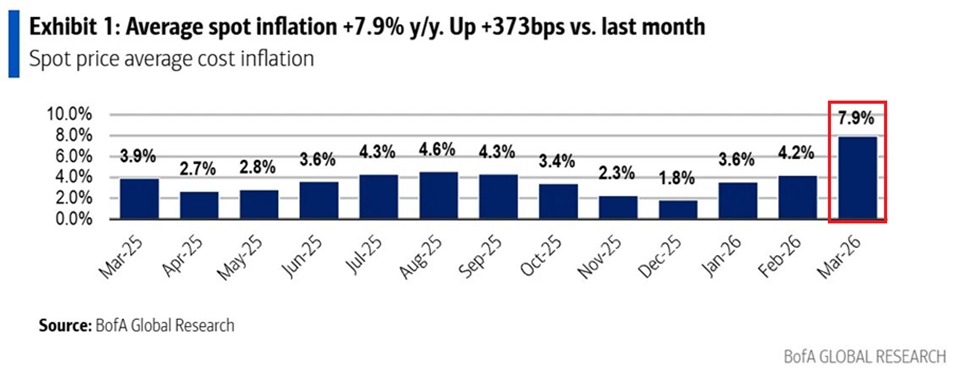
Food inflation is set to accelerate in the US:
Average inflation for food and beverage companies surged +7.9% YoY in March, the biggest jump in at least 12 months.
This is up +373 basis points from +4.2% in February.
The largest jump was recorded in tomatoes at +102% YoY, vegetables at +90%, and diesel at +88%.
This was largely driven by higher fuel costs, meaning the full impact of rising fertilizer and plastics prices has not yet been reflected.
Meanwhile, urea prices, the world's most widely used nitrogen fertilizer, have doubled since February, to ~$900 per metric ton, the highest since the 2022.
Fertilizer costs are rapidly rising for farmers and will eventually translate into higher wholesale food prices before landing on grocery store shelves.
Food inflation is set to accelerate.
English
@brexitmiyagi @KobeissiLetter Its stock market manipulation. Trump, Putin, Iranian regime etc making a killing!!! Keep up!
English

@KobeissiLetter The blockade is America’s leverage, Hormuz is the crown of this conflict. This war is over, the only thing left are respective maximalist rhetorics to take a back seat and put pen to the paper.
Sameer Shahzad@brexitmiyagi
𝗧𝗟;𝗗𝗥 • 𝘈𝘯 𝘪𝘯𝘵𝘦𝘳𝘯𝘢𝘭 𝘗𝘦𝘯𝘵𝘢𝘨𝘰𝘯 𝘦𝘮𝘢𝘪𝘭 𝘳𝘦𝘱𝘰𝘳𝘵𝘦𝘥 𝘣𝘺 𝘙𝘦𝘶𝘵𝘦𝘳𝘴 𝘍𝘳𝘪𝘥𝘢𝘺 𝘰𝘶𝘵𝘭𝘪𝘯𝘦𝘴 𝘴𝘶𝘴𝘱𝘦𝘯𝘥𝘪𝘯𝘨 𝘚𝘱𝘢𝘪𝘯 𝘧𝘳𝘰𝘮 𝘕𝘈𝘛𝘖 𝘢𝘯𝘥 𝘳𝘦𝘷𝘪𝘦𝘸𝘪𝘯𝘨 𝘜𝘚 𝘴𝘶𝘱𝘱𝘰𝘳𝘵 𝘧𝘰𝘳 𝘉𝘳𝘪𝘵𝘢𝘪𝘯'𝘴 𝘍𝘢𝘭𝘬𝘭𝘢𝘯𝘥 𝘐𝘴𝘭𝘢𝘯𝘥𝘴 𝘤𝘭𝘢𝘪𝘮 𝘢𝘴 𝘱𝘶𝘯𝘪𝘴𝘩𝘮𝘦𝘯𝘵 𝘧𝘰𝘳 𝘳𝘦𝘧𝘶𝘴𝘪𝘯𝘨 𝘵𝘰 𝘣𝘢𝘤𝘬 𝘜𝘚 𝘰𝘱𝘦𝘳𝘢𝘵𝘪𝘰𝘯𝘴 𝘪𝘯 𝘵𝘩𝘦 𝘐𝘳𝘢𝘯 𝘸𝘢𝘳; 𝘚𝘢́𝘯𝘤𝘩𝘦𝘻 𝘢𝘯𝘥 𝘚𝘵𝘢𝘳𝘮𝘦𝘳 𝘱𝘶𝘣𝘭𝘪𝘤𝘺 𝘥𝘪𝘴𝘮𝘪𝘴𝘴𝘦𝘥 𝘵𝘩𝘦 𝘵𝘩𝘳𝘦𝘢𝘵𝘴 𝘱𝘦𝘳 𝘞𝘢𝘴𝘩𝘪𝘯𝘨𝘵𝘰𝘯 𝘗𝘰𝘴𝘵 𝘢𝘯𝘥 𝘈𝘭 𝘑𝘢𝘻𝘦𝘦𝘳𝘢 𝘚𝘢𝘵𝘶𝘳𝘥𝘢𝘺 • 𝘉𝘳𝘦𝘯𝘵 𝘢𝘵 $𝟫𝟦.𝟨𝟥 𝘥𝘰𝘸𝘯 𝟣.𝟧%, 𝘉𝘛𝘊 𝘢𝘵 $𝟩𝟪,𝟤𝟨𝟨 𝘶𝘱 𝟢.𝟧𝟧%, 𝘚&𝘗 𝘧𝘶𝘵𝘶𝘳𝘦𝘴 𝘶𝘱 𝟢.𝟩% 𝘱𝘦𝘳 𝘠𝘢𝘩𝘰𝘰 𝘍𝘪𝘯𝘢𝘯𝘤𝘦 𝘚𝘢𝘵𝘶𝘳𝘥𝘢𝘺 𝘰𝘱𝘦𝘯; 𝘌𝘶𝘳𝘰𝘱𝘦𝘢𝘯 𝘥𝘦𝘧𝘦𝘯𝘴𝘦 𝘯𝘢𝘮𝘦𝘴 (𝘙𝘩𝘦𝘪𝘯𝘮𝘦𝘵𝘢𝘭𝘭, 𝘉𝘈𝘌) 𝘰𝘶𝘵𝘱𝘦𝘳𝘧𝘰𝘳𝘮𝘪𝘯𝘨 𝘜𝘚 𝘱𝘦𝘦𝘳𝘴 𝘴𝘪𝘯𝘤𝘦 𝘵𝘩𝘦 𝘦𝘮𝘢𝘪𝘭 𝘭𝘦𝘢𝘬 • 𝘛𝘳𝘢𝘥𝘦: 𝘓𝘰𝘯𝘨 𝘌𝘶𝘳𝘰𝘱𝘦𝘢𝘯 𝘥𝘦𝘧𝘦𝘯𝘴𝘦 (𝘙𝘩𝘦𝘪𝘯𝘮𝘦𝘵𝘢𝘭𝘭, 𝘚𝘢𝘢𝘣, 𝘓𝘦𝘰𝘯𝘢𝘳𝘥𝘰) 𝘰𝘯 𝘌𝘜 𝘴𝘵𝘳𝘢𝘵𝘦𝘨𝘪𝘤 𝘢𝘶𝘵𝘰𝘯𝘰𝘮𝘺 𝘵𝘩𝘦𝘴𝘪𝘴; 𝘭𝘰𝘯𝘨 𝘈𝘳𝘨𝘦𝘯𝘵𝘪𝘯𝘦 𝘱𝘦𝘴𝘰 𝘢𝘯𝘥 𝘈𝘙𝘎𝘛 𝘌𝘛𝘍 𝘰𝘯 𝘍𝘢𝘭𝘬𝘭𝘢𝘯𝘥𝘴 𝘥𝘪𝘱𝘭𝘰𝘮𝘢𝘵𝘪𝘤 𝘴𝘩𝘪𝘧𝘵 𝘰𝘱𝘵𝘪𝘰𝘯𝘢𝘭𝘪𝘵𝘺; 𝘴𝘩𝘰𝘳𝘵 𝘜𝘚𝘋/𝘌𝘜𝘙 𝘰𝘯 𝘌𝘶𝘳𝘰𝘱𝘦𝘢𝘯 𝘱𝘰𝘭𝘪𝘵𝘪𝘤𝘢𝘭 𝘳𝘪𝘴𝘬 𝘥𝘪𝘴𝘤𝘰𝘶𝘯𝘵 𝘶𝘯𝘸𝘪𝘯𝘥𝘪𝘯𝘨; 𝘭𝘰𝘯𝘨 𝘨𝘰𝘭𝘥 𝘴𝘵𝘳𝘶𝘤𝘵𝘶𝘳𝘢𝘭𝘭𝘺 𝘰𝘯 𝘈𝘵𝘭𝘢𝘯𝘵𝘪𝘤 𝘢𝘭𝘭𝘪𝘢𝘯𝘤𝘦 𝘧𝘳𝘢𝘨𝘮𝘦𝘯𝘵𝘢𝘵𝘪𝘰𝘯 𝘱𝘳𝘦𝘮𝘪𝘶𝘮 𝗧𝗵𝗲 𝗣𝗲𝗻𝘁𝗮𝗴𝗼𝗻 𝗝𝘂𝘀𝘁 𝗙𝗹𝗼𝗮𝘁𝗲𝗱 𝗦𝘂𝘀𝗽𝗲𝗻𝗱𝗶𝗻𝗴 𝗦𝗽𝗮𝗶𝗻 𝗙𝗿𝗼𝗺 𝗡𝗔𝗧𝗢. 𝗜𝘁 𝗦𝘂𝗴𝗴𝗲𝘀𝘁𝗲𝗱 𝗥𝗲-𝗘𝘅𝗮𝗺𝗶𝗻𝗶𝗻𝗴 𝗨𝗞 𝗖𝗹𝗮𝗶𝗺𝘀 𝘁𝗼 𝘁𝗵𝗲 𝗙𝗮𝗹𝗸𝗹𝗮𝗻𝗱 𝗜𝘀𝗹𝗮𝗻𝗱𝘀. 𝗧𝗵𝗲 𝗔𝘁𝗹𝗮𝗻𝘁𝗶𝗰 𝗔𝗹𝗹𝗶𝗮𝗻𝗰𝗲 𝗜𝘀 𝗣𝘂𝗯𝗹𝗶𝗰𝗹𝘆 𝗙𝗿𝗮𝗰𝘁𝘂𝗿𝗶𝗻𝗴 𝗢𝘃𝗲𝗿 𝘁𝗵𝗲 𝗜𝗿𝗮𝗻 𝗪𝗮𝗿. 𝗧𝗵𝗲 𝗠𝗮𝗿𝗸𝗲𝘁 𝗛𝗮𝘀 𝗡𝗼𝘁 𝗣𝗿𝗶𝗰𝗲𝗱 𝗮 𝗦𝗶𝗻𝗴𝗹𝗲 𝗛𝗼𝘂𝗿 𝗼𝗳 𝗧𝗵𝗶𝘀. As per Reuters reporting Friday, April 24, cited by Foreign Policy, Time Magazine, Al Jazeera, Euronews, and Washington Post, an internal email circulating at high levels of the United States Department of Defense outlines policy options for the US to punish NATO allies that have failed to support American military operations in the Iran war. As per the same Reuters sourcing confirmed by a senior US official speaking on condition of anonymity, those options include suspending Spain from the NATO alliance and re-examining Washington's diplomatic position on the United Kingdom's claim to the Falkland Islands, which Argentina has historically disputed. As per the Pentagon email language quoted to Reuters, access, basing, and overflight rights are described as "just the absolute baseline for NATO," and the email expresses frustration with what it calls "a sense of entitlement on the part of the Europeans." The diplomatic geometry that makes this concrete and not theoretical. As per Washington Post coverage Saturday, Spanish Prime Minister Pedro Sánchez sidestepped the dispute at the EU summit in Nicosia, Cyprus, stating he was "absolutely not worried" about being suspended from the bloc and that Spain remains "a reliable member within NATO." As per Time Magazine coverage Friday, NATO's Founding Treaty contains no provision for suspension or expulsion of member states, a NATO official confirmed in writing. As per Al Jazeera reporting, a UK government spokesperson responding for Prime Minister Keir Starmer stated that "pressure does not affect him, and he will always act in the national interest." The legal pathway for actual suspension does not exist. The political message that the option is being studied at high levels of the Department of Defense is the actual market signal. The escalation chain that produced this. As per Euronews aggregation, Spain refused permission for the United States to use the jointly-operated Rota naval base and Morón air base for offensive operations against Iran. Spanish Foreign Minister José Manuel Albares confirmed the position publicly on March 2: "We will not lend our bases for anything that is not in the Treaty or consistent with the UN Charter." Spain also closed its airspace to US planes involved in the conflict. As per Time Magazine, Trump publicly called Spain "a terrible ally" and threatened to cut off trade relations, prompting the European Commission to publicly state it would protect EU trade interests. As per Al Jazeera, Trump separately mocked Britain's aircraft carriers as "toys" and called Starmer "no Winston Churchill." Initially, the UK did not authorize US planes to launch attacks on Iran from British bases. Starmer later authorized their use for what he called "defensive purposes." The Marco Rubio statement nobody has connected to the trade. As per Euronews and Fox News from earlier this month, Secretary of State Marco Rubio said the United States would "re-examine" its relationship with NATO after allies refused to support the Iran war. Rubio said: "If we've reached a point where the NATO alliance means we can't use those bases to defend America's interests, then NATO becomes a one-way street." That language is structurally identical to the framing Trump used in 2017-2019 about Article 5 reciprocity. The Pentagon email confirms Rubio was speaking from a settled administration position, not improvising in a media interview. What Argentina actually does with the Falklands optionality. As per Foreign Policy and Reuters context, the Falklands have been British-administered since 1833, with Argentine sovereignty claims dating to the same period and a 1982 war that ended in British victory. The United States has historically maintained diplomatic neutrality on the dispute publicly while leaning toward UK sovereignty in private. A formal US position shift toward neutrality or toward Argentine claims would re-rate Argentine sovereign credit, FX, and equity overnight. As per Buenos Aires Times reporting context, Argentina's President Javier Milei has been vocal about the issue, and Argentina maintains active claims at the United Nations. The US position shift is not about the actual transfer of sovereignty. It is about removing one of the diplomatic anchors that has held the UK's position stable for 40 years. The European defense industrial response that has already started pricing. As per Bloomberg coverage of EU summit dynamics this week, European defense ministers have accelerated discussions of strategic autonomy, including the EU's €800 billion ReArm Europe rearmament program announced in March. As per defense industry tracking, Rheinmetall (RHM.DE), BAE Systems (BA.L), Saab (SAAB-B.ST), Leonardo (LDO.MI), and Dassault Aviation (AM.PA) have outperformed US defense peers (Lockheed, Northrop, Raytheon) since the email leak became public on Friday afternoon. The European Commission's defense investment plan accelerates dramatically if the alliance fracture becomes structural rather than tactical. That is the trade. 𝗧𝗵𝗲 𝘀𝗼𝘃𝗲𝗿𝗲𝗶𝗴𝗻 𝗰𝗿𝗲𝗱𝗶𝘁 𝗱𝗶𝗺𝗲𝗻𝘀𝗶𝗼𝗻 Spanish 10-year sovereign yield trades at approximately 3.4% with a roughly 80 basis point spread to Bund. UK 10-year gilts trade near 4.6%. If markets begin to price NATO Article 5 reliability as conditional rather than universal, peripheral European sovereign spreads widen materially. The most exposed names: Spain, Italy, Portugal, Greece. The most insulated: Germany, France, the Netherlands. The Pentagon email is a sovereign credit catalyst that has not yet been priced because no individual rating agency has commented. If Moody's, S&P, or Fitch issues a single research note connecting Atlantic alliance reliability to peripheral spreads, that pricing happens overnight. 𝗧𝗵𝗲 𝗖𝗵𝗶𝗻𝗮 𝗮𝗻𝗱 𝗥𝘂𝘀𝘀𝗶𝗮 𝗱𝗶𝗺𝗲𝗻𝘀𝗶𝗼𝗻 𝘁𝗵𝗮𝘁 𝗰𝗼𝗺𝗽𝗹𝗲𝘁𝗲𝘀 𝘁𝗵𝗲 𝗽𝗶𝗰𝘁𝘂𝗿𝗲. As per Reuters and Al Jazeera's Iran war coverage, Iranian Foreign Minister Abbas Araghchi is currently in Islamabad and is scheduled to fly to Moscow and then Muscat after the Pakistan visit. As per CoinDesk coverage, Russia's Putin has publicly offered to guard Iran's enriched uranium. China-Iran trade has accelerated through the war period. The Pentagon email becomes a Chinese strategic communications gift. Beijing now has a documented basis to argue to ASEAN, Latin American, and African partners that the United States is willing to sanction or suspend its closest allies for tactical disagreement. That argument was unavailable to China before this week. It is now standard talking points. 𝗧𝗵𝗲 𝘁𝗿𝗮𝗱𝗲 𝘀𝘁𝗿𝘂𝗰𝘁𝘂𝗿𝗲 𝘁𝗵𝗮𝘁 𝗳𝗼𝗹𝗹𝗼𝘄𝘀. Long European defense names (Rheinmetall, Saab, Leonardo, BAE Systems, Dassault Aviation) on the EU strategic autonomy thesis that compounds regardless of NATO's formal outcome. Long Argentine peso and ARGT ETF on Falklands diplomatic optionality, with stops at 800 ARS/USD. Short USD/EUR pair because European political risk premium that priced disorderly EU breakup is now unwinding as European cohesion strengthens against US pressure. Long gold structurally because Atlantic alliance fragmentation is a structural debasement and reserve diversification thesis. Long European peripheral sovereign CDS via Italy and Spain protection if you want to express the negative tail. Pair short US defense names against long European defense names because the relative valuation premium for US contractors has historically reflected NATO procurement preference; that preference is now in question. 𝗧𝗵𝗲 𝘀𝗶𝗻𝗴𝗹𝗲 𝗾𝘂𝗲𝘀𝘁𝗶𝗼𝗻 𝘁𝗵𝗮𝘁 𝗱𝗲𝗳𝗶𝗻𝗲𝘀 𝘁𝗵𝗲 𝗻𝗲𝘅𝘁 𝟲𝟬 𝗱𝗮𝘆𝘀. Does the Pentagon email language harden into actual US action, or does the leak itself become the maximum pressure and the threat fades into the background? If it hardens, the EU rearmament timeline accelerates by 24 months and European defense equity re-rates 30-50% from current levels. If it fades, the political damage to Atlantic alliance trust persists structurally regardless of de-escalation. Both scenarios are bullish for European defense and bearish for US transatlantic policy credibility. Does Trump escalate the Spain language formally before May, or does the leaked email become the ceiling of action, and the issue moves to background diplomatic friction? Reply with your base case for whether Spain's NATO position formally changes in 2026. 𝙎𝙤𝙪𝙧𝙘𝙚𝙨 𝙬𝙤𝙫𝙚𝙣: 𝙍𝙚𝙪𝙩𝙚𝙧𝙨, 𝙁𝙤𝙧𝙚𝙞𝙜𝙣 𝙋𝙤𝙡𝙞𝙘𝙮, 𝙏𝙞𝙢𝙚 𝙈𝙖𝙜𝙖𝙯𝙞𝙣𝙚, 𝘼𝙡 𝙅𝙖𝙯𝙚𝙚𝙧𝙖, 𝙀𝙪𝙧𝙤𝙣𝙚𝙬𝙨, 𝙒𝙖𝙨𝙝𝙞𝙣𝙜𝙩𝙤𝙣 𝙋𝙤𝙨𝙩, 𝘽𝙡𝙤𝙤𝙢𝙗𝙚𝙧𝙜, 𝙁𝙤𝙭 𝙉𝙚𝙬𝙨, 𝙉𝘼𝙏𝙊 𝙤𝙛𝙛𝙞𝙘𝙞𝙖𝙡 𝙨𝙩𝙖𝙩𝙚𝙢𝙚𝙣𝙩, 𝙎𝙥𝙖𝙣𝙞𝙨𝙝 𝙁𝙤𝙧𝙚𝙞𝙜𝙣 𝙈𝙞𝙣𝙞𝙨𝙩𝙧𝙮 (𝘼𝙡𝙗𝙖𝙧𝙚𝙨), 𝙐𝙆 𝙂𝙤𝙫𝙚𝙧𝙣𝙢𝙚𝙣𝙩 (𝙎𝙩𝙖𝙧𝙢𝙚𝙧 𝙨𝙥𝙤𝙠𝙚𝙨𝙥𝙚𝙧𝙨𝙤𝙣), 𝘽𝙪𝙚𝙣𝙤𝙨 𝘼𝙞𝙧𝙚𝙨 𝙏𝙞𝙢𝙚𝙨 𝙘𝙤𝙣𝙩𝙚𝙭𝙩, 𝙀𝙐 𝘾𝙤𝙢𝙢𝙞𝙨𝙨𝙞𝙤𝙣, 𝙐𝙎 𝘿𝙚𝙥𝙖𝙧𝙩𝙢𝙚𝙣𝙩 𝙤𝙛 𝘿𝙚𝙛𝙚𝙣𝙨𝙚 (𝙡𝙚𝙖𝙠𝙚𝙙 𝙚𝙢𝙖𝙞𝙡)
English
BREAKING: President Trump releases a statement on the cancellation of the US delegation’s trip to Pakistan for peace talks with Iran.

English
@KobeissiLetter Stock markets drops on Monday morning, Trump releases statement to the alternative mid/late Monday or later in week. Market rockets up. Of course, Trump and friends will know before hand!!!!!
English
@RobertJoeToney @aishahhasnie Are you really this dumb???? The Iranian regime is effectively a “suicide bomber” collection of people. They will happily sacrifice every Iranian just to stay in power. TWAT TRUMP started a war he can’t win. And it’s costing America billions of $$$!!
English

@aishahhasnie I'm very glad he is not sending them on a trip that will yield absolutely nothing. At this point it's anyone's guess who if anyone is in control in Iran. Let alone in a position to make any meaningful decisions. Iran is now at FAFO stage.
English

🚨 BREAKING: President Trump just told me over the phone he has unilaterally cancelled Witkoff and Kushner’s trip to Pakistan to meet with the Iranians.
"I've told my people a little while ago they were getting ready to leave, and I said, 'Nope, you're not making an 18 hour flight to go there. We have all the cards. They can call us anytime they want, but you're not going to be making any more 18 hour flights to sit around talking about nothing'."
English
@JamesBradleyCA @RepTedLieu It’s Trump and family not just Trump. Second, the Predidency is not a business. It’s a job of service to the American people!!!
English

$9 billion corruption?
Straight lies from your own Democrat Oversight tracker.
Forbes puts Trump’s net worth at $6.5 billion up just $1.4 billion.
You’re inflating paper crypto gains and calling it grift.
Since when is building businesses and making money a crime in America?
You’re punishing success, not corruption.
Watch the attached video to see the real Ted Lieu at work.
English
Trump and his family have made over $9 billion during his presidency.
Their corruption is out of control.
English
@IAMLT1776 @Strandjunker Do you even know how much US debt is owned by EUROPE????!!
English

The reason you Europeans get to spend your tax dollars on socialist crap, like "free" healthcare, is because American tax payers spend our money providing protection for Europe from Russia. If you weren’t able to sponge off of American taxpayers and depend on our military might, you wouldn’t have money to spend on that socialist crap. YOU'RE WELCOME, YOU UNGRATEFUL SOCIALIST TURDS.
English

Number of people who go bankrupt every year because of medical bills or illness-related work loss:
🇦🇺 0
🇨🇦 0
🇩🇰 0
🇫🇮 0
🇫🇷 0
🇩🇪 0
🇮🇸 0
🇮🇪 0
🇮🇹 0
🇯🇵 0
🇳🇱 0
🇳🇴 0
🇵🇹 0
🇪🇸 0
🇸🇪 0
🇬🇧 0
🇺🇸 530,000
There’s a lesson there.
English
@IAMLT1776 @Strandjunker Your an extra special level of stupid. America chooses to spend vast sums of money on military/war because the 1% of your population know that the 99% are clueless. As regards Socialism, your country has food stamps, Medicare etc. So you do attempt to support your people. 🤡🤡
English
A violent criminal with 123 previous convictions who stabbed an English tourist in Dublin’s Temple Bar has been jailed for over three years.
courtsnewsireland.ie/violent-crimin…

English

Ireland 🇮🇪
Look at how small Ireland actually is.
Now think about how up to 200 million Africans are entitled to come here if they say they’re in fear for their life.
The Irish have had enough, get them out!
Follow us and share
English
WHO IS THE GREATEST ENEMY OF THE UNITED STATES?
A. RUSSIA
B. ISLAM
C. DEMOCRATIC PARTY
D. IRAN
English
Trump had another mental health episode and spiraled out of control on social media last night:
12:18am - Demands Chuck Schumer resign
12:19am - Posts a tweet saying Obama tried to “overthrow the government in 2016.”
12:22am - Reposts a statement from Sen. Mike Lee calling for the filibuster to be removed
12:27am - Posts a conspiracy video alleging Obama and Hillary Clinton committed treason
12:27am - Posts a tweet from a MAGA account calling for Obama and Clinton to be arrested for treason
12:28am - Another post calling for treason charges against Obama and Clinton
12:28am - Yet another post demanding treason charges for Obama and Clinton
12:29am - Posts an AI image of a man holding a sign
1:13am - Demands the 2020 election be “wiped from the books and be of no further force or effect.”
2:43am - Posts about Clint Eastwood complimenting him
2:44am - Posts about Elon Musk calling the Southern Poverty Law Center a “scam”
2:45am - Posts about a far-right podcast
This man is not well. He is a demented lunatic who is spiraling out of control. He must be impeached and removed from office.
English
@Libertarec @Microinteracti1 US outpeoduces because US is a war mongering nation. Nothing to be proud of!!!
English

Too much talking euro-boy. The reason why we are in trouble is because US heavily outproduces us. We can't replace these system fast, only Americans can.
And the reason why we're not getting them is because everyone wants them. Taiwan, Kosovo. Ukraine...so your attitude does not impact their industry or our ability.
Brussels talk a lot, but produces little.
English

The United States has just nuked its own arms export business. Not with a missile. With a phone call.
Pete Hegseth rang Estonia’s defense minister and told him the HIMARS and Javelin deliveries are on hold.
Indefinitely. Months, not weeks. No timeline. No alternative. Just: sorry, we’re busy bombing Iran.
And that’s it. Twenty years of patient alliance-building, vaporized in a Monday morning call.
Here’s what European defense planners now know for certain: American weapons come with an asterisk. The asterisk reads “subject to cancellation whenever Washington decides its own adventure takes priority.”
You can sign the contracts. You can train your soldiers. You can build your entire defensive posture around US systems. And then one day, the ammo stops. No warning. No plan B.
Estonia is already shopping elsewhere. So is everyone else, with the kind of focus that only comes from genuine betrayal.
The Americans think this is a pause. Europe knows it’s a divorce.

English
@BootneckStuff @campbellclaret But but but….the US Military are the greatest fighting force in the world!!! 😂😂😂
English

Royal Marines boxing up against US Navy boxing. It won't be hard to guess what happened...
English
@VicTree35036 @Kasparov63 The US has stopped supporting Ukraine. Vance boasted about this only last week. Anyway, the US support for Ukraine was more about keeping American manufacturing jobs supported. Educate yourself fool.
English
@Kasparov63 If Trump is on Putin's side, why didn't he stop supporting Ukraine? Give me a break, Garry. And spare me your propaganda.
English

Russia is mass murdering Ukrainian civilians every day. Putin is a wanted war criminal whose terrorist nation systematically kidnaps children by the thousands, tortures and rapes in occupied lands, and is now trying to hide mass graves. If Putin comes, America has fallen.
Phillips P. OBrien@PhillipsPOBrien
Russian Foreign Ministry has officially stated that Trump/USA has invited Putin to go to the G20 summit. The US is working overtime to rehabilitate the Russian dictator and European states need to take this into consideration. kyivindependent.com/russia-claims-…
English

So in basically a 50-50 vote the Democrats just disenfranchised Virginia voters 91-9. Don’t ever lecture us about democracy again. It’s a tyrannical party that values power over people. They hate you. Even if you’re one of them. You’re a useful idiot and nothing more.
English
@KerryHolmekb He has made hundreds of millions from the Presidency in his FIRST YEAR!!! 🤡🤡🤡
English

LARA TRUMP: “I wish people knew how much easier Trump’s life would’ve been if he'd never gotten involved in politics. He's the one President to leave the White House with less money than he went into it with.” 🤥
English
@elonmusk DEMS taking a leaf out of the Republican playbook. Don’t give it if you can’t take it!!!! 😂😂
English
