

David Basham
337 posts
David Basham
@FarmInvertsUK
Specialist in baseline surveying and subsequent monitoring of invertebrates in the farmed environment. Bees, wasps, other pollinators and IPM species recorded.
Ipswich, UK Katılım Haziran 2024
74 Takip Edilen94 Takipçiler
@GrahamDenny9 @BC_Suffolk @savebutterflies @DefraNature @herdyshepherd1 @NFFNUK @stuttonsparrows @NoFarmsNoFoods @davidwjgill @StevenFalk1 @FWAGeast @SWTWildFarms @CotonBuzz Awesome work there, Mr D.
English
David Basham retweetledi

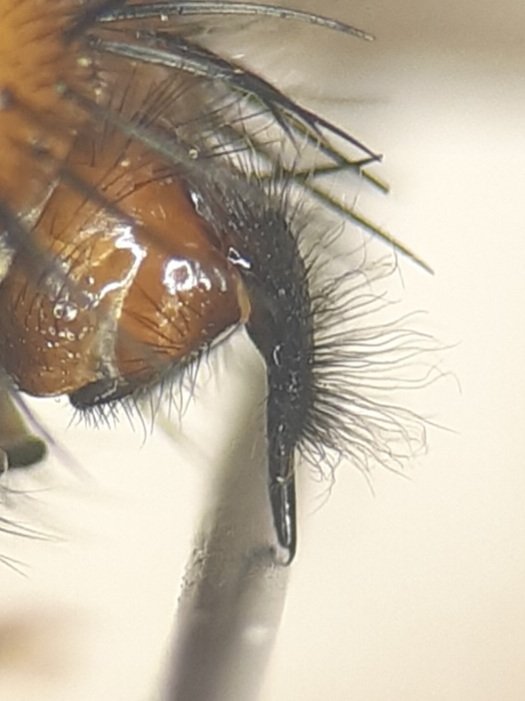
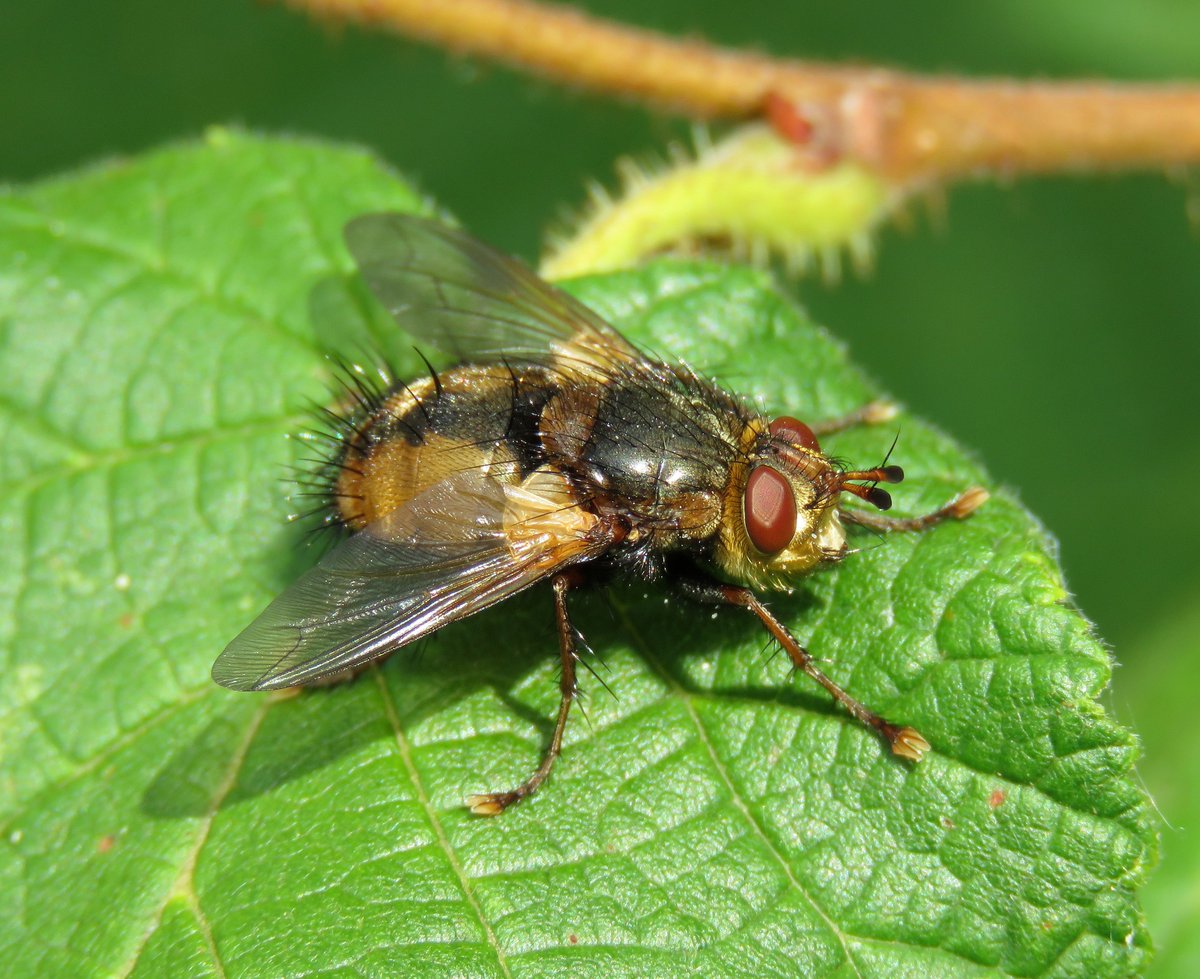
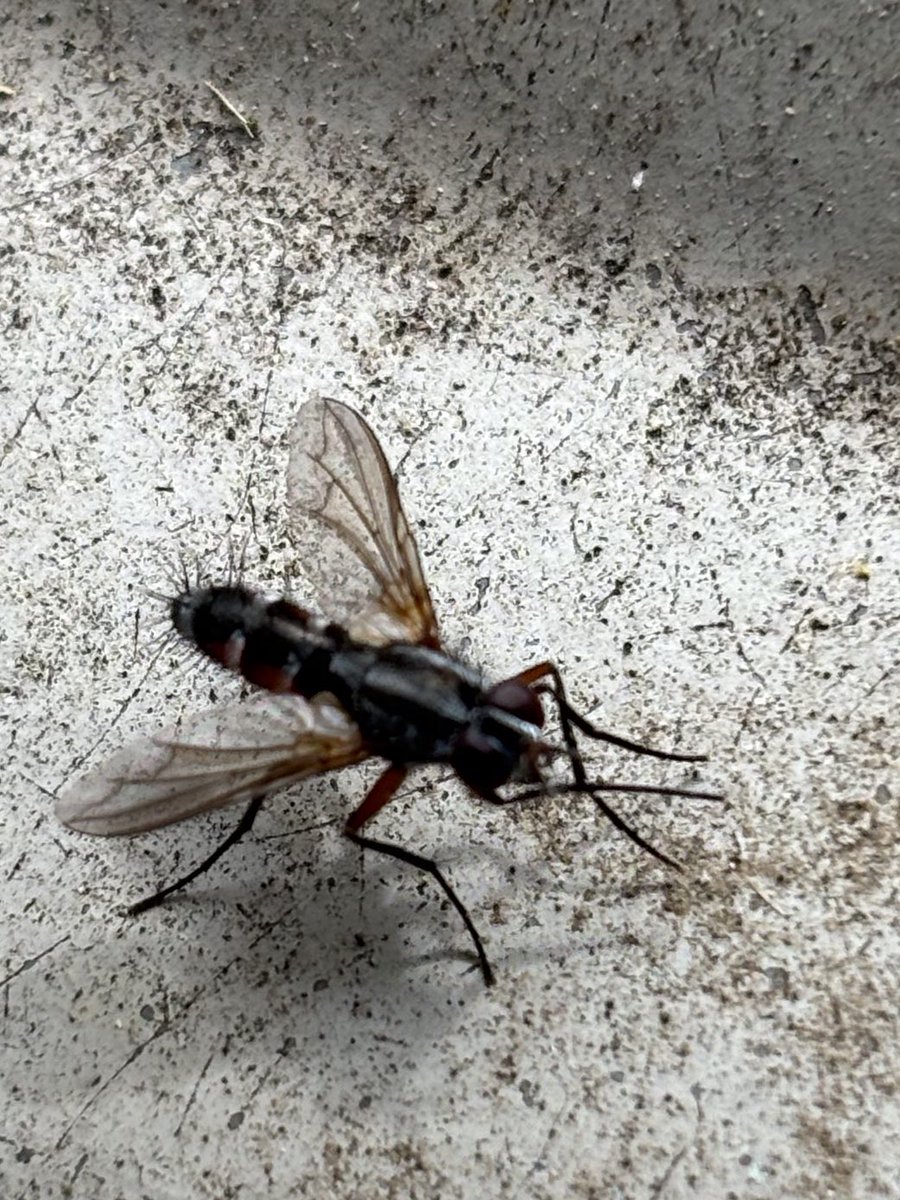
Tachina magnicornis (left) added to the British list from Suffolk in 2023 but rapidly spreading and the common T. fera (right) that it closely resembles. Notice broader frons and darker tarsi of magnicornis. Feel free to post your images.

English
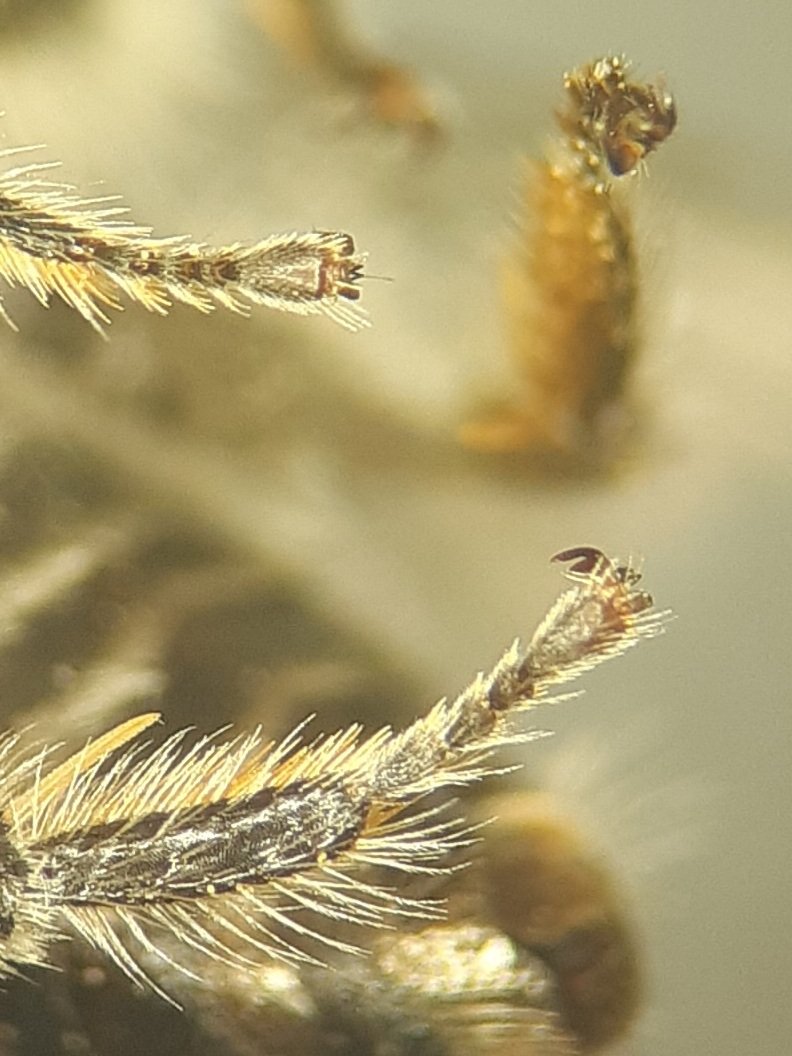
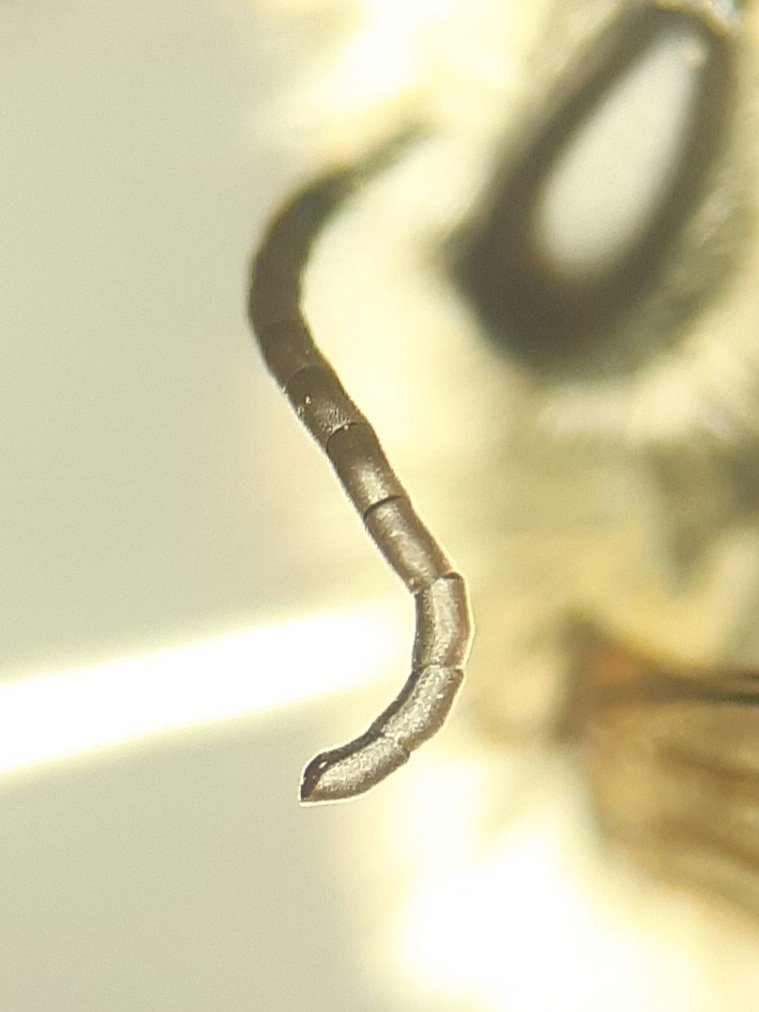
@GrahamDenny9 @StevenFalk1 @BC_Suffolk @LassHill @RabKing___aye @BumblebeeTrust @savebutterflies @davidwjgill Apart from a totally single-minded attraction to Red Bartsia these are a couple of other features making this bee Melitta tricincta Red Bartsia Blunthorn Bee. 1 of only a very few east Suffolk sites currently known by me for it.
English

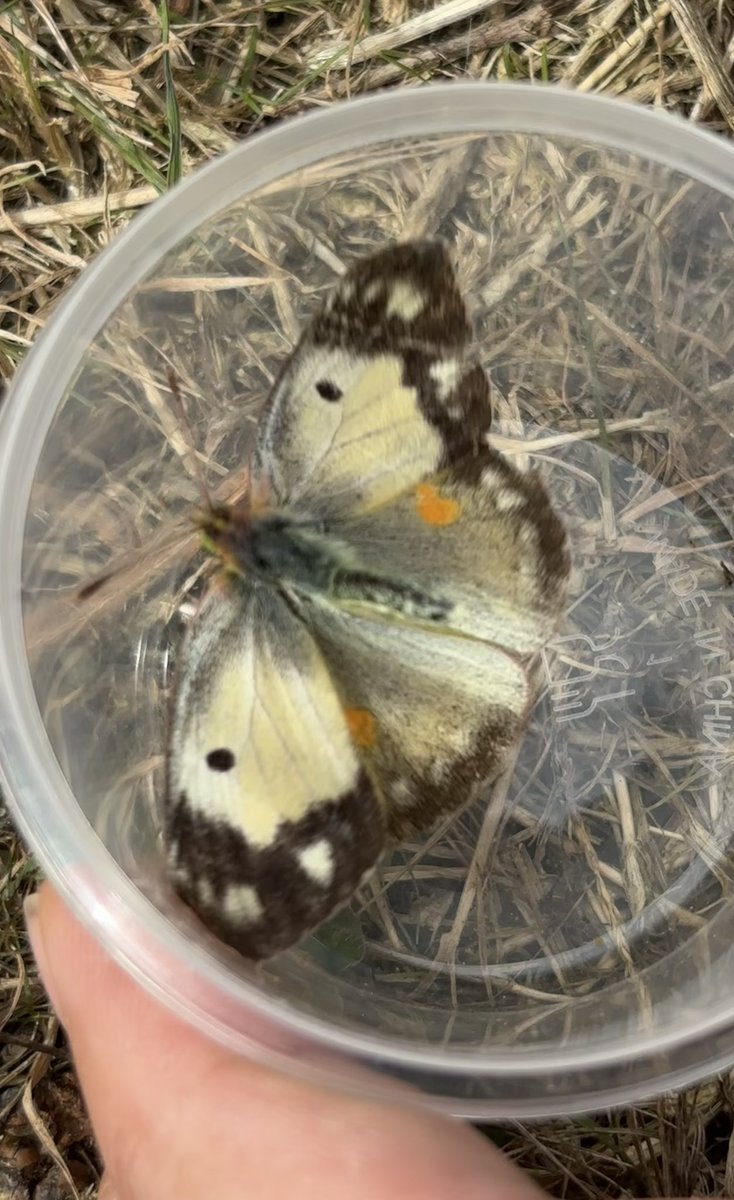
@StevenFalk1 @FarmInvertsUK Great pics Steven we have been mooching today full range of insects , David confirmed melitta tricincta, and lots of hair arse flys to check on ! Not sure if clouded yellow variant! @BC_Suffolk @LassHill @RabKing___aye @FarmInvertsUK @BumblebeeTrust @savebutterflies @davidwjgill

English
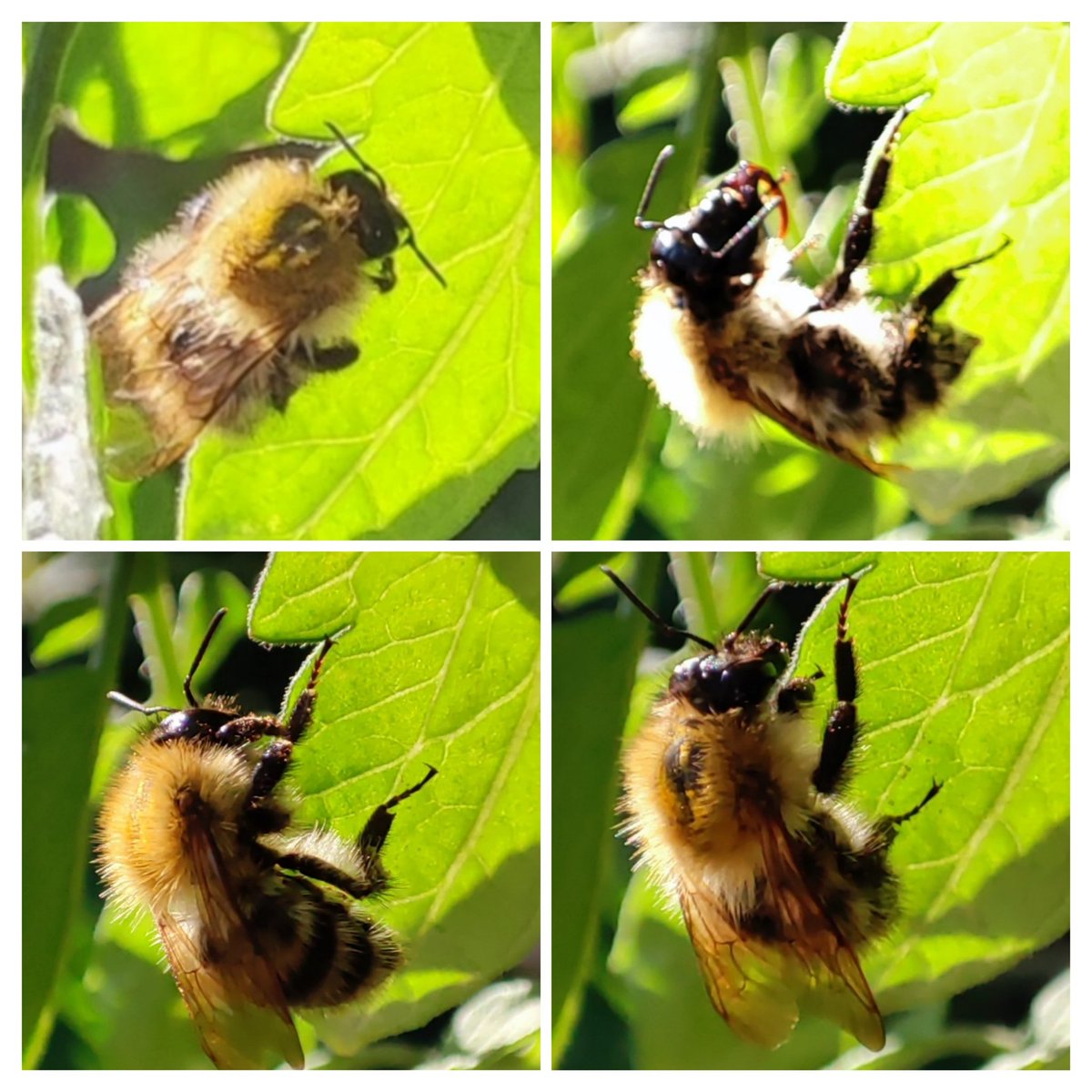
Pantaloon bees in Suffolk last week at the beginning (left) and end (right) of a pollen-gathering trip. Impressive and super-impressive methinks.


English
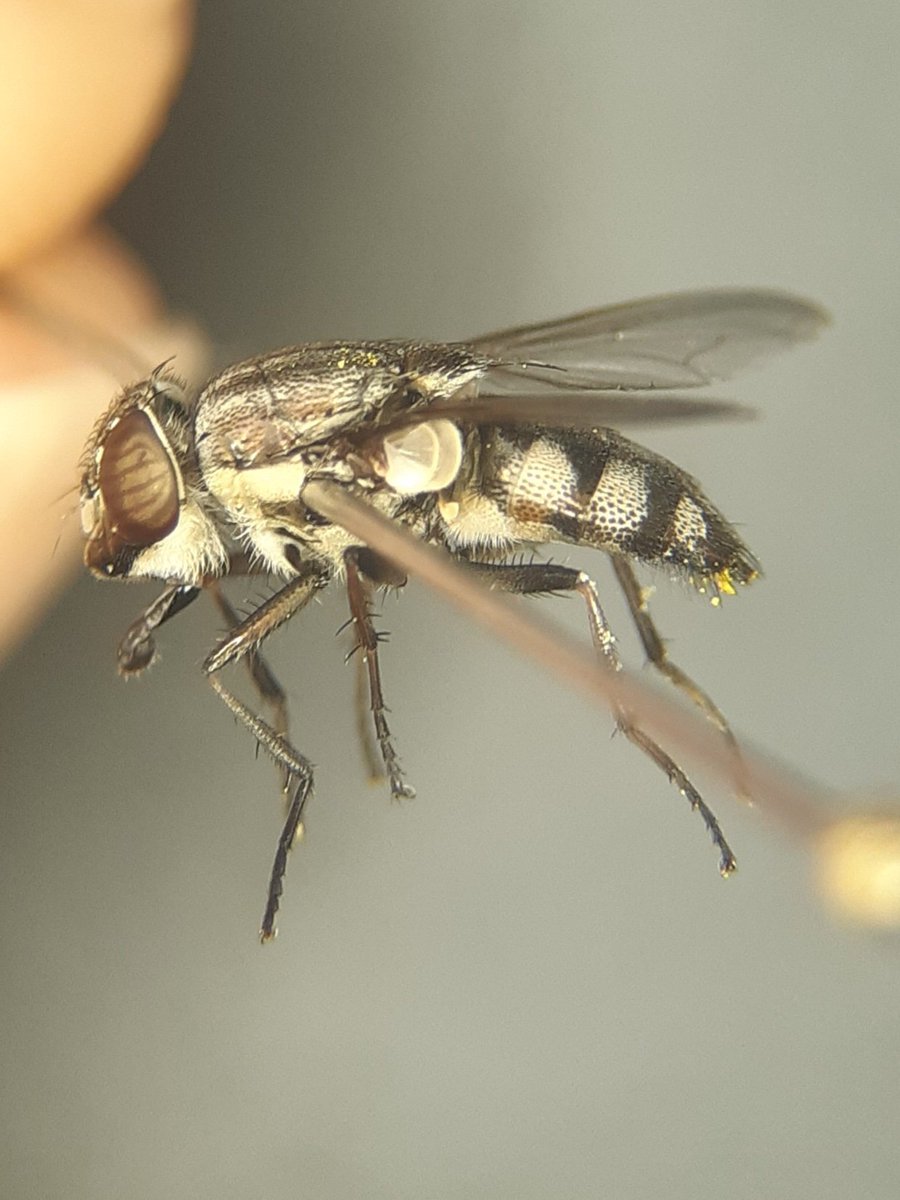
@GrahamDenny9 @StevenFalk1 @BC_Suffolk @LassHill @RabKing___aye @BumblebeeTrust @savebutterflies @davidwjgill 1st look at yesterday's specimens. Nice fem Locust Blowfly Stomorhina lunata. Small male Tachina magnicornis. Nationally Scarce hoverfly Chrysotoxum elegans. These from Bristly Ox-tongue, Ragwort, Fennel etc in arable weed and nearby field options.


English
@GrahamDenny9 @StevenFalk1 @BC_Suffolk @LassHill @RabKing___aye @BumblebeeTrust @savebutterflies @davidwjgill Just as a bit of fun, the ground bug, Rhyparochromus vulgaris, looks like it might be the most northern record in East Anglia. Not all that many further north nationally on NBN.
English
@MrDavidCatt1 @GrahamDenny9 @DefraNature @NaturalEngland @savebutterflies @StevenFalk1 @s4r4h_l @NFFNUK @BC_Suffolk @eastengland2014 @RabKing___aye @davidwjgill @LassHill @BumblebeeTrust @stuttonsparrows That's great, and so worthwhile doing to prolong flower resources.
English

@FarmInvertsUK @GrahamDenny9 @DefraNature @NaturalEngland @savebutterflies @StevenFalk1 @s4r4h_l @NFFNUK @BC_Suffolk @eastengland2014 @RabKing___aye @davidwjgill @LassHill @BumblebeeTrust @stuttonsparrows We cut some wild flower beds in the vineyard, they are now in full bloom covered in bees and insects!
Extending the food supplies.
English
Sorry it’s a spinning journey clip #Butterflies everywhere. 👌management done correctly! @DefraNature @NaturalEngland @FarmInvertsUK @savebutterflies @StevenFalk1 @s4r4h_l @NFFNUK @BC_Suffolk @eastengland2014 @RabKing___aye @davidwjgill @LassHill @BumblebeeTrust @stuttonsparrows
English
@GrahamDenny9 @StevenFalk1 @BC_Suffolk @LassHill @RabKing___aye @BumblebeeTrust @savebutterflies @davidwjgill Clouded Yellow is form helice presumably. Not something I've seen before.
English
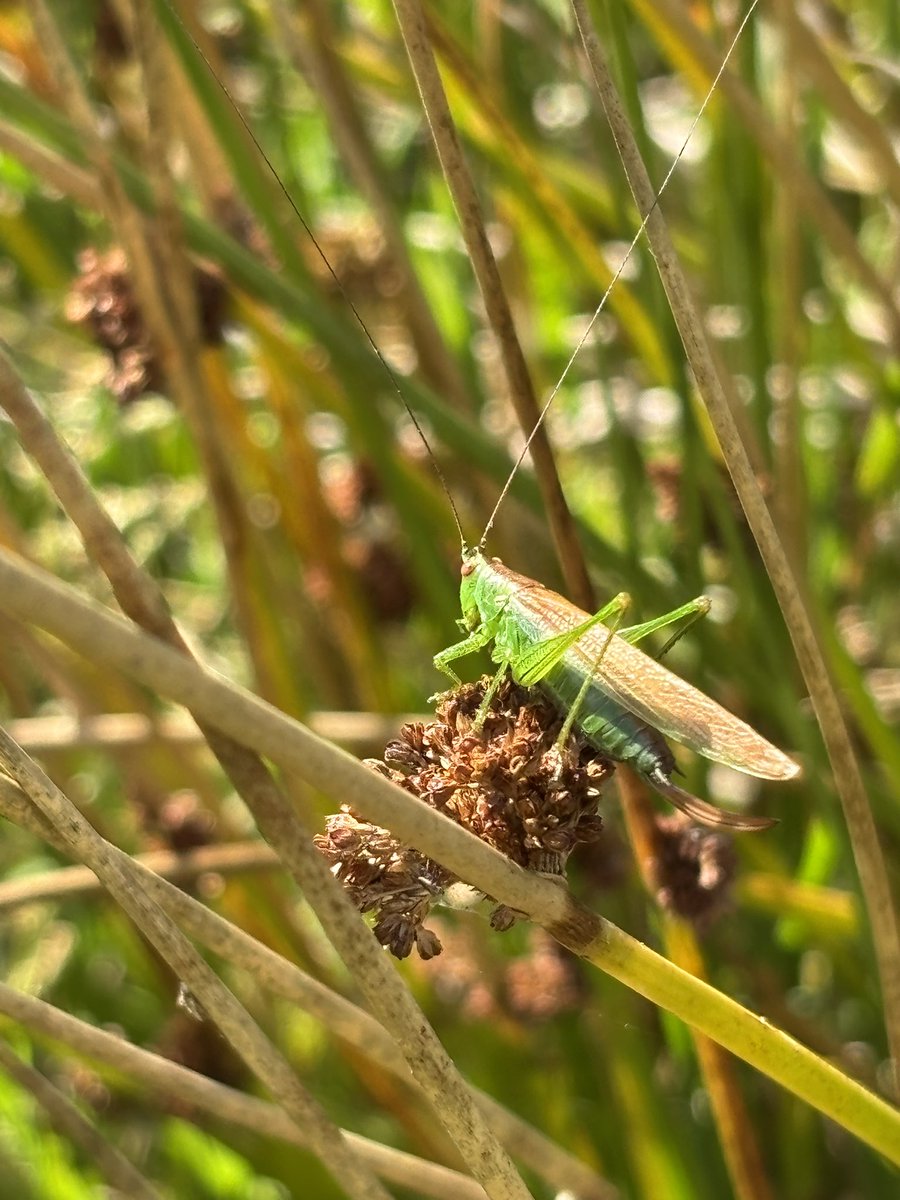
@GrahamDenny9 @StevenFalk1 @BC_Suffolk @LassHill @RabKing___aye @BumblebeeTrust @savebutterflies @davidwjgill Bush-cricket is a long-winged Short-winged Conehead. Conocephalus dorsalis.
Doesn't make a lot of sense but they can be produced in hot summers. Macropterous is the scientific term.
English
@vickihird @GrahamDenny9 @FarmWildlifeUK @InsectDiversity @BTO_Suffolk @MeganRural @BumblebeeTrust @DrRossPiper @FWAGeast @GrasshopperSpot And they like extensive areas of grassland with plentiful forage plants like clovers and birds foot trefoil.
English

@FarmInvertsUK @GrahamDenny9 @FarmWildlifeUK @InsectDiversity @BTO_Suffolk @MeganRural @BumblebeeTrust @DrRossPiper @FWAGeast @GrasshopperSpot I guess if I can see the brown band😀. Not spotted on this one yesterday
English
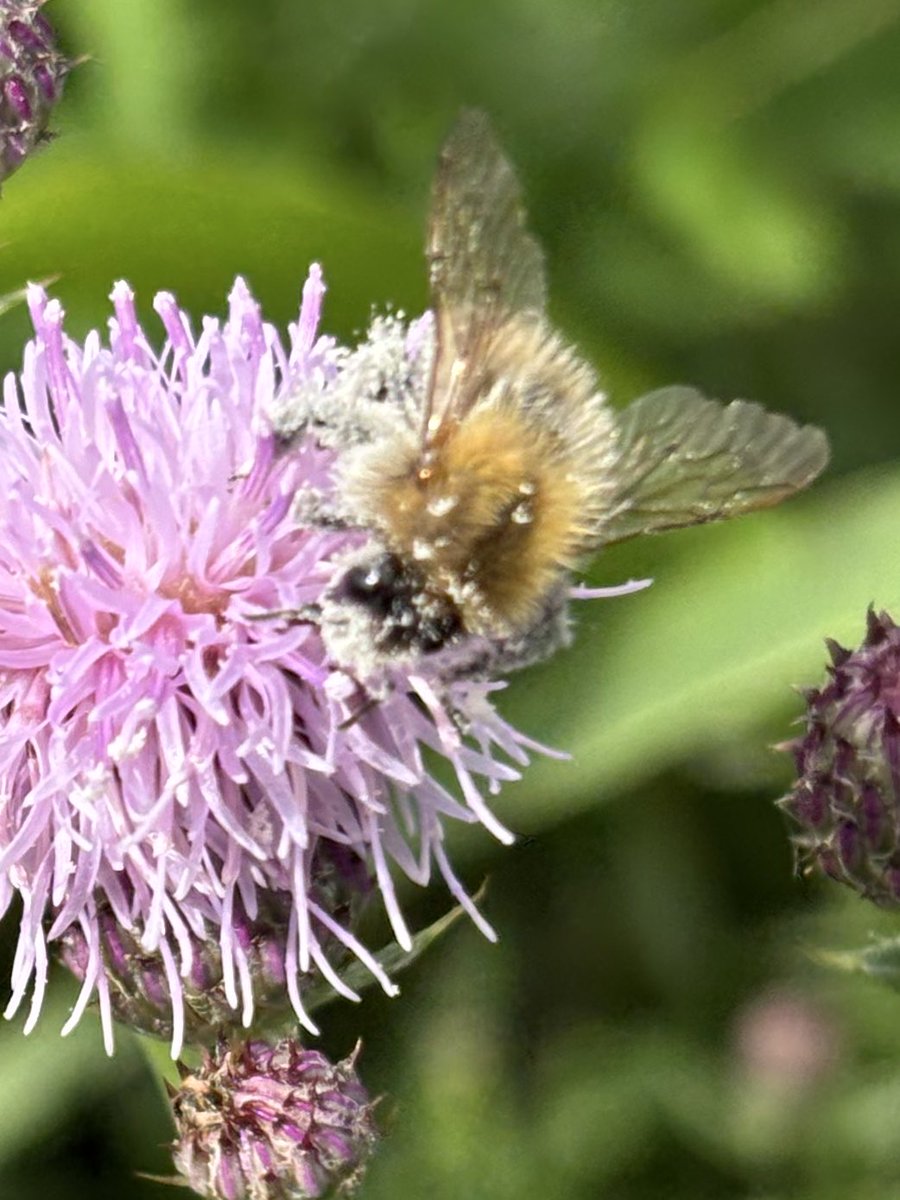
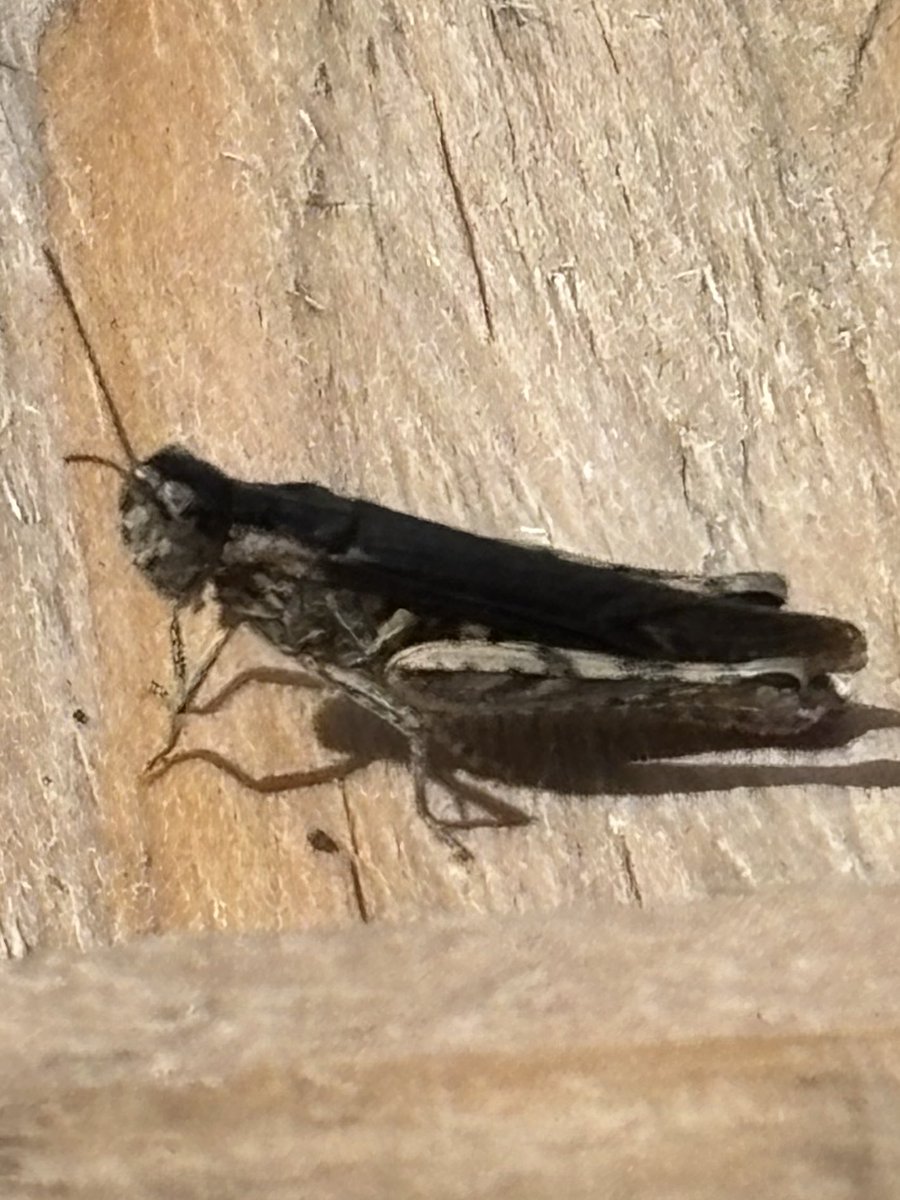
Lots going on farm with some funny encounters and joy of being with nature ! The bee hasn’t got a coke habit just thistle ! @FarmWildlifeUK @InsectDiversity @FarmInvertsUK @BTO_Suffolk @MeganRural @BumblebeeTrust @DrRossPiper @vickihird @FWAGeast @GrasshopperSpot

English
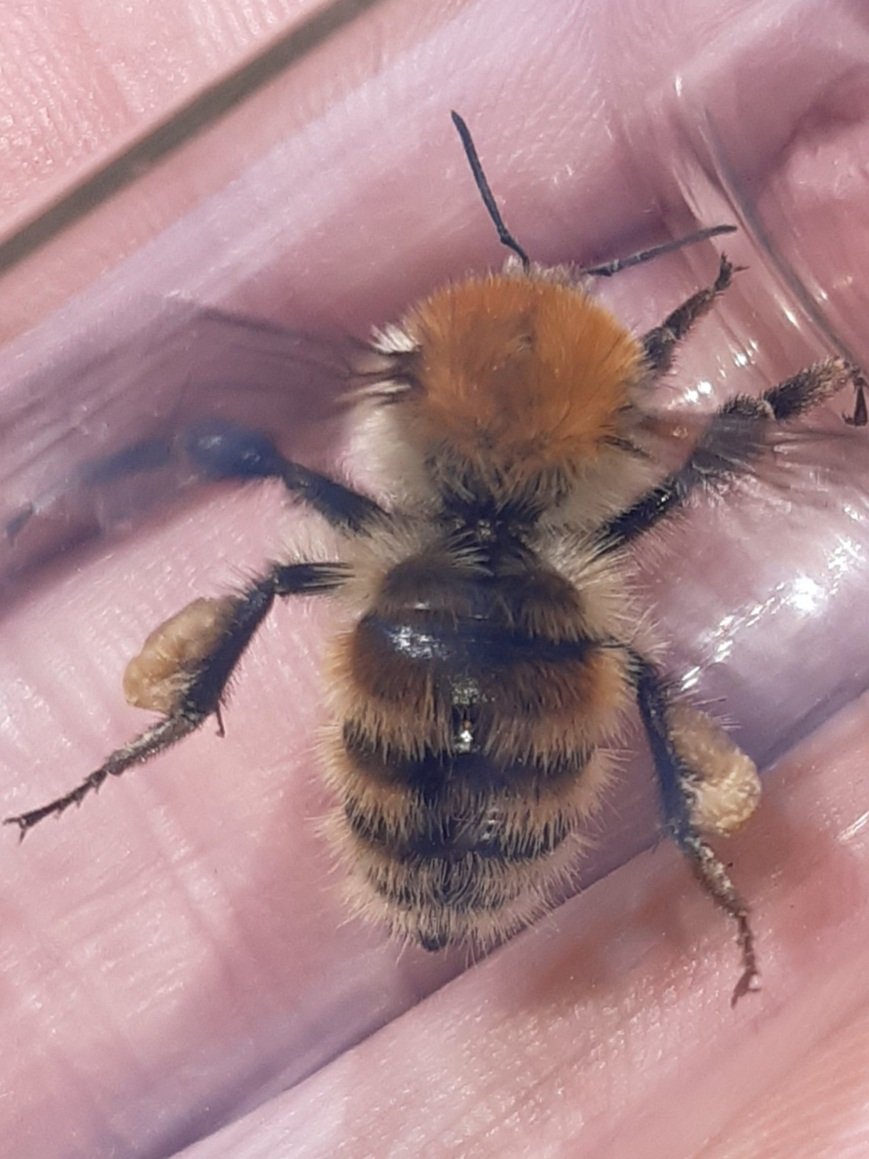
@vickihird @GrahamDenny9 @FarmWildlifeUK @InsectDiversity @BTO_Suffolk @MeganRural @BumblebeeTrust @DrRossPiper @FWAGeast @GrasshopperSpot If you can get a close enough close-up, particularly from the side, the abdomen for B-bC will have no bands of black hairs amongst the pale, and, as the name suggests, there will be dark bands across the front of the abdomen that are a similar colour to the thorax.
English
@vickihird @GrahamDenny9 @FarmWildlifeUK @InsectDiversity @BTO_Suffolk @MeganRural @BumblebeeTrust @DrRossPiper @FWAGeast @GrasshopperSpot Keep your eye out for these lookalikes as well. Brown-banded Carder appear to be having a good year.
English
@GrahamDenny9 @FarmWildlifeUK @InsectDiversity @FarmInvertsUK @BTO_Suffolk @MeganRural @BumblebeeTrust @DrRossPiper @FWAGeast @GrasshopperSpot Lovely. So many Common Carder Bees around.
English
English
@FarmInvertsUK @StevenFalk1 @BumblebeeTrust Don't know E. coast but it's having a good yr on top of decades of steady expansion - I'm seeing it in good numbers in new areas around me in Worcs. Long-tube flowers in agenv mixes will certainly help, though they aren't focused on them like rudie. Weather/climate is major boost
English
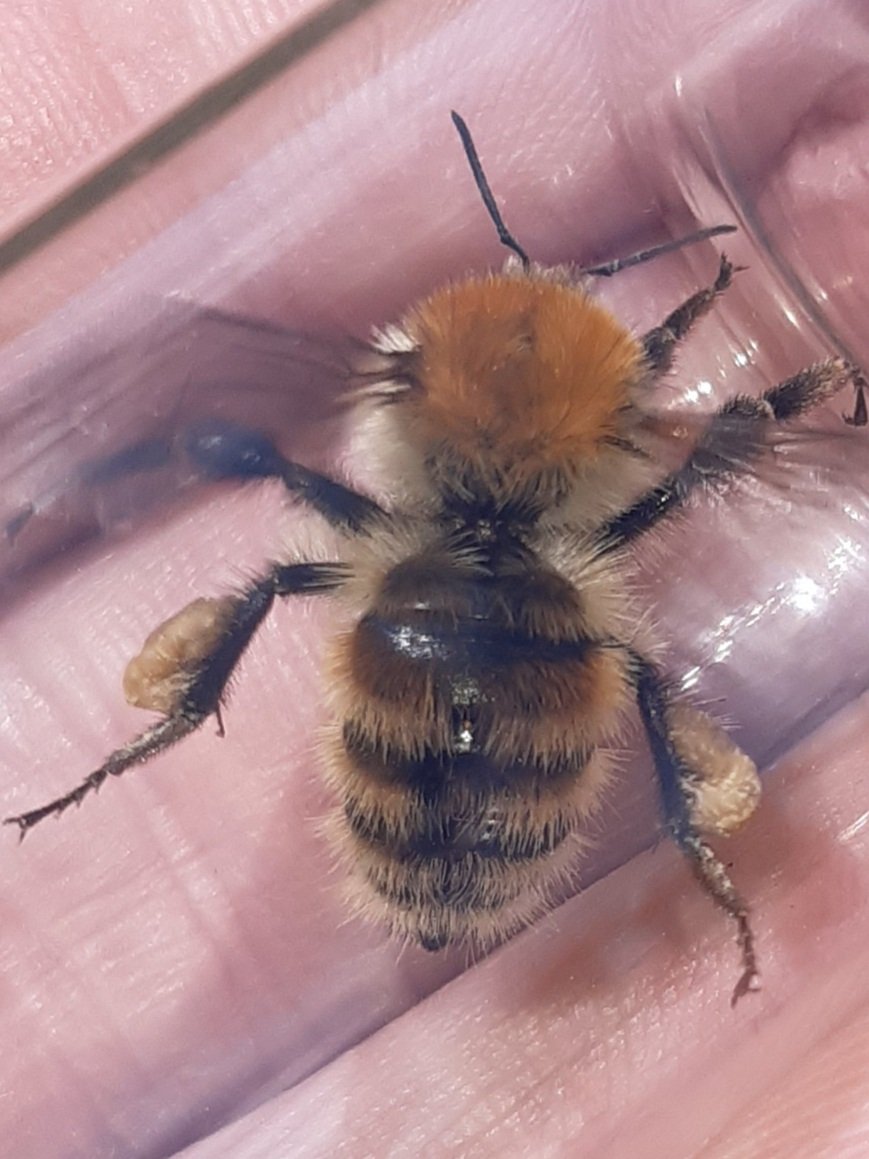
From an inland Suffolk farm countryside stewardship grassy/flowery field option. Got another 1 to look at properly but in the meantime B. humilis or not??
@StevenFalk1
@BumblebeeTrust
English
@StevenFalk1 @BumblebeeTrust @RichardComont Cheers. My suspicion is that they may be following ruderatus in increasing as a result of CS/SFI farmland options and generally nature-friendlier farming over recent years. These ones are from established such fields.
English
@FarmInvertsUK @BumblebeeTrust Not been in the right places to judge (@RichardComont might know) but there has been a general increase in Central England/south Midlands over recent decades.
English
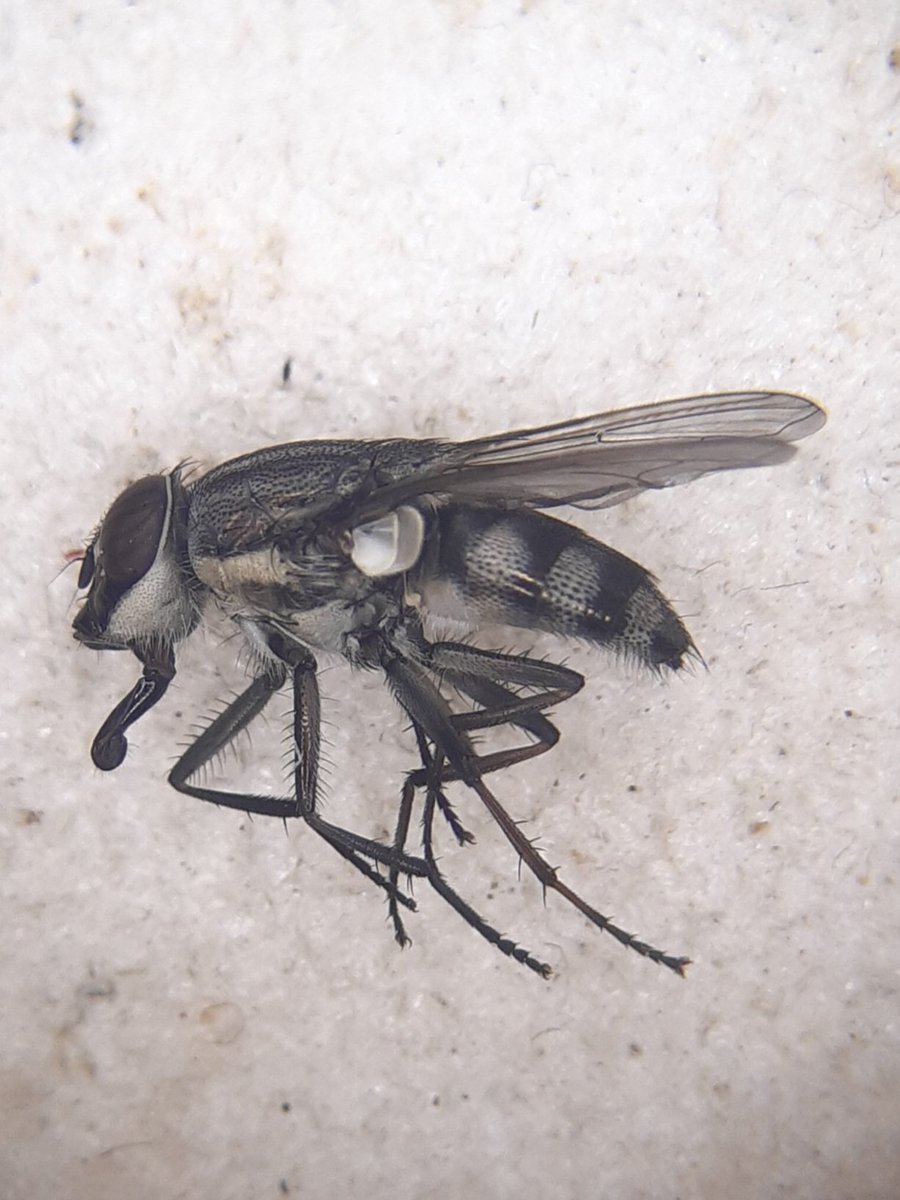
Pair of Tachina magnicornis males from farmland at Great Tey, Essex yesterday. Plenty of Stomorhina onsite as well.


English
Stomorrhina lunata Locust Blowfly from Great Tey in Essex today. Male and female present.

English