Mark Nowers

26.5K posts

Mark Nowers banner
Mark Nowers

Mark Nowers

@stuttonsparrows

Birds | moths | nest-recording | adviser | Stour Estuary The views I express here are mine alone and do not necessarily reflect the views of my employer.

Katılım Ocak 2012
777 Takip Edilen1.8K Takipçiler
Sabitlenmiş Tweet
Mark Nowers
Mark Nowers@stuttonsparrows·
Mark Nowers tweet media
ZXX
0
1
6
725
Mark Nowers retweetledi
Ed Keeble
Ed Keeble@ed_keeble·
Time to call a halt on a paint of a juv Roughleg boinging up and down on thin thorn branch before I am tempted to tinker about with it. I miss these chaps more than any other mild winter no-show I can think of.
Ed Keeble tweet media
English
2
2
14
351
Mark Nowers
Mark Nowers@stuttonsparrows·
Peak Dunnock this late afternoon. Breathlessly rambling from every hedge it seemed as I drove along with the windows down.
English
0
3
15
173
Mark Nowers retweetledi
Shanaka Anslem Perera ⚡
Right now, in barns and equipment sheds across the American Midwest, farmers are making the most consequential decision of this war. Not generals. Not senators. Farmers. At $683 per ton urea, corn economics have collapsed. Nitrogen is the single largest input cost for corn production. At pre-war prices a farmer could justify 180 pounds per acre and expect a margin. At $683 the math breaks. Soybeans fix their own nitrogen from the atmosphere through root bacteria. They do not need the molecule trapped behind the Strait of Hormuz. The seed decision is being made this week across roughly 90 million acres of American cropland. Once the planter rolls into the field, the choice is irreversible. Corn seed in the ground stays corn. Soy seed stays soy. The acreage allocation locks in. USDA Prospective Plantings reports March 31. That report will tell the world how American agriculture responded to the Hormuz blockade. But the decisions it captures are being made now, in conversations between farmers and agronomists and seed dealers who are looking at nitrogen prices and making the rational economic choice: plant the crop that does not need the input you cannot afford. Every acre that shifts from corn to soybeans tightens the corn balance sheet for the rest of the year. Corn feeds livestock. Corn feeds ethanol. The Renewable Fuel Standard mandates 15 billion gallons of corn ethanol annually, consuming roughly 43 percent of the US corn crop regardless of price. That demand is inelastic. If acres shift and production falls while the mandate holds, corn prices spike. Feed costs spike. The protein cascade reverses. The US cattle herd sits at 86.2 million head, a 75-year low. Poultry and pork margins that were benefiting from cheap feed compress when corn crosses $5 per bushel. This is how a naval blockade 7,000 miles from Iowa reaches the American grocery shelf. Not through oil. Not through shipping. Through nitrogen. The farmer cannot afford the molecule. The molecule cannot transit the strait. The farmer plants soy instead. The corn supply tightens. The ethanol mandate consumes its fixed share. The remaining corn reprices. The feed reprices. The meat reprices. The grocery bill reprices. The decision is not political. It is arithmetic performed on a kitchen table by a person who needs to plant in three weeks and cannot wait for a ceasefire, an escort convoy, or an insurance normalisation that the Red Sea precedent says takes years. The deepest penetrator in the American arsenal cannot reach a sealed Iranian doctrinal packet. But the fertiliser price it failed to resolve is reaching every planting decision on 90 million acres of the most productive farmland on Earth. The war’s most irreversible consequence is not happening in a bunker. It is happening in a barn. And by the time USDA publishes the data on March 31, the seeds will already be in the ground. Full analysis in the link. open.substack.com/pub/shanakaans…
Shanaka Anslem Perera ⚡ tweet media
English
370
2.6K
5.8K
1.6M
Mark Nowers retweetledi
Megan
Megan@FavColour_Green·
The biggest public hedge myth: Its more natural to leave them alone, unmanaged Alas some farmers believe this myth. Ol'boy farmer here says he leaves his hedges alone for wildlife. Only works for a few decades, then decline We're losing hedges at an alarming rate due to this
Megan tweet mediaMegan tweet mediaMegan tweet media
English
12
30
124
7.5K
Mark Nowers retweetledi
Shanaka Anslem Perera ⚡
On March 12, India formally asked China for emergency urea to keep its fertilizer plants running. On March 16, China halted NPK fertilizer blend exports and extended its phosphate suspension through August. Read that sequence again. The world’s most populous nation asked the world’s largest fertilizer producer for help. The response was a lockdown. This is the second trap. The first trap is Hormuz. One-third of global seaborne fertilizer trade physically blocked. Transit collapsed 97 percent. Gulf urea, ammonia, and sulfur stranded behind mines, drones, and an insurance market that has fractured beyond repair. The second trap is China. Beijing looked at the Hormuz crisis, calculated that Gulf sulfur (over half of China’s imports) would not arrive, and made the rational decision to protect 1.4 billion of its own people first. Strategic sulfur reserves activated. Commercial nitrogen and phosphate stocks released early. NPK blends locked down for export. Phosphate banned through August. The 725 million tonne grain target in the 15th Five-Year Plan does not bend for India’s Kharif season. Nobody should be surprised. This is exactly what China did in 2022 when the Ukraine shock hit. It is what China will always do. And it is what every government with the capacity to hoard will do when the molecules run short. The crisis does not produce global solidarity. It produces national triage. And in national triage, the countries with domestic production and strategic reserves survive. The countries that depend on imports from those countries do not. India has 17.7 million tonnes of fertilizer stockpiled, up 36.5 percent year-over-year. That is a buffer, not a solution. Plants are running at 60 percent capacity. The subsidy bill has been revised to 1.86 lakh crore rupees, over 40 percent of the entire subsidy budget, with urea sold at 242 rupees per bag against international prices many times higher. If Skymet’s 60% probability of below-normal monsoon materializes during Kharif, India faces a food production challenge of a severity not seen since the crisis that prompted the Green Revolution. Bangladesh has shut 4 to 5 of six urea factories. Boro rice season is underway with no domestic nitrogen. Pakistan’s debt service consumes 81 percent of tax revenue. Egypt feeds 69 million on bread subsidies at prices it never budgeted while owing $28 billion in external debt. Southeast Asia faces granular urea above $700 per tonne. Sri Lanka, the country that already proved what happens when fertilizer vanishes, faces 15 to 30 percent yield risk from the same import dependence that collapsed its rice output 40% in 2021. Now map the sulfur cascade that almost nobody is tracking. Roughly half of global seaborne sulfur trade is Gulf-sourced. Sulfuric acid is the chemical required to convert raw phosphate rock into plant-available fertilizer. Without Gulf sulfur, phosphate processing breaks globally. Morocco’s OCP, the world’s largest phosphate exporter, imports roughly 3.7 million tonnes of Gulf sulfur annually. China imports over 4 million tonnes. The sulfur shortage does not just constrain nitrogen supply. It simultaneously fractures the phosphate chain, creating the first simultaneous disruption of all three primary crop nutrients since the Haber-Bosch process was industrialized. Two forces are now converging on the global food system from opposite directions. Iran blocks the molecules physically. China blocks them administratively. Neither is acting irrationally. Both are executing national survival logic. And the countries caught between them, the ones with no domestic production, no strategic reserves, and no fiscal capacity to compete on the spot market, absorb the full force of both. 318 mn people were at crisis-level hunger before either trap snapped shut. The math does not require malice to produce catastrophe. It only requires geography, chemistry, and a planting calendar that waits for nobody. open.substack.com/pub/shanakaans…
Shanaka Anslem Perera ⚡ tweet mediaShanaka Anslem Perera ⚡ tweet media
English
160
1.2K
3.2K
486.4K
Mark Nowers retweetledi
Richard Negus
Richard Negus@TrooperSnooks·
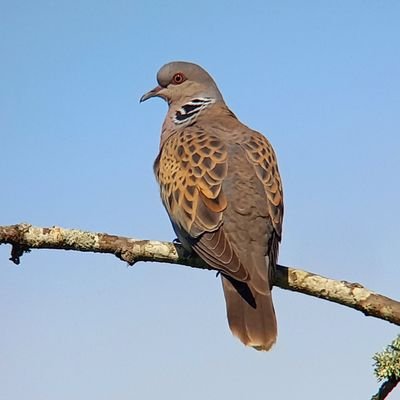
Turtle dove food delivery has arrived from Eliza at Operation TD. If anyone is in Senegal please can you tell them it's time to get migrating now.
English
7
7
54
1.4K
Mark Nowers
Mark Nowers@stuttonsparrows·
RED CHESTNUT I've not encountered many of these, although they are described as common. Overwinters as a pupa. The caterpillars have been found feeding on bedstraws and sallows.
Mark Nowers tweet mediaMark Nowers tweet media
English
0
3
8
278
Mark Nowers
Mark Nowers@stuttonsparrows·
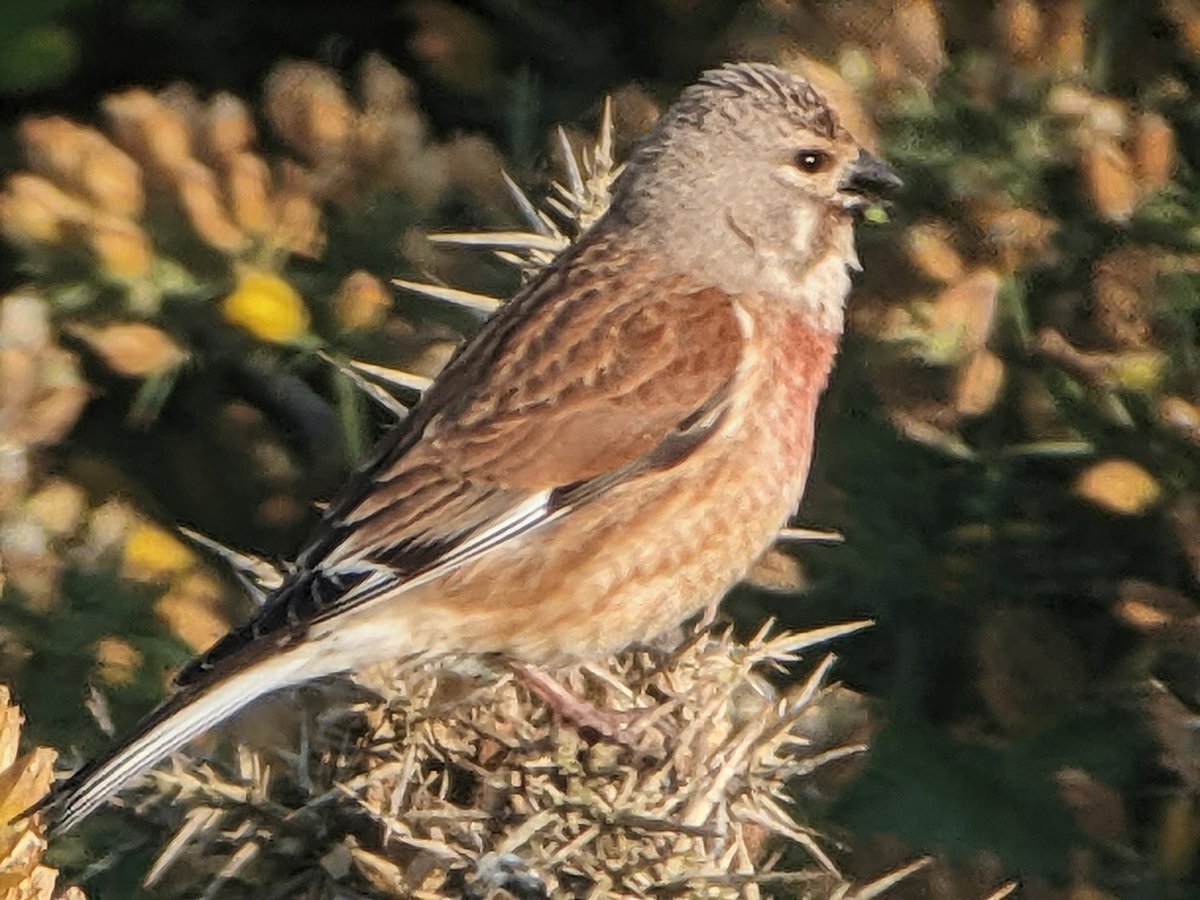
Goldfinch, Linnet on ash keys and blue, blue sky. What a morning.
Mark Nowers tweet mediaMark Nowers tweet media
English
0
1
11
150
Mark Nowers
Mark Nowers@stuttonsparrows·
I'm always highly suspicious of political types that say "nature AND biodiversity". They just don't understand.
English
4
2
17
692
Mark Nowers
Mark Nowers@stuttonsparrows·
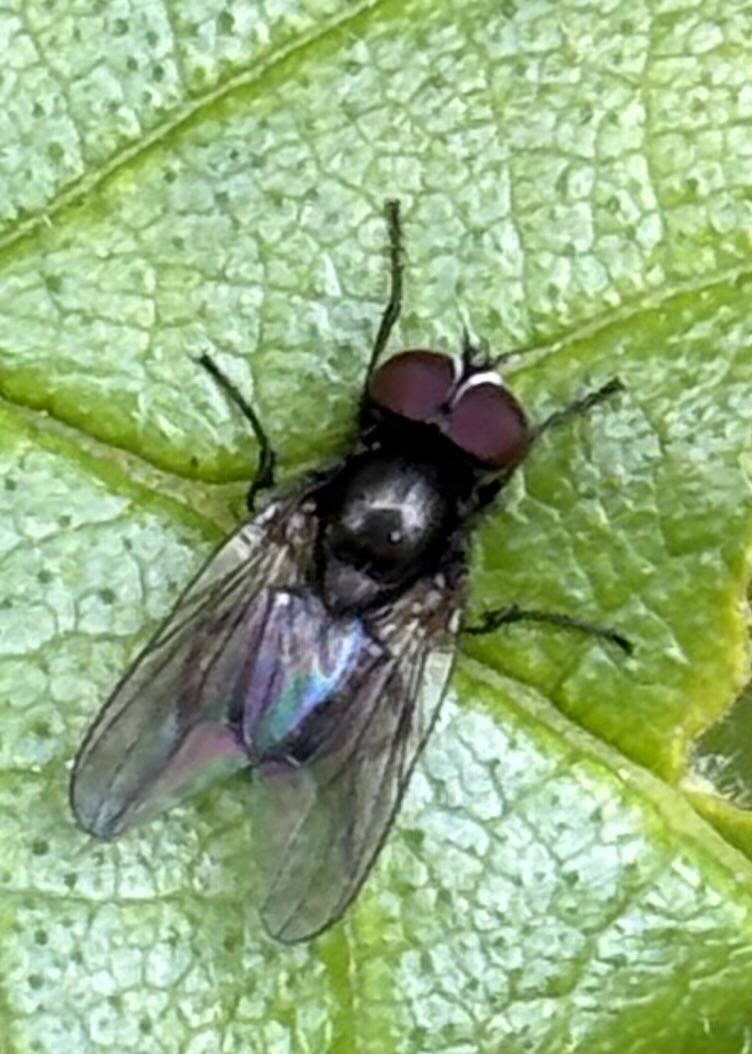
@anthonybecvar That is a shiny beauty! Which doesn't really help you on the ID front. Let me check.
English
1
0
3
115
Mark Nowers retweetledi
Jack Perks
Jack Perks@JackPerksPhoto·
One of the hidden issues of weirs and barriers to fish migration is the unnaturally high concentrations of fish blocked below them which then become a magnet for predators. Don't blame the predators remove the weirs its a simple solution to distribute fish throughout the river.
Jack Perks tweet media
English
3
20
79
2.5K
Mark Nowers
Mark Nowers@stuttonsparrows·
@neilyates65 For down this way, it's about normal to be honest, especially if you get a mild March.
English
1
0
1
25
Mark Nowers
Mark Nowers@stuttonsparrows·
Gasp of discovery..
English
1
0
13
387
Mark Nowers
Mark Nowers@stuttonsparrows·
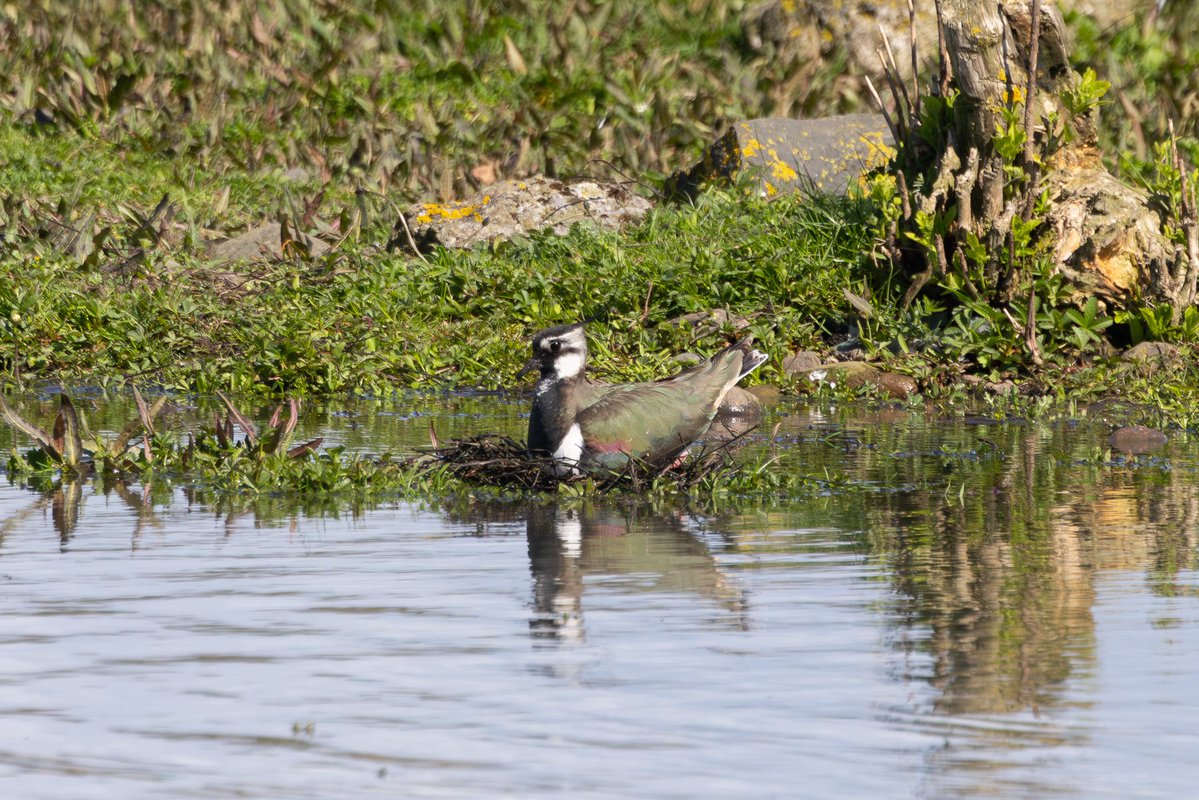
Quick pre-work marsh check for first Lapwing nest of the season.. Stand by.
Mark Nowers tweet media
English
0
3
20
326