Fathimath Naseer RD

546 posts

Fathimath Naseer RD

Fathimath Naseer RD

@Fathimath_N

Brb, trying to decipher Gastric Bypass Surgery & improve health outcomes for patients ✨

United Kingdom Katılım Mayıs 2018
234 Takip Edilen182 Takipçiler
Fathimath Naseer RD retweetledi

Prof Kamlesh Khunti
Prof Kamlesh Khunti@kamleshkhunti·
📉 Who responds best to tirzepatide? Post hoc SURPASS-4 analysis ✅ Glycaemic control sustained in 75–84% 🔑 Predictors: higher dose, shorter T2DM duration, better β-cell function, metformin use, no albuminuria ✅ ≥10% weight loss sustained in 80% diabetesjournals.org/diabetes/artic…
Prof Kamlesh Khunti tweet media
English
2
39
84
7.4K
Fathimath Naseer RD retweetledi
Daniel J Drucker
Daniel J Drucker@DanielJDrucker·
A new approach to stimulate L cell GLP-1 secretion via microbial amino-acid-conjugated bile acids acting through the orphan G protein-coupled receptor (GPCR) Mas-related G protein-coupled receptor family member E (MRGPRE) #diabetes #obesity @cellcellpress cell.com/cell/abstract/…
English
0
19
70
4.5K
Fathimath Naseer RD retweetledi
Francesco Rubino
Francesco Rubino@FRubinoMD·
How does a diagnosis of clinical/pre-clinical obesity inform treatment strategies? Watch the second session of the commission’s launch where we explain that clinical/pre-clinical does not mean treatment/no-treatment, just different treatment strategies eur03.safelinks.protection.outlook.com/?url=https%3A%…
Francesco Rubino@FRubinoMD

@WorldObesity @ObesitySociety @ADA_DiabetesPro @ASMBS @IfsoSecretariat @EASDnews @PSchauerMD @ConscienHealth @TheAACE @ObesityAction @ECPObesity @EASOobesity @NeilFlochMD @OMAsocial @rvcohen @ObesityCan

English
1
6
16
962
Fathimath Naseer RD retweetledi
Stephanie deGiorgio
Stephanie deGiorgio@DrSdeG·
I have now been through the new NICE guidance for obesity management (14/1/25) and the Lancet Commission on Obesity (14/1/25) A few thoughts on them both 1. NICE talks about specific interventions, not "lifestyle advice" THANK YOU!!! 1/
English
5
62
348
79.6K
Fathimath Naseer RD retweetledi
Scott Isaacs
Scott Isaacs@scottisaacsmd·
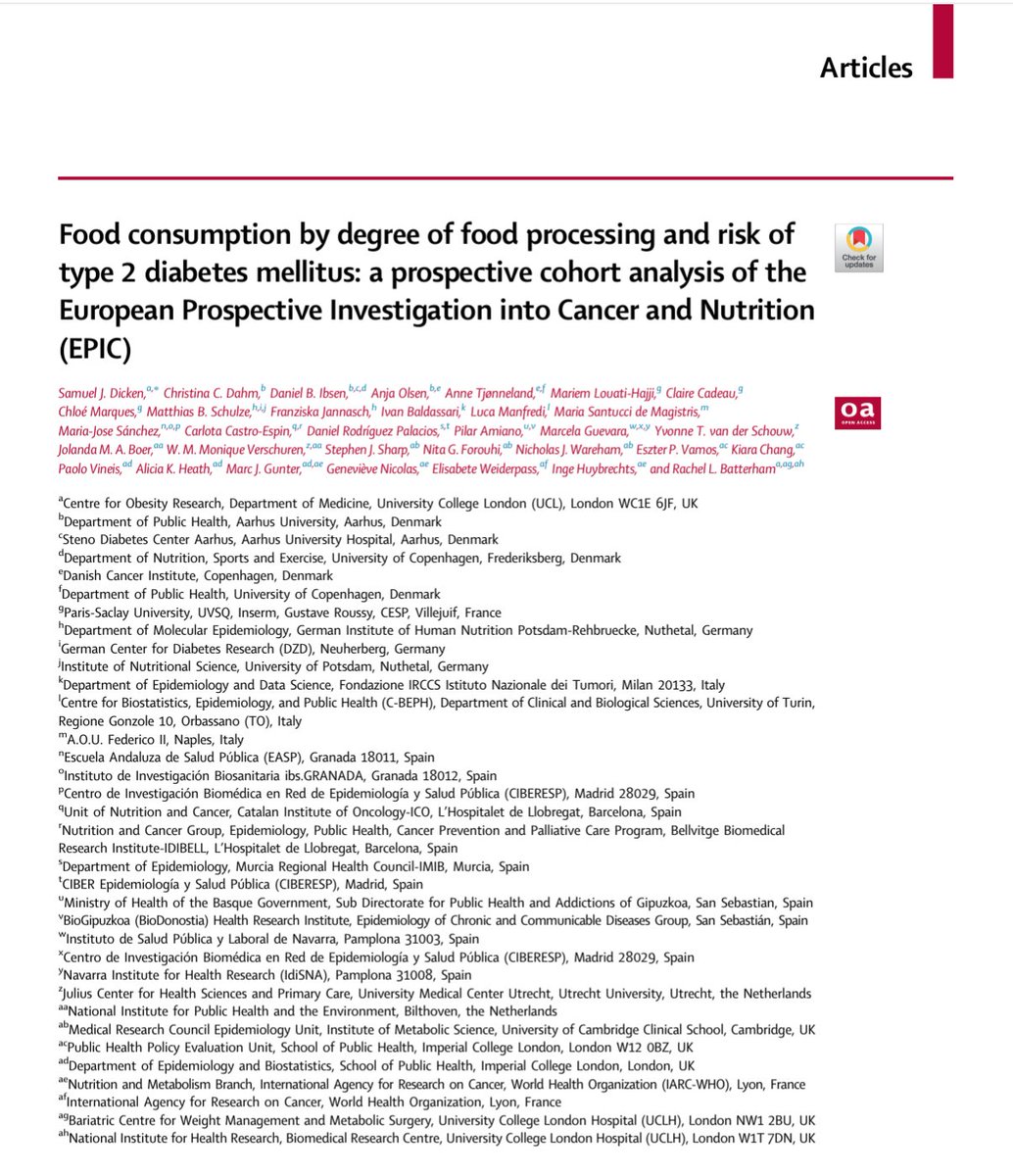
The incidence of type 2 diabetes increases by 17% for every 10% increment in daily intake of ultraprocessed foods. thelancet.com/journals/lanep…
Scott Isaacs tweet media
English
4
50
146
7.9K
Fathimath Naseer RD retweetledi
Jack
Jack@jack_schroder_·
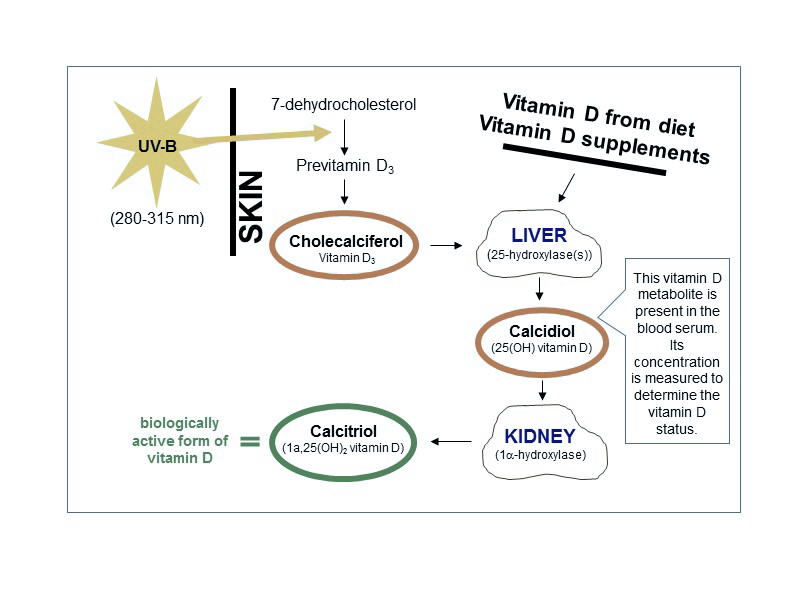
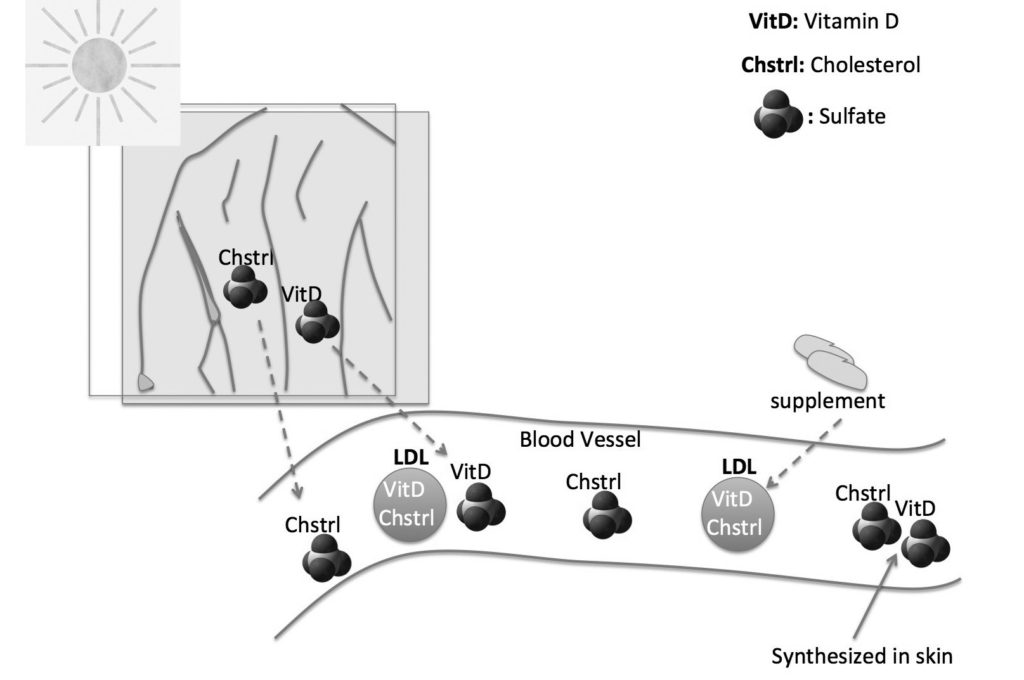
Why vitamin D supplements are NOT the same as vitamin D from sunlight 🌞 It's a horrible comparison honestly, vitamin D supplements are a terrible ROI. Many people don't understand the full story as to how we actually make vitamin D in the sun. Firstly, you must get infrared (IR) light in the AM to drive optimal production of a protein called filiggrin which is absolutely fundamental to our skin to retain water and have optimised hydration both intracellularly and extracellularly. — This is yet another reason you must get out for at least 15 minutes at sunrise. Melanin is found in high concentrations on all of our surfaces, and vitamin D is made from its precursor 7-dehydrocholesterol (7-DHC) via absorption of UVB light at 290-300nm when it hits our skin. Our body has been designed to induce a hydrogen peroxide (H2O2) pulse only under the full spectrum sunlight (UV, visible, and IR light) to break down these melanin sheets in the first 50 microns of our epidermal layer. This region of our skin is very lipid rich and this means due to melanin degradation in this region — cholesterol / 7DHC can both absorb UVB photons to make sulfated cholesterol and vitamin D. — This process is exactly why tanning beds are also a shitty ROI. Once you have converted 7DHC → pre-D3, then there is an isomerisation step to convert it into sulfated vitamin D3. This requires optimal cellular hydration which is destroyed by nnEMFs/blue light, stress, inflammation, fluoride, mitochondrial dysfunction, etc. Ultimately, sulfated D3 and sulfated cholesterol are the end products of this process and are water-soluble, with their ability to be transported in blood freely or binding to hydrophilic surfaces like cell membranes. Easily making it the most efficient way to shuttle fat soluble metabolites throughout the body. Also to note here, during this process we can yield up to 15+ other forms of vitamin D (pictured below), through several mechanisms. Yet, we only measure the one (25,OHD) in the blood, and it's not even the active form. When you take a vitamin D supplement it travels through your gut and then gets picked up by LDL cholesterol via your lymphatic system, potentially raising your LDL levels. Transport in this way is also no where near as efficient. Vitamin D supplements have also been shown to induce renal wasting of potassium, destroying electrolyte balances and protein-water binding intracellularly which enhances how our semiconductors operate. Vitamin D supplements in high amounts (5000 IU+) is the easiest way to destroy the delicate balance between vitamin D and vitamin A. These both work in harmony at all levels of our biology. When you take a vitamin D supplement all you are doing is destroying your #1 biochemical marker which is a proxy for how much sunlight are you getting, and how well you absorb and utilise all forms of that light. —————————————————— There are many other factors involved when it comes to vitamin D metabolism, it is very complex. CYP450 enzymes are fundamental to activating vitamin D — iron, copper, NAD+/NADPH, FAD/FMN, and magnesium are fundamental here. Circadian / circannual biology must be optimised so your genes for all CYP450 enzymes and vitamin D-related genes are switched on at the right times of the day. We have to remember that the vitamin D receptor, is ALWAYS paired with the retinoid X receptor. You cannot activate and express any of the genes if your retinol metabolism is tanked through artificial light/nnEMFs or just being an anti-vitamin A nuffy. Sunlight always has the right answer, you'll never find it in a bottle. 🌞🩷
Jack tweet mediaJack tweet mediaJack tweet media
English
35
255
959
147K