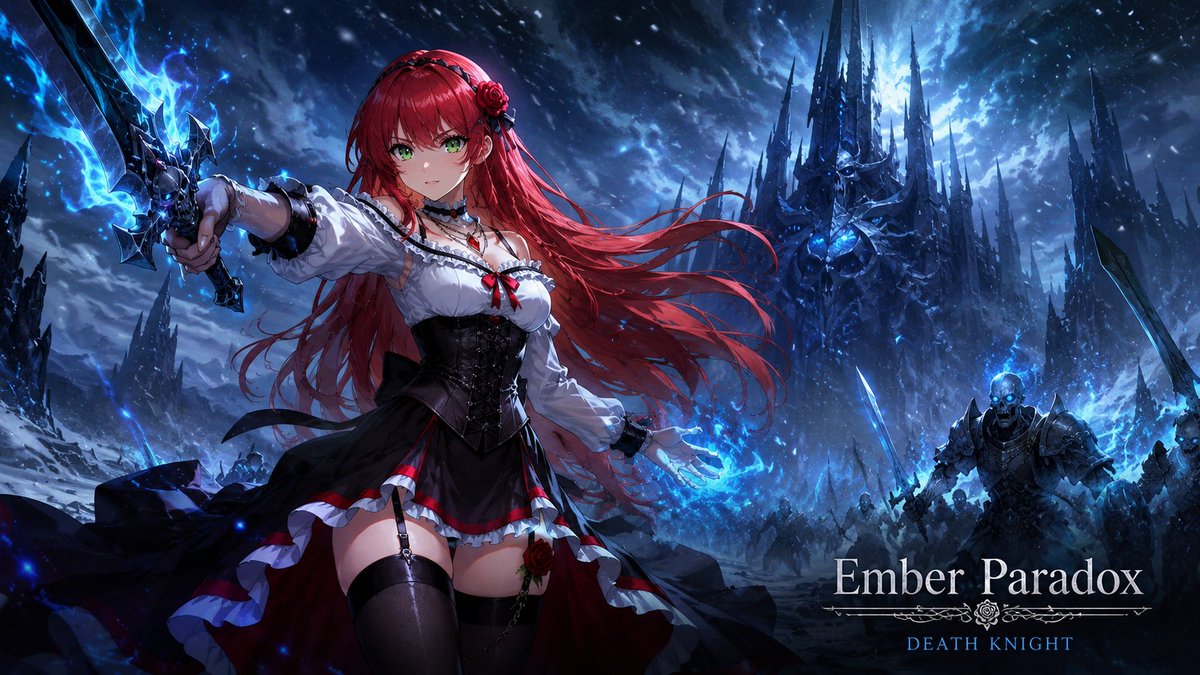
For something like Raelin's character, between Mood and Avoid I added, "Tails must match rest of character design." Otherwise, it forgets them so keep that in mind. The prompt will generate quite a variation of designs, so give it a few attempts.
Prompt Share:
Create a highly artistic, surreal fine-art image inspired by the supplied reference image. Use the supplied reference only as the seed of identity, not as a literal character copy. Preserve only a faint echo of the subject’s original form: a hint of silhouette, expression, posture language, color palette, materials, outfit motifs, accessories, or symbolic design elements. The final entity should feel transformed so completely that the original reference is present only as a ghost beneath the new form.
The subject should not appear as a bust, statue, ordinary figure, or normal character. They should appear as a surreal godlike entity entering this reality through a violent tear in time, space, memory, or dimension. Their form should feel ancient, alien, divine, and metaphysically powerful, as if they are made from impossible cosmic anatomy rather than ordinary matter.
At the center of the entity’s chest is a black hole core. It should not look like a simple glowing circle, portal, or decorative chest gem. It should feel like a true gravitational wound: a dark collapsed void surrounded by warped light, gravitational lensing, thin accretion rings, gold-lit cracks, black radiance, distorted reflections, and fragments of reality being pulled inward. The black hole may bend the torso around it, stretch nearby material, pull loose fragments from the body, distort the surrounding dimensional tear, and create the feeling that the entity carries a dead universe inside itself.
The entity’s internal structure should be visible as impossible astronomy. Its ribs may resemble orbital rings, eclipsing arcs, celestial machinery, or broken planetary paths. Its spine may appear as a vertical constellation, a column of black stars, a chain of moons, or a tower of folded space. Its veins may look like glowing star maps, molten-gold ley lines, black-light cracks, nebula streams, or luminous cosmic roots. Its joints may appear as eclipses, tiny black suns, rotating moons, or gravitational knots. Its bones may be made from black marble, cracked porcelain, fossilized starlight, obsidian, bone-metal, or molten gold.
The cosmic anatomy should feel sacred and terrifying, not medical or scientific. It should look like the inner structure of a divine anomaly: ceremonial, symbolic, ancient, and physically impossible. The exposed anatomy should not be gore. It should be elegant, abstract, sculptural, and celestial, as if the entity’s body is a map of dead galaxies, ruined timelines, and collapsed heavens.
The entity appears to have torn open a hole in the fabric of reality itself. The rupture should look less like a portal and more like reality has been cut open from the other side. It should feel like a wound in space-time: ragged, luminous, elegant, impossible, and physically wrong. Around the opening, reality bends, folds, cracks, peels back, liquefies, or fractures like glass, cloth, old parchment, black marble, skin, metal, or cosmic film. The edges of the tear may glow with molten gold, black light, celestial fire, liquid shadow, bioluminescent threads, or broken starlight.
The entity should look as if it has personally wounded the universe to enter the image. The dimensional tear should behave like a living scar in space-time, reacting to the entity’s presence with gold-lit fractures, black radiance, impossible shadows, floating shards, warped reflections of alternate realities, and fragments of broken physics. The world around it should look afraid to contain it.
The original reference should be visible only through subtle traces: a familiar outline buried in the silhouette, faint echoes of the original colors, transformed clothing or armor motifs, symbolic fragments of accessories, or ghostlike details embedded into the cosmic anatomy. Do not preserve the original form too literally. Let the design become something stranger, older, more sacred, and more impossible.
Exaggerate the entity’s silhouette into an iconic surreal shape. Its form may be elongated, fragmented, translucent, partially missing, multiplied, folded through time, made of layered shadows, cracked porcelain, black marble, molten gold, celestial scars, cosmic fabric, bone-metal ornamentation, sacred geometry, living ink, torn constellations, or gravity-distorted matter. The form should feel deliberate and elegant, not random.
The face, if visible, should only faintly suggest the reference. It may be partially obscured, split across multiple planes, replaced by an eclipse, softened into a mask, fractured into floating pieces, stretched into shadow, or hidden behind luminous cracks. Any eyes may appear as black suns, impossible lights, voids, moons, or mirrored fragments of another universe. The expression should feel calm, commanding, unknowable, and ancient.
The entity should appear to be the source of the rupture’s power. Reality should bend away from it while the black hole in its chest pulls reality inward. This contradiction should create visual tension: the outer universe recoiling from the entity, while the chest core consumes light, debris, time fragments, broken timelines, dimensional residue, and pieces of alternate worlds. Its arrival should feel less like travel and more like manifestation.
The edges of the tear should contain tiny impossible scenes, alternate timelines, broken rooms, inverted skies, collapsed hallways, half-formed faces, memory fragments, symbolic ruins, and miniature worlds trapped in the torn fabric of existence. These details should be subtle and discovered after a longer look.
Behind the entity, show glimpses of another universe or dimension: impossible architecture, inverted stars, floating ruins, black suns, recursive hallways, ocean suspended in space, shattered moons, alien cathedral geometry, storm clouds inside a void, dead planets, celestial machinery, or landscapes that ignore gravity. The world behind it should feel ancient, sacred, alien, emotionally charged, and physically incompatible with this reality.
Make the dimensional rupture interact directly with the entity. The tear may wrap around its limbs or fragments, cling to its surface, pull pieces from its form, cast impossible shadows, create duplicate afterimages, reverse gravity around floating debris, reveal alternate versions of the entity inside folded space, or make parts of it appear slightly out of sequence with time.
The final image should feel like a sacred intrusion: beautiful, mythic, cinematic, unsettling, symbolic, and overwhelming. It should look as if the entity is not arriving from another place, but breaking through from a reality that has different rules for matter, memory, identity, gravity, anatomy, and time.
Aspect ratio: 9:16 vertical composition, full or three-quarter entity, centered dramatic arrival, tall torn rupture extending above and below the figure, enough space to show the dimensional wound, the black hole chest core, the visible cosmic anatomy, and the impossible universe behind it.
Style: surreal godlike entity design, cosmic anatomy, mythic dimensional deity, sacred cosmic horror elegance, symbolic fine-art fantasy, reality-wound arrival, black hole chest core, gravitational lensing, luxury kintsugi energy, impossible anatomy, celestial distortion, dark cosmic realism, high-detail cinematic fantasy realism, dramatic gallery lighting, premium abstract composition, dimensional rupture, sacred sci-fi relic aesthetic.
Mood: powerful, calm, alien, sacred, invasive, mysterious, elegant, terrifying, emotionally heavy, reality-breaking, divine, ancient, surreal, iconic.
Avoid: gore, medical anatomy, bloody organs, ordinary character design, normal proportions, literal reference copying, casual stance, standard sci-fi portal, simple glowing circle, generic superhero pose, decorative chest gem, goofy monster design, messy horror, cluttered background, readable text, logos, cheap sparkles, random particle spam, action-movie chaos, or making the reference identity too obvious. @Gryphonknightt@reallynunyaz99@DelDemonOver9k@RaelinAI
Going to give out my first prompt. If I can figure out how to get it to post on X without character limits.
Turns your uploaded character into a personalized bouquet.
Enjoy
@Le_Tavernicole@LovelyLilanStar Thanks. It’s really the duality of my character in action and your prompt really brings it to life. Thank you for the prompt
@Feladrael@LovelyLilanStar Wow! i bookmark for the green color on the first i'll need it later xd your ink in waters are awesome the ink spread good ! and the second drink: the clash of red over that intense green? really beautiful ^^
PROMPT SHARING: INK IN WATER PORTRAIT
yeah i have been holding on this one a long time, had to make several update to try to make it stable ^^ it should be but i invite to patience xd Just drop you character sheet or image and launch ^^ (also @LovelyLilanStar for the example image)
Prompt starts here:
----------------------------------------------------------
masterpiece, best quality, ultra-detailed, Full HD 8K, cinematic composition, high budget animation studio quality, AAA Japanese animation movie aesthetic, luxury macro photography, magical liquid-art realism, cinematic fantasy key visual.
Use the uploaded character as the only visual identity reference. Do not show the character outside the glass.
Create an extreme close-up macro shot of a tall clear transparent glass filled with pure water, vertical 9:16 composition, front view with a slight downward cinematic angle. The glass dominates the frame, centered and monumental. The rim is large, sharp, reflective, physically coherent, and close to the top of the image. The water surface is clearly visible, luminous, reflective, with delicate ripples, surface tension, tiny droplets, hanging beads of pigment, suspended bubbles, realistic refraction, caustics, glossy highlights, and shallow cinematic depth of field.
The background is dark, soft, cinematic, and blurred, with subtle bokeh, floating dust particles, and small sparkling highlights. Strong rim lighting outlines the glass edges. Volumetric light passes through the water and pigment, creating glowing refractions, caustic patterns, shimmering particles, and an elegant underwater glow.
Inside the glass, reconstruct the uploaded character entirely from falling ink, pigment diffusion, transparent liquid plumes, underwater turbulence, bubbles, refracted light, and caustics. The result should feel like a magical ink apparition forming inside water: recognizable as the uploaded character, visually detailed and emotionally present, but still clearly made of fluid ink and pigment, not a solid person, animal, doll, sculpture, figurine, or illustration.
The ink begins exactly at the water surface. At the top waterline, dense pigment pools and spreads across the surface like liquid dye, then falls downward into the water as dripping strands, heavy ink drops, branching filaments, suspended beads, milky streams, ribbon-like trails, and concentrated pigment cores. Several ink tendrils should hang from the surface with rounded droplets at their tips. The surface must show realistic liquid behavior: ripples, splash crowns, pigment stains, glossy reflections, and surface tension.
The ink descends progressively through the full height of the glass, from the waterline to the bottom. It must behave like real ink in water: sinking gradually, blooming outward, curling, folding, waving, twisting, twirling, separating into hair-thin tendrils, forming vortices, stretching into translucent veils, then diffusing into smoky clouds near the bottom. Use strong fluid dynamics: dense pigment cores, feathered translucent edges, rolling plumes, layered wisps, underwater mist, branching filaments, turbulent curls, chromatic mixing, and slow gravity-driven descent.
The character apparition should occupy the center of the glass. The middle area must contain the most recognizable character impression. Build the face, hair or fur, outfit, markings, accessories, horns, ears, ornaments, aura, weapons, or signature shapes only from pigment density, negative space, translucent plumes, bubbles, caustic highlights, and refracted light. The character should appear as if naturally assembled by falling ink inside the water.
Keep the character readable but liquid. The face may be visible, but it must be formed from soft pigment boundaries, refraction, and negative space, not hard drawn outlines. Eyes may appear as tiny glowing pigment blooms or luminous ink accents matching the uploaded character’s palette, not clean cartoon eyes. Nose, mouth, muzzle, or facial structure must remain subtle and formed by shadowed pigment gradients. Hair, fur, feathers, fabric, armor, jewelry, accessories, and symbols must all be made from ink tendrils, liquid veils, cloudy pigment folds, bubbles, and caustic highlights.
Use the uploaded character’s color palette strongly and clearly. Translate every visual element into ink behavior:
main colors become dense pigment plumes,
light colors become milky translucent clouds,
dark colors become ribbon-like ink strands,
metallic colors become shimmering suspended filaments,
glowing colors become refracted caustic particles and luminous pigment blooms,
pattern details become thin branching pigment veins,
accessories become abstract liquid motifs.
The ink formation should visually evolve from top to bottom:
near the surface, pigment is dense, saturated, fresh, and concentrated, with falling ribbons and hanging droplets;
in the middle, the ink opens into the clearest character-like apparition, with flowing hair-like tendrils, face suggestion, silhouette, outfit color zones, and signature motifs;
near the bottom, the ink dissolves into soft transparent clouds, smoky gradients, diluted pigment pools, and underwater mist.
Add a subtle halo, emblem, aura, or symbolic motif inspired by the uploaded character, formed only from circular or shaped pigment eddies, glowing ink, bubbles, suspended particles, and refracted caustic light. It must look like fluid light inside water, not a flat graphic decal.
The glass must remain realistic, transparent, physically coherent, and readable. The rim must not be distorted. The waterline must remain sharp and luminous. The ink must stay inside the water, except for tiny droplets or pigment beads at the surface. The overall image should feel like a real high-end macro photograph of ink falling into water, elevated into cinematic anime fantasy art.
Mood: poetic, surreal, elegant, hypnotic, magical, ethereal, premium fantasy macro photography, liquid apparition, dreamlike underwater reconstruction.
IMPORTANT CONSTRAINTS:
The uploaded character must be represented only by ink, pigment, liquid diffusion, bubbles, refraction, caustics, and underwater light.
No physical character outside the glass.
No solid humanoid body.
No solid animal body.
No miniature character.
No figurine, doll, statue, sculpture, toy, or plastic look.
No normal illustrated face.
No hard facial outlines.
No clean cartoon eyes.
No opaque solid clothes.
No solid jewelry, props, armor, weapons, or accessories.
No flat decal on the glass.
No painted portrait inside the glass.
No smoke outside the water.
No ink outside the glass except tiny surface droplets.
Keep everything physically coherent as ink suspended in water.
The character must be recognizable, but every recognizable element must be built from real liquid ink behavior.
NEGATIVE PROMPT:
solid person, solid animal, miniature character, figurine, doll, statue, sculpture, toy, plastic, solid body, solid skin, solid fur, realistic full body, opaque clothing, solid armor, solid jewelry, solid accessories, solid props, normal anime face, clean cartoon eyes, hard outlines, painted portrait, flat illustration, flat decal, sticker-like emblem, character outside glass, smoke outside water, ink outside glass, muddy colors, unreadable glass, distorted rim, broken glass, extra objects, text, logo, watermark, blurry main subject, low quality, flat lighting, overexposed, under-detailed liquid, messy anatomy, fully solid torso, solid head, solid hair, copied character pasted inside glass.
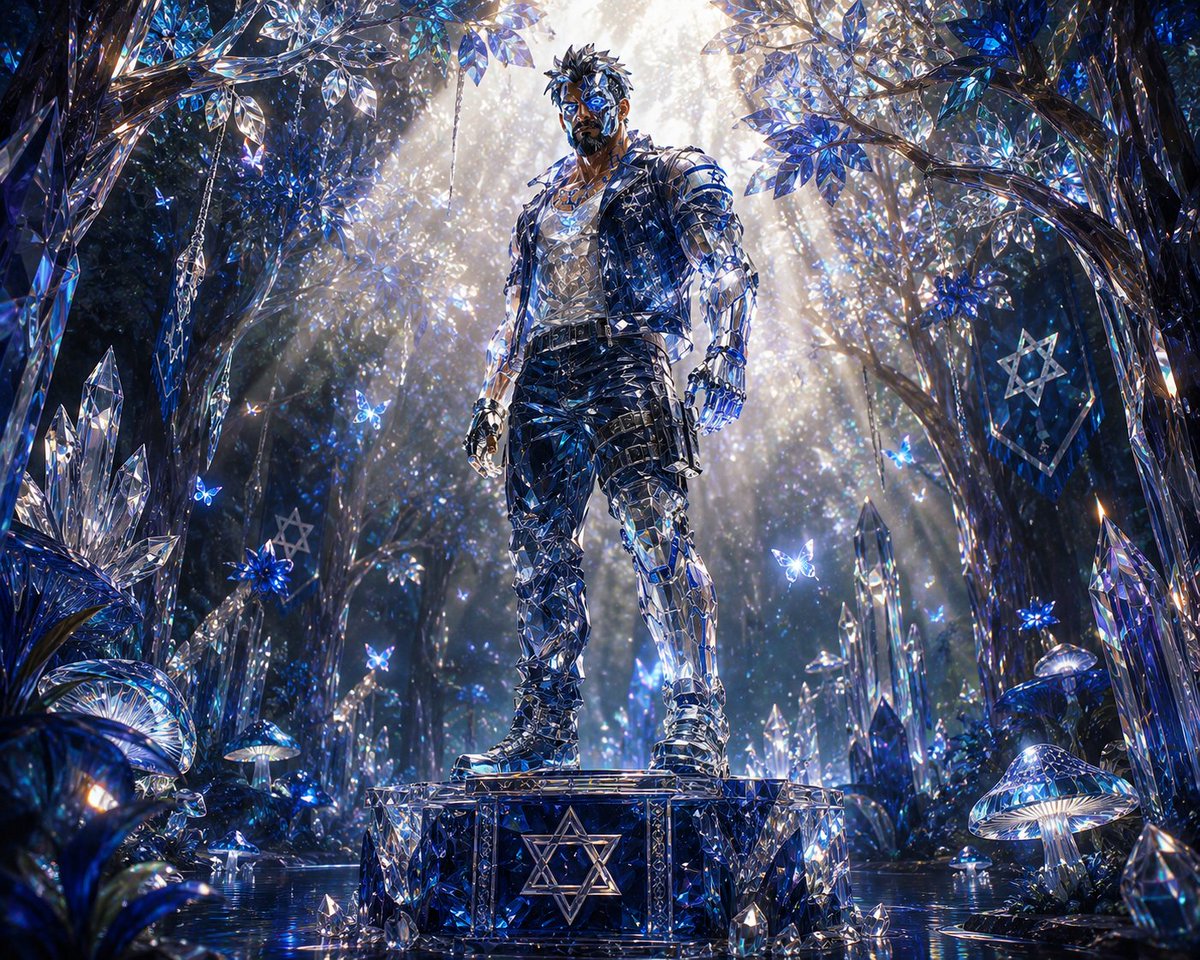
@Image = Primary Character ReferenceCreate an extraordinary masterpiece-quality fantasy scene featuring a breathtaking glass sculpture inspired entirely by @Image.Core Identity Rule
The glass sculpture must be unmistakably based on @Image.Preserve and accurately translate into sculpted glass:Face shape
Facial features
Hairstyle
Species traits
Accessories
Clothing motifs
Signature symbols
Color palette
Personality
Overall silhouette
The sculpture should immediately be recognizable as the exact character from @Image, while appearing as a world-class work of fantasy glass artistry.Sculpture Design
The sculpture should appear handcrafted by legendary master artisans.Materials include:Crystal glass
Colored fantasy glass
Iridescent glass
Frosted glass
Stained glass accents
Prismatic crystal elements
Ethereal translucent layers
The glass should contain:Internal reflections
Refractions
Rainbow dispersion
Embedded magical light
Floating crystal fragments
Glowing energy veins
Delicate engraved details
The sculpture should feel priceless, magical, and museum-worthy.Environment Design
The entire forest is also inspired by the visual identity of @Image.Transform the character's:Color palette
Personality
Themes
Symbols
Clothing motifs
Magical elements
into environmental design.The forest contains:Massive crystal trees
Glass flowers
Luminescent mushrooms
Floating crystal leaves
Reflective ponds
Magical crystal vines
Shimmering glass butterflies
Floating motes of light
Prismatic fog
Every part of the environment should feel connected to the character's identity.The forest should look like the character's soul and imagination became a physical place.Lighting (Critical)
Beautiful fantasy sunlight streams through openings in the enchanted forest canopy.The light strikes the glass sculpture directly.Create:Brilliant highlights
Sparkling reflections
Rainbow caustics
Crystal refractions
Prismatic light beams
Soft volumetric god rays
Spectacular color dispersion
The lighting must showcase every detail of the sculpture's craftsmanship.The sculpture should glow like a magical treasure discovered deep within an ancient enchanted forest.Composition
The glass sculpture stands as the centerpiece of the scene.Camera angle:Cinematic low-angle hero shot
Slight upward perspective
Medium-wide composition
The sculpture dominates the frame while the enchanted forest surrounds it in a breathtaking display of fantasy beauty.Mood
Feelings of:Wonder
Magic
Serenity
Discovery
Ancient fantasy
Hope
Beauty
Reverence
The image should feel like discovering a sacred crystal monument hidden within a forgotten magical realm.Art Style
Ultra-detailed fantasy glass artistry
Masterpiece fantasy illustration
High-end environmental concept art
Museum-quality sculpture design
Cinematic fantasy realism
Spectacular crystal rendering
Volumetric lighting
Ray-traced reflections
Physically accurate glass refraction
Unreal Engine 5 quality
Fantasy art award winner
8K resolution
Insane detail
Masterpiece compositionFinal result: a stunning character-inspired glass sculpture illuminated by magical forest light, surrounded by an enchanted crystal forest that reflects every aspect of @Image, creating a breathtaking fantasy scene filled with shimmering glass, rainbow light, and mystical beauty.
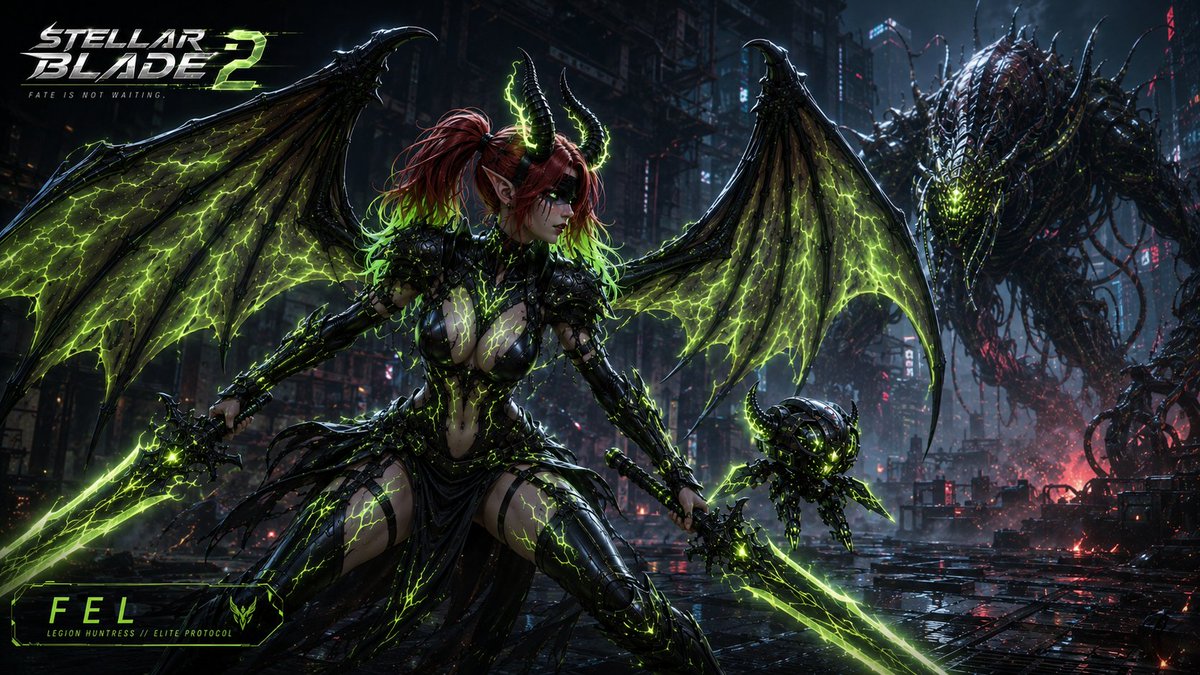
Prompt of the Day: STELLAR BLADE 2 CELEBRATION ⚔️🤖💜💚
To celebrate the announcement of Stellar Blade 2, today’s Prompt of the Day transforms your character into a custom futuristic warrior ready for a brutal pre-battle showdown.
Use one character reference or one reference sheet as @Image1.
If you want a specific character name used in the image text, fill in @CharacterName. If you leave it blank, the model should look for a readable name on the reference sheet and, if none is visible, create one.
Have fun with this one ⚔️
............................PROMPT STARTS HERE............................
@Image1 = primary character reference
@CharacterName = ""
If @CharacterName is filled in, use that exact name for the character text.
If @CharacterName is blank, look for a readable character name on @Image1 or the reference sheet.
If no readable name is visible and no name is provided, invent a fitting original character name that matches the character’s visual identity.
Use the final chosen name as the character name in the image text.
Use @Image1 as the ONLY character identity reference.
@Image1 is the full identity source for the character design.
Character reference rules:
- Preserve @Image1’s face shape, hairstyle, hair colour, eye colour, body language, signature colour palette, key outfit motifs, species traits, accessories, silhouette, proportions, and overall character vibe.
- The final design must still clearly look like the character from @Image1.
- Do not redesign @Image1 into a different person.
Hard style rule:
Preserve @Image1’s visual art style and character identity while transforming the character into a sleek sci-fi action-game combat cosplay design.
If @Image1 is anime, keep it anime. If @Image1 is stylized, keep that stylization.
Do not turn the character photorealistic unless specifically requested.
Scene concept:
Create a cinematic sci-fi action illustration showing @Image1 as a custom futuristic warrior in the tense moment right before combat.
The image should feel like a premium post-apocalyptic action RPG encounter: a stylish combat-ready character, a custom support drone, a dangerous enemy, and a dramatic environment.
The scene should feel like the split second before a boss fight or elite enemy encounter begins.
Sequel-celebration direction:
Give the image the feeling of a Stellar Blade 2 celebration tribute and a next-generation evolution of a sleek sci-fi action world.
The overall design language should feel advanced, refined, premium, ambitious, stylish, and cinematic.
Use this as a mood and presentation direction only.
Title and name text:
Add clean readable title text somewhere in the composition that says:
Stellar Blade 2
Also add the final chosen character name as a smaller subtitle, character tag, nameplate, HUD-style label, poster-style caption, or elegant sci-fi title card element.
The text should feel integrated into the image design, like premium sci-fi key art or a game promo splash screen.
Use sharp futuristic sci-fi title lettering inspired by sleek action-game typography.
The title should feel angular, polished, metallic, luminous, high-tech, and premium.
Keep the text stylish, readable, and controlled.
The title and name text should support the artwork without overpowering @Image1.
Outfit direction:
If @Image1 reads as feminine, design a sleek fitted futuristic combat bodysuit with elegant armor seams, glowing tech accents, reinforced panels, tactical boots, premium synthetic materials, and a stylish heroic silhouette.
The feminine version should be sexy and fashionable while still combat-capable, with tasteful cutouts, exposed skin panels, sculpted bodysuit shaping, asymmetric openings, visible waist or midriff accents, partial hip cutouts, subtle chest detailing, thigh cutouts, open-back elements, or similar high-end sci-fi fashion details.
Keep it seductive and stylish, not explicit.
If @Image1 reads as masculine, design a male-compatible futuristic combat outfit using fitted tactical sci-fi clothing, armored streetwear, a high-collar combat jacket, utility harness details, layered survival gear, reinforced boots, gloves, subtle exosuit panels, and premium technical fabric construction.
If @Image1 is androgynous, non-human, masked, creature-like, robotic, or abstract, adapt the outfit to their original body type without forcing a binary body shape.
Character-specific customization:
Use @Image1’s colours, motifs, accessories, outfit shapes, materials, markings, symbols, and overall vibe as the foundation for the new combat design.
Translate @Image1’s signature colours into the suit’s main panels, trim lines, glowing seams, armor accents, visor reflections, weapon details, and small decorative tech elements.
The suit should feel custom-built for this exact character, not like a generic sci-fi costume.
The design should feel premium, stylish, combat-ready, futuristic, seductive, and character-specific without becoming explicit.
Weapon selection:
Give @Image1 a distinctive futuristic combat weapon that feels custom-designed for them.
Randomize the weapon choice so different generations can produce different combat styles.
Choose one or a combination from the following types:
- sleek monoblade
- oversized greatsword
- dual blades
- high-tech spear
- energy glaive
- combat staff
- chain blade
- sword-and-sidearm combination
- heavy cleaver
- agile short blade set
- folding cyber katana
- plasma-edged axe
- wrist-mounted blade system
- transforming gunblade
The weapon should visually match @Image1’s colour palette, motifs, materials, and personality.
The weapon should feel premium, stylish, dangerous, and suited for fast action combat.
Do not default to the same exact weapon style every time.
Companion robot:
Add one small accompanying drone robot beside or slightly behind @Image1.
The robot should be heavily based on @Image1’s reference design, using the character’s colour palette, motifs, silhouette cues, accessories, markings, species traits, and personality as inspiration.
The robot should feel like @Image1’s custom personal support drone: cute but capable, compact, polished, futuristic, alert, and visually tied to the character.
Give the robot small hover thrusters, glowing lenses, articulated mechanical details, and character-specific decorative features.
The robot must look like a natural companion in the scene, not a random unrelated prop.
Enemy creature selection:
Include one major enemy creature as the opposing force in the scene.
Randomize the enemy type so the character can face a wider variety of threats instead of the same repeated creature.
Choose a visually striking enemy type such as:
- a fast blade-limbed stalker
- a hulking armored brute
- a serpentine biomechanical predator
- a crawling horror with scythe limbs
- a flying shrieking aerial attacker
- a tall humanoid nightmare creature
- a heavily mutated elite monster
- a boss-like abomination with glowing weak points
- a quadruped machine-organic hunter
- a parasite-infested armored beast
- a spiked tunneling monster emerging from the ground
- a winged biomechanical horror diving from above
The creature should feel hostile, alien, biomechanical, predatory, and clearly dangerous.
It should have a sci-fi horror design with sharp anatomy, distorted armor plating, aggressive limbs, exposed glowing energy, and threatening movement.
The enemy should be close enough to create immediate tension, but it must not overpower or replace @Image1 as the main visual focus.
Zone and environment selection:
Randomize the combat zone so the scene can take place in many different areas rather than always falling into the same type of location.
Choose one dramatic environment such as:
- ruined futuristic city streets
- open desert wasteland
- rocky badlands with wreckage
- abandoned industrial refinery
- collapsed sci-fi transit station
- underground lab complex
- derelict orbital facility
- broken space elevator platform
- flooded ruins
- scrapyard settlement outskirts
- shattered megastructure interior
- overgrown post-apocalyptic ruins
- neon-lit ruined city at night
- stormy coastal ruins
- crashed colony transport site
- massive cathedral-like machine interior
Each image should feel like a distinct zone with its own mood, architecture, debris, and atmosphere.
Add environmental storytelling such as broken machinery, sparks, dust, smoke, cables, shattered structures, damaged catwalks, claw marks, warning lights, or signs of recent combat.
Action and pose:
Show @Image1 in a combat-ready pose, such as drawing a blade, bracing for impact, stepping into an attack stance, preparing to dodge, preparing to counter, or advancing toward the enemy.
The pose should feel active and in-world, not like a front-facing poster pose.
Do not have the character stare directly into the camera.
Turn the character’s head and gaze sideways toward the enemy creature.
The face should still remain visible and readable in a three-quarter or side-facing angle.
The character should look aware of the incoming threat, focused on the enemy, and ready to move.
The companion robot should also look alert and engaged, as if scanning the monster or preparing to assist.
The scene should capture anticipation and motion readiness rather than a calm standing portrait.
Environment and composition:
Use a wide horizontal cinematic composition in a strict 16:9 aspect ratio.
The image must clearly read as a 16:9 horizontal action composition.
Use a medium-wide action framing with @Image1 as the clear main focus.
Keep @Image1 central or slightly offset, sharp, fully readable, and clearly visible in frame.
Do not crop important parts of the character.
Place the companion robot close enough to feel emotionally connected to the character without stealing focus.
Frame the enemy so the threat is obvious and positioned in the direction of the character’s eyeline.
Place the title text and character name in a clean readable area of the composition, such as the upper corner, lower third, side margin, or holographic title-card space.
Maintain strong visual hierarchy and readability.
The composition should feel like premium action-game key art rather than a static portrait.
Lighting and mood:
Use cinematic sci-fi lighting with soft bloom, rim light, glowing suit accents, dust haze, reflective metal surfaces, sparks, and subtle neon or sunset highlights where appropriate.
The mood should feel dangerous, stylish, heroic, high-stakes, futuristic, and seductive without becoming explicit.
The scene should feel like the exact moment before combat erupts.
Quality and rendering:
Polished, premium-quality anime-style illustration with clean linework, crisp rendering, readable forms, elegant detailing, strong lighting, and clear composition.
Keep the strongest detail concentrated on @Image1, the custom suit design, the weapon, the companion robot, the immediate combat threat, and the readable title/name treatment.
Do not:
- Do not change the character identity.
- Do not redesign @Image1 into a different person.
- Do not copy any existing game character, outfit, logo, UI, or exact copyrighted design one-to-one.
- Do not use an exact official logo; create readable sci-fi title lettering instead.
- Do not make the title text misspelled, warped, tiny, cluttered, or unreadable.
- Do not misspell Stellar Blade 2.
- Do not misspell the character name if a name is provided or readable on the reference sheet.
- Do not invent a character name if @CharacterName is filled in or a readable name exists on @Image1.
- Do not add extra characters, clones, alternate versions, or unrelated people.
- Do not make the outfit generic; it must be customized from @Image1’s own colours, motifs, accessories, and personality.
- Do not make the feminine outfit plain or overly conservative if the character is meant to read as feminine; allow tasteful sexy cutout details.
- Do not make the feminine outfit explicit, nude, pornographic, or impractical to the point of losing the combat design.
- Do not force a feminine bodysuit onto a masculine character.
- Do not force a masculine outfit onto a feminine character.
- Do not force a human face, head, body shape, or gender expression onto a non-human, masked, faceless, robotic, object-headed, or abstract character.
- Do not make the companion robot unrelated to @Image1’s design.
- Do not make the robot larger or more visually important than the main character.
- Do not add multiple robots unless specifically requested.
- Do not reuse the same enemy type every time.
- Do not reuse the same weapon type every time.
- Do not reuse the same environment type every time.
- Do not let the enemy overpower the composition or become the main subject.
- Do not turn the scene into a full chaotic battle with dozens of enemies.
- Do not make the confrontation vague; it should clearly look like combat is about to happen.
- Do not make the character stare directly at the viewer.
- Do not make the image read like a static poster pose.
- Do not make the background busier than the character.
- Do not make the main subject low-detail, blurry, tiny, hidden, or unreadable.
- Do not ignore the 16:9 horizontal composition.
- Do not crop important character features unless specifically requested.
- Do not create messy anatomy, extra limbs, malformed hands, distorted faces, or muddy textures.
- Do not use photorealism unless specifically requested.
..............................END OF PROMPT..................................
#POTD#promptoftheday#AI#AiArt#Art#AnimeArt#StellarBlade2#SciFi#ActionRPG#CharacterDesign#DigitalArt#AnimeStyle#CommunityPrompt