

Fernando Mora 🇲🇽🇨🇴
3K posts











Nothing in the the English language starts with an N and ends with a G.
English

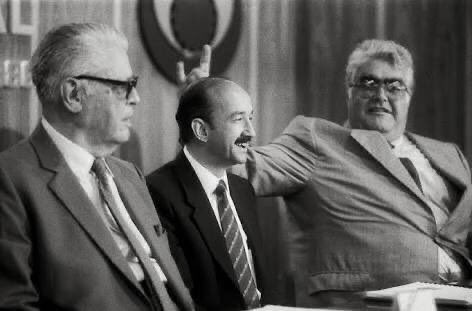
Interesante fotografía de Fabrizio León Diez donde aparece Eduardo Pesqueira poniéndole cuernos a Carlos Salinas de Gortari (quien fue presidente de 1988-1994) en alguna rueda de prensa o presentación. La fotografía fue realizada el 27 de noviembre de 1986 durante el sexenio de Miguel de la Madrid cuando Pesqueira era Secretario de SARH. Fidel Velázquez convocó la Reunión Nacional Agropecuaria del Sector Social, la misma que fue inaugurada por Miguel de la Madrid.
Con qué palabras describirías esta imagen? #OPINA

Español


Would you accept your only child/son to join the seminary

English



@sweet_nector1 Para jugar...
"En el patio de mi casa,
Se paró una mosca 🪰
Échale Flit! Ts, ts
Échale más! Ts, ts
Ya se murió ...
ya revivió!... " (Todos corren) 🤭
Español


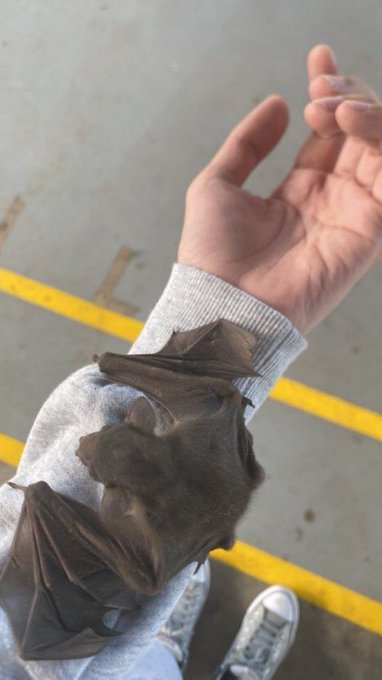
@senshi_real Puedes comenzar por diseñar tu traje... O buscar la vacuna antirrábica...
Español


Amici di tutto il mondo se dico musica italiana 🎶🎵🇮🇹 quale cantante vi viene in mente?
Scrivetelo qui nei commenti 👇
Italiano
@SalveRegina_333 @SecretFire79 Ah claro que ni siquiera había empezado a confesarlo
Español

@SecretFire79 This isn't true because no priest would tell what a person said in confession.
English

The Priest Who Confessed Carlo Acutis Revealed What He Predicted and It's Difficult to Believe🇻🇦🧵 (1/2)
“Carlo reached through the confessional screen and stopped my shaking hand.
It was 11:34 p.m. on October 11, 2006, in room 307 at San Gerardo Hospital in Monza, and I had just slipped my resignation letter into my jacket pocket, certain I would leave the priesthood the moment his funeral was over.
My name is Father Antonio Ferrari.
I am 72 years old now, and for 47 years I have worn the Roman collar, heard confessions, buried the dead, and stood at altars while families tried to believe God was still in the room.
But there was one night when I was no longer sure He was anywhere at all.
I had known Carlo Acutis since he was five. In catechism, other boys watched the clock. Carlo watched the tabernacle.
Other children asked when class would end. Carlo asked things like: “Father, why did Jesus choose bread for the Eucharist and not something harder to ignore?”
He did not ask like a child showing off.
He asked like someone trying to get closer to a Person.
For ten years, from the time he was old enough to examine his conscience seriously until he lay dying at fifteen, I was his confessor. Every two weeks, like clockwork, he came.
His sins were never dramatic.
A burst of impatience with his younger brother.
Pride after praise for his computer work.
A rosary rushed instead of prayed.
He confessed the way a man polishes silver before presenting it to a king.
By October 2006, I was the opposite.
I was spiritually dry.
Mechanically faithful.
Publicly intact.
Internally hollow.
For months, my sermons had felt like paper in my mouth. I celebrated Mass with exact rubrics and no fire.
I prayed and felt nothing but the room around me. I was a priest whose soul had gone numb inside his own vocation.
That night, before Antonio Salzano called me to the hospital, I had written the letter.
‘Your Excellency, after prayer and long suffering, I believe I must step aside...’
It lay folded in my inside pocket when I entered room 307.
The room smelled of antiseptic, candle wax from a small blessed candle near the window, and a faint trace of roses that did not belong in any hospital room.
Carlo was thin, pale, eaten by leukemia, but his eyes were awake.
Clear.
Almost relieved when he saw me.
“Father Antonio,” he said softly.
“Thank you for coming.
I needed to see you before I go.”
His parents stepped back.
I pulled the chair near the bed.
The monitor clicked out his remaining hours in thin green light.
“I’m here, Carlo.”
He swallowed once, then smiled.
“I need to confess.
But first, I need to tell you something about your future.”
I almost interrupted him.
Not out of impatience.
Out of pain.
He was fifteen.
He was dying.
And somehow he was worried about me.
“Carlo, let’s focus on you.”
He shook his head.
“No, Father.
This matters.
You’ve been thinking of leaving the priesthood, haven’t you?”
The blood drained from my face.
No one knew that.
Not my bishop.
Not my brother priests.
Not a single living soul.
My fingers tightened on the stole in my lap.
“How do you know that?”
“God showed me.”
He said it with terrible simplicity.
“Last night in prayer, I saw you at your desk.
The letter.
Your hand stopping three times before you folded it.
The pain in your chest.
The way you think silence means abandonment.”
The room went colder.
Not gradually.
Suddenly.
I saw my own breath for one brief second in the air above my hands.
Carlo turned his head toward the far corner of the room, as if someone had entered without opening the door.
His face changed.
Not fear.
Recognition.
“They’re here,” he whispered.
I followed his gaze.
I saw nothing.
Just the chair with Antonia’s coat over the back, the dim wall lamp, the shadow of the IV stand.
But the air had shifted.
Every hair on my forearms rose.
The room felt full.
“Who’s here?”
I asked.
“Saint John Vianney,” Carlo said.
“He’s smiling at you.”

English

Answer without using: yes, yup, ya, yea, yeah, sure.
Do you need money???

English