
Fofanaᅠᅠᅠᅠᅠᅠᅠᅠᅠᅠᅠᅠᅠᅠᅠᅠᅠᅠᅠᅠᅠᅠᅠᅠᅠᅠᅠᅠᅠᅠᅠᅠᅠᅠᅠᅠ

1.3K posts

Fofanaᅠᅠᅠᅠᅠᅠᅠᅠᅠᅠᅠᅠᅠᅠᅠᅠᅠᅠᅠᅠᅠᅠᅠᅠᅠᅠᅠᅠᅠᅠᅠᅠᅠᅠᅠᅠ banner
Fofanaᅠᅠᅠᅠᅠᅠᅠᅠᅠᅠᅠᅠᅠᅠᅠᅠᅠᅠᅠᅠᅠᅠᅠᅠᅠᅠᅠᅠᅠᅠᅠᅠᅠᅠᅠᅠ

Fofanaᅠᅠᅠᅠᅠᅠᅠᅠᅠᅠᅠᅠᅠᅠᅠᅠᅠᅠᅠᅠᅠᅠᅠᅠᅠᅠᅠᅠᅠᅠᅠᅠᅠᅠᅠᅠ

@FoFB7

Burkina Faso Katılım Aralık 2013
548 Takip Edilen537 Takipçiler
Fofanaᅠᅠᅠᅠᅠᅠᅠᅠᅠᅠᅠᅠᅠᅠᅠᅠᅠᅠᅠᅠᅠᅠᅠᅠᅠᅠᅠᅠᅠᅠᅠᅠᅠᅠᅠᅠ retweetledi

Google Earth
Google Earth@googleearth·
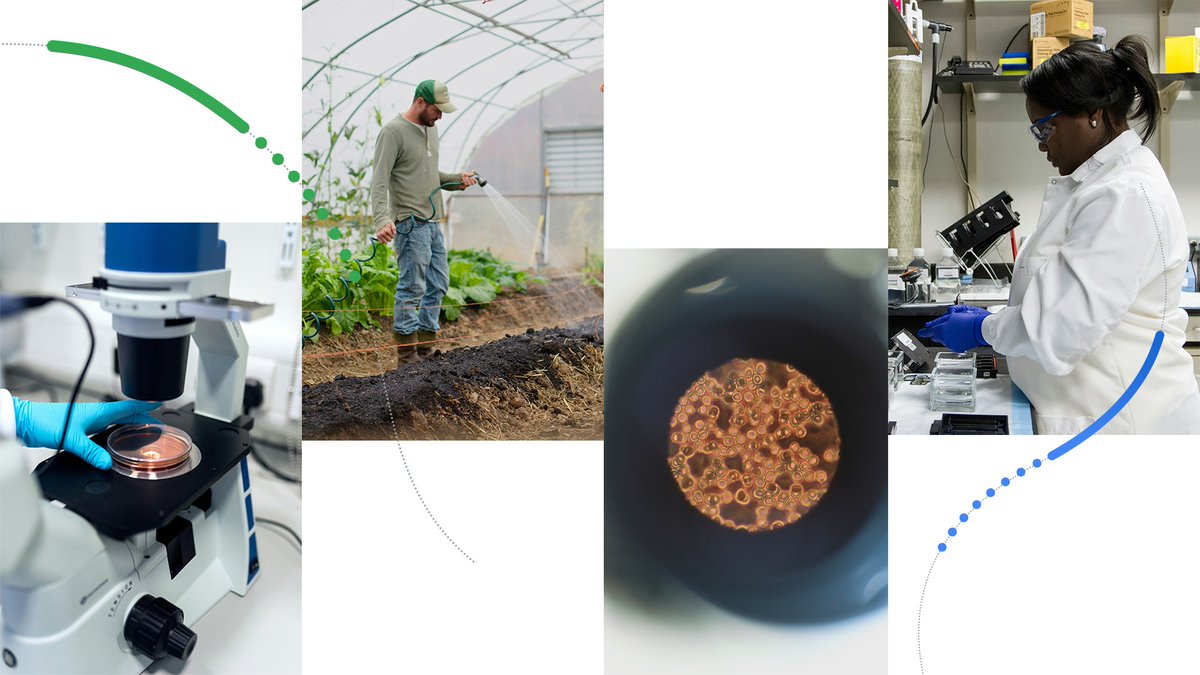
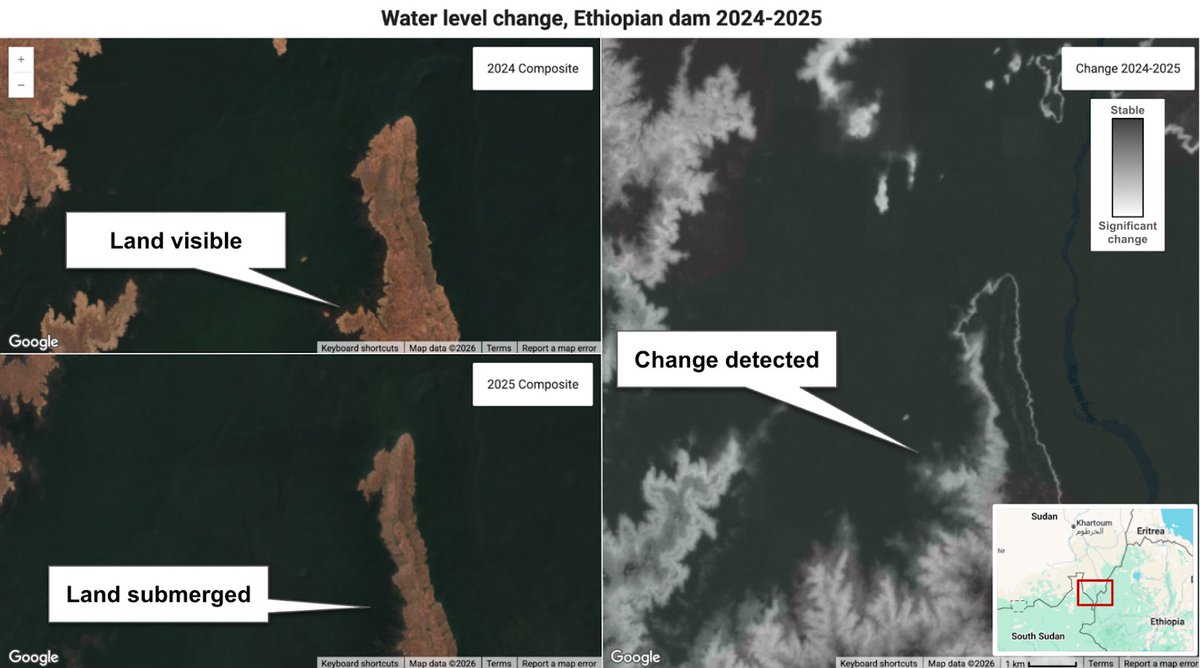
Announcing the #GoogleOrgImpactChallenge: AI for Science! 🔬 A global open-call for researchers using AI for climate resilience and life sciences. Selected orgs can receive $1M–$3M+ and join the Google.org Accelerator. Can't wait to see how you innovate with Google Earth and Earth Engine! 🌍 Apply by April 3, 2026, at 11:59 PM PT → g.co/impactchalleng…
Google Earth tweet mediaGoogle Earth tweet media
English
3
33
171
7.3K
Fofanaᅠᅠᅠᅠᅠᅠᅠᅠᅠᅠᅠᅠᅠᅠᅠᅠᅠᅠᅠᅠᅠᅠᅠᅠᅠᅠᅠᅠᅠᅠᅠᅠᅠᅠᅠᅠ
Avec l’ IA, cela ouvre de nouvelles perspectives pour les analyses geospatiales
Yohan@yohaniddawela

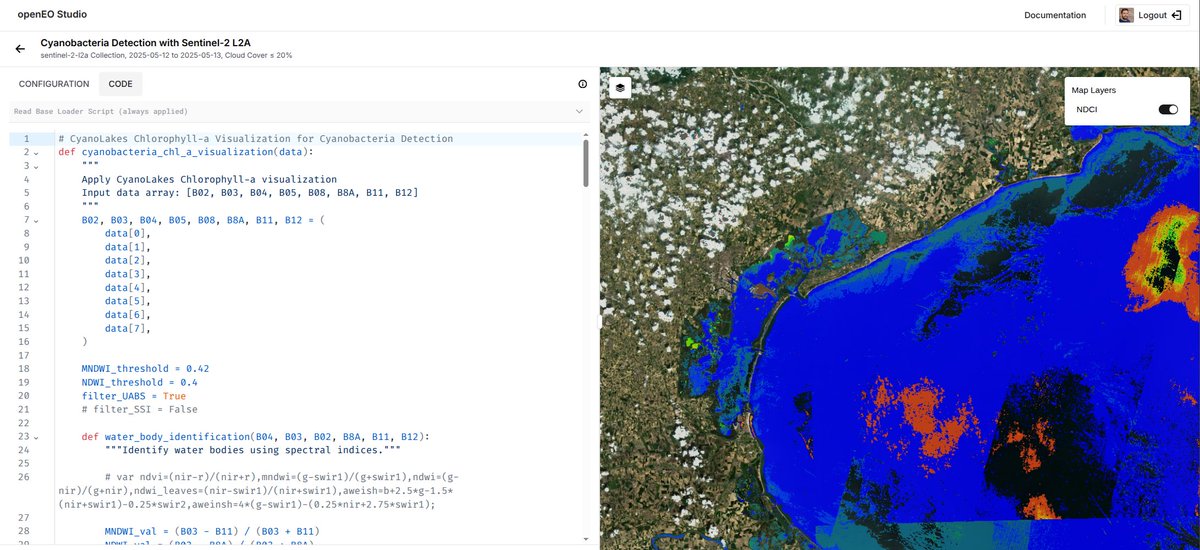
Studying the Earth involves more time downloading files than analysing them. The European Space Agency holds 90 petabytes of planetary data, and they just fundamentally changed how anyone interacts with it. For years, working with Copernicus Sentinel data meant pulling massive files from SAFE archives. You had to store them locally, install mission-specific software, and navigate formats built before cloud computing existed. If you wanted to check a single scene for cloud cover, you couldn't just glance at it. You paid a massive upfront cost in time and hard drive space. That era is now over. ESA's transitioning Sentinel data to Zarr, a cloud-native format that treats data as an API instead of a static file. So ESA has now launched the EOPF Sentinel Zarr Explorer. Everything happens directly from cloud storage. You don't download a single megabyte of raw data to your machine. The workflow starts with discovery. The platform uses STAC, meaning you browse the massive catalogue using open community standards. You locate the exact coordinates and timeframes you need instantly. Then you look at the data. You can load a Sentinel-1 radar or Sentinel-2 optical scene right in your web browser. Analysis happens in the exact same environment through openEO Studio. You write Python code in your browser, define a processing graph, and execute it. A researcher can track algal blooms in the Venice Lagoon by computing a Normalised Difference Chlorophyll Index, and the result appears instantly as an interactive map. The barrier between a hypothesis and a working environmental analysis is now just a few lines of code. The developers actively avoided building a walled garden. They collaborated directly with the wider community to establish modular geospatial conventions. Because they built on open standards, desktop tools like QGIS and libraries like GDAL can read the exact same data without any proprietary plugins. Anyone with a web browser can now run analyses that used to require a dedicated computational lab.

Français
0
0
0
6
Fofanaᅠᅠᅠᅠᅠᅠᅠᅠᅠᅠᅠᅠᅠᅠᅠᅠᅠᅠᅠᅠᅠᅠᅠᅠᅠᅠᅠᅠᅠᅠᅠᅠᅠᅠᅠᅠ retweetledi
Yohan
Yohan@yohaniddawela·
Studying the Earth involves more time downloading files than analysing them. The European Space Agency holds 90 petabytes of planetary data, and they just fundamentally changed how anyone interacts with it. For years, working with Copernicus Sentinel data meant pulling massive files from SAFE archives. You had to store them locally, install mission-specific software, and navigate formats built before cloud computing existed. If you wanted to check a single scene for cloud cover, you couldn't just glance at it. You paid a massive upfront cost in time and hard drive space. That era is now over. ESA's transitioning Sentinel data to Zarr, a cloud-native format that treats data as an API instead of a static file. So ESA has now launched the EOPF Sentinel Zarr Explorer. Everything happens directly from cloud storage. You don't download a single megabyte of raw data to your machine. The workflow starts with discovery. The platform uses STAC, meaning you browse the massive catalogue using open community standards. You locate the exact coordinates and timeframes you need instantly. Then you look at the data. You can load a Sentinel-1 radar or Sentinel-2 optical scene right in your web browser. Analysis happens in the exact same environment through openEO Studio. You write Python code in your browser, define a processing graph, and execute it. A researcher can track algal blooms in the Venice Lagoon by computing a Normalised Difference Chlorophyll Index, and the result appears instantly as an interactive map. The barrier between a hypothesis and a working environmental analysis is now just a few lines of code. The developers actively avoided building a walled garden. They collaborated directly with the wider community to establish modular geospatial conventions. Because they built on open standards, desktop tools like QGIS and libraries like GDAL can read the exact same data without any proprietary plugins. Anyone with a web browser can now run analyses that used to require a dedicated computational lab.
Yohan tweet media
English
6
35
248
10.9K
Fofanaᅠᅠᅠᅠᅠᅠᅠᅠᅠᅠᅠᅠᅠᅠᅠᅠᅠᅠᅠᅠᅠᅠᅠᅠᅠᅠᅠᅠᅠᅠᅠᅠᅠᅠᅠᅠ retweetledi
Yohan
Yohan@yohaniddawela·
Living in a remote Australian postcode increases your chance of dying from heart disease by 60%. The location of your home is the primary predictor of a fatal cardiovascular event. Google is deploying an advanced analytics engine called Population Health AI to map exactly where these failures occur before people need an ambulance. The system ingests clinical records, geographic data, and satellite imagery to find hidden health risks at a community level. Healthcare systems usually wait for a patient to arrive at a clinic. This model changes the entire approach. It uses Google Earth's Population Dynamics Foundation Models along with a bunch of datasets covering local air quality, pollen counts, and proximity to fresh food. It connects the environmental variables that trigger chronic conditions. The algorithm analyses diverse, aggregated datasets to uncover hidden patterns within specific towns. It identifies the highest risk areas while keeping individual data completely anonymous. Health organisations then tailor their medical interventions to the exact needs of that specific community. Now SISU Health is conducting 50,000 new health screenings across these remote areas. They combine their own consented records with the predictive data to understand local health challenges. They put the preventative care clinics exactly where the AI says the risk is highest. You can't always change the distance to the nearest major hospital. But you can use predictive modelling to find out who needs help the most.
English
2
3
33
2.6K
Fofanaᅠᅠᅠᅠᅠᅠᅠᅠᅠᅠᅠᅠᅠᅠᅠᅠᅠᅠᅠᅠᅠᅠᅠᅠᅠᅠᅠᅠᅠᅠᅠᅠᅠᅠᅠᅠ retweetledi
Türkiye_news75
Türkiye_news75@turkiye_news75·
Istanbul : 73,5 millions de livres turques de dettes de 32.000 familles, effacées avant l’Aïd el-Fitr. À l’époque de l’Empire ottoman, il existait une pratique appelée “zimem defteri” (le registre des dettes). Des personnes aisées se rendaient discrètement chez les épiciers de quartier (bakkal) et demandaient à voir les dettes des clients les plus modestes. Ensuite, sans demander l’identité des débiteurs, ils réglaient tout ou partie des sommes dues. Le principe était simple mais puissant : aider sans humilier. Celui qui donnait ne cherchait ni reconnaissance ni remerciement, et celui qui recevait ne savait pas forcément qui l’avait aidé. C’était une forme de solidarité anonyme, profondément liée aux valeurs de charité et de dignité, notamment à l’approche de fêtes religieuses comme l’Aïd el-Fitr. Aujourd’hui, cette tradition renaît régulièrement en Turquie, surtout pendant le Ramadan.
Türkiye_news75 tweet media
Français
5
219
856
35.6K
Fofanaᅠᅠᅠᅠᅠᅠᅠᅠᅠᅠᅠᅠᅠᅠᅠᅠᅠᅠᅠᅠᅠᅠᅠᅠᅠᅠᅠᅠᅠᅠᅠᅠᅠᅠᅠᅠ retweetledi
Bary Lassana
Bary Lassana@LBaryum·
Bonjour #Team4hduMat. Qu'Allah nous facilite ce jour 25/26 et nous en accorde tous les mérites. Amin 🤲🏾
Français
2
7
32
299
Fofanaᅠᅠᅠᅠᅠᅠᅠᅠᅠᅠᅠᅠᅠᅠᅠᅠᅠᅠᅠᅠᅠᅠᅠᅠᅠᅠᅠᅠᅠᅠᅠᅠᅠᅠᅠᅠ retweetledi
Sahil
Sahil@sahill_og·
Linus Torvalds created Linux at 21 without Claude or any other AI. - He didn't have a co-founder. - No VC funding. No office. - No team. - Just a personal project he posted to a mailing list: "I'm doing a free OS." 33 years later, it runs 97% of the world's servers, all smartphones, and the International Space Station. The most important software in history started as someone's side project. Absolute legend.
Sahil tweet media
English
609
3.6K
26.9K
2M
Fofanaᅠᅠᅠᅠᅠᅠᅠᅠᅠᅠᅠᅠᅠᅠᅠᅠᅠᅠᅠᅠᅠᅠᅠᅠᅠᅠᅠᅠᅠᅠᅠᅠᅠᅠᅠᅠ retweetledi
João Pedro Azevedo
João Pedro Azevedo@jpazvd·
📊 Too much global development data still lives in spreadsheets. But modern analysis requires data acquisition as code. Today I’m pleased to share that the unicefData R package is now available on CRAN, providing direct programmatic access to the UNICEF Data Warehouse. Researchers, policymakers, and analysts can now retrieve 700+ internationally comparable indicators on children and women directly from R — enabling reproducible analytics, transparent workflows, and faster evidence generation. Install install.packages("unicefData") Example library(unicefData) df <- unicefData( indicator = "CME_MRY0T4", countries = c("BRA","USA","IND"), year = "2015:2023" ) Why this matters Reliable evidence depends not only on good data, but also on how easily that data can be accessed, reproduced, and reused. The unicefData package helps bridge the gap between official statistics and modern data science workflows by enabling: • Access to 700+ indicators across countries and years • Integration with reproducible research pipelines • Use of SDMX international statistical standards • Consistent interfaces across R, Python, and Stata Making official statistics more accessible, reproducible, and interoperable is an important step toward strengthening evidence for policies that improve outcomes for children. 📦 CRAN cran.r-project.org/package=unicef… #OpenData #OfficialStatistics #RStats #DataForChildren #ReproducibleResearch
English
11
200
817
39.6K
Fofanaᅠᅠᅠᅠᅠᅠᅠᅠᅠᅠᅠᅠᅠᅠᅠᅠᅠᅠᅠᅠᅠᅠᅠᅠᅠᅠᅠᅠᅠᅠᅠᅠᅠᅠᅠᅠ retweetledi
UNDRR
UNDRR@UNDRR·
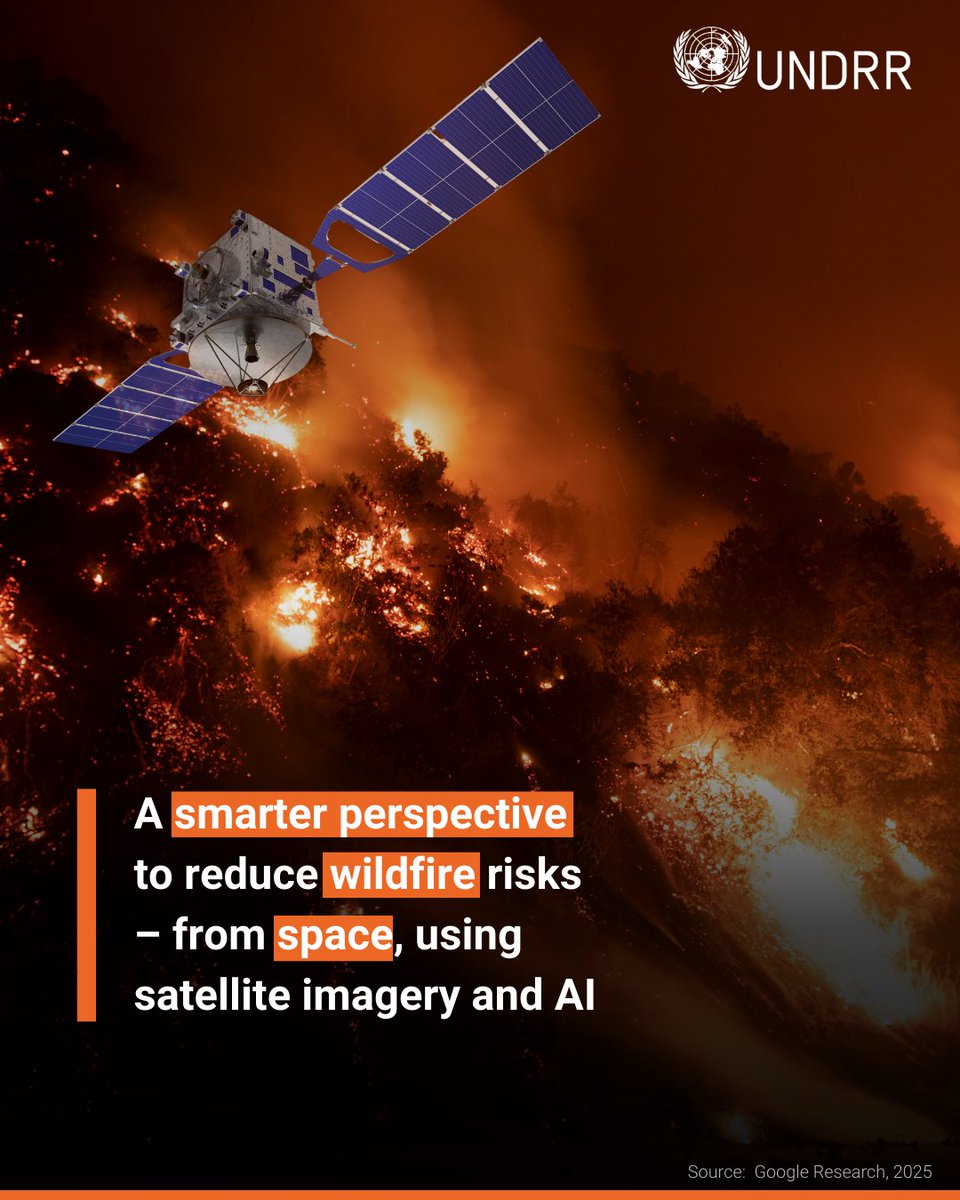
🛰️The first satellite in a new AI-enabled constellation has launched to detect wildfires while they’re still small. 🚒 FireSat can spot 5x5m fires within 20 mins using AI & hi-res imaging. Faster alerts means faster response, less CO₂, lower risk. ➡️ ow.ly/Caoh50Xsyy7
UNDRR tweet media
English
1
32
58
1.6K
Fofanaᅠᅠᅠᅠᅠᅠᅠᅠᅠᅠᅠᅠᅠᅠᅠᅠᅠᅠᅠᅠᅠᅠᅠᅠᅠᅠᅠᅠᅠᅠᅠᅠᅠᅠᅠᅠ retweetledi
Copernicus ECMWF
Copernicus ECMWF@CopernicusECMWF·
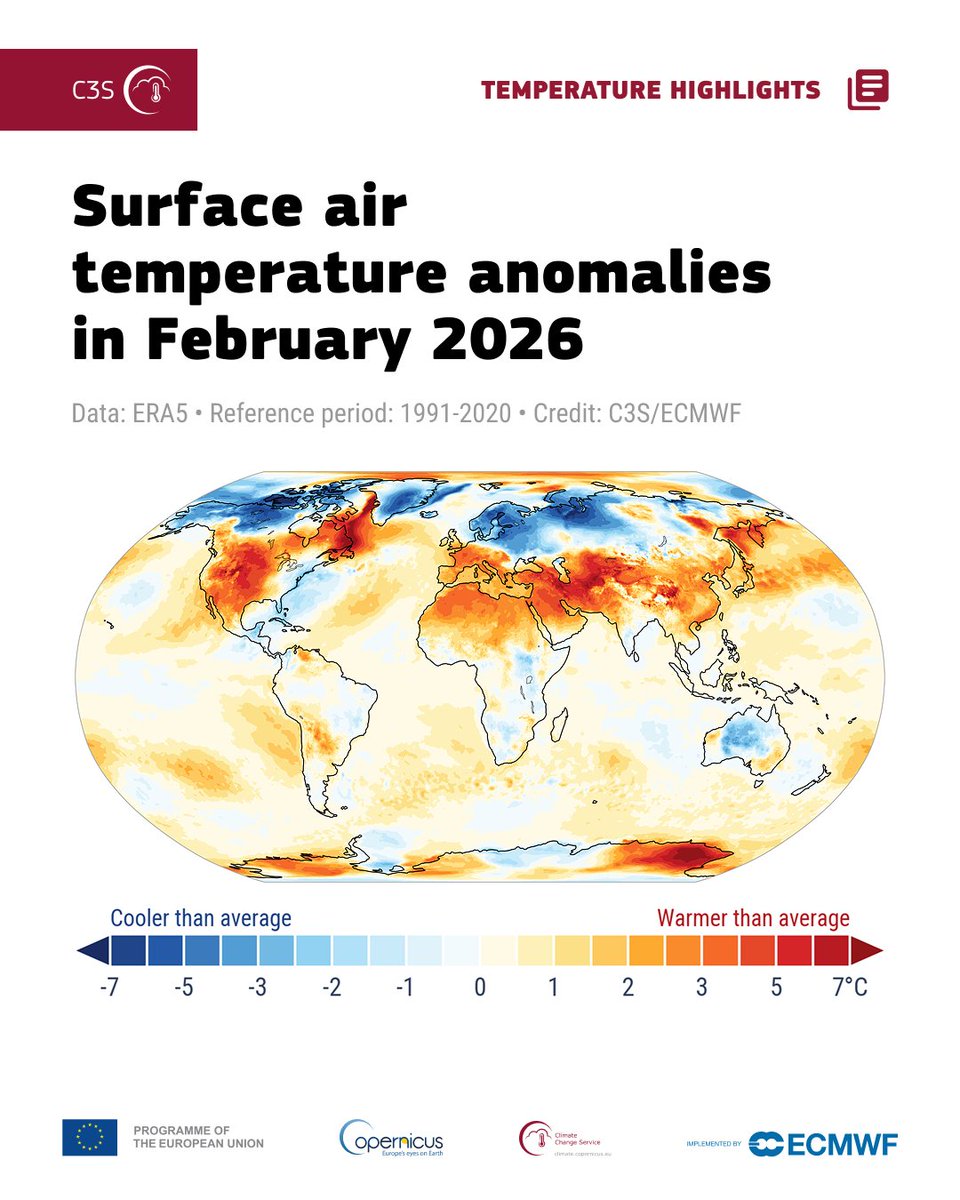
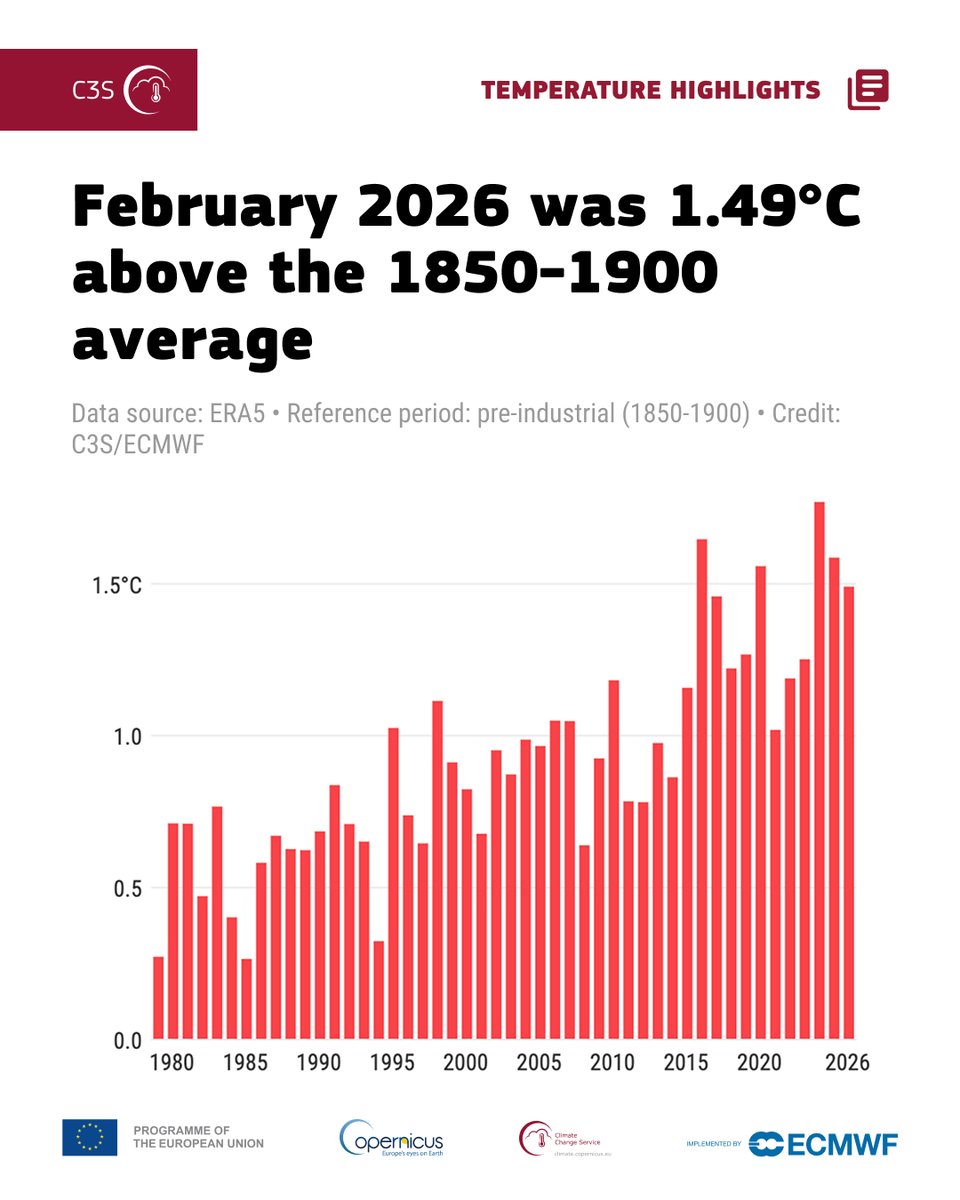
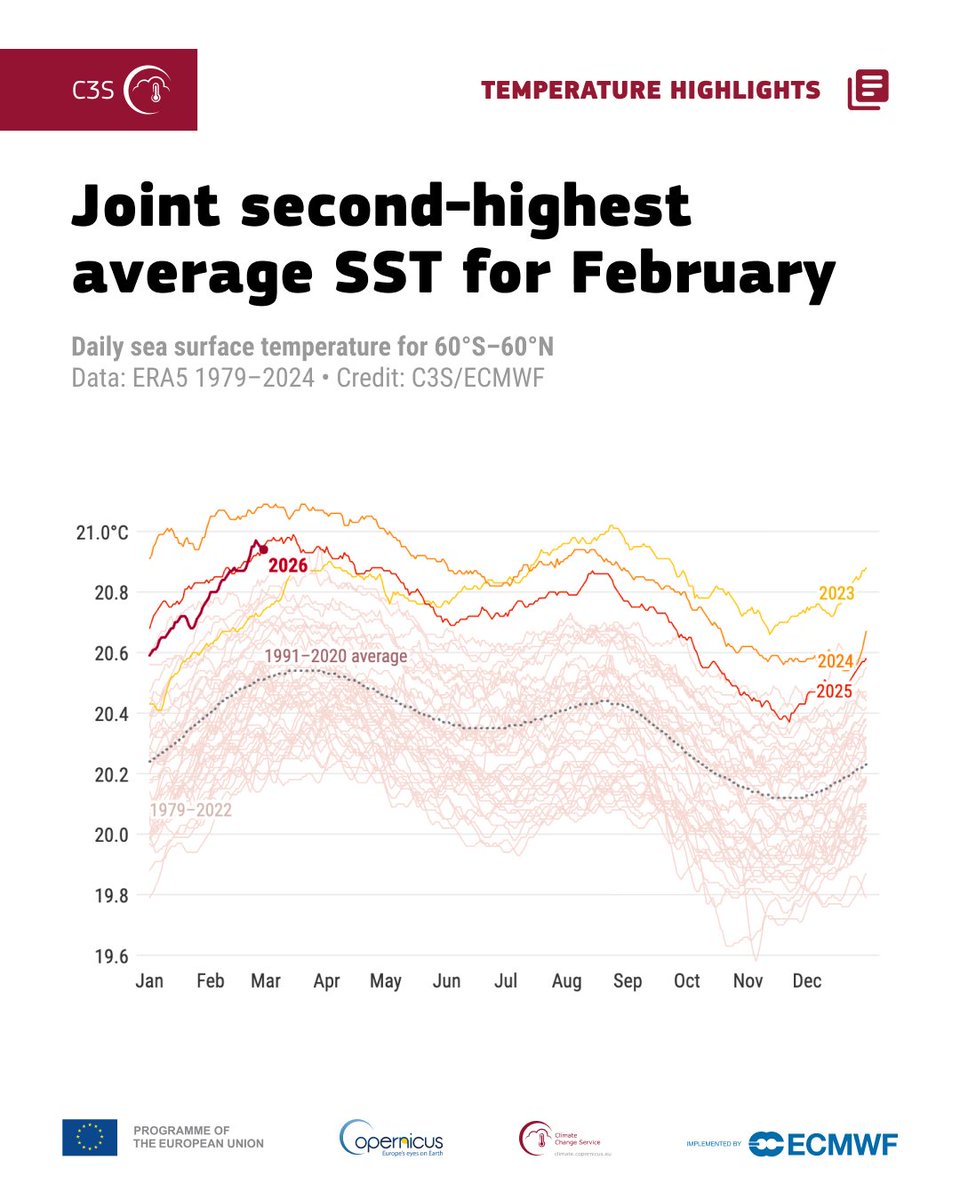
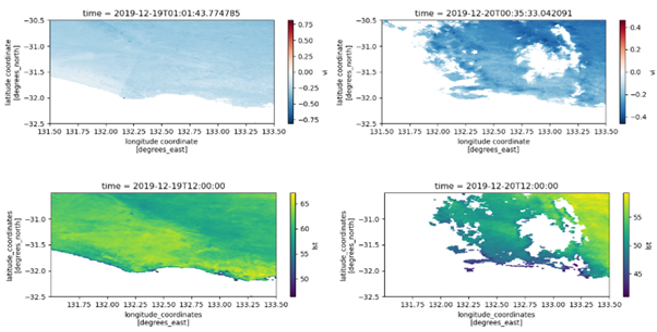
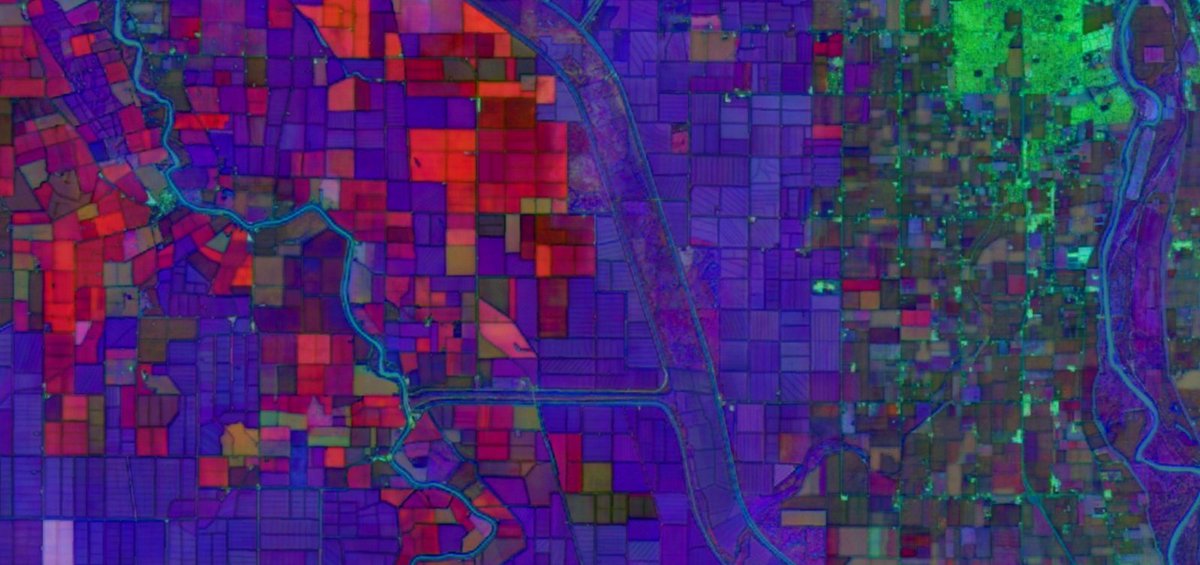
🌡The latest #C3S Climate Bulletin reports the 5th-warmest Feb. globally;1.49°C above the pre-industrial average. Europe saw strong temperature contrasts, while global-average sea surface temp was the joint 2nd-highest on record for Feb. climate.copernicus.eu/surface-air-te… #CopernicusClimate
Copernicus ECMWF tweet mediaCopernicus ECMWF tweet mediaCopernicus ECMWF tweet mediaCopernicus ECMWF tweet media
English
4
25
52
4.7K
Fofanaᅠᅠᅠᅠᅠᅠᅠᅠᅠᅠᅠᅠᅠᅠᅠᅠᅠᅠᅠᅠᅠᅠᅠᅠᅠᅠᅠᅠᅠᅠᅠᅠᅠᅠᅠᅠ retweetledi
ESA Climate Office
ESA Climate Office@esaclimate·
🛰️Combine climate data to unlock new insights! Explore our latest data demonstrators which show example applications that bring together ESA’s Climate Change Initiative records in our Toolbox and the Copernicus Dataspace Ecosystem. Fuse decades of climate records with real-time satellite observations to power your analysis! 🔗 Seamlessly integrate different data sources 📊 Boost your analytical capabilities ⚡ Run ready-to-use Jupyter Notebooks Ideal for climate and remote sensing experts eager to advance their data analysis toolkit. 👉 Start experimenting now: github.com/esa-cci/ect-de…
ESA Climate Office tweet media
English
1
13
39
1.6K
Fofanaᅠᅠᅠᅠᅠᅠᅠᅠᅠᅠᅠᅠᅠᅠᅠᅠᅠᅠᅠᅠᅠᅠᅠᅠᅠᅠᅠᅠᅠᅠᅠᅠᅠᅠᅠᅠ retweetledi
Copernicus ECMWF
Copernicus ECMWF@CopernicusECMWF·
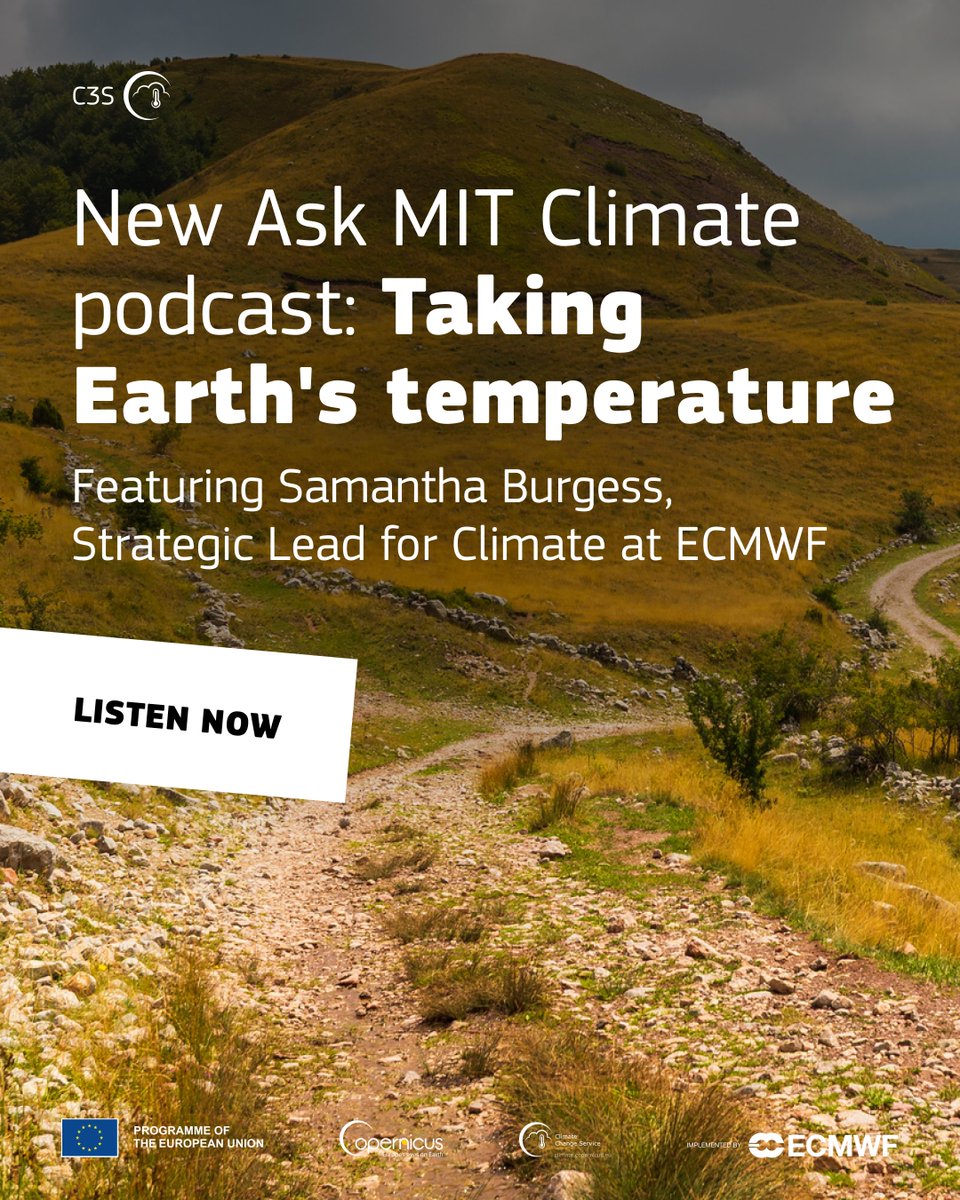
The past three years were the hottest on record. On the new askMITClimate podcast, Samantha Burgess, #C3S Strategic Lead for Climate, explains the science behind our warming climate and how we monitor our planet's health. Listen now: climate.mit.edu/podcasts/e3-ta…
Copernicus ECMWF tweet media
English
0
6
23
1.1K
Fofanaᅠᅠᅠᅠᅠᅠᅠᅠᅠᅠᅠᅠᅠᅠᅠᅠᅠᅠᅠᅠᅠᅠᅠᅠᅠᅠᅠᅠᅠᅠᅠᅠᅠᅠᅠᅠ retweetledi
Google Earth
Google Earth@googleearth·
We are thrilled to announce that Google’s Satellite Embedding dataset, powered by @GoogleDeepMind's AlphaEarth Foundations model, has been updated for 2025. This additional year of coverage now unlocks the ability to look back, compare, and detect change across the planet with unprecedented clarity. Learn more here ➡️ goo.gle/3NdIxWn Part of Google's Earth AI, the new data represents the state of the planet throughout 2025, distilling petabytes of multi-sensor data into a 64-dimensional embedding for every 10 meter pixel. What’s new in this update? 🧵👇 - 🌍 2025 Data: The state of the planet throughout 2025 is now available on the Earth Engine Data Catalog and Google Cloud Storage. - 🔬 Unprecedented Change Detection: Because these embeddings capture subtle spectral, spatial and temporal signatures, they make it easy to spot significant year-over-year changes without the heavy lifting of raw image processing. - 💚 Long-term Commitment: We are formalizing our commitment to the ongoing production of these annual layers to support your operational workflows. Since we first launched the Satellite Embedding dataset, we’ve been inspired by how our community is putting this data to work. Applications are ranging from ecosystem mapping and agricultural crop-typing to carbon stock prediction. We can’t wait to see what you do next. #EarthEngine #GeoAI #DeepMind
Google Earth tweet mediaGoogle Earth tweet mediaGoogle Earth tweet media
English
48
392
3.1K
209K
Fofanaᅠᅠᅠᅠᅠᅠᅠᅠᅠᅠᅠᅠᅠᅠᅠᅠᅠᅠᅠᅠᅠᅠᅠᅠᅠᅠᅠᅠᅠᅠᅠᅠᅠᅠᅠᅠ retweetledi
Yohan
Yohan@yohaniddawela·
@NatureComms Using GPS route data sourced from @openstreetmap, the researchers compared informal bus services with formal, centrally planned networks in higher income countries.
English
1
1
11
1.5K
Fofanaᅠᅠᅠᅠᅠᅠᅠᅠᅠᅠᅠᅠᅠᅠᅠᅠᅠᅠᅠᅠᅠᅠᅠᅠᅠᅠᅠᅠᅠᅠᅠᅠᅠᅠᅠᅠ retweetledi
Yohan
Yohan@yohaniddawela·
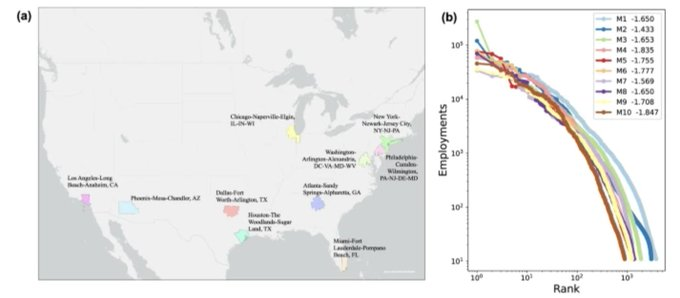
Satellite imagery can now predict how people commute across cities. No surveys. No mobile phone data. Just freely available images from Sentinel-2 and Landsat:
Yohan tweet media
English
6
51
328
22.1K
Fofanaᅠᅠᅠᅠᅠᅠᅠᅠᅠᅠᅠᅠᅠᅠᅠᅠᅠᅠᅠᅠᅠᅠᅠᅠᅠᅠᅠᅠᅠᅠᅠᅠᅠᅠᅠᅠ retweetledi
Fonds international de développement agricole
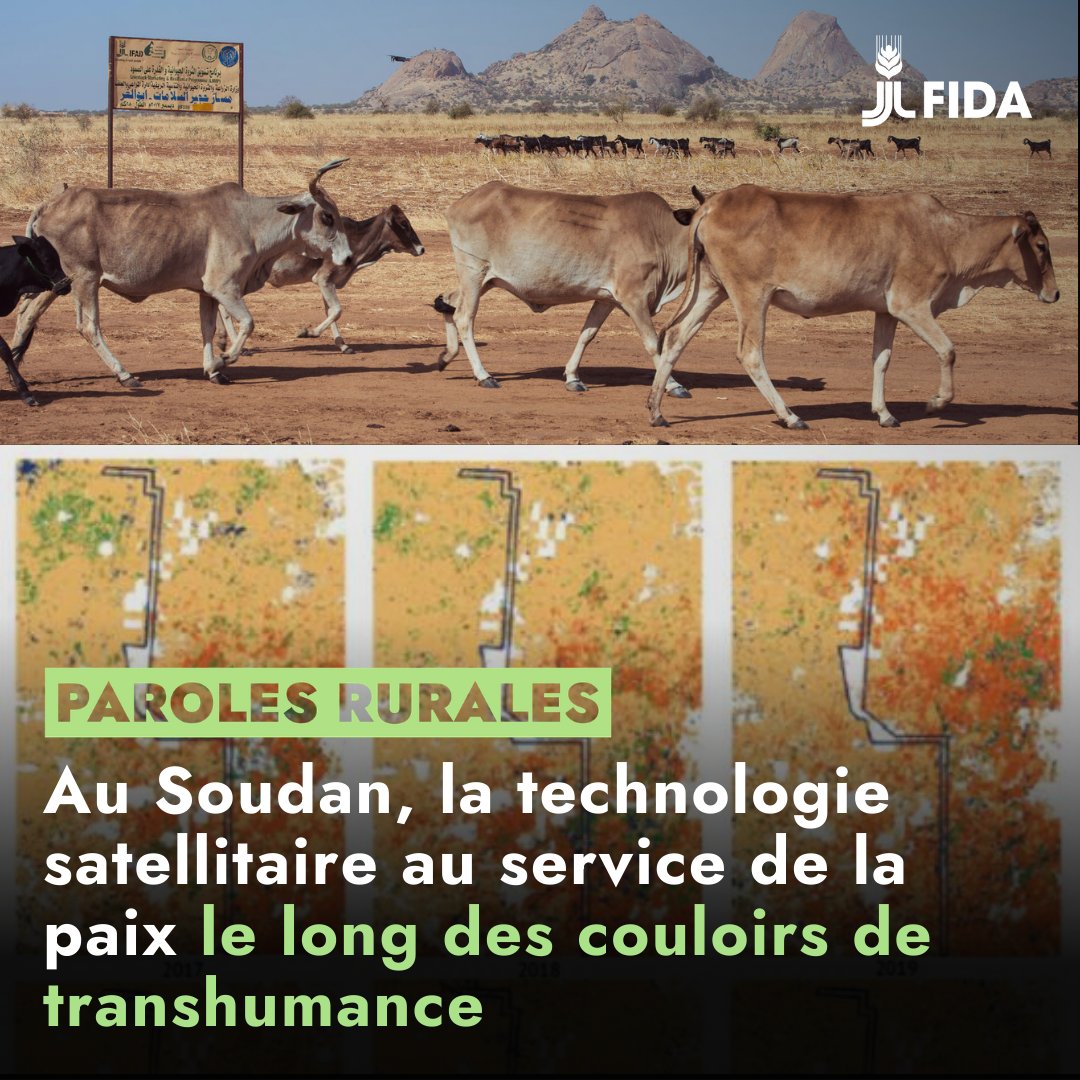
🛰️Conjuguer l'imagerie satellitaire à l'expérience de terrain du FIDA dans les zones rurales les plus reculées a permis de faire reculer les conflits entre agriculteurs et éleveurs. Et de créer les condition d'une paix durable. ▶️ow.ly/Nv9f50Ymq0w
Fonds international de développement agricole tweet media
Français
0
2
2
61