

Foundation for Food & Agriculture Research (FFAR)
3.9K posts

Foundation for Food & Agriculture Research (FFAR)
@FoundationFAR
Bold science for big challenges.
Washington, DC Katılım Temmuz 2015
2.2K Takip Edilen5.2K Takipçiler
What does it take to move from broad goals to measurable progress in the regenerative agriculture space?
Food and agriculture production is facing more pressure than ever, from extreme weather and supply chain disruptions to changing markets and a growing need for practical, long-term solutions.
Next week, food and beverage industry leaders will gather at The Future of Food and Beverage Forum USA in Minneapolis, MN to take a practical look at how the sector is responding to today’s challenges and preparing for what comes next.
Our Scientific Program Director, Kathy Boomer will moderate the panel “Regen reality check: How far are commitments translating to real world investment, impact and ROI?”
We're proud to help steer the industry into a more resilient future!
Learn more about the forum below.

English
Improving nitrogen use efficiency starts with collaboration.
Supported by FFAR and The Platform for Agriculture and Climate Transformation (PACT), stakeholders representing producers, scientists, government, foundations and corporations gathered at North Carolina State University to collaboratively shape a research program focused on fertilizer and nitrogen cycle innovation on U.S. farms.
The discussion builds on the Agricultural Nitrogen Use Efficiency Platform, a large-scale effort to coordinate nitrogen measurement, analysis and modeling across agricultural systems.
Better understanding nitrogen use can help improve productivity, strengthen environmental stewardship and support more informed farm management decisions.
By bringing together expertise across sectors, we're accelerating research that delivers practical, scalable solutions for U.S. agriculture.

English
Request for applications!
With our consortia partners, we're looking for research applications that advance antimicrobial stewardship in animal agriculture.
The end goal is to provide #beef and #swine producers with practical solutions, technologies and practices that promote judicious antibiotic use while improving animal welfare.
Preapplications are due June 10, 2026.
Help us spread the word and find the most cutting edge research out there!
@AllianceBeef
@BeefUSA
@PorkCheckoff
@yumbrands
bit.ly/42MKuxj

English
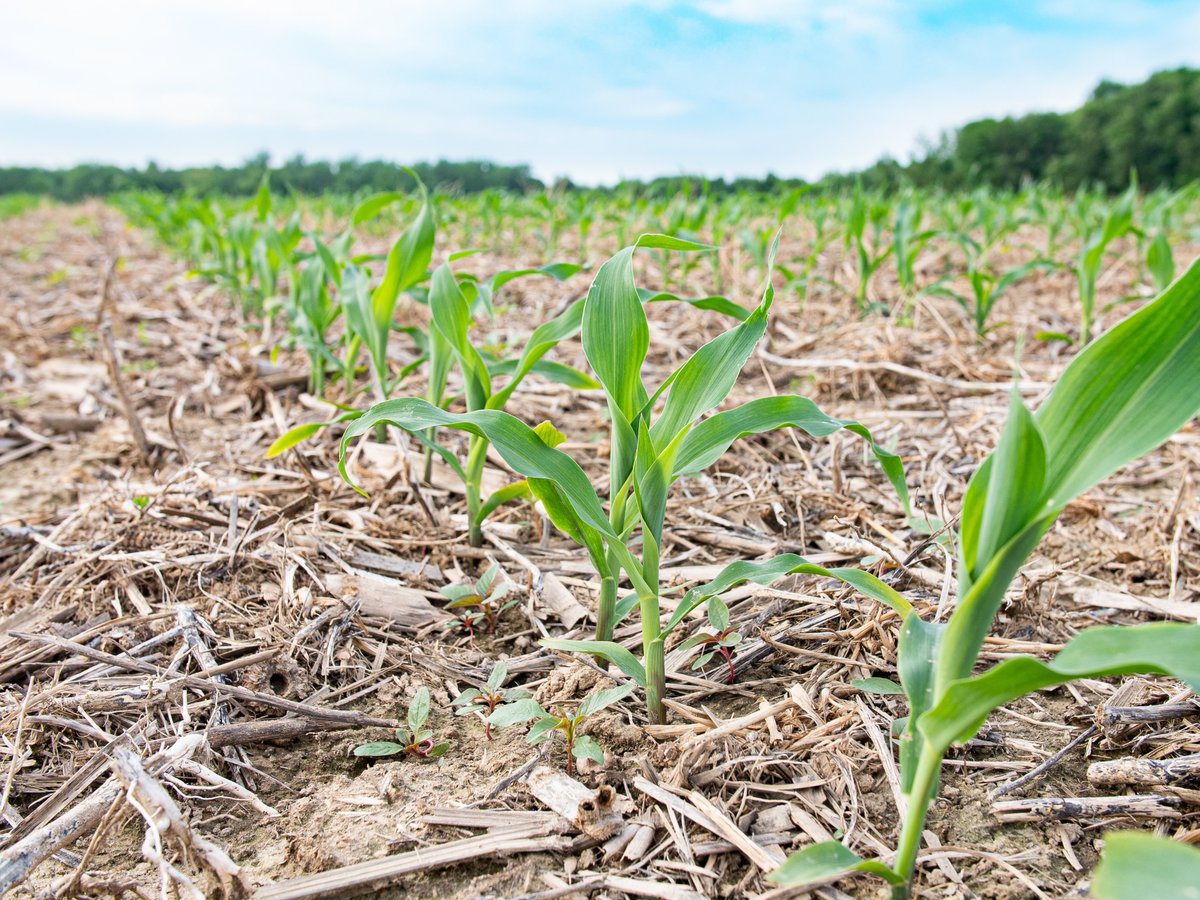
What do we do when 95% of our country’s grain production is becoming increasingly at risk to more extreme weather patterns and erratic rainfall distribution?
American farmers plant around 90 million acres of corn each year (95% of U.S. grain). Many farmers across the corn belt rely on seasonal rainfall as the sole source of water for their crops.
That’s why in 2019 we funded research led by Shawn Kaeppler at @UWMadison to develop a more drought-tolerant corn seed variety.
An external evaluation of our crops research portfolio shows that the downstream results of this innovation show an up to $274/acre value for America’s corn producers if adopted today.
Learn more about this grant and others dealing with drought tolerance in commodity crops, in the button below.
English
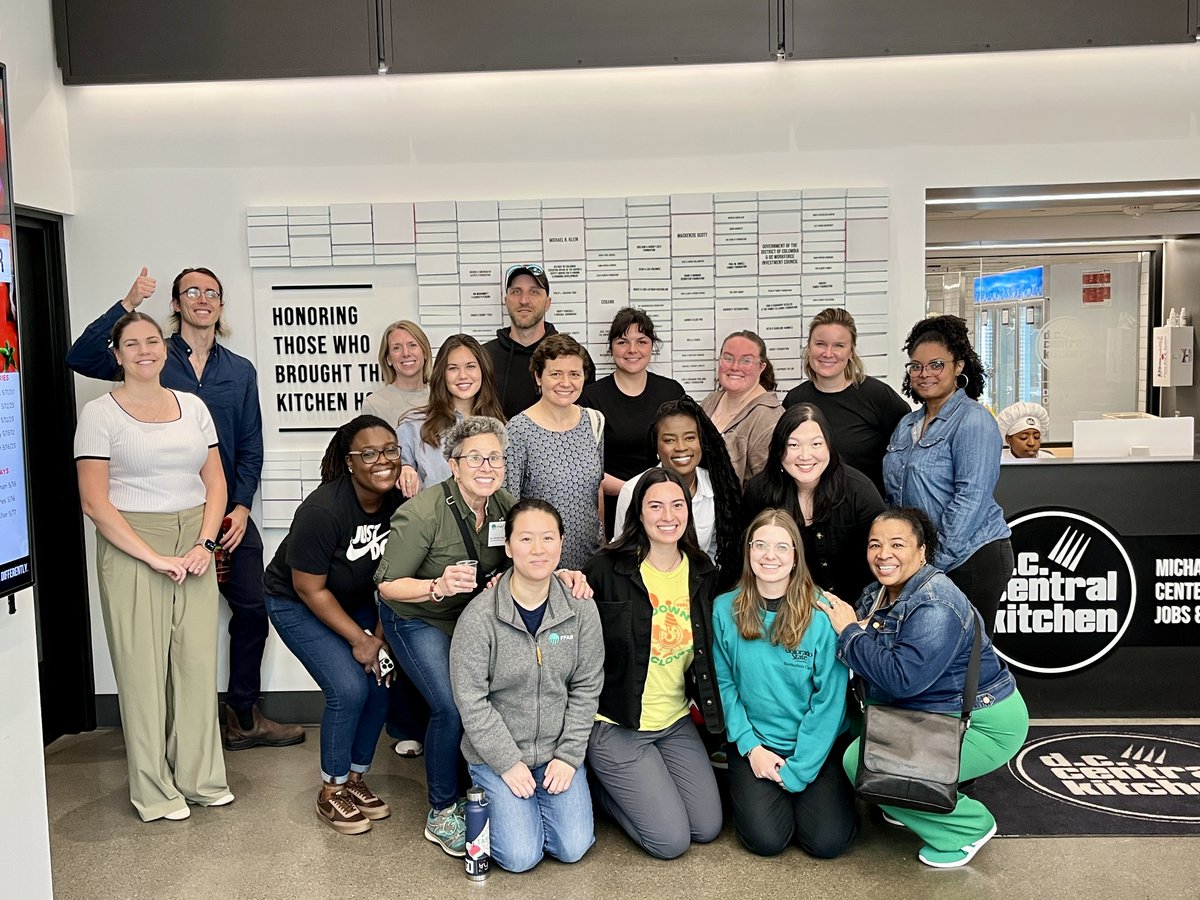
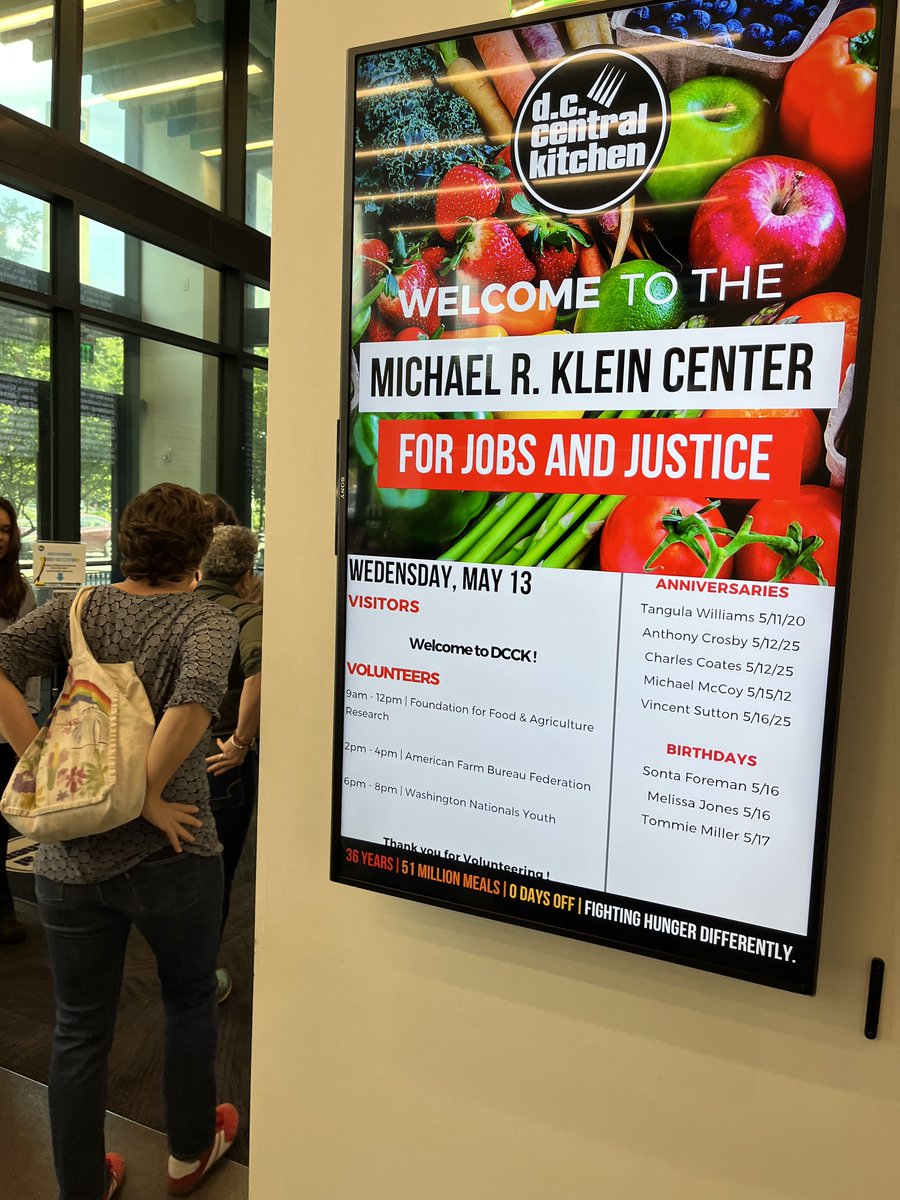
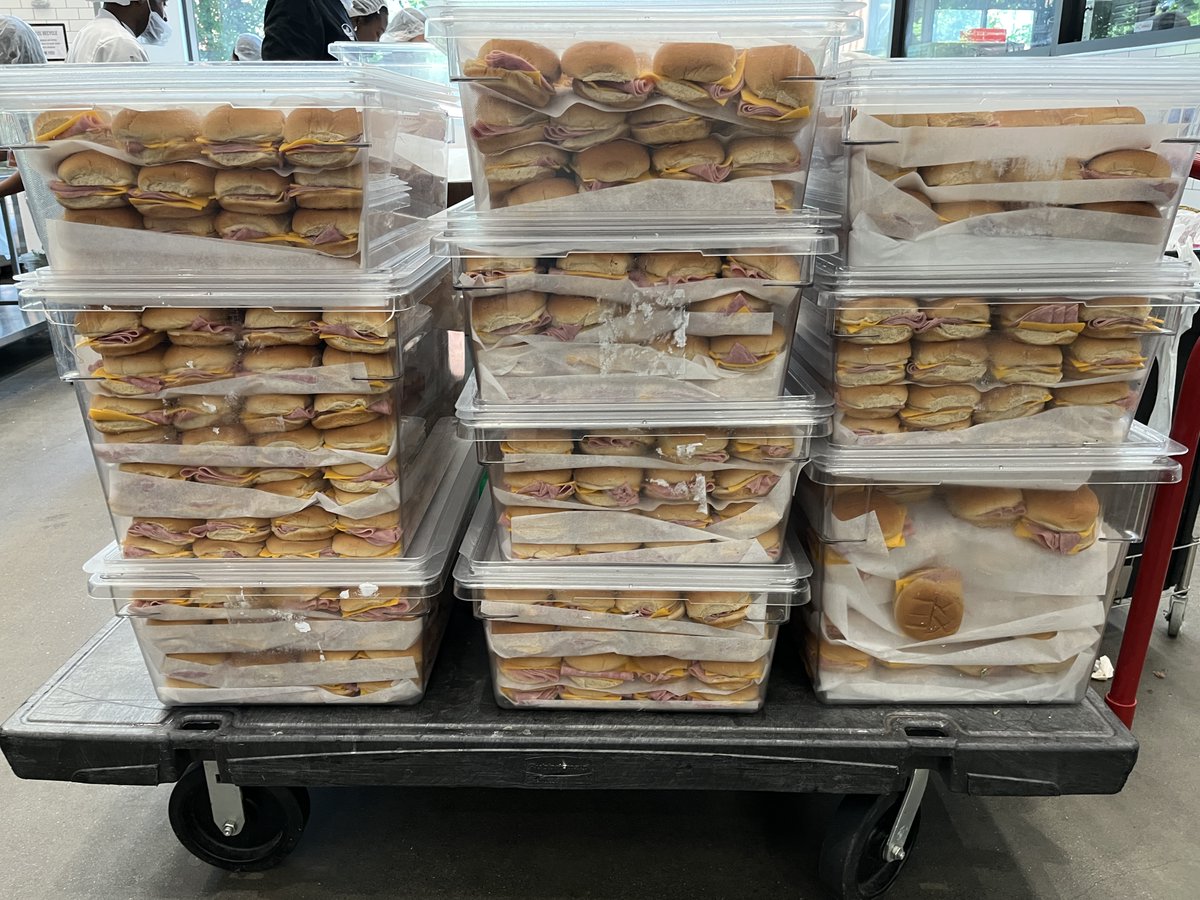
The @dcck is a robust non-profit that's been around for 36 years providing distinguished culinary job training while providing free meals for the disadvantaged.
Yesterday, our staff got to volunteer their time and efforts there in support of their day's food prep.
We believe volunteering as an organization is a great way to build staff cohesiveness while giving back. Bonus when it's in support of a cause in the ag or food systems space!

English
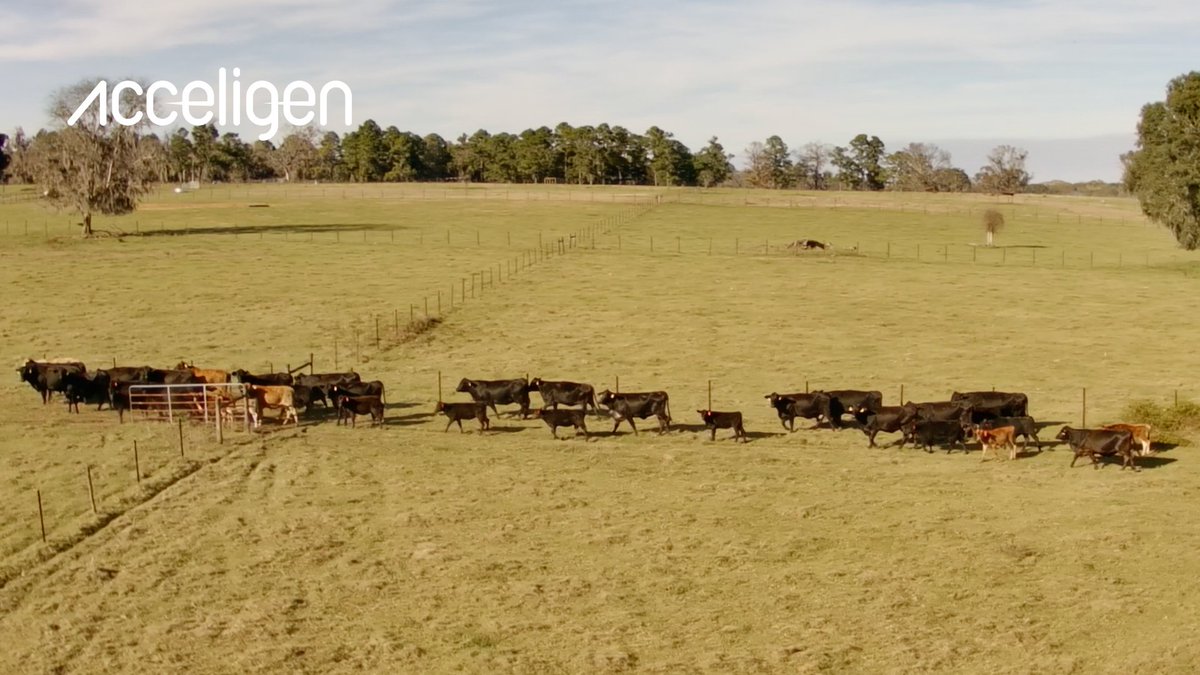
May means calving season for many cow/calf producers across the nation. It also means summer heat is right around the corner.
Heat stress in cattle reduces feed intake, impedes growth and increases disease susceptibility; ultimately, heat stress costs producers big time.
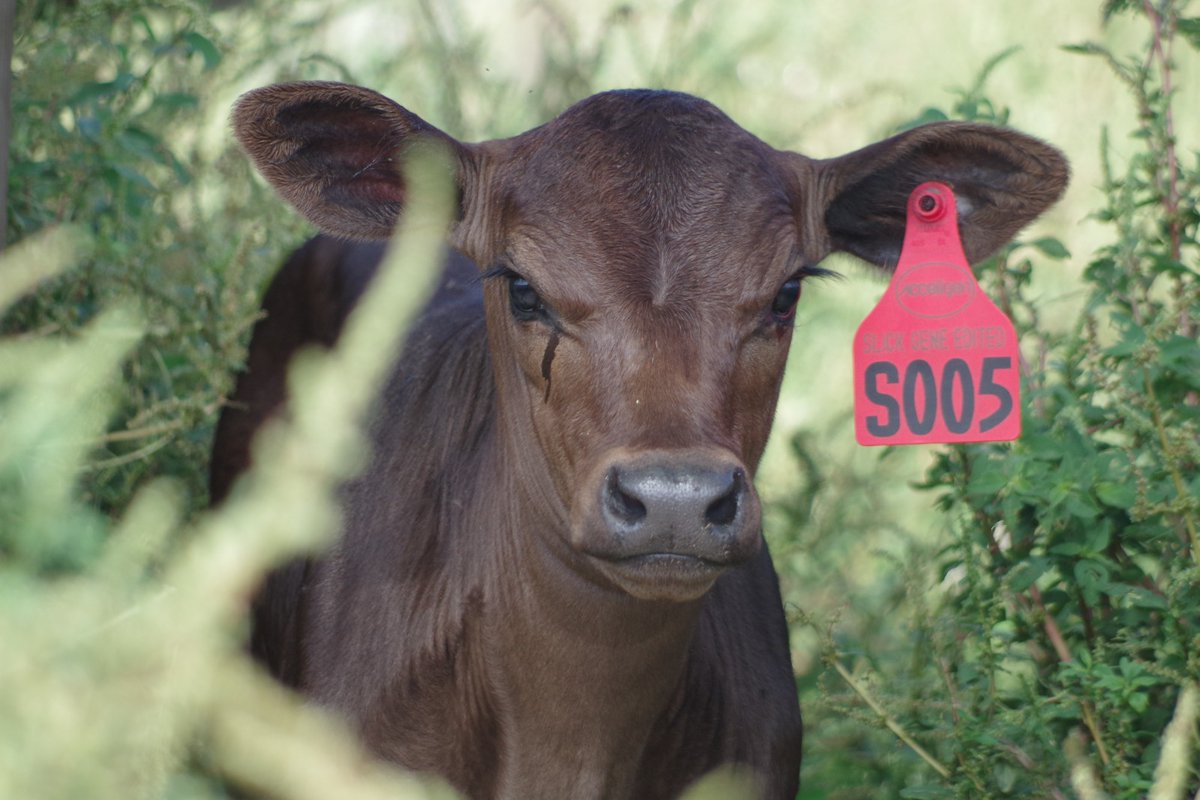
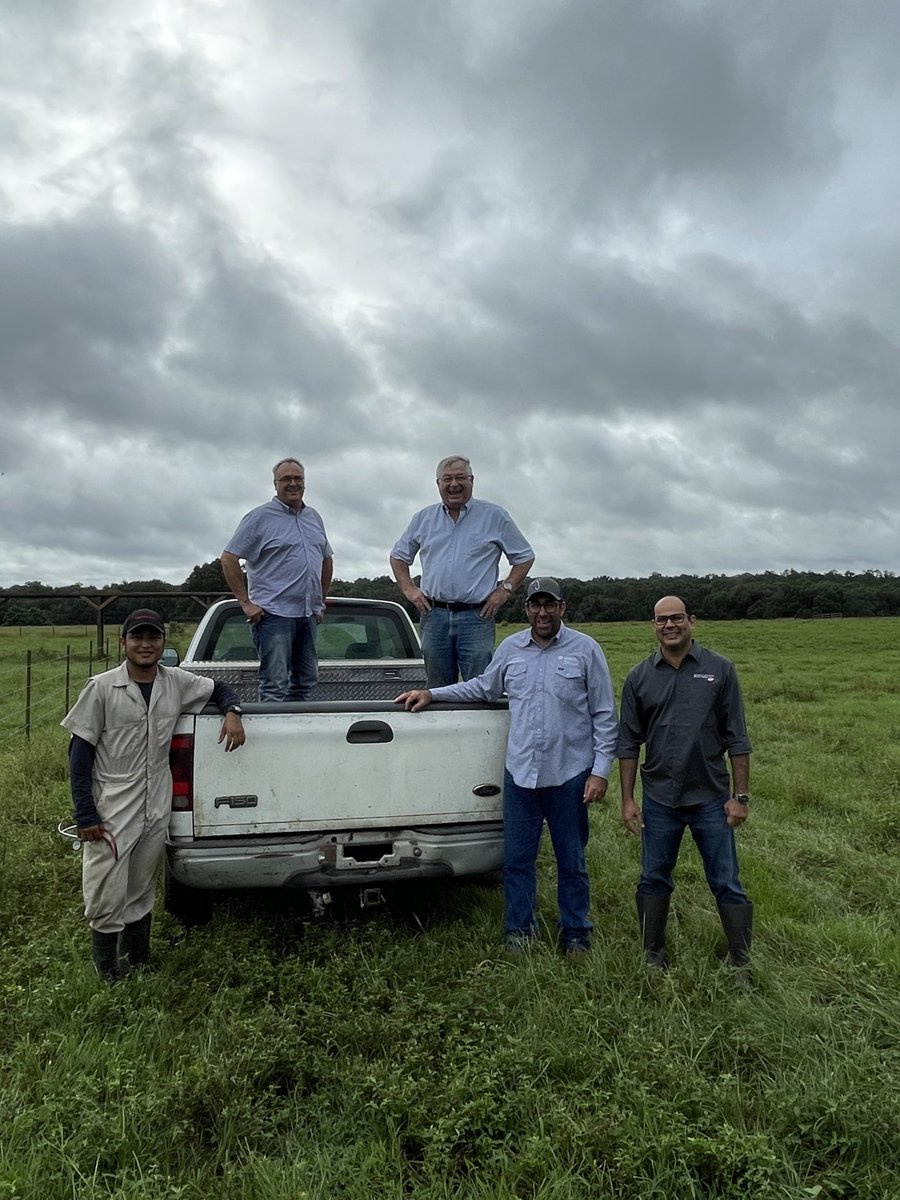
To address this problem, Tad Sonstegard led a team of @Acceligen researchers to design genetic modifications to render cattle more resistant to heat.
Using new breeding technologies, they were successfully able to mimic a condition in breeds within the Caribbean Basin known as SLICK. Cows with a SLICK mutation have lower normal body temperatures than cattle without it and shorter hair that allows their bodies to respond more efficiently as temperatures rise.
The SLICK mutation, which reduces animal stress caused by lack of heat tolerance, can improve animal health, wellbeing and fertility. More productive herds could further meet the growing demands for beef and dairy in geographies where sustainable production of local animal protein has been challenging.
A resilient food supply = A resilient nation.
bit.ly/4dlffy8
English
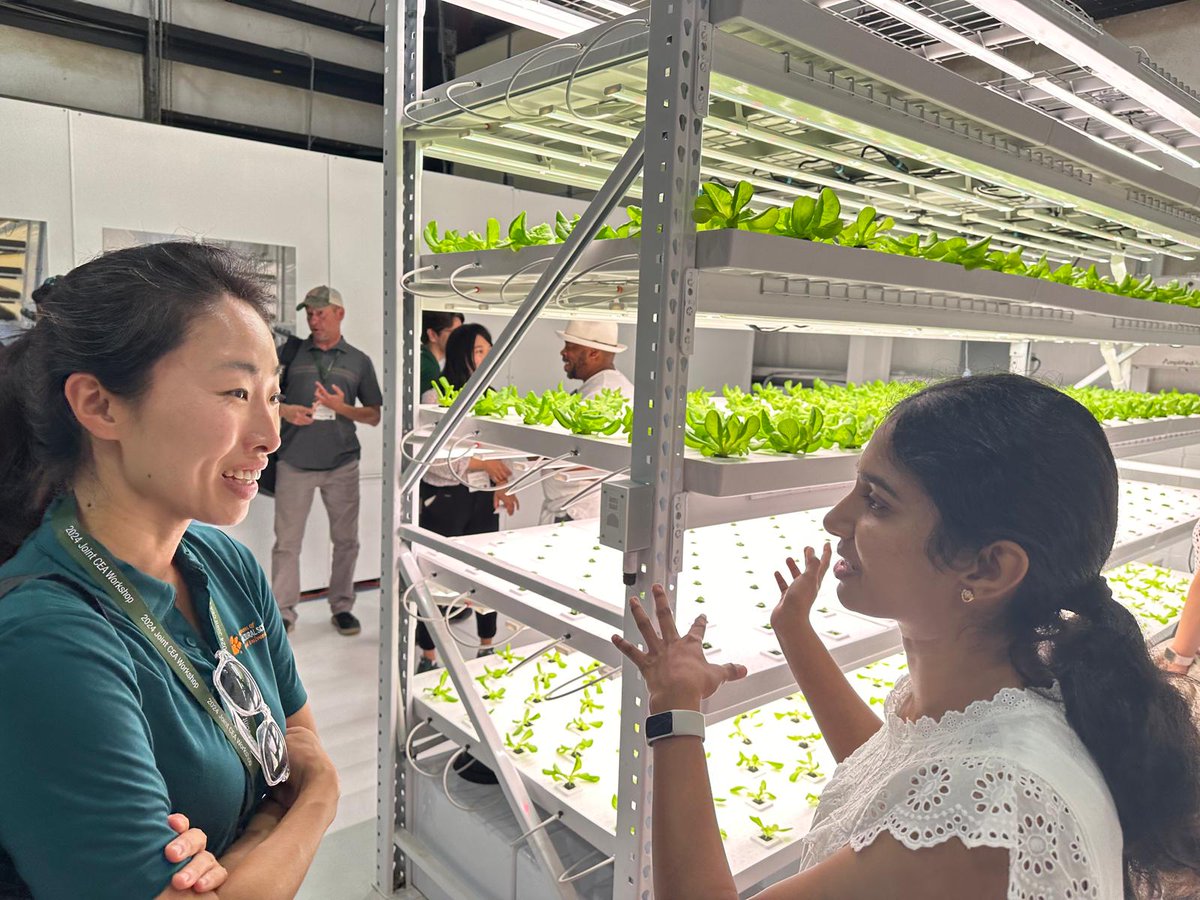
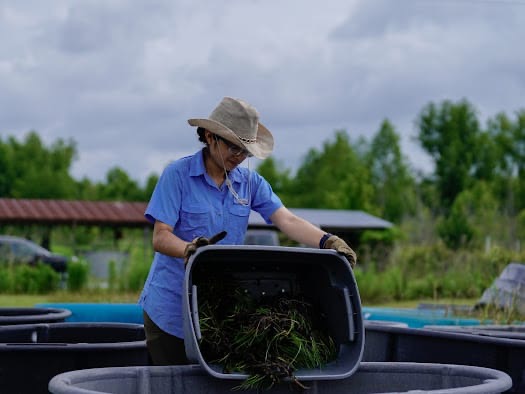
"Farmers today are asked to do more with fewer resources and higher uncertainty, making the path from invention to adoption more complex."
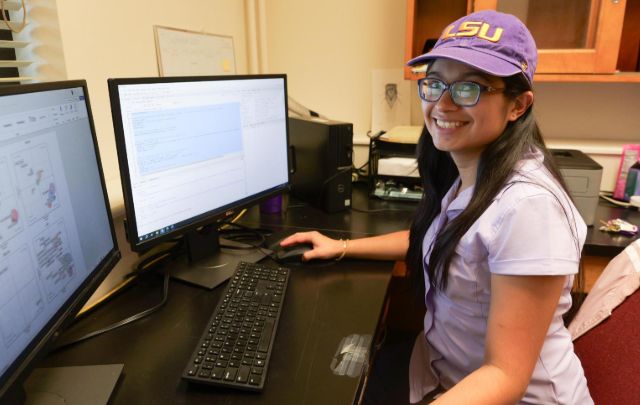
That's a summary of research from @FFARFellows Diana Amaya & Hema Lingireddy of @PurdueAg & @LSU.
They authored our latest Insight, where they breakdown their holistic research into all the factors that drive the adoption of innovations for farmers, and how interdisciplinary research is necessary for capturing the whole picture of whether an innovation is practical for farmers to adopt.
Adoption Takes More Than Technology
bit.ly/48LnfqQ

English
QME
We’re always on the lookout for innovative research ideas that could have weighty commercial value.
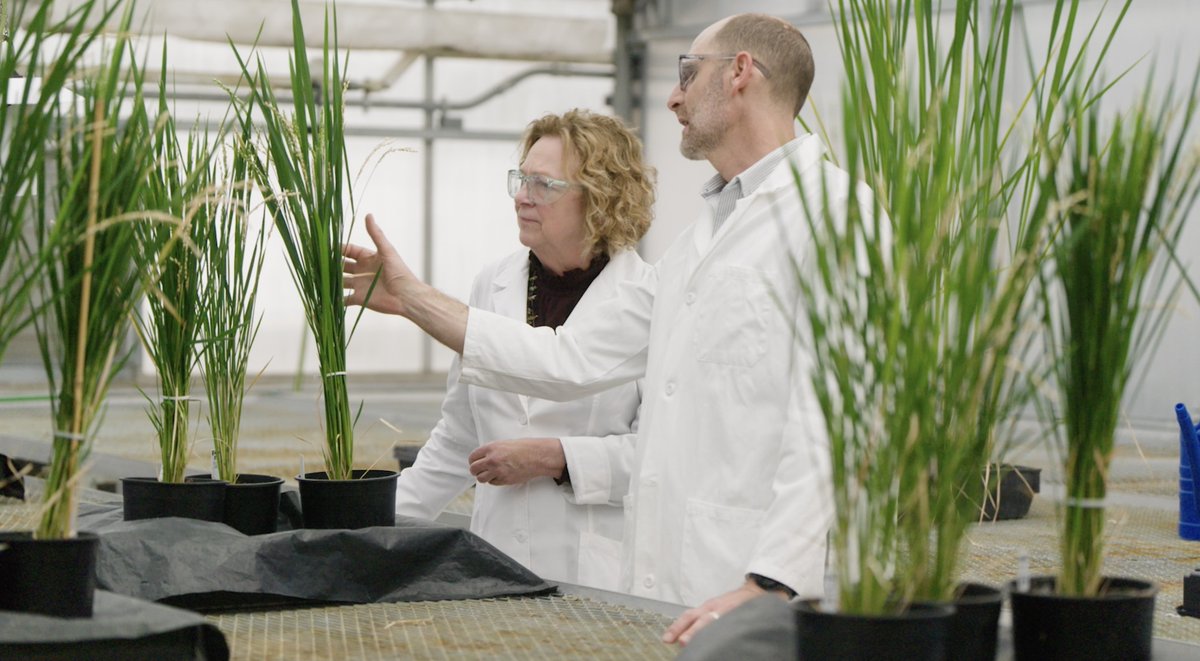
A few years back, partnering with @BiovIntCIAT_eng , we awarded Dr. Jan Leach of @CSUAgSci a grant to develop reliable markers of stress-response in DNA sequences in rice crops to speed up the development time of new varieties that are more heat tolerant and disease resistant.
A recent external evaluation of our crops research portfolio discovered Dr. Leach’s research turned up 4 different innovations all starting with a hypothesis and moving into full commercialization!
Selecting and moving along ideas that could turn into crucial innovations in the marketplace is what bold, innovative funding bodies are for.
Learn more about this exciting portfolio’s evaluation results in the link provided below!

English
It's possible to have your wine and drink it too!
Regenerative agriculture and the support for soil health is capturing a lot of buzz lately, especially around viticulture. But growers need solid science to show adopting these different practices are profitable first and foremost.
We partnered with @JFW to fund a research team led by Dr. Cristina Lazcano of @ucdavis to provide farmers with an in-depth understanding of how soil management practices drive soil health while connecting the dots between changes in soil carbon, soil health and grape quality.
With a recent publication in @ASEVtweets, they show that regenerative practices such as no tillage, compost use, and livestock integration result in similar levels of profitability relative to conventional practices assuming no change in yields.
bit.ly/4cGilwh
English

Next time you take a bite of an apple, think about the bees that pollinated that tree, enabling it to produce fruit. Then think about the all the farmers adopting pollinator-friendly practices to support those bees. Then the scientists collecting and analyzing all the data to find what practices truly work, then...maybe just enjoy that apple!
Research programs like our Pollinator Health Fund have contributed to a 47% increase in honey bee populations worldwide.
Why is that significant?
Since the 1990's, scientists began noticing honeybee populations in decline worldwide. Bees are essential pollinators for many of the crops that feed the world. Without the bees, the food is at risk as well.
Our Pollinator Health funded work had such an impact on food and agriculture research that it led to 75 peer-reviewed studies, over 15 public datasets and the development of several practical tools to equip farmers, landowners and policymakers.
One of those multidisciplinary projects led by Lisa Shulte Moore of @IowaStateU, showed prairie strips had dramatic success for fostering bee population health. So much so that these findings influenced the adoption of pollinator-friendly practices on 140,000 acres of farmland across 14 states.
Learn more about what we've done for our agroecosystems through pollinator health below!
bit.ly/4czUXk8
#EarthDay
#EarthWeek

English
In 2023, partnering with @McDonaldsCorp we funded a crazy idea...
Livestock grazing that supported rancher's ecological health just as much as their bottom lines.
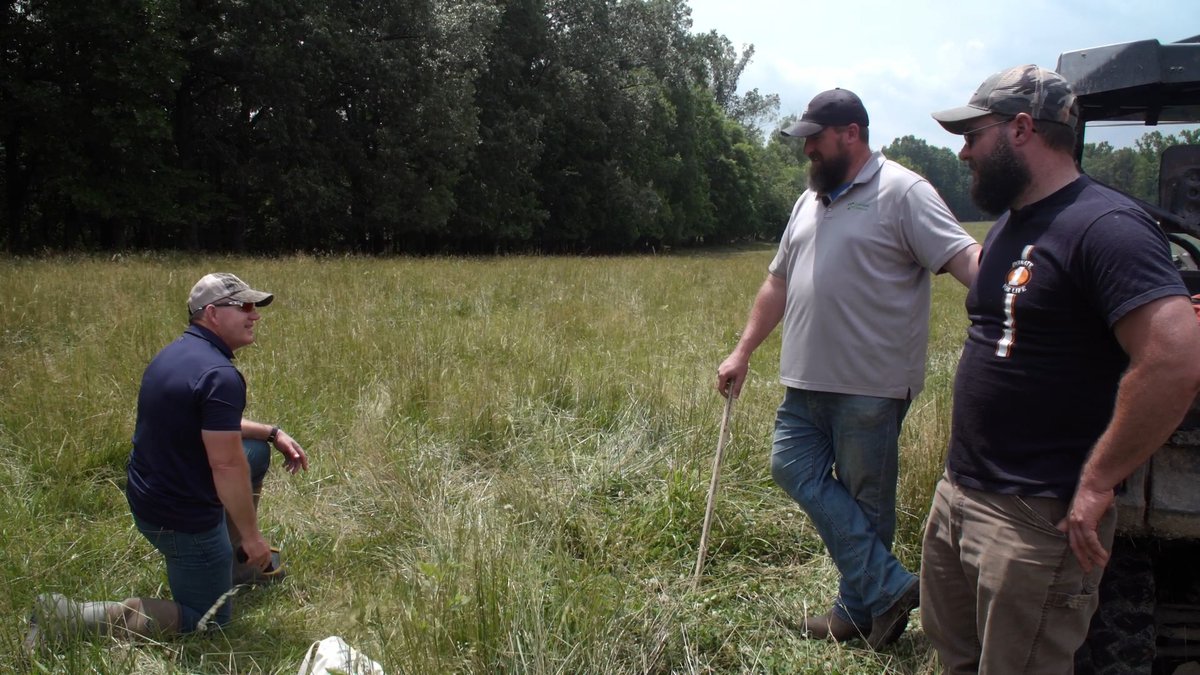
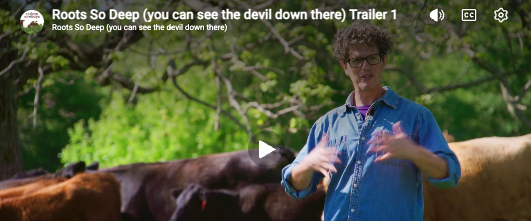
Peter Byck of @ASU led a multidisciplinary research team to document the effects of what has been called Adaptive Multi-paddock grazing (AMP) on several farms across the southeast.
The research produced clear data showing that AMP grazing increases carbon sequestration and soil life, held more water in the soil preventing catastrophic flooding events and helped restore declining grassland bird populations.
Perhaps most importantly, AMP grazing also greatly benefited ranchers...
The healthier soil on AMP-grazed farms can save farmers $50,000 or more per year on nitrogen and fertilizer. After they learned the results of the study, four out of five conventional ranchers in the study asked to learn more about AMP grazing from the team’s experts.
Three of them have since adopted AMP grazing on their operations, while a fourth is in the planning stages to begin using AMP grazing.
Byck's team @CarbonCowboys produced a documentary series, capturing the entirety of the project.
Watch the trailer and learn more bit.ly/4cDeccD
#EarthWeek
#EarthDay


English
This Thursday!
Tune in for Part 2/3 of our engaging webinar series on Integrated Pest Management.
'Latest Advances & Challenges in Developing & Implementing IPM'
Speakers include:
Thomas Green, IPM Institute
Jeana Cadby, Western Growers Association
Clint Pilcher, Corteva &
Global Sustainability Leader, Dan Sonke
April, 23rd, 3-430pm ET
Register and watch part 1 bit.ly/4sJ4Ulq

English
QME
How do practices that are shown to have both ecosystem and economic benefits to farmers get adopted?
Research has shown that farmers prefer to learn from other farmers about what works and what doesn't in regards to practices.
That's why researchers from @UWMadison , @msstate & @universityofky, led by UW's Jenny Seifert, used a FFAR grant focused on outreach for conservation practices, to distribute mini-grants to farmers to implement the practices and provide videos explaining their results.
The results?
These interventions reduced nutrient and sediment runoff, conserving resources so that farmers spend less on inputs like fertilizer and water.
The practices also help preserve the health of local rivers and streams, and ultimately the Mississippi River.
The project became a whole media clearinghouse called @GoodIdeaFarm farmer-to-farmer learning, enabling widespread practice adoption.
#EarthDay
#EarthWeek
bit.ly/42k6qzu
English
Solutions to be discovered in the wilds...
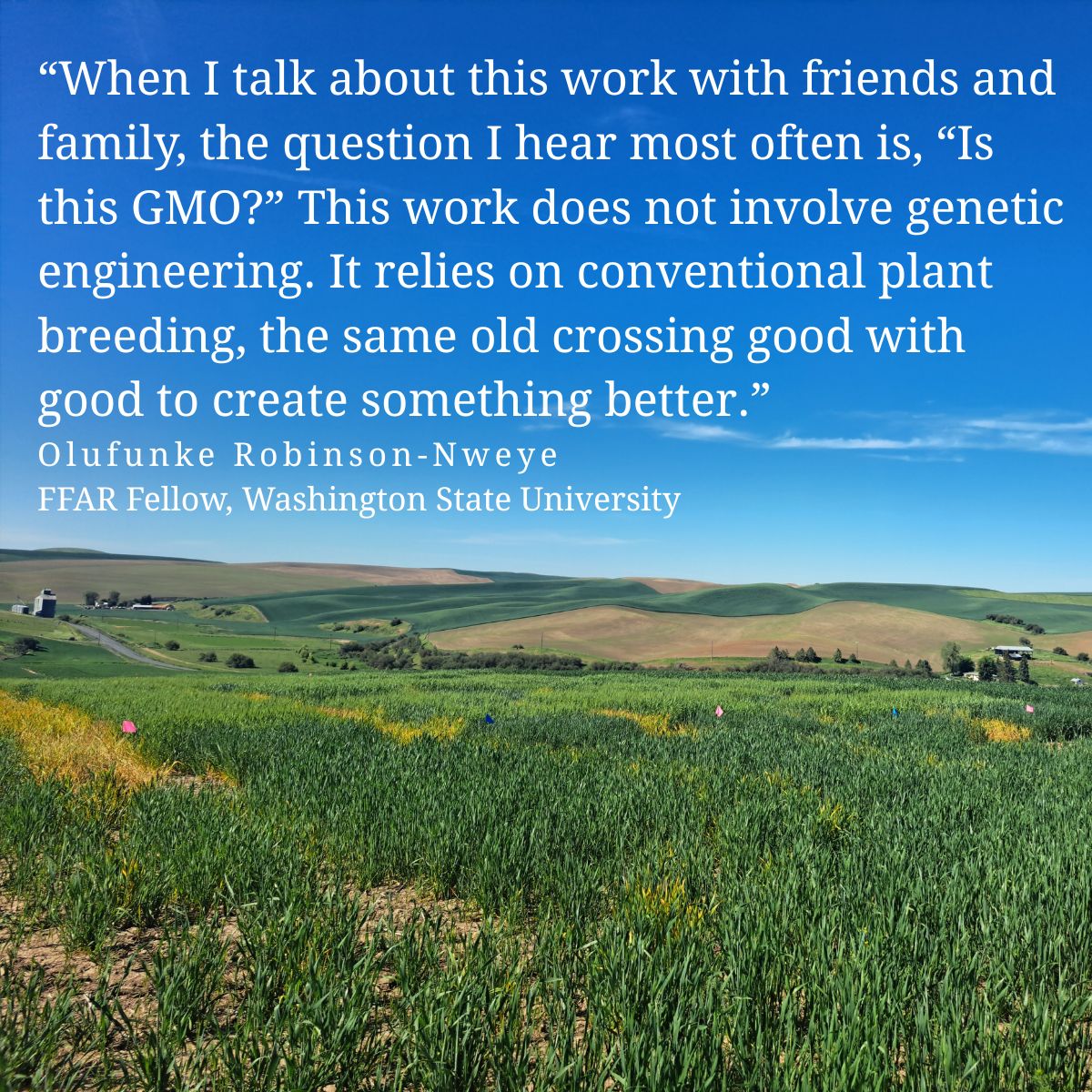
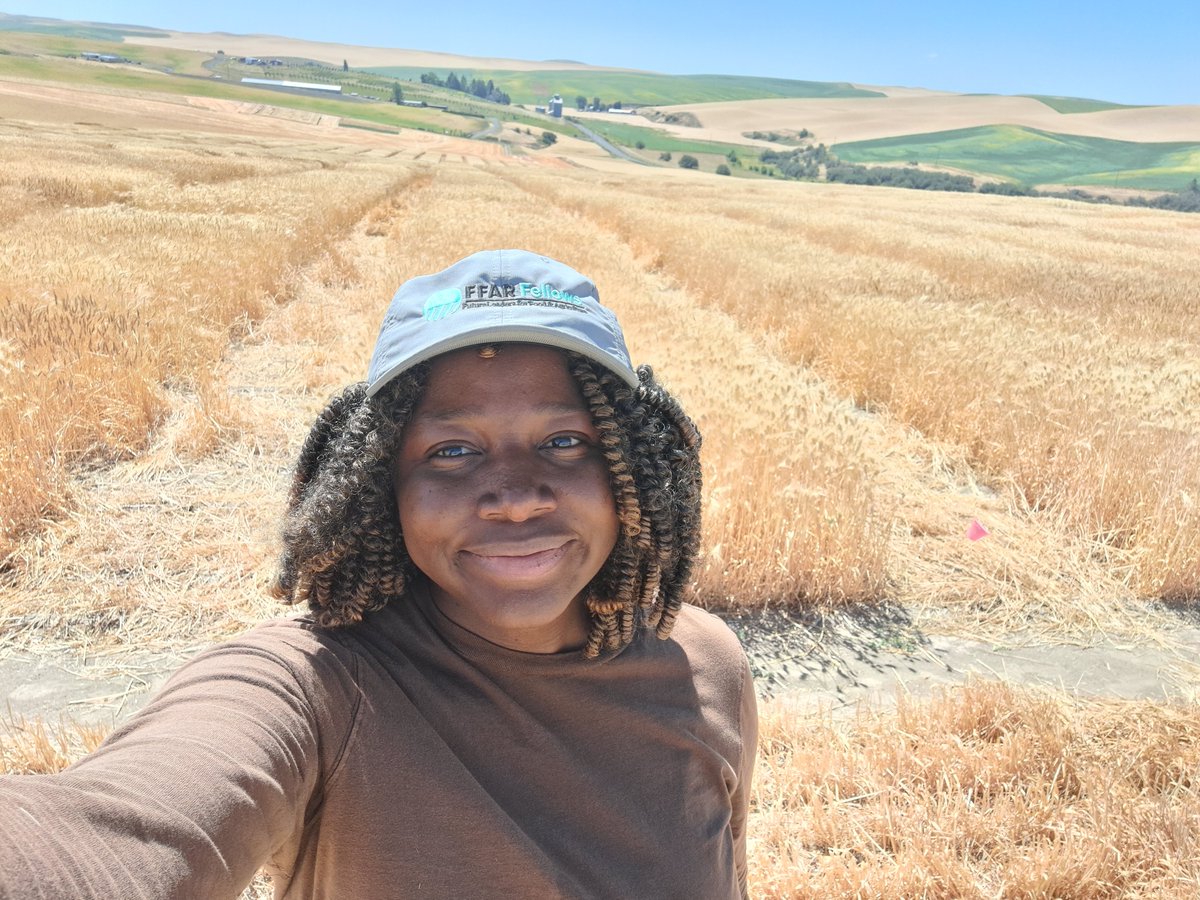
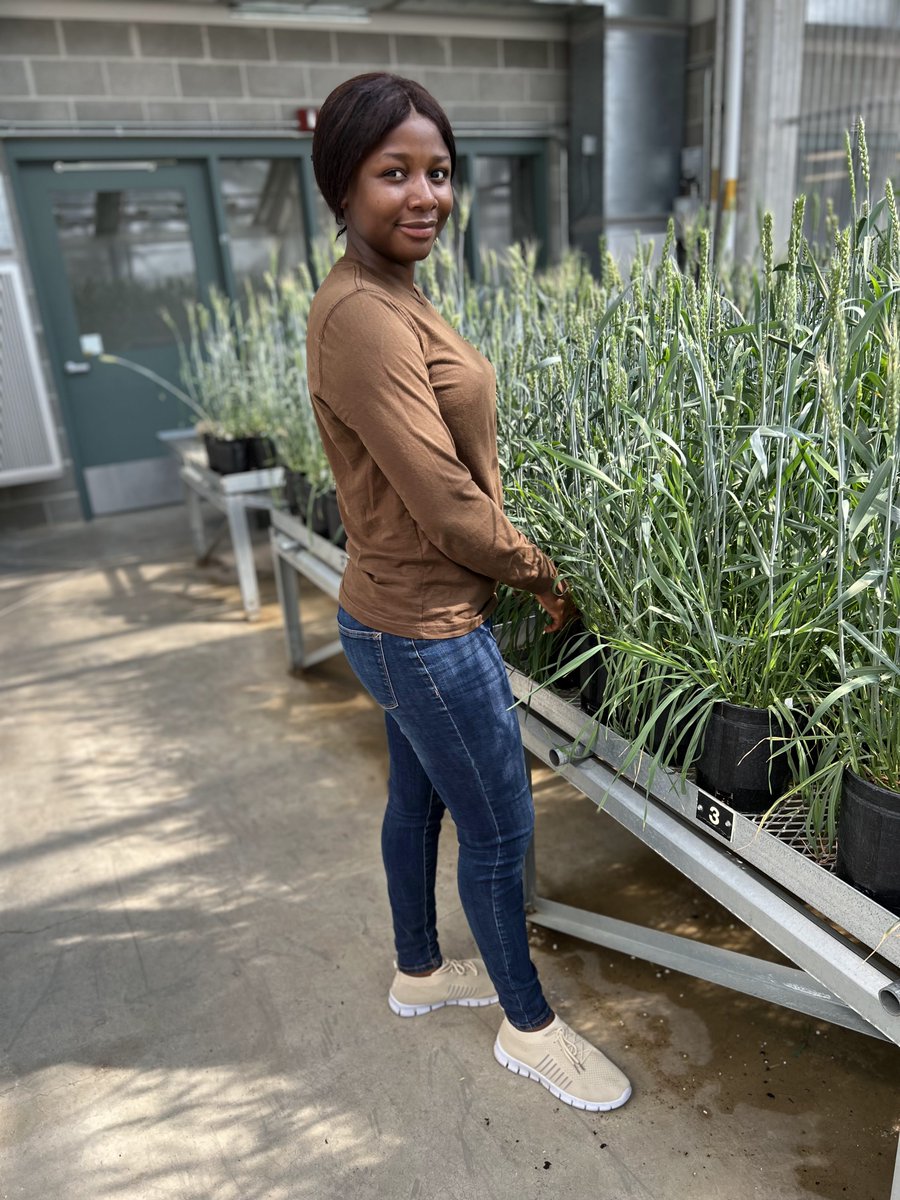
Olufunke Robinson-Nweye, a @FFARFellows at @HonorWSU , is on a mission to solve micronutrient malnutrition through one of the world's most staple crops.
She's breeding modern wheat varieties, optimized for economic productivity, that are more nutritious by crossing them with native relatives.
A holistic blending of farmer-centric productivity and human health. Check it out!
bit.ly/4tmN5Ka

English
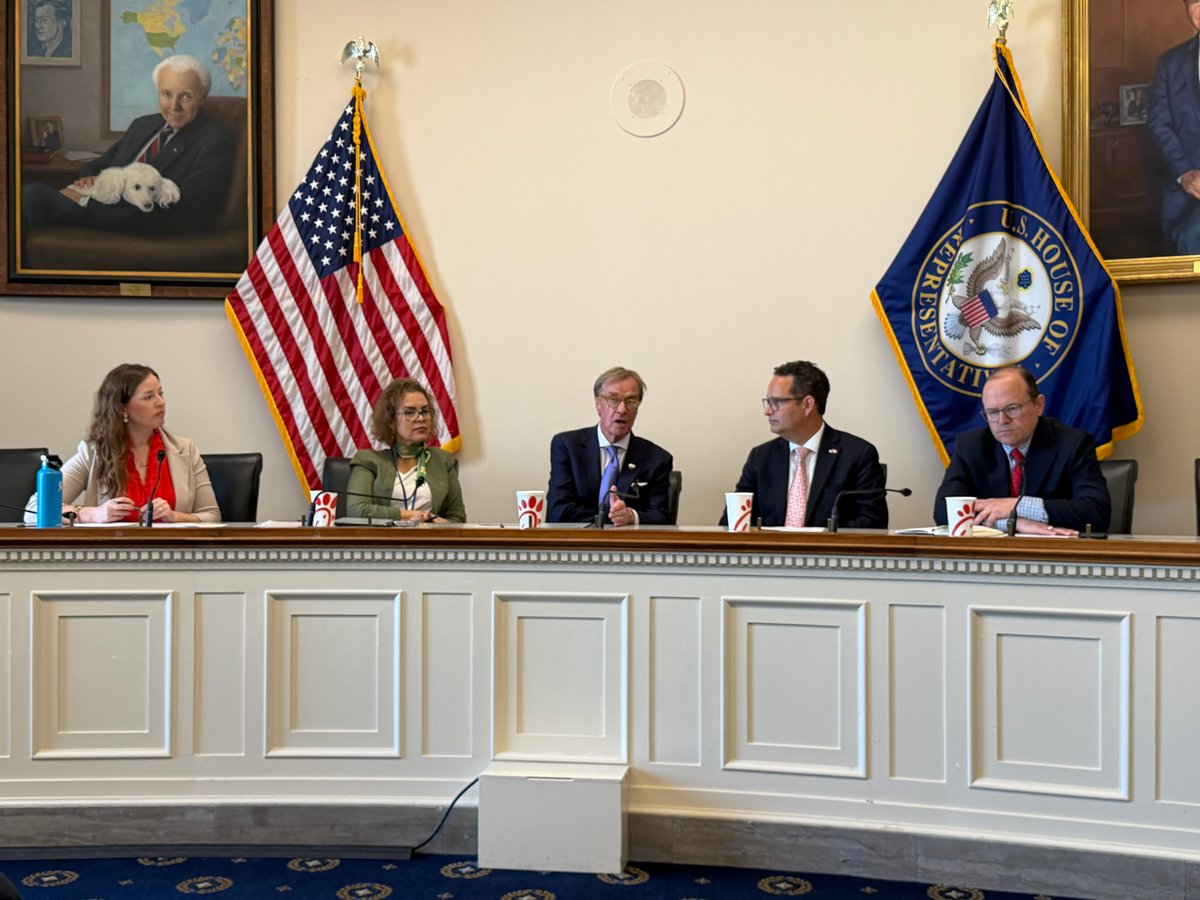
"As a farmer, I seek out the tools we need to make sure we're prepared."
One of our newest Board of Directors, Ambassador and farmer Kip Tom, spoke on the Hill yesterday about the importance of agriculture research investments in the face of threats to U.S. national security interests.
From developing vaccines for devastating diseases like African Swine Fever before it arrives on American shores to identifying crop varieties that require fewer inputs, FFAR-funded research is seeking ways to increase the resilience of the U.S. food supply.
Ambassador Tom was joined by @CGIAR 's Dr. Ismahane Eloufai, @ClemsonUniv 's Dr. Jagger Harvey and @ADMupdates 's Bryan Dierlam for this bipartisan lunch-n-learn event for congressional staff.
Thanks to our friends at the @FarmJFoundation for putting together this timely and insightful conversation.


English
Great to see FFAR Scientific Program Director Kathy Munkvold sharing how cross-sector collaboration is accelerating real-world solutions in ag genomics at the AGBT Agricultural Meeting 2026.
At FFAR, we’re committed to bringing researchers, industry, and partners together to drive impactful, scalable breakthroughs in crop innovation.
#AGBTAg26 #AgGenomics #CropInnovation #FoodSystems #AgResearch
AGBT Meeting@agbt
Kathy Munkvold from the Foundation for Food & Agriculture Research shared insights on advancing solutions from genome to field through cross-sector collaboration at the 2026 AGBT Agricultural Meeting. #AGBTAg26 #AgGenomics #CropInnovation
English