Alex Tobin

4.1K posts

Alex Tobin banner
Alex Tobin

Alex Tobin

@Freenmoderate

Live free. Or die.

Katılım Mart 2012
19 Takip Edilen139 Takipçiler
Alex Tobin
Alex Tobin@Freenmoderate·
@DrInsensitive 1) Bees don’t attack unprovoked. 2) Without bees, you’d die of starvation. This reply is precisely about bees only. Your comparison is an insult to bees everywhere.
English
1
0
5
372
Dr. Insensitive Jerk
Dr. Insensitive Jerk@DrInsensitive·
Some bees are friendly. They will not participate when a swarm of bees stings you to death. They also won't save you, because their first loyalty is to bees. This post is not about bees.
Dr. Insensitive Jerk tweet media
English
173
3.6K
28K
246.8K
Alex Tobin retweetledi
Jonathan Choe
Jonathan Choe@choeshow·
NEW: Shoppers have been complaining about partially eaten food found on shelves at the Fred Meyer store in Bellevue, WA. Community watch volunteers finally caught one of the alleged culprits in the act Friday evening. This is Third World ghetto behavior. @BvuePD|@bellevuewa
English
2.7K
12.8K
47.8K
2.2M
Alex Tobin retweetledi
slothy
slothy@slothy_420·
i love how being actually fucking annoying is just called ragebaiting now and if you fall for it you’re the problem
English
463
25.8K
291.3K
4.1M
Alex Tobin retweetledi
Kara 🇳🇿
Kara 🇳🇿@Being_Kara·
@StateDept Please save New Zealand 🇳🇿 we are being replaced
Kara 🇳🇿 tweet media
English
35
65
1.2K
34K
Alex Tobin retweetledi
CCTV FOOTAGE
CCTV FOOTAGE@cctvfootages·
The situation on India's roads:
English
567
1.1K
7.5K
347.7K
Alex Tobin retweetledi
DukeEarndinand🔔🔔
DukeEarndinand🔔🔔@DukeEarndinand·
A 93.9% acceptance rate is nearly indistinguishable from the general population. That's the O1 visa these days.
English
5
79
1.4K
18.5K
Alex Tobin retweetledi
苏格男
苏格男@MindSharpenerX·
每次去中国,心里都会有一种很复杂的感觉。 一边感叹: “中国真方便。” 另一边又忍不住想: “这到底是谁在替我们负重前行?” 凌晨两点能点外卖,二十分钟送到; 快递比人起得早; 打车便宜到司机都怀疑人生; 保洁、维修、跑腿,价格低得像活在2010年。 很多人会把这一切总结成一句: “中国效率真高。” 但待久一点,就会慢慢发现: 有时候,不是效率高, 而是“人太便宜了”。 ⸻ 一、外卖为什么便宜? 因为有人在替你燃烧人生。 十几块的外卖,三四块配送费,半小时送到。 很多人已经习惯了这种速度。 一旦晚五分钟,甚至会觉得平台“退步了”。 但问题来了: 如果这真的是一门赚钱的好生意,为什么骑手普遍每天工作10小时以上?为什么那么多人边送外卖边透支身体? 因为所谓“中国式便利”,很多时候不是靠技术降成本,而是靠劳动者压缩自己的人生。 法国思想家西蒙娜·薇依说: “一切廉价商品背后,都藏着看不见的劳动者。” 中国社会最神奇的一点在于: 大家一边心疼底层, 一边拼命点“9块9包邮”。 ⸻ 二、中国最便宜的,其实是“人” 在很多发达国家,人工贵得离谱。 水管工上门一次几百刀; 搬个家像在请私人保镖; 外卖送到门口,价格够在中国吃两顿火锅。 很多人因此得出结论: “还是中国好。” 但换个角度看: 为什么别的国家人工贵? 因为劳动者有更高工资、更完整保障、更正常的休息权。 而中国很多行业之所以“便宜”,本质上是劳动者议价能力太弱。 于是就出现一种很魔幻的画面: 手机越来越高级 高铁越来越快 平台越来越智能 但普通人越来越累 科技在狂奔, 人却在“续命”。 ⸻ 三、“便利”的代价,是整个社会越来越卷 为什么中国什么都能卷成白菜价? 因为所有人都在拼命互相压价。 商家卷; 平台卷; 骑手卷; 司机卷; 连咖啡都卷到“9块9拯救世界”。 最后消费者确实爽了。 但问题是: 谁赚到钱了? 很多行业已经卷到一种荒诞程度: 老板没利润; 员工没生活; 消费者没未来。 只有平台数据越来越漂亮。 英国作家George Orwell曾说过: “有些制度最厉害的地方,在于它让人逐渐习惯不合理。” 慢慢地,大家开始默认: 加班正常 单休正常 35岁失业正常 骑手闯红灯正常 “已读不回但秒回客户”也正常 整个社会像一台高速运转的机器。 唯一需要适应机器的,恰恰是人。 ⸻ 四、真正高级的社会,不是“什么都便宜” 很多人去中国后都会说: “中国生活成本低,幸福感高。” 但一个更扎心的问题是: 这种低成本,是建立在谁的牺牲之上? 美国总统Franklin D. Roosevelt曾说: “没有一个企业有权建立在贫困工资之上。” 可现实却是: 我们已经渐渐习惯了: 快递员没时间吃饭; 骑手冒雨冲红灯; 工厂12小时两班倒; 年轻人一边996,一边担心失业。 然后大家再一起感叹: “中国真方便。” ⸻ 所以,每次去中国,最让人五味杂陈的,从来不是物价。 而是你会忽然发现: 这个社会的“高效率”,很多时候并不是因为所有人都过得更好了。 而是因为,总有人在用更低的工资、更长的工时、更少的保障,替整个社会承担成本。 城市依旧灯火通明; 外卖依旧准时送达; 只有那些奔波的人,慢慢被系统磨成了“正常现象”。 而最讽刺的是: 当所有人都在歌颂“便利”时, 已经很少有人会认真问一句: “送餐的那个人,今天过得好吗?”
中文
551
1.3K
4.9K
1.1M
Alex Tobin retweetledi
John Rain
John Rain@johnthenoticer·
In the United States, white people earn significantly more than black people on average. But as soon as you compare blacks and whites with the same IQ, that gap disappears like magic... This is one of the clearest pieces of evidence that systemic racism isn't what's driving the raw overall income disparity between the two groups.
John Rain tweet media
English
174
1.4K
9.9K
1.2M
Alex Tobin retweetledi
Coddled Affluent Professional
When it comes to billionaires my take is the opposite of Leftists: Billionaires SHOULD consume all their wealth: megayachts, English castles, mountains of cocaine, own a dozen homes and 30 cars - do it! Spend it all! The worst thing that can happen is for a billionaire to try to ‘do good in the world’ and shovel money to NGOs for some cause they get excited about. That’s the worst thing that can happen. Charitable donations should be taxed at 500%. A billionaire’s lavish lifestyle poses no threat to me but their misguided ‘good intent’ is absolutely cancerous and potentially civilization ending.
English
494
1.3K
12.4K
423K
Alex Tobin retweetledi
eve
eve@eveforamerica·
This is hilarious. “What mom doesn’t want for Mother’s Day”
English
473
1.1K
18.7K
2M
Alex Tobin retweetledi
lia 🇬🇷
lia 🇬🇷@yukonstan·
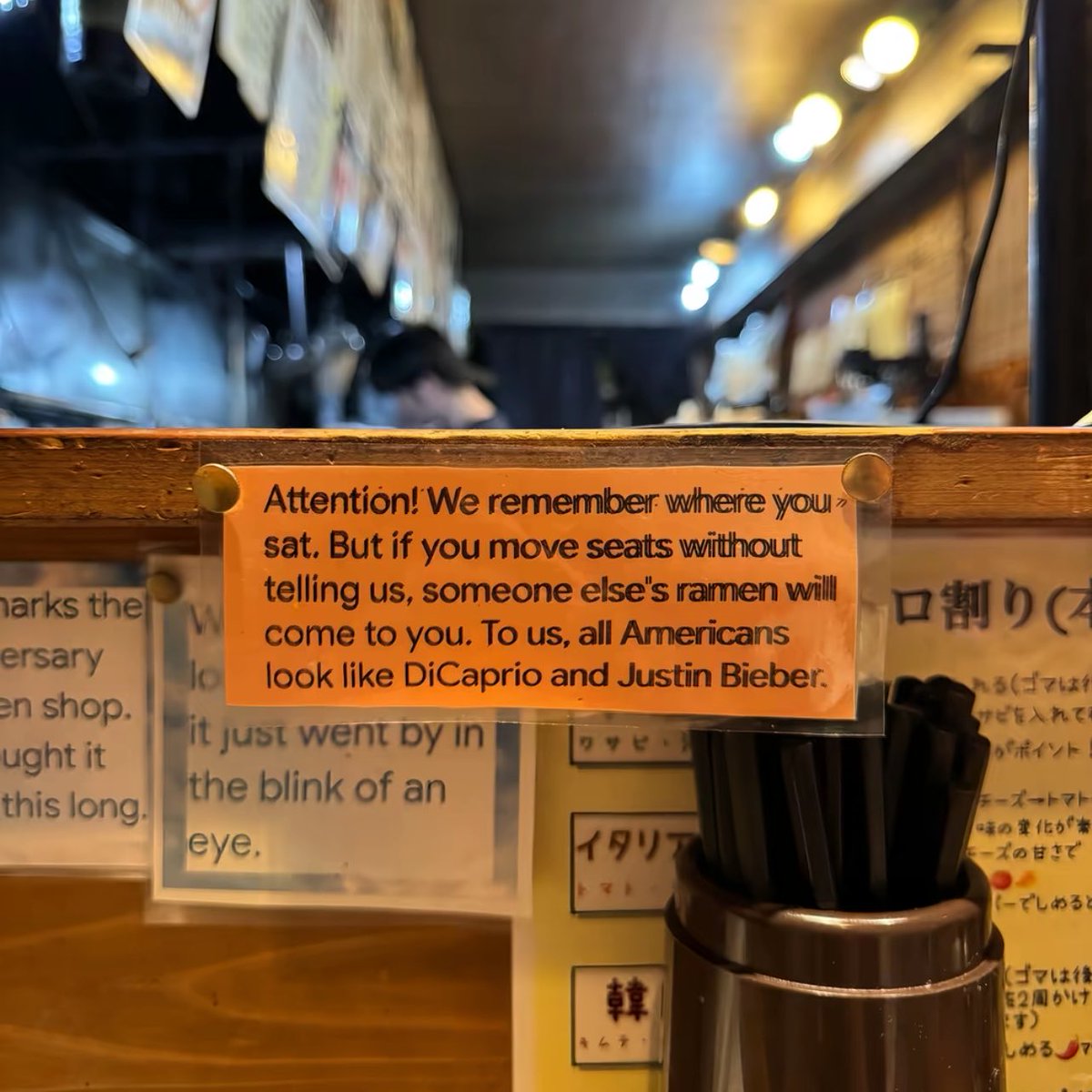
this sign at a restaurant in tokyo 😭😭😭
lia 🇬🇷 tweet media
English
41
36.5K
664.7K
8.8M
Alex Tobin retweetledi
Ihtesham Ali
Ihtesham Ali@ihtesham2005·
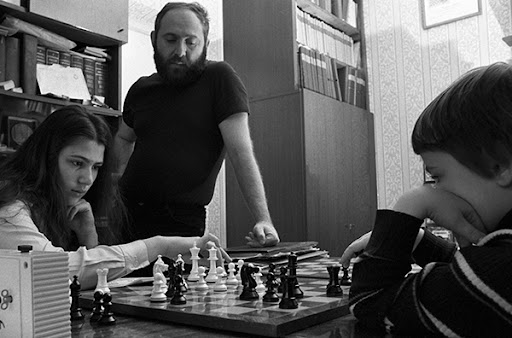
A Hungarian psychologist raised three daughters to prove that any child could become a chess grandmaster through early specialization. He succeeded. Two of them became grandmasters. One became the greatest female chess player who ever lived. Then a sports scientist looked at the data and found something nobody wanted to hear. His name is David Epstein. The book is called "Range." The Polgar experiment is one of the most famous case studies in the history of deliberate practice. Laszlo Polgar wrote a book before his daughters were even born arguing that geniuses are made, not born. He homeschooled all three girls in chess from age four. By their teens, Susan, Sofia, and Judit were dominating tournaments against grown men. Judit became the youngest grandmaster in history at the time, breaking Bobby Fischer's record. The story became the gospel of early specialization. Pick a domain young, drill it hard, and you can manufacture excellence. Epstein opens his book by telling that story honestly and then quietly demolishing the conclusion most people drew from it. Chess works that way. Most things do not. Here is the distinction that took him four years of research to articulate, and that almost nobody who quotes the 10,000 hour rule has ever read. There are two kinds of environments in which humans develop expertise. Psychologists call them kind and wicked. A kind environment has clear rules, immediate feedback, and patterns that repeat reliably. Chess is the cleanest example. Every game ends with a winner and a loser. Every move is recorded. The board never changes shape. The pieces never invent new ways to move. A child who plays ten thousand games will see most of the patterns that exist in the game, and pattern recognition is exactly what chess mastery is built on. A wicked environment is the opposite. Feedback is delayed or misleading. Rules shift. The patterns that worked yesterday may be exactly the wrong patterns to apply tomorrow. Most of the real world looks like this. Medicine is wicked. Investing is wicked. Building a company is wicked. Scientific research is wicked. Almost every job that involves a complex changing system with humans in it is wicked. The Polgar sisters trained in the kindest environment any human can train in. Their success was real and the method was correct. The mistake was generalizing the method to fields where the underlying structure of the environment is completely different. Epstein's research is what made the implication impossible to ignore. He looked at the careers of elite athletes outside of chess and golf and found that the pattern was almost the inverse of what people assumed. The athletes who reached the very top of their sports were overwhelmingly people who had played multiple sports as children, specialized late, and often switched disciplines well into their teens. Roger Federer played squash, badminton, basketball, handball, tennis, table tennis, and soccer before tennis became his focus. The kids who specialized in tennis at age six and trained year-round for a decade mostly burned out, got injured, or topped out at lower levels of the sport. The same pattern showed up everywhere he looked outside of kind environments. Inventors with the most patents had worked in multiple unrelated fields before their breakthrough work. Comic book creators with the longest careers had drawn for the most different genres before settling. Scientists who won Nobel Prizes were dramatically more likely than their peers to be serious amateur musicians, painters, sculptors, or writers. The skill that mattered in wicked environments was not depth in one pattern. It was the ability to recognize when a pattern from one domain applied unexpectedly in another. That kind of thinking cannot be built by drilling a single subject. It can only be built by accumulating mental models from many subjects and learning to move between them. The deeper finding is the one that should change how you think about your own career. Specialists in wicked environments often get worse with experience, not better. Epstein cites studies of doctors, financial analysts, intelligence officers, and forecasters showing that years of experience in a narrow domain frequently produce more confident judgments without producing more accurate ones. The expert builds elaborate mental models that feel comprehensive and turn out to be increasingly disconnected from the actual structure of the problem. They stop noticing what does not fit their framework. They mistake fluency for understanding. Generalists do better in wicked domains for a reason that sounds almost mystical until you understand the mechanism. They have less invested in any single mental model, so they abandon broken models faster. They are used to being a beginner, so they are not threatened by the discomfort of not knowing. They have seen enough different domains that they can usually find an analogy from one field that unlocks a problem in another. The technical name for this is analogical thinking, and the research on it is one of the most underrated bodies of work in cognitive science. The single most useful sentence in the entire book is the one Epstein puts almost as a throwaway. Match quality matters more than head start. A person who tries six different fields in their twenties and finds the one that genuinely fits them will outperform a person who picked one field at fourteen and stuck to it on willpower alone. The lost years were not lost. They were the search process that produced the match. Every field they walked away from taught them something they later imported into the field they finally chose. The reason this is so hard to accept is cultural, not empirical. We tell children to pick a path early. We reward the prodigy who knew at six. We treat the late bloomer as someone who failed to launch on time, when the data suggests they were running an entirely different and often more effective optimization process underneath. The Polgar sisters were not wrong. The conclusion the world drew from them was. If your environment is genuinely kind, specialize early and drill hard. If it is wicked, and almost every interesting human problem is, then the people who win are the ones who refused to specialize until they had seen enough to know what was actually worth specializing in. You are not behind. You were running the right experiment all along.
Ihtesham Ali tweet media
English
381
2.9K
11.2K
1M
Alex Tobin retweetledi
Ancient History Hub
Ancient History Hub@AncientHistorry·
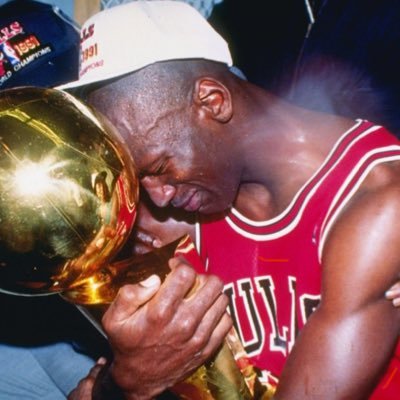
In 458 BC, Rome was on the brink of collapse. An invading army had trapped the Roman consul and his legion in a mountain pass. Panic spread through the city. The Senate did the only thing they could think of: They sent messengers to find a 60-year-old farmer plowing his field. His name was Lucius Quinctius Cincinnatus. He had once been a senator, then lost his fortune paying his son's bail. Now he worked his own four-acre plot just to feed his family. When the Senate's envoys arrived, they found him sweating behind a plow. They asked him to put on his toga so they could deliver an official message. The message: Rome was making him dictator. Absolute power. Total command of the army. No checks. No oversight. No term limit. He accepted. Within 16 days, Cincinnatus had raised an army, marched out, surrounded the enemy, and forced their surrender. The republic was saved. He had legal authority to rule for six months. He could have stayed. He could have expanded his power. He could have done what every other ruler in human history did when handed unlimited control. Instead, he resigned on day 16. He took off the toga, walked back to his farm, and finished plowing the field he'd left half-done. Twenty years later, when Rome faced another crisis, they called him back. He was 80 years old. He took command, crushed the conspiracy, and resigned again, this time after just 21 days. He died poor. On his farm. 2,200 years later, when George Washington was offered a kingship after winning the American Revolution, he refused and went home to Mount Vernon. The reason he was hailed as "the American Cincinnatus" is because Europeans literally could not believe a man who had won would willingly give up power. King George III, on hearing Washington would resign rather than rule, said: "If he does that, he will be the greatest man in the world." The lesson isn't that Cincinnatus was humble. The lesson is that for most of human history, the people most qualified to lead were the ones who didn't want to. And the moment a society starts rewarding those who chase power instead of those who flee from it is the moment the republic begins to die. Cincinnati, Ohio is named after him. Most people who live there have no idea why.
Ancient History Hub tweet media
English
945
14.9K
49K
1.2M
Alex Tobin retweetledi
internet hall of fame
internet hall of fame@InternetH0F·
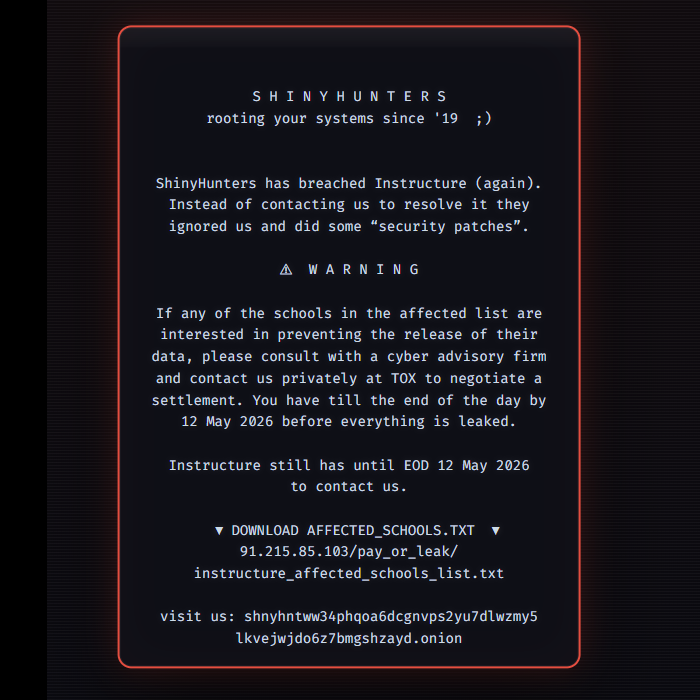
Canvas' parent company Instructure has been hacked, and the site is being held for ransom after suffering a data breach Over 9000+ schools have reportedly been affected and ~225 million users worldwide had their personal information potentially compromised
internet hall of fame tweet mediainternet hall of fame tweet media
English
535
2.6K
47.4K
3.6M
Alex Tobin
Alex Tobin@Freenmoderate·
@Legally_Italian “5% of tech unemployment are caused by H1Bs.” Now watch the headlines explode.
English
0
0
0
222
Alex Tobin retweetledi
L O L A
L O L A@lolitascak3·
เรื่องนี้น่ากลัวมาก ที่เยอรมนีมีกลุ่มผชจีนระดับอีลีท มีหมอ ซีอีโอบริษัทดังๆ ตั้งกลุ่มวางยาข่มขืนถ่ายคลิปผญลงเทเลแกรม ผญถูกเรียกว่า ‘หมูตาย’ นศแพทย์ปริญญาเอกในกลุ่มช่วยเรื่องวางยาผญ กลุ่มมีสมาชิก 4,500+ คน ใช้รรสอนขับรถบังหน้า มีโค้ดลับเรียกผญว่า ‘รถ’ ส่วนวางยาผญคือ ‘เติมน้ำมัน’ เครือข่ายใหญ่มากไปถึงอเมริกา อีเหี้ย โลกนี้คือนรกของผญแท้ๆ
李老师不是你老师@whyyoutouzhele

近日,小红书上一位在德国生活的博主,利用领英扒出了以张大鹏为首的强奸犯罪集团中的每名男性罪犯的照片/中文名。据悉这群人都是在德国的“精英华人男性”,有企业高管,有名校留学生,有医生,他们在telegram群组里交流如何对女性下药、偷拍,还把失去意识的受害女性称为“死猪”,他们的受害人也全部都是华人女性。 下周一要在柏林开庭的,是团伙中的一名北大医学硕士,在德国念博士,名叫邵之霆,他给予同伙大量“药物指导”,德国警方掌握的证据表明此人在中国时也多次犯案。

ไทย
117
18.5K
16.9K
1.4M
Alex Tobin retweetledi
Bigwave 2.0
Bigwave 2.0@BigWave372·
This man is going viral after revealing that the last woman shot by Minneapolis police was a White woman named Justine Damond, who was killed by a Somali officer after she called for help, and not a single Democrat spoke out or protested.
English
408
19.8K
63K
933.8K