Sabitlenmiş Tweet
Gaffar Manhal
7.4K posts

Gaffar Manhal
@GaffarManhal
Sudanese 🇸🇩, MBBS, University of Khartoum
Sudan Katılım Kasım 2016
894 Takip Edilen807 Takipçiler
Gaffar Manhal retweetledi

Finally I am here!
My name is Mohamed Almahal. Applied to #InternalMedicine at the #Match2026
A step that shaped by long years of learning, resilience and service.
I aim to grow as a physician, researcher and a leader.

English
Gaffar Manhal retweetledi

Hello #MedTwitter #MedX !!
I’m Mustafa Elamin, an #IMG from Sudan 🇸🇩 applying for #InternalMedicine #Match2026
AAMC ID: 16762104
A cinephile at heart, forever chasing cinema’s magic. 🎥🎞️ And you’ll never find me without my pocket-sketchbook. ✍️🎨
Excited to connect with you!


English
Gaffar Manhal retweetledi

2025-2026 Residency Interview Strategy Session
Date: October 16, 2025
Host: Dr. Christopher Bray
Experience: Interviewed ~2,000 residency applicants
LinkedIn: linkedin.com/in/docbray/
Target Audience: Residency program candidates
Key Reality Check
• 50-60% of IMGs will match, meaning 40-50% won't match
• If you get an interview, there's a 90% chance you'll be on their rank list—the interview determines WHERE on that list
• Goal: Make people want to have another conversation with you after the interview ends
• Programs interview 16-40 applicants per day—you need to stand out without being weird
Essential Pre-Interview Preparation
• Complete 2-3 practice interviews with someone who's been on both sides of the process
• Get honest, critical feedback—not just supportive comments
• Don't go into important interviews without having practiced first
• Study the program's mission, curriculum, community, and unique tracks BEFORE the interview
• Use Residency Explorer and Doximity to research programs—compare match rates, demographics, fellowship placement
• Know specific details you can't easily find on their website
"Tell Me About Yourself" - The Critical Opening
• Structure your answer around 3 main points: (1) Where you're from / your heritage, (2) How you got to the US / your unique journey, (3) Why internal medicine and why THIS program
• Keep it to these core points—each will be naturally unique to you
• Optional: Add 2 standout accomplishments from your application OR one memorable non-medical achievement (must be appropriate, not weird)
• Example of good unique detail: "I won the world championship Lego building competition"
• Example of weird detail: "Yesterday I climbed the tallest tree in my neighborhood"
• Keep answers between 30 seconds and 3 minutes—never longer
• The goal: be memorable but appropriate in a sea of similar applications
Avoiding Robotic Answers While Being Prepared
• Spontaneity gets you bonus points; robotic answers lose you points
• Think of it like a grandmother cooking—she's spontaneous because she has 40 years of practice, not because she took a "spontaneity course"
• Sticky notes on your computer are OK to remind you of key points
• BUT: Your eyes are laser-visible on camera—residents watch where you look
• Practice looking DIRECTLY at the camera, not at notes or the screen image
• The camera may not be where the image is—requires lots of practice
The STAR Method for Behavioral Questions
• S - Situation: What was the background? (Patient upset with care, team conflict, etc.)
• T - Task: What conflict needed resolving? What was your job?
• A - Action: What specifically did YOU do? How did you approach it?
• R - Result: What happened? (Patient sent thank you note, accepted treatment, etc.)
• MOST IMPORTANT: Add the lesson learned—what did you take away that prevents repeating mistakes or makes hard things easier?
• Spend MORE time on the lesson learned than on describing the situation
6 Situational Stories You MUST Prepare
• Story #1: Teamwork—describe working in a high-functioning team OR overcoming team breakdown, what you learned about collaboration
• Story #2: Handling Conflict—with a peer, supervisor, attending, or patient; how you resolved it and grew from it
• Story #3: Demonstrating Leadership—volunteer work, school, home situation where you stepped into leadership and handled challenges
• Story #4: Overcoming a Challenge—family illness, failed step exam, difficult publication, major obstacle you conquered
• Story #5: Making a Mistake—critical for residency readiness; show you can learn from imperfection and accept feedback
• Story #6: Impactful Patient Experience—a moment that reminded you why you're in medicine, when you made a real difference
• Have these 6 stories as note cards or sticky notes near your computer during interviews
• Programs need residents who can learn from feedback and grow from imperfections
"Why Should We Choose You?" Strategy
• Don't rely on scores, publications, or grades—most applicants are similar on paper
• A 270 isn't more competitive than a 250 for most programs
• Most applicants have 3-5 publications, decent clerkship grades—that's baseline, not differentiating
• INSTEAD: Focus on values, passions, and drive that align with THEIR specific program
• Research the program's mission, special tracks (primary care, procedures, international medicine), community, curriculum
• Find genuine synergy between your values and their program characteristics
• Example: "I'm passionate about primary care in rural communities, and your program's track places 50% of residents in high-need Pennsylvania communities—that aligns perfectly with my goals"
• Do this homework for EVERY program, even ones you don't think you match with—find something you genuinely connect with
Questions to Ask Programs
• Ask questions that show you've done research—not things easily found on their website
• Use questions to probe areas of concern you found while researching
• Examples of good probing questions: Fellowship match rates (if low), resident wellness initiatives (if burnout seems high), specific curriculum details
• Never ask questions you could answer by looking at Residency Explorer or their website
Handling Poker-Faced Interviewers
• Some interviewers maintain neutral expressions—don't let it throw you off
• They may be testing how you handle pressure or difficult interactions
• Stay confident, maintain your energy, keep engaging
• Don't interpret neutral faces as disinterest—it might be their interview style
Eye Contact and Virtual Interview Tips
• Residents are LASER-FOCUSED on watching your eyeballs during interviews
• Common resident complaint: "This person never looked at us"
• On virtual interviews, look directly at the camera, not the screen
• Practice extensively—looking at the camera when the image is elsewhere takes significant practice
• This is critical for connecting with resident groups during virtual interviews
Post-Interview Process (Within 24 Hours)
• Write down your gut feelings immediately—both narrative and objective scores
• Create a criteria matrix with factors important to YOU (location, prestige, resident happiness, fellowship match rate, curriculum, etc.)
• Score each program objectively on your criteria
• Keep narrative notes about how you felt walking out—you'll forget details later
• Don't rank based on prestige alone—burned out, zombified residents matter more than rankings
Creating Your Rank List
• DO NOT try to "game" the system by ranking programs you're "more likely to match at" higher
• Rank programs strictly based on YOUR criteria—where you'd actually want to go
• Use objective scores to create initial ranking, then manually adjust 1-3 slots based on narrative gut feelings
• Aim for at least 7 programs on your rank list for decent match odds
• It's OK not to rank 10% of programs (1-2 out of 10) if they were truly bad fits
• Include "reach" programs AND programs that consistently accept applicants like you (scores, background, medical school)
• Don't remove programs just because of prestige concerns—good applicants often don't match because they overreach
Step Score Reality
• Average Step 2 CK: ~251
• Most programs accept down to 240; some go to 230-235
• Scores in the 230s may exclude you from certain programs automatically
• People posting 272, 275, 280+ scores on social media don't have a huge advantage over 250-252
• Programs care that you'll pass boards and can learn medical material—beyond that threshold, FIT matters more
• Once you get the interview, scores no longer matter—it's all about interactions
Every Interaction Matters
• NEVER underestimate the program administrator (coordinator)—program directors ask their opinion
• Being rude to a program administrator is "the kiss of death" and will likely remove you from the rank list
• Even automated systems (Thalamus) sometimes require direct communication—use it as an opportunity to connect
• Be respectful, helpful, and caring in EVERY email and interaction
• How you interact with residents, faculty, program director, AND administrators determines your ranking
Thank You Letters
• Send within 24-48 hours after interview unless program explicitly forbids it
• Don't worry if you get no response—programs face strict match violation rules
• Programs can't make promises or give false hope, so many have policies against responding
• Generic responses like "Thank you, good luck" are typical if they reply at all
• Silence doesn't mean disinterest—it means they're following NRMP rules
Letters of Interest
• Send ONE program a "you're my #1" letter—can only help, won't hurt
• ONLY send this to ONE program (programs talk to each other—you'll get caught)
• Initial thank you: 24-48 hours post-interview
• Strategic follow-up: Consider sending in February when programs finalize rank lists
• Only if programs don't explicitly forbid follow-up communication
Virtual vs In-Person
• Virtual interviews are fairer and less expensive
• However, visiting your top 3 programs is valuable if you have resources
• Seeing the hospital, area, and environment matters for a 3-year commitment
• New policy: Programs can lock rank lists early, then offer second looks
• This allows for post-ranking visits without ethical concerns
Selection Process Insights
• Resident opinions count for 25-50% of final ranking decisions
• Residents tend to favor extroverts in group settings—introverts must practice "extrovert mode"
• Program directors undergo bias training to recognize their preferences
• Medical school quality unfortunately still matters for getting applications reviewed
• Gender of letter writers may be noticed (all male writers to female program director, etc.)
• Once you're interviewed, none of that matters—only your interactions count
Bottom Line
Your goal is simple: Make every person you interact with think "I'd really like to have another conversation with that person." Be authentic, prepared, respectful, and strategic. Research programs deeply, prepare 6 situational stories, practice looking at the camera, and remember that fit matters more than scores once you're in the interview room.
English

@Munzir_Faisal امين امين جمعاً يا منذر ياخي وربنا يحقق ليك احلامك ويبلغك كل المقاصد ان شاءالله 🤲
العربية

@GaffarManhal ما شاء الله تبارك الله
✨ ان شاء الله كل اجتهادك و مثابرتك وعملك يتم تتويجها بحاجة تليق بيه في الأخير
الله قادر، و أكيد ان شاء الله لكل مجتهد نصيب
العربية

@Ahmadfazel93056 Thank you for your kind words.
It truly meaningful to know that my story could inspire someone!
keep going, no matter how hard it gets. Wishing you all the best on your journey 🙏🏼✨
English

@GaffarManhal Congrats, Dr. Gaffar! Your hard work and determination really inspire me to keep pushing forward, even with how tough things are here in Afghanistan.
English

@Jawadmo17 قليل من كثيركم يا جواد 🫂
نشوفك في اعلى المراتب يا صحبي 🤲
العربية

Enthusiastic, initiative and a leader
Best of luck ✨
Gaffar Manhal@GaffarManhal
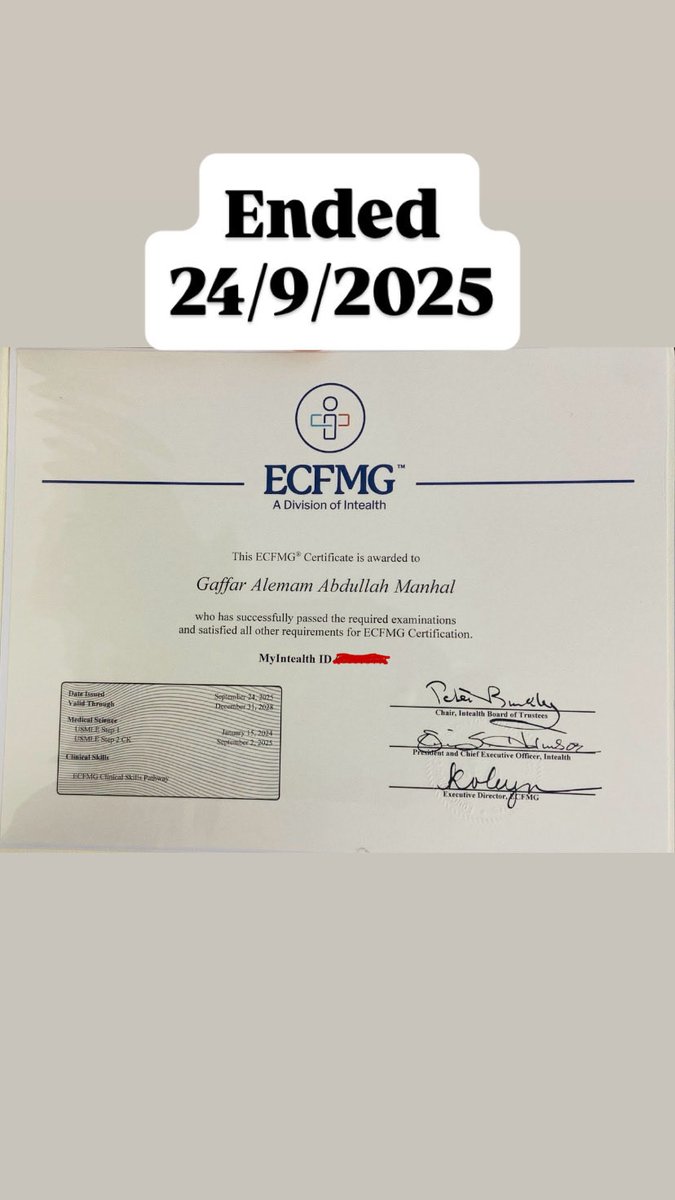
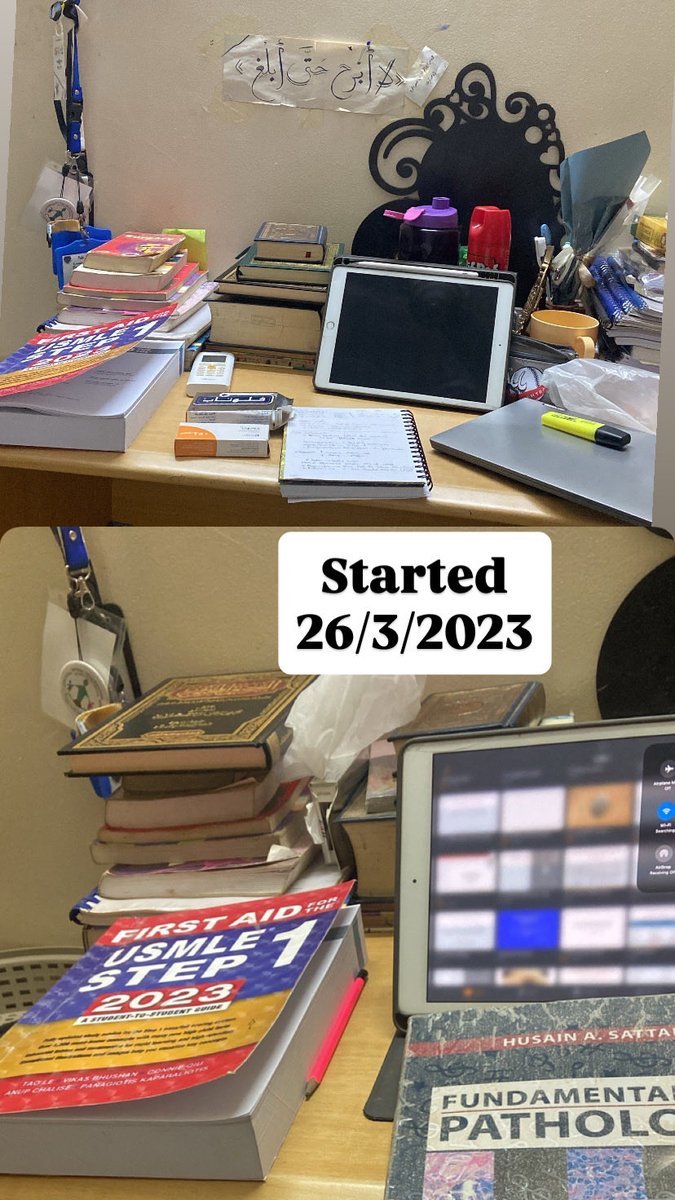
How it started and how it ended! ♥️💯 Today, I’m proud to share one of the biggest milestones in my life: receiving my ECFMG certification and completing my USMLE journey. It is a story of resilience, faith, and determination.
English