
Garen Checkley
1.1K posts

Garen Checkley
@garencheckley
// product @ google, but personal // electricity x software, #DER s, data center energy // tiki bars // हिंदी सीख रहा हूं


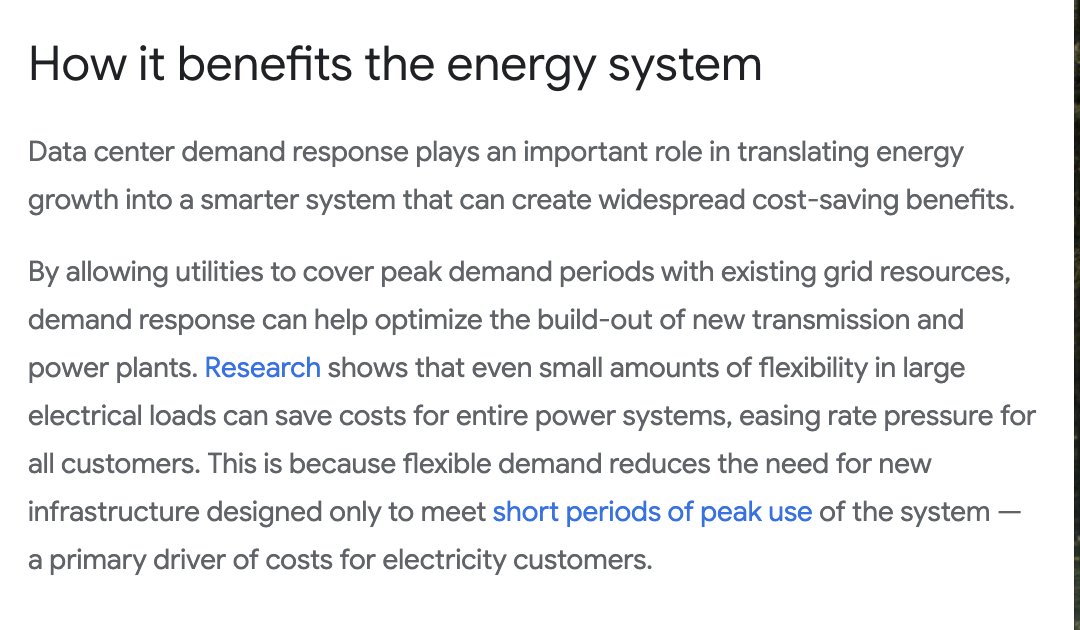
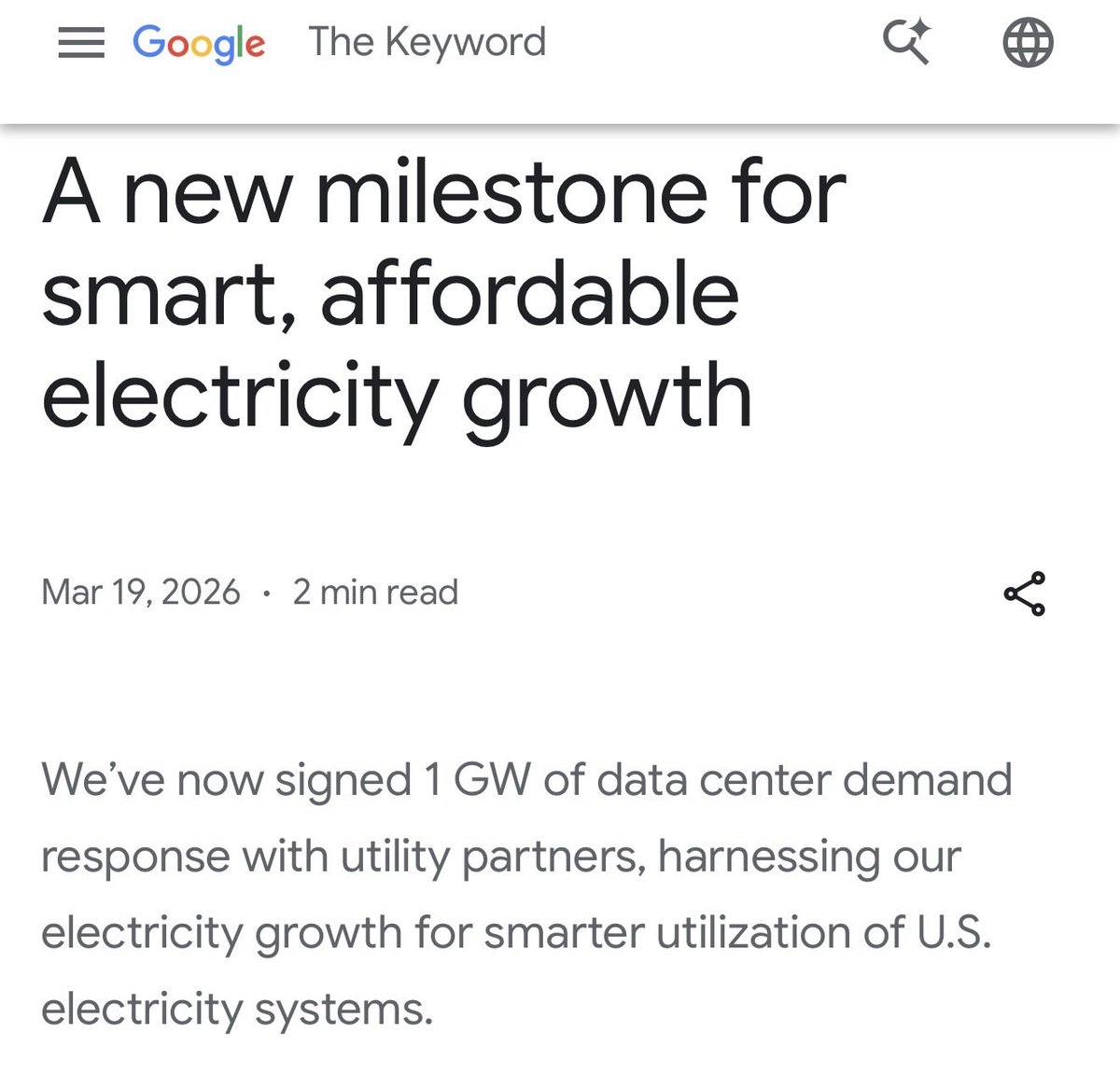
Google is now the first cloud provider to integrate 1 GW of flexible demand into long-term utility contracts. Our ability to shift or reduce our energy demand when it’s needed can help utility companies balance supply/ demand and plan for future capacity needs. This is a big milestone for responsible data center growth and helps keep costs lower for local communities. blog.google/innovation-and…


Let's check in on clean energy deployment in California and Texas. Texas surpassed California as the leading utility-scale solar state in 2025 with roughly 12.9 GW added last year alone. CA still has more total solar when you include distributed capacity.


What hero will revitalize the Sutro Baths and turn them into this?


Excited to share significant new research on how large load flexibility can improve affordability, accelerate speed to power, and preserve reliability. This kind of work is exactly why I joined the team at @Google, which is proud to support experts like these at the frontier of energy systems research. As we look ahead to 2026, our team is eager to deepen collaboration with leading analysts and scholars to help navigate these opportunities and challenges. Two key updates on this front: 1️⃣ 𝐍𝐞𝐰 𝐒𝐭𝐮𝐝𝐲: "𝐅𝐥𝐞𝐱𝐢𝐛𝐥𝐞 𝐃𝐚𝐭𝐚 𝐂𝐞𝐧𝐭𝐞𝐫𝐬: 𝐀 𝐅𝐚𝐬𝐭𝐞𝐫, 𝐌𝐨𝐫𝐞 𝐀𝐟𝐟𝐨𝐫𝐝𝐚𝐛𝐥𝐞 𝐏𝐚𝐭𝐡 𝐭𝐨 𝐏𝐨𝐰𝐞𝐫": In the first publicly available study to combine real utility transmission system data, system-level capacity expansion modeling, and site-level capacity optimization to evaluate how flexibility can accelerate data center interconnections, @CamusEnergy (led by Astrid Atkinson), @Princeton University ZERO Lab (led by Prof. @JesseJenkins), and encoord found that combining flexible grid connections with "bring-your-own-capacity" (BYOC) in PJM can: • 𝘗𝘳𝘰𝘵𝘦𝘤𝘵 𝘢𝘧𝘧𝘰𝘳𝘥𝘢𝘣𝘪𝘭𝘪𝘵𝘺: Flexible data centers contribute ~$733 million per GW toward the costs associated with their incremental load, 𝐫𝐞𝐝𝐮𝐜𝐢𝐧𝐠 𝐧𝐞𝐭 𝐬𝐲𝐬𝐭𝐞𝐦 𝐜𝐨𝐬𝐭 𝐢𝐧𝐜𝐫𝐞𝐚𝐬𝐞 𝐛𝐲 96% compared to a scenario with the same volume of inflexible data centers. • 𝘗𝘳𝘦𝘴𝘦𝘳𝘷𝘦 𝘳𝘦𝘭𝘪𝘢𝘣𝘪𝘭𝘪𝘵𝘺: Grid power remained available for >99% of hours across all modeled data center sites, with on-site resources dispatched 𝐨𝐧𝐥𝐲 40-70 𝐡𝐨𝐮𝐫𝐬 𝐚𝐧𝐧𝐮𝐚𝐥𝐥𝐲. • 𝘈𝘤𝘤𝘦𝘭𝘦𝘳𝘢𝘵𝘦 𝘪𝘯𝘵𝘦𝘳𝘤𝘰𝘯𝘯𝘦𝘤𝘵𝘪𝘰𝘯: Shortened the wait for grid power by 3 to 5 years compared to traditional timelines. ► Study: camus.energy/flexible-data-… ► Bloomberg coverage: bloomberg.com/news/articles/… 2️⃣ 𝐍𝐞𝐰 𝐋𝐚𝐫𝐠𝐞 𝐋𝐨𝐚𝐝 𝐌𝐨𝐝𝐞𝐥𝐢𝐧𝐠 𝐟𝐫𝐨𝐦 𝐃𝐮𝐤𝐞 𝐔𝐧𝐢𝐯𝐞𝐫𝐬𝐢𝐭𝐲 - 𝐖𝐞𝐛𝐢𝐧𝐚𝐫: The conversation continues next week, when new modeling on large load flexibility in PJM by @DukeU's GRACE Lab (led by Prof. Dalia Patiño-Echeverri) will be presented alongside insights from @EPRINews, a former @FERC commissioner, and a @Google demand response expert. Tues, Dec. 9, 11am-12pm ET. Register: nicholasinstitute.duke.edu/events/webinar… We hope you find this work valuable and look forward to ongoing collaboration with many of you in 2026!


A monopoly delivers the worst possible product at the highest possible price. Welcome to California’s investor-owned utilities.


@Info_Cntrl IMO there's a path to 25-30% savings w/ some drastic changes 1. public financing 2. wholesale markets to allowing VPPs (vs building out for peaks, hardening) 3. retail energy choice that encourage increased off-peak utilization && peak shaving 4. some cost shift to state budget

A monopoly delivers the worst possible product at the highest possible price. Welcome to California’s investor-owned utilities.