Sabitlenmiş Tweet

Generation Squeeze - @gensqueeze.bsky.social
12.7K posts

@GenSqueeze
Think & Change Tank championing wellbeing for all generations and 🇨🇦's leading voice for generational fairness. GO BLUESKY https://t.co/iuyt7SqEwa

We can believe 2 things at once: + we should build way more housing + we won't build anywhere near enough to make a serious dent in prices This dynamic persists as long as our financial system is centred around land as an investment, fuelling the private capture of land rents. When uncapped credit creation is concentrated in residential mortgages, prices can rise much faster than we can build to bring them down. "While real prices have more than doubled, housing stock per capita has increased by 39 per cent, and real mortgage debt has more than tripled." With the financialization machine firing on all cylinders, it's hard to believe just building more supply can make housing affordable again. We might not even have the materials and/or labour to build enough to have a serious impact on prices in places like Vancouver and Toronto. I say this as someone who believes more supply can impact prices and rents -- just not nearly enough. "the housing crisis has been created by banking practices that have directed excessive amounts of credit into the property market, and especially residential mortgages. As a result, buyers can bid prices up to ever-higher levels, resulting in a market where people must pay more for the same type of housing. Hence financialization can be defined as an inflationary tendency in the housing market that is induced jointly by banks’ desire to expand mortgage lending and buyers’ confidence that the value of their properties will rise." "The housing crisis is not a crisis of supply; it is a crisis of distribution. Housing inflation has boosted owners’ wealth substantially—a particular windfall for those who own multiple properties and carry little mortgage debt. Meanwhile, rising prices have put homeownership out of reach for many Canadians and put new buyers deeply in debt, while driving up homelessness." "policymakers cannot reasonably blame immigration for the long-term trend. Over the past half-century, the number of housing units has risen substantially relative to population, and their average size has increased as well." There's something much deeper at the centre of our economy that we must fix first -- a political and financial machine bent towards extracting (or preserving) wealth from property (60-90% land value), at the cost of workers, builders, and value-adding businesses. This is a critical evolution in the national housing debate.

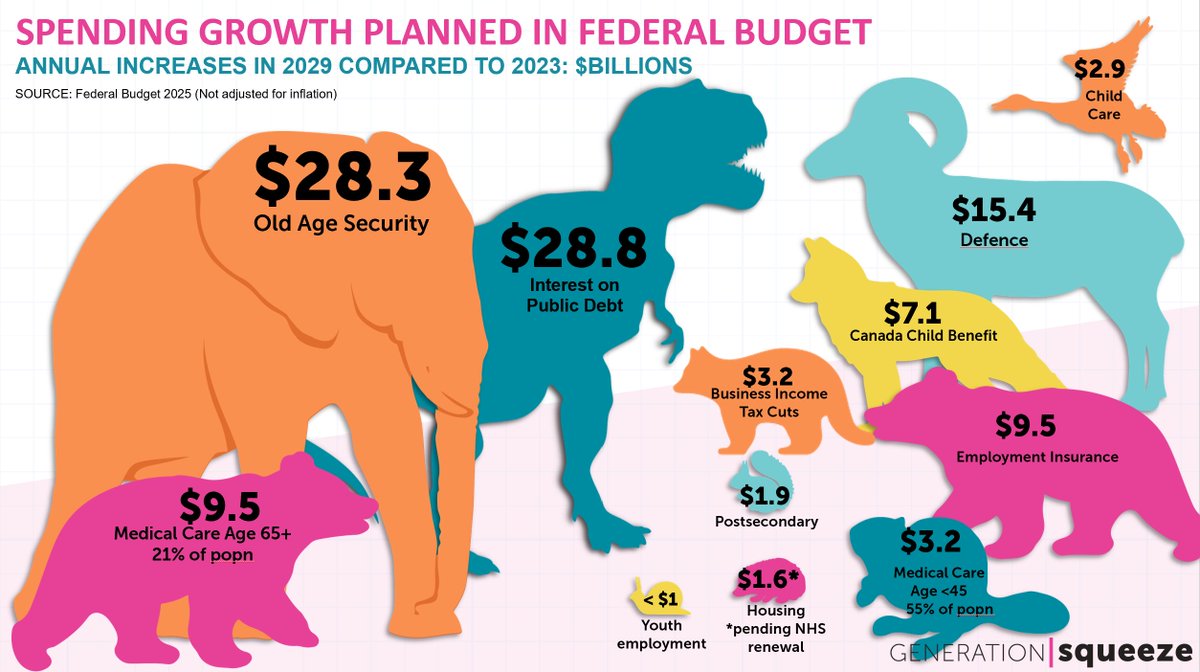





'We don't need it': Seniors call for reduced Old Age Security payments nationalpost.com/news/canada/we…