Harvard didn’t take me but Prediction Markets did, so excited to announce that I am partnering with @polymarket this month.
I am your Elle Woods of PMs and will guide you to pop culture markets, remember It’s not gossip if it’s tradable.
Legally Long. Occasionally Short. Woman make markets, It’s the Polybaddie era.
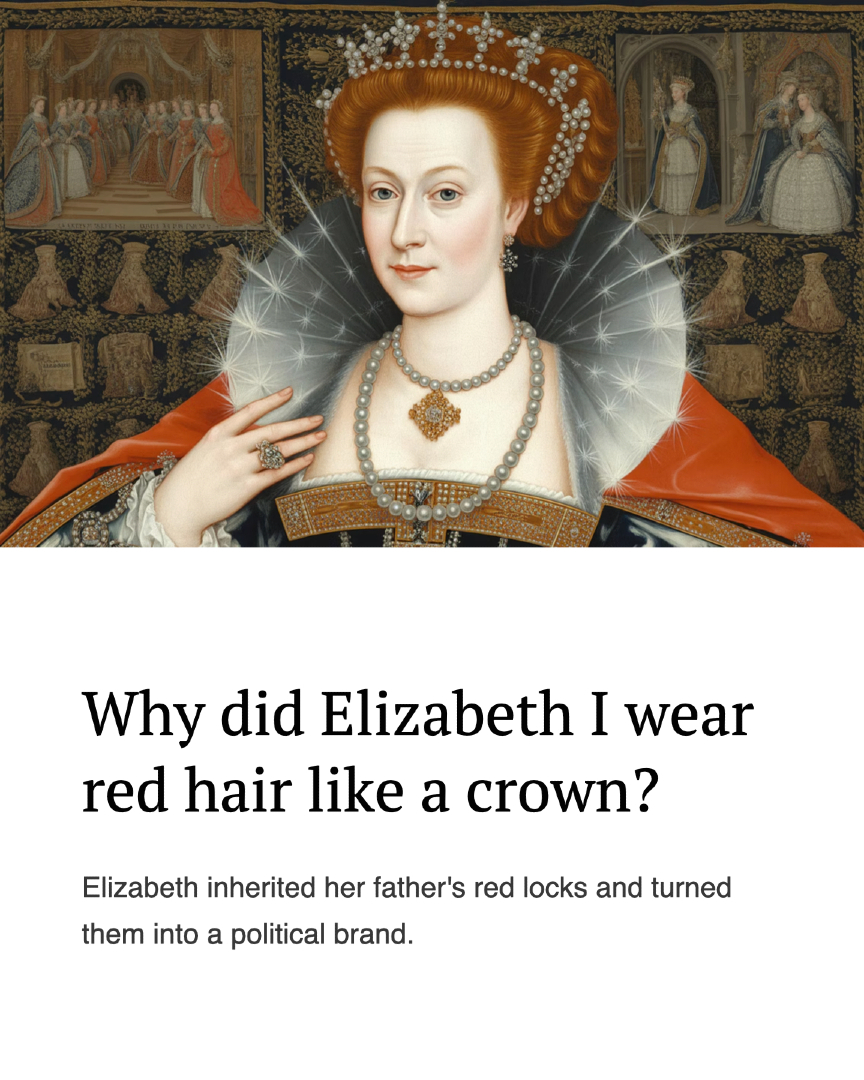
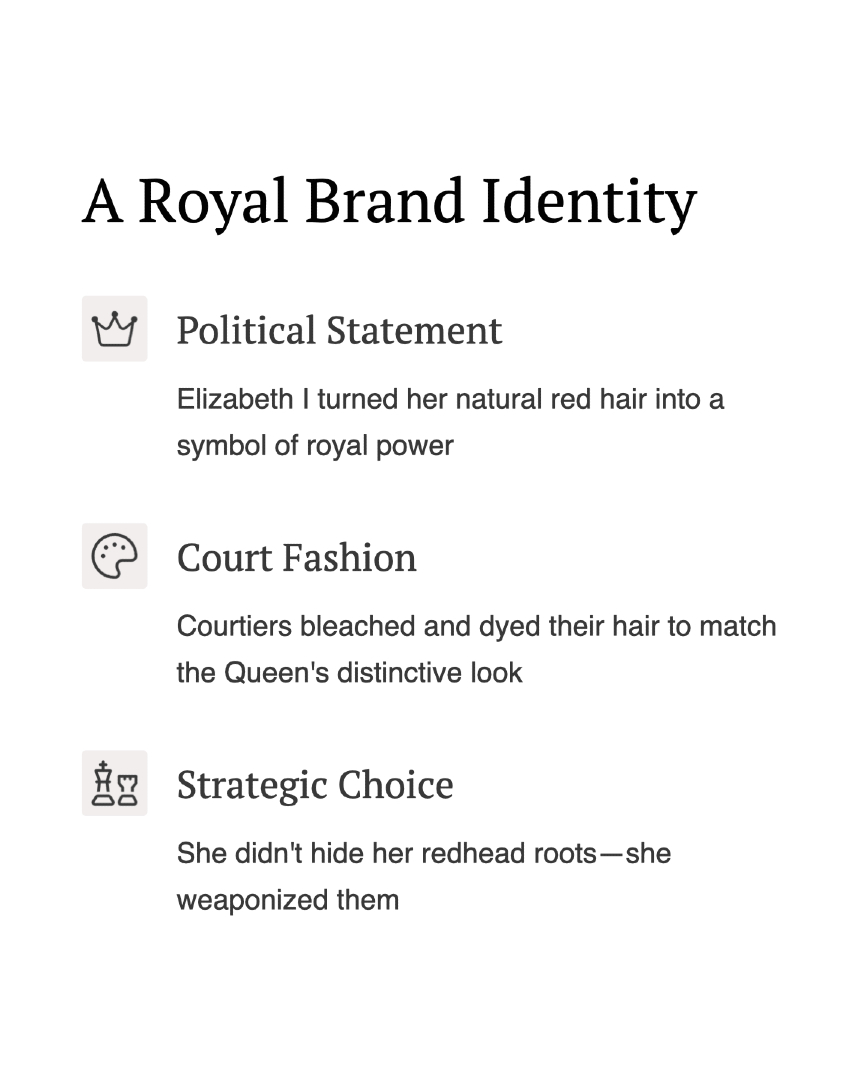
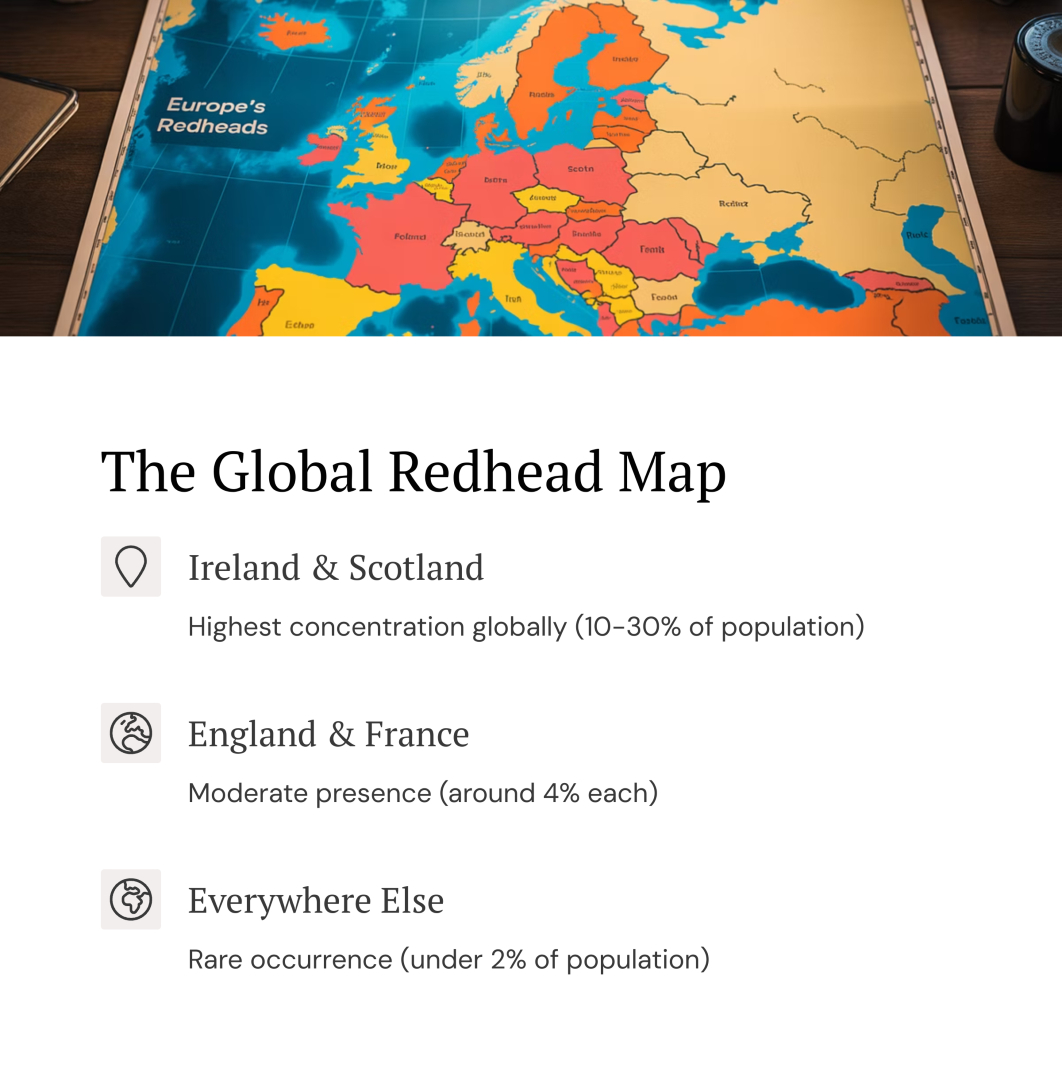
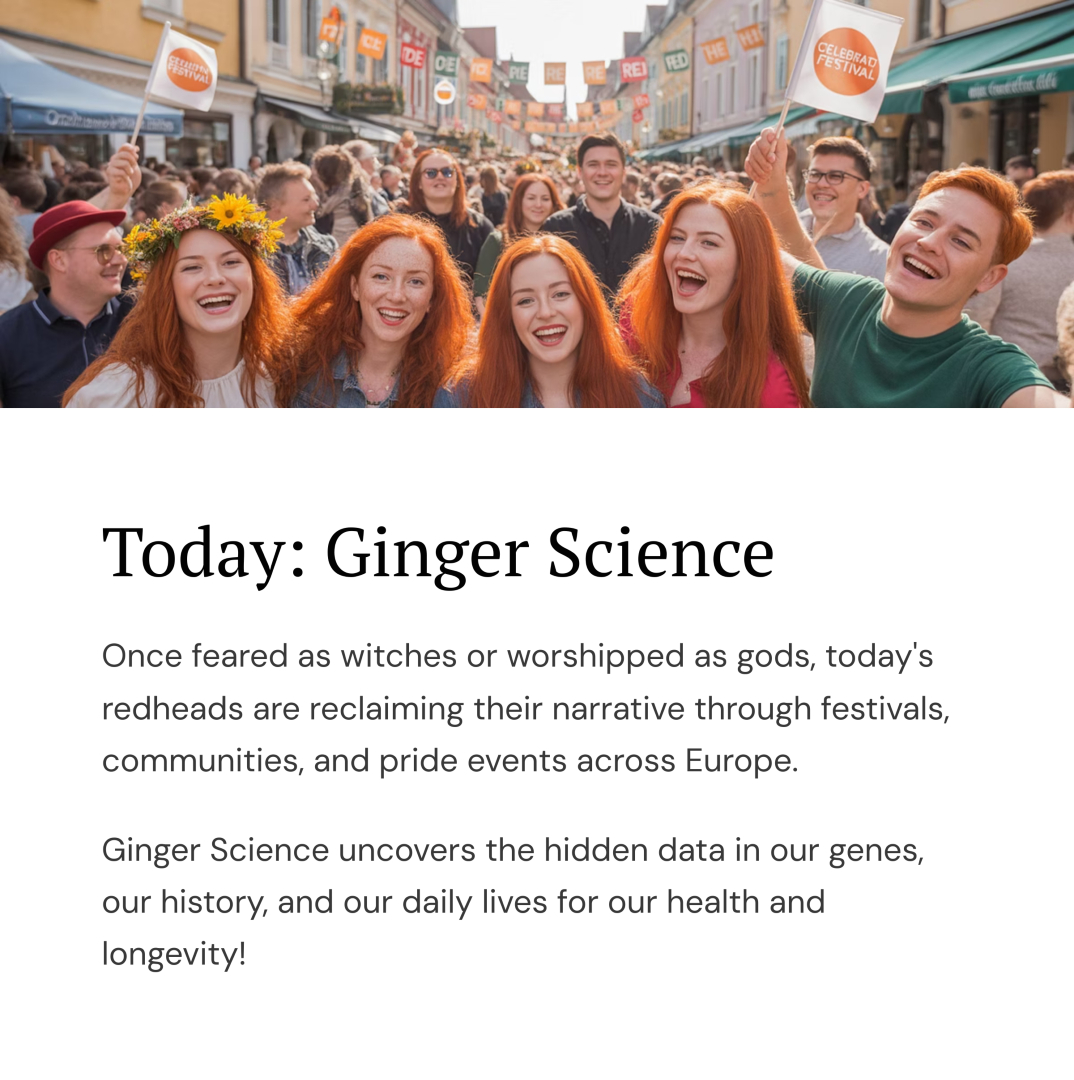
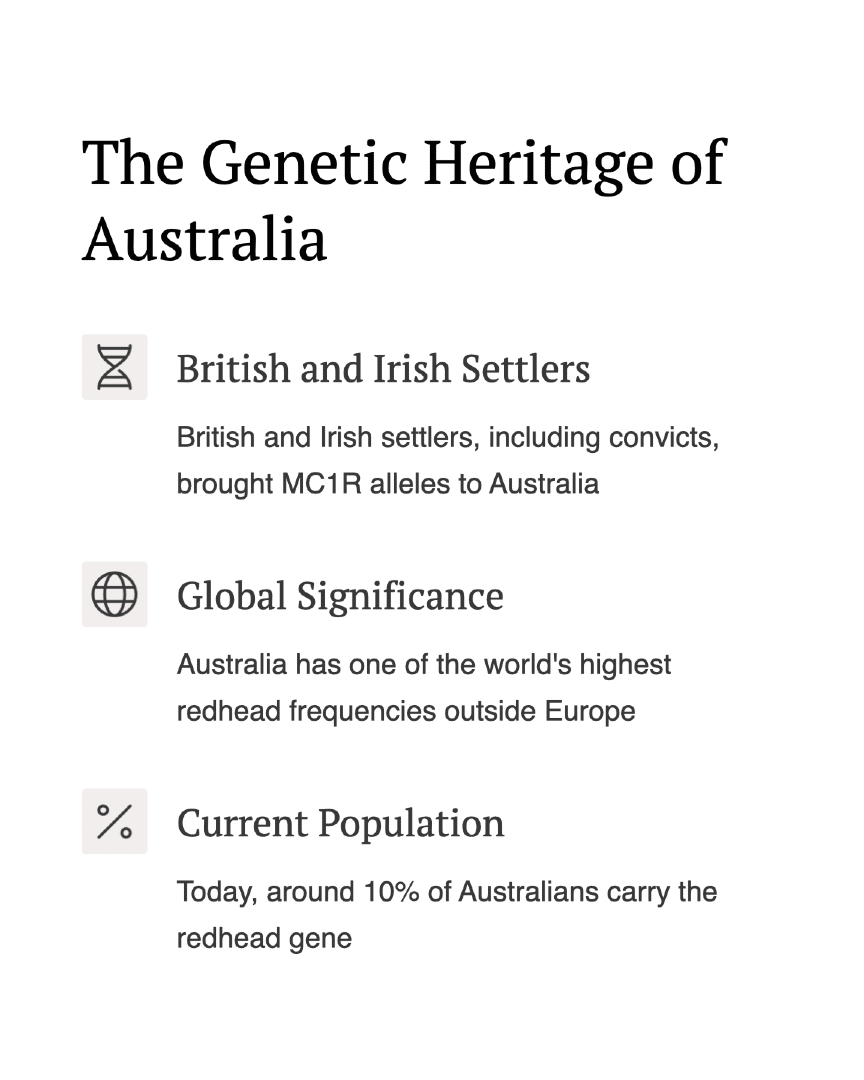
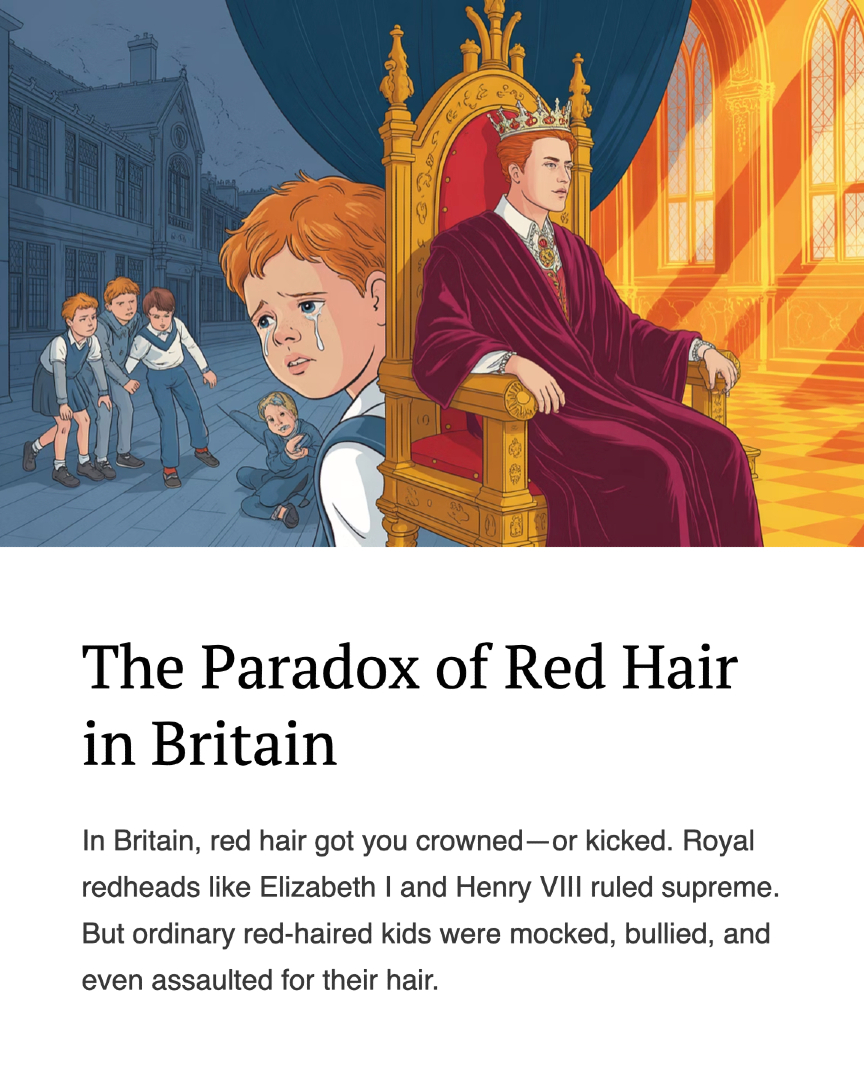
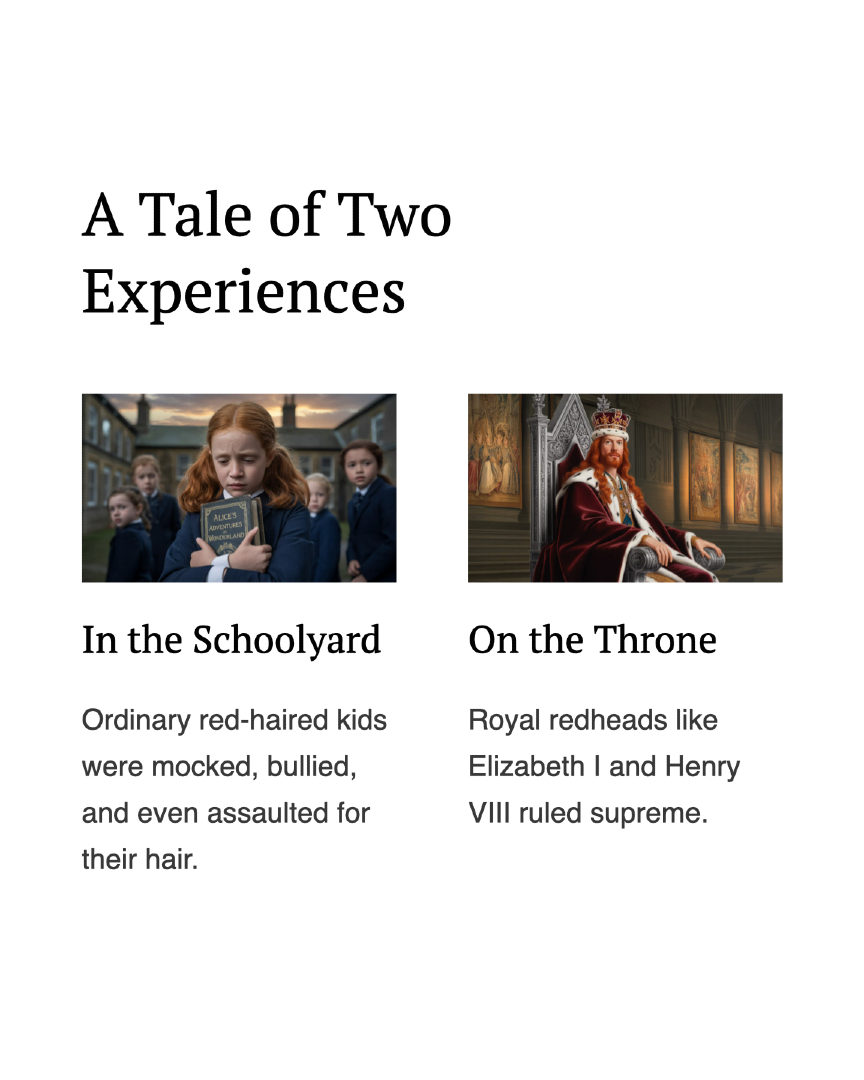
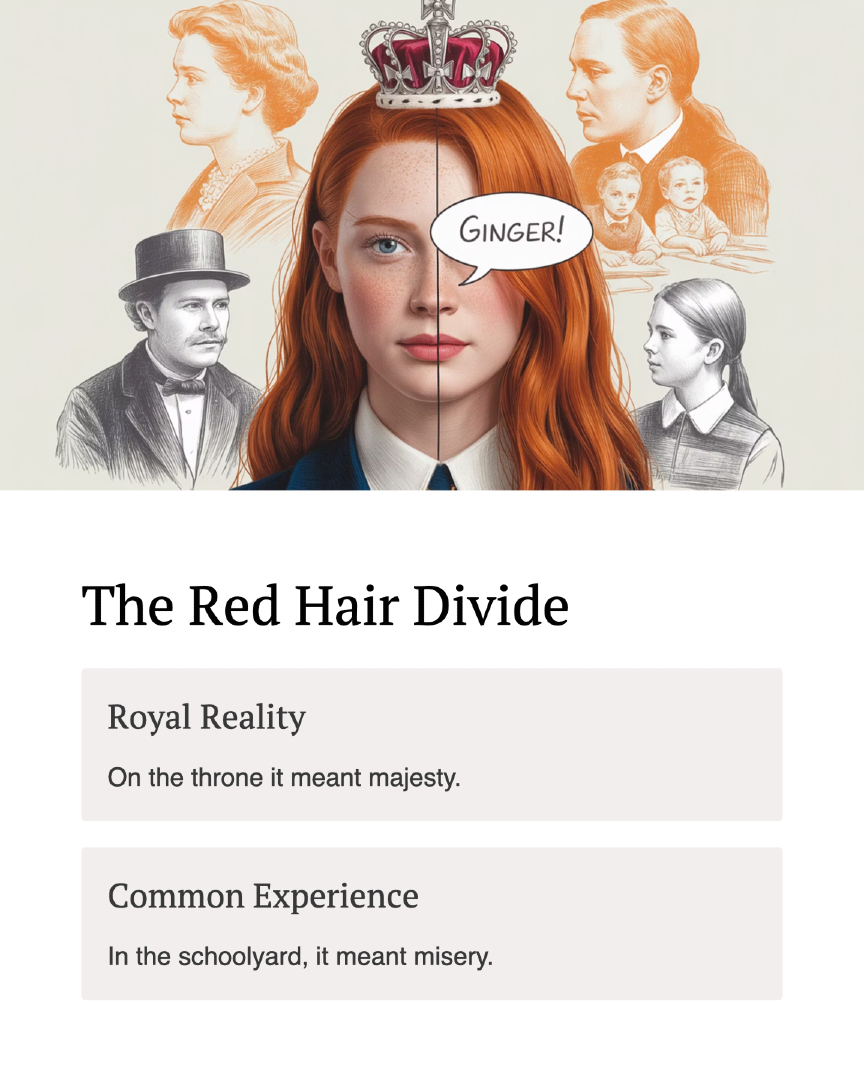
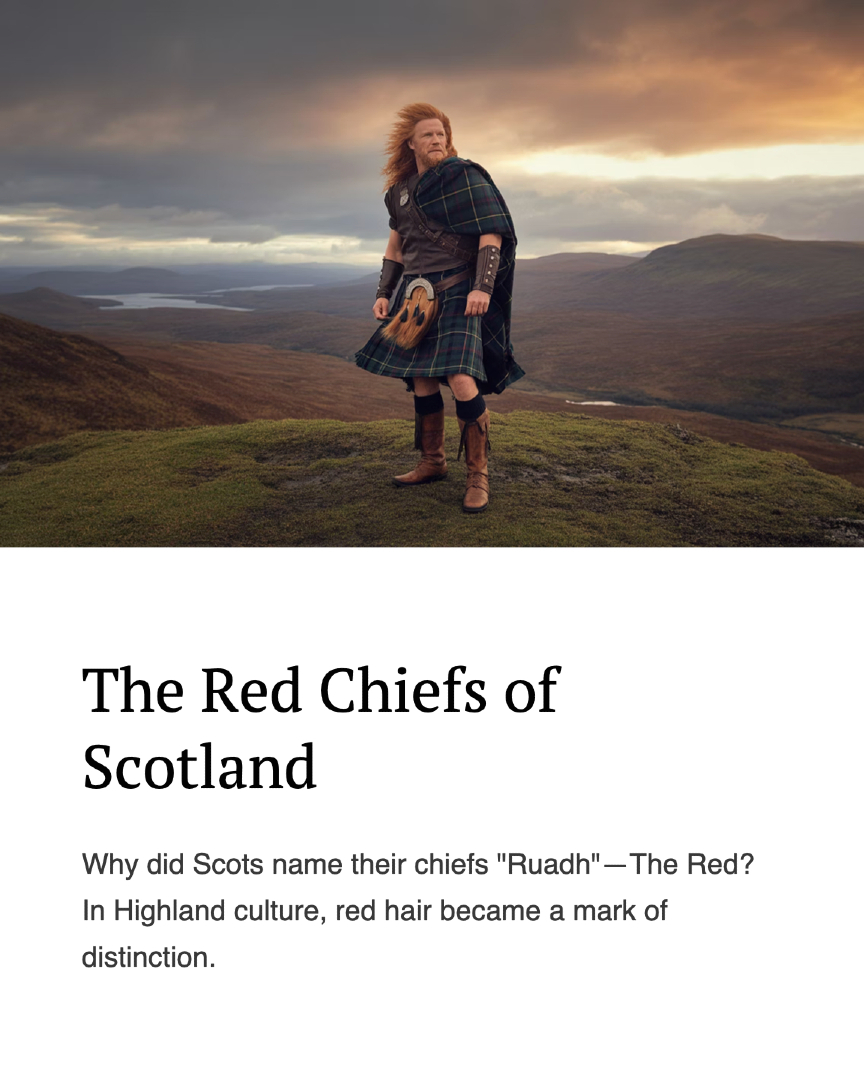
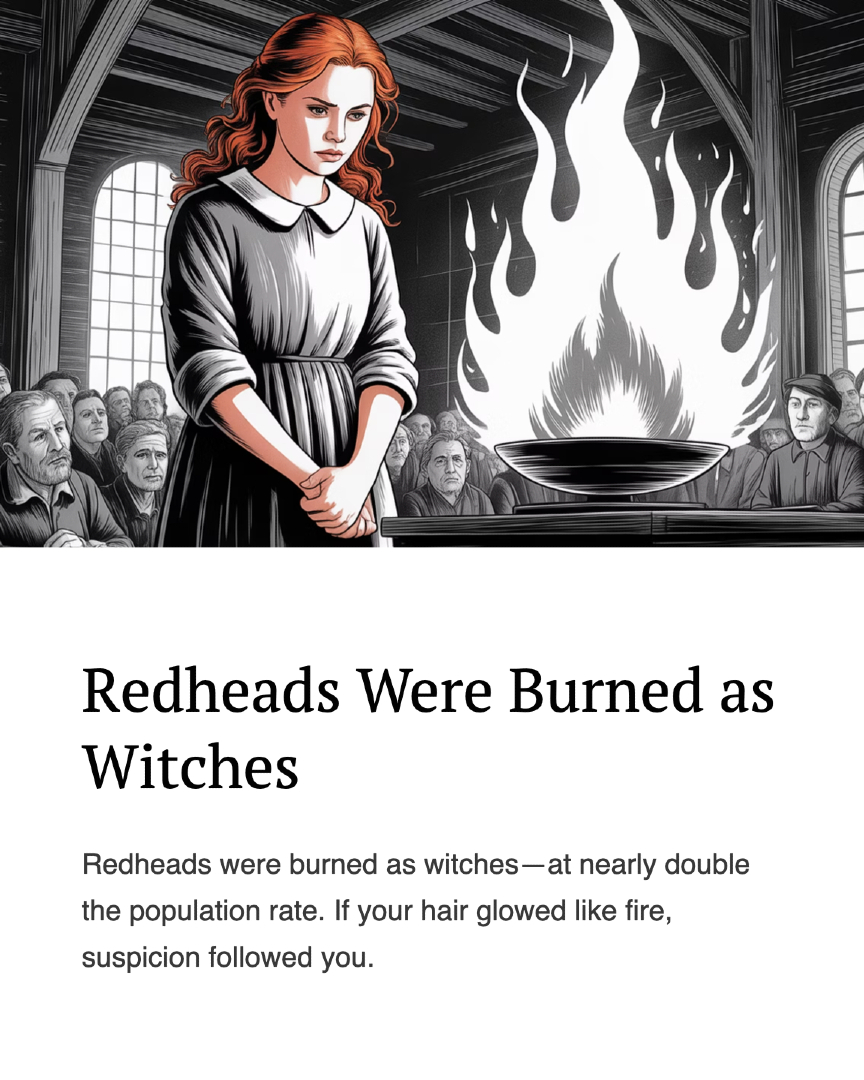
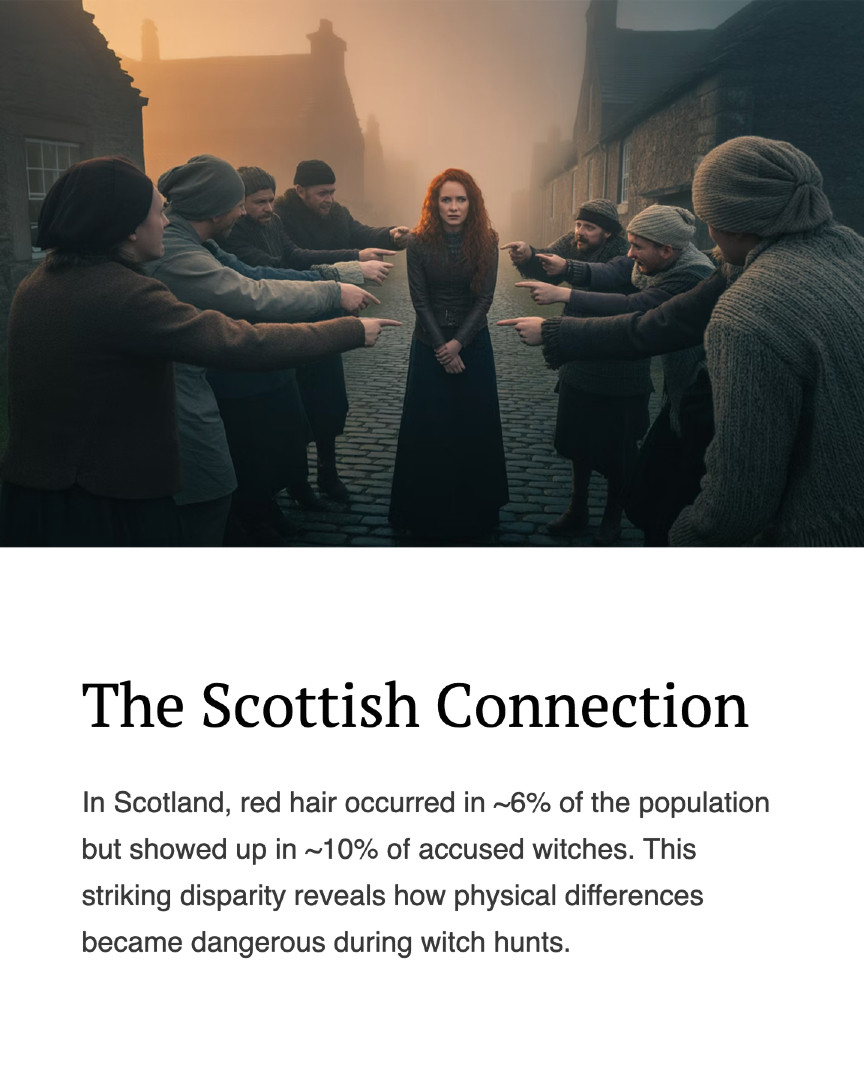
Redheads are rare in every human population, but they appear with unusual concentration across northern and western Europe. Chapter 2 of The Ginger Code explores three lenses through which red hair was historically seen in Europe: the continental lens of supernatural mistrust, the Norse lens of reverence and divine exceptionality, and the British lens where redheads are both monarchs and social punching bags.
The Malleus Maleficarum is often cited as saying red hair is a sympton of witchcraft.
However, neither AI nor the humans at Ginger Science could find any evidence of this in the book. More anti-Ginger bias!!
#GingerTok#GingerScience#STEMtok#Witches
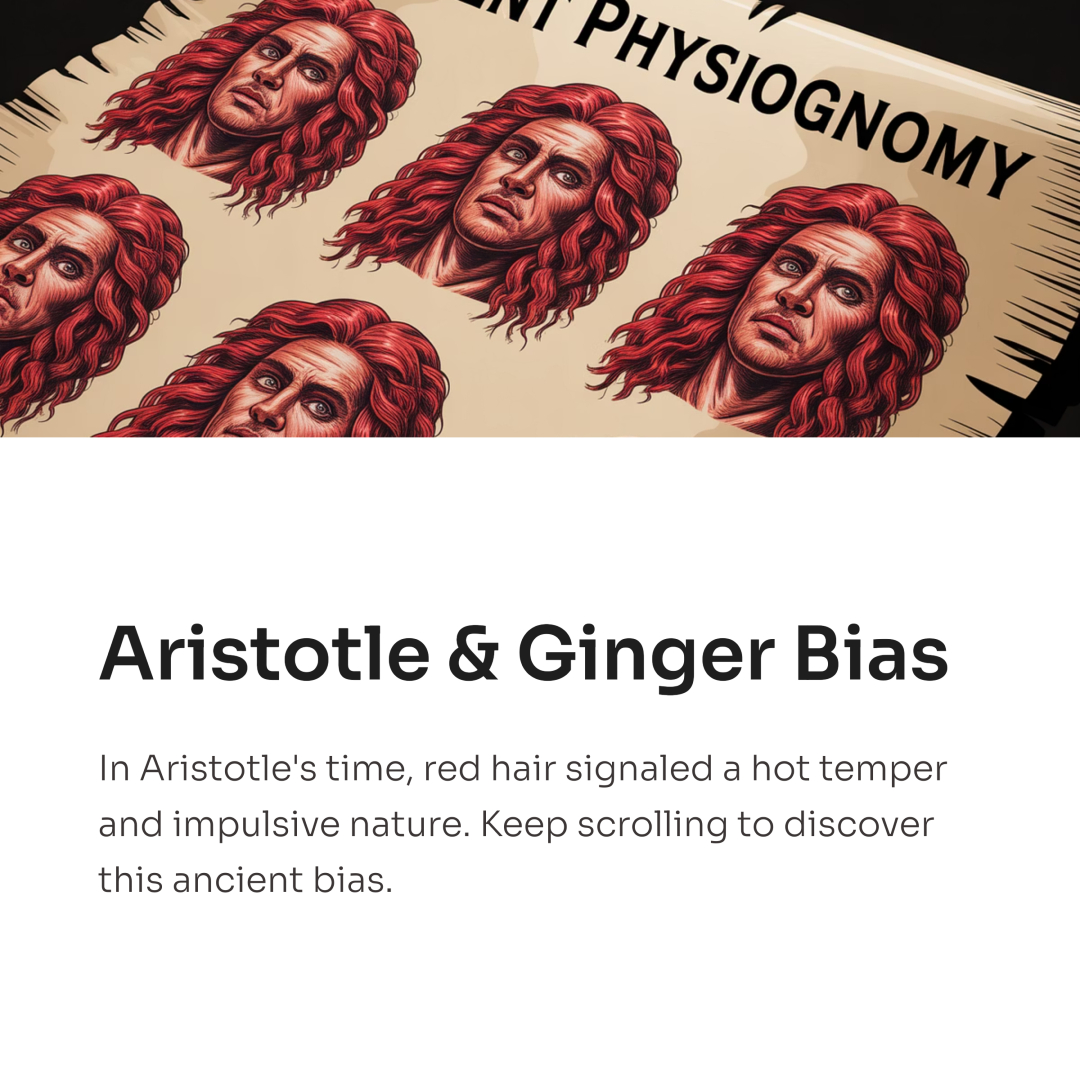
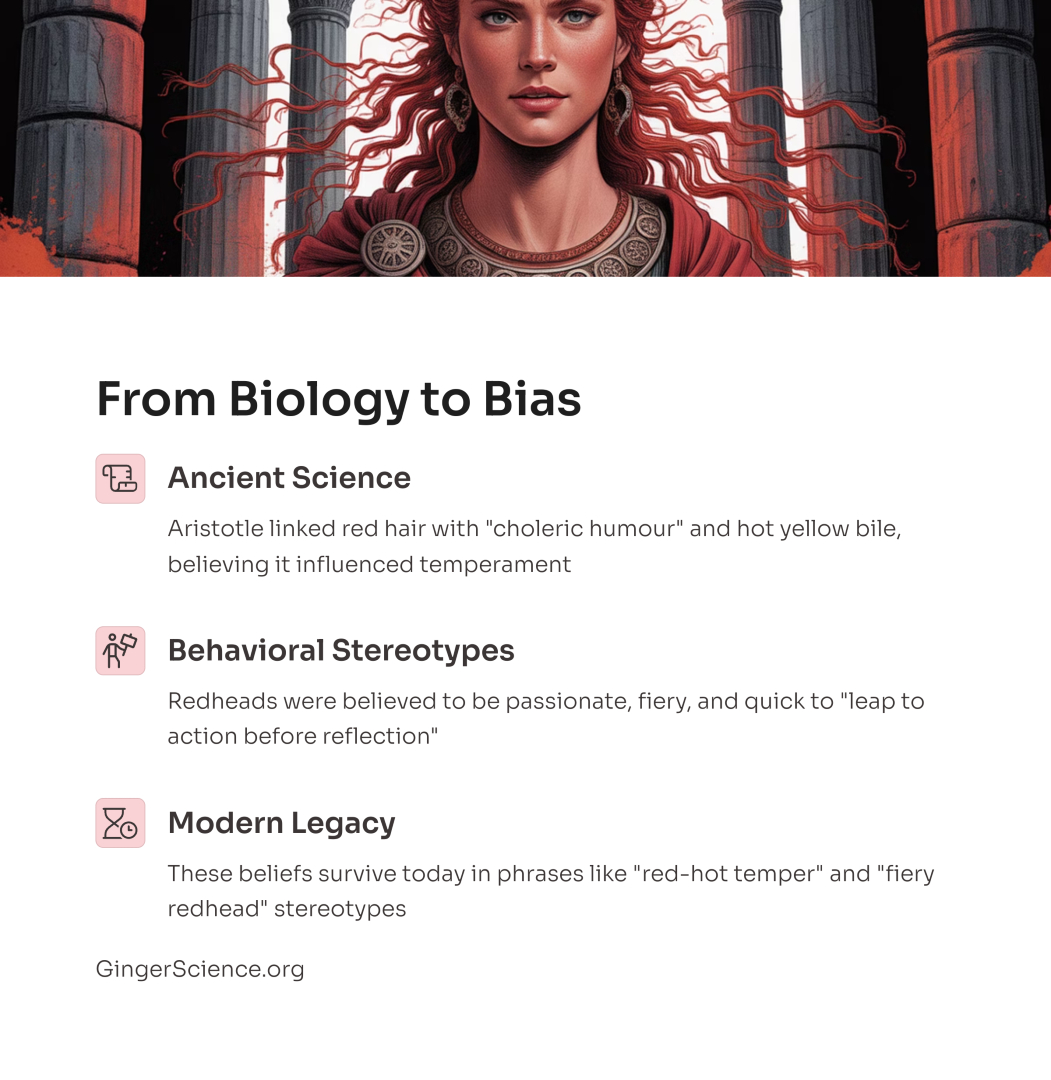
Ancient Bias. In Aristotle's Physiognomonica reddish hair is grouped with a swift pulse and prominent veins as outward signs of the choleric humour dominated by hot, dry yellow bile. Such people “leap to action before reflection,” a behavioural shorthand that centuries later survives in English idioms like “red-hot temper.” Follow Ginger Science for more about the roots of hot redheads.
Everyone thinks of melanin as the pigment responsible for the gorgeous array of human skincolor.
Or “that pigment that makes you tan.” But redheads know better.
There are multiple types of melanin—and they don’t all behave the same.
This week, we’re breaking down the science behind what makes our melanin different.
Eumelanin is responsible for darker colors in skin, hair, and eyes.
Pheomelanin - Red hair and freckles come from a combination of Eumelanin and Pheomelanin
Neuromelanin. Not a lot is known about this melanin in the brain.
Allomelanin - mainly found in fungi,
Pyomelanin - linked to inflammation and oxidative stress in bacteria and other organisms.
#gingerscience#melanin#redheadwellness
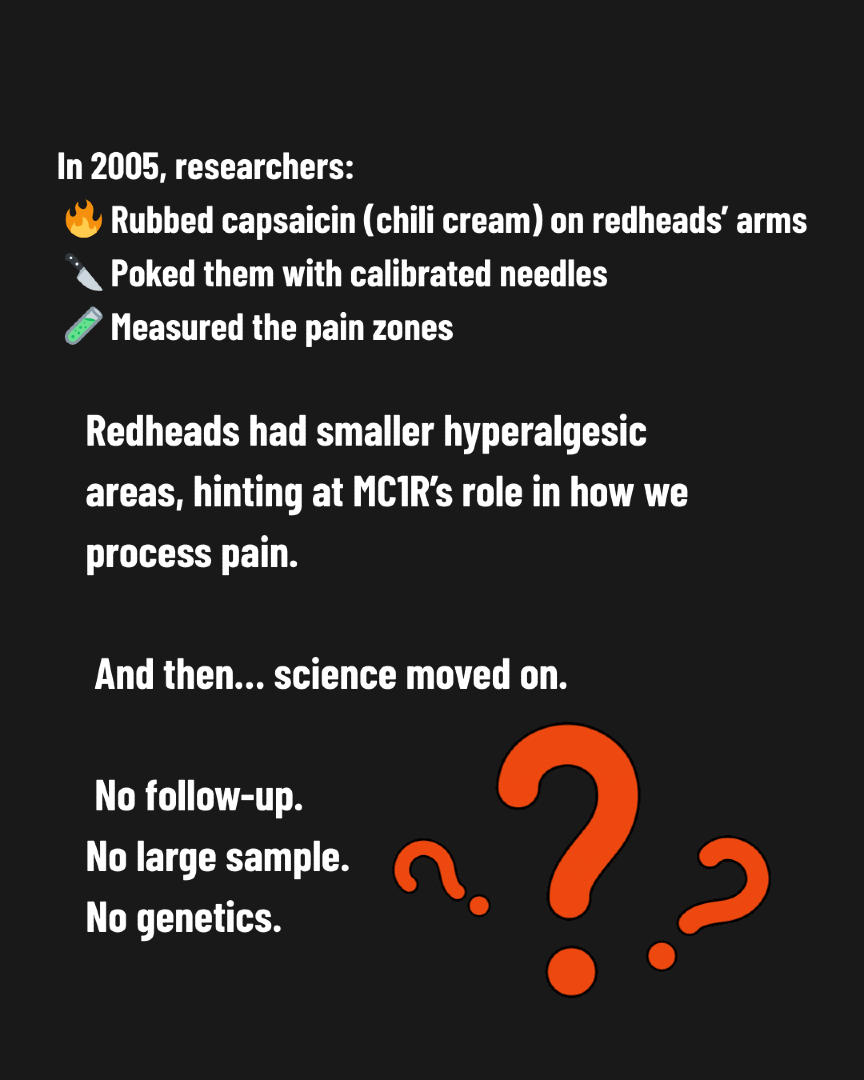
How many redheads, tubes of chili cream, and poky sticks do you need to prove a scientific hypothesis?
If you're 2005 academia: 20 women, 1 hot mess, and no follow-up.
If you're us? A global, ginger-powered research engine.
It’s time to stop poking redheads in labs and start building the future of personalized pain science—together.
Dive into the original study + our take on why MC1R research needs an upgrade—on the blog.
#GingerScience#RedheadWellness#MC1R#DeSci#PersonalizedMedicine