
Glen Hall
16.4K posts


Glen Hall
@GlenHallJr
Engineering - Manufacturing geek & #Recruiter | @OJTTulsa board | #Illini #GoPokes #BBN | #BBQ snob
Tulsa, OK USA Katılım Ocak 2009
3.3K Takip Edilen1.6K Takipçiler
Glen Hall retweetledi



Glen Hall retweetledi

Class 6A STATE CHAMP!! 62’3!!
So Proud of this kid. Set the school record and the standard for bixby throws!


English
Glen Hall retweetledi

🚨 JUST IN: Former NBA star and Republican Chris Dudley is CRUSHING it, now LEADING radical Dem Gov. Tina Kotek in the Oregon Governor’s race!
🔴 Dudley: 48% (+4)
🔵 Kotek: 44%
Oregon desperately needs a Republican governor. The state has turned to sht under Kotek.
English
Glen Hall retweetledi

Ten years ago, I published Grit. In those pages, I wrote down everything I’d discovered about world-class achievers and how passion and perseverance set them apart.
Since then I’ve been studying the situations that make world-class achievement possible.
My research shows that the situation shapes you—but you have the power to shape it first. How?
1. Set up your personal space.
2. Pick your peers.
3. Attract mentors.
4. Choose your culture.
Getting situated means finding the people and places that bring out your best.
Grit is great, but to realize your potential, you also need to get situated.
Pre-order Situated. Out September 1st.
a.co/d/05PbeMi6

English
Glen Hall retweetledi

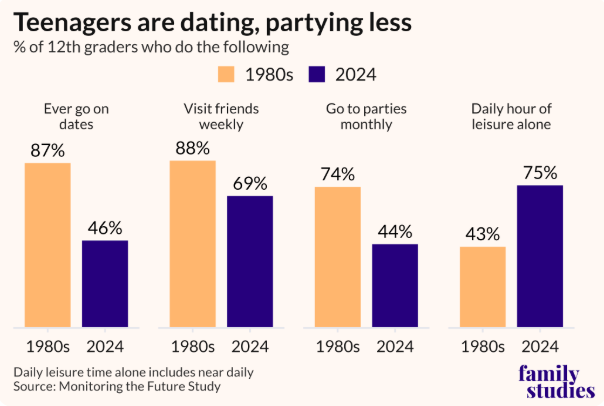
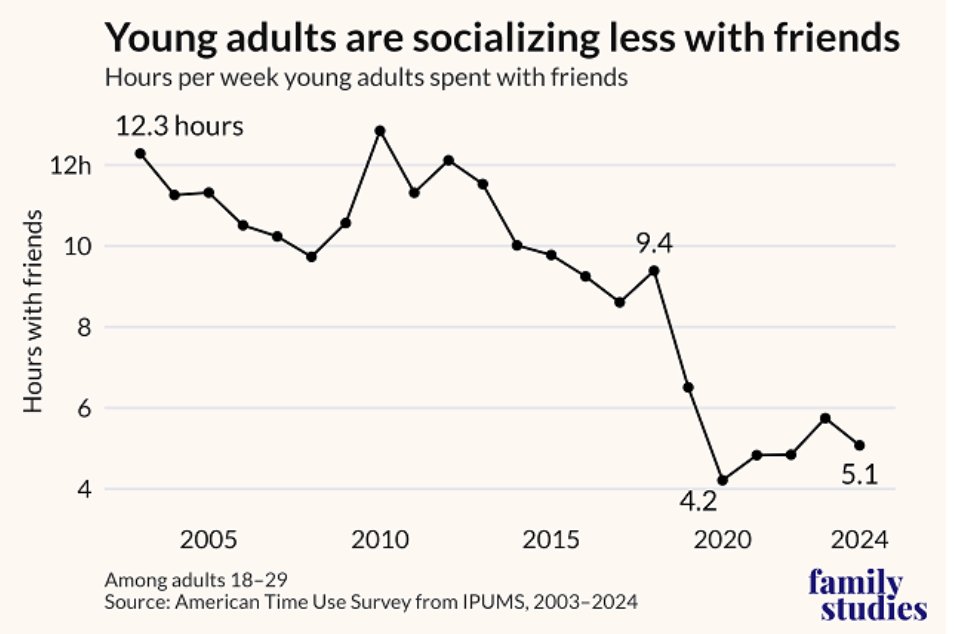
The decrease in alcohol use among teens correlates with a decrease in socializing, an increase in time spent alone, and worsening mental health.


English
Glen Hall retweetledi

Teens aren't drinking less because they got more health conscious—they're drinking less because they're hanging out less.
Grant Bailey@grantjbailey
Huge collapse in drinking among high schoolers 👀
English
Glen Hall retweetledi

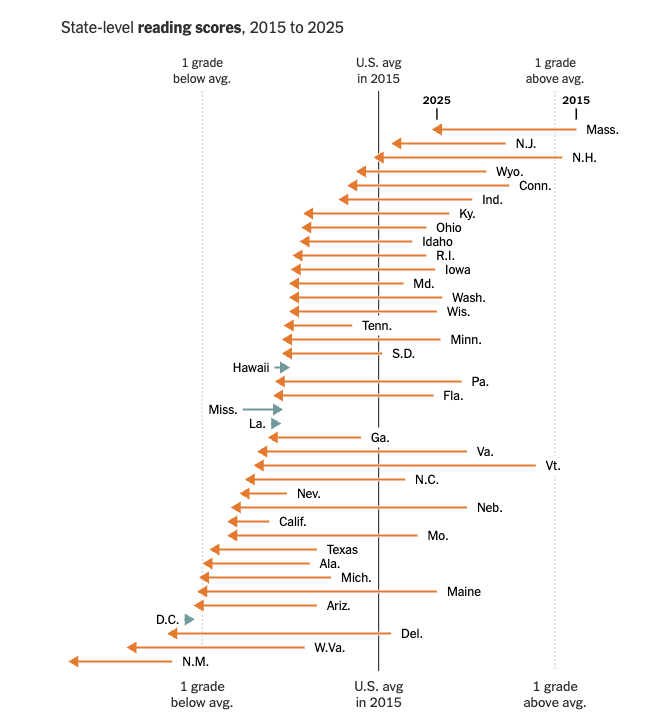
Reading scores, 3rd graders to 8th graders, 2015 to 2025. This is a national tragedy.
English
Glen Hall retweetledi

A news reporter asked Michael Jordan if he thought the ’90s Bulls could beat LeBron’s Lakers.
MJ: Yes.
Reporter: By how much?
MJ: Two or three points.
Reporter: Why so close?
MJ: Most of us are almost 60 now.

English
Glen Hall retweetledi

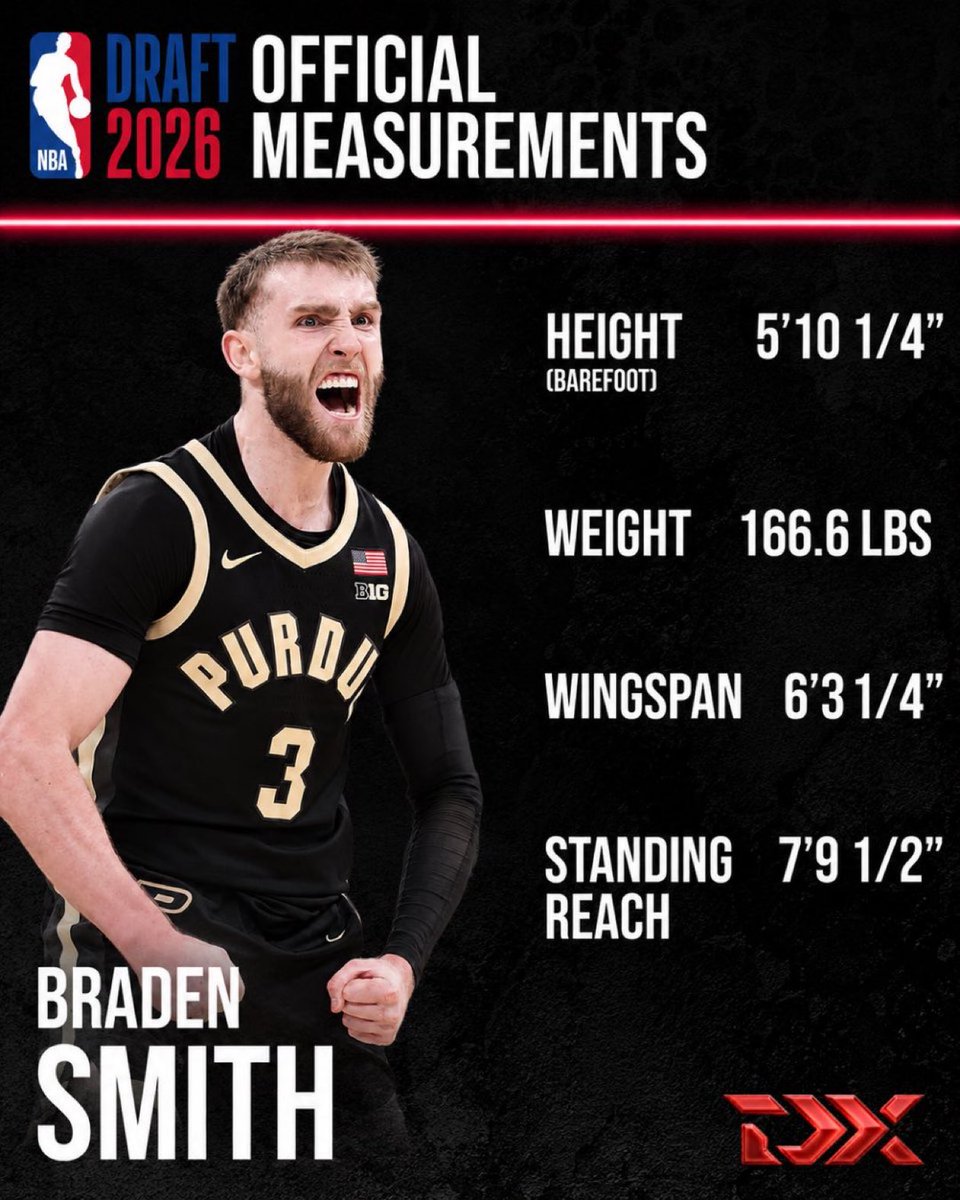
Braden Smith’s official measurements at the NBA draft combine 👀🔥🚂
English
Glen Hall retweetledi
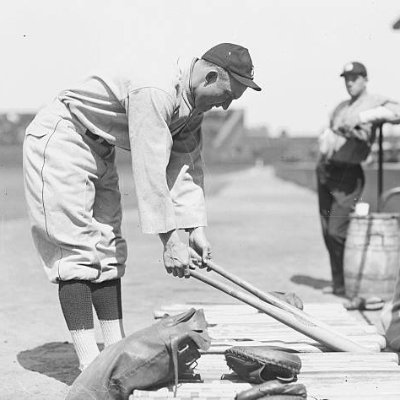
The decline from this photo, to the current state of ESPN…

English
Glen Hall retweetledi

Mark Daigneault on his relationship with the team: “I got great advice one time. You need to be there when they need you. Early on, when we were younger, I think they needed us a little bit more in terms of direction, in terms of guidance, in terms of some of the stuff we're talking about. As time's gone on, there's been situations where they've needed us less. I think the worst thing you can do in those situations is stifle their autonomy and over-coach their ownership.”
English
Glen Hall retweetledi

Thunder history with the #12 pick:
Nick Collison (SuperSonics)
Steven Adams
Jalen Williams
Cason Wallace (traded from 12 ➡️ 10)
Nikola Topic
English
Glen Hall retweetledi
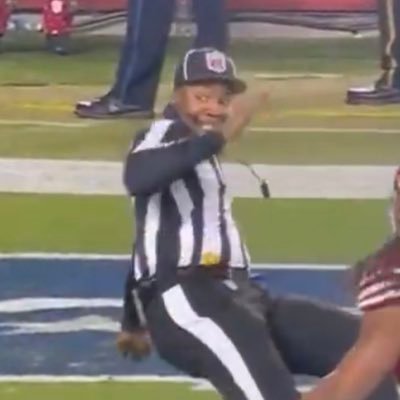
This is correctly called a Flagrant 2 on Wemby…just surprising they actually did it in a playoff game
English
Glen Hall retweetledi

Playing Beat It after the flagrant 2 is crazy work 😂😂
GIF
English
Glen Hall retweetledi

College programs with at least three players on NBA rosters in the conference semifinals:
Kentucky
Villanova
Tennessee
Arkansas
Duke
UCLA
Arizona
Gonzaga
USC
-- and --
Oklahoma State



English
Glen Hall retweetledi

Top U.S. cities for recent college grads (ADP):
1. Birmingham, AL
2. Tampa, FL
3. San Jose, CA
4. Columbus, OH
5. Raleigh, NC
6. Tulsa, OK
7. San Francisco, CA
8. Nashville, TN
9. Charlotte, NC
10. New York, NY
English
Glen Hall retweetledi

Winston Churchill fought his depression with bricks. He'd lay them for hours at his country home in Kent. He joined the bricklayers' union. And in 1921 he wrote about why it worked. It took psychology another 75 years to catch up.
He called his depression the "Black Dog." It followed him for decades. His method for fighting it back was as basic as it sounds: laying brick after brick, hour after hour.
Churchill spelled out his theory in a long essay for The Strand Magazine. People who think for a living, he wrote, can't fix a tired brain just by resting it. They have to use a different part of themselves. The part that moves the eyes and the hands. Woodworking, chemistry, bookbinding, bricklaying, painting. Anything that drags the body into a problem the mind can't solve by itself.
Modern psychology now calls this behavioral activation. It's one of the most-studied depression treatments out there. Depression sets a behavior trap. You feel bad, so you stop doing things, and doing less means less to feel good about. Feeling worse makes you do even less. The loop tightens until you can't breathe inside it.
Behavioral activation breaks the loop from the action side. You schedule the activity first, even when every part of you doesn't want to. Doing it produces small rewards: a wall gets straighter, a painting fills in, a messy room gets clean. Those small rewards slowly rewire the brain. Action comes first, and the feeling follows.
Researchers at the University of Washington put this to the test in 2006. They studied 241 adults with major depression and compared three treatments: behavioral activation, regular talk therapy, and antidepressants. For the people who were most severely depressed, behavioral activation matched the drugs. It beat the talk therapy. A 2014 review of more than 1,500 patients across 26 trials backed up the result.
Physical work like bricklaying does something extra on top of this. It crowds out rumination, the looping bad thoughts that grind people down during the worst stretches of depression. Bricklaying needs both hands and gives feedback brick by brick: each one is straight or crooked. After an hour you can see exactly how much wall you built. No room left for the mental chewing.
The line George Mack used in his post, "depression hates a moving target," is good poetry. The science behind it is sharper. Depression hates a brain that has somewhere else to be.
George Mack@george__mack
Winston Churchill used to lay 200 bricks per day to keep his mind busy when feeling down. Depression hates a moving target.
English
Glen Hall retweetledi

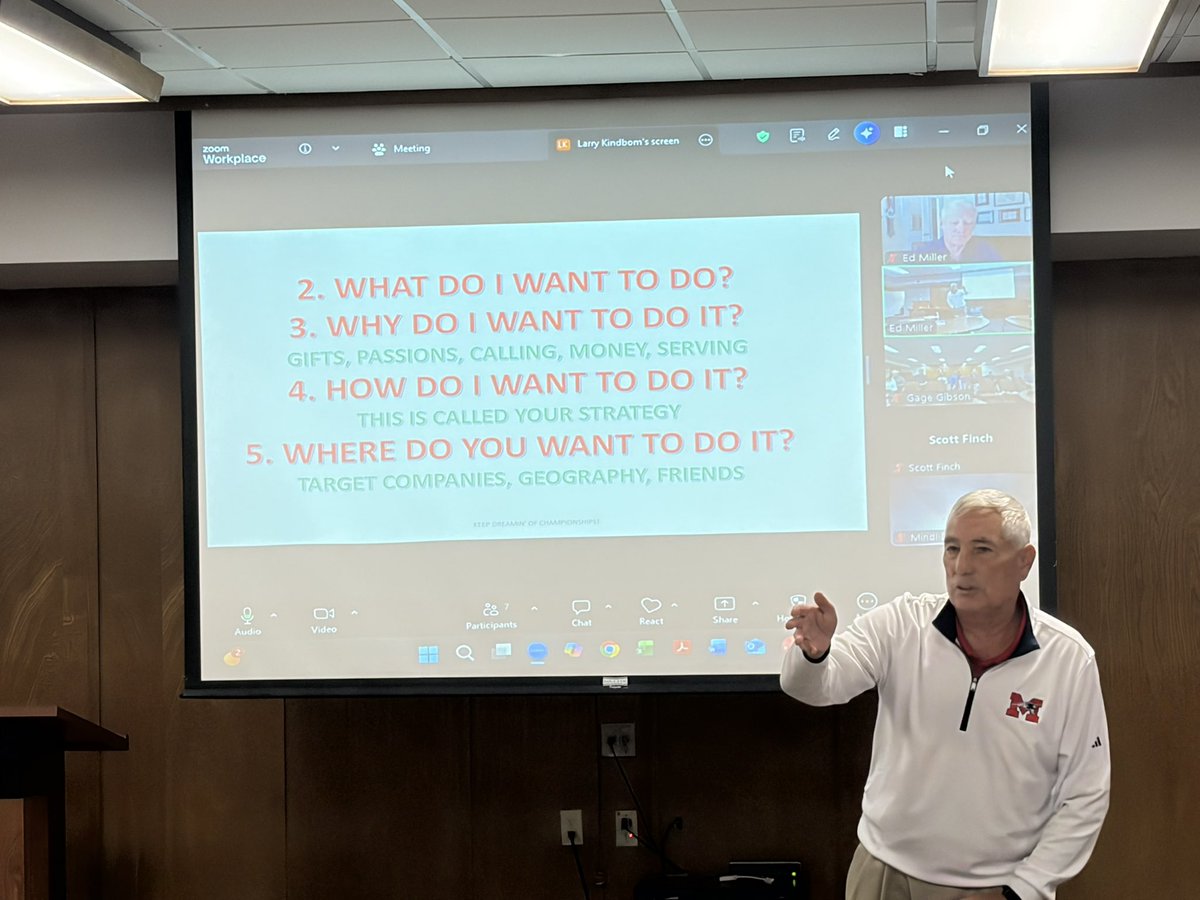
We spent time today on How and Why to develop a #TargetCompany list.
How is your list?
@GlenHallJr led and Ed Miller created the slides. #OJTTulsa


English
Glen Hall retweetledi

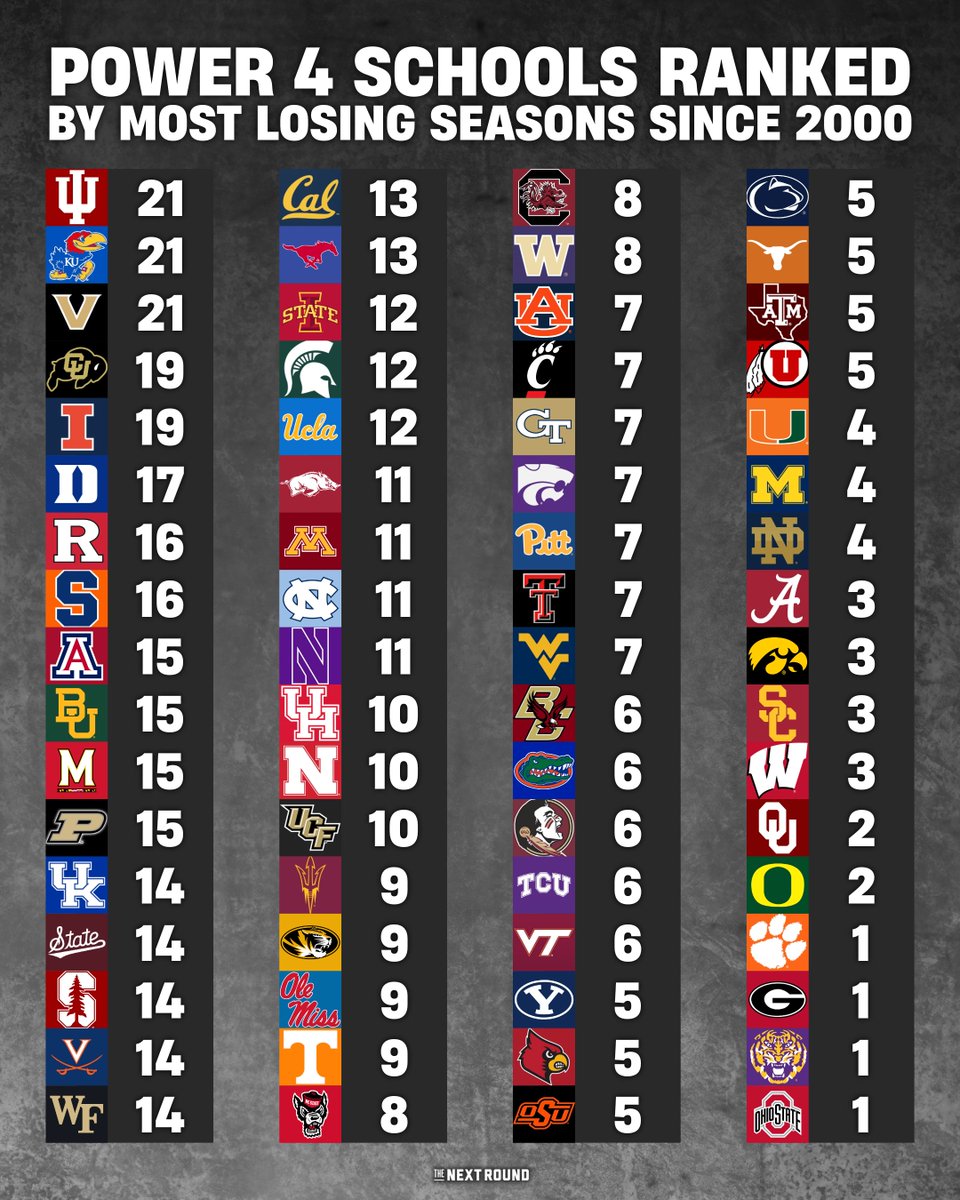
Power 4 CFB Schools Ranked By Most Losing Seasons Since 2000
How crazy is it that the team who tops this list is also the defending national champion?
English