James Goodwin

6K posts

James Goodwin banner
James Goodwin

James Goodwin

@Goody_10

Head of Sport Science for @SwissRowing | MSK Physiotherapist

Lucerne, Switzerland Katılım Mart 2011
531 Takip Edilen825 Takipçiler
redbully
redbully@versatancore·
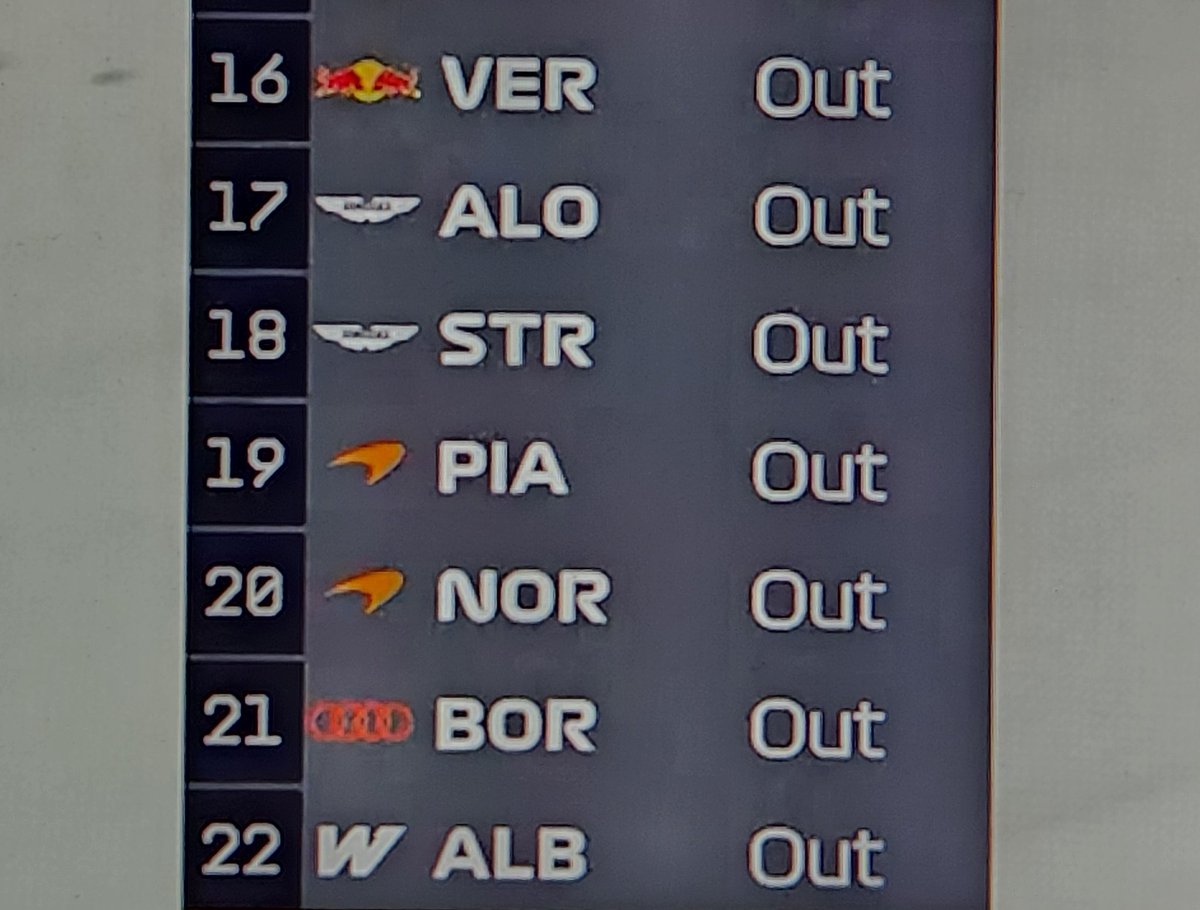
"the regs aren't that bad"
redbully tweet media
English
197
2.8K
33.3K
966.9K
James Goodwin retweetledi
Howard Luks MD
Howard Luks MD@hjluks·
I’ve been an orthopedic surgeon for nearly 30 years, and a few patterns have become impossible to ignore. One is that many musculoskeletal problems in adults aren’t sudden injuries. They’re the moment when declining capacity and awful metabolic health finally reveals itself. Over the decades your strength fades, muscle mass declines, as your aerobic capacity tanks. Tendons and connective tissues lose substance, stiffness, and resilience. For years the body compensated... quietly. Then one day a knee hurts during a run to get the train, or shoulder aches reaching overhead, or a back tightens lifting something simple. At that point the story usually becomes more about structural damage. An MRI gets ordered. Welcome to high-tech, low-medicine. And the MRI almost always finds something. A meniscus tear. A rotator cuff tear. A disc bulge. Why? Because by midlife these findings are extremely common — even in people with no pain at all. If you have a tear in one shoulder, image the other shoulder... you probably have the same tear there. But I digress. Once the scan appears, the narrative changes. The image becomes the diagnosis. Now the patient believes something is broken, and the focus often shifts to fixing what the MRI shows. What often gets lost in this is the reason the symptoms appeared in the first place. Many so-called “atraumatic” orthopedic complaints are not purely mechanical failures. They are the moment when reduced strength, declining tissue capacity, and sometimes broader metabolic health issues finally reach a tipping point. Our tissues change over the decades... get over it. In other words, the MRI didn’t create the problem. Well... it sort of did in this scenario. But all the MRI showed was something that was already there.... because of your age, lifestyle, health and so on. The real driver of symptoms is often loss of physiologic reserve. Less muscle. Less tendon or aerobic resilience. Less tolerance for load, etc. Once the MRI enters the picture, the risk becomes overtreatment. This is probably the number one reason people have surgery. When in many cases the most powerful intervention was never the scan or the procedure. It was rebuilding capacity. Strong muscles stabilize joints. Aerobic fitness improves metabolic health and tissue perfusion. Gradual loading restores tolerance. But people often don't take PT seriously prior to surgery. They often take PT very seriously afterwards. Therefore, PT is probably the reason you feel better, despite the surgery. The irony is that the treatment many people ultimately need is the same thing that might have prevented the problem in the first place. Staying strong. Staying active. Maintaining the reserve that protects our joints/tendons/muscles/abilities as we age.
English
102
279
1.8K
247K
James Noake
James Noake@DrJN_SportsMed·
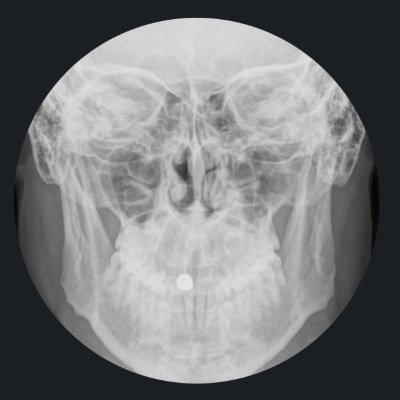
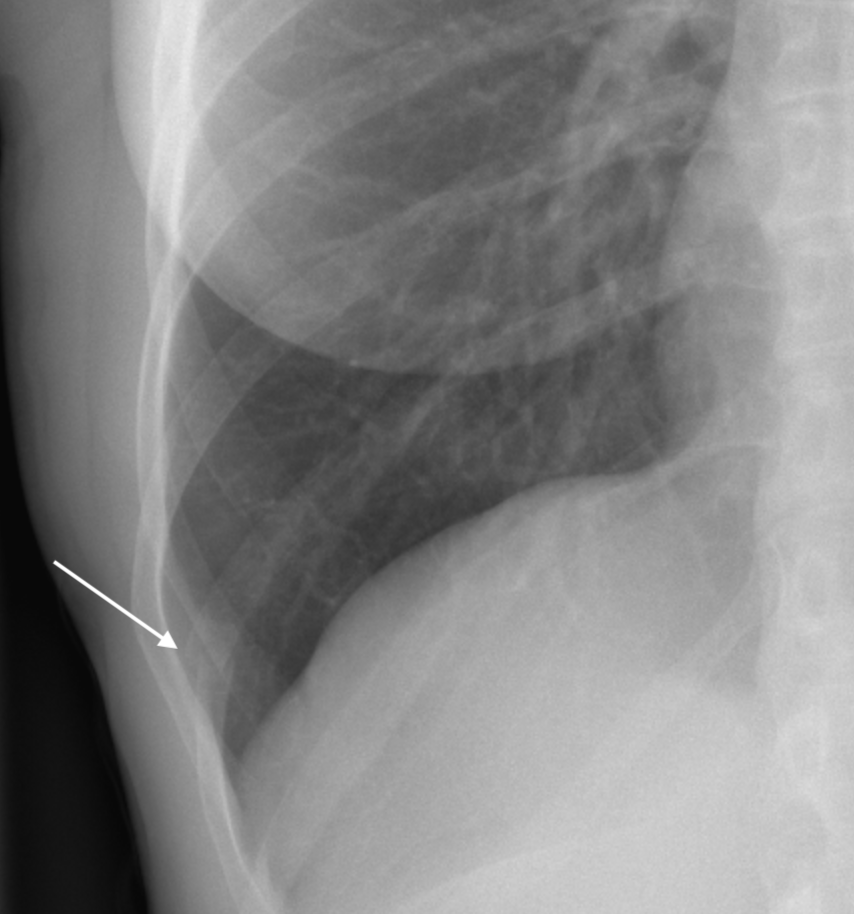
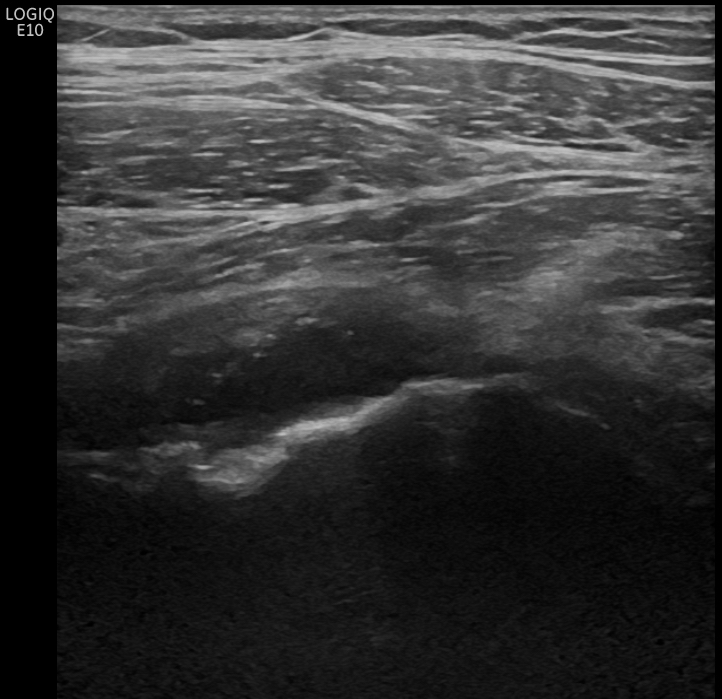
Consent✅ Ex GB rower Now switched to climbing - symptoms remain functionally disabling Diagnosis?
James Noake tweet mediaJames Noake tweet media
English
14
0
32
28.5K
James Goodwin
James Goodwin@Goody_10·
@DrJN_SportsMed Rib stress injuries are a speciality in rowers (rehabbed a lot of them 🙃) Often missed on X-ray as poor sensitivity like other stressies. Our sports med has been using POCUS to pick them up a bit quicker. I guess in this case now no need for MRI as fracture like is clear on US?
English
0
0
6
350
James Noake
James Noake@DrJN_SportsMed·
Consent✅ Female, personal trainer - low body fat % & history of REDS Initially R lower lumbar pain - likely combined facet & discogenic in origin Changed training approach to involve more circuit based training, trunk rotational / abdominal work, mobility drills including foam rolling ++ Symptoms changed to become more diffuse & thoracolumbar - pain around inferoposterior rib margins Was foam rolling with only low force / energy - felt painful pop posterolateral chest wall Tender lump ++ and difficulty with deep inspiration, pain reproduced on springing R sided rib joint segments A&E - no rib fracture reported on x-ray POCUS - panoramic view shows 10th rib fracture with early callus formation Increased power doppler activity Repeat CXR (undertaken to assess ribs more widely for pathological cause of fracture) - R sided fracture confirmed Wider bone health work up warranted eg DEXA - likely this was a developing bone stress injury with final 'failure' & conversion to full fracture
James Noake tweet mediaJames Noake tweet mediaJames Noake tweet media
English
2
5
67
13.3K
James Goodwin
James Goodwin@Goody_10·
@FlySWISS hi I’m trying to use miles and more points to pay for flight bookings but the website won’t let me. I’ve tried changing the currency to CHF and tried inverting the flight bookings that the original flight departs from Zurich but it still doesn’t work!
James Goodwin tweet media
English
3
0
0
123
James Goodwin
James Goodwin@Goody_10·
@DrJN_SportsMed James do you tend to go for CSI or do you also do hydrodilitation? Or does it depend at what stage it’s been caught at?
English
0
0
0
416
James Goodwin
James Goodwin@Goody_10·
@DrJN_SportsMed Seems like a fair decision then as advanced OA changes would have been present longer than the few weeks with BPPV.
English
1
0
0
27
James Noake
James Noake@DrJN_SportsMed·
@Goody_10 mild groin discomfort prior. Couple of weeks with BPPV vertigo.
English
1
0
1
82
James Noake
James Noake@DrJN_SportsMed·
Consent ✅ 90yo female - does exercise classes at residential home, chair pilates etc Super fit No co-morbidities Increasing bilateral groin pain after period of being sedentary with BPPV & now on zimmer frame to mobilise her normal distances - very frustrated POCUS - advanced hip OA with chronic synovitis & effusions Discussed that arthroplasty might be appropriate despite her age given her excellent health & level of conditioning; ortho surgeon in agreement But patient keen to trial CSI initially given the synovitic element - no risk of accelerated OA if the arthropathy is already end stage Pt understands that joint CSI will mean THR can't be done within 6 months.
James Noake tweet mediaJames Noake tweet media
English
6
4
61
6.2K
James Goodwin
James Goodwin@Goody_10·
@astephj1 @DrJN_SportsMed Good plan! Needs lots of posterior chain conditioning without deep hip flexion. Have to be careful with throwing all the rowing sessions towards cross training o the bike as from experience this can agg symptoms too.
English
0
0
2
53
Amanda Stephenson
Amanda Stephenson@astephj1·
@Goody_10 @DrJN_SportsMed 😉 advised offloading, avoiding deep squat and other provocative exs, to see S&C coach to adapt program, rest days required and scan for FAI - back to my old days in football and rugby 😊
English
1
0
2
57
Amanda Stephenson
Amanda Stephenson@astephj1·
Pt elite USA rower 6/12 hip pain following ⬆️ training 6/7 days a week given hip flexor rehab by trainer no improvement 6/12- pain on deep squat lunge FABER+ FADIR+ and rotation to oarside - explained @DrJN_SportsMed tag line INTHF and referred to team doctor for investigations
GIF
English
2
0
1
648
James Goodwin retweetledi
Science of Rowing
Science of Rowing@ScienceofRowing·
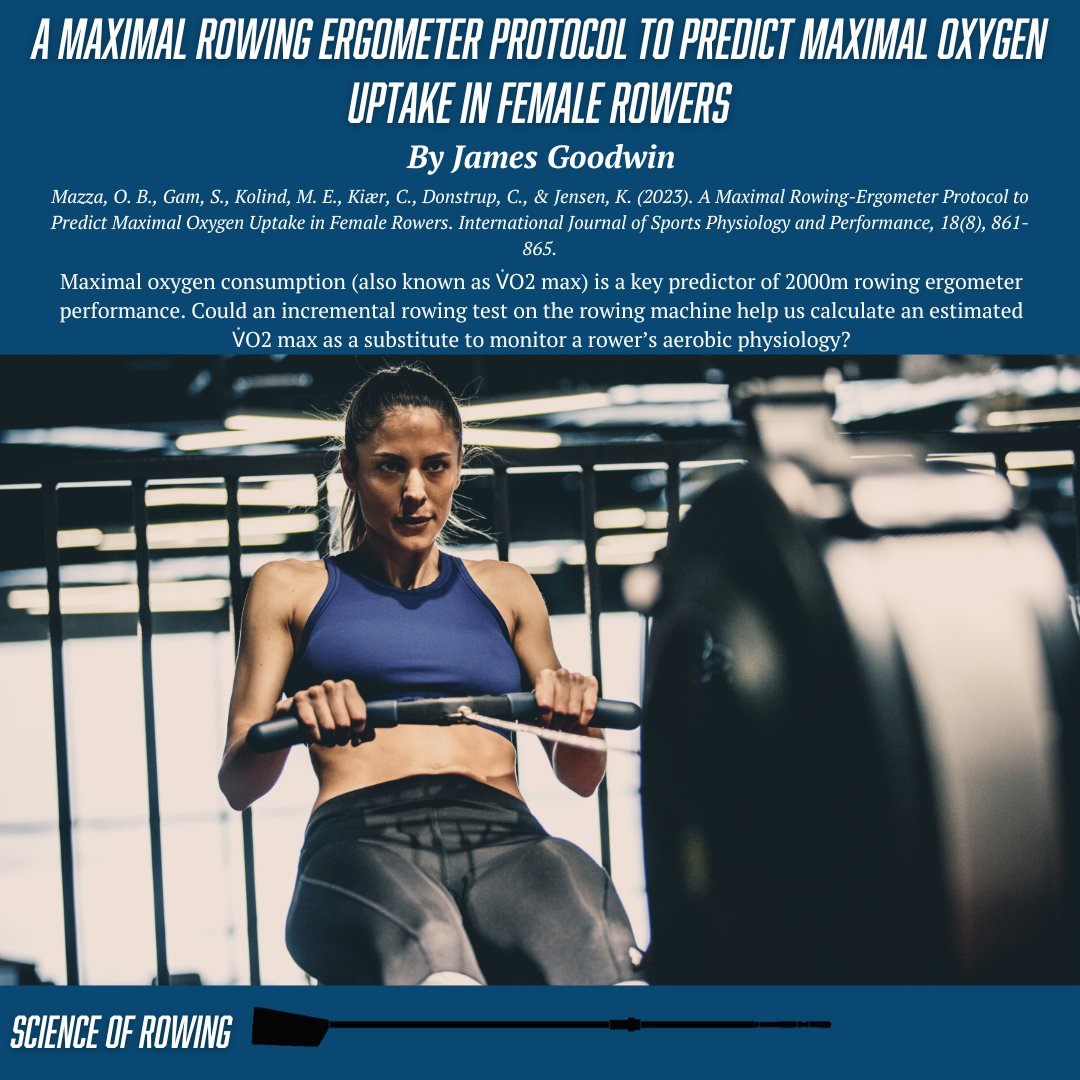
🚣‍♀️ Ready to test your VO2 max? 🧬 In Kurt Jensen's latest research, guest author James Goodwin explains a maximal rowing ergometer protocol designed specifically for female rowers to predict maximal oxygen uptake.
English
1
1
1
190
James Goodwin retweetledi
Science of Rowing
Science of Rowing@ScienceofRowing·
🚣‍♀️ Ready to test your VO2 max? 🧬 In Kurt Jensen's latest research, guest author James Goodwin explains a maximal rowing ergometer protocol designed specifically for female rowers to predict maximal oxygen uptake.
Science of Rowing tweet media
English
1
1
0
172
Felipe Mattioni Maturana, Ph.D.
Felipe Mattioni Maturana, Ph.D.@felipe_mattioni·
glad to share that @exphyslab has been awarded with @AWS startup credits 🎉 massive step forward in improving the platform to help Exercise Physiology students in teaching and research 🚀
English
6
5
41
1.6K