

@magistrabeck wishing you good naps, excellent reading, & swift recovery!
English
Greg Kindall
3.4K posts
@GregoryKindall
non ridere, non lugere, neque detestari, sed intelligere
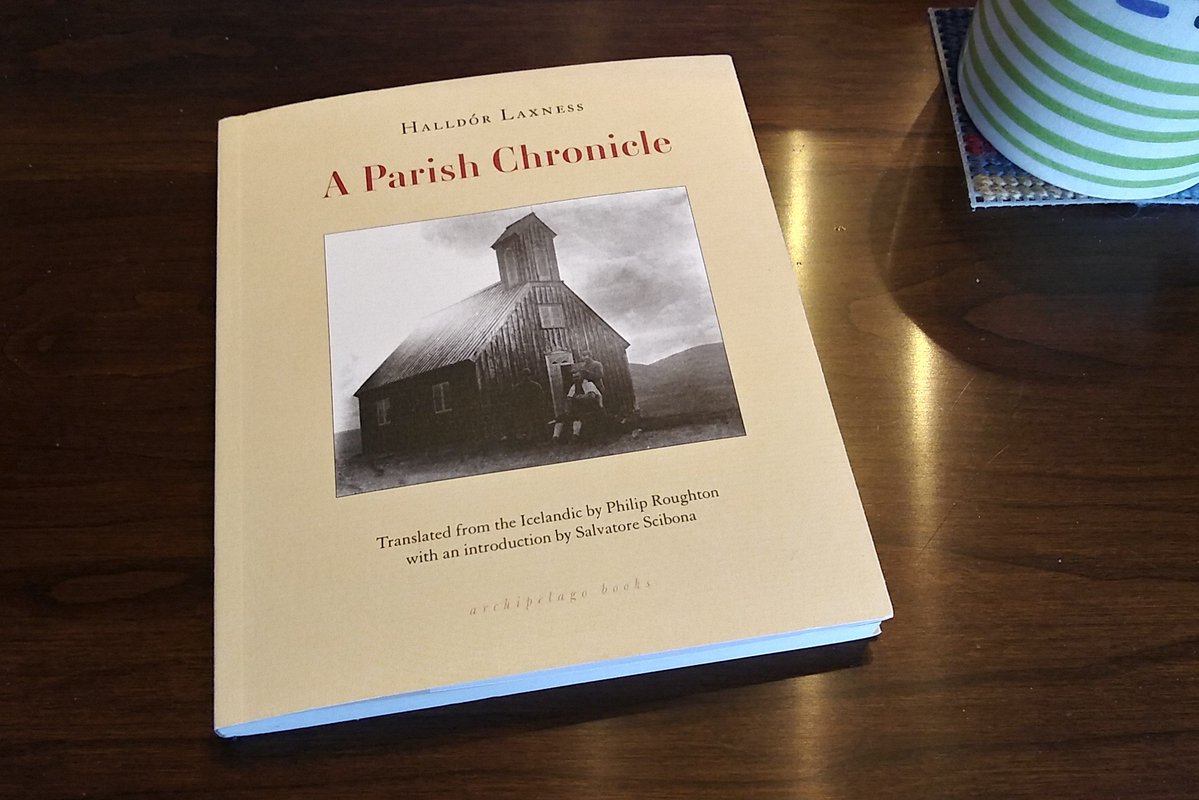

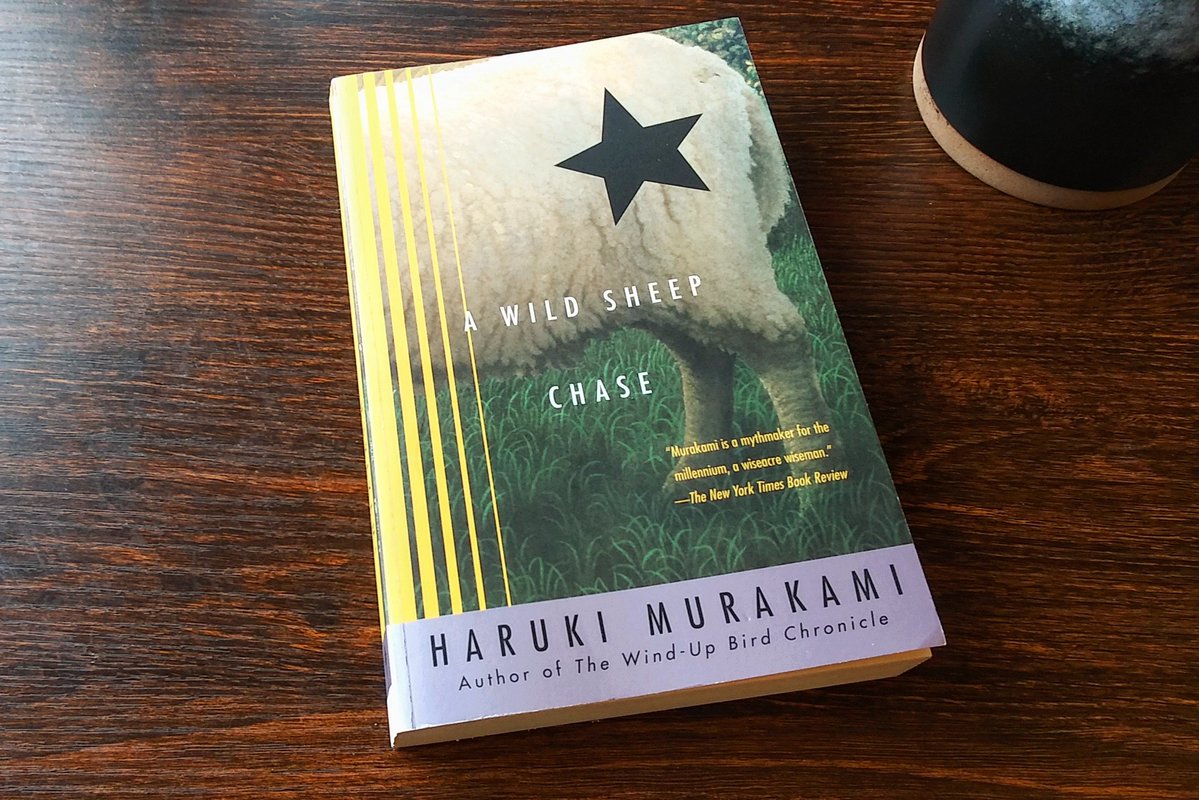
I read Ashantee, by Peter Altenberg (1897; translated by Katharina von Hammerstein, 2007), and Telegrams of the Soul, selections from across PA's career (translated by Peter Wortsman, 2005).
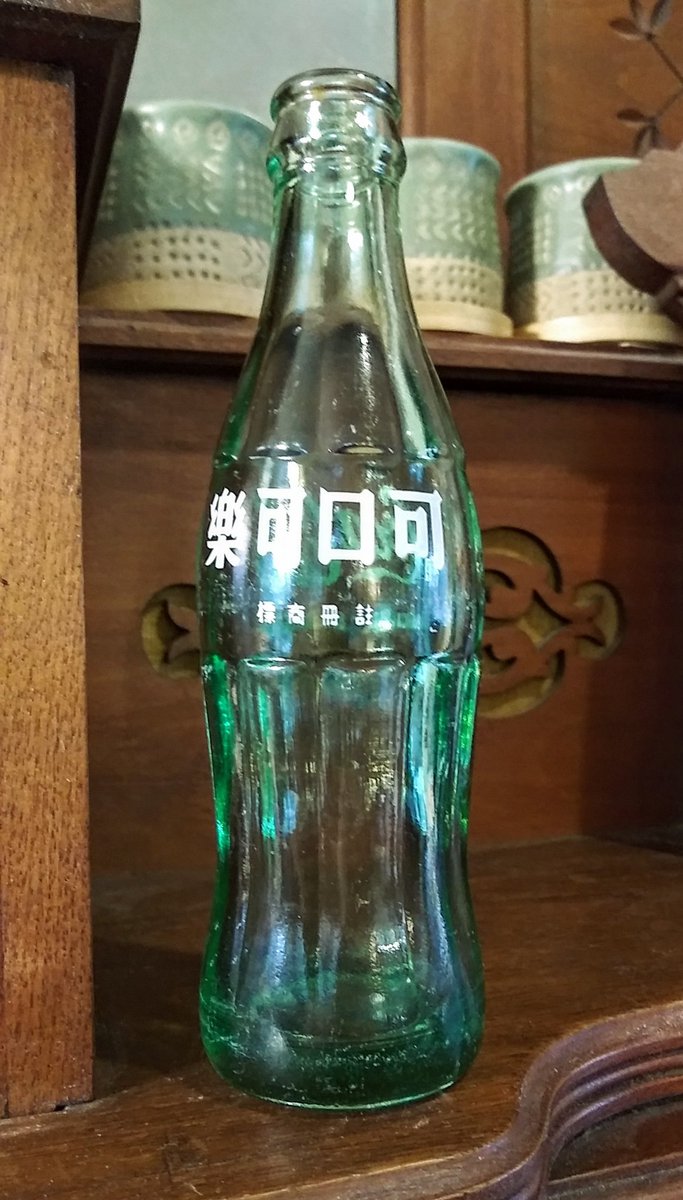
When Coca-Cola entered China in 1927, it arrived without an official Chinese name.... Local shopkeepers stepped in to fill the gap, creating their own phonetic signs that roughly mimicked the sound of "Coca-Cola." Written Chinese has around 40,000 characters, and about 200 of them can produce sounds that approximate "ko-ka-ko-la." Shopkeepers chose characters based on sound alone, with no regard for what those characters actually meant when strung together. The results were disastrous for the brand's image. Some signs translated to "bite the wax tadpole," while others read "female horse fastened with wax" or "wax-flattened mare." These signs spread across Shanghai storefronts before the company had any chance to control its own messaging. Sales were predictably poor, with one account estimating only around 400 bottles sold throughout the entire first year. The company recognized the problem and launched a competition, reportedly offering a 350-pound reward to anyone who could craft a proper Chinese name. A Chinese poet, painter, and calligrapher named Chiang Yee, then living in London, submitted the winning entry. His translation, "Ke Kou Ke Le," used four characters that both approximated the sound of "Coca-Cola" and carried a positive meaning. The phrase translated roughly to "delicious" and "can bring happiness," blending phonetics with genuine cultural resonance. Coca-Cola registered the new name as its official Chinese trademark in 1928. The brand began to recover, and within a few years China had become one of Coca-Cola's largest overseas markets. Bottling plants opened in Shanghai, Tianjin, and Qingdao to meet growing demand. The company even hired a famous Shanghai actress, Yan Lingyu, as a spokesperson, making it one of the earliest examples of influencer marketing in China. Progress halted when Japan invaded China in 1937, severely disrupting business operations across the country. Then, after the Communist revolution ended the Chinese Civil War in 1949, the government banned Coca-Cola entirely, viewing it as a symbol of American capitalism and Western decadence. The brand disappeared from China for three decades. Coca-Cola did not return until 1979, when Deng Xiaoping began opening China to international trade and diplomatic relations with the United States were restored. The company built its first post-revolution bottling plant in Tianjin in 1981, and sales climbed rapidly from there. The Coca-Cola naming disaster in China became one of history's most instructive lessons in cross-cultural brand strategy. It demonstrated that phonetic translation alone is never sufficient when entering a foreign market, because written and spoken languages carry layers of cultural meaning that can make or break consumer trust overnight. The eventual success of "Ke Kou Ke Le" set a template that multinational companies still study today, showing that the right name must balance sound, meaning, and emotional resonance in the target language. The incident also accelerated the use of local cultural advisors and celebrity endorsements in foreign markets, practices that are now standard in global brand launches. Beyond marketing, the story illustrates a broader truth about cultural humility: the brands that succeed across borders are those willing to listen, adapt, and earn their place rather than assume their name alone will carry them. © History Oasis #archaeohistories
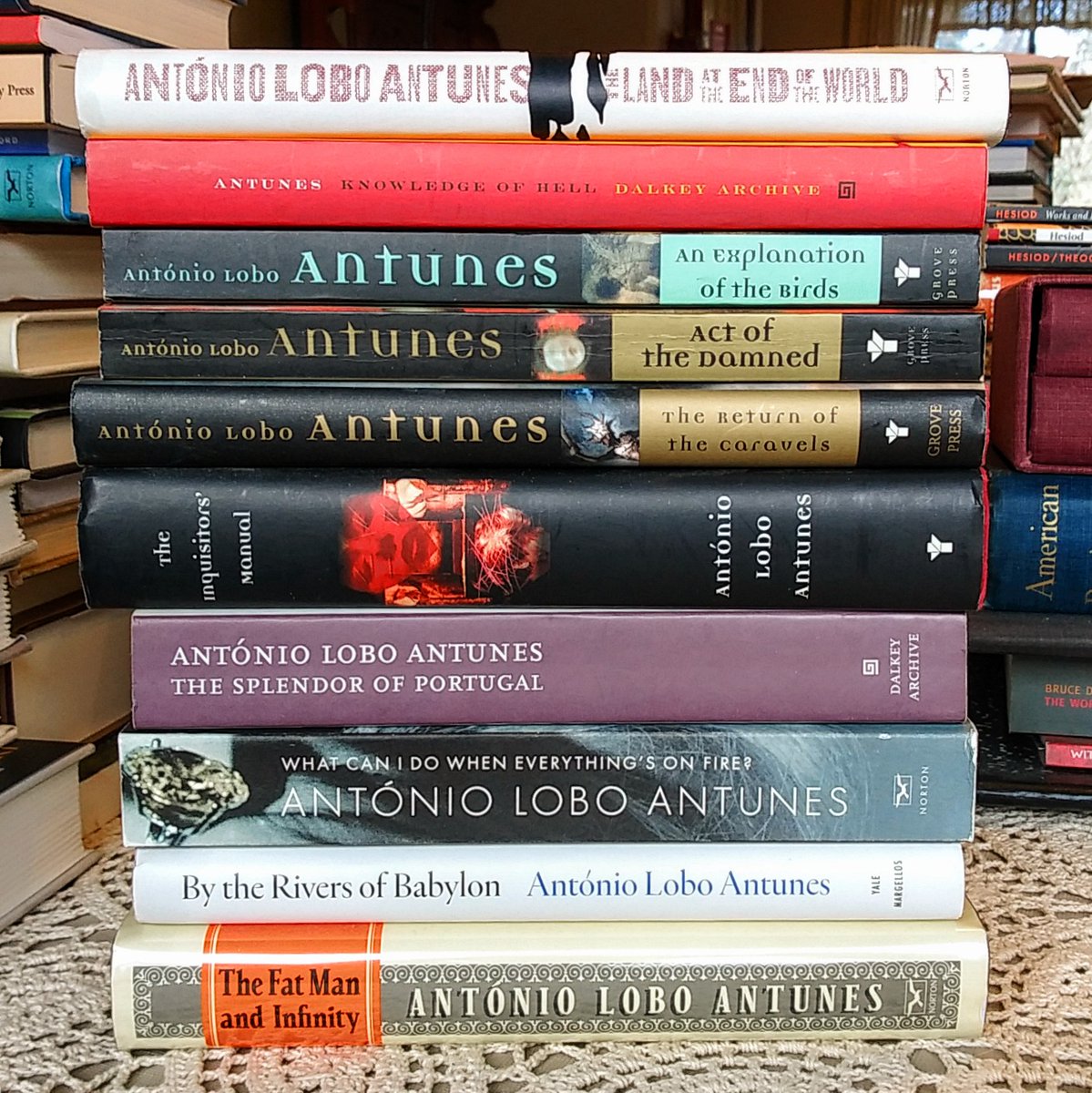
The great Portuguese writer António Lobo Antunes GCSE has passed away at the age of 83. Antunes died in Lisbon, the city where he was born, the site of his psychiatric practice, and the setting for many of his 30+ works. Portugal has declared a national day of mourning.

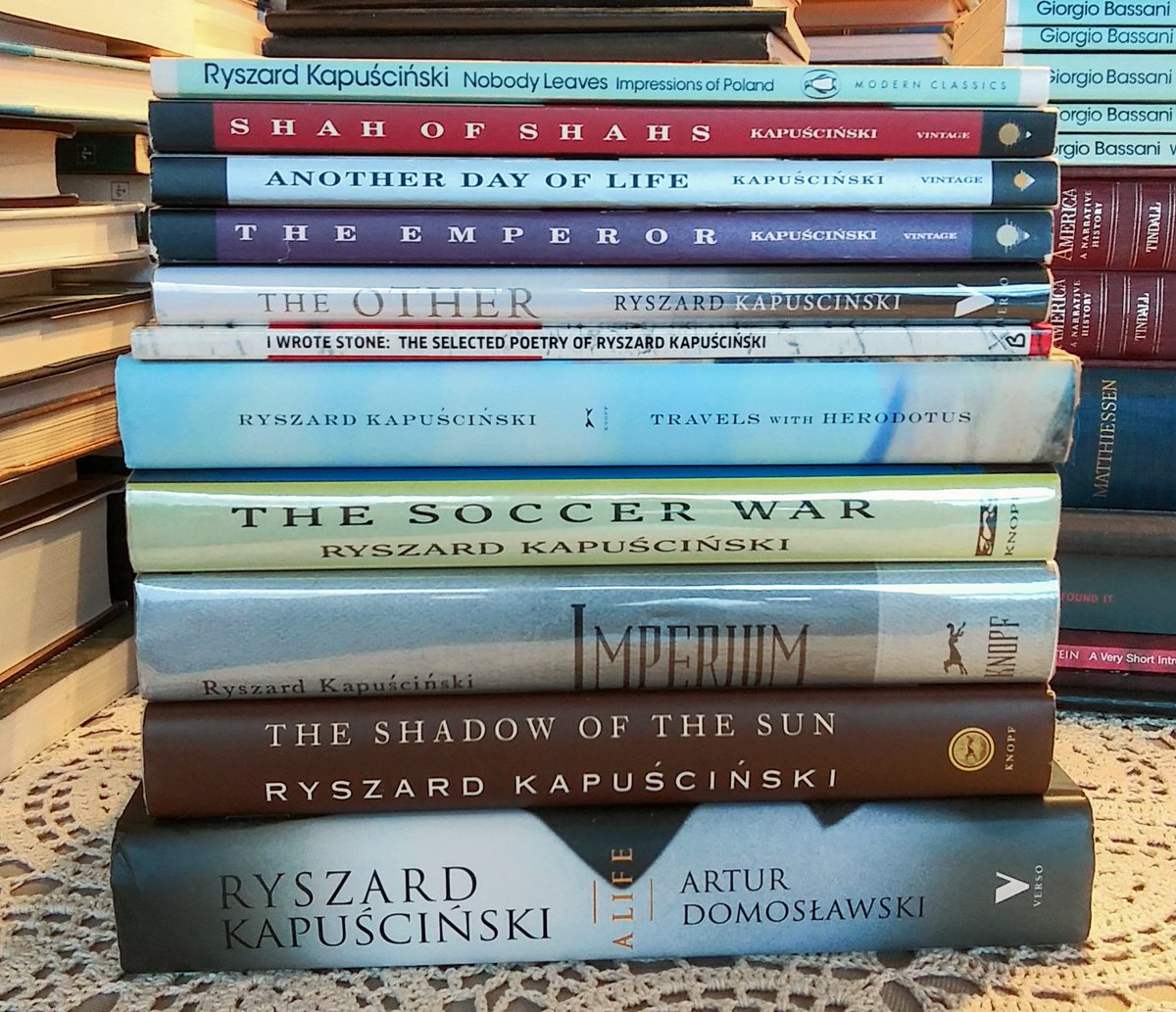
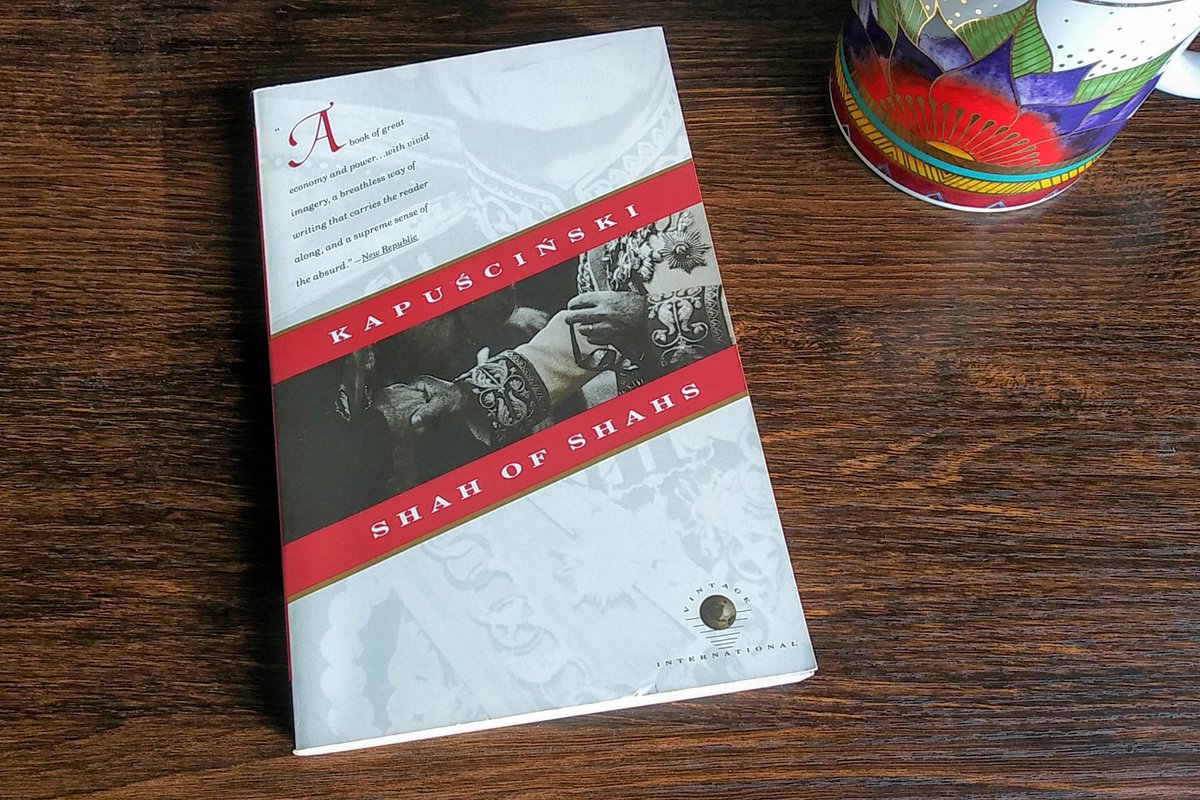
I read 'My Morning Walk' [Spacer poranny], by Ryszard Kapuściński, whose birthday it is (1932). Don't miss his beautiful photographs. This was originally published two days after his death in 2007. Polish text, with English, German, & Spanish translations: archive.org/details/spacer…


