H L U

30.8K posts

H L U banner
H L U

H L U

@H_Lucke

Consultancy MD. Advice on: Airline Ground Operations, Aviation Security, Insider Threat Mitigation, EDD-K9, Critical Infrastructure Vulnerability Assessment.

Belgium Katılım Nisan 2010
3.6K Takip Edilen987 Takipçiler
H L U retweetledi
François Negroni
François Negroni@IAviateur·
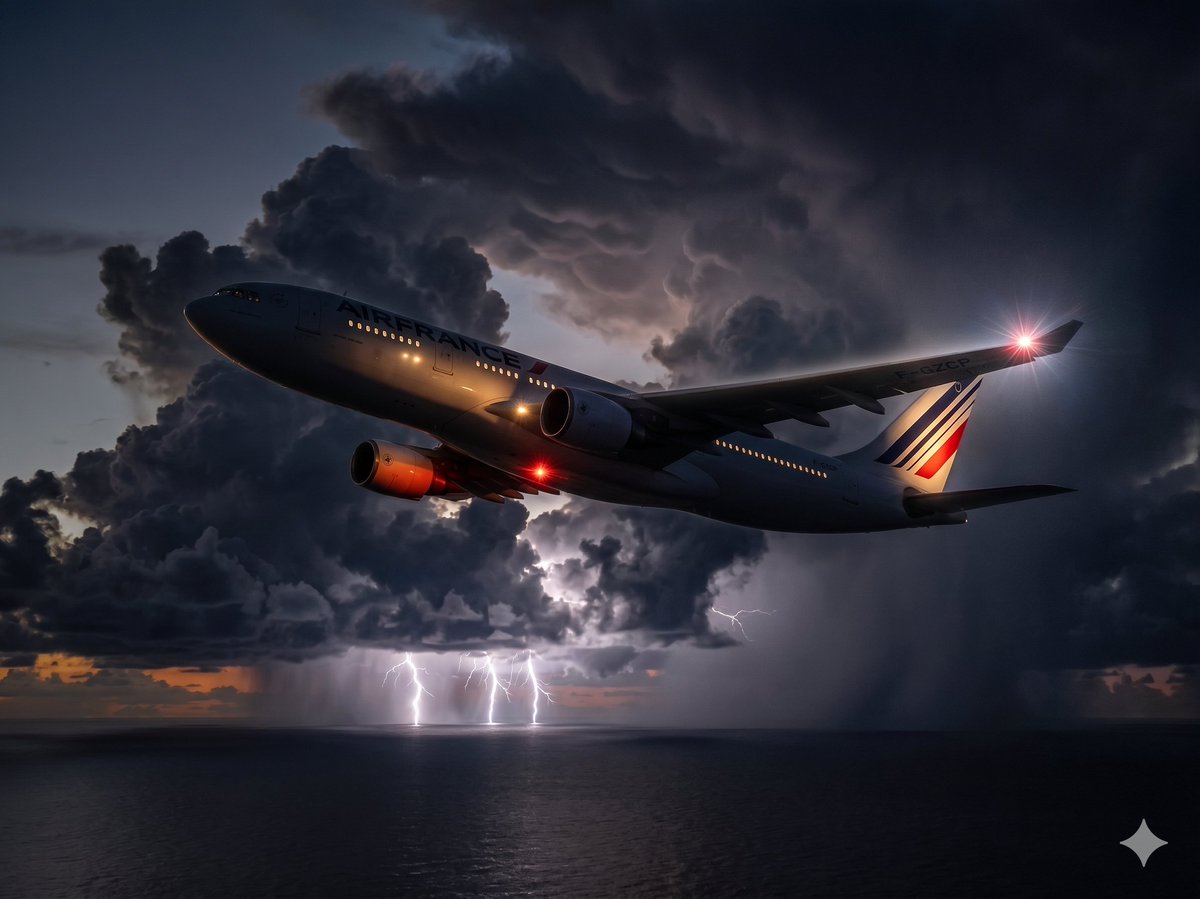
x.com/IAviateur/stat… La cour d'appel de Paris a condamné Air France et Airbus pour homicides involontaires dans l'affaire AF447. Dix-sept ans après la catastrophe. Tout a été écrit sur les pilotes, le givrage des sondes Pitot, l'absence de modèle mental partagé. Très peu sur ce que le système, lui, a fait cette nuit-là. Entre le sidestick et la gouverne de profondeur, il y avait un algorithme : la loi C* avec son intégrateur. Il a accumulé les ordres du pilote, les a transmis à l'autotrim, jusqu'à verrouiller l'avion dans une configuration d'où aucune récupération n'était possible. Le système n'a pas résisté au pilote. Il l'a accompagné, fidèlement, méthodiquement, vers le fond de l'océan. Cet article ne revient ni sur le facteur humain ni sur le verdict. Il pose une question plus technique et plus dérangeante : la part du système. Format long, lecture dense. Mais la mécanique de cette nuit-là ne se laisse pas résumer. #AF447 #Aviation
François Negroni tweet media
François Negroni@IAviateur

x.com/i/article/2057…

Français
5
13
57
9.4K
H L U retweetledi
François Negroni
François Negroni@IAviateur·
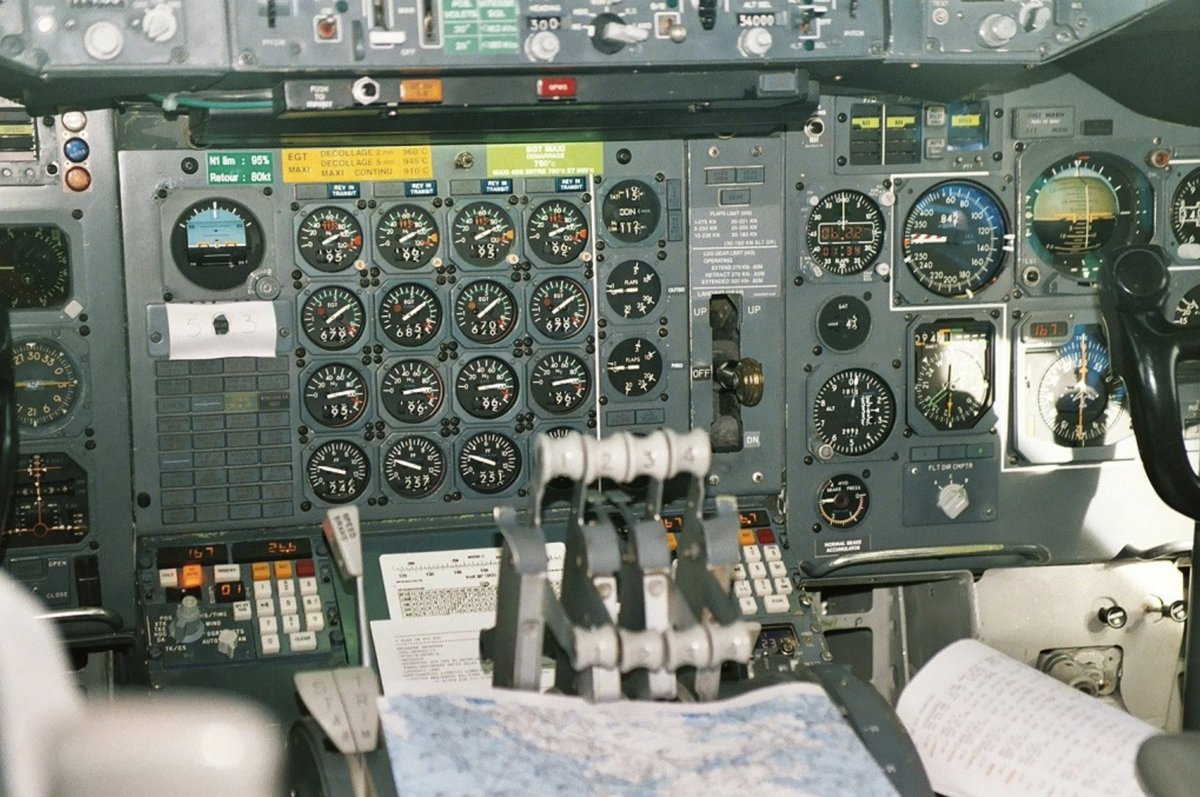
Queen Of The Skies (suite) - Les 747 KSSU ✈️ 1. Deux 747, deux philosophies Posez côte à côte un Boeing 747-200 de KLM et un 747-200 d'Air France. Même date de livraison, même chaîne d'assemblage à Everett, même qualification de type pour les pilotes. Ouvrez les deux portes de cockpit, et vous identifiez la compagnie au premier regard, sans avoir consulté la livrée extérieure. La différence ne tient ni au goût, ni au hasard. Elle traduit deux philosophies industrielles qui ont structuré l'aviation européenne pendant trois décennies. 2. La genèse d'un consortium technique À la fin des années 1960, l'arrivée des gros-porteurs représente un risque financier existentiel pour les transporteurs européens de taille moyenne. Le Boeing 747 et le McDonnell Douglas DC-10 imposent des hangars surdimensionnés, des moteurs de rechange ruineux (GE CF6 ou JT9D), une logistique de pièces sans précédent. Pour les compagnies isolées, l'accès à ces appareils relève de l'impossible. En 1969, KLM, SAS et Swissair fondent le groupe KSS pour uniformiser les spécifications de leurs futurs 747. L'arrivée d'UTA en 1970, alors plus grande compagnie privée française, transforme l'entité en consortium KSSU. Face à eux, le bloc ATLAS (Air France, Lufthansa, Alitalia, Sabena, Iberia) constitue l'alliance concurrente. La logique n'est pas commerciale mais industrielle : mutualiser la maintenance lourde, négocier des spécifications communes auprès de Boeing et McDonnell Douglas, atteindre les économies d'échelle des majors américaines sans procéder à la moindre fusion capitalistique. 3. L'architecture des centres d'excellence Le pilier opérationnel de KSSU repose sur la spécialisation. Chaque membre devient référent industriel exclusif d'un segment de la flotte. Sur les 36 DC-10-30 du consortium, KLM révise l'ensemble des moteurs CF6-50 à Amsterdam, UTA prend en charge les cellules à Roissy, Swissair traite les composants hydrauliques et avioniques à Zurich, SAS assume les groupes auxiliaires de puissance à Stockholm. À l'introduction de l'Airbus A310, Swissair récupère également la maintenance des cellules pour l'ensemble du pool. Cette architecture exige une identité technique absolue : un moteur révisé à Amsterdam doit pouvoir être monté sur un appareil UTA sans aucune adaptation. C'est cette obsession de la standardisation qui produit, par voie de conséquence, la singularité du cockpit KSSU. 4. La rupture des bandes verticales Lors de la commande de leurs 747, les compagnies du consortium retiennent une option Boeing peu adoptée à l'époque : remplacer les cadrans ronds analogiques des paramètres moteurs par des indicateurs à bandes verticales. Quatre bandes empilées par paramètre (N1, EGT, N2, débit carburant), une bande par moteur, regroupées au centre du tableau de bord. Sur les appareils équipés de CF6-50, le N1 remplace l'EPR comme paramètre primaire de poussée. Une précision historique s'impose. KSSU n'invente pas la bande verticale. TWA fut la première compagnie au monde à retenir cette option sur ses 747-131, et la déploya également sur ses Lockheed L-1011. La spécificité KSSU réside ailleurs : avoir transformé un choix individuel en standard de flotte transnational, et l'avoir couplé à un réarrangement complet du panneau autopilote et flight director. Le chef pilote 747 de KLM conduit pour cela l'une des toutes premières études ergonomiques cockpit jamais menées, à une époque où le mot "ergonomie" n'appartenait pas au vocabulaire courant de l'industrie. Les commandes d'engagement du pilote automatique migrent côté droit, les sélecteurs sont repensés, la philosophie du tableau de bord redessinée pièce par pièce. Pendant ce temps, les compagnies ATLAS conservent les cadrans ronds traditionnels, fidèles à la lignée visuelle des 707 et DC-8. 5. Lecture cognitive contre perception immédiate Le choix KSSU n'a rien d'esthétique. Il traduit une bascule épistémologique dans la façon de surveiller un quadrimoteur. Sur un cadran rond, la détection d'une asymétrie inter-moteurs suppose une chaîne mentale en trois temps : lire la valeur, l'interpréter par rapport à une référence attendue, puis la comparer aux trois autres cadrans. L'opération est rapide pour un pilote entraîné, mais elle reste séquentielle, donc coûteuse en charge cognitive. Sur quatre bandes verticales alignées, l'asymétrie devient une information perceptive immédiate. Un curseur décalé par rapport aux trois autres saute aux yeux avant même que la valeur numérique ne soit lue. La détection passe d'une logique de lecture-comparaison à une logique de reconnaissance de motif. Sur un quadrimoteur, où la surveillance comparative entre réacteurs prime souvent sur la lecture absolue d'une valeur, l'avantage est considérable lors d'une panne moteur au décollage ou d'une dégradation progressive d'un paramètre. L'analyste rigoureux notera cependant que la recherche en facteurs humains nuance cet avantage. Les études sur les altimètres et instruments primaires montrent que les présentations à bandes offrent une lecture numérique plus précise mais détectent moins bien les tendances (taux de variation), là où le balayage angulaire d'une aiguille ronde reste très lisible. Le choix KSSU était donc parfaitement adapté à sa fonction, la surveillance comparative inter-réacteurs, sans constituer pour autant une supériorité absolue. 6. Ce qu'il reste Les 747 classiques KSSU ont quitté le ciel. KLM a retiré les siens. La fusion Air France-KLM en 2004 a réuni les héritages de KSSU et d'ATLAS au sein d'un même groupe. SAS a bouclé la boucle le 1er septembre 2024 en rejoignant SkyTeam. Reste l'enseignement. Aucune disposition cockpit n'est neutre. Chaque cadran, chaque bande, chaque agencement de sélecteur traduit une hypothèse opérationnelle, une représentation implicite de ce que pilotes et mécaniciens navigants doivent voir en priorité. KSSU a fait le pari de l'asymétrie inter-moteurs comme paramètre critique de surveillance. ATLAS celui de la lecture stable et familière. Deux philosophies différentes dans deux mètres carrés de tableau de bord. Sources : -Rapport d'Analyse Stratégique : L'Épopée du Consortium KSSU et l'Intégration Industrielle de l'Aviation Européenne, document de travail, 2024. -FundingUniverse, History of The SAS Group. -Forum airliners, TWA 747 Question(s) et Vertical Tapes Vs Round Dials 747-200, témoignages de pilotes et techniciens KLM et TWA. -Wesslen E. P., Young J. P., Pilot Performance: Round Dial and Vertical Tape Altimeters, Purdue University. -IFR Magazine, Round Dials To Tapes. -BOSCHH, KLM Boeing 747 Queen of the Skies. #B747 #QueenOfTheSkies
François Negroni tweet mediaFrançois Negroni tweet media
Français
5
23
150
11.4K
H L U retweetledi
Roderich Kiesewetter🇪🇺🇩🇪🇮🇱🇺🇦
Schonungslose Analyse von General von Sandrart! Er stellt völlig zurecht fest: Berlin ist militärisch heute genauso bedroht wie Tallinn. Es reicht nicht aus, nur eine Brigade nach Litauen zu schicken. Wir müssen den gesamten Ostseeraum um Schweden, Finnland, Polen und das Baltikum endlich als einen unteilbaren Operationsraum begreifen, dessen lebenswichtige Versorgungslinien wir als Führungsnation proaktiv absichern müssen. Um diese immense Aufgabe zu stemmen, brauchen wir zwingend eine völlig andere Wehrpflicht. Das aktuelle Freiwilligenmodell reicht dafür nicht aus. Es generiert am Ende nicht einmal eine verpflichtende Reserve. Wir müssen aus diesen alten Denkschablonen ausbrechen, die Ausbildung etwa durch Reservisten flankieren und vor allem ein echtes, allgemeines Gesellschaftsjahr einführen. Nur so erreichen wir die nötige gesamtstaatliche Resilienz, die auch kritische zivile Sektoren krisenfest macht. Wo ist eigentlich unser Nationaler Sicherheitsrat? welt.de/politik/deutsc…
Deutsch
211
491
1.5K
55.9K
H L U retweetledi
Futurism
Futurism@futurism·
"I don’t think there’s any putting the genie back in the bottle at this point." trib.al/yIuXxhP
English
0
5
2
1.6K
H L U retweetledi
WarDroneX
WarDroneX@WarDroneXX·
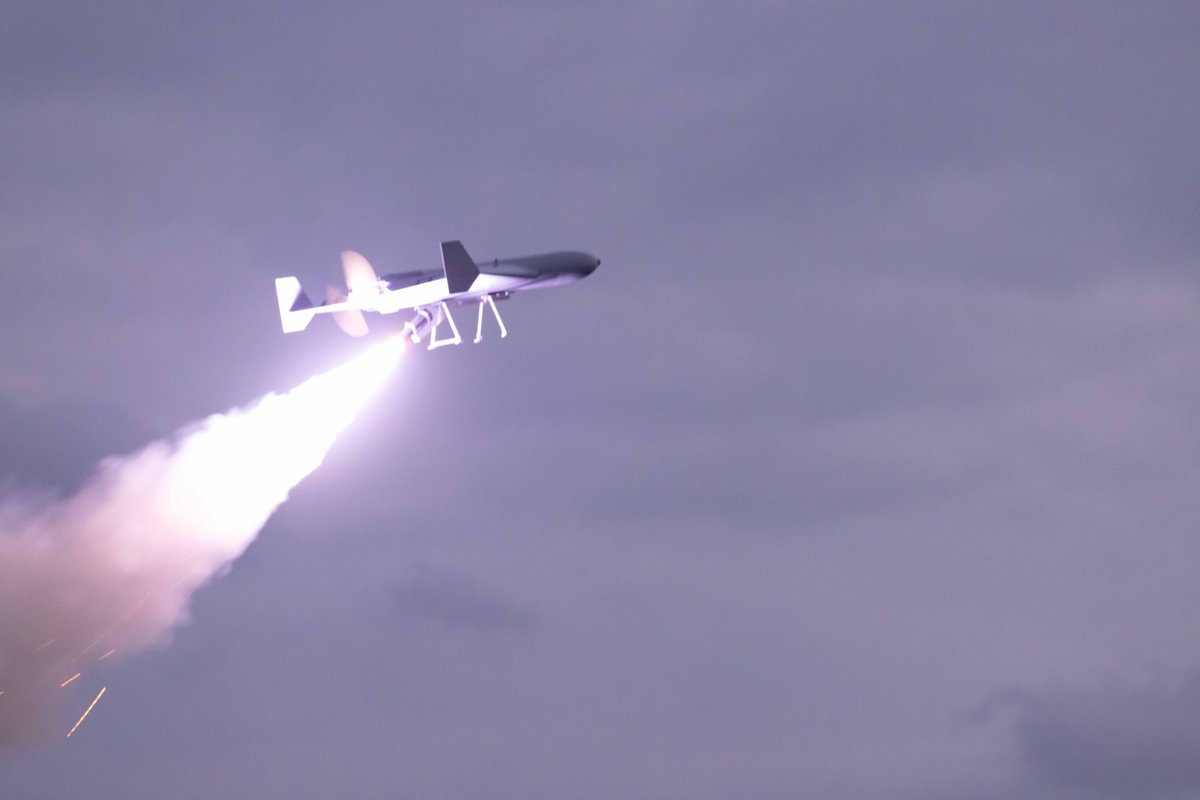
Iran reverse-engineered a downed US RQ-170 in 2011. Built the Shahed-136. Sold it to Russia. The US watched $4M Patriot missiles get fired at $35K drones at a 114:1 cost exchange - bleeding NATO allies in a war of attrition they couldn't sustain. Then America did what America does: it reverse-engineered the reverse engineer. Meet LUCAS. Low-cost Unmanned Combat Attack System. Built by SpektreWorks, an Arizona startup most people hadn't heard of a year ago. Cost per unit: ~$35,000. Payload: ~40 lbs - roughly twice a Hellfire missile. Range: 500 miles. Weight: 180 lbs. Concept to prototype: 18 months. That last number matters. The F-35 took 23 years. Seven months after the Pentagon unveiled it in July 2025, LUCAS flew its first combat missions. February 28, 2026. Operation Epic Fury. IRGC command centers, air defense sites, military airfields. Task Force Scorpion Strike - the first-ever dedicated one-way attack drone squadron in US military history, under SOCOM-Central - executed from USS Santa Barbara (LCS-32) and ground vehicle launchers via catapult and rocket-assisted takeoff. Admiral Cooper put it plainly: "We captured it, pulled the guts out, sent it back to America, put a little 'Made in America' on it, brought it back here and we're shooting it at the Iranians." When asked what targets LUCAS had hit: "Good ones." The system isn't just cheap. It's networked. LUCAS runs Starlink, a MUSIC comms architecture, and autonomous swarm logic - if one drone gets killed, the remaining units redistribute targets on their own. You don't lose the mission when you lose a node. Compare $35K per unit to a $2–2.5M Tomahawk doing the same job. That's a 57x cost advantage on every strike. The IRGC released a statement: "There is no greater honor than seeing self-proclaimed superpowers kneel before an Iranian drone and copy it." It's a good line. Not entirely wrong either. US drone downed → Iran copies it → Iran's copy becomes the defining cheap-attack weapon of the decade → US reverse-engineers the copy and fires it back at Iran. The full circle is almost too neat to be fiction. What is real: the scaling problem. Pentagon CTO Emil Michael - former Uber executive - confirmed current LUCAS inventory is "in the dozens." Col. Nicholas Law says the program is designed for multiple manufacturers and mass production. Pete Hegseth's Drone Dominance memo from July 2025 set the institutional direction. The intent exists. But intent and inventory are different things. Dozens is not a war-winning number. Ret. Rear Adm. Selby framed what actually has to happen: "The future fight will not be decided by who has the most exquisite single platform. It will be decided by who can field, sustain, and replenish distributed autonomous systems faster than the enemy can defeat them." LUCAS is the correct answer to a procurement philosophy that took 40 years to fail visibly. The concept is now combat-proven. The hard part - scale, speed, supply chain - starts now. sources militarytimes.com/news/your-mili… twz.com/news-features/… aerospaceamerica.aiaa.org/use-of-lucas-d… photos from the U.S. Central Command website
WarDroneX tweet mediaWarDroneX tweet mediaWarDroneX tweet media
English
3
2
4
5K
H L U retweetledi
Christiaan Triebert
Christiaan Triebert@trbrtc·
At least 39 energy oil refineries, natural gas fields and other energy sites in 9 countries have been damaged since US and Israel began bombarding Iran, a @nytimes analysis found. Some have been struck by drones. Several have been hit more than once. nytimes.com/interactive/20…
GIF
English
20
1.1K
1.7K
198.8K
H L U retweetledi
Melissa Chen
Melissa Chen@MsMelChen·
Spot on with the Singapore-Dubai parallel - but the stakes are even more explosive than most realize. If the PRC launches its long-planned invasion of Taiwan, it will need to make sure the United States stays out of it. That means it must first neutralize America’s nearest major forward-deployed force which is the US 7th Fleet based in Yokosuka, Japan. We’re talking 60-70 warships, 150-180 aircraft, and over 27,000 personnel. To keep that fleet out of the fight, Beijing would have no choice but to strike Japanese soil and bases preemptively - dragging sovereign Japan directly into the war. Japanese PM Takaichi enraged the Chinese for merely saying that this constitutes a "survival-threatening situation" for Japan and implying that Japan might be drawn into the conflict. The 7th fleet relies on logistics and sustainment from Task Force 73 / Logistics Group Western Pacific which is headquartered in the Republic of Singapore. Singapore’s role as the critical maintenance, resupply, and repair hub for US naval forces in the region makes it Target #2. Just like Iran hit UAE facilities for hosting American support, the PLA would have to take out Singapore’s ports, airfields, and logistics nodes to choke off the flow of fuel, ammo, and spares. In other words, there's a huge potential for a regional cataclysm: direct attacks on Japan and Singapore, the Malacca Strait turned into a war zone, global shipping paralyzed, and the entire US-led alliance structure under fire. The idea that China is pursuing “peaceful development” is hard to believe when you consider its military buildup - hypersonic missiles, carrier-killers, anti-access/area-denial systems - that seem to prepare them to deal with exactly this problem of a regional fight for control and navigation of the seas. Not many people are aware that there are 3,000 active Singapore Armed Forces (SAF) troops on rotational deployments throughout each year in Taiwan. While this is for military training (it's been ongoing since 1975), this could further complicate things for Singapore in a Taiwan conflict scenario. These troops might be trapped or become bargaining chips during a blockade or invasion. Anyway, tl;dr: Singapore likely won't be able to stay out of it as the chokepoint it sits in will probably come into play
Derek J. Grossman@DerekJGrossman

I’m now in Singapore, and I just can’t stop thinking about the uncomfortable parallels between here and Dubai. Both are very modern and considered business and tourism friendly. But both are in dangerous neighborhoods, along strategic choke points, whether the Strait of Hormuz or Strait of Malacca. Whoever controls these channels is of utmost importance during crisis or war. Meanwhile, Iran retaliated against UAE for its US military support, and I can’t guarantee China while invading Taiwan wouldn’t do the same against Singapore for its logistical and maintenance support of US military assets.

English
152
319
1.7K
472.3K
H L U
H L U@H_Lucke·
@IbrahimJalalYE Thanks for continued reporting and analysis! Much appreciated.
English
1
0
1
170
Ibrahim Jalal | إبراهيم جلال
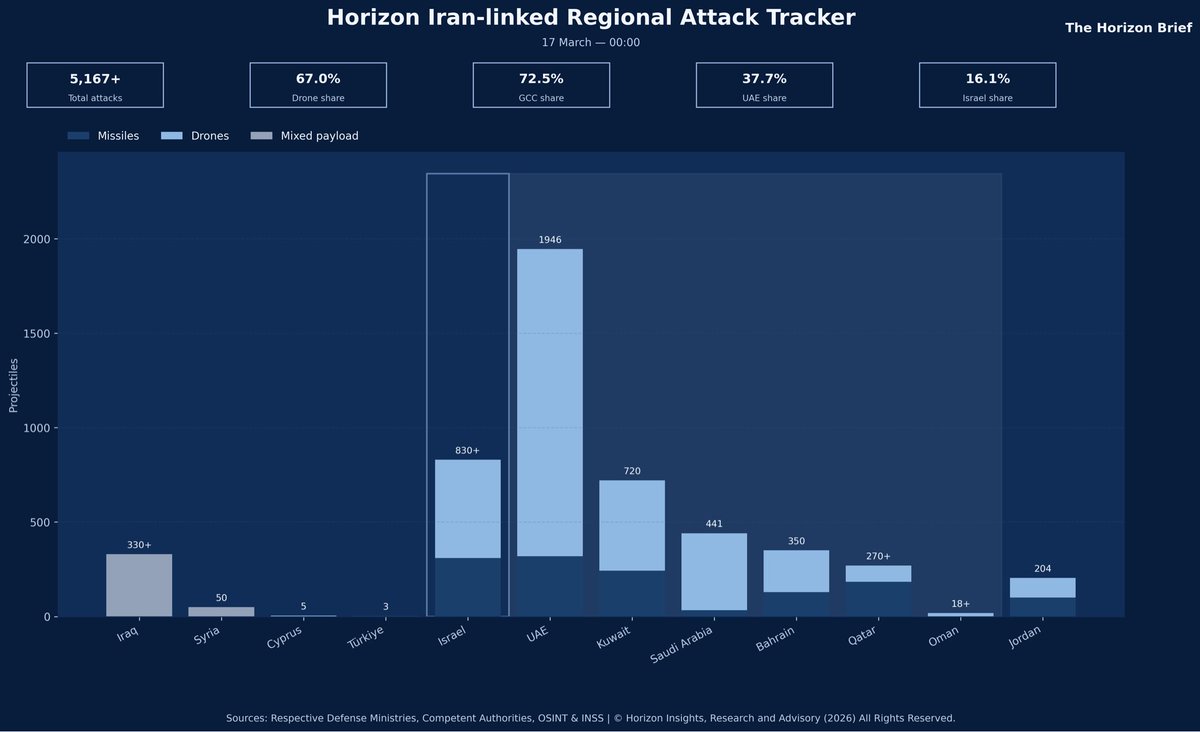
Latest Data on Iran-Linked Regional Attacks | 17 Mar — 00:00 17 days. 5,175+ projectiles. 72% absorbed by the GCC. 🇦🇪 UAE: 319 missiles & 1,627 drones (39.5%) Israel: 310+ missiles & 530+ drones (17%) 🇰🇼 Kuwait: 243 missiles & 477 drones (14.6%) 🇸🇦 Saudi Arabia: 34 missiles & 407 drones (9%) 🇧🇭 Bahrain: 129 missiles & 221 drones (7%) 🇶🇦 Qatar: 184 missiles & 84+ drones (5.5%) 🇯🇴 Jordan: 100 missiles & 104 drones (4%) 🇮🇶 Iraq: 330+ projectiles (6%) 🇸🇾 Syria: 50 projectiles (1%) 🇴🇲 Oman: 18+ drones (0.4%) 🇨🇾 Cyprus: 5 drones (0.1%) 🇹🇷 Türkiye: 3 missiles (0.1%)
Ibrahim Jalal | إبراهيم جلال tweet media
English
3
13
43
48.6K
H L U retweetledi
Ilan Goldenberg
Ilan Goldenberg@ilangoldenberg·
Three weeks into the war with Iran, a number of observations as someone who spent years war-gaming this scenario. 1. The U.S. and Israel may have produced regime transition in the worst possible way. Ali Khamenei was 86 and had survived multiple bouts of prostate cancer. His death in the coming years would likely have triggered a real internal reckoning in Iran, potentially opening the door to somewhat more pragmatic leadership, especially after the protests and crackdown last month. Instead, the regime made its most consequential decision under existential external threat giving the hardliners a clear upperhand. Now we appear to have a successor who is 30 years younger, deeply tied to the IRGC, and radicalized by the war itself – including the killing of family members. Disastrous. 2. About seven years ago at CNAS, I helped convene a group of security, energy, and economic experts to walk through scenarios for a U.S.--Iran war and the implications for global oil prices. What we’re seeing now was considered one of the least likely but worst outcomes. The modeling assumed the Strait of Hormuz could close for 4–10 weeks, with 1–3 years required to restore oil production once you factored in infrastructure damage. Prices could spike from around $65 to $175–$200 per barrel, before eventually settling in the $80–$100 range a year later in a new normal. 3. One surprising development: Iran is still moving oil through the Strait of Hormuz while disrupting everyone else. In most war games I participated in, we assumed Iran couldn’t close the Strait and still use it themselves. That would have made the move extremely self-defeating. But Iran appears capable of harassing global shipping while still pushing some of its own exports through. That changes the calculus. 4. The U.S. now finds itself in the naval and air equivalent of the dynamic we faced in Iraq and Afghanistan. It’s a recipe for a quagmire where we win every battle and lose the war. We have overwhelming military dominance and are exacting a tremendous cost. But Iran doesn’t need to win battles. They just need occasional successes. A small boat hitting a tanker. A drone slipping through defenses in the Gulf. A strike on a hotel or oil facility. Each incident creates insecurity and drives costs up while remind everyone that the regime is surviving and fighting. 5. The deeper problem is that U.S. objectives were set far too high. Once “regime change” becomes the implicit or explicit goal, the bar for American success becomes enormous. Iran’s bar is simple: survive and keep causing disruption. 6. The options for ending this war now are all bad. You can try to secure the entire Gulf and Middle East indefinitely – extremely expensive and maybe impossible. You can invade Iran and replace the regime, but nobody is seriously going to do that. Costs are astronomical. You can try to destabilize the regime by supporting separatist groups. It probably won’t work and if it does you’ll most likely spark a civil war producing years of bloody chaos the U.S. will get blamed for. None of these are good outcomes. 7. The other escalatory options being discussed are taking the nuclear material out of Esfahan or taking Kargh Island. Esfahan is not really workable. Huge risk. You’d have been on the ground for a LONG time to safely dig in and get the nuclear material out in the middle of the country giving Iran time to reinforce from all over and over run the American position. 8. Kharg Island can be appealing to Trump. He’d love to take Iran’s ability to export oil off the map and try to coerce them to end the war. It’s much easier because it’s not in the middle of IRan. But it’s still a potentially costly ground operation. And again. Again, the Iranian government only has to survive to win and they can probably do that even without Kargh. 9. The least bad option is the classic diplomatic off-ramp. The U.S. declares that Iran’s military capabilities have been significantly degraded, which is how the Pentagon always saw the purpose of the war. Iran declares victory for surviving and demonstrating it can still threaten regional actors. It would feel unsatisfying. But this is the inevitable outcome anyway. Better to stop now than after five or ten more years of escalating costs. Remember in Afghanistan we turned down a deal very early in the war with the Taliban that looked amazing 20 years later. Don’t need to repeat that kind of mistake. 10. The U.S. and Israel are not perfectly aligned here. Trump just needs a limited win and would see long-term instability as a negative whereas for Netanyahu a weak unstable Iran that bogs the U.S. down in the MIddle East is a fine outcome. If President Trump decided he wanted Israel to stop, he likely has the leverage to push it in that direction just as he pressured Netanyahu to take a deal last fall on Gaza. 11. When this is over, the Gulf states will have to rethink their entire security strategy. They are stuck in the absolute worst place. They didn’t start this war and didn’t want it and now they are taking with some of the worst consequences. Neither doubling down with the U.S. and Israel nor placating the Iranians seems overwhelmingly appealing. 12. One clear geopolitical winner so far: Russia. Oil prices are rising. Sanctions are coming off. Western attention and military resources are shifting away from Ukraine. From Moscow’s perspective, this war is a win win win. 13. At some point China may have a role to play here. It is the world’s largest oil importer, and much of that supply comes from the Middle East. Yes they are still getting oil from Iran. But they also buy from the rest of the Middle East, and a prolonged disruption in the Gulf hits Beijing hard. That gives China a real incentive to help push toward an end to the conflict.
English
457
2.3K
7.4K
2M
H L U retweetledi
WIRED
WIRED@WIRED·
Frustrated by fragmented war news, Anghami’s Elie Habib built World Monitor, a platform that fuses global data, like aircraft signals and satellite detections, to track conflicts as they unfold. wired.com/story/world-mo…
English
2
14
29
12.1K
H L U retweetledi
Shanaka Anslem Perera ⚡
Shanaka Anslem Perera ⚡@shanaka86·
JUST IN: The United States produces 96 THAAD interceptors per year. Eight per month. Two per week. Iran launched over 500 ballistic missiles in the first week of this war. That arithmetic is the most important classified secret that is not actually classified. It is sitting in Lockheed Martin’s January 29 press release, in the MDA’s budget justification documents, and in the CSIS depletion analysis published in December. Nobody connected the numbers until the war made the connection impossible to ignore. The US Army operates seven active THAAD batteries worldwide. Each carries 48 interceptors across six launchers. Standard doctrine fires two interceptors per incoming ballistic missile. One full battery is exhausted after defending against 24 missiles. Iran launched over 500 in a week. The June 2025 twelve day war consumed approximately 150 THAAD interceptors, roughly 25 to 28 percent of the entire global stockpile, in under two weeks. Two AN/TPY-2 radars have been confirmed damaged or destroyed. The radar at Muwaffaq Salti Air Base in Jordan was struck in the opening days, confirmed by CNN satellite imagery. The radar at Al Ruwais in the UAE was claimed destroyed by Iranian forces. Each AN/TPY-2 costs approximately $500 million and requires years of production lead time. A radar loss does not proportionally reduce coverage. It creates geometric gaps in the overlapping defense zones that remaining batteries cannot compensate for. Subsequent attacks route through those gaps. Total confirmed US equipment damage in the first five days exceeds $1.9 billion, including a $1.1 billion early warning radar in Qatar, the THAAD radars, and aircraft. On January 29, Lockheed Martin signed a framework agreement with the Department of Defense to quadruple THAAD interceptor production from 96 to 400 per year. The timeline to reach full production rate is seven years. The year 2033. The bottleneck is not funding. It is physics. THAAD interceptors require specialized solid rocket motors shared across PAC-3, SM-3, and PrSM programs. Seeker heads are manufactured at an estimated maximum of 500 per year. Component lead times run 12 to 24 months. A THAAD interceptor ordered today arrives around 2030. The war is consuming interceptors in weeks. The production system replaces them in years. That gap is not a logistics problem. It is a structural vulnerability in the architecture of American military power that every adversary on earth can now quantify. China is watching. The batteries defending Guam and South Korea are the same finite inventory being depleted in the Gulf. Every interceptor fired at an Iranian missile tonight is unavailable for a Chinese missile tomorrow. The Pacific and the Gulf share a single ammunition supply. They cannot both be defended at current production rates against simultaneous threats. The @AFpost claim that half the global THAAD systems are lost is not verified. What is verified is worse. The radars are being destroyed at $500 million each. The interceptors are consumed at rates the production line cannot match for seven years. And the solution arrives in 2033. The war is eight days old. The production ramp is 2,555 days long. Price the gap. open.substack.com/pub/shanakaans…
Shanaka Anslem Perera ⚡ tweet media
AF Post@AFpost

The US has lost half of its global THAAD missile defense systems. The US is supposed to have more THAAD defense systems stationed in Guam and South Korea, though Trump has recently diverted interceptor munitions to missile systems that are no longer operational. Trump may continue to redeploy critical assets from the Pacific Theatre to defend the Gulf states and Israel. Follow: @AFpost

English
137
886
2.5K
371.2K
H L U retweetledi
Kasper Goossens
Kasper Goossens@kaspergoossens·
Soms zegt een beeld meer dan duizend woorden.
Kasper Goossens tweet media
Nederlands
23
36
194
17.6K
H L U retweetledi
Flightradar24
Flightradar24@flightradar24·
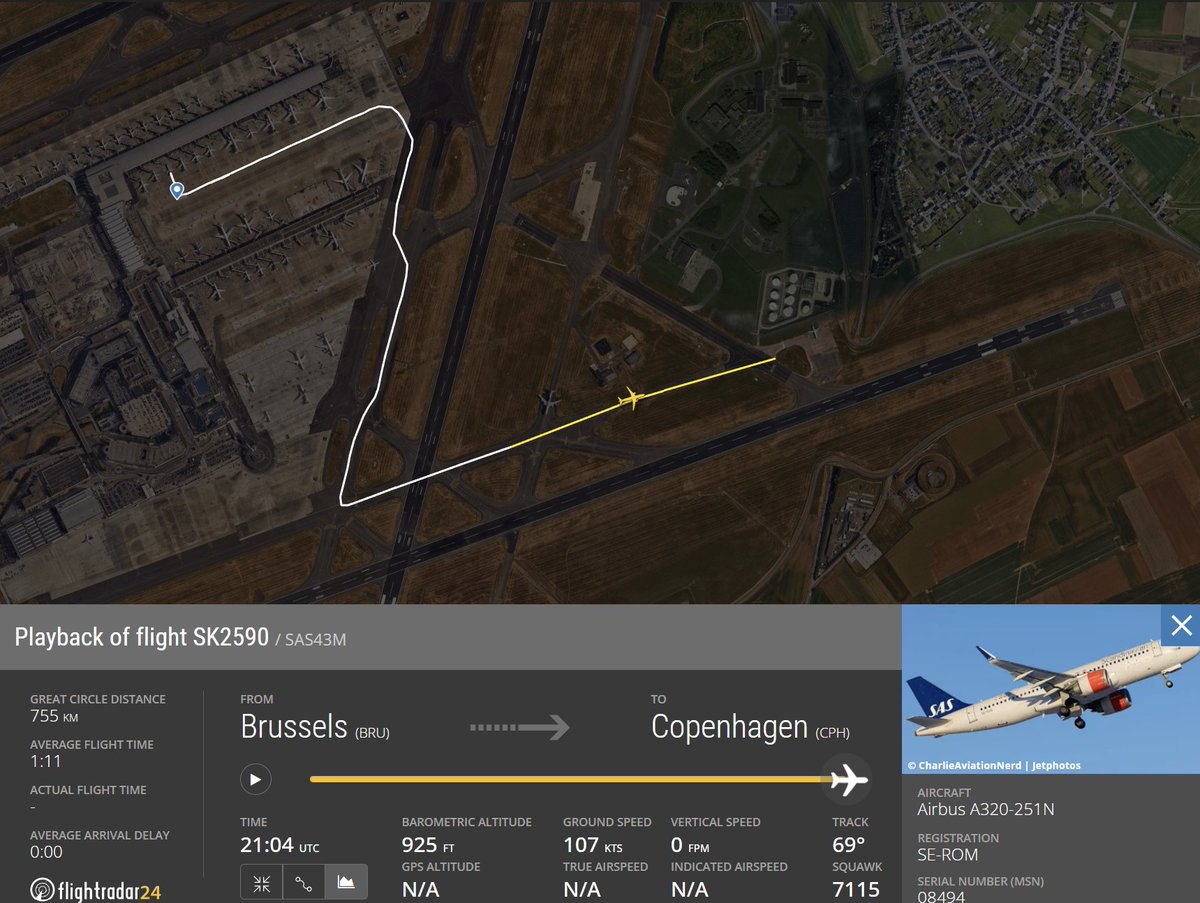
ADS-B data suggests that SAS flight #SK2590 attempted a take off from a taxiway at Brussels Airport, reaching a top speed of 107 kts before stopping.
Flightradar24 tweet media
English
82
140
1.9K
445.5K
H L U retweetledi
Visioner
Visioner@visionergeo·
‼️‼️🇩🇪 #BREAKING: Two shipyard workers have been arrested of attempting to sabotage multiple German navy warships in Hamburg, Germany. A 37 year old Romanian and a 54 year old Greek have been detained by the German authorities. German outlet The Bild reports the "men poured corrosive material into a warship's engine block, punctured freshwater pipes, removed fuel tank caps, and disabled electrical safety switches on the vessels."
English
177
999
5K
475.1K
De Tijd
De Tijd@tijd·
De onzichtbare hand | Wat de Luftwaffe al begreep over status als een prikkel #Echobox=1769797862" target="_blank" rel="nofollow noopener">tijd.be/opinie/column/…
De Tijd tweet media
Nederlands
2
0
0
1.1K