

mostafa hail
23.1K posts


@Jamal_Atamimi هل يعقل هذا؟!
لو صحت الأخبار فالإرهابيون المجوس ليسوا مجانين فحسب بل مخانيث ومماحين
العربية

وذكرت وسائل الإعلام الرسمية, أن إيران طالبت بتعويضات من السعودية والإمارات وقطر والبحرين.
.
The Spectator Index@spectatorindex
Iran has demanded compensation from Saudi Arabia, the UAE, Qatar and Bahrain, according to state media.
العربية
ناقلتا نفط تعودان أدراجهما فور بدء الحصار البحري الأمريكي، وفق بيانات AIS.
وعادت الناقلة "ريتش ستاري" مسجلة في (مالاوي) أدراجها بعد ٢٠ دقيقة من مغادرة ميناء #الشارقة متجهة إلى الصين، بينما انعطفت ناقلة "أوستريا" مسجلة في (بوتسوانا) فورا.
.
The Hormuz Letter@HormuzLetter
BREAKING: Two oil tankers executed 180-degree turns at the Strait of Hormuz within minutes of the US naval blockade taking effect, per MarineTraffic AIS data and CBS News. The Rich Starry, flagged in landlocked Malawi, turned back approximately 20 minutes after the blockade began. The vessel had departed Sharjah Anchorage in the UAE with a signalled destination of China. The Ostria, flagged in landlocked Botswana, turned around at the same time as the blockade went into effect.
العربية
أثبتت البنية التحتية النفطية في #السعودية
مرونتها:
تصدر المملكة حاليا نحو ٤ ملايين برميل يوميا من من محطات #ينبع أي أربعة أضعاف المستويات المسجلة في نهاية فبراير.
وفي أواخر مارس، بلغت شحنات النفط الخام عبر خط الأنابيب الممتد على مسافة ٧٤٦ ميلًا، ٤،٥ مليون برميل يوميا.
ويأتي هذا على الرغم من هجوم مسيرة الأسبوع الماضي، والذي ألحق أضرارا بإحدى محطات الضخ الإحدى عشرة، ما أدى إلى انخفاض الإنتاج بنحو ٧٠٠ ألف برميل يوميا.
وقد أعادت السعودية منذ ذلك الحين تشغيل خط الأنابيب بكامل طاقته البالغة ٧ ملايين برميل يوميا، حيث يستهلك نحو مليوني برميل محليا، ويتوفر ما يصل إلى ٥ ملايين برميل للتصدير.
ويعد خط الأنابيب شرق_غرب الآن أهم المسارات البديلة لتصدير النفط الخام، متجاوزا مضيق هرمز.
.
The Kobeissi Letter@KobeissiLetter
Saudi Arabia's oil infrastructure is proving resilient: Crude exports from Yanbu terminals are running at ~4.0 million barrels per day, 4 times the levels seen at the end of February. In the last days of March, shipments along the 746-mile pipeline that carries crude from eastern oil fields to the Red Sea coast were as much as 4.5 million barrels per day. This is despite a drone strike last week that damaged one of 11 pumping stations, reducing throughput by ~700,000 barrels per day. Saudi Arabia has since restored the pipeline to its full capacity of 7 million barrels per day, with ~2 million consumed domestically and up to 5 million available for export. The pipeline is now the most significant alternative route for crude exports, bypassing the Strait of Hormuz. Saudi Arabia is ramping up oil exports.
العربية
حذر البنك المركزي الإيراني الرئيس بيزشكيان من أنه ما لم تتغير الأوضاع الراهنة بسبب الحرب، سيصل التضخم إلى ١٨٠% ومليوني شخص عاطلين عن العمل.
وأن الأضرار الاقتصادية ستستغرق ١٢ عاما للتعافي.
.
Meir Javedanfar Ph.D.- מאיר ג'בדנפר@MeirJa
According to @IranIntl, the #Iran central bank has warned President Pezeshkian that unless the current conditions change, because of the current war, inflation will reach 180% and 2 million people will become unemployed. The report adds that the economic damages will take 12 years to repair. The governor of Iran's central bank has advised the government to come to an agreement with the U.S. and lift internet restrictions. iranintl.com/202604139767
العربية
"ضبطت #ماليزيا ناقلتين نفطيتين متلبستين بنقل النفط بشكل غير قانوني بين السفن في مضيق ملقا، وهي نفس المياه التي يتم فيها تداول النفط الخام الروسي والإيراني سراً.
الولايات المتحدة تحاصر مضيق هرمز، وماليزيا تنظف الممرات الخلفية،
يواجه أسطول الظل أسبوعاً عصيباً."
.
Mario Nawfal@MarioNawfal
🇲🇾 Malaysia just seized two tankers caught doing illegal ship-to-ship oil transfers in the Malacca Strait, the same waters where Russian and Iranian crude quietly changes hands out of sight. The U.S. blockades Hormuz. Malaysia cleans up the backdoor. The shadow fleet is having a very bad week.
العربية
@Jamal_Atamimi بعض الصحفيين مجرد أدوات تصنع الأخبار وتلفقها لمصلحة الممولين وهذا يفقدهم المصداقية والحياد
العربية
كل شيء في هذا التقرير يأتي من مصادر مجهولة،
'مسؤولين إقليميين'
'مسؤولين عرب' الخ.
يكفي أن تعلم أن كاتبته هي سمر سعيد.
.
The Wall Street Journal@WSJ
Saudi Arabia is pressing the U.S. to drop its blockade of Hormuz, fearing President Trump’s move to close it off could lead Iran to escalate and disrupt other important shipping routes on.wsj.com/4efSCxe
العربية
@Jamal_Atamimi لا تزال الصين تقدم هاجس الرعب من أمريكا على مصالح مهمة تربطها بدولنا العربية
العربية
#الصين #الخليج
x.com/i/status/20436…
Dr. Cinzia Bianco@Cinzia_Bianco
@glcarlstrom It is not about discounted oil indeed. For China it’s strategic partnership with Iran is about hurting the US which is their first priority, and far more important than GCC, as shown is this war too. Gulf monarchies very disappointed with Beijing.
QME
@Jamal_Atamimi الصين تعيش رعبين
رعب تأهلها لدخول نادي الكبار العالمي عسكريا ما يلقي بظلال مخيفة لمواجهات ليست كفؤة لخوضها
ورعب أن تتفرغ الولايات المتحدة الأمريكية لها فلو تفرغت لها فالصين ليست الند للولايات المتحدة على أي حال
العربية
@Jamal_Atamimi قاليباف ياهو وعراقتشي كاتس إطلاعات موساد
هههههههه 🤣🤣
العربية
بدأ تلميع قاليباف!
ديفيد إغناتيوس، صحيفة واشنطن_بوست:
أثار قاليباف إعجاب الفريق الأمريكي بوصفه 'مفاوضاً بارعاً ومحترفاً، وقائداً محتملاً لإيران جديدة'.
.
Clash Report@clashreport
Iran's Parliament Speaker Ghalibaf had impressed the American team as a “refined and professional bargainer, and potential leader of a new Iran.” Source: David Ignatius, WaPo
العربية
@Jamal_Atamimi هل هذا تسريب لتتقبل بيئة نظام الحوزات الإرهابي بالأمر الواقع
العربية
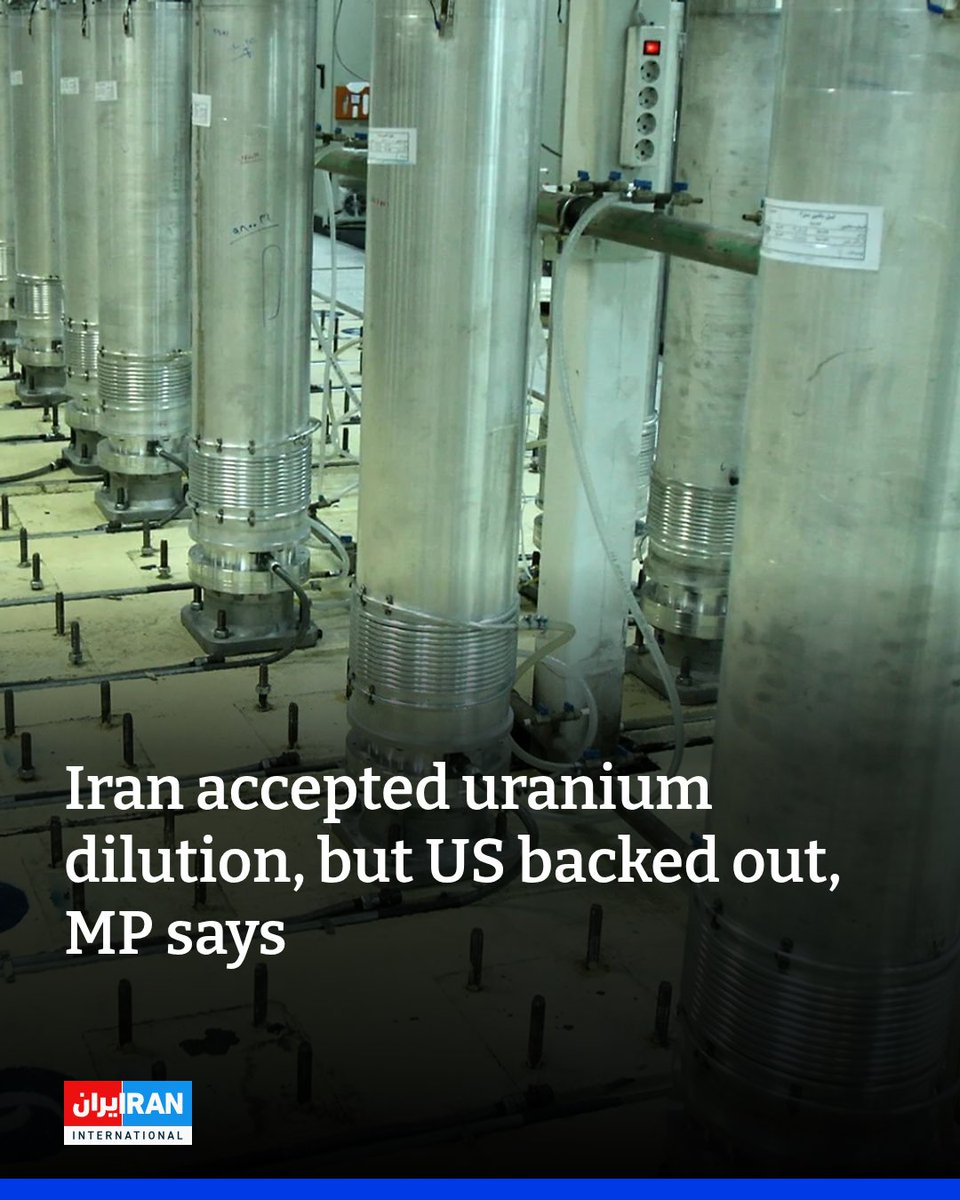
قال نائب إيراني بارز، إن طهران وافقت على تخفيف
٤٥٠ كيلوغراماً من اليورانيوم المخصب كبادرة حسن نية، لكن الولايات المتحدة تراجعت لاحقاً.
وصرح علي نيكزاد، نائب رئيس البرلمان، بأنه كان من المفترض تشكيل تحالف داخل إيران لتخفيف اليورانيوم بمشاركة الولايات_المتحدة
و #السعودية.
.
العربية
@Jamal_Atamimi سيتم تدميرها بالجملة وبالتحزئة ثم تحاصر البنى التحتية والمصانع والمواد الأولية لضمان إعادة إنتاجها
العربية
"يغيب (ذكر) برنامج الصواريخ الإيراني عن جميع التقارير المتعلقة بمفاوضات إسلام آباد، وعن الروايات اللاحقة لموقف الولايات المتحدة التفاوضي."
؟؟!!
Gregory Brew@gbrew24
Absent from all reporting on the Islamabad discussions, and from subsequent accounts of the US negotiating position, is Iran's missile program. Before the war, the US was demanding Iran put limits on the amount and range of its ballistic missiles. Have those demands been dropped?
العربية
@Jamal_Atamimi آمل أن يصل إلى موعد يستحق غضبه على نظام الحوزات الإرهابي الفارسي
العربية
ترامب يبث مباشرة من المكتب البيضاوي، ويحدد مهلة جديدة مدتها أسبوعان لإيران للتوصل إلى اتفاق، محذراً من أن الوضع 'لن يكون ساراً' إذا لم توافق إيران بحلول ٢٧ أبريل.
العربية
العربية

@Grayspot_ @bravo_alfaromeo @Jamal_Atamimi ميزة ترمب انه الاقل تأثر بالسرديات الثقافية عن الحضارة الفارسية ، فلا يحمل لها أي تقدير خاص ولا يراها كدولة عميقة تاريخيا يمكن دمجها في النظام الدولي .. لا يعنيه الامر ابدا .. ولا يرى في نظامها إلا مجموعة من المهاويس المشاغبين
العربية
"يعد قرار الحرس الثوري بتسليح مضيق هرمز من بين أخطر الأخطاء التي ارتكبها النظام في تاريخه.
توقعت إيران نتيجتين من استراتيجية هرمز:
١) صدمة اقتصادية عالمية شديدة بما يكفي لإجبار واشنطن على التراجع.
٢) استغلال الاضطرابات في المضيق لزعزعة التحالف بين واشنطن وحلفائها في الخليج العربي، على أساس أن العمليات العسكرية الأمريكية تكبد الاستقرار الإقليمي ثمناً باهظاً.
ما أغفله الحرس الثوري الإيراني هو حجم الدين السياسي الذي تراكم عليهم في جميع أنحاء العالم العربي.
عززت دول الخليج العربي الموقف الأمريكي بشكل مباشر، ولم يتحقق المكسب السياسي الذي افترضته طهران .."
Hudson Institute@HudsonInstitute
The IRGC's decision to weaponize the Strait of Hormuz ranks among the most consequential miscalculations in the regime's history. Iran anticipated two outcomes from the Hormuz strategy: 1. A global economic shock severe enough to force Washington to back down 2. To use disruption in the Strait to fracture the alignment between Washington and its Gulf partners, demonstrating that American military operations imposed an unbearable cost on regional stability What the IRGC failed to account for was the weight of the political debt it had accumulated across the Arab world. The Gulf States reinforced the American posture directly, and the political dividend Tehran had assumed would follow from economic disruption never materialized. In the IRGC's misery there is Washington's opportunity. Properly leveraged, Trump's blockade could unlock a broader regional consolidation, @zriboua writes. Read in @TheFP: thefp.com/p/iran-needs-t…
العربية
خسائر #إيران من الحصار:
- سيكبد الحصار البحري خسائر في الصادرات تقدر بنحو 276 مليون دولار يوميا، وسيعطل واردات بقيمة 159 مليون دولار يوميا، ما يشكّل ضررا
إجماليا يقدّر بنحو 435 مليون دولار يوميا، أو
13 مليار دولار شهريا.
- يمر عبر الخليج العربي أكثر من 90% من تجارة إيران السنوية البالغة 109.7 مليار دولار. ويمثل النفط والغاز 80% من عائدات الصادرات الحكومية و23.7% من الناتج المحلي الإجمالي. وتدر جزيرة خرج وحدها نحو 53 مليار دولار سنويا، أو 78 مليار دولار سنويا من عائدات الطاقة".
.
Miad Maleki@miadmaleki
1/10 The U.S. naval blockade of the Strait of Hormuz would cost Iran approximately $276M/day in lost exports and disrupt $159M/day in imports, a combined economic damage of ~$435M/day, or $13B/month. Over 90% of Iran's $109.7B in annual trade transits the Persian Gulf. Oil/gas accounts for 80% of government export earnings and 23.7% of GDP. Kharg Island alone generates ~$53B/year, or as I noted to @TIME, "$78 billion a year in energy revenue.
العربية
الخلاصة:
يكبد الحصار البحري إيران خسائر اقتصادية تقدر بنحو 435 مليون دولار يوميا. وسوف تمتلئ خزانات النفط في غضون 13 يوما، مما يجبر النظام على إغلاق الآبار، الأمر الذي يلحق ضررا دائما بالمخزن النفطي (الآبار). ويدخل الريال الإيراني في حالة انهيارٍ تام. ولا تستطيع البدائل خارج المضيق تعويض سوى أقل من 10% من إنتاج الخليج العربي. يجعل استمرار المقاومة أمرا مستحيلاً من الناحية الاقتصادية |
العربية
@Jamal_Atamimi معلومة لم أعرفها إلا اليوم
الحمد لله رب العالمين على نعمة متابعة حسابك أستاذنا الحبيب جمال
العربية
👇👇
يعد موضوع التخزين موضوعا بالغ الأهمية:
تمتلك إيران ما يقارب 50-55 مليون برميل من مخزون النفط البري، ممتلئة بنسبة 60% تقريبا. وتبلغ الطاقة الاستيعابية الفائضة حوالي 20 مليون برميل. ومع وجود فائض إنتاج يبلغ 1.5 مليون برميل يوميا يصدر عادة، سوف يمتلئ المخزون في غضون 13 يوما تقريبا. بعد ذلك، يتعين على إيران إغلاق الآبار.
لماذا يعد هذا الأمر بالغ الأهمية؟ عند إغلاق آبار النفط الناضجة، تتدفق المياه الجوفية إلى الداخل، وهي عملية تعرف باسم "التدفق المخروطي". وتحتبس قطرات النفط بشكل دائم في مسام الصخور، ما يجعل استخراج هذا النفط مستحيلاً. تشهد حقول النفط الإيرانية انخفاضا سنويًا بنسبة 5-8%. وقد يؤدي الإغلاق القسري إلى تدمير ما بين 300 و500 ألف برميل يوميا من الطاقة الإنتاجية بشكل دائم، أي ما يعادل 9-15 مليار دولار سنويا من الإيرادات، ضائعة إلى الأبد.
العربية
@Jamal_Atamimi سيعجل الحصار من نقمة الشعب الإيراني العظيم ويسرع بالثورة الشعبية التي ستدفن قاذورات الحوزات الإرهابية إلى الأبد
العربية
الواردات:
استوردت إيران سلعا بقيمة 58 مليار دولار في عام 2025، أي ما يعادل 159 مليون دولار يوميا. يؤدي الحصار إلى انقطاع واردات المدخلات الصناعية والآلات والسلع الاستهلاكية. وقد بلغ التضخم الغذائي 105% بحلول فبراير 2026، وارتفعت أسعار الأرز سبعة أضعاف. ويتفاقم الوضع بشكل كبير في ظل الحصار. ويؤمل أن يتيح الحصار إمكانية تفريغ شحنات المساعدات الإنسانية.
العربية
@Jamal_Atamimi ويمكن ضرب الموانئ الغير الخاضعة للحصار لاستكمال الحبكة
العربية
البدائل؟
خيارات إيران خارج المضيق ضئيلة للغاية. يعمل خط جاسك، وهو خط الالتفاف الذي حظي بدعاية واسعة، بجزء ضئيل من طاقته التصميمية البالغة مليون برميل يوميا. لم يبن سوى 10 خزانات من أصل 20، الإنتاجية الفعلية: حوالي 70 ألف برميل يوميا.
لا يتعامل ميناء تشابهار إلا مع 8.5 مليون طن سنويا. وتتعامل موانئ بحر قزوين الخمسة مجتمعة مع 11 مليون طن، مقابل أكثر من 220 مليون طن عبر الخليج العربي.
العربية