
Joe Hanly
2.9K posts

Joe Hanly
@Hanliconius
Postdoc interested in evolution, development and butterflies. Postdoc at Duke, also GWU / STRI. #albinism. He/him 🏳️🌈
Washington, DC Katılım Nisan 2014
654 Takip Edilen847 Takipçiler

👇Good read. Several things we are doing, others need $. I’d add advanced signaling as it’s critical to 🚇 future & leads to increased safety and efficiency.
Appreciate this kind of thought leadership by GGW. @wmata drives our region’s economy so we need to be future thinking.
Greater Greater Washington@ggwash
Frequency of service gets more people riding transit, and provides them with a better ride while making the system more efficient. In the second half of this series, Adam Bressler considers several ways WMATA could improve frequency on Metrorail: ggwash.org/view/97548/two…
English
Joe Hanly retweetledi

If you’re on Twitter right now, you are not the kind of person who is going to miss out on big picture analysis long-term.
I think the thing to do today is focus on stuff that’s close, stuff you believe in, stuff you’ve gotta do, and stuff that brings you joy.
English
Joe Hanly retweetledi
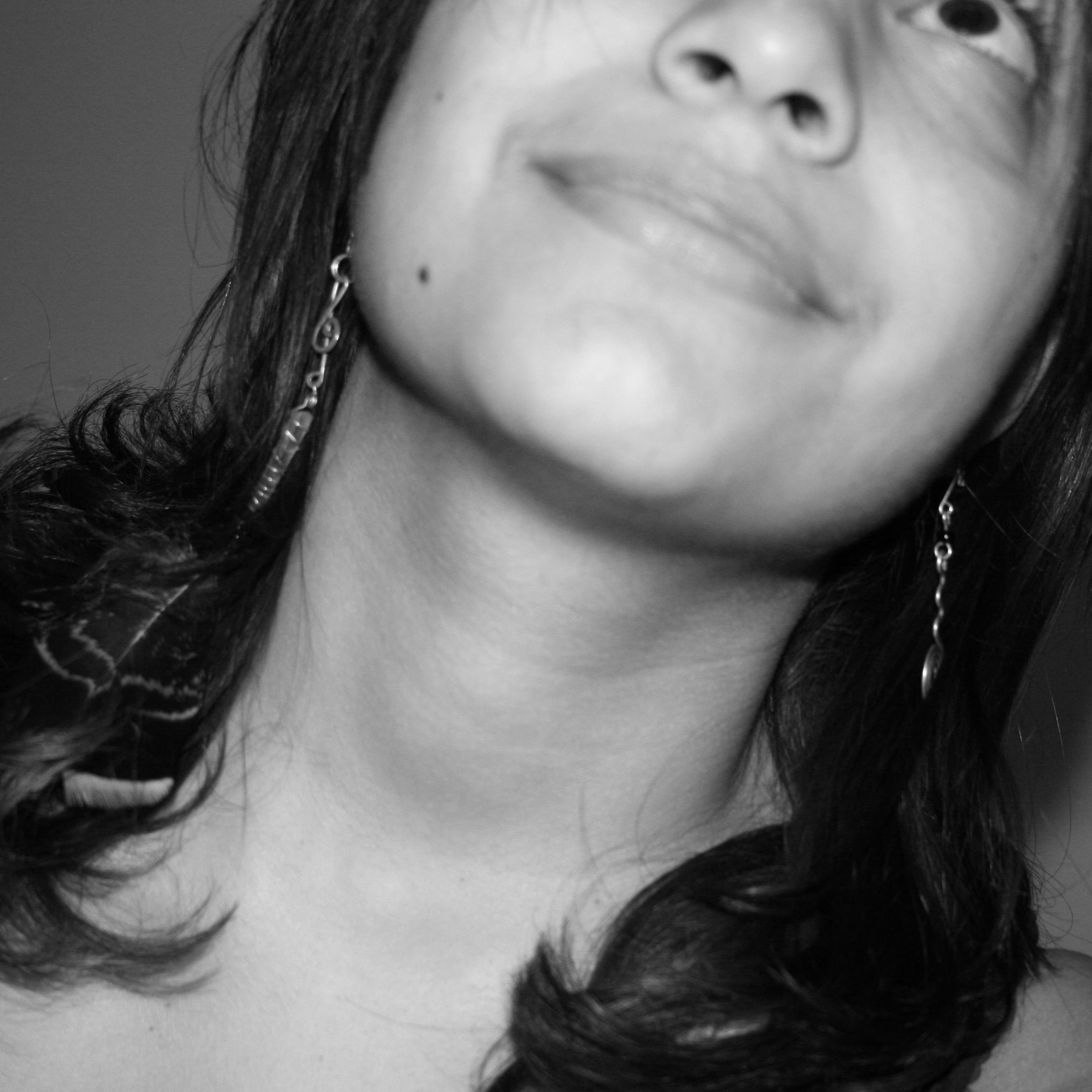
Don't miss out working with one of the best and kindest scientists I know!! Neil Rosser’s lab at the University of Miami is currently recruiting graduate students interested in the evolution of tropical biodiversity
#recruitment" target="_blank" rel="nofollow noopener">rosserlab.github.io/people.html#re…

English
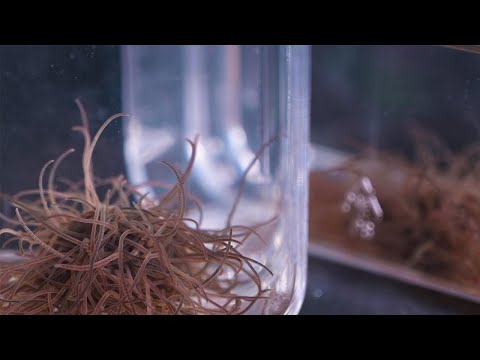
Donya shared the California blood worm, which forms these crazy tangled conglomerates for defence, but can disentangle incredibly quickly. this video shows them in their horrifying glory, plus some biotech research that's happening with them - youtube.com/watch?v=615LmM…
YouTube
GIF
English
Lastly, Luca shared the fungus that parasitizes the brood X cicadas, leading to one of the most... unexpected Scientific American headlines I've ever seen scientificamerican.com/article/how-th…

English
Joe Hanly retweetledi
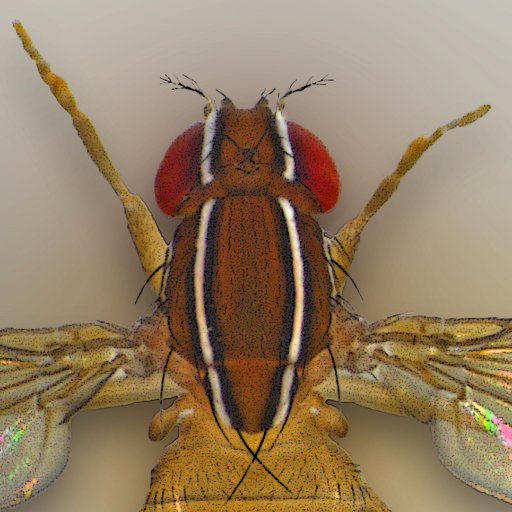
Our new @CurrentBiology paper provides a rare glimpse into a morphological novelty in Drosophila eugracilis
In it, @gavinrrice and colleagues, infer and reproduce the likely initial steps of a novelty's formation
sciencedirect.com/science/articl…

English

I'm super stoked to announce that I will be starting my own lab in January at Clemson University in the department of Biological Sciences!
If you're interested in working on seasonal plasticity in butterflies and moths, feel free to contact me!
English
@FernandoFSeixas @EvoEcoGen @heli_papers the scales look very like what Larry dubbed "Type III" red scales present in most Heliconius, including in charithonia at the base of the hindwing. If so, it would probably need to be related to leaky optix expression!
English

@EvoEcoGen @heli_papers Unclear. My best guess is that this phenotype is simply a by-product of changes in expression of genes involved in temperature acclimation but also determining wing scale colors.
English
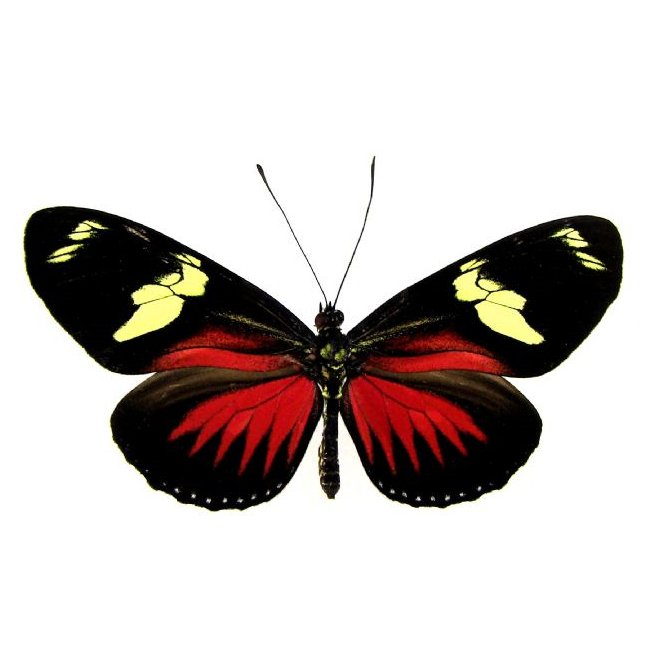
Temperature-dependent and sex-specific phenotypic plasticity in Heliconius charithonia biorxiv.org/content/10.110…

English