Haris Imran Hiew retweetledi
Haris Imran Hiew
3.1K posts

Haris Imran Hiew
@HarisHiew
Independent Researcher | Focus on AI Strategy & Digital Intelligence | Analyzing the intersection of technology and society. 📍
Malaysia Katılım Eylül 2022
574 Takip Edilen107 Takipçiler
Haris Imran Hiew retweetledi


@NotebookLM @NotebookLM should deeply integrate with @gmail pull key emails straight into quizzes & flashcards for faster learning! 📖🙏
#NotebookLM #GoogleForEducation #EdTech
English

What other Quiz question formats or Flashcard functionality should we build next?
Google for Education@GoogleForEdu
Quizzes & Flashcards in @NotebookLM got a big upgrade based on YOUR feedback. Now you (and your students) can: ✅ Save your progress & pick up where you left off ✅ Shuffle or delete cards ✅ Track what you’ve mastered vs what needs review Give it a try: notebooklm.google.com
English
Haris Imran Hiew retweetledi

@AIatMeta @facebook @alexandr_wang @Meta This would be especially useful in functional cities like Kota Kinabalu for real-time news without switching apps.
@alexandr_wang @AIatMeta any plans for deeper FB integration in Muse Spark roadmap? 😃
English

@AIatMeta Integrate Meta AI apps homepage directly into @facebook: search latest news/feeds dynamically from AI interface. Seamless! @alexandr_wang @AIatMeta @Meta
#MetaAI #MuseSpark #AISocial


Malaysia 🇲🇾 English

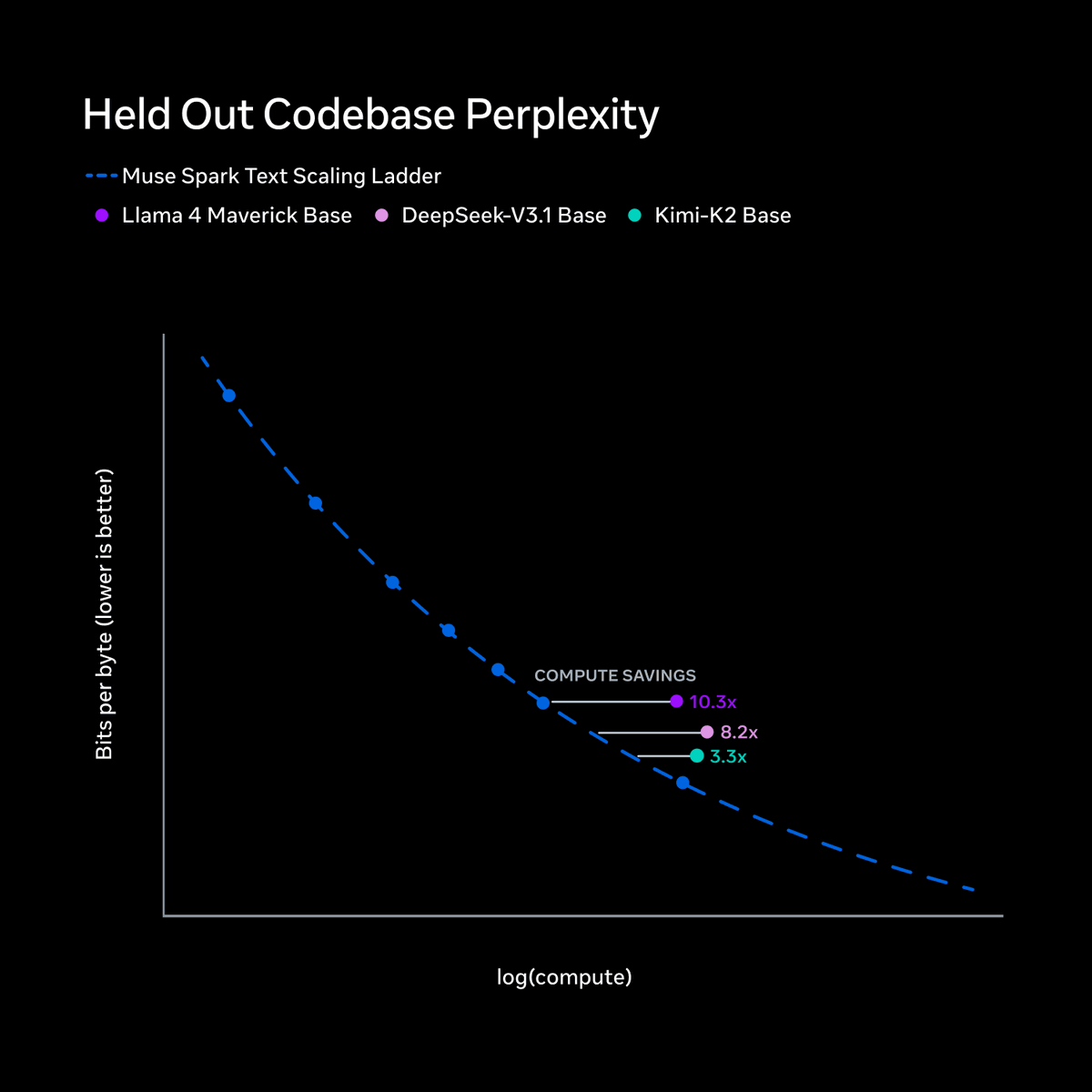
To build personal superintelligence, our model’s capabilities should scale predictably and efficiently. Below, we share how we study and track Muse Spark’s scaling properties along three axes: pretraining, reinforcement learning, and test-time reasoning. 🧵👇
Let’s start with pretraining. Over the last 9 months, we rebuilt our pretraining stack with improvements to model architecture, optimization, and data curation, enabling us to increase the capability we can extract from every unit of compute. To rigorously evaluate our new recipe, we fit a scaling law to a series of small models and compare the training FLOPs required to hit a specific level of performance.
The results: we can reach the same capabilities with over an order of magnitude less compute than our previous model, Llama 4 Maverick, making Muse Spark significantly more efficient than the leading base models available for comparison.

English
Haris Imran Hiew retweetledi

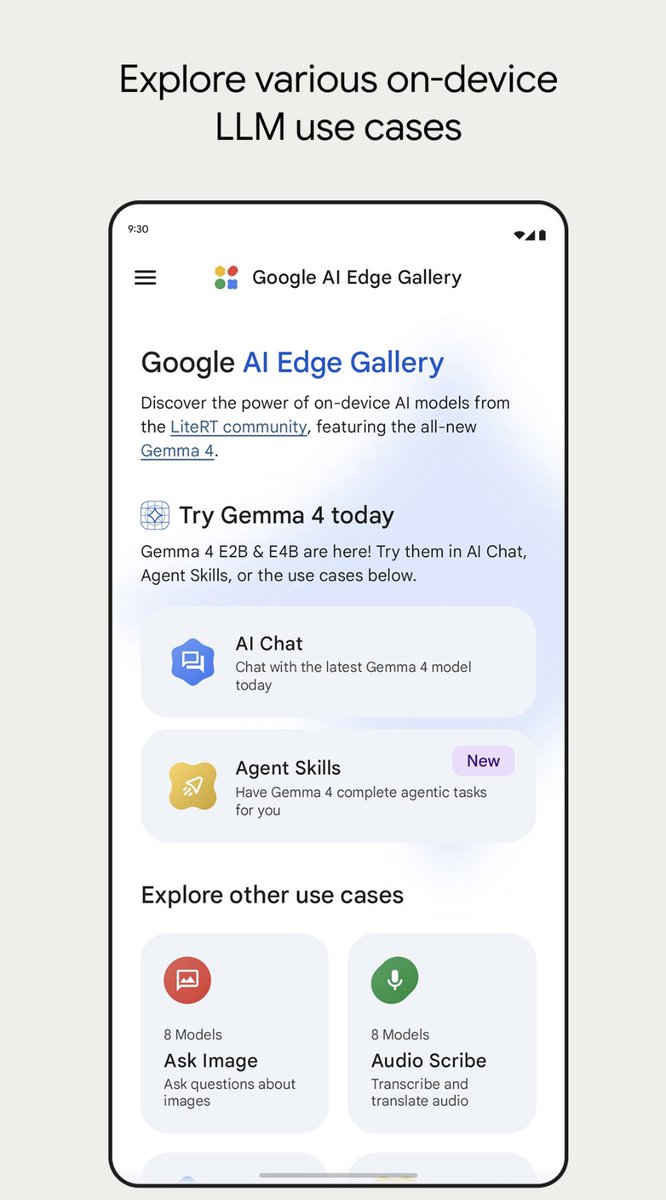
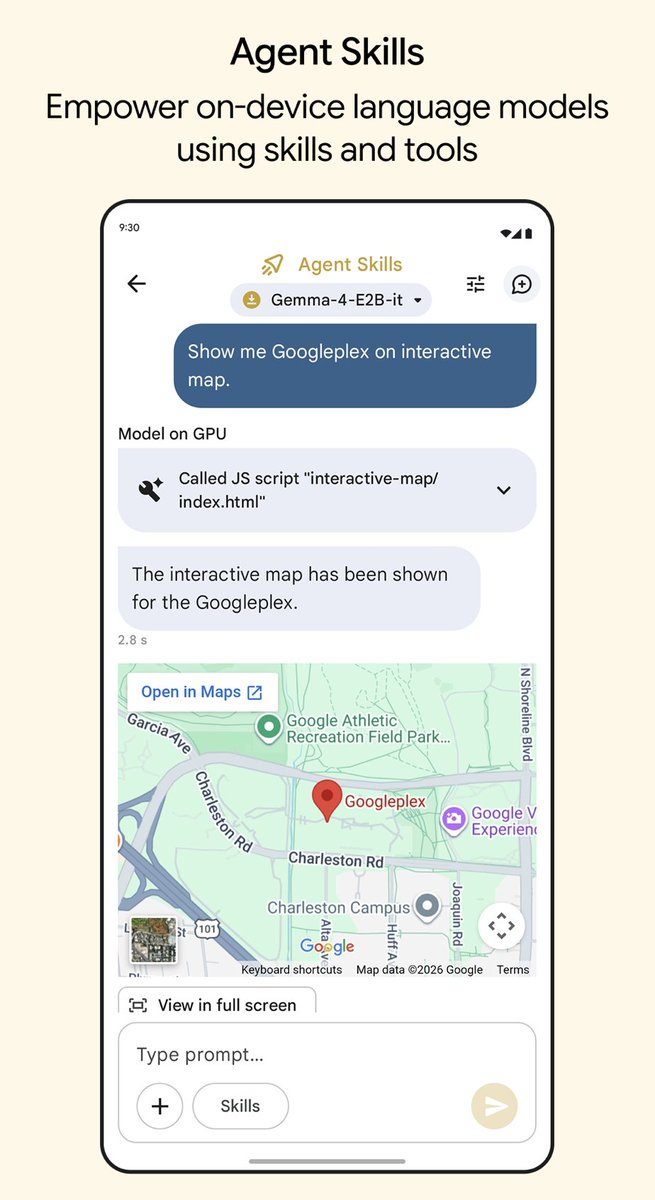
🤯NEW Google just quietly unleashed AI Edge
On-device AI platform that runs powerful Gemma models completely offline.
No cloud. No tracking. Full privacy.
The Gallery app already lets you run chat, image analysis, agents, and more straight on your phone (and Mac).
This is what we’ve been waiting for 👇🏻
github.com/google-ai-edge…


English
Haris Imran Hiew retweetledi

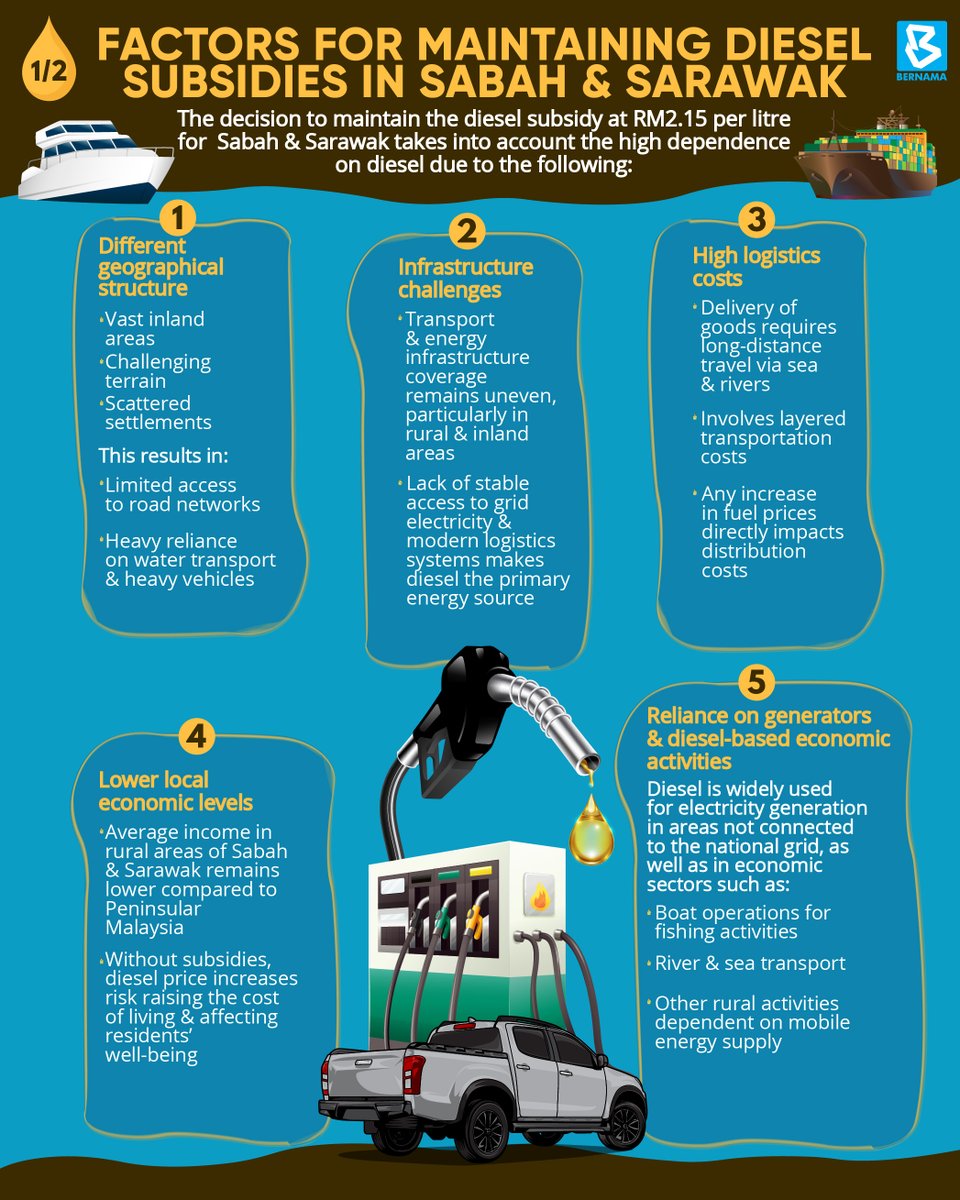
Factors for maintaining diesel subsidies in Sabah and Sarawak (1/2)
#BernamaNews
#BernamaInfographics
#diesel #Sabah #Sarawak

English
Haris Imran Hiew retweetledi

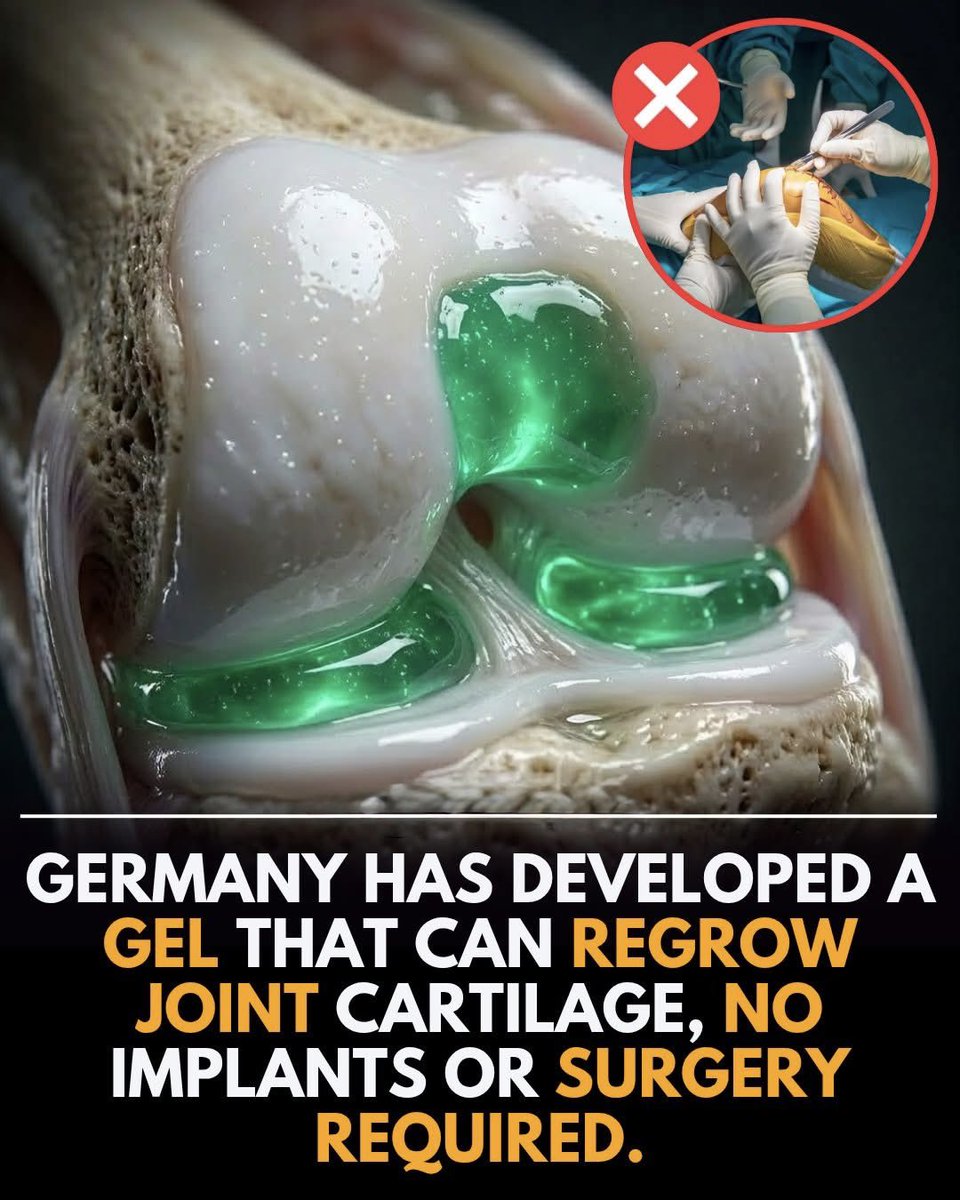
German medical researchers have engineered a novel, injectable hydrogel designed to stimulate the biological regeneration of articular cartilage. This non-surgical approach aims to directly repair joint damage and restore natural cushioning without relying on invasive and costly joint replacement procedures.
Orthopedic experts note that osteoarthritis and cartilage degradation affect hundreds of millions globally, often leading to debilitating pain and limited mobility. By utilizing a bioactive matrix that encourages the body's own stem cells to multiply and differentiate into healthy tissue, this gel could drastically shift treatment paradigms away from artificial implants.
The underlying technology relies on a specialized polymer network that seamlessly mimics the natural extracellular environment of human joints. Once introduced to the affected area, it acts as a supportive structural scaffold, safely dissolving over time as fresh, healthy cartilage takes its place.
Early clinical observations report a significant reduction in chronic joint inflammation and a much faster return to pain-free movement for affected participants. Unlike traditional surgical interventions, which frequently require months of strenuous physical therapy, this minimally invasive procedure could allow for an incredibly rapid recovery window.
While currently advancing through rigorous regulatory testing phases, the successful commercialization of this regenerative therapy could save global healthcare systems billions in surgical and rehabilitation costs. It offers a highly promising future where debilitating joint conditions are managed with a simple outpatient visit, permanently restoring active lifestyles for aging populations and athletes alike.
If this non-surgical treatment becomes widely available, how would the ability to naturally regrow joint cartilage change your approach to staying active?

English
Haris Imran Hiew retweetledi