Hash Layer
89.8K posts

Hash Layer
@Hash_Layer
Blockchain is more than crypto, it's coordination tech.


There’s no reason to worry about protocols that “lock” a satoshi to inscribe data on it (like Ordinals or Runes), because that satoshi is never permanently trapped. In reality, the satoshi remains fully yours and can be recovered at any time. Whenever you no longer need the inscribed data (for example, because the NFT or inscription has lost its purpose), you can simply “burn” the ordinal unlinking the satoshi with the NFT data. By doing so, you completely free the satoshi: it becomes a normal UTXO again, with no inscription attached, and can be spent or reused exactly like any other satoshi in the supply. This creates a virtuous cycle: the same satoshi can be inscribed, used as an NFT or token, burned when it’s no longer useful, and then re-inscribed with fresh data by you or anyone else. Instead of permanently immobilizing value, inscription protocols encourage constant rotation of satoshis. Those carrying valuable data stay “frozen” only while they provide utility (art, tokens, metadata, etc.), and once that utility ends, they are released to serve a new purpose. It’s a far more efficient use of Bitcoin’s scarcest resource: each of the 2.1 quadrillion satoshis can have multiple useful lives over time, rather than lying dormant forever in a forgotten wallet. Far from being a problem, this dynamic makes the system sustainable and ensures satoshis always flow toward wherever they can generate real value at any given moment.


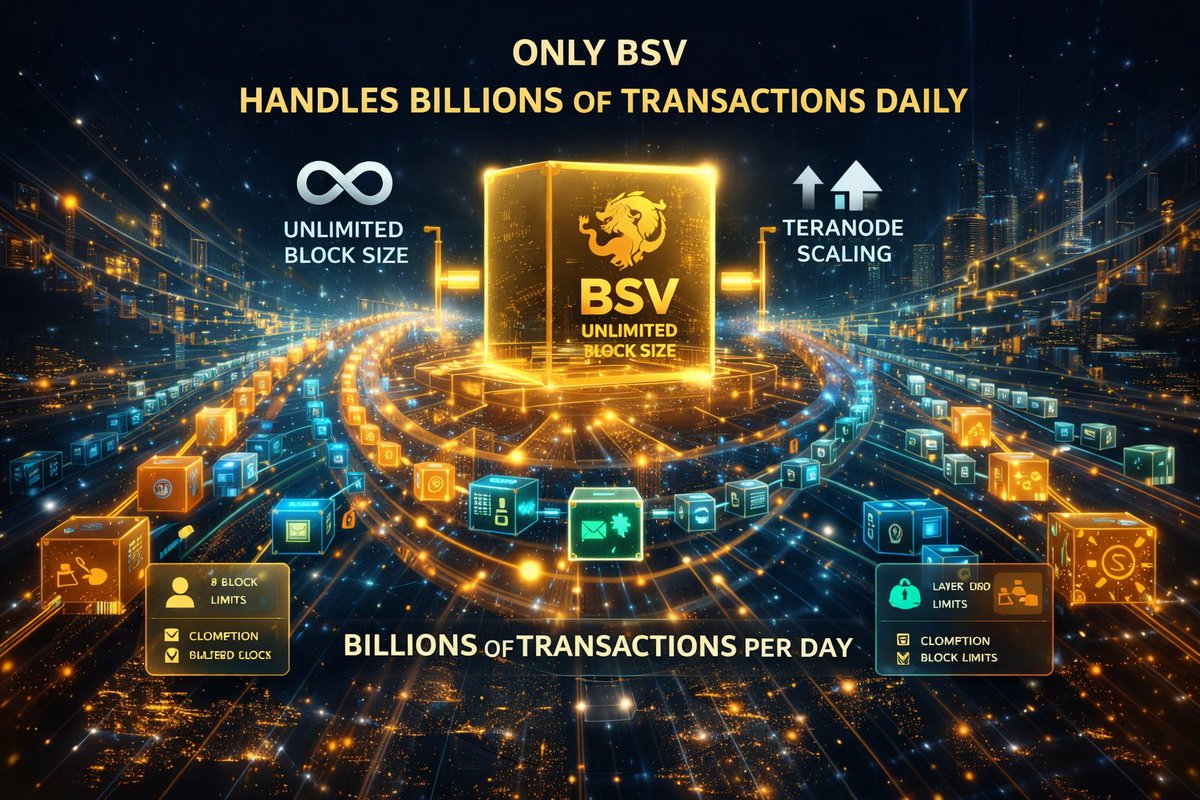
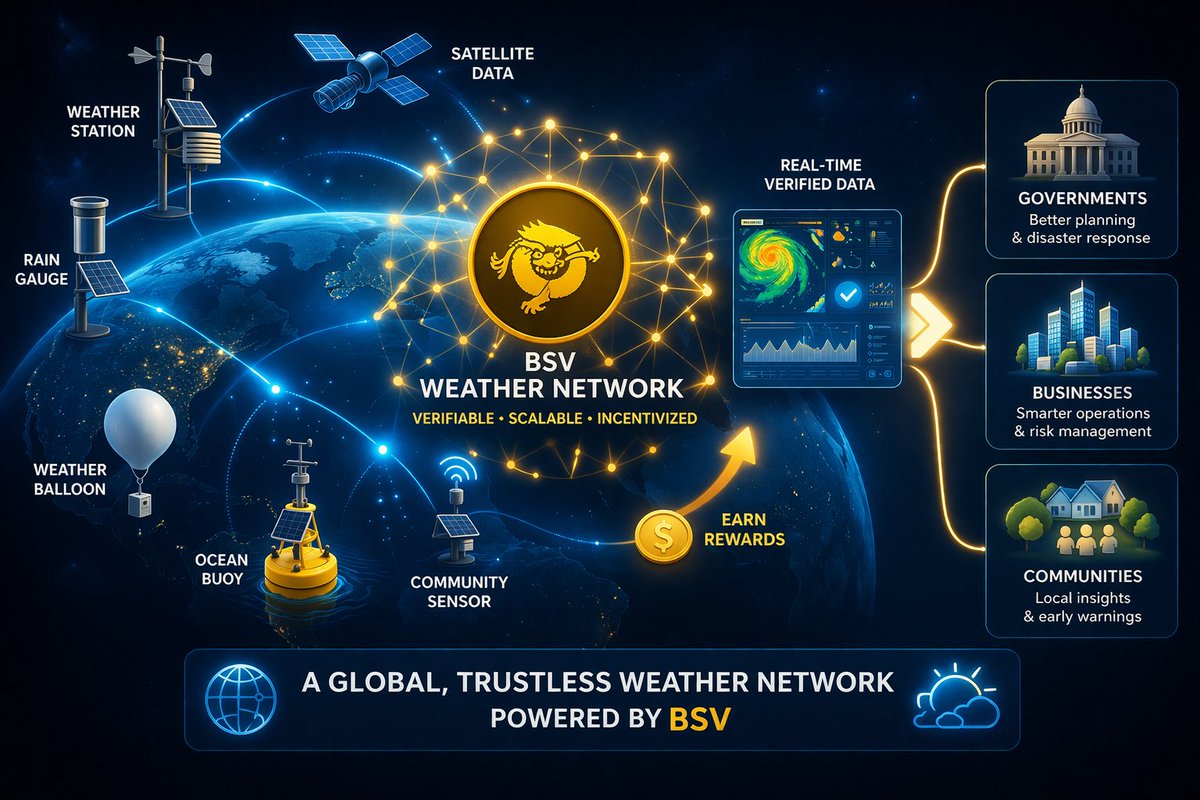
BSV stands out not because of hype, but because it turns previously impractical ideas into real, scalable solutions. What once seemed impossible becomes achievable when systems can operate at global scale. #BSV #Blockchain #Scalability #Innovation