Laura Hawryluck

2.7K posts

Laura Hawryluck banner
Laura Hawryluck

Laura Hawryluck

@HawryluckLaura

Intensivist, Bioethicist, Poet (ICU Pandemic Diary, An ICU Doctor’s Reflections; Words that Matter); Writer (The Law of Acute Care Medicine), Violinist

🇨🇦🇺🇦 Katılım Şubat 2014
387 Takip Edilen603 Takipçiler
Laura Hawryluck retweetledi
Devin Heroux
Devin Heroux@Devin_Heroux·
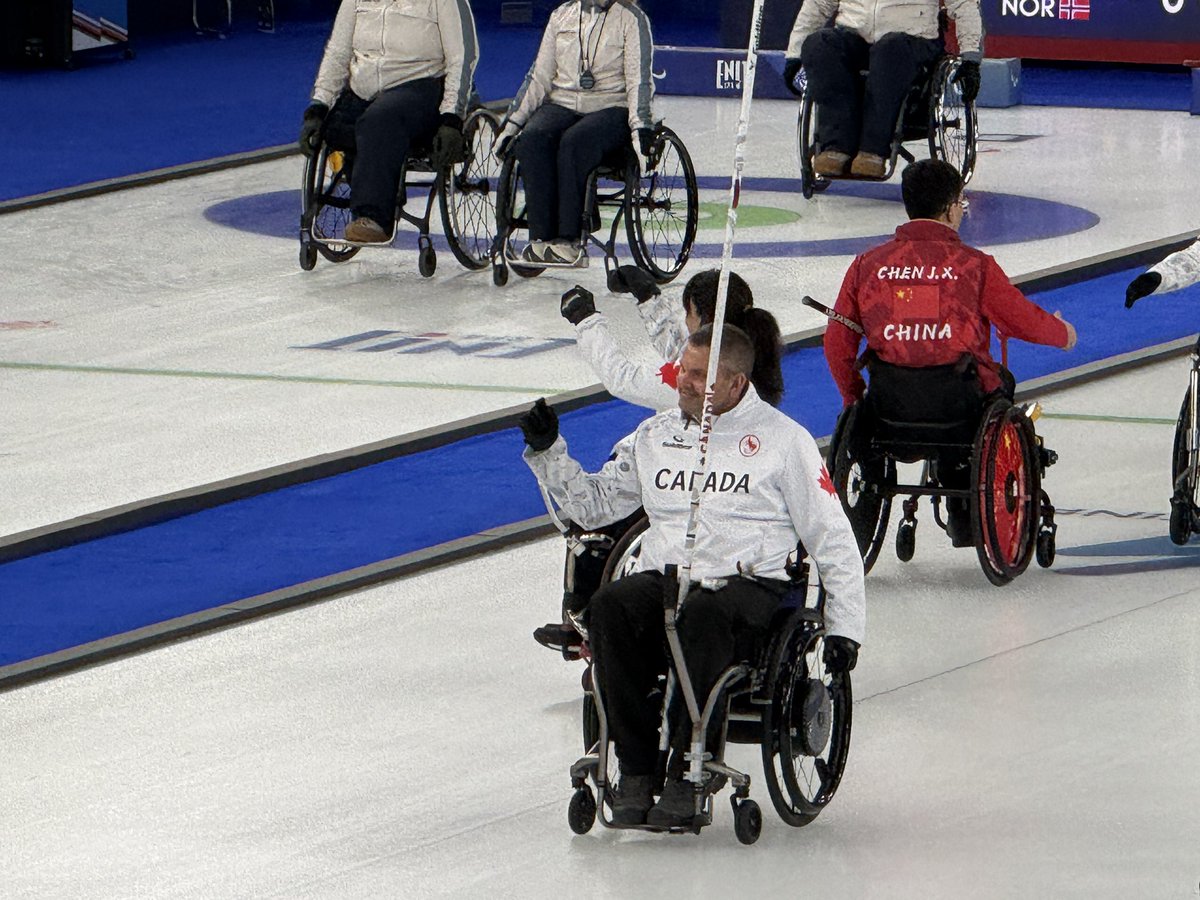
JUST IN Mark Ideson has been named one of Canada’s closing ceremony flag-bearers. He just found out here after getting his gold medal. Natalie Wilkie also named closing ceremony flag-bearer. She won four medals. Was opening ceremony flag-bearer too.
Devin Heroux tweet media
English
27
148
2.3K
23.4K
Laura Hawryluck
Laura Hawryluck@HawryluckLaura·
Naming it needs to correlate with actions against it now being a norm across all wars. Let’s state this plainly. Indignation is really not enough. Think of the injured, sick + those who care for them. Picture them. Bombed. Do something to stop it. @DrTedros @UN @IntlCrimCourt
Tedros Adhanom Ghebreyesus@DrTedros

Bombing a hospital or a school isn't a "miscalculation." Killing a paramedic isn't "collateral damage." Starving civilians isn't "negotiating tactic." These are war crimes. Full stop. Call it what it is.

English
0
0
0
29
Laura Hawryluck retweetledi
CBC Sports
CBC Sports@cbcsports·
Michaela Gosselin carves her way to bronze in the standing slalom🎿🥉 This marks Canada’s 200th winter Paralympic medal👏
CBC Sports tweet media
English
3
54
335
18.9K
Laura Hawryluck retweetledi
Prime Minister of Canada
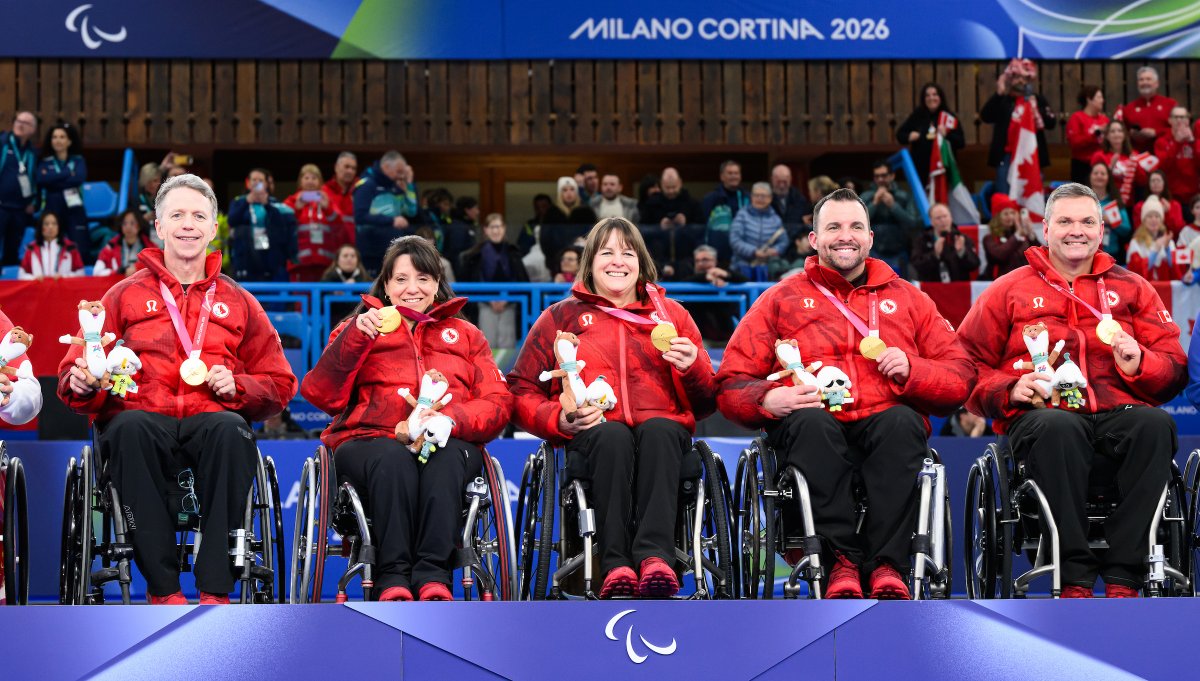
Canada proves itself as a Curling nation once again! Congratulations to our wheelchair curling team for taking home the gold medal and going undefeated in #MilanoCortina2026. This marks Canada’s fourth gold since the event was introduced in 2006. 🥇 Photo: Angela Burger/CPC
Prime Minister of Canada tweet media
English
78
286
2.4K
25.6K
Laura Hawryluck retweetledi
Sportsnet
Sportsnet@Sportsnet·
CANADA MAKES PARALYMPIC HISTORY 🤩 The Canadian wheelchair curling team finished 9-0 in round-robin play, becoming the first team in Paralympic history to go undefeated in the round robin 🇨🇦
Sportsnet tweet media
English
13
104
820
17.4K
Laura Hawryluck retweetledi
Mr PitBull
Mr PitBull@MrPitbull07·
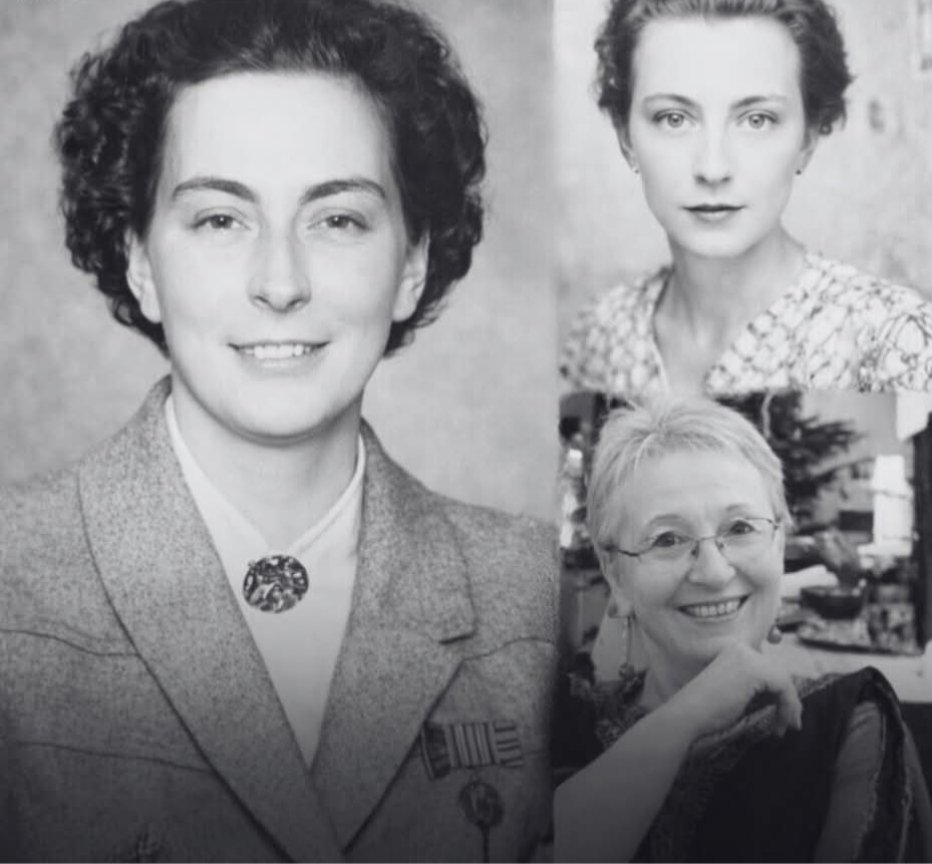
She kept finding women in laboratory photographs from the 1800s. Then she read the published papers—and every single woman had vanished. Someone had erased them from history. Yale University, 1969. Margaret Rossiter was a graduate student studying the history of science. She was one of very few women in her program. Every Friday afternoon, students and faculty gathered for beers and informal conversation. One week, Margaret asked a simple question: "Were there ever any women scientists?" The faculty answered firmly: No. Someone mentioned Marie Curie. The group dismissed it—her husband Pierre really deserved the credit. Margaret didn't argue. But she also didn't believe them. So she started looking. She found a reference book called "American Men of Science"—essentially a Who's Who of scientific achievement. Despite the title, she was shocked to discover it contained entries about women. Botanists trained at Wellesley. Geologists from Vermont. There were names. There were credentials. There were careers. The professors had been wrong. But Margaret's discovery was just the beginning. Because as she dug deeper into archives across the country, she found something far more disturbing. Photograph after photograph showed women standing at laboratory benches, working with equipment, listed on research teams. But when she read the published papers, the award citations, the official histories—those same women had disappeared. Their names were missing. Their contributions erased. It wasn't random. It was systematic. Women who designed experiments watched male colleagues publish results without giving them credit. Women whose discoveries were assigned to supervisors. Women listed in acknowledgments instead of as authors. Women passed over for awards that went to male collaborators who contributed far less. Margaret realized she was witnessing a pattern that stretched across centuries. Women had always been present in science. The record had simply pushed them aside. She needed a name for what she was documenting. In the early 1990s, she found it in the work of Matilda Joslyn Gage—a 19th-century suffragist who had written about this exact phenomenon in 1870. In 1993, Margaret published a paper formally naming it: The Matilda Effect. The term captured something that had been hidden in plain sight for generations. Once you knew the term, you saw it everywhere. Her dissertation became a lifelong mission. For more than 30 years, Margaret researched and wrote her landmark three-volume series: Women Scientists in America. She examined letters, institutional policies, individual careers. She gathered undeniable evidence that women in science had been consistently under-credited and structurally excluded. Her work faced resistance. Many dismissed women's history as political rather than academic. Others insisted she was exaggerating. Margaret didn't argue emotionally. She presented data. Documented cases. Patterns repeated across decades and institutions. Eventually, the evidence became undeniable. Her research helped restore recognition to scientists who had been erased: Rosalind Franklin, whose X-ray work revealed DNA's structure—credit went to Watson and Crick. Lise Meitner, who explained nuclear fission—omitted from the Nobel Prize. Nettie Stevens, who discovered sex chromosomes—received little credit. Cecilia Payne-Gaposchkin, who discovered stars are made of hydrogen—initially dismissed. And countless others whose names had nearly vanished. Margaret changed the narrative. Science was no longer just the story of solitary male geniuses. It became a story of collaboration that included women who had been written out. The Matilda Effect became standard terminology. Scholars used it to examine how credit is assigned, how authors are listed, who receives awards, who gets left out.
Mr PitBull tweet media
English
119
3.6K
9.2K
154K
Laura Hawryluck retweetledi
Crazy Vibes
Crazy Vibes@CrazyVibes_1·
At just twenty years old, a woman calmly walked into a Nazi Gestapo building and asked for forty prisoners. The guards believed her. Then she freed them. Her name was Andrée de Jongh. In 1941, Belgium was under Nazi occupation. Arrests were constant. Resistance fighters disappeared daily. Walking into a Gestapo office usually meant you were not walking back out. Andrée did it anyway. Disguised as a Red Cross worker, she carried forged documents and absolute confidence. She told the guards that forty prisoners were scheduled for transfer. No shouting. No panic. Just authority. The paperwork looked official. Her composure made it convincing. The guards handed the prisoners over. Andrée walked them out of the building, past armed soldiers, and down the street. When they turned a corner and were out of sight, she leaned in and whispered one word. Run. Most of them escaped. This was not luck. It was practice. Andrée was the founder of the Comet Line, a resistance network that helped downed Allied pilots escape occupied Europe. She personally guided hundreds of people across Belgium, France, and the Pyrenees mountains into Spain. She did it on foot. Again and again. Eventually, she was captured. The Nazis never believed she was the leader. They thought a young woman could not possibly be running such an operation. That disbelief saved her life. She survived imprisonment and lived to see the war end. Andrée de Jongh never carried a gun. She carried nerve, preparation, and the ability to look evil in the eye without blinking. She did not fight with weapons. She fought with courage and walked people straight out of hell. Story based on historical records. This post is for educational purposes.
Crazy Vibes tweet media
English
33
441
1.9K
30K
Laura Hawryluck retweetledi
Devin Heroux
Devin Heroux@Devin_Heroux·
BRONZE FOR CANADA 🇨🇦 Brittany Hudak collapses to the snow after crossing the line in third place to win bronze in the women’s gruelling 10km cross country event. The pride of Prince Albert, Saskatchewan captures the fourth Paralympics bronze medal of her career.
Devin Heroux tweet media
English
22
148
1.8K
14.6K
Laura Hawryluck retweetledi
Dr Iain McGilchrist
Dr Iain McGilchrist@dr_mcgilchrist·
Quotes from The Matter with Things no.21
English
5
12
39
2.4K
Laura Hawryluck retweetledi
Mr PitBull
Mr PitBull@MrPitbull07·
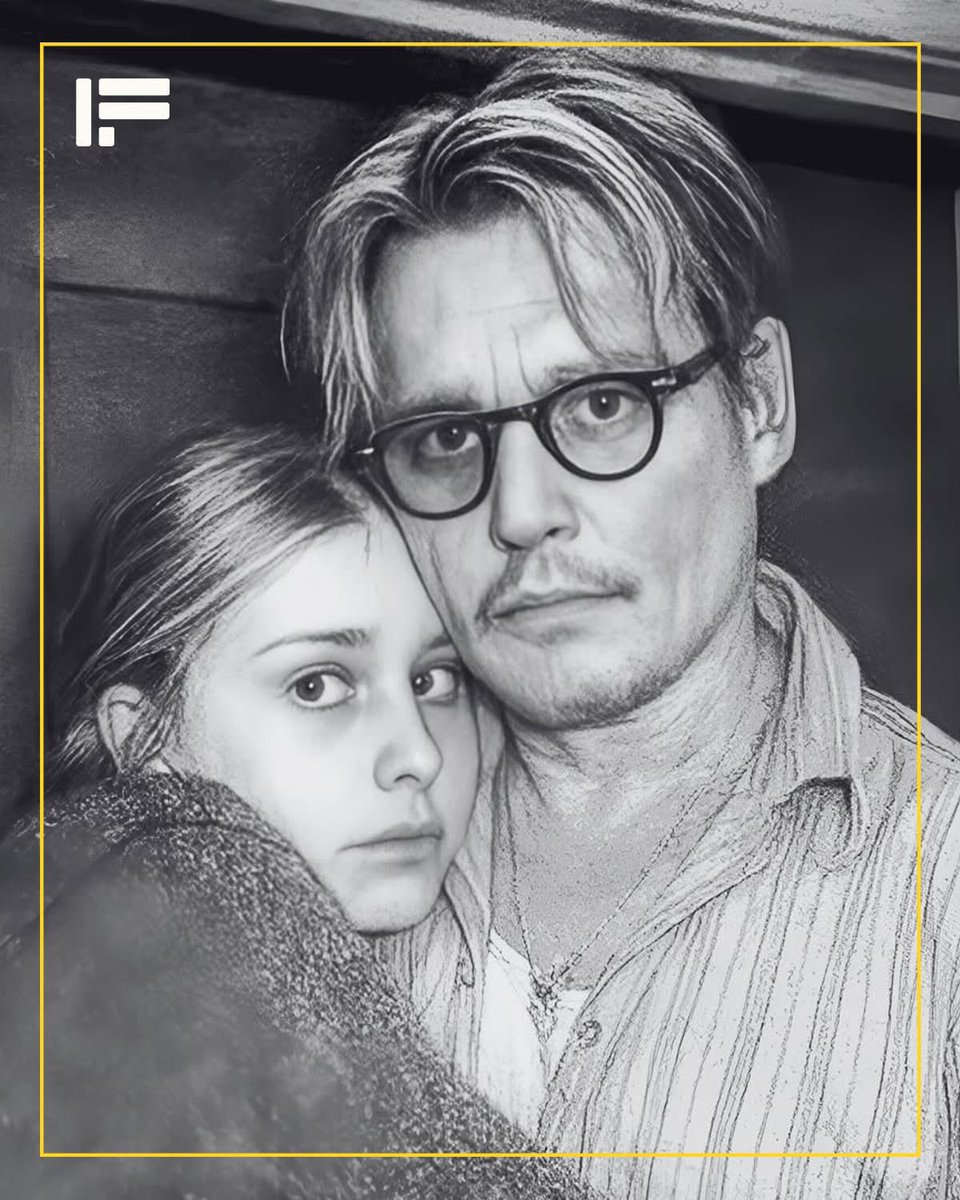
In 2007, while filming Sweeney Todd in London, Johnny Depp’s life narrowed to a single phone call that erased everything else. His seven-year-old daughter, Lily-Rose, had been rushed to Great Ormond Street Hospital with a severe E. coli infection. Her condition was critical. Her kidneys were beginning to fail. Nothing in his career prepared him for that moment. Not the pressure of leading roles. Not the chaos of film sets. Not the public scrutiny that came with fame. He left the production immediately and went to the hospital, where the world he knew disappeared. For nearly three weeks, Johnny Depp lived inside that building. No premieres. No interviews. No costumes. No escape into characters. He sat beside a small hospital bed, watching machines breathe and filter and monitor while his daughter’s body struggled to recover. The first nine days were the most terrifying. Time lost meaning. Hours blurred into nights. Every beep of a monitor carried hope or dread. Every doctor’s step toward the room tightened his chest. Later, Depp would describe it as the darkest period of his life. He watched other parents in the ward, sitting in the same rigid chairs, holding the same exhaustion in their faces. He watched nurses move with quiet precision at all hours, doctors delivering updates with calm voices that barely held back the weight of what they carried. Slowly, Lily-Rose began to improve. Her kidneys responded. The infection retreated. Strength returned where there had been only fear. Relief came, but it didn’t erase what he had seen. When his daughter was finally out of danger, Johnny Depp walked out of Great Ormond Street Hospital changed. He did not forget the nights. He did not forget the parents who stayed behind when he left. He did not forget how desperately he had needed hope in that place. The following year, he quietly donated more than two million dollars to the hospital. There were no announcements. No publicity campaigns. Just gratitude. But money was not the most personal gift he could give. Johnny Depp knew he possessed something else, something uniquely powerful. A character who could cross fear, pain, and silence in ways ordinary comfort could not. Captain Jack Sparrow. He began visiting children’s hospitals in full costume, without press, without warning, without any expectation of recognition. He would arrive quietly, step into the pirate’s voice and mannerisms, and walk from room to room as if the hospital were simply another strange port on Sparrow’s map. He did not rush. In Vancouver in 2017, he spent nearly five hours visiting close to seventy children. Nurses later said he treated every child as if there were no other room to visit. He listened. He joked. He improvised stories. He knelt beside beds and let children lead the interaction. For those moments, illness loosened its grip. Parents watched their children laugh, sometimes for the first time in days. Some cried quietly in hallways, not from sadness, but from the sudden release of tension they had been carrying alone. He repeated these visits in Paris, Brisbane, Madrid, London, and beyond. He showed up when films wrapped, between commitments, sometimes with no one outside the hospital knowing he was there at all. He carried gold coins in his pockets. He adjusted his voice for shy children. He stayed longer when parents needed time to breathe. In September 2024, he walked the halls of Donostia University Hospital in Spain, once again in full Jack Sparrow attire. No premiere nearby. No promotional reason. Just a suitcase with a costume inside, ready in case someone needed a moment of light. When asked why he continues to do this, Depp has never spoken about heroism or charity. He speaks as a father. He remembers what it feels like to sit helplessly beside a child and wonder if they will survive the night. He remembers the fear that hollowed him out. He remembers the strangers who fought for his daughter when he could not.
Mr PitBull tweet media
English
66
387
2.2K
74.5K
Laura Hawryluck retweetledi
Yaroslava
Yaroslava@strategywoman·
My favorite moment from today. Kyiv. I hope that after the war ends, millions of people from all over the world will come to this city. And maybe hundreds of them will do so because of my posts 😉
English
231
529
4.2K
32.2K
Laura Hawryluck retweetledi
Devin Heroux
Devin Heroux@Devin_Heroux·
CANADA 🇨🇦 FOR THE WIN Canada scores FOUR in the 7th end to defeat China 9-4 and stay undefeated at the Paralympics. Now 5-0 and in first. That was the most complete game I’ve ever seen by the Canadian wheelchair team against the two-time Paralympic champions. Incredible curling
Devin Heroux tweet mediaDevin Heroux tweet mediaDevin Heroux tweet media
English
13
146
1.7K
17.7K
Laura Hawryluck retweetledi
Devin Heroux
Devin Heroux@Devin_Heroux·
CANADA 🇨🇦 FOR THE WIN It’s a 4-1 victory for the Canadian para ice hockey team over Czechia in a physical battle between the two teams. Canada undefeated at the Paralympics.
Devin Heroux tweet media
English
33
339
4.4K
39.2K
Laura Hawryluck retweetledi
CBC Sports
CBC Sports@cbcsports·
Natalie Wilkie now has a medal of every colour at the #MilanoCortina2026 Paralympics 🥇🥈🥉
English
21
159
1.6K
18.4K
Laura Hawryluck retweetledi
Cian McCarthy
Cian McCarthy@arealmofwonder·
"Sometimes, carrying on, just carrying on, is the superhuman achievement." ~ Albert Camus Le Moulin de la Galette (1886) 🎨 Vincent Van Gogh
Cian McCarthy tweet media
English
31
556
2.4K
28.9K