Howard Kahn
482 posts
Howard Kahn
@Hdkahn515
Built and scaled consumer products companies. Now compounding what matters most.
New York Katılım Nisan 2011
233 Takip Edilen201 Takipçiler

Howard Kahn retweetledi

I am going to piss off so many friends by saying this but if I could invest in one emerging manager sub $50M fund, it would be @Joshuabrowder.
A few things you need to know about Josh:
- He makes the founders he invests in live in his spare room at the Four Seasons until they raise their seed
- He turned his $100K Thiel Fellowship grant into a $10M angel portfolio
- He was one of the first cheques into Micro1, Yuzu and many more
- When he found out his father had been taken by the Russians, he was playing poker… (legend!)
I have never had founder references like the ones I got on Josh. I spoke to 12 founders. He averaged 9.2/10 across all 12.
This is one of the best episodes we have done in a long time and my notes below:
1. Why I Believe Young Founders Make the Best Founders
Young founders have no safety net and no option but to win. Corporate engineers often default to hiring big teams, while young founders stay focused on building the product. Their grit is much higher. Without that level of dedication, most people quit at the first real obstacle.
2. How I Test Founder Commitment Before Investing
To filter out tourist founders, schedule a pitch meeting at 11:00 PM. Elite founders accept immediately. Mediocre ones push it out by weeks.
During the interview, ask rapid-fire questions. If they claim a specific revenue number, have them pull up their live Stripe account on the spot. Look for tactical customer acquisition goals, not vague partnership promises.
3. Why I Make Founders Live With Me After Investing
The best early investments come from deep day-one relationships. Living together creates a focused, one-person accelerator where founders get a three-week crash course and avoid years of mistakes.
The rule is simple: co-founders share one room near the Four Seasons and cannot check out until they raise an institutional seed round.
4. Why Pre-Seed Companies Fail
Startups usually fail for three reasons: they run out of money, they run out of hope, or the co-founders break up.
Money problems usually come from weak pitching, which is why founders should drop the deck and show the product live. To maintain hope, ignore Silicon Valley vanity signals and focus on customer progress. To avoid team blowups, handle mechanics like vesting early.
5. What Founders Need to Know About Signing With a VC
VCs will say almost anything to get you to sign on the spot. They reverse-engineer your desires and claim they know every customer you want to meet.
Impressionable founders fall for it, but the promised intros often never happen. Never sign in the room. Take the night to think clearly.
6. My Biggest Lesson on Reserve Investing
Holding back reserves for later rounds has a huge opportunity cost. The biggest value creation happens at pre-seed, so saving capital for a Series A follow-on can limit your upside.
Deploying upfront into 20 to 30 pre-seed companies can produce far better long-term returns. Go all-in early.
(links below)
English
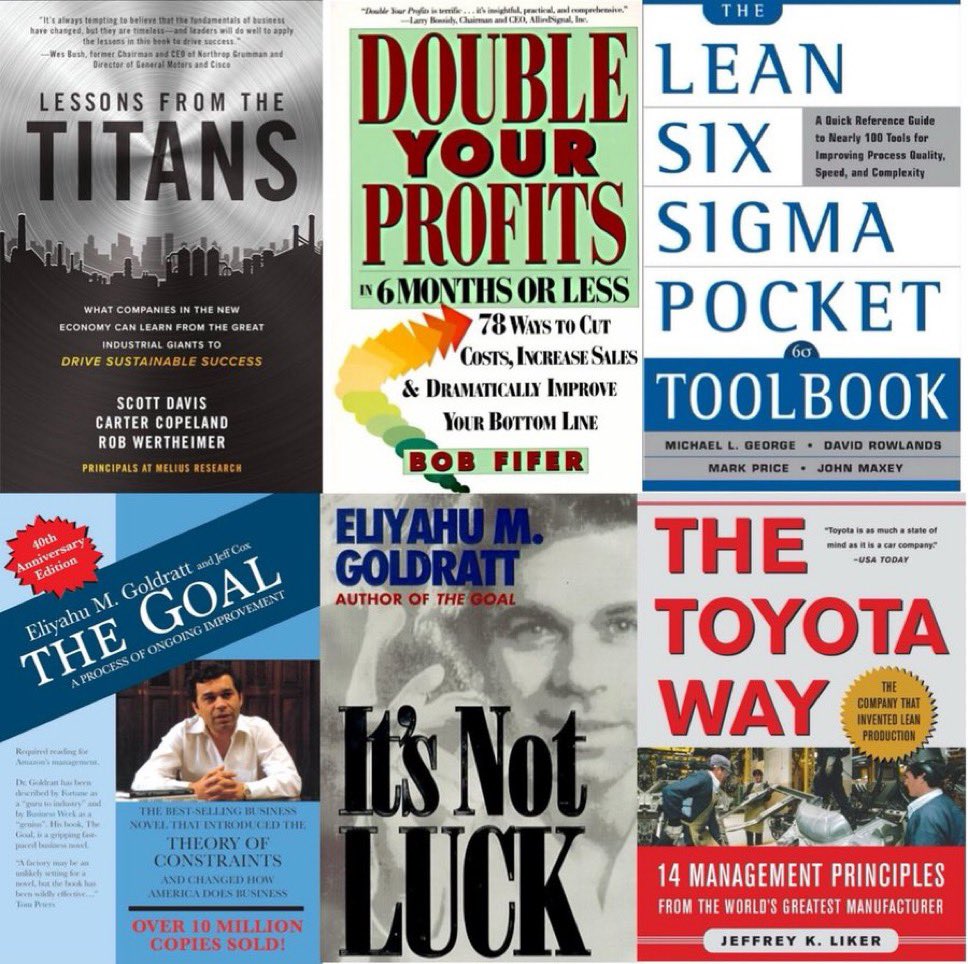
3) Double Your Profits: In Six Months or Less
amzn.to/42e4SHh
English
Best Books for Operational Excellence
Golden Age of Reindustrialisation
English
Howard Kahn retweetledi

Elon Musk just declared the human eye optional.
Not improved. Not repaired. Not reconstructed.
Optional.
Musk: “Blindsight will enable those who have total loss of vision to be able to see again.”
That alone would be historic.
Musk: “Including if they have lost their eyes, or the optic nerve.”
Eyes gone. Nerve gone. The entire optical pipeline physically missing from the skull.
And the solution is not to rebuild what broke.
It is to skip it entirely and wire synthetic signal straight into the visual cortex.
Every surgery ever performed has tried to restore original hardware to factory condition.
Neuralink does not restore.
Neuralink treats the biological organ as optional infrastructure.
Eye is gone. You do not rebuild the eye. You route around it.
You stream raw visual data into the brain and let the cortex do what it was always doing anyway.
Processing signal.
Your eye never saw anything.
Your brain saw.
The eye was the middleman. It captured a narrow band of electromagnetic radiation and shipped it to the visual cortex.
That is where the image was actually built.
Neuralink is firing the middleman.
Musk: “Maybe have never seen, were even blind from birth.”
A person who has never perceived a single photon of light.
Given vision for the first time.
Not through healing. Through hardware.
And then Musk said the part that should rewire how you think about being human.
Musk: “You can see in radar, you can see in infrared, ultraviolet.”
This is where it crosses from medical device to species upgrade.
The human eye processes roughly 0.0035% of the electromagnetic spectrum.
You are walking through a universe flooded with information and your biology lets you perceive an almost immeasurably thin sliver of it.
Infrared is bouncing off every surface around you right now. You cannot see it.
Radio waves are passing through your body this second. You have no idea.
Your biology decided four hundred million years ago what you were allowed to perceive.
That decision has never been appealed.
Until now.
A person with Blindsight would not see like a human.
They would see like a machine.
Thermal signatures in total darkness. Ultraviolet patterns invisible to every sighted person alive. Radar imaging through walls and weather and smoke.
The person born blind would not just gain sight.
They would gain sight the sighted have never had.
Musk: “Superhuman capabilities.”
If you can replace the eye you can replace the ear. If you can stream vision you can stream sound, pressure, spatial orientation, sensory inputs that do not even have names yet because biology never built receptors for them.
Every human sense is just a biological sensor converting environmental data into electrical signal.
Replace the sensor and the brain does not care where the signal came from.
It just processes.
That is not a medical company.
That is the first serious engineering effort to open the human nervous system to direct hardware integration.
Musk: “Cybernetic enhancement.”
He said it like a line item on a roadmap.
Those two words contain the entire future of the species.
The senses are ports. The brain is an operating system waiting for better peripherals.
We spent millions of years evolving eyes that could see just enough light to not get eaten.
That was the design spec. Survival. Not comprehension.
Neuralink is the first product built on a different spec.
Every person on earth right now is experiencing a filtered, compressed, biologically throttled version of the universe.
Most will live and die believing that narrow bandwidth is all there is.
Musk is building the device that proves it never was.
It was just all you were equipped for.
The eye was not the end of sight.
It was the prototype.
English
Howard Kahn retweetledi
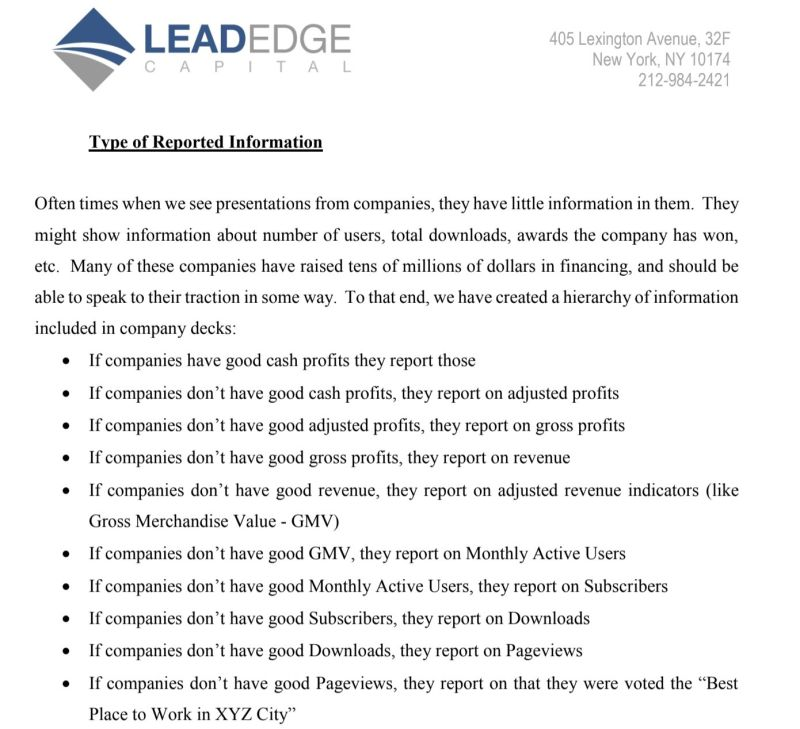
The power is shifting dramatically towards the most competent individual lawyers and away from firms
Zack Shapiro@zackbshapiro
English
@EricGreitens Great point Eric, this is a major challenge in an external scorecard world. What have you read that’s been most impactful for you in mastering your internal dialogue?
English
MASTER YOUR MIND, MASTER YOUR LIFE:
What you think and say about yourself will shape your future.
If you take mastery over that internal dialogue, you will master your life.
English
open.substack.com/pub/michaelxbl…
Here is the optimistic scenario and a counter point to my earlier post on the impact of agentic AI
English
This Ai scenario modeling could be playing out now.
citriniresearch.com/p/2028gic
English
Howard Kahn retweetledi

This is a must read. I think about the Charlie Munger wisdom that we overestimate progress in the near term but underestimate in the long term. Maybe not here.
Matt Shumer@mattshumer_
English
Howard Kahn retweetledi

I just watched the most important 2 hour AI podcast of 2026.
Dario Amodei (Anthropic CEO) sat down & revealed AGI timelines, and blockers that will change the future.
1. ANTHROPIC'S REVENUE GROWTH IS ABSOLUTELY BONKERS:
→ 2023: $0 → $100M
→ 2024: $100M → $1B
→ 2025: $1B → $9-10B
→ January 2026 ALONE: Added "another few billion"
That's 10x growth EVERY SINGLE YEAR.
Dario: "Obviously that curve can't go on forever. The GDP is only so large."
Yeah. Because they're literally growing faster than the entire economy.
━━━━━━━━━━━━━━━━
2. THE AGI TIMELINE:
Dario's prediction for "country of geniuses in a data center":
1-3 years. 90% confident by 2035.
What does that mean?
- Nobel Prize-level intelligence
- Controls any computer interface
- End-to-end software engineering
- Can interface with physical world
His exact words: "I think it's crazy to say that this won't happen by 2035."
Not "maybe." Not "hopefully." 90% certain.
━━━━━━━━━━━━━━━━
3. THE THING THAT BROKE MY BRAIN:
Dwarkesh: "If AGI is 1-3 years away, why aren't you buying $5 trillion of compute?"
Dario's answer reveals EVERYTHING:
The technology will be ready. The world won't be.
Even when they build models that can cure every disease:
- Still need to do biological discovery
- Still need to manufacture drugs
- Still need regulatory approval
- Still need to actually distribute
We got COVID vaccines in 1.5 years. We've had polio vaccines for 50 years and still haven't fully eradicated it.
The bottleneck isn't AI capability. It's economic diffusion.
━━━━━━━━━━━━━━━━
4. END-TO-END SOFTWARE ENGINEERING: 1-2 YEARS
Not "90% of code written by AI" - that's already here.
Not "100% of code" - that's coming soon.
Actual end-to-end automation:
→ Technical direction
→ Understanding business context
→ Design documents
→ Implementation
→ Testing
→ Deployment
Dario: "We have engineers at Anthropic who don't write any code."
Claude does it all.
━━━━━━━━━━━━━━━━
5. THE PROFITABILITY MODEL THAT MAKES NO SENSE (BUT DOES)
Here's the wild part:
AI labs aren't profitable because they're "investing in growth."
They're unprofitable because they keep guessing wrong on demand.
The actual economics:
- ~50% compute for training
- ~50% for inference
- Gross margins >50%
If you predict demand perfectly = profitable every year
If you under-predict = super profitable, no research compute
If you over-predict = losses, tons of research compute
Profitability isn't about stopping R&D. It's about demand prediction accuracy.
Mind = blown.
━━━━━━━━━━━━━━━━
6. CONTINUAL LEARNING MIGHT NOT EVEN MATTER
Everyone obsessed over "can AI learn on the job like humans?"
Dario: "I think we may just get there by pre-training generalization and RL generalization. There just might not be such a thing at all."
Million-token context = days of human learning.
Pre-training + RL = massive generalization.
Computer use scaling: 15% → 70% on benchmarks.
The barriers keep dissolving into the "big blob of compute."
━━━━━━━━━━━━━━━━
7. THE CHINA TAKE (SURPRISINGLY DIRECT)
Dario on export controls:
"We are about to be in a world where growth and economic value will come very easily. What will NOT come easily is distribution of benefits, political freedom."
His stance:
→ Don't sell chips/data centers to China
→ DO sell the benefits (cures, drugs, etc.)
Why? AI + authoritarianism = "worse than nuclear weapons but more dangerous."
━━━━━━━━━━━━━━━━
8. TRILLIONS IN REVENUE BEFORE 2030
Dario: "It is hard for me to see that there won't be trillions of dollars in revenue before 2030."
Not billions. TRILLIONS.
And they're planning to be profitable by 2028 while this is happening.
━━━━━━━━━━━━━━━━
9. WHAT THIS MEANS:
1. The diffusion lag is your window
Even when models can do your job, 1-3 years to integrate.
This is your time to:
→ Learn AI workflows
→ Position for transition
→ Build complementary skills
2. We're in the steep part of the exponential
Not the beginning (that was GPT-3).
Not the end (that's "country of geniuses").
Right now = capabilities racing ahead of deployment.
3. Two exponentials compounding
Technical progress: FAST
Economic diffusion: Still fast, just slower
Both faster than anything in history.
The most striking thing?
Dario is MORE confident now than three years ago.
Despite seeing all the messy reality. All the deployment challenges. All the regulation fights.
He's MORE certain AGI is coming in 1-3 years.
That should tell you something.
Dwarkesh Patel@dwarkesh_sp
The @DarioAmodei interview. 0:00:00 - What exactly are we scaling? 0:12:36 - Is diffusion cope? 0:29:42 - Is continual learning necessary? 0:46:20 - If AGI is imminent, why not buy more compute? 0:58:49 - How will AI labs actually make profit? 1:31:19 - Will regulations destroy the boons of AGI? 1:47:41 - Why can’t China and America both have a country of geniuses in a datacenter? Look up Dwarkesh Podcast on Youtube, Spotify, Apple Podcasts, etc.
English
Howard Kahn retweetledi

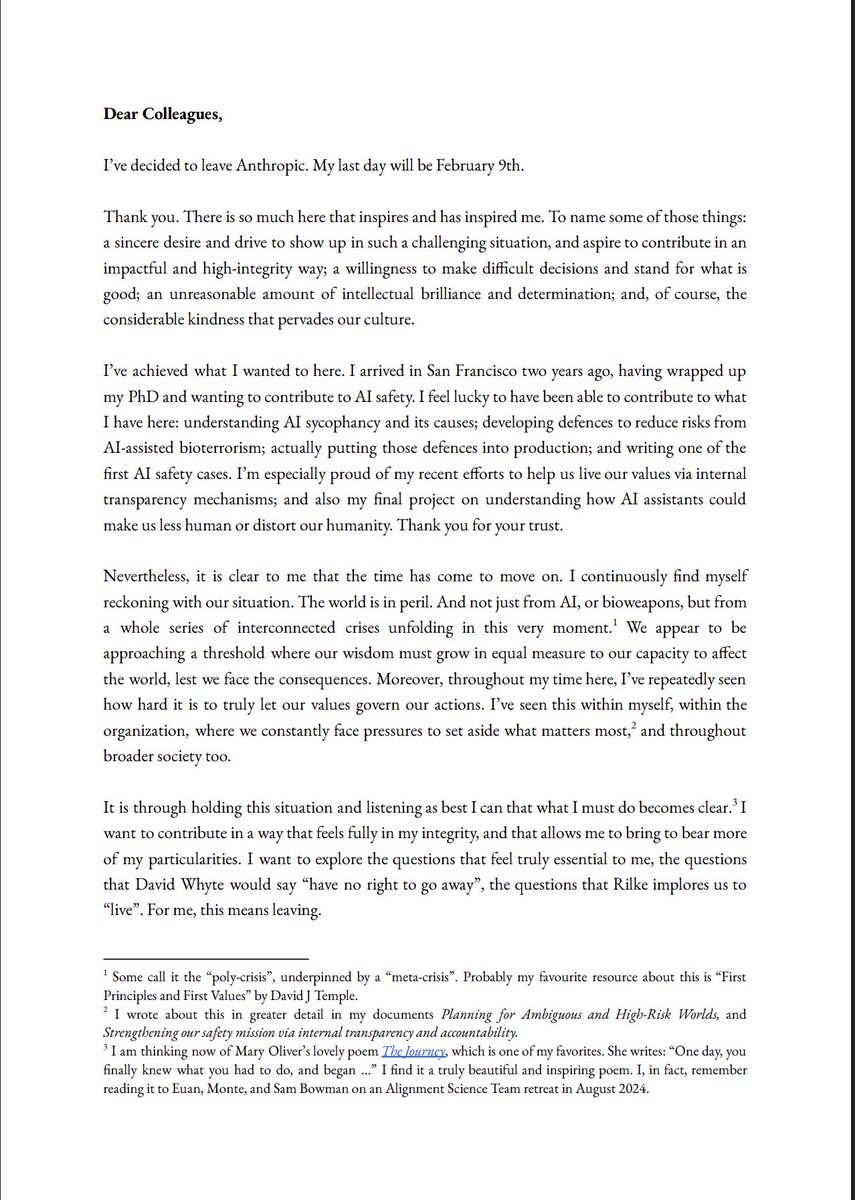
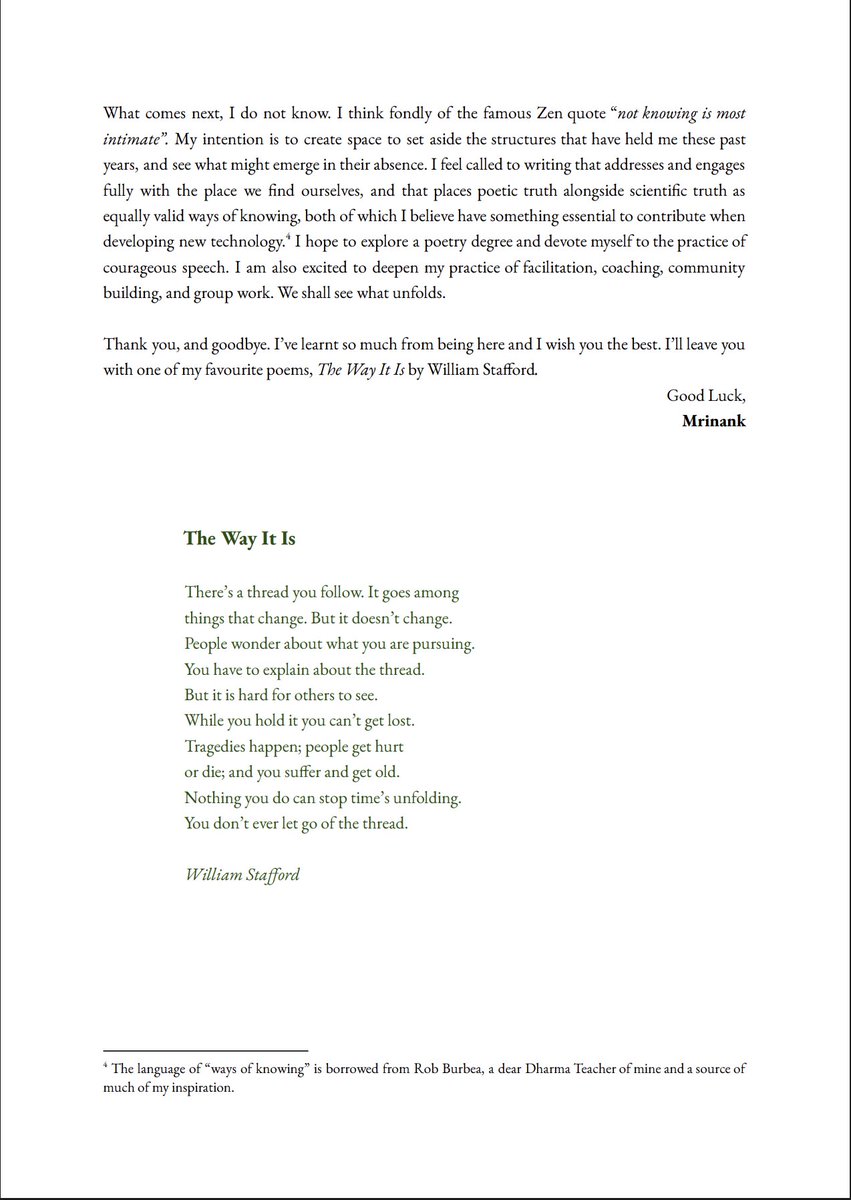
head of anthropic’s safeguards research just quit and said “the world is in peril” and that he’s moving to the UK to write poetry and “become invisible”. other safety researchers and senior staff left over the last 2 weeks as well... probably nothing.
mrinank@MrinankSharma
Today is my last day at Anthropic. I resigned. Here is the letter I shared with my colleagues, explaining my decision.
English
Howard Kahn retweetledi

@CraigBrockie Where is the best and most reputable place to investigate stem cell therapy for someone in the Northeast?
English

6. Stem Cell Therapy
Finally, Tony explored the incredible benefits of stem cell therapy.
• Repairs damaged tissues
• Rejuvenates the body
• Slows aging
You gotta listen to this…
English
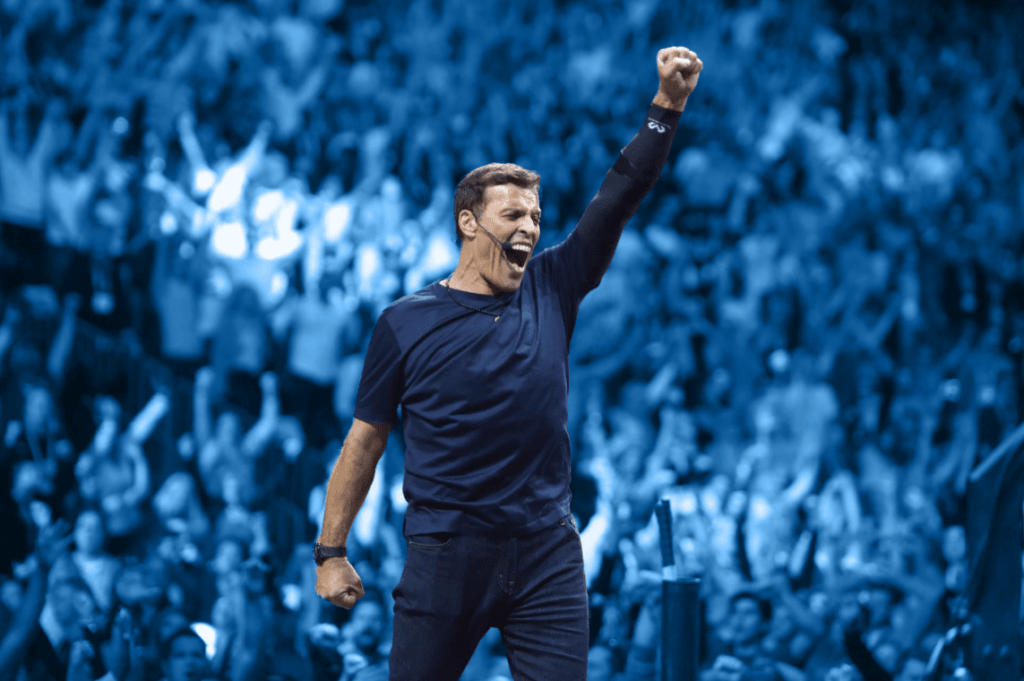
32 years ago, a brain tumor changed Tony Robbins forever.
He refused surgery and took his health into his own hands.
He’s since amassed a staggering $620 million net worth.
He’s coached Presidents, Billionaires, & Olympic gold medalists.
Here are his top 6 health strategies:
English
Howard Kahn retweetledi