Kris Heinzman

44 posts

Kris Heinzman

Kris Heinzman

@HeinzmanSetonEP

Director of Ascension Texas Cardiovascular Electrophysiology and Assistant Professor UT Dell Medical School

Austin, TX Katılım Aralık 2010
69 Takip Edilen100 Takipçiler
Kris Heinzman retweetledi

Cardiology Fellowship - UT Austin
Cardiology Fellowship - UT Austin@DellMedCardio·
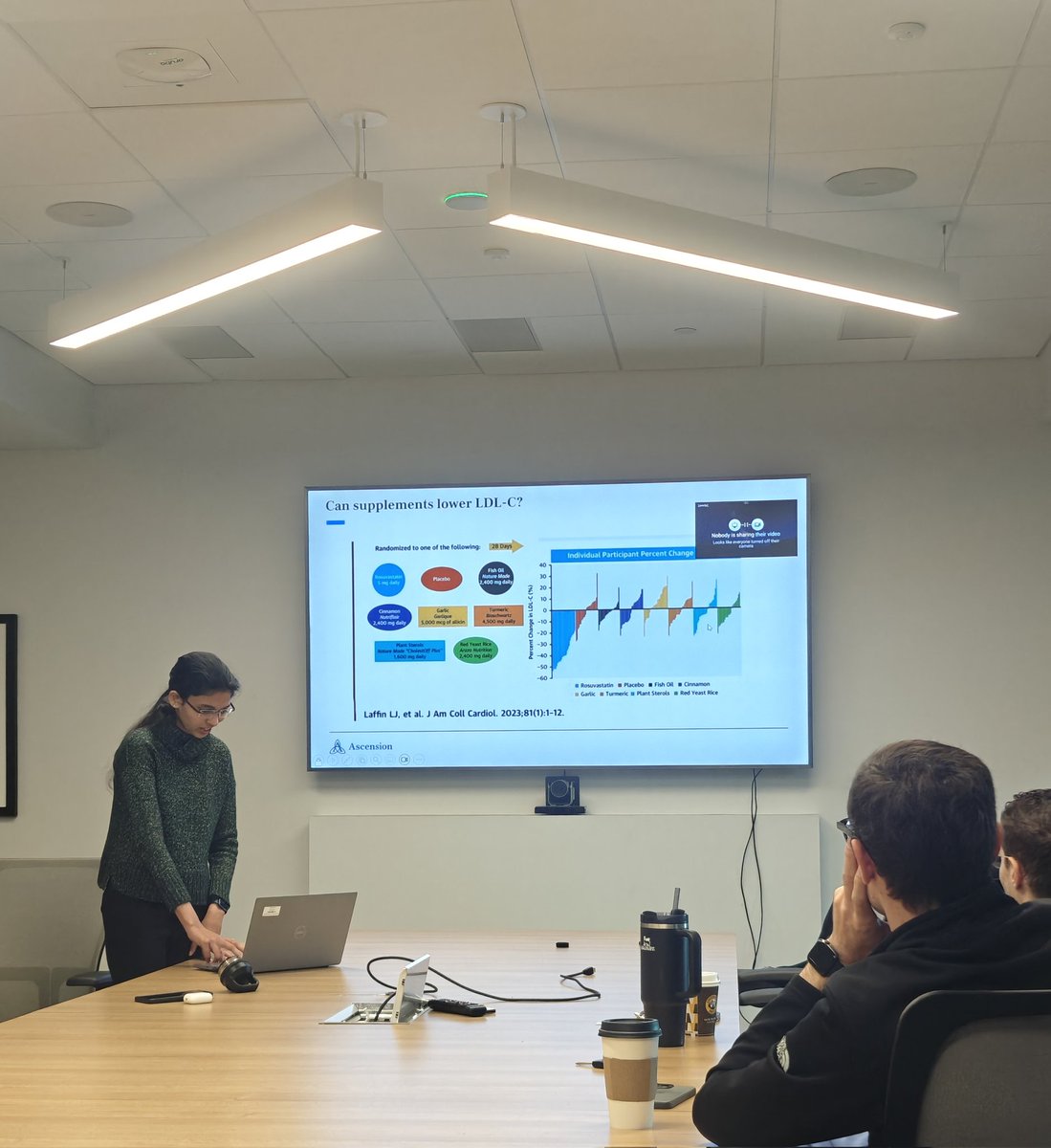
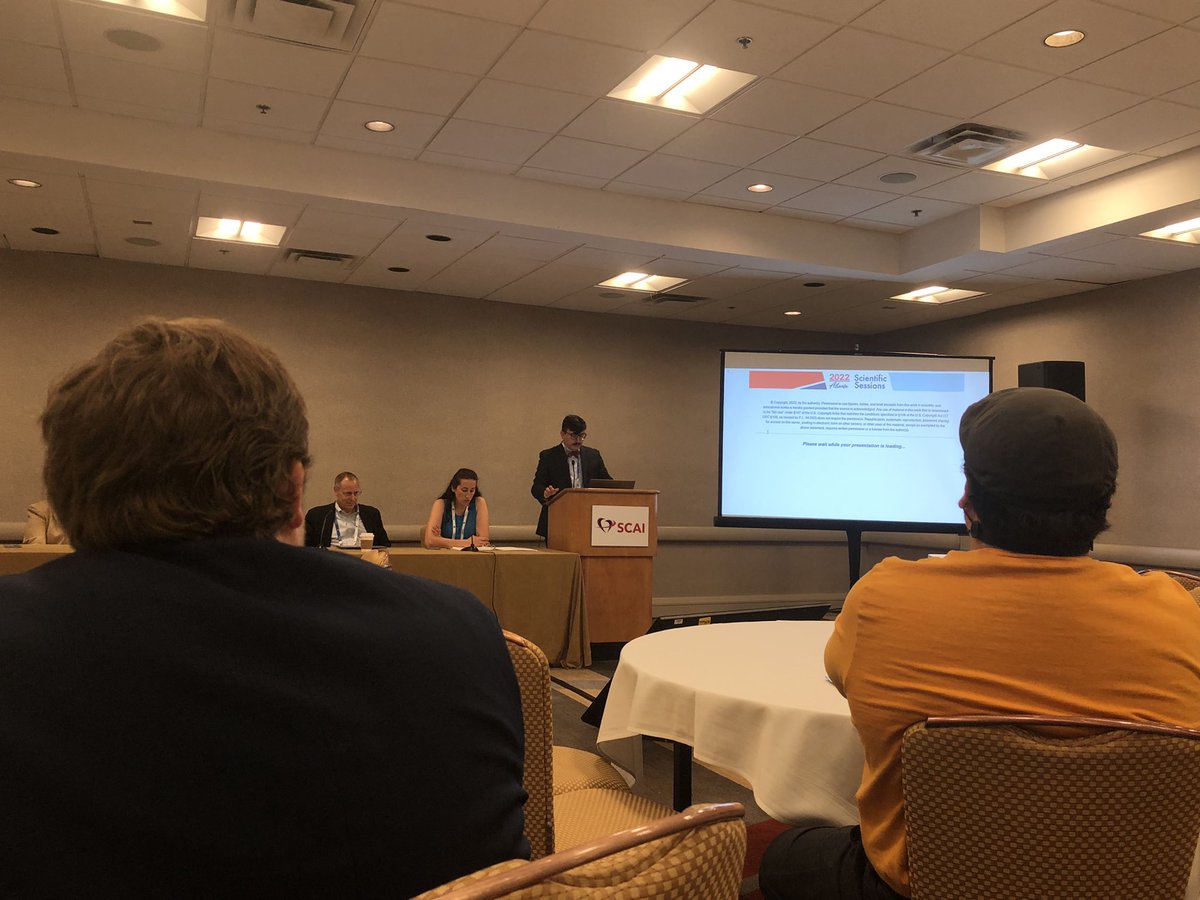
Fantastic grand rounds by one of our very own @PSatishMD on current best practices within the field of Preventative 🫀!!!
Cardiology Fellowship - UT Austin tweet mediaCardiology Fellowship - UT Austin tweet media
English
0
2
6
728
Kris Heinzman
Kris Heinzman@HeinzmanSetonEP·
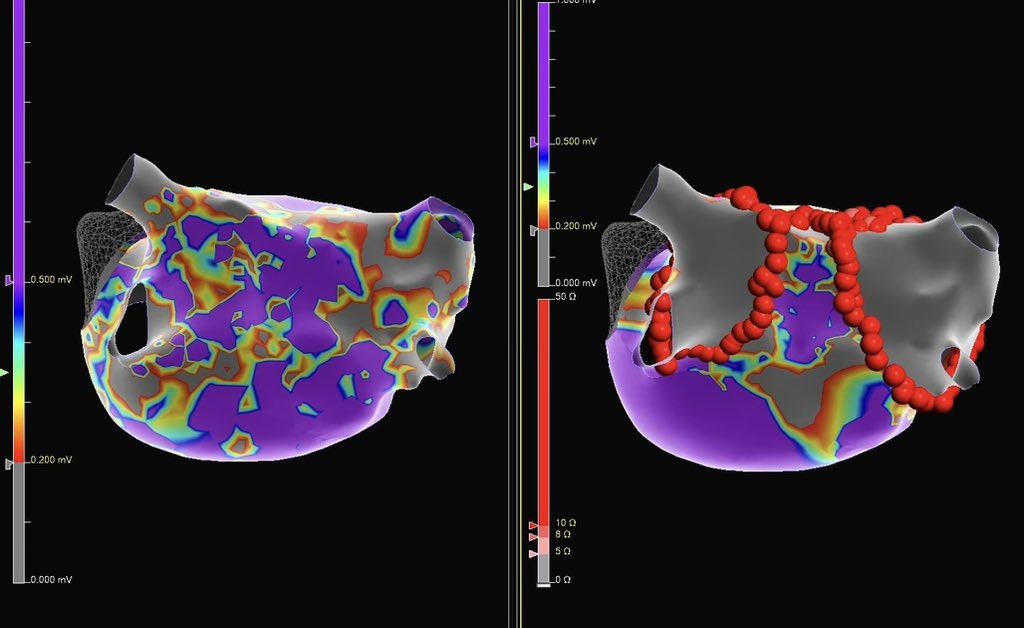
Exciting day for Ascension Texas EP with EP Fellow and future partner @joshuadavisdo helping perform first AF Ablations done at ASMC Hays. Lots of work and planning by so many to make this such a success. The future is bright.
Kris Heinzman tweet mediaKris Heinzman tweet media
English
0
3
15
589
Kris Heinzman retweetledi
CircEP
CircEP@CirculationEP·
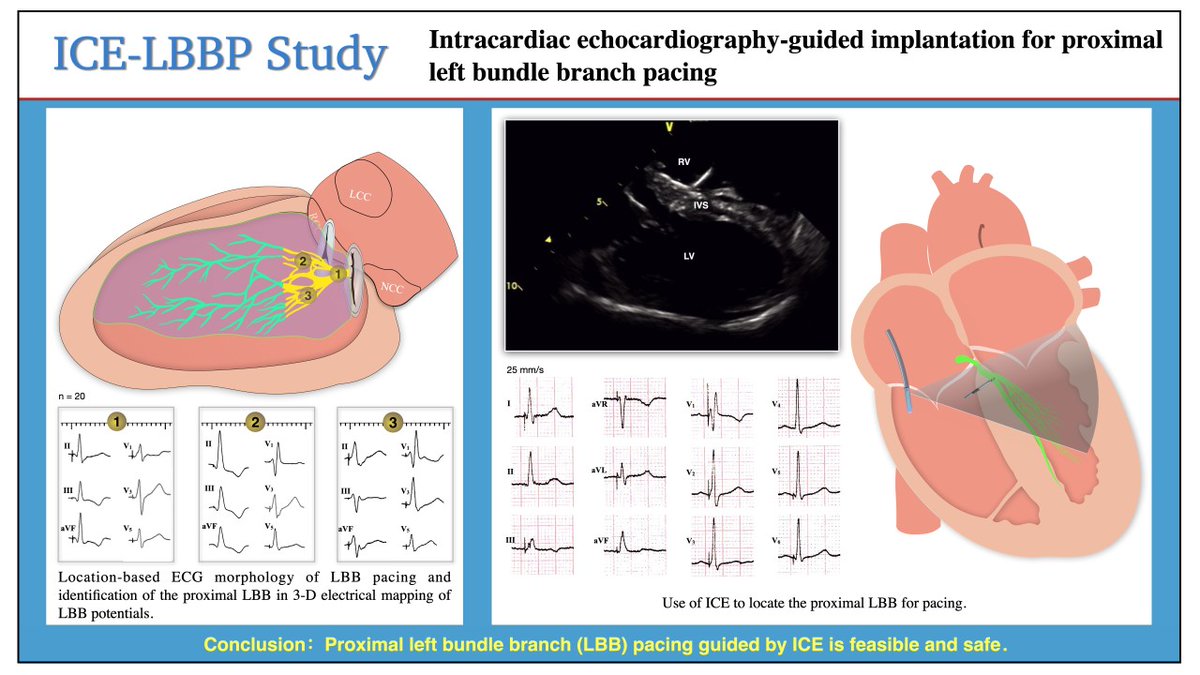
This study demonstrates that the intracardiac echocardiography-guided implantation of proximal left bundle branch pacing is feasible and safe @MdHuang #AHAJournals #Epeeps ahajrnls.org/3yPaAkq
CircEP tweet media
English
1
26
58
6.3K
Kris Heinzman
Kris Heinzman@HeinzmanSetonEP·
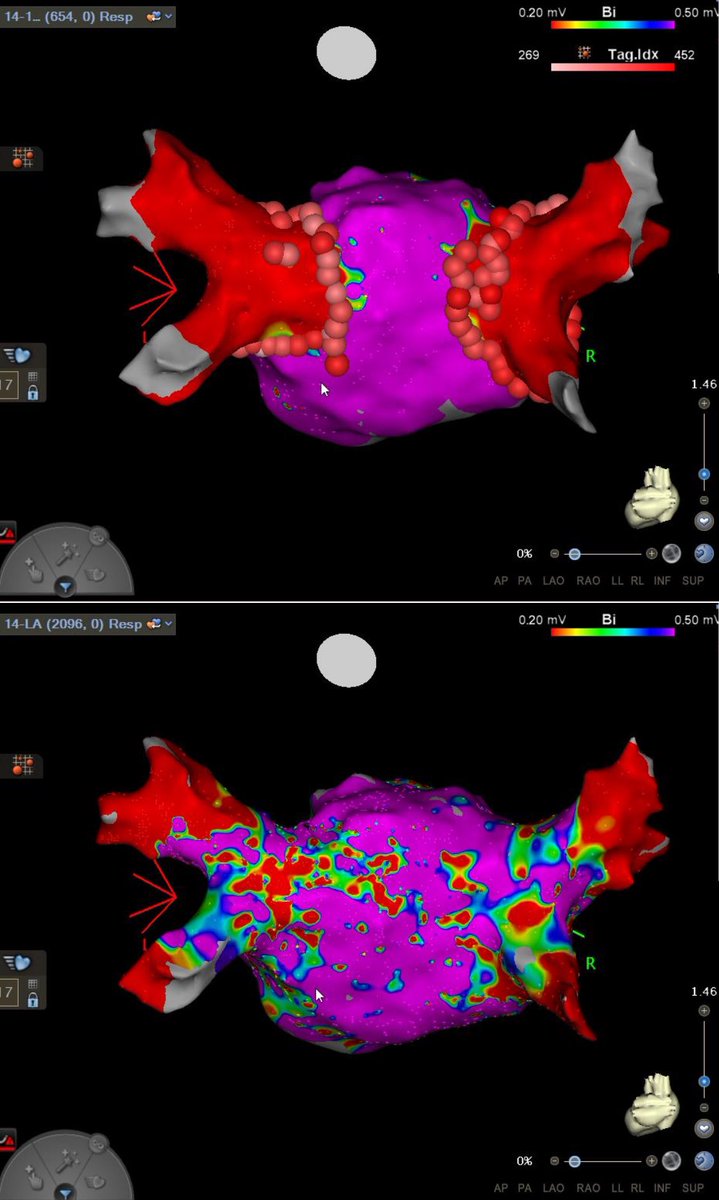
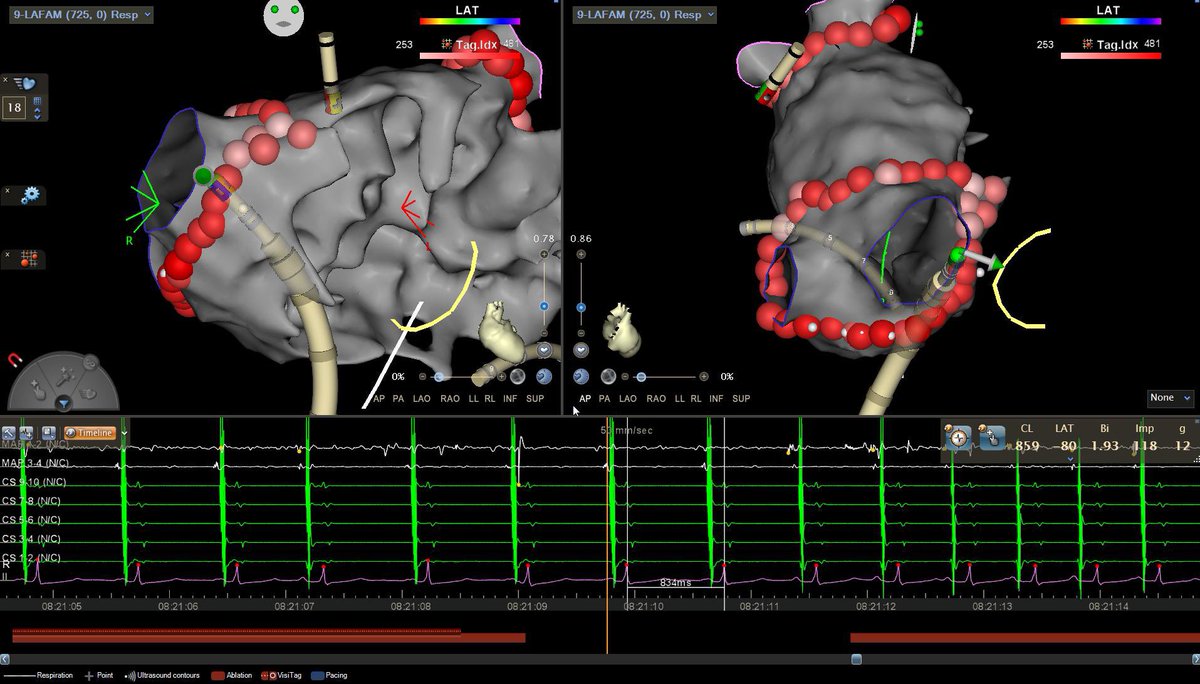
A typical atypical flutter. Hx of CHF and PersAF s/p prior PVI - roof line and anterior Mitral line. Terminated on the roof very quickly and confirmed block of veins and lines.
English
0
4
16
0
Kris Heinzman
Kris Heinzman@HeinzmanSetonEP·
@sgreenbergmd Will occasionally see higher HRs post PVI usually from normal to 90s or 100s. Those patients quite anecdotally seem to respond well to PVI. They also seem to return to baseline HRs in 6 - 12 months so may not be out of the woods for a pacemaker. Be interesting to follow.
English
0
0
1
0
Scott J. Greenberg, MD, FHRS
Scott J. Greenberg, MD, FHRS@sgreenbergmd·
Afib ablation, baseline sinus rates in the 40's while awake, consideration of permanent pacemaker in the future due to symptoms. Targeted vagal inputs anterior to right upper pulmonary vein. Afterwards baseline heart rates increased to 60's-70's and remained
Scott J. Greenberg, MD, FHRS tweet media
English
1
1
22
0
Kris Heinzman
Kris Heinzman@HeinzmanSetonEP·
@AllenAmornMD @EPeeps_Bot Thanks. We used a DF4, are asking about dual coil? I am worried about DFT. He had some lower INRs recently so didn’t shock today and will have to bring him back. Don’t mind letting that lead settle in place for a bit either.
English
2
0
0
0
Allen Amorn MD
Allen Amorn MD@AllenAmornMD·
@HeinzmanSetonEP @EPeeps_Bot Wow great job. No other tricks other than various CS sheaths which you tried. Genuine question, do you worry about DFT here? Of course likely higher risk of failure and higher risk of death with DFT so what do you do in this scenario? Is DF4 not an ideal choice here?
English
3
0
0
0
Kris Heinzman
Kris Heinzman@HeinzmanSetonEP·
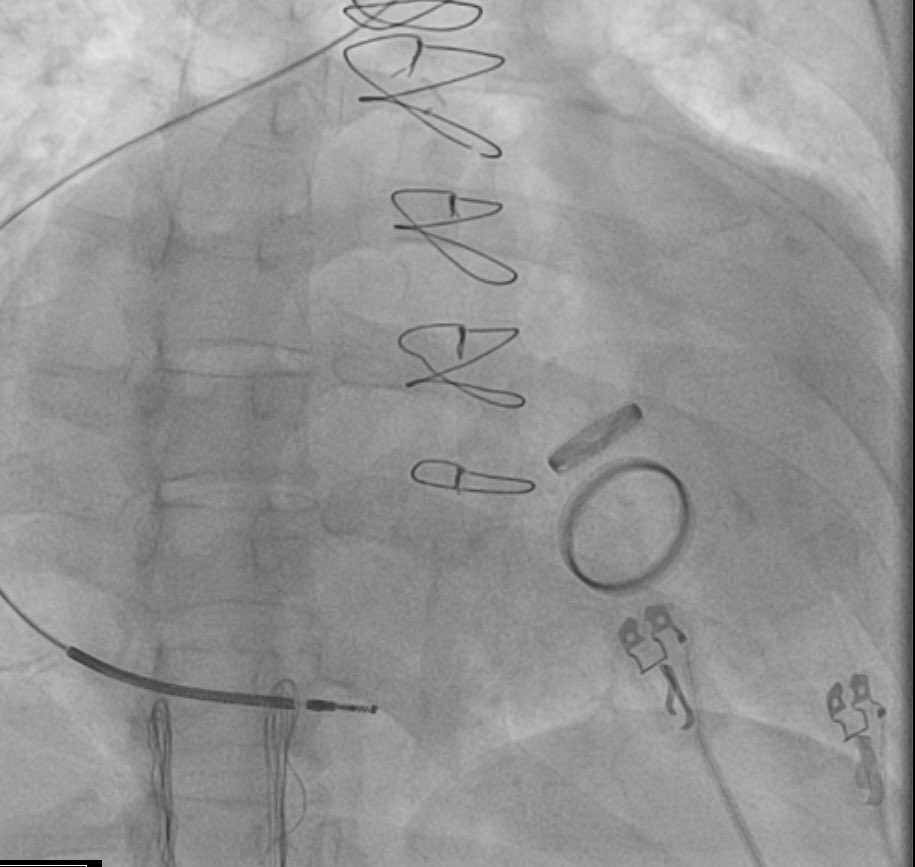
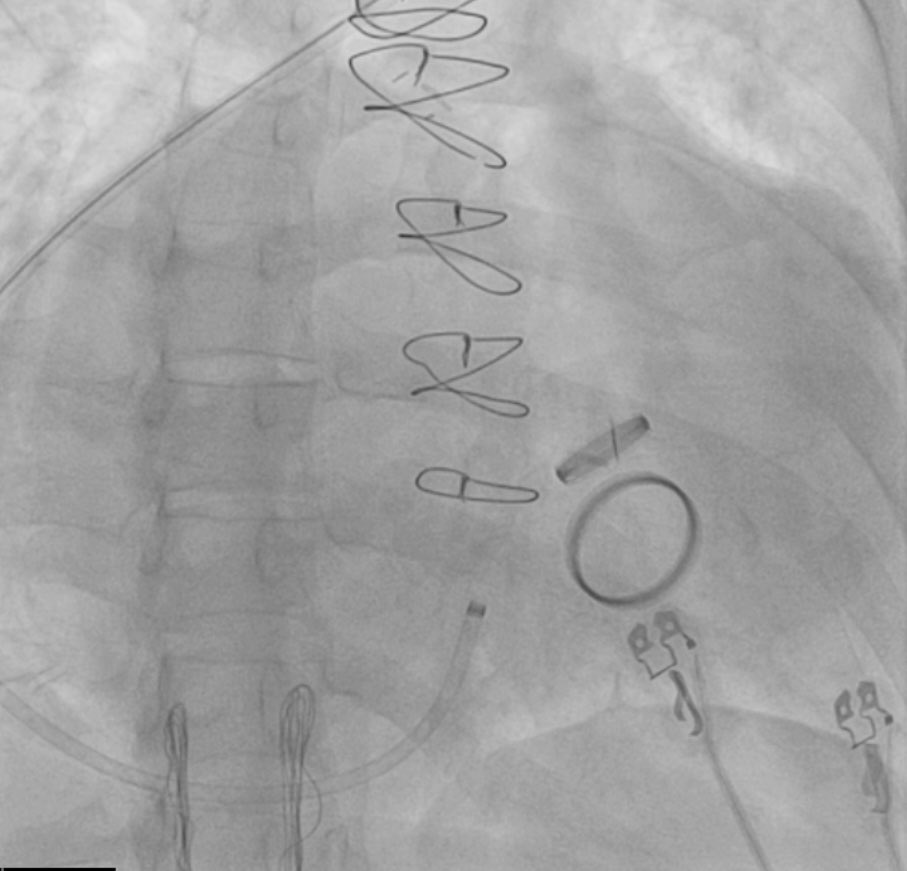
Pt for single chamber ICD and hx of RHD and NICM. Largest atrium I have ever seen and significant TR. looking to get ideas from #EPeeps
Kris Heinzman tweet media
English
5
2
10
0
Kris Heinzman
Kris Heinzman@HeinzmanSetonEP·
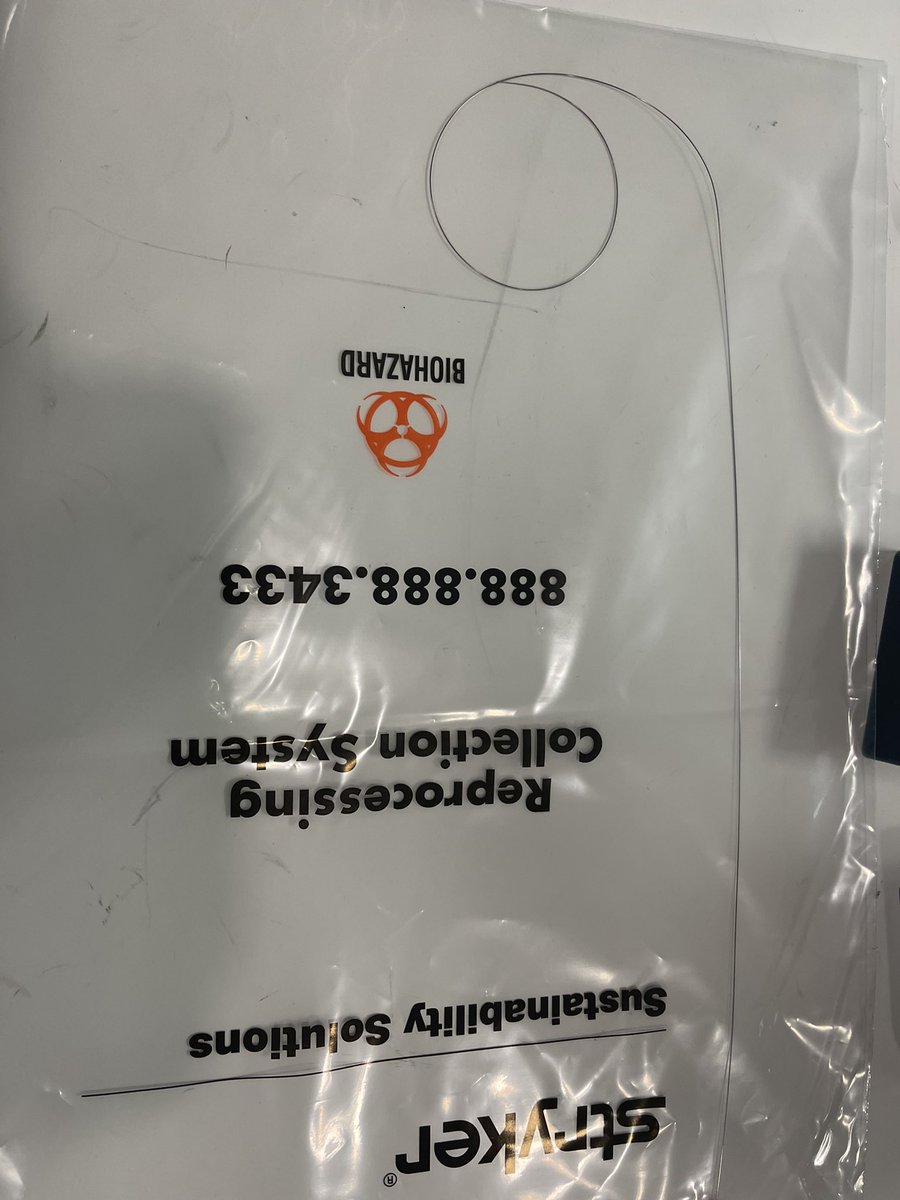
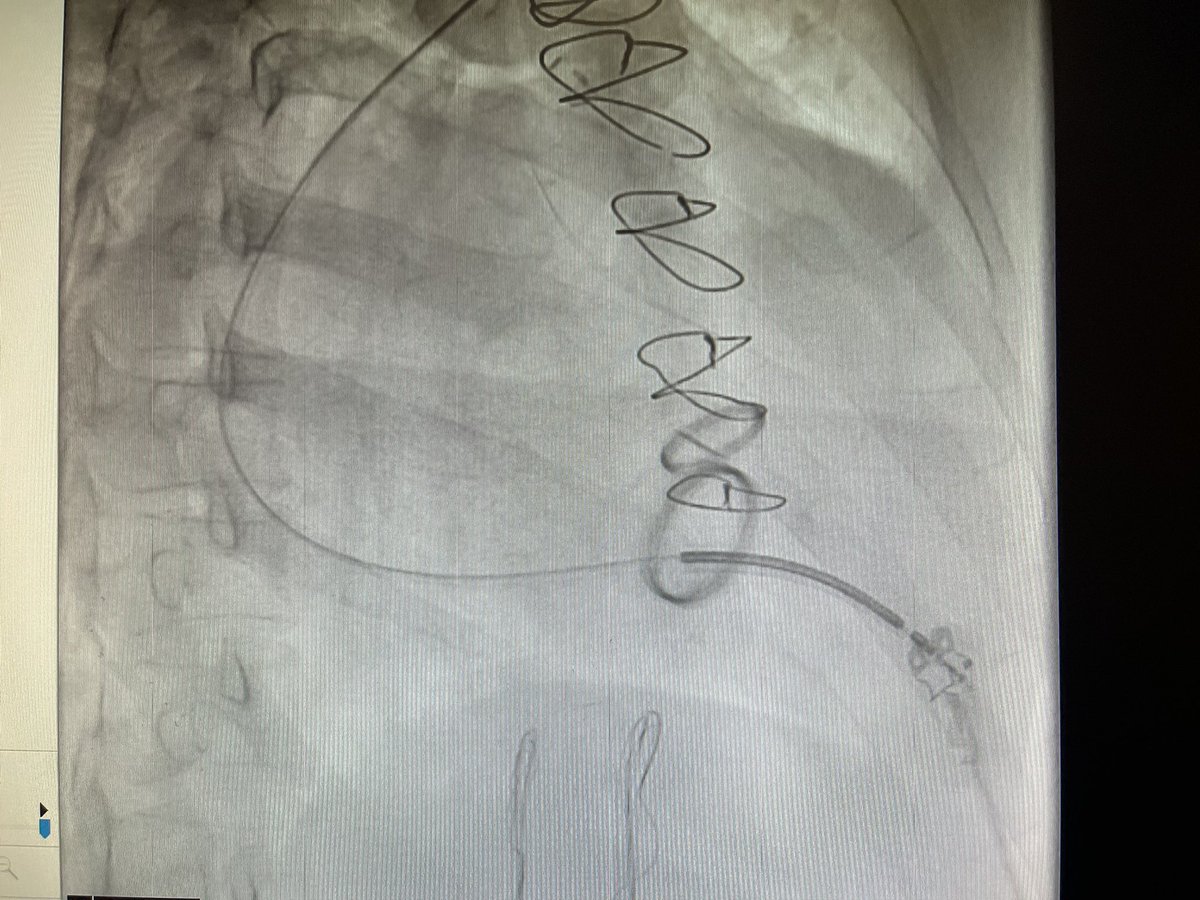
Eventually had to use a curved stylet that started the curve right at the RA/SVC junction and directed straight down to get the RV Apex/Low Septum. Great stability and numbers. What are other tricks?
Kris Heinzman tweet mediaKris Heinzman tweet media
English
2
0
3
0
Kris Heinzman
Kris Heinzman@HeinzmanSetonEP·
Go to for severe TR is to use a Worley sheath to get bast the valve and achieve stability however it rode the back wall of the massively dilated atrium and the large could not reach the valve.
Kris Heinzman tweet media
English
1
0
3
0