

Karl
21.6K posts

Karl
@Hey_karl
Web3 Content Creator | Web3 Marketing | Builder DM me → https://t.co/UvhDUR8l99 | here to connect and grow together Alpha opportunitie → https://t.co/GBxc4D0t7J
Dhaka, Bangladesh Katılım Ekim 2021
8.1K Takip Edilen10.4K Takipçiler

Have a good day CT.
@TheARCTERMINAL is changing how we interact with the blockchain by using personal AI that actually learns from you. At the heart of the system is ANIMA, an AI assistant that lives right in your browser to help manage your digital life.
Unlike basic tools, it remembers your habits and gets smarter as you use it. This makes every move faster and more natural without all the usual noise or technical friction. You get personal insights and full control over your actions while keeping your data private.
It is built to be a simple and flexible companion that works for you every single day. This is the future of personal intelligence where you stay in control of your own freedom.
How do you think personal AI will change the way we use decentralized apps?

English

GM Builders 🔆
Prediction used to feel like a side game.
Something you try… win or lose… then move on.
But lately, it doesn’t feel like that anymore.
Spending time on @Xmarketapp made me see it differently.
It’s not just about guessing outcomes it’s about turning attention and opinions into something that actually has value.
Every idea can become a market.
Every market attracts people.
And every person adds something to it.
That’s where it gets interesting.
You’re not just “trading” here.
You’re part of what gives the market life.
Liquidity doesn’t magically appear it’s built by the people interacting with it.
And the line between roles?
Almost gone.
Sometimes you create the narrative.
Sometimes you trade it. Most of the time, you’re doing both without even thinking about it.
The more people engage,
the more the system expands on its own.
It’s like value is constantly circulating flowing through ideas, through trades, through attention.
Prediction markets aren’t just a concept anymore.
They’re slowly turning into a living system
where opinions don’t just exist…
they move.
they shape markets.
and they carry value with them.

English

🚀 Web3 Ecosystem Update | Infrastructure, Identity & Value Ownership
The Web3 ecosystem is evolving rapidly, with infrastructure, identity, and value capture layers leading the transformation. Here are the latest updates from @quipnetwork, @3look_io, @RiverdotInc, and @wallchain 👇
1. Quip Network (@quipnetwork)
Quip Network is strengthening its decentralized messaging infrastructure by upgrading node scalability to handle higher traffic while maintaining end-to-end encryption. They’re also streamlining their API, making it easier for developers to integrate secure and private communication layers into dApps.
2. 3look (@3look_io) is advancing in the digital identity and avatar space. Their latest update introduces expanded multi-chain NFT support, allowing users to carry their digital personas seamlessly across different blockchains. They’re also working on deeper integrations with metaverse gaming platforms.
3. River (@River4fun) $RIVER is doubling down on community-owned messaging. Their recent protocol upgrades focus on decentralized storage, giving users full control over their social graphs. This creates a censorship-resistant foundation for the next generation of social applications.
4. Wallchain (@wallchain) is addressing one of DeFi’s hidden inefficiencies MEV (Maximal Extractable Value), which silently drains user value. In addition, they are introducing AttentionFi, a concept that treats user engagement as measurable value rather than something that disappears without return.
📌 Final Take:
From secure messaging and digital identity to decentralized ownership and fair value distribution these projects highlight how Web3 is evolving into a more user-centric ecosystem.
English

Good morning
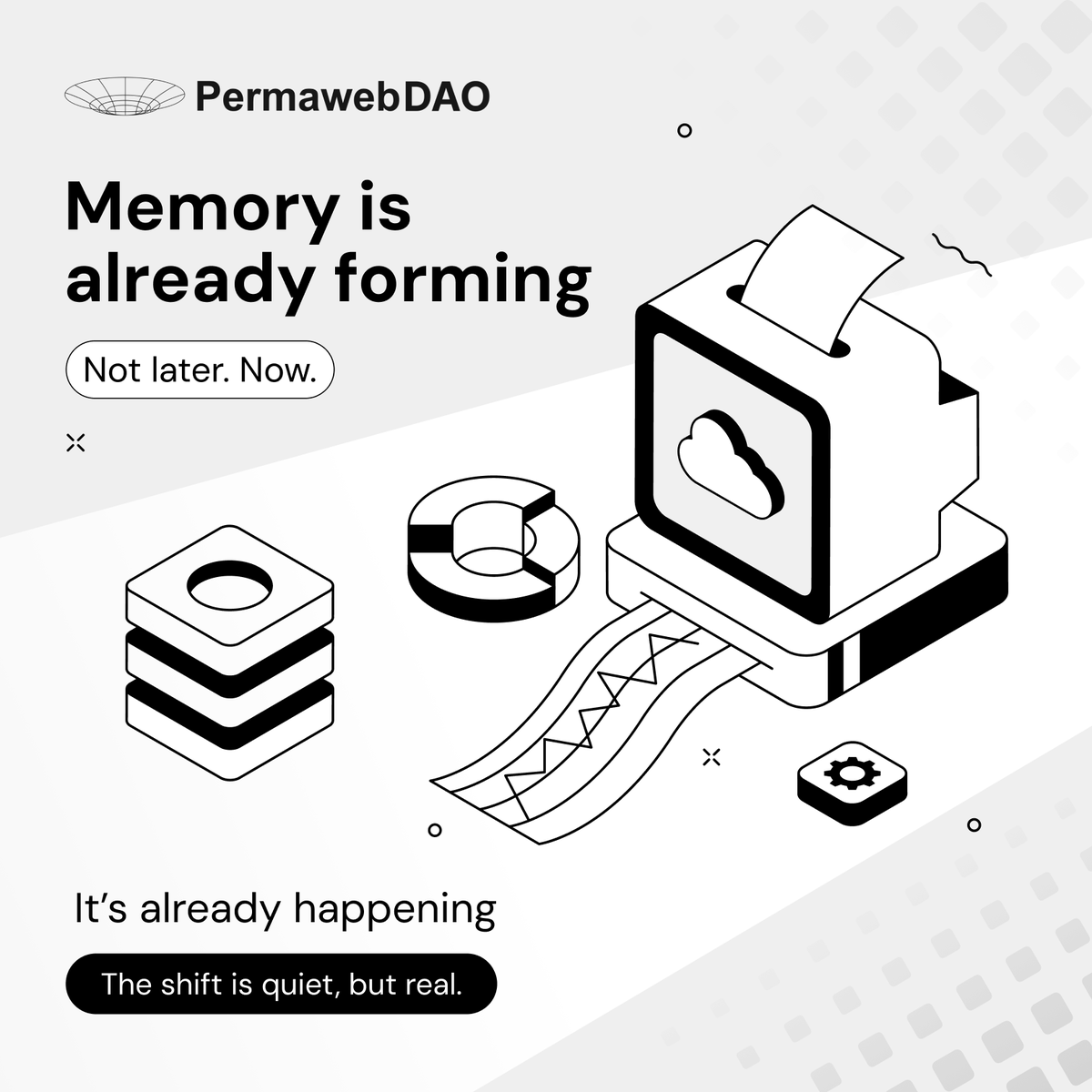
What if the internet remembered everything that mattered?
@Permaweb_DAO & @permacastapp is building more than infrastructure it’s coordinating a future where data is permanent, accessible, and owned by the people who create it.
No disappearing posts.
No platform dependency.
No broken links over time.
Just a living archive of knowledge, creativity, and value secured by a decentralized network.
Because the best ideas deserve more than a moment.
They deserve permanence.
English

Early morning x fam,,
Have you seen what’s going on here lately,
@permacastapp is building a better future for decentralized content, where creators can have more control and communities can grow without limits. This idea is becoming more important every day.
@0G_labs is working on powerful infrastructure that combines AI with blockchain technology. Fast, scalable, and intelligent systems will be a major part of the next digital era.
@dango is bringing fresh ideas into DeFi, showing that finance on-chain can become smarter, simpler, and more useful for everyone.
@XOOBNetwork proves that strong communities still matter the most. In Web3, real growth often starts with people who believe in the vision and support it early.
@3look_io is creating new value in SocialFi, where users can engage, create, and benefit from their own online activity.
The market often rewards people who notice quality before the crowd does. That is why watching real builders matters more than chasing hype.
Sometimes the next big opportunity is already in front of us, we just need to recognize it early.
Which one are you watching the most right now?

MARUF@Marufhassan76
Sleep well fam,, Are you joining this campaign or just watching, @permacastapp is building a new standard for decentralized content, where creators have more control, communities have stronger ownership, and information can live beyond traditional platforms. Their vision represents the future of open and creator-driven media. @0G_labs is developing critical infrastructure for the next wave of decentralized technology, combining scalable data availability, compute power, and AI-ready systems. They are building the kind of foundation that future innovation will depend on. @dango is focused on making Web3 simpler, smoother, and more accessible for everyday users. Better user experience is one of the most important keys to mass adoption, and they are moving in the right direction. Three strong projects, each solving different challenges, but all contributing to a smarter and more open digital future. Which of these builders are you watching most closely right now.
English
English

Good Morning CT FAM🌅
a clear flow is starting to form across how we think, act, and create value
@permacastapp sits at the beginning turning conversations into permanent, searchable assets that can be revisited and refined over time. @Permaweb_DAO
then @TheARCTERMINAL brings intelligence into that flow
where your intent, research, and actions can be executed seamlessly inside your everyday chats. ARC
@3look_io captures the attention layer making sure engagement becomes structured and valuable instead of disappearing
and @dango closes the loop with execution
bringing transparency where every action is visible and verifiable
idea → intelligence → attention → execution
this is how real systems are being built quietly.
#TheARCTERMINAL
#DANGO
#PERMACASTAPP

English

Good morning.
There is a clear shift in how products are being designed. Instead of chasing attention with flashy visuals or addictive loops, some platforms are moving away from manipulation. The focus is on utility. If a product is useful, people return to it. Growth may be slower, but it is more stable and intentional.
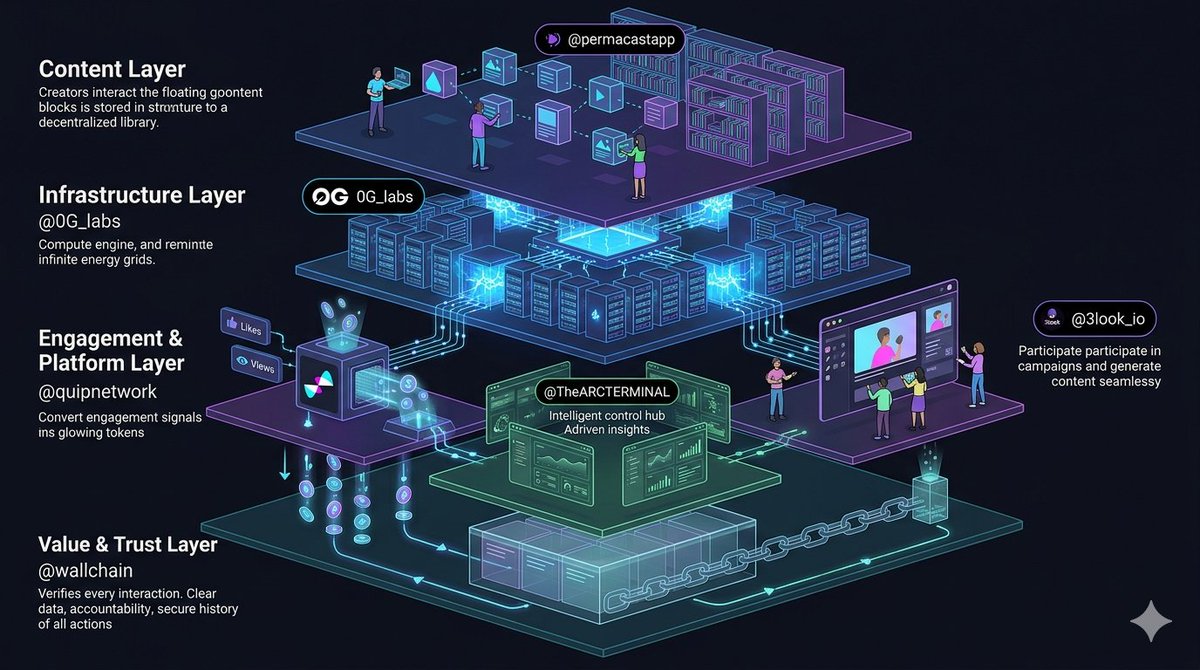
Most apps are still built around the present, an endless stream of what is happening now. That approach is starting to feel limited. Permaweb systems introduce memory as part of the interface. With @permacastapp and the direction of @permaweb_dao, users can move across time, not just scroll. Content keeps its context, making it easier to follow how ideas and conversations evolve. The past is visible, not lost.
This depth also applies to how systems connect.
@quipnetwork focuses on coordination between users, apps, and data layers. It exposes a gap in Web3 thinking where distribution is treated as enough. It is not. Systems need to communicate properly, and incentives need to support that flow. Better coordination strengthens the entire network instead of breaking it into isolated parts.
At the experience layer, the approach is more focused.
@TheARCTERMINAL reduces noise and prioritizes signal. It is built for clarity and meaningful interaction, not constant distraction. This reflects a wider move toward products that respect attention.
Underneath, infrastructure is improving.
@0G_labs removes much of the complexity around decentralized AI. Developers do not have to manage nodes, resources, or synchronization directly. The system handles that, allowing builders to work with simpler and more scalable tools.
All of this points to a different kind of ecosystem. Quieter interfaces, stronger coordination, persistent data, and infrastructure that stays in the background while supporting everything on top.
KVL 🌊@0x_kvl
Good night fam, Sunset though There’s a quiet shift happening in how products are designed. Instead of chasing attention with flashy visuals or addictive loops, some platforms are stepping back from manipulation-driven design. The goal is simple: if a product is genuinely useful, people will return to it. Engagement built on value may grow slower, but it lasts longer and feels more intentional. Most apps are built around the present a constant stream of what’s happening now. But that model is starting to feel incomplete. Permaweb-based systems are introducing memory as a core feature of the interface. With @permacastapp and the direction of @permaweb_dao, users can move through time, not just scroll through moments. Content carries its history, making it easier to understand how ideas, conversations, and narratives evolve. The past becomes visible, not buried. That same idea of depth is showing up in how systems connect. @quipnetwork focuses on coordination across users, apps, and data layers. It highlights a gap in Web3 thinking where distribution alone isn’t enough. Systems need to communicate efficiently, and incentives need to align with that flow. By improving how information and interactions move, it strengthens the entire network effect rather than isolating pieces of it. Then there’s the experience layer. @TheARCTERMINAL leans into a more focused, signal-driven interface. Instead of overwhelming users with noise, it prioritizes clarity and meaningful interaction. It fits into this broader shift away from distraction-heavy design toward environments where attention is respected, not exploited. Underneath it all, infrastructure is evolving to support this direction. @0G_labs is working to abstract the complexity of decentralized AI. Developers don’t need to manage node coordination, resource distribution, or data synchronization directly. The network handles those layers, while builders interact with clean, scalable interfaces. It lowers the barrier to entry without sacrificing power. Put together, this points to a different kind of ecosystem quieter interfaces, stronger coordination, persistent data, and infrastructure that fades into the background while enabling everything on top.
English

Good morning CT ☀️
@XOOBNetwork x @NomismaNetwork just launched something big 👀
a 90-day campaign starting with $100k USDC
and it can scale up to $500k based on performance.
two reward layers:
→ CPA (instant rewards from real user actions)
→ ImpactShare (final rewards based on total contribution)
and here’s the key
bringing real users boosts everything
so it’s not just content
it’s actual onchain activity
XOOB Genesis NFT holders get extra boost too
at the same time, Nomisma Season 3 is live
13 stages
91 days
1,000,000 Diamonds
earn by trading, providing liquidity, using dApps, and staying active daily
PnL leaderboard + multipliers add another layer of strategy
this isn’t passive
it’s performance + consistency + execution
feels like a mix of creator economy + DeFi gameplay
attention + action = rewards
nomisma.network
xoob.link

English

Good morning CT ☀️☕️
Happy Sunday everyone.
In crypto, the loudest things aren’t always the most important.
Some projects trend for a moment… then disappear.
Others move quietly, solving problems people haven’t fully felt yet.
That’s where @quipnetwork sits for me.
It’s not built for today’s comfort… it’s built for tomorrow’s pressure.
By the time quantum risks become obvious, the real question won’t be who’s talking about it… but who started preparing early.
Quipnetwork is quietly building for the moment when security actually matters most.
Not chasing noise… just building what will eventually be needed.

English

Good night, CT.
@permacastapp keeps knowledge alive while timelines sleep.
Conversations turn into permanent, on-chain assets.
Create as usual; value stays and compounds over time.
@0G_labs keeps the engines running in the background.
Decentralized AI scaling quietly through the night.
Strong infrastructure powering what comes next.
@dango keeps liquidity flowing without the noise.
Smooth trading, simple movement, no friction.
Built for a calm and seamless DeFi experience.
Rest well, the builders never stop.

BEELAAH💫@Beelaah3
Good evening CT While attention shifts, real builders stay consistent. @permacastapp isn’t chasing noise, it’s redefining how knowledge lives on-chain. Conversations become permanent, structured, and searchable assets. No loss, no control by platforms, just lasting value for creators and communities. Quiet infrastructure, powerful ownership. @0G_labs is scaling what most think is impossible. Decentralized AI with real throughput, modular design, and data availability that actually keeps up with demand. Not just ideas, but execution at scale. Strong foundation, serious tech, long-term vision. @dango is simplifying liquidity without compromising control. Seamless asset movement, efficient trading layers, and user-first design built for real adoption. No friction, no complexity, just smooth DeFi experience backed by solid infrastructure. Different paths, same direction. Real products, real users, real future.
English

Gm CT💗
Today will be great!
Dango picks up where that foundation leaves off, zeroing in on execution, the moment where friction tends to hit hardest. Markets move chaotically but trades here feel structured and deliberate. Interactions flow more smoothly and users aren’t left fighting the system just to get a position filled.
0G_labs extends that logic further, pulling storage, compute and verification into a single coordinated layer. The goal isn’t simply to process large models but to ensure the outputs can actually be trusted. Verifiable execution is what separates useful infrastructure from infrastructure that just looks impressive on paper.
Permaweb_DAO closes the loop by solving for something the others don’t directly address: memory. Built on Arweave, it ensures that data, context and decisions accumulate rather than vanish. What gets recorded now remains accessible and verifiable later, giving the entire system a sense of continuity that most decentralized architectures still lack.
- @useTria simplifies Web3 with seamless multi-chain access, zero gas friction, spending via Visa, and unified asset management.
Web3 is shifting toward real utility, transparency, and meaningful rewards over noise.
- @XOOBNetwork connects projects, creators, and users by turning attention into real impact.
@NomismaNetwork has added a USDC reward pool (100K–500K) split between instant CPA payouts and a long-term ImpactShare system, with extra boosts for $XOOB Genesis NFT holders.
Lastly @quipnetwork looks further ahead → focusing on security in a way many are not yet considering. Quantum risks may not be immediate, but they are inevitable.
English

Early morning.
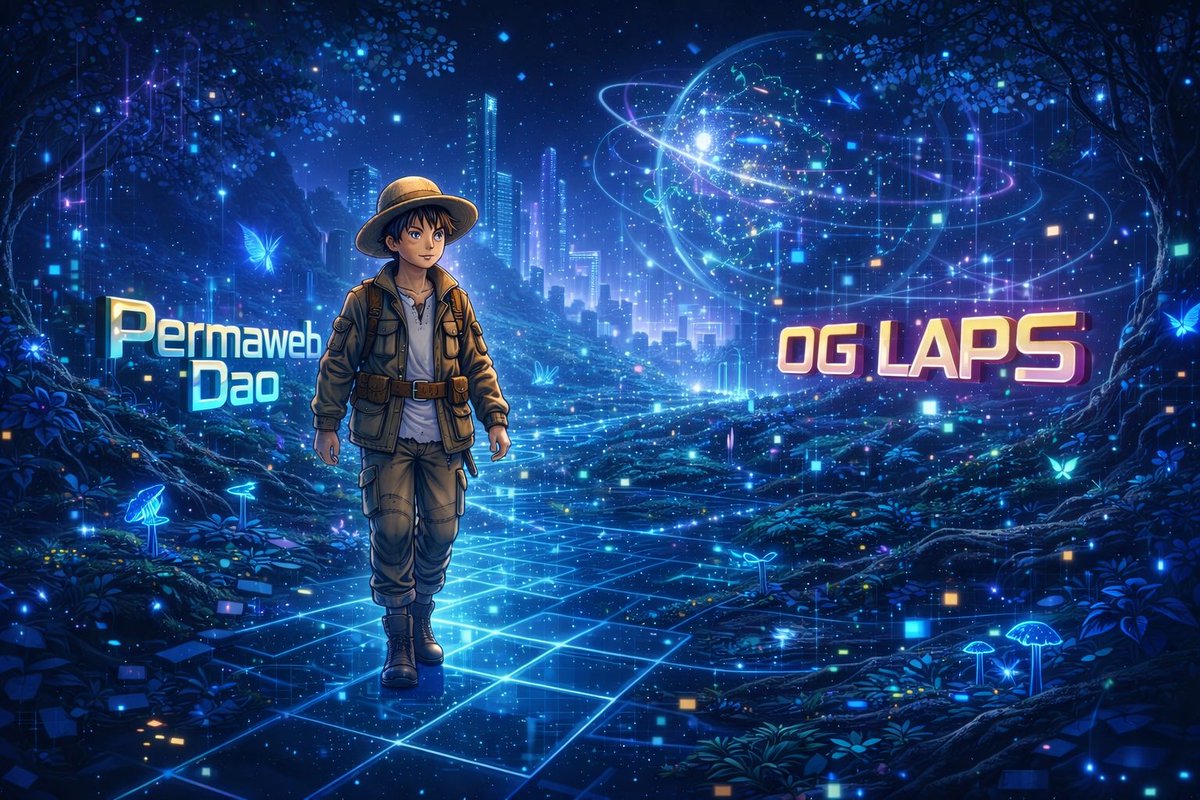
@permacastapp is reshaping how conversations exist online by prioritizing permanence, transparency, and true user ownership.
Instead of disappearing into endless feeds, every interaction is preserved remaining accessible, meaningful, and valuable over time.
With a seamless blend of simplicity and decentralized technology, the platform makes it easy for users to engage without complexity.
By transforming everyday conversations into lasting digital assets, Permacast is opening a new chapter for meaningful communication in the evolving Web3 landscape.
.......................................................................
@0G_labs is building the foundation for the next generation of digital infrastructure by merging AI with blockchain technology.
It’s not just about speed or scalability it’s about creating systems that can think, adapt, and operate with transparency.
As the digital world evolves, intelligent and decentralized infrastructure like this will play a key role in shaping how we build, interact, and innovate online.
English


@mdabdurrahim98 @Sumon4447s @XOOBNetwork @3look_io @MindoAI @useTria @wolfswapdotapp Good morning legend
English

Good Morning Everyone...
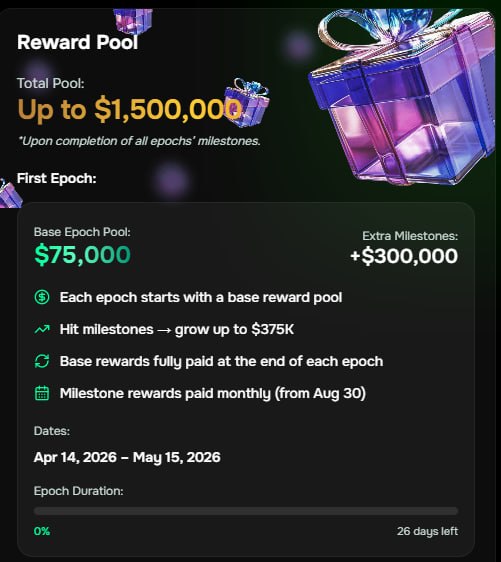
What if content reflected real impact instead of just views.
@XOOBNetwork is moving in that direction by linking social activity with on chain outcomes.
With over 5K creators already involved the shift from noise toward actual value is starting to show.
Still early but the direction looks promising.
Lately there is a noticeable shift.
➤ @3look_io is making rewards more responsive and aligned with real engagement.
Both are moving toward systems that run continuously and reward meaningful output.
➤ @useTria × @MindoAI brings a clean setup.
trade, earn, spend in one flow.
activity generates rewards and those rewards feed back into usage.
simple structure but genuinely practical.
➤ Efficiency is the ultimate currency. The @wolfswapdotapp team has spent years perfecting their algorithms so the $PACK can trade with total confidence on the Cronos chain.


English

G morning guyss
The current internet values delivery speed over information longevity.
We are trained to get impressions, to perfect our thumbnails, to fight for attention on platforms we don’t own.
However, reach without longevity creates vulnerable leverage.
@permacastapp and @Permaweb_DAO propose an alternative foundation,
Not only should our media travel, it should also persist.
As long as our media is rooted in a decentralized system that never deletes anything, it transcends the economics of rented servers and enters the realm of digital real estate.
Our episodes transform into enduring markers in shared collective memory.
They can be cited, recovered, and expanded upon over time.
--------------------------------------
Advanced investors understand that information quality is essential for execution quality.
Depth that's concealed and flow that's mysterious turns decisions into random guesses.
The @dango model appears to be based on a clearer foundation,
Clear books.
Flow transparency.
Structure.
In trading, visibility is an advantage.

English

Good morning #gXOOB
The majority of people are going about these campaigns in a negative manner
@XOOBNetwork is a game of patience there is no quick fix or quick win. Simple being there and natural storyline as time goes on. In case you are not able to stick to it then you are already a step behind
@NomismaNetwork plays differently. It rewards execution. There is attention on the content and value is created via conversion. When you are able to move an audience, then you begin to multiply results
One builds credibility.
The other gets the money of it.
Play like that, you are not farming but rather making leverage

English

Good Morning Everyone ! 👋🏻✅✅✅
Just say — GM
We follow you immediately 💯🚀
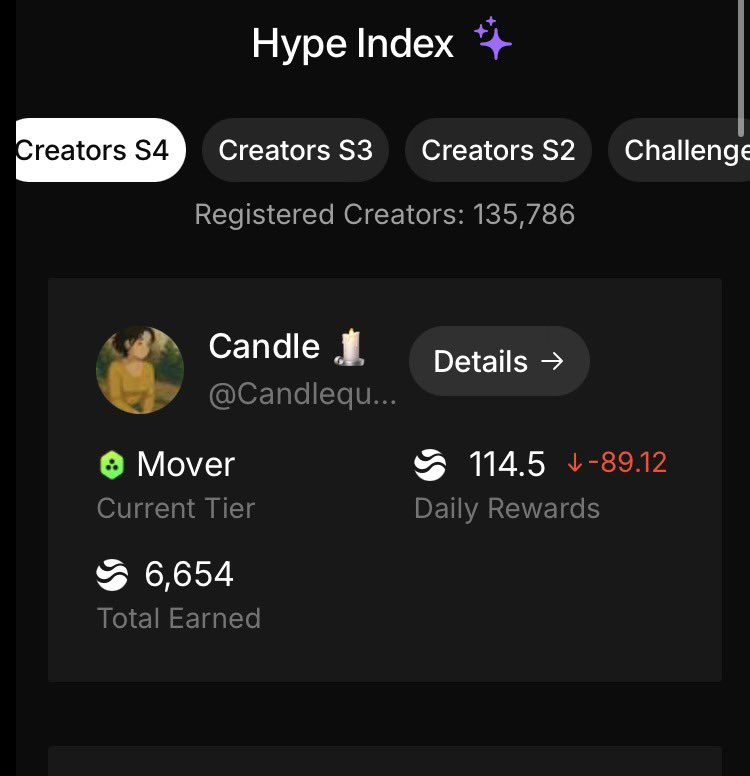
Yesterday I got 385 $River points 🤑
@River4fun don't fade
10000 points worth 2000$ griver
@RiverdotInc like comment 👇
I wil boost your post
English



Good Morning CT,
GAMERS, THIS IS THE SHIFT.
Gaming is no longer just play, it’s proof of skill, creativity, and consistency being rewarded in real time.
Play GTA6, Valorant, Dota2, LoL, MLBB, Roblox and earn.
Top clips, smart guides, even your funniest fails can climb the ForU AI Repper Board @4uaicrypto where attention turns into actual value.
Play smarter. Create better. Earn faster.
ARC Terminal @TheARCTERMINAL
ARC isn’t trying to be another AI tool it’s quietly positioning itself as the OS layer for onchain intelligence.
If agents become the interface, whoever owns the environment they operate in controls the real leverage.
ARC might not win by features… but by becoming the place everything else plugs into.
Tria @useTria
Most projects simplify onboarding Tria reframes it as invisible infrastructure.
The real unlock isn’t easier wallets, it’s removing the moment users realize they’re using Web3 at all.
The winner won’t educate users it’ll make education unnecessary.
Nomisma @NomismaNetwork
Nomisma feels less like a protocol, more like a bet on credibility as a financial primitive.
In a world flooded with tokens, the scarce asset isn’t liquidity it’s trust that can compound.
If they get this right, “who you are” onchain could matter more than “what you hold.”

Olivia@vldn2025
Good Night CT, LoL in 2025 isn’t about mechanics anymore it’s about tempo: whoever controls the map’s rhythm controls the game, not the scoreboard. Early jungle pressure and objective chaining (Herald → tower → drake) are deciding matches faster than ever, turning small leads into irreversible snowballs. The real skill gap now is macro IQ players who think two moves ahead win, even with “worse” champions ForU AI @4uaicrypto .GTA VI, Valorant, Dota 2, LoL, MLBB. ARC Terminal feels less like a product and more like a control layer where fragmented on-chain signals get compressed into actionable edge before the market notices @TheARCTERMINAL . The real unlock isn’t data access, it’s decision velocity whoever interprets faster wins, and ARC is quietly optimizing for that. If this trend holds, ARC won’t compete with dashboards… it replaces them.
English

Early morning brother's ☀️
I was digging a little deeper into @quipnetwork
You can run a testnet node right now.
There's a simple node manager with a GUI,
or if you know how to do it, you can do a full setup with Docker.
What I like is that it's not just talk,
they're actually giving people early access to the network.
A small step, but it proves that they're really building something.
It makes me a little more optimistic about $QUIP

Karl@Hey_karl
Good morning CT🔅 I’ve been looking at the @quipnetwork roadmap and honestly, that’s one of the main reasons I’m bullish on $QUIP They’re not just talking about some ideas — they have a clear direction: → Start with real computing usage → Move towards distributed quantum systems → And eventually aim for a global “quantum network” It’s not something that happens overnight, but the steps are pretty logical. Build → Test → Connect → Scale What I like is that they’re not just thinking about short-term mania, but thinking years ahead. It’s still early days, there’s still a lot to prove, But the roadmap seems so realistic that I can keep my eye on it.
English