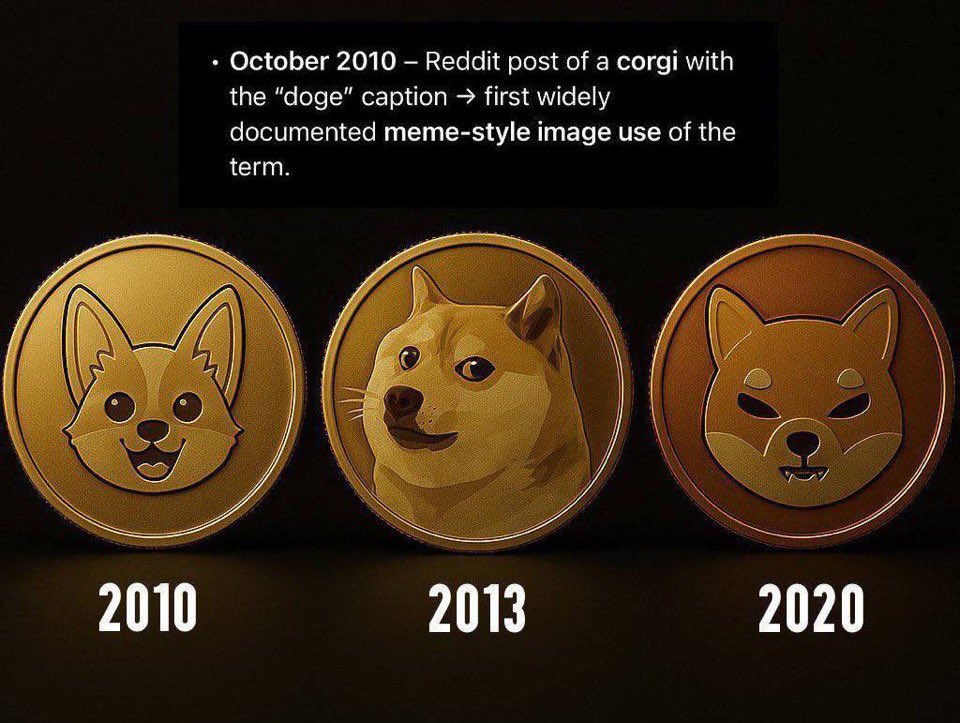
Sabitlenmiş Tweet
Rayne
9.5K posts


Rayne
@Highrisktakerrx
Creator | Memes addict | Trencher | I fw gud teks!
Liquid Katılım Kasım 2022
1.5K Takip Edilen3K Takipçiler

English

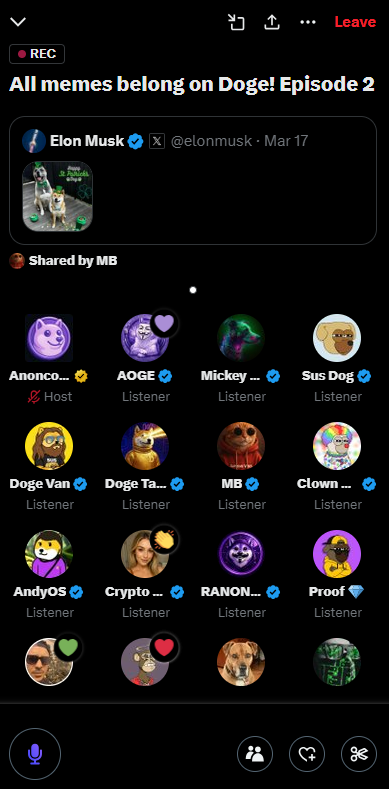
Huge shout out to @SusDogX @ballsdeepindoge @DogeTakeoverXD @ptsdshow @anoncoinit and the rest of the amazing individuals that showed up for this X Space.
Community First is Always Key!
English







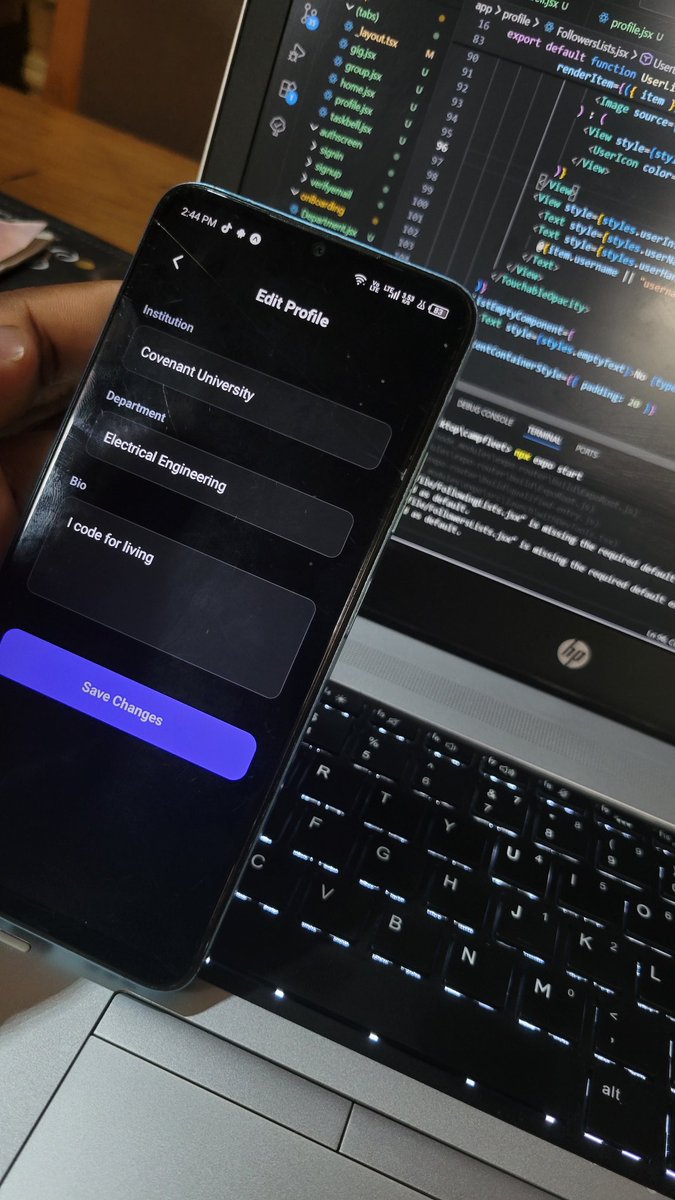
I am almost done with the profile tab and its screens.
Users can now update their profile(their department, interests, and bio). When the user clicks on the share profile button, they can either copy the link or share it with their preferred app.
Also, the user can see their following lists and followers lists. Plus, the user posts and replies are fetched.
How is it?


Ola@dev_olayinka
I'm building the profile screen for the on-campus social media mobile app. What are you working on today?
English

It was a Friday afternoon in class.
Lectures were over, but we were still seated, just talking, random conversations before heading home. There were three of us.
One of my friends suddenly said, “Bro, the future is going to be full of drones.” He went on about how drones would handle deliveries, inspections, even emergency services.
The second one agreed instantly, adding that the sky would soon be filled with drones moving around cities every day.
But me? I wasn’t convinced. Not because it sounded impossible… but because of something that happened to me.
A few months earlier, I heard a drone hovering around my street late at night. It stayed there for a while, and the strange part was… I had no idea who it belonged to.
Was it someone recording? Was it authorised? Was it even safe? There was no way to know.
So when they talked about a future filled with drones, I just shook my head. Because in my mind, if we can’t even track one drone properly today… how are we supposed to manage thousands?
After that conversation, we all went home. Saturday passed. Sunday passed. But that thought didn’t leave my mind.
So on Sunday night, I opened X and started scrolling. That’s when I came across @FliteGrid. And suddenly… everything started making sense.
I began reading about what they were building, and I realised they were solving the exact problem I experienced.
Think about it: drones are increasing rapidly. Cities can’t properly track where they’re flying. Security teams don’t always know who owns them, and airports or critical infrastructure face real safety risks.
The sky is slowly filling with drones… but the system to monitor them is still missing.
And that’s when it clicked for me. This is exactly what @FliteGrid is building, a global network designed to detect drones in real time.
Instead of relying on one company to install expensive infrastructure, they allow people to deploy small devices that “listen” for drone signals. When a drone broadcasts its identity, these devices pick it up and send the data to the network.
This makes it possible to detect drones nearby, track their activity, improve airspace safety, and build real visibility for the future drone economy.
In simple terms, they’re building the infrastructure that helps the world understand what’s flying above us.
Monday came. We were back in class, same spot, same energy. But this time, I was the one who spoke first.
“Remember what we talked about on Friday?”
They nodded.
Then I told them about FliteGrid and how it’s solving the exact problem we argued about.
That’s when it hit me. Maybe the future with thousands of drones isn’t the problem. Maybe the real problem was never the drones…
It was the lack of infrastructure to understand them.
And now, that’s exactly what’s being built.

English
thought you all said you’re going to support.
i broke down all you need to know about flitegrid.
support guys.

Joe 💭@Joe_web3_
It was a Friday afternoon in class. Lectures were over, but we were still seated, just talking, random conversations before heading home. There were three of us. One of my friends suddenly said, “Bro, the future is going to be full of drones.” He went on about how drones would handle deliveries, inspections, even emergency services. The second one agreed instantly, adding that the sky would soon be filled with drones moving around cities every day. But me? I wasn’t convinced. Not because it sounded impossible… but because of something that happened to me. A few months earlier, I heard a drone hovering around my street late at night. It stayed there for a while, and the strange part was… I had no idea who it belonged to. Was it someone recording? Was it authorised? Was it even safe? There was no way to know. So when they talked about a future filled with drones, I just shook my head. Because in my mind, if we can’t even track one drone properly today… how are we supposed to manage thousands? After that conversation, we all went home. Saturday passed. Sunday passed. But that thought didn’t leave my mind. So on Sunday night, I opened X and started scrolling. That’s when I came across @FliteGrid. And suddenly… everything started making sense. I began reading about what they were building, and I realised they were solving the exact problem I experienced. Think about it: drones are increasing rapidly. Cities can’t properly track where they’re flying. Security teams don’t always know who owns them, and airports or critical infrastructure face real safety risks. The sky is slowly filling with drones… but the system to monitor them is still missing. And that’s when it clicked for me. This is exactly what @FliteGrid is building, a global network designed to detect drones in real time. Instead of relying on one company to install expensive infrastructure, they allow people to deploy small devices that “listen” for drone signals. When a drone broadcasts its identity, these devices pick it up and send the data to the network. This makes it possible to detect drones nearby, track their activity, improve airspace safety, and build real visibility for the future drone economy. In simple terms, they’re building the infrastructure that helps the world understand what’s flying above us. Monday came. We were back in class, same spot, same energy. But this time, I was the one who spoke first. “Remember what we talked about on Friday?” They nodded. Then I told them about FliteGrid and how it’s solving the exact problem we argued about. That’s when it hit me. Maybe the future with thousands of drones isn’t the problem. Maybe the real problem was never the drones… It was the lack of infrastructure to understand them. And now, that’s exactly what’s being built.
English