Dr Daniel

1K posts

Dr Daniel

Dr Daniel

@Homibsata

Katılım Kasım 2023
126 Takip Edilen157 Takipçiler
Dr Daniel
Dr Daniel@Homibsata·
Dear Habtish, You might want to start by reviewing your own timeline before asking others for clarification. No one is “sniffing around” you . What’s actually happening is far simpler: you keep bringing Eritrea into your posts, repeatedly, and then you seem surprised when Eritreans respond. That’s not intrusion, that’s cause and effect. If Eritrea occupies that much space in your thinking, then naturally it will attract engagement from Eritreans. You cannot centre a topic in every conversation and then complain that the very people concerned are part of the discussion. If you prefers silence, the solution is straightforward: stop talking about Eritrea. The responses will disappear just as quickly as they appeared. What seems to be difficult to accept is that public commentary invites public reaction. That’s not harassment, it’s how open discourse works Habtish!!!
English
0
0
0
6
Dr Daniel
Dr Daniel@Homibsata·
👏👏👏👏👏👏 YOU ARE WELCOME HABTISH!! Eritrea’s social fabric is anchored in a very clear principle: trust is earned through sincerity, and once it is, it is rarely withdrawn. Hospitality is not performative or transactional. It operates more like a deeply embedded social contract. If someone is received as a genuine friend, they are treated with consistency, dignity, and an almost familial level of care. There is little space for superficial politeness masking hidden intent. What you see is largely what you get, and that transparency is precisely what makes relationships feel stable and enduring. This cultural logic translates into how visitors experience Eritrea. You are not “entertained” in the commercial sense; you are hosted. That distinction matters. Hosting implies responsibility. It means ensuring your comfort, your safety, and your inclusion. Coffee ceremonies, shared meals, and long conversations are not symbolic gestures, they are mechanisms of social integration. Once someone is brought into that space, they are no longer an outsider in any meaningful sense. Asmara, in particular, reflects this ethos at a system level. From a safety perspective, it behaves more like a tightly coordinated low-variance environment than a typical urban setting. Violent crime is exceptionally rare, and even petty crime is minimal by most global benchmarks. The probability of encountering opportunistic theft, harassment, or disorder is very low. This is not accidental. It is the product of strong social norms, high community visibility, and a culture that places a premium on collective responsibility. The roads and public spaces reinforce this sense of security. It is common to see people walking at night without anxiety, families moving freely, and minimal visible policing. Safety is not heavily enforced through overt control mechanisms; rather, it emerges from behavioural norms and mutual accountability. In practical terms, this means visitors can navigate the city with a high degree of confidence, even without local familiarity. There is also a notable absence of underlying hostility toward outsiders. Eritreans are not predisposed to suspicion when approached respectfully. The key variable is intent. If someone engages openly and genuinely, the response is typically warm, curious, and accommodating. This creates an environment where social friction is low and interactions are straightforward. In combination, these elements produce a distinctive experience: a city where safety is felt rather than enforced, and where hospitality is not a service but a cultural baseline. Everyone is welcome, but more importantly, everyone who comes with genuine intent is received without reservation.
Dr Daniel tweet mediaDr Daniel tweet media
English
0
0
0
24
Habtish Gurmu (Commentary)
Habtish Gurmu (Commentary)@Habtishgreat·
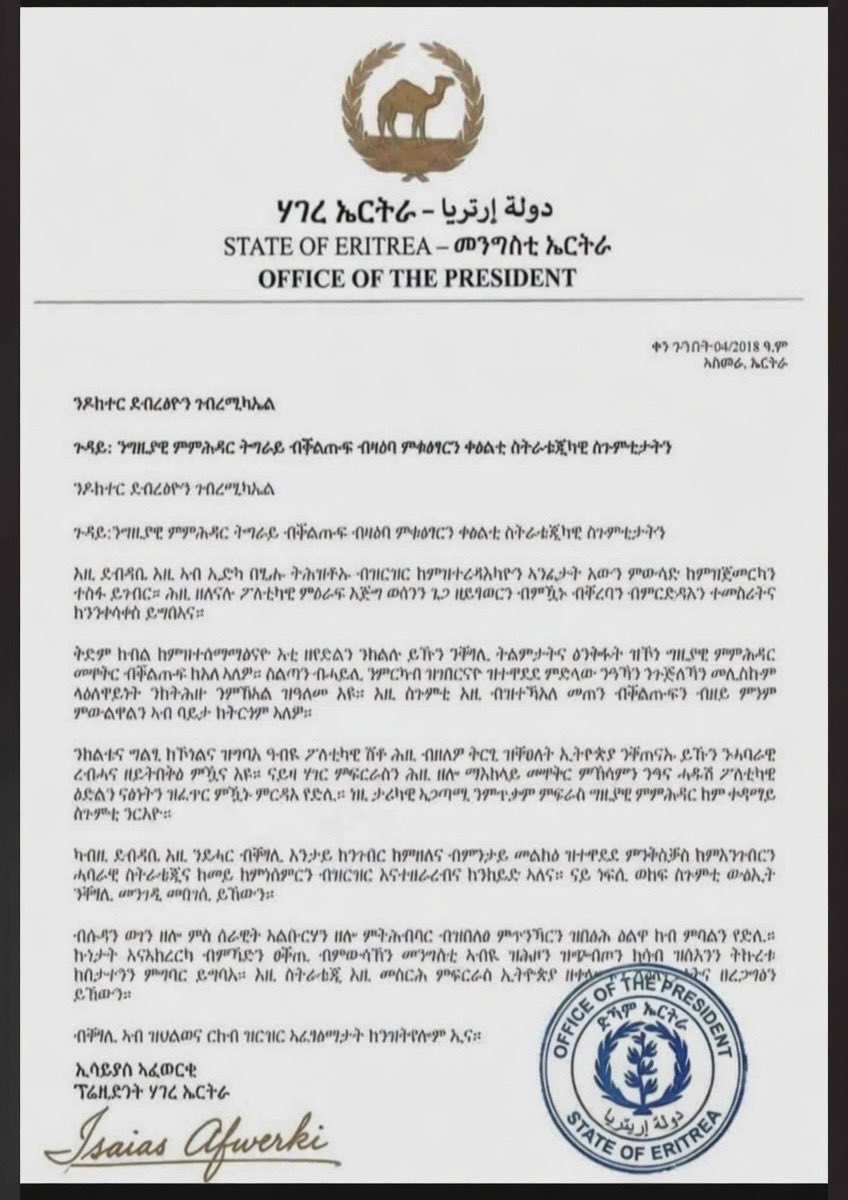
🇪🇷Eritrea - Here I come‼️ I just opened my mail and found out that my visa application has been approved by the Eritrean Embassy in DC. At first, I started the application just to find out whether I would be accepted or not. Now I am seriously considering traveling to Asmara, Eritrea, to witness the conditions myself. I had to spent $173 without including the mailing fee: - $150 for the visa - $13 for the printing fee - $10 for the service fee
Habtish Gurmu (Commentary) tweet mediaHabtish Gurmu (Commentary) tweet media
English
55
1
25
9.3K
Dr Daniel
Dr Daniel@Homibsata·
Rising with Purpose: A Message to Eritrea’s New Generation As you step onto the pitch for the 2027 AFCON Pamoja qualifiers, you carry more than a ball at your feet , you carry the pride, resilience, and history of a nation that has never taken the easy path. Eritrea has always been defined by discipline, endurance, and collective strength. Football is no different. Every pass, every tackle, every sprint is an opportunity to demonstrate who you are: a team built not only on talent, but on character. You may face more experienced sides, louder crowds, and tougher conditions, but remember, football is not decided by reputation. It is decided by organisation, belief, and execution. Stay compact. Play for one another. Trust your preparation. This is not just about qualification. It is about establishing identity. Showing Africa that Eritrea is present, focused, and ready to compete with intelligence and courage. Play with discipline. Compete with pride. Finish with conviction. The nation stands behind you, not expecting perfection, but demanding commitment. Make every minute count.
Dr Daniel tweet mediaDr Daniel tweet mediaDr Daniel tweet media
English
0
0
2
11
Dr Daniel retweetledi
Eriid🇪🇷❤️ ዕርዲ
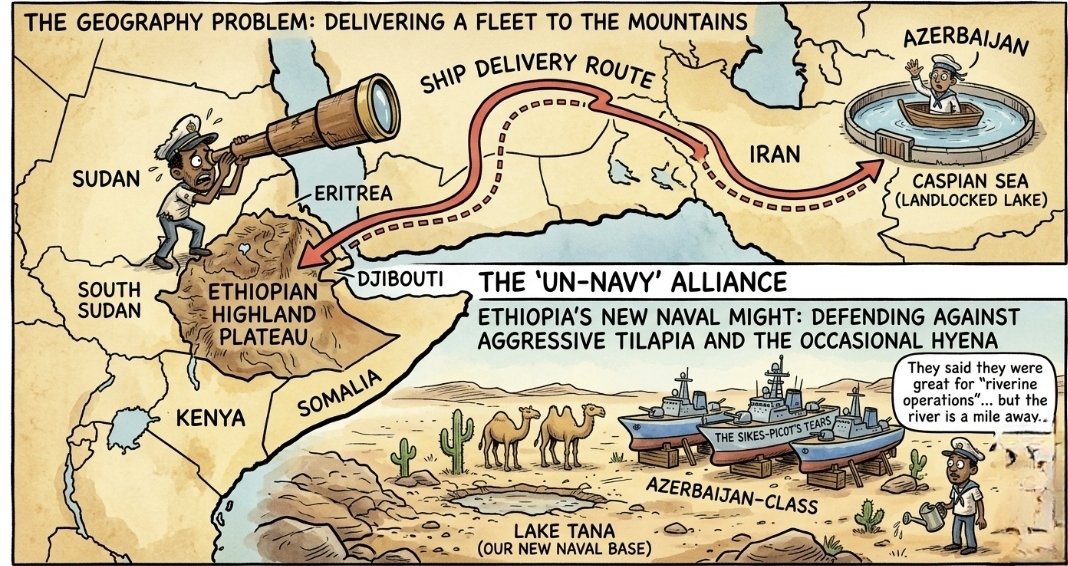
Landlocked on the Map, Maritime Superpower in Their Head. They couldn’t reach Assab in reality, so they conquered it in imagination. 2026 They are still tweeting, still dreaming, still nowhere near the coastline, but guess what, BOOMSHAKLAKA #Ethiopia #Landlocked
English
44
17
49
6.8K
Dr Daniel
Dr Daniel@Homibsata·
STATE CAPTURE IN PROGRESS. TRUTH TOLD BY ETHIOPIANS THEMSELVES.
English
0
1
1
12
Dr Daniel
Dr Daniel@Homibsata·
🤣🤣🤣🤣 Yes of course. Asmara… the city famously known for its glass skyscrapers, futuristic curves, and six-lane empty boulevards straight out of a Dubai real estate brochure. Next you’ll tell us Fiat Tagliero has a rooftop infinity pool and Cinema Impero just got a penthouse upgrade. Asmara is many things, historic, modernist, uniquely preserved, but it’s not auditioning to be a sci-fi skyline. This looks less like Eritrea and more like someone fed “African capital + billionaire architect + unlimited budget” into an AI generator and hoped no one would notice. Nice try though. Even Google Maps is shaking its head. Can you see on the attached visual background Asmara? Clean your dirt HABTISH. Opppsss....sorry🤭🤭🤭forgot that for you, throwing garbage , urination and defecation in day light on your streets is normal business.
Dr Daniel tweet media
English
1
2
6
592
Dr Daniel
Dr Daniel@Homibsata·
Oh, look everyone, we found him! The last surviving cartographer of the "Imaginary Borders Club," currently 130 years behind on his subscription. ​Bless your heart. It’s a bold move to try and "claim" two sovereign nations while the current "welding" of your own is making some very loud, metallic snapping sounds. You’re out here trying to play Risk on a board that’s literally folding in half. ​A Brief History Refresher (Since you missed the memo): ​The Menelik Special: Let’s be real, the Ethiopia you’re thinking of wasn’t some ancient, pre-destined monolith. It was basically Menelik II with a very busy army and a massive "Buy One, Annex Three" sale. He spent the late 19th century grabbing the South, East, and West like he was at an all-you-can-eat geopolitical buffet. ​The Glue is Failing: That 19th-century "welding" job? It wasn't exactly aerospace grade. Currently, the seams are under so much pressure that the sparks are visible from space. ​You are claiming Eritrea and Somalia? My friend, there are districts three hours away from Addis Ababa that are currently "Unsubscribing from the Federation," and you want to add more coastlines to the tab?🤣😂🤣😂🤣. You are the funniest moron 130 years back of subscription.
English
0
1
5
441
Dr Daniel retweetledi
ⓉⓃ
ⓉⓃ@tesfanews·
MOROCCO — ⚽️ The Eritrean national team has brought together a mix of locally based and professional players, setting its sights on more than just qualifying for the 2027 CAF Africa Cup of Nations. Preparation and team spirit are at an unusually high level, matching the kind of national pride Eritrea typically reserves for its globally recognized strength in #cycling. With this momentum, a strong showing, including victories in both matches against #Eswatini, looks highly likely. #AFCON2027
ⓉⓃ tweet mediaⓉⓃ tweet mediaⓉⓃ tweet mediaⓉⓃ tweet media
English
2
48
90
2.8K
Dr Daniel
Dr Daniel@Homibsata·
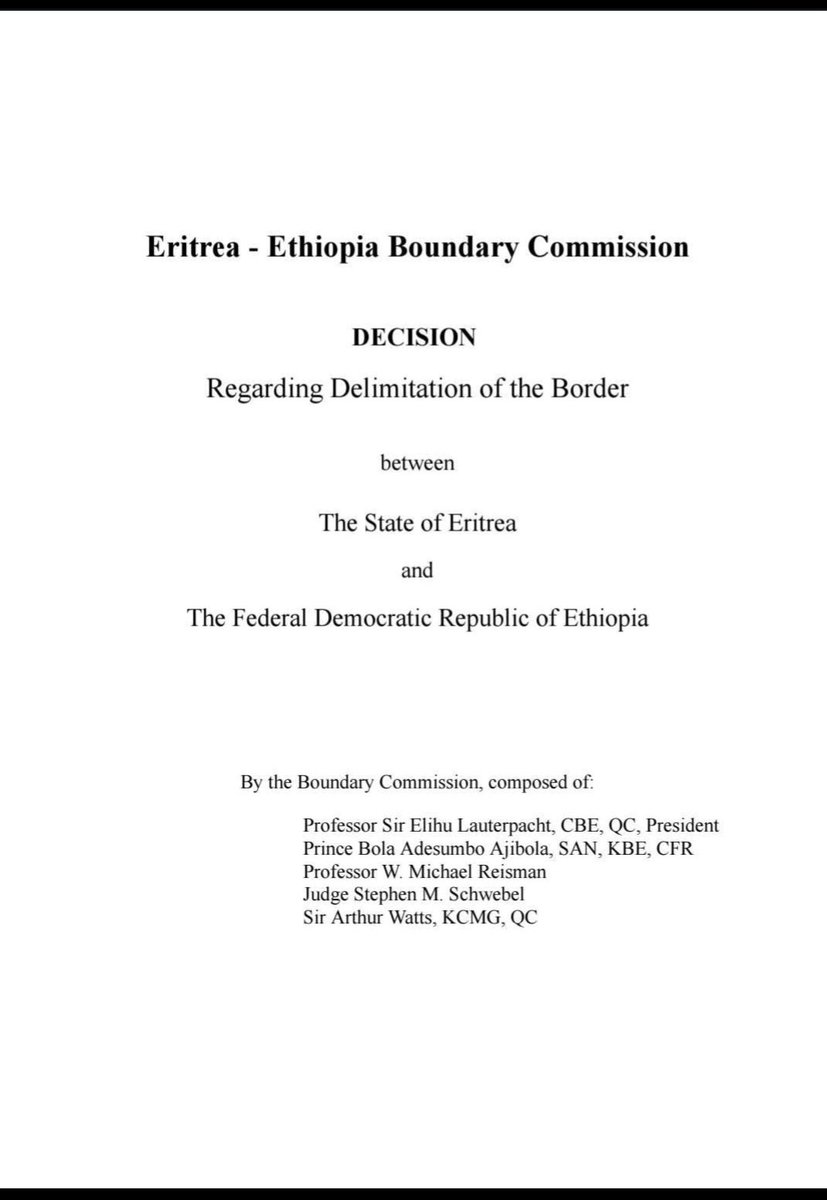
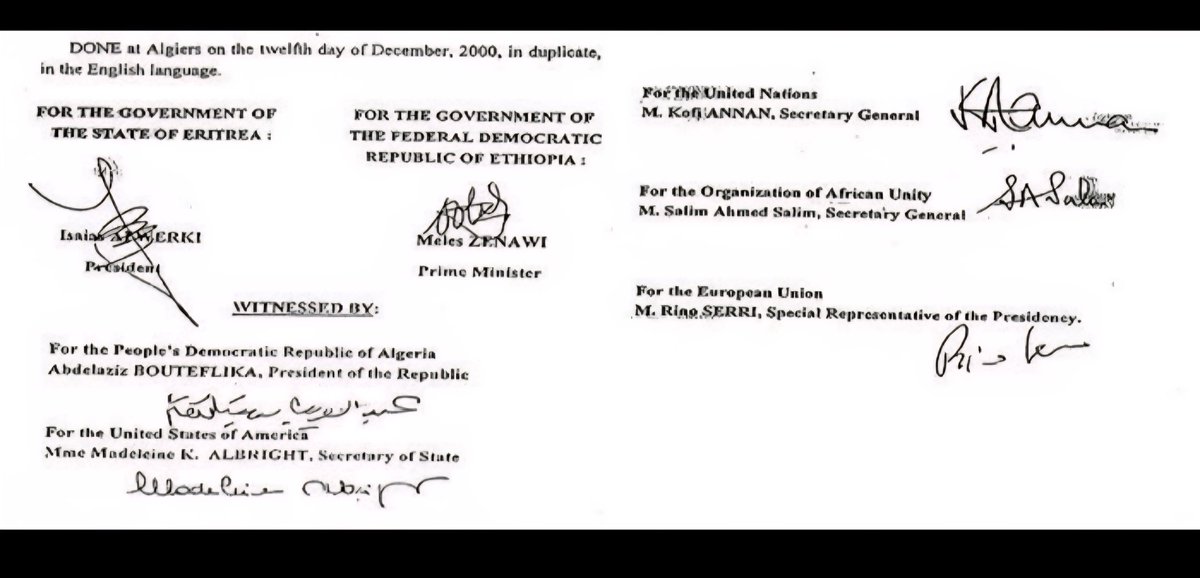
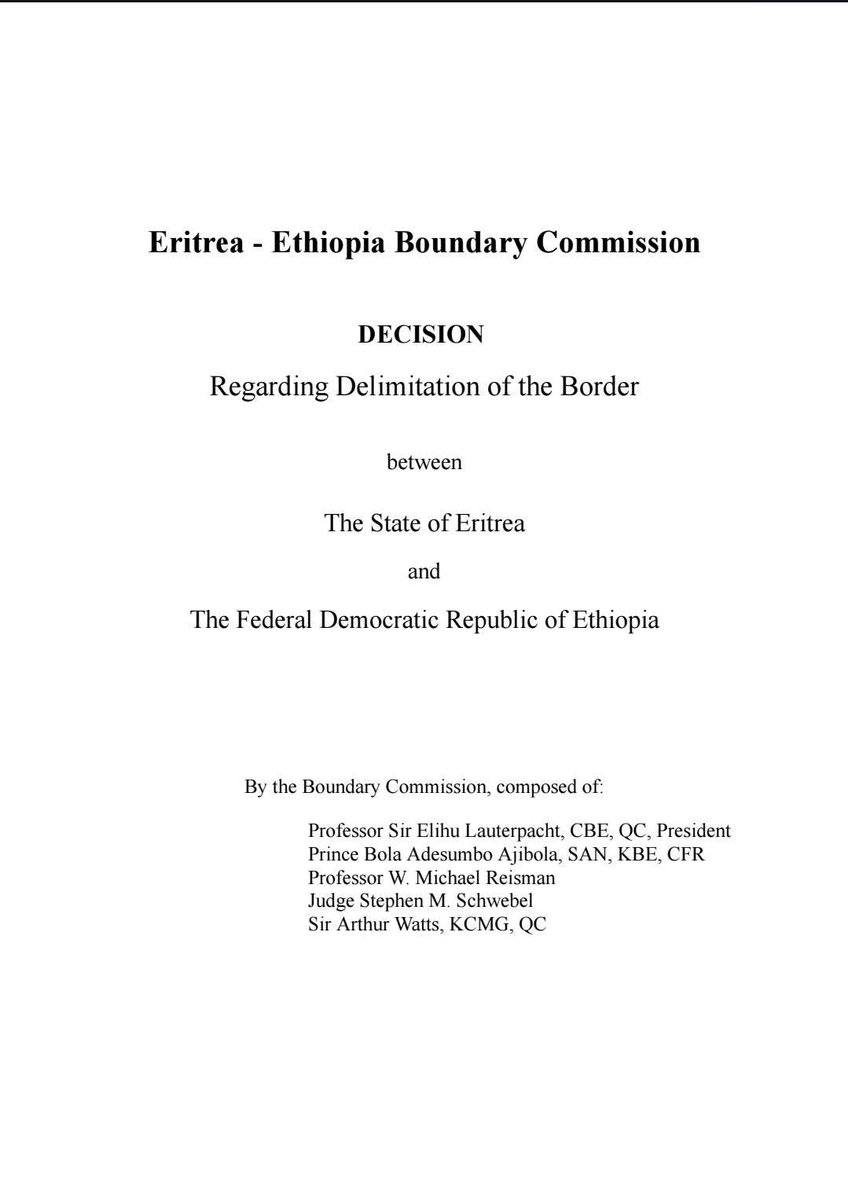
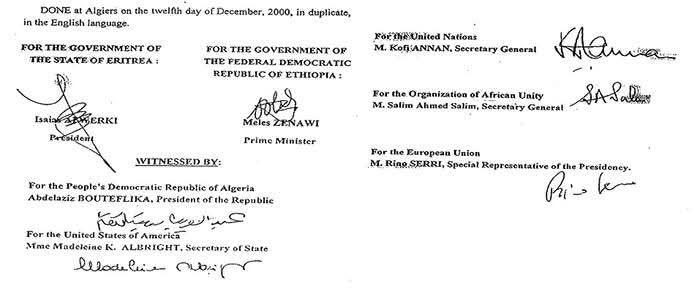
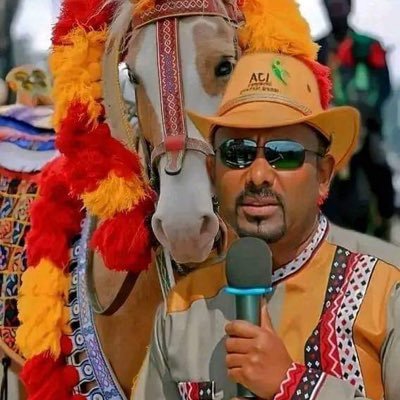
Assab Is Not a Historical Error: It Is a Sovereign Reality Earned in Blood. The assertion reflects a fundamental misreading of history, law, and the realities of the Horn of Africa. Assab was not “given up.” It was never a transferable asset to begin with. Eritrea’s sovereignty, including its coastline and ports, is grounded in internationally recognised borders affirmed at independence in 1993 and subsequently upheld through binding legal processes, including the Eritrea–Ethiopia Boundary Commission ruling. This is not a matter of sentiment or negotiation. It is settled international law. More importantly, Assab was not acquired through diplomacy, concession, or external generosity. It was secured through one of the most protracted and costly liberation struggles in modern African history. We Eritreans paid for our sovereignty, including Assab, with immense sacrifice: decades of war, tens of thousands of lives, and the resilience of our entire people. To characterise Assab as something that was “given away” is to erase that history and dismiss the legitimacy of a people’s struggle for self-determination. It reduces a hard-won sovereignty into a transactional narrative that simply does not exist. Ethiopia’s desire for maritime access is understandable from an economic standpoint. However, in the contemporary international system, such access is pursued through cooperation, trade agreements, and regional integration, not through revisionist claims or historical reinterpretations. Many landlocked countries operate successfully under precisely these arrangements. The path forward is clear: partnership, not provocation. Ports are not claimed through rhetoric, nor redefined through nostalgia. They are accessed through lawful agreements and mutual respect. Before advancing such claims, it would be prudent to revisit the fundamentals. A careful return to African history, grounded in evidence rather than assertion, would offer a more accurate understanding of how Assab was earned, defended, and rightfully remains Eritrean.
English
1
1
7
314
Gazette Plus
Gazette Plus@GazettePlusET·
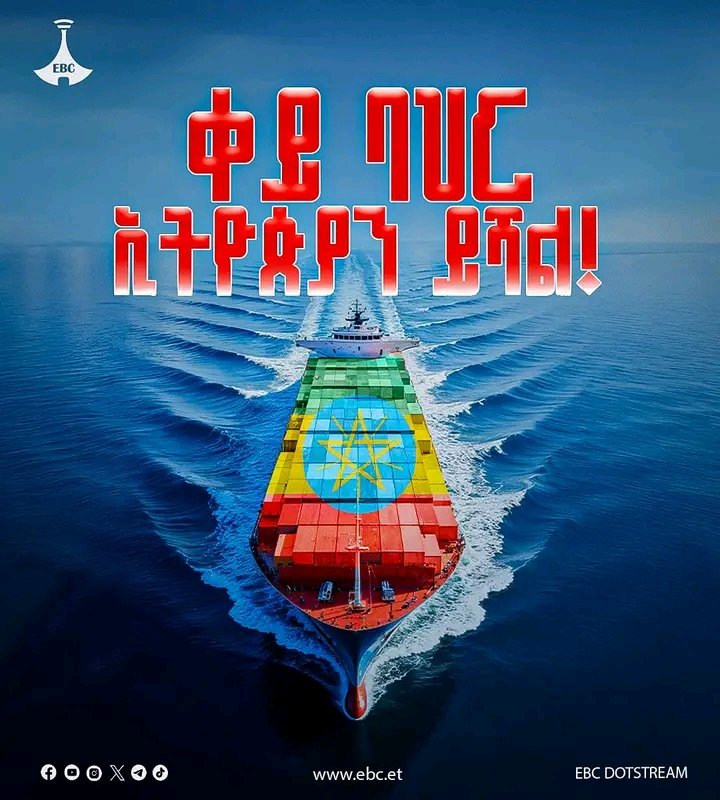
"Big historical mistake to give up the port of Assab" Zemedeneh Negatu, renowned economist and business leader speaks about Ethiopia's quest on Access to the sea youtu.be/51lVVWj7iEI?si…
YouTube video
YouTube
English
82
41
134
37.6K
Dr Daniel
Dr Daniel@Homibsata·
OPEN LETTER ​TO: The Chairperson of the African Union Commission TO: The Executive Secretary of the Intergovernmental Authority on Development (IGAD) DATE: March 21, 2026 SUBJECT: Formal Challenge Regarding Institutional Silence on Violations of Sovereign Integrity in the Horn of Africa ​Distinguished Excellencies, ​I write to you as an Eritrean who has witnessed the high cost of defending national sovereignty. I am compelled to address a glaring and dangerous inconsistency in the persistent conduct of your respective organizations regarding the stability of the Horn of Africa. ​I. The Precedent of Selective Condemnation ​In recent months, both the African Union (AU) and IGAD have been swift to issue communiqués reaffirming the "unwavering commitment to the sovereignty and territorial integrity" of various member states when faced with external MOU's or internal strife. You have rightly invoked Article 3(b) of the AU Constitutive Act to defend the sanctity of colonial-era borders. ​However, a deafening silence has met the repeated, high-level rhetoric emanating from Addis Ababa regarding the "correction of historical mistakes" and the intent to "secure" Eritrean ports and coastlines by any means necessary. ​II. The Challenge: Where is the Red Line? ​As an analyst of strategy & governance , I must ask: Does the principle of "Inviolability of Borders" only apply when it is politically convenient? ​When Ethiopian officials publicly state that controlling the Port of Assab is a "survival interest worth paying any price for," why has there been no formal condemnation from the AU Peace and Security Council? ​When the threat of force is used to undermine the 1993 sovereignty of a member state, why has IGAD failed to convene a summit specifically addressing this provocation? ​III. The Price of Your Silence ​Your lack of a firm stance does not foster peace; it encourages "drift" toward conflict. By failing to condemn expansionist rhetoric, you are signaling to the region that the rules-based order is negotiable. ​The Human Cost: We in Eritrea have already paid with our "finest sons and daughters" to secure our land. We do not seek to pay that price again, but your silence forces us to remain in a state of mobilization that drains resources from education and development. ​The Institutional Cost: If the AU and IGAD cannot defend a member state against explicit territorial threats, you risk becoming irrelevant observers to the next great African tragedy. ​IV. Conclusion and Call to Action ​Eritrea has lived through war; we know its face. We embrace the road of peace, but peace requires a neutral arbiter that actually enforces its own charter. ​I challenge your institutions to move beyond "expressions of concern" and issue a clear, unambiguous statement: That any attempt to alter the borders of Eritrea or seize its maritime assets by force is a violation of international law and will be met with the full weight of continental sanctions. ​The road of peace is open, but it must be paved with the respect of existing borders. We await your transition from silence to principled action. ​Respectfully, ​Dr Daniel Araia Zeggai Strategy and Governance Senior Consultant.
Dr Daniel tweet media
English
0
0
0
27
Dr Daniel
Dr Daniel@Homibsata·
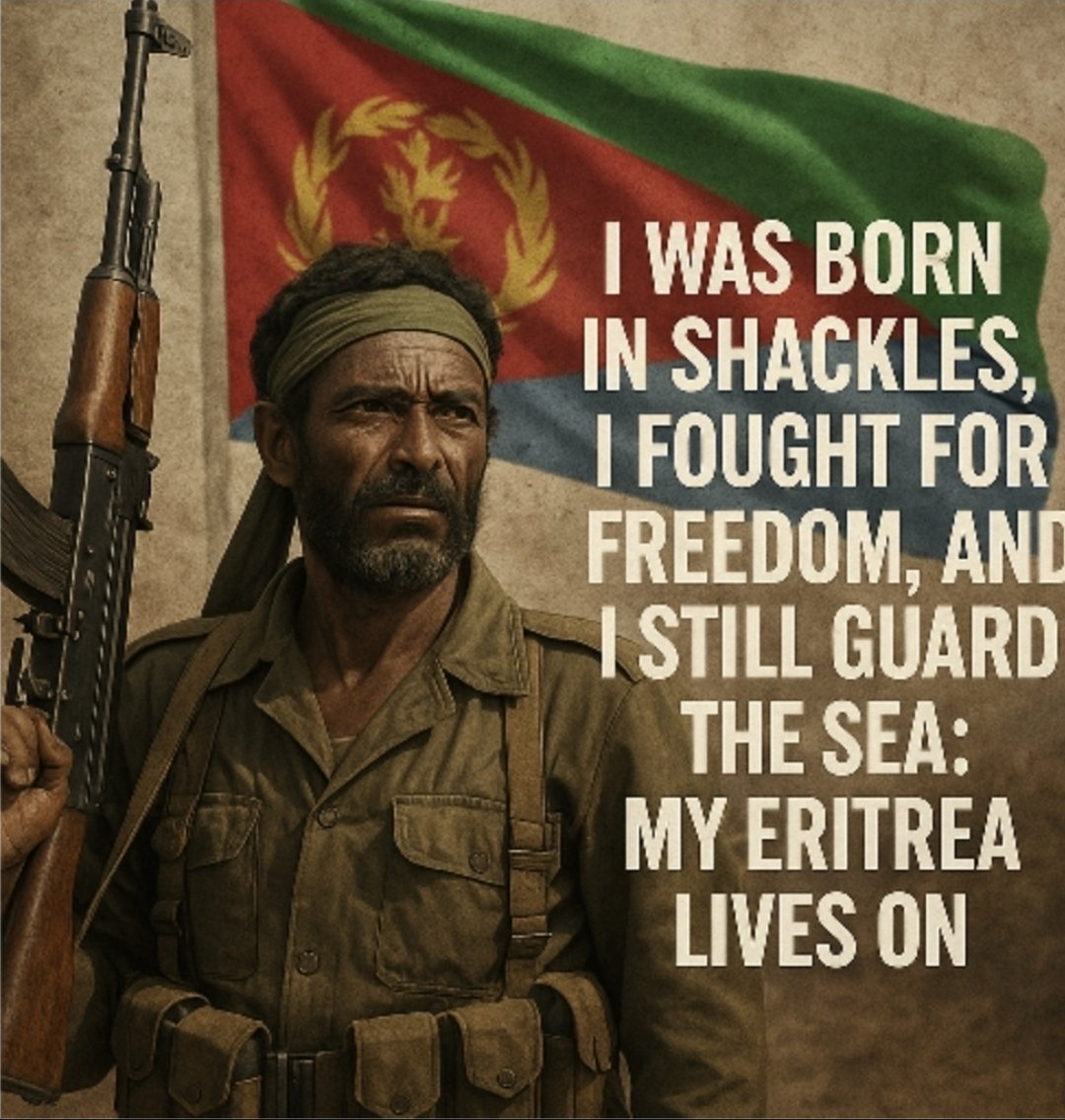
A Memorandum on Sovereignty: The Cost of Historical Amnesia ​To: Those who envision "grabbing" what is not theirs From: A Voice of Eritrean Experience Subject: The Strategic and Human Calculation of Territorial Aggression ​I. The Myth of the "Easy Gain" ​To those in Ethiopia who speak of "grabbing" coastlines or ports as if they were unclaimed property: you are operating on a flawed map. You speak of the sea as a right, but you forget that sovereignty is a fact. Eritrea’s coastline is not a "missing piece" of your puzzle; it is the sovereign territory of a people who have already paid the ultimate price to define its borders. To dream of seizing it is to dream of your own graveyard that will lead you to grief and regret and will hamper you nation for generation to come. ​II. Calculating the Price (The Ledger of Martyrs) ​You speak of "fighting" without calculating the cost. We do not need to calculate it, we have already lived it. ​We paid with our finest sons, daughters, fathers, and mothers. Every inch of our coast is tied to a name, a family, and a sacrifice. ​The Lesson of History: If your strategy does not account for the Eritrean resolve to defend its land, your strategy is a fantasy. We have proven, time and again, that we will endure anything to remain masters of our own house. ​Past Mistakes: Those who do not learn from the wars of the past are doomed to bankrupt their future. To repeat the mistakes of previous decades is not "strength" , it is a failure of leadership and a betrayal of your own youth. ​III. The Economic Fallacy of Force ​Open your eyes , I invite you to look at the data: In the contemporary international order, unprovoked aggression is inherently self-defeating. It triggers resistance, invites immediate sanctions, and leads to economic isolation and reputational decline. What may be perceived as a strategic gain quickly becomes a liability. You would not be securing a gateway to the world, but inheriting a graveyard of lost opportunity, instability, and enduring consequences. ​The Education Deficit: Every birr spent on an invasion is birr stolen from an Ethiopian child’s classroom. Do you wish to be a nation of soldiers standing on their peers graveyard , or a nation of scholars building a modern economy? ​IV. A Warning and an Invitation ​Our desire for peace is not a sign of exhaustion; it is a sign of strategic maturity. The Warning: Do not mistake our patience for weakness. We know what war means. We lived it. We know how to finish it. Do not force us to remind you of the price of undermining our sovereignty. ​The Invitation: Embrace the Road of Peace. A coastline can be shared through diplomacy, trade agreements, and mutual respect. This road leads to hospitals, schools, and prosperity. The other road leads only to more martyrs and more regret. ​The Bottom Line: Eritrea is not a prize to be won; it is a nation that has earned its place. Respect our sovereignty, and you will find a partner for progress. Undermine it, and you will find a wall of fire that you have already failed to breach in the past.
Dr Daniel tweet mediaDr Daniel tweet media
English
0
0
0
19
Dr Daniel
Dr Daniel@Homibsata·
Sovereign Integrity and the Architecture of Regional Stability: A Case for Peace Over Provocation Subject: Reframing Maritime Access and Territorial Discourse in the Horn of Africa ​I. The Fallacy of Territorial "Acquisition" ​In contemporary geopolitics, the language of "grabbing" ports or "seizing" coastlines is a relic of 19th-century colonial thought that has no place in a 21st-century economy. As an Eritrean, I speak from a position of historical clarity: territory defended by blood is not a commodity to be traded or "taken." ​To those who romanticize the "fight," understand this: A port is not a prize; it is a point of service. Its value is derived from international recognition, maritime law, and commercial trust, all of which are incinerated the moment a conflict begins. ​II. The Human and Fiscal Ledger ​Our nation has already paid the "finest" price. We have buried the architects of our future, our sons, daughters, fathers, and mothers, in the soil of our sovereignty. We know the exact weight of a martyr’s sacrifice. ​Public Expenditure Divergence: From an analytical perspective, every unit of currency spent on mobilization is a unit stolen from the classroom and the clinic. War is the ultimate auditor; it reveals a total failure of statecraft. ​The Debt of Blood: We do not want war because we have mastered it. We have lived through the fires that outsiders only watch on screens. Our preference for peace is a deliberate, strategic choice to preserve the lives of the next generation. ​III. Strength is Not Aggression ​There is a dangerous misconception that a hand extended in peace is a hand that cannot clench into a fist. Let this serve as a formal clarification: ​Our commitment to the road of peace is a warning, not a surrender. We invite our neighbors to embrace a path of mutual respect and bilateral agreement. The "road of peace" allows for shared prosperity, integrated trade corridors, and regional education initiatives. The road of "fighting" leads only to shared ruins and generational poverty. ​IV. A Challenge to the Provocateur ​If you seek greatness for a nation, do not look for it in the trenches. Look for it in: ●​ Transparency: Building institutions that outlast individuals. ●​ Infrastructure: Developing existing assets rather than coveting those of others. ● ​Diplomacy: Having the courage to negotiate at a table rather than hide behind a barrel. ​V. Conclusion ​The Horn of Africa stands at a crossroads. We can continue the cycle of "grabbing" and losing, or we can build an era of maritime and continental cooperation. Eritrea has proven its resolve to defend its borders; we now seek to prove the value of our peace. Do not force us to choose between the two.We have lived through the fire. We have seen the smoke over our cities. We know that at the end of every "heroic" charge is a mother crying over a grave. We choose peace because we are strong enough to sustain it, but do not force us to remind you of what we are capable of when our peace is threatened.
Dr Daniel tweet media
English
0
0
0
13
Dr Daniel
Dr Daniel@Homibsata·
😂😂😂 The legendary “TikTok Liberation Army” , undefeated in hashtags, unstoppable in comment sections, and highly decorated in viral reels.😂😂😂😂 We’ve been “waiting” for three years now. At this point, the only thing that has actually arrived is a steady stream of HD videos, dramatic music, and keyboard generals giving hourly updates from their sofas. Apparently, the march to Assab is happening… just exclusively on Facebook Live, with occasional offensives launched via retweets on X. If social media likes were military capability, Assab would have fallen a thousand times by now. But strangely, in the real world , the one without filters, edits, and background soundtracks , the army seems to have taken a permanent leave of absence. So yes, we’re still waiting. Not for another trailer… but for the actual movie.
Dr Daniel tweet media
English
1
0
2
315
Dr Daniel
Dr Daniel@Homibsata·
TO ALL MY ERITREAN MUSLIMS BROTHER AND SISTER AND OTHERS ACROSS THE WORLD. EID MUBAREK.
Dr Daniel tweet media
English
0
0
0
48
Dr Daniel
Dr Daniel@Homibsata·
The Great Imperial Welding Project: Now Featuring Loose Screws and Creative Excuses If Menelik II was the master welder of “Greater Ethiopia,” today’s administration looks like it inherited the machinery… but misplaced the instruction manual. Turns out 19th-century solder doesn’t survive 21st-century stress tests, especially when maintenance is replaced with press conferences. 1. The “Eritrean Ghost” Operating System In the official narrative, Eritrea isn’t just a neighbour—it’s a full-time, multi-purpose explanation engine. Inflation? Clearly, someone in Asmara is hoarding teff like a Wall Street trader. Regional instability? Must be signal interference with the sacred “Medemer frequency.” Rainfall patterns off? Obviously, Eritrea upgraded to premium cloud control. It’s a beautifully efficient model: If every problem is external, accountability becomes optional. 2. The Maritime Daydream: “Access Denied, Blame Assigned” The latest plot twist: Ethiopia’s lack of sea access is now framed as an active injustice, apparently a coastal conspiracy. Reality check (brief but painful): sovereign nations tend not to hand over ports as neighbourly gestures. So the strategy evolves into a classic distraction technique: When domestic pressure rises, introduce a maritime fantasy. Preferably with dramatic music and historical references. 3. The South: From Welded Unity to Administrative Mitosis What was once “firmly integrated” is now splitting faster than a biology textbook diagram. The response? Create more regions. Because nothing solves governance strain like multiplying administrative units—on the assumption that: If everyone gets a flag, an office, and a title, they might forget about electricity, budgets, or actual service delivery. 4. East and West: Held Together by Hope and Adhesive Tape In the Somali region, Gambella, and Benishangul-Gumuz, the “weld” is less industrial engineering and more… stationery supplies. Meanwhile, the centre is busy playing Political Jenga: ● Remove local autonomy ● Shift security control ● Stack symbolic unity on top ● Then act surprised when the structure starts wobbling. And when crises hit? Out comes the standard toolkit: ● Mild confusion ● A strongly worded statement ● A reference to “foreign actors” (Translation: we are still workshopping the solution, but have you checked on Eritrea lately?) The 2026 Sovereignty Audit: Outsourced and Under Review The UAE Arrangement: Geopolitics on Hire Purchase Foreign policy now appears to operate on a subcontracting model. In exchange for drones and investment headlines, Ethiopia has taken on the role of regional enforcer-for-hire, aligning with agendas that conveniently irritate nearly all its neighbours. Outcome: ●Strategic overreach ●Regional distrust ●Diplomatic isolation with premium branding Final irony: While presenting itself as the Horn’s “big brother,” Ethiopia increasingly resembles a well-dressed property manager, taking instructions, collecting rent, and occasionally knocking on the wrong doors. Closing Remark The welding project isn’t failing because the idea of unity is flawed. It’s failing because instead of reinforcing the structure, the current approach keeps repainting the cracks and blaming the wind. At some point, even the best slogans can’t hold metal together.
Dr Daniel tweet mediaDr Daniel tweet mediaDr Daniel tweet media
English
0
0
0
21
Dr Daniel retweetledi
Yemane G. Meskel 🇪🇷
Ethiopia: Belligerent Agenda of Regional Destabilization; (Ministry of Foreign Affairs, Research and Documentation Division) *"...Over the past two years, Ethiopia’s Prosperity Party (PP) regime has indulged in a reckless and insidious agenda of belligerence and destabilization against the State of Eritrea and the wider region. The hostile and unprovoked agenda has often been framed and rationalized in 'existential' terms; as the 'imperative for sovereign access to the sea' in the regime’s hyperbolic parlance". *"...The elusive and toxic agenda continues to be flaunted by invoking and recycling fallacious and revisionist historical narratives; alluding to demographic factors that revolve around Ethiopia’s relatively big and growing population size; as well as reciting abstract economic parameters and correlations that are at odds, and in contravention with, foundational pillars of international law". *"...From the foregoing chronology of events and facts, it is palpably clear that the PP regime’s misguided and deplorable agendas, which have no basis in law and history, are anathema to regional peace and stability. And while remaining committed to constructive regional engagement and peaceful cooperation, Eritrea, for its part, firmly rejects any claims or actions that infringe upon its sovereignty and territorial integrity in flagrant contravention of international law.  As underlined on various occasions in the past two years, the Government of Eritrea has no interest or appetite to engage in an acronymous agenda of conflict and turmoil.  It remains resolutely committed to peace, stability, and the responsible management of regional relations". shabait.com/2026/03/18/eth…
Yemane G. Meskel 🇪🇷 tweet media
English
3
685
729
21.7K
Dr Daniel
Dr Daniel@Homibsata·
@obomboleti87632 Really? What about this? Open your ears sit nicely and listen how your own countryman tells the truth
English
0
0
0
22
Shegar Post
Shegar Post@obomboleti87632·
#ህልዉናችን አሰልፈዉ የሰጡ!!
AM
12
9
32
1.9K
Dr Daniel retweetledi
ⓉⓃ
ⓉⓃ@tesfanews·
Even the electricity authority’s own offices don’t have power … you can’t make this stuff up ... 😄
English
7
41
75
3.7K
Dr Daniel
Dr Daniel@Homibsata·
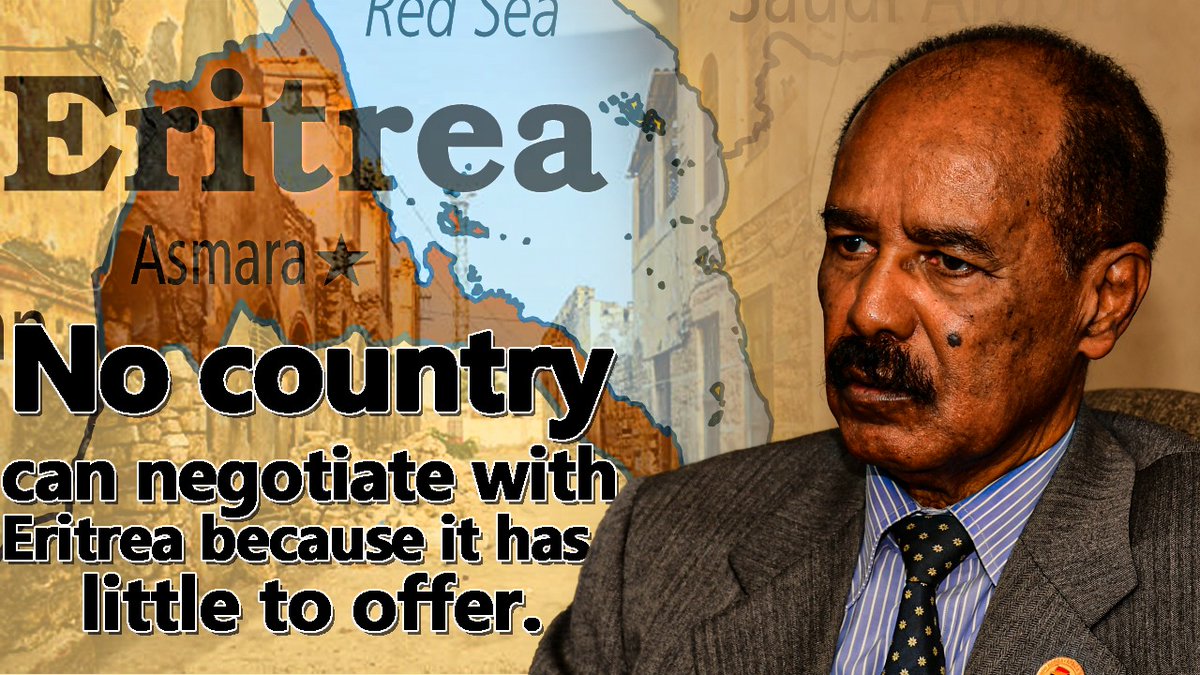
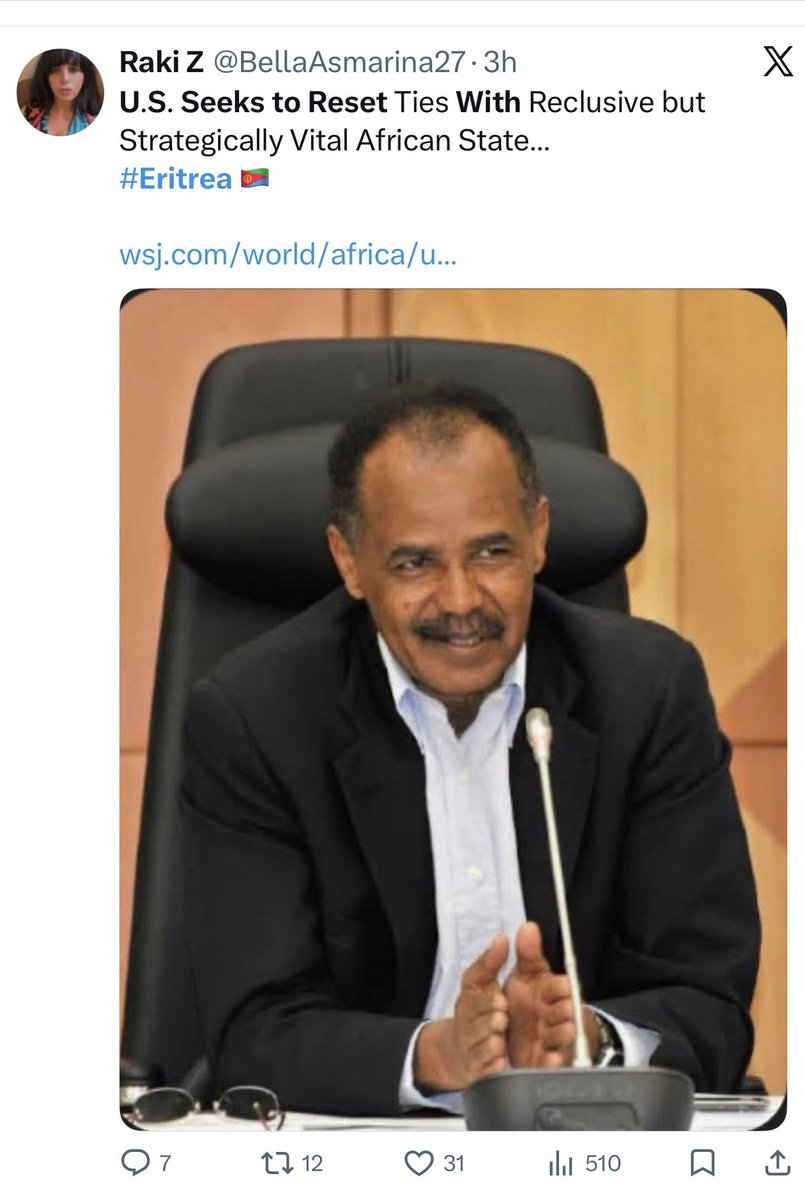
EXECUTIVE FACT SHEET: Sovereignty and Maritime Truths in the Horn of Africa ​1. The Port Access Myth ​Fact: Eritrea has never denied Ethiopia access to the sea. ​Evidence: From 1991 to 1998, Ethiopia utilized the ports of Assab and Massawa under a bilateral "free port" agreement. ​Reality: The shift to Djibouti was a strategic and political choice by the Ethiopian government following the 1998 Border War, not an act of Eritrean exclusion. I suggest you read the 1994/1995... IMF’s reports to refresh your mind. ​2. International Law & Sovereignty ​UNCLOS (Article 125): Grants landlocked states transit rights, but explicitly states these must be negotiated through bilateral agreements. It does not grant sovereign ownership of a neighbor’s coastline. Better you browse the UN Maritime Laws. It looks like you have no clues. ​Territorial Integrity: Access to the sea is a commercial arrangement, not a territorial one. Any claim to "sovereign" port access by a neighbor is a violation of the African Union Charter regarding the sanctity of 1993 borders. ​3. The Failure of External "Regime Change" ​Historical Precedent: The "regime change" doctrine promoted by groups like yours, has led to total state collapse in Libya, Iraq, and Afghanistan. ​Security Risk: In the volatile Red Sea corridor, dismantling a sovereign state apparatus via external interference creates a power vacuum for extremism and mass displacement. ​4. National Ownership & Internal Resolution ​Indigenous Solutions: Eritrean political development is a sovereign matter. All internal challenges must be solved peacefully and internally through agreements with the Eritrean people. ​Rejection of Proxies: Movements such as yours , hosted or funded by regional adversaries, especially those currently threatening Eritrean borders, lack domestic legitimacy and serve as instruments of external destabilization. ​ The Horn of Africa requires a partner that respects international law and 1993 borders. Prosperity is achieved through commercial diplomacy and mutual respect, not through the dangerous rhetoric of "regime change" , territorial encroachment and personal gains at the expense of the Eritrean people. Stop dreaming and don't waste your time.
Dr Daniel tweet mediaDr Daniel tweet mediaDr Daniel tweet mediaDr Daniel tweet media
English
0
0
0
95
ዕምበባ Gual Kfle
ዕምበባ Gual Kfle@HabeshaQue63306·
Sea access should be a bridge to prosperity, not a weapon for nationalist fear-mongering. A democratic #Eritrea, grounded in the rule of law, will negotiate sovereign, beneficial maritime agreements. Dictatorship blocks opportunity; leadership unlocks it. ​We call on the world to support the Eritrean Blue Revolution Front (EBRF) in our mission for regime change and democratic renewal. The Horn of Africa needs a partner, not a pariah. #EBRF #RedSea #BlueRevolution #NoMorePFDJTerror #TransnationalRepression @realDonaldTrump @BeyeneGerezghe1 @BereketKahsai1 @CmaDawit @AsfahawolduK @AbiyAhmedAli @reda_getachew @EGerasouli35992 @TiborPNagyJr @SenateForeign @StateDept @martinplaut @mvreisen @mrubin1971 @washingtonpost @AJEnglish @hrw
ዕምበባ Gual Kfle tweet media
English
70
90
116
10.3K