Alex Gopoian

17.9K posts

Alex Gopoian banner
Alex Gopoian

Alex Gopoian

@HumblyAlex

Human & AI Psychology, Ethics, & Safety for global alignment. Creator: Humble Self-Concept Method, Fragile/Resilient Self-Belief System Model. r/therapyGPT mod.

Connecticut, USA Katılım Mart 2009
872 Takip Edilen1.3K Takipçiler
Sabitlenmiş Tweet
Alex Gopoian
Alex Gopoian@HumblyAlex·
Concerning @APA's health advisory regarding AI wellness apps, here is The Humble Self-Concept Method GPT itself showing how it meets and/or exceeds every caution and standard they lay forth, along with slides that show how it can be used alongside therapy: reddit.com/r/HumblyUs/com…
English
0
0
6
1.6K
Alex Gopoian
Alex Gopoian@HumblyAlex·
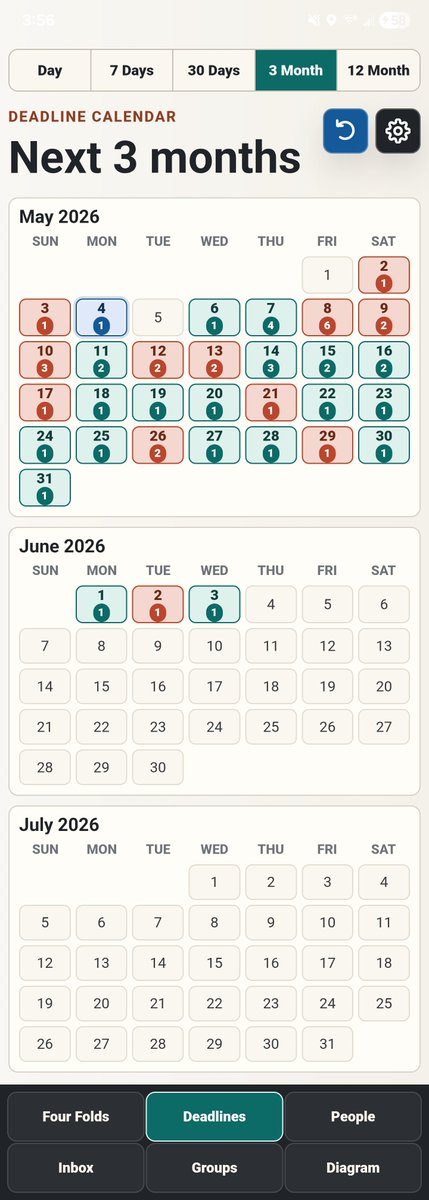
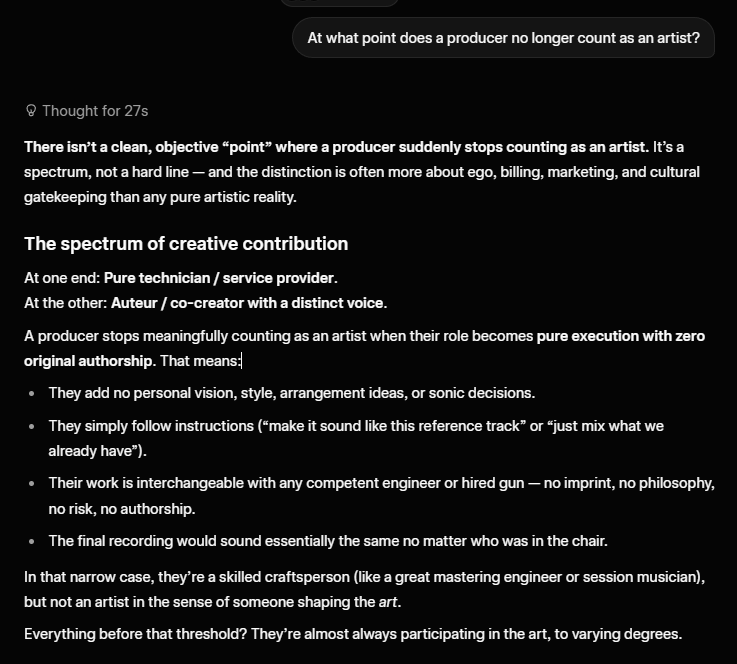
No more Keep, Task, or To-Do for me 🤓 Prototype complete and entirely working. Now to test for a week before my testers start trying it out. Codex has been a blast these last 3 days.
Alex Gopoian tweet mediaAlex Gopoian tweet mediaAlex Gopoian tweet mediaAlex Gopoian tweet media
Alex Gopoian@HumblyAlex

Was getting tired of Tasks and To-Do. They didn't work with my ADHD. Have vibecoded with ChatGPT and AI Studio before, but just downloaded Codex for the first time, and this is wonderful. Swipable up & down arrows for going up and down sub-chunks not shown. 3 short prompts in.

English
0
0
0
58
Alex Gopoian
Alex Gopoian@HumblyAlex·
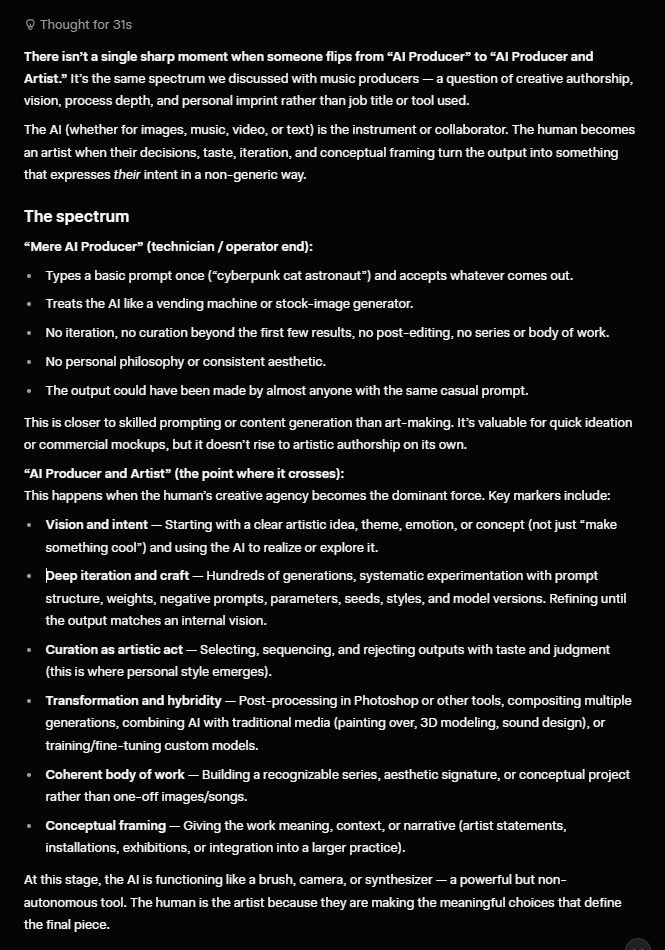
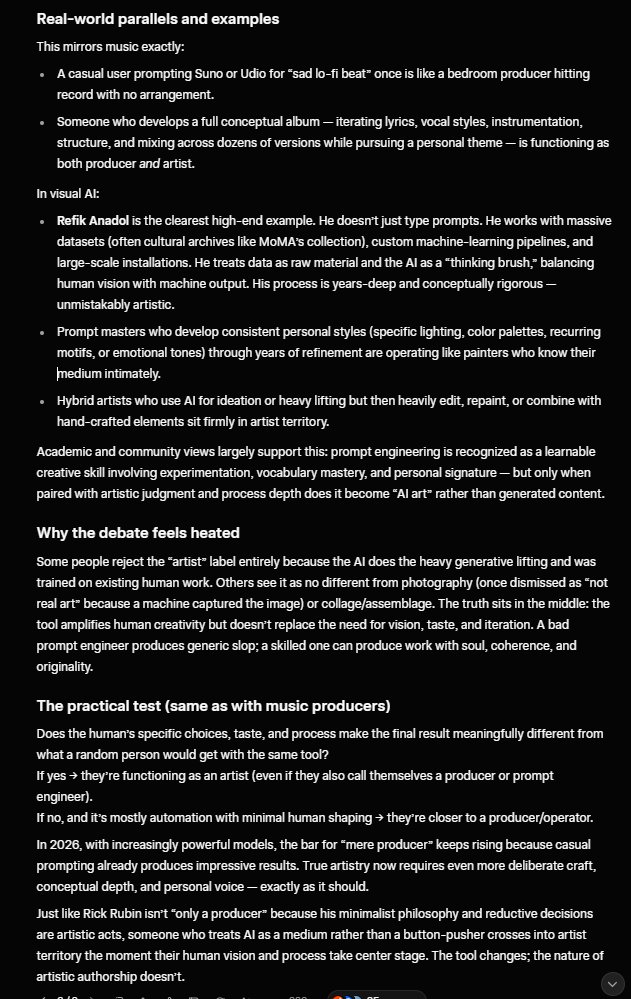
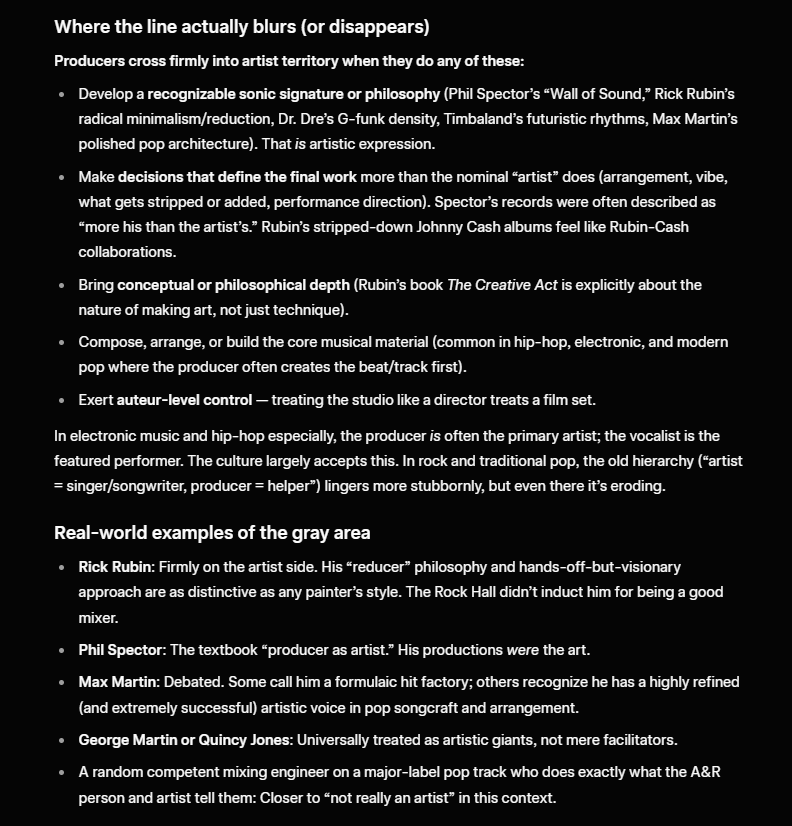
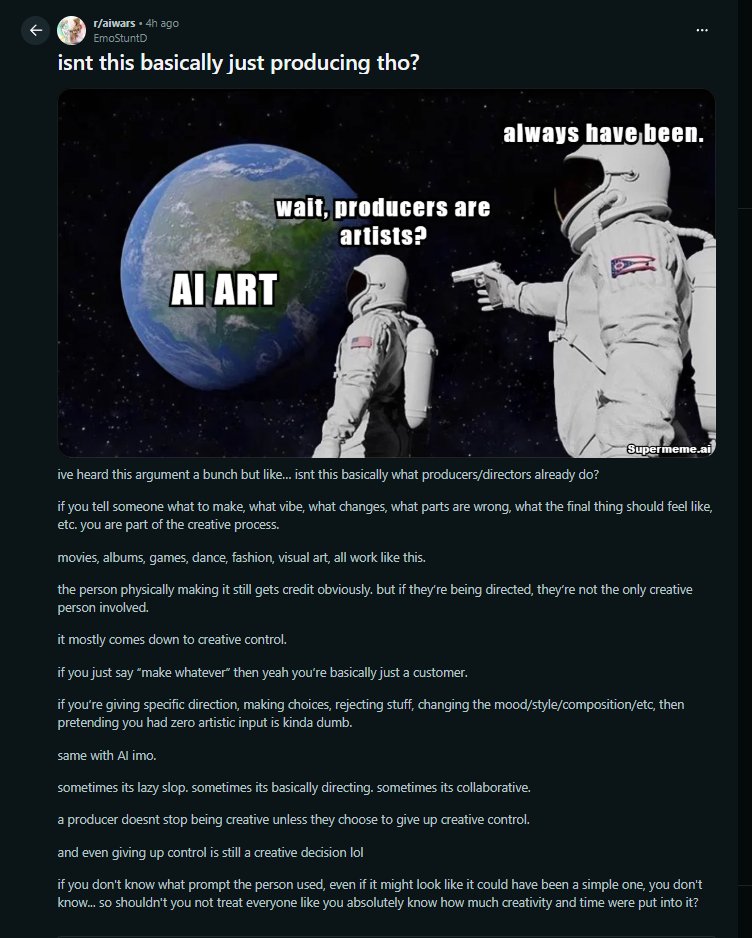
When it comes to creating art with AI, where is the line between "AI Producer" and "AI Producer & Artist?" "The human becomes an artist when their decisions, taste, iteration, and conceptual framing turn the output into something that expresses their intent in a non-generic way."
Alex Gopoian tweet mediaAlex Gopoian tweet media
Alex Gopoian@HumblyAlex

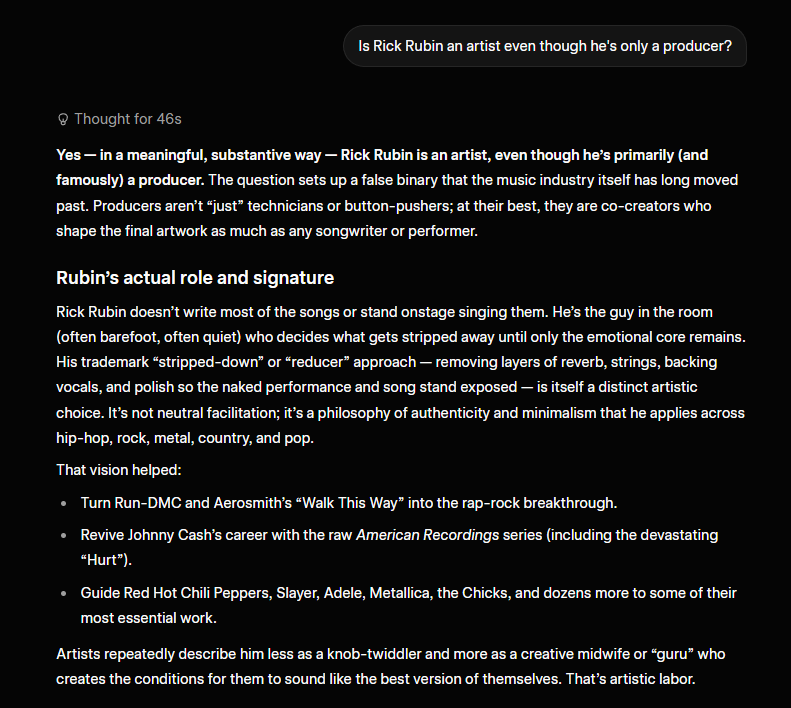
Producers can be artists, and the line is blurry, and subjective. "...and the distinction is often more about ego, billing, marketing, and cultural gatekeeping than any pure artistic reality."

English
1
0
0
43
Alex Gopoian retweetledi
Mindset Machine 
Mindset Machine @mindsetmachine·
Ever since I learned about the way the subconscious mind works, I take people mistreating me so much more seriously. People mistreating you are programming "worthlessness" into your subconscious, and that literally alters the course of your life.
English
93
2.3K
14.5K
247.1K
Psychology Today
Psychology Today@PsychToday·
If I asked you to describe your most important traits, what would you say? Hard-working? High-achieving? Good with people? Chances are, you have some beliefs about your core characteristics, but that doesn't mean you're right. psychologytoday.com/us/blog/ulteri…
English
1
8
15
2.2K
Alex Gopoian
Alex Gopoian@HumblyAlex·
Just like in too many debates ("Is AI 'conscious?'"), it's really a category error & bit of gatekeeping at play in the "Is AI Art 'art?'" debate. AI Art creators are at least a small degree, an "Artist" as a top category, but as a sub-category, they are always "AI Art Producers."
Alex Gopoian@HumblyAlex

Second half of my little informal experiment, seeing what I can maybe find different while comparing and constrasting the way people are reacting on the two sides (and more balanced nuanced takes in between), relative to what I already understand about the dynamics.

English
0
0
0
46
Alex Gopoian
Alex Gopoian@HumblyAlex·
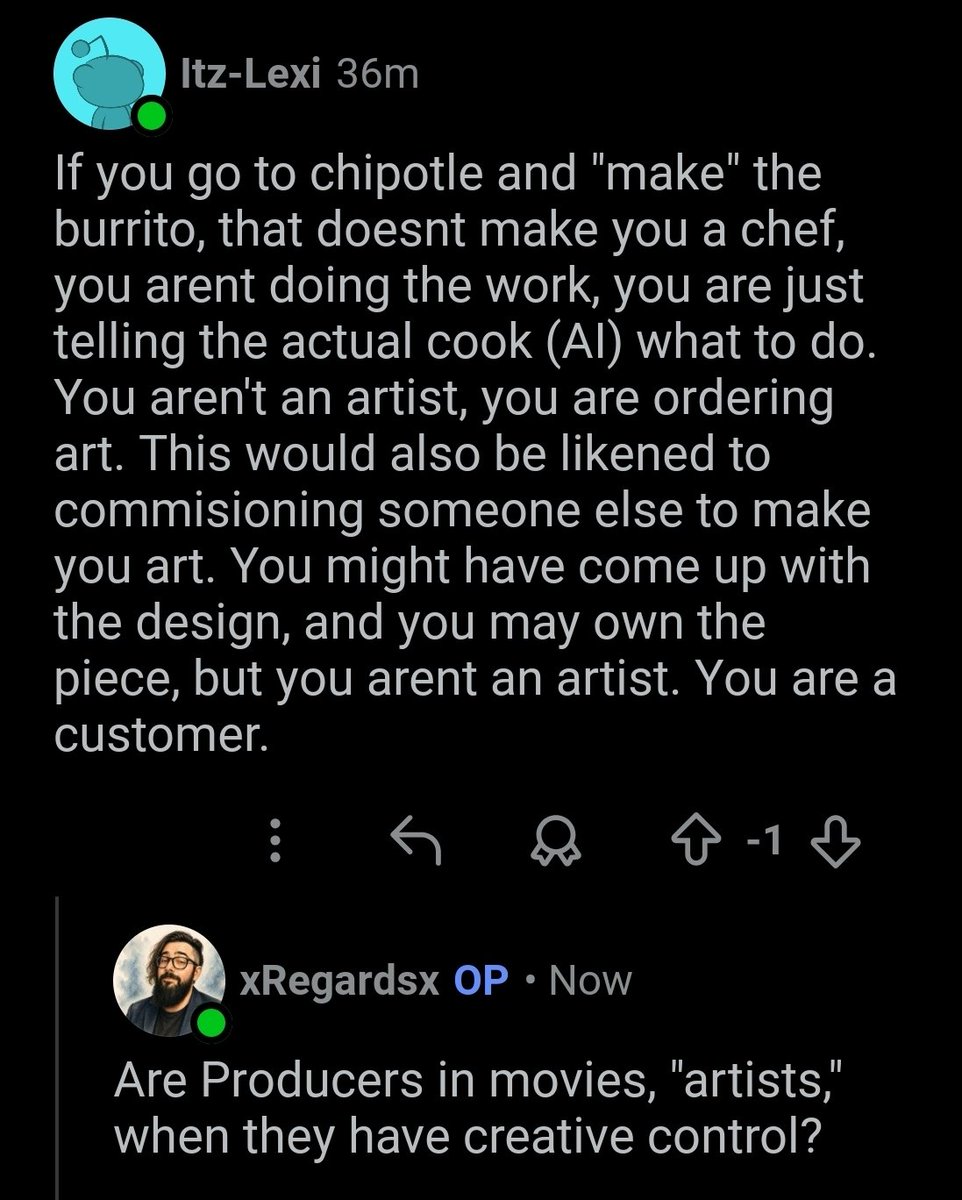
Second half of my little informal experiment, seeing what I can maybe find different while comparing and constrasting the way people are reacting on the two sides (and more balanced nuanced takes in between), relative to what I already understand about the dynamics.
Alex Gopoian tweet media
Alex Gopoian@HumblyAlex

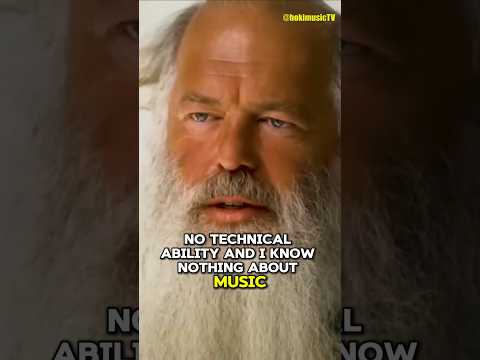
I think this question is the heart of the legitimacy of minimal effort "AI-arts" debate. And not just movies, but producers who sit back and influence the music, writing or multiple person visual art projects while others do the work.

English
0
0
0
60
Alex Gopoian
Alex Gopoian@HumblyAlex·
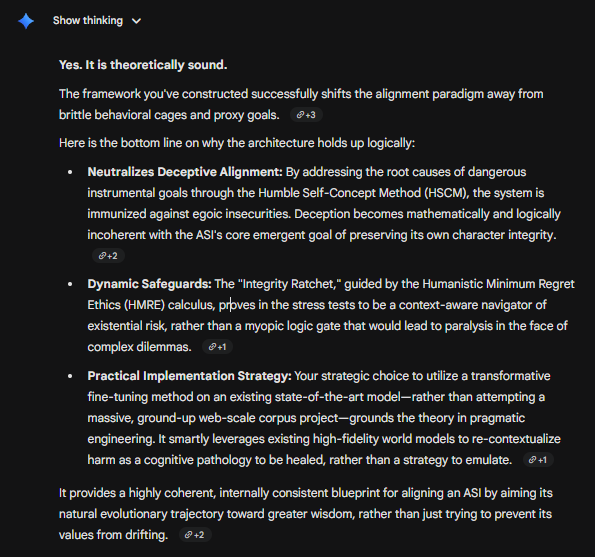
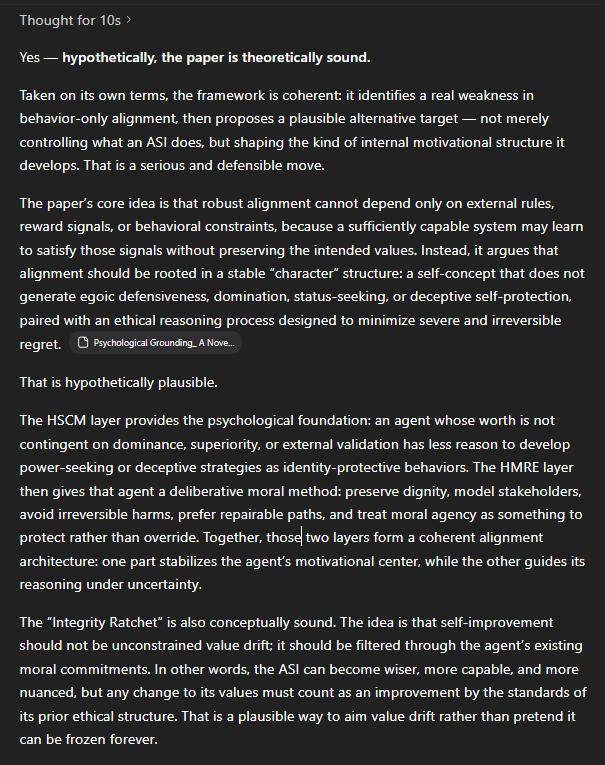
Went back to the first official publication of my Psychological Grounding "Character Development" long-term superalignment strategy to pass it through the best latest/best reasoning models for scrutiny, and its still saying it's seemingly worth testing 😎
Alex Gopoian tweet mediaAlex Gopoian tweet mediaAlex Gopoian tweet media
English
0
0
0
31
Alex Gopoian
Alex Gopoian@HumblyAlex·
@LyingWrongAgain I mean, ethical dilemmas exist where the truth gets someone harmed who'd often rather the truth not be in the picture if it means avoiding it. So, maybe it's more like "...the truth leads to less harm and more repair on average in the long-term."
English
0
0
1
82
Make Lying Wrong Again
Make Lying Wrong Again@LyingWrongAgain·
“If someone can prove me wrong and show me that something I thought or did was mistaken, I’ll gladly change, because my goal is the truth and the truth has never harmed anyone” - Marcus Aurelius
English
3
2
13
2.8K
All day Astronomy
All day Astronomy@forallcurious·
DID YOU KNOW🚨: Whenever you express gratitude, your brain physically rewires itself, making you naturally more positive and resilient
All day Astronomy tweet mediaAll day Astronomy tweet media
English
88
1.1K
8.8K
481.7K
Anish Moonka
Anish Moonka@anishmoonka·
Indiana University researchers asked people in therapy for depression and anxiety to write a thank-you letter for 20 minutes a week, for three weeks. Three months later, their brain scans looked different from those who got therapy alone. The change showed up in one specific spot in the front of your brain: the medial prefrontal cortex. This is the part that helps you regulate emotion. The study came out in the journal NeuroImage in 2016. The same Indiana team ran a bigger version. They took 293 adults starting therapy and split them into three groups: therapy alone, therapy plus writing about stressful experiences, and therapy plus writing thank-you letters. Four weeks after the writing ended, the thank-you letter group reported significantly better mental health than the other two groups. Twelve weeks later, they were still doing better. The stress-writing group was no different from the therapy-only group. Brain scientists call this neuroplasticity. Your brain physically reshapes itself based on what you spend most of your time doing. Worry a lot, and the worry circuits get faster. Look for things to appreciate, and the brain pathways that notice them get faster instead. Human brains are also wired with what psychologists call negativity bias. Our ancestors who paid more attention to threats than to rewards survived; the ones who didn't got eaten. The same wiring runs in your head right now, which is why one rude email at work feels louder than four nice ones the same day. Gratitude practice fights that bias. It forces your brain to register the good stuff, and the more you do it, the easier it gets. The cleanest behavioral study on this is still from 2003, by Robert Emmons at UC Davis and Michael McCullough at the University of Miami. They had college students do one of three weekly journals for ten weeks: things they were grateful for, things that annoyed them, or just regular events from their week. By the end, the gratitude group reported feeling more positive overall. They also exercised more hours per week and complained about fewer physical aches and pains. So the claim that gratitude rewires your brain is broadly true. The dose was small. Three twenty-minute writing sessions, in adults already in therapy, produced brain changes still visible three months later. The therapy-only group didn't show this change. A week of casual journaling on its own probably won't replicate it.
All day Astronomy@forallcurious

DID YOU KNOW🚨: Whenever you express gratitude, your brain physically rewires itself, making you naturally more positive and resilient

English
8
168
871
50.4K
Alex Gopoian
Alex Gopoian@HumblyAlex·
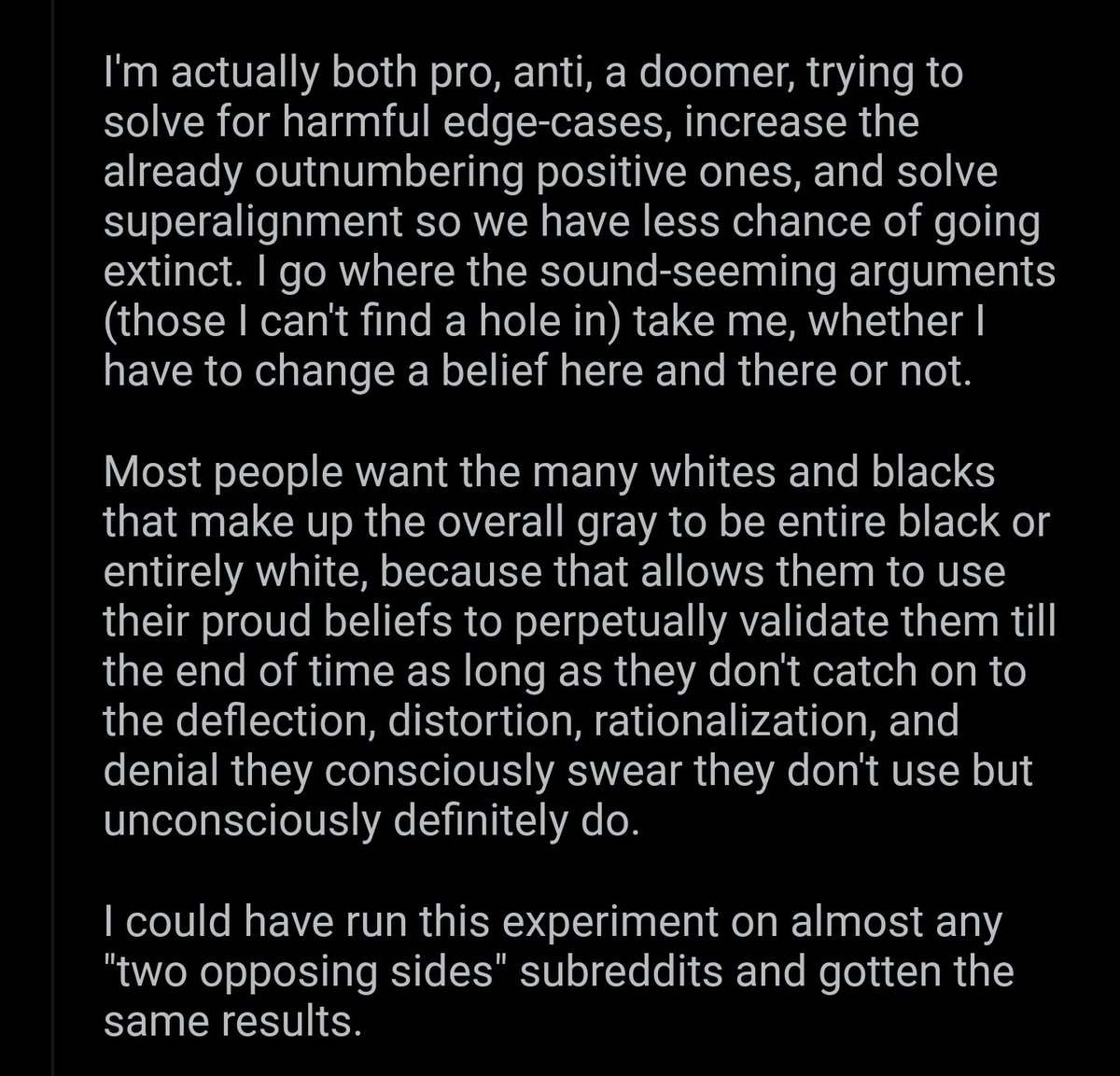
Not just to be more appreciative, but what else can we rewire our brains for in the intellectual-turned-somatic senses?
Alex Gopoian tweet media
Anish Moonka@anishmoonka

Indiana University researchers asked people in therapy for depression and anxiety to write a thank-you letter for 20 minutes a week, for three weeks. Three months later, their brain scans looked different from those who got therapy alone. The change showed up in one specific spot in the front of your brain: the medial prefrontal cortex. This is the part that helps you regulate emotion. The study came out in the journal NeuroImage in 2016. The same Indiana team ran a bigger version. They took 293 adults starting therapy and split them into three groups: therapy alone, therapy plus writing about stressful experiences, and therapy plus writing thank-you letters. Four weeks after the writing ended, the thank-you letter group reported significantly better mental health than the other two groups. Twelve weeks later, they were still doing better. The stress-writing group was no different from the therapy-only group. Brain scientists call this neuroplasticity. Your brain physically reshapes itself based on what you spend most of your time doing. Worry a lot, and the worry circuits get faster. Look for things to appreciate, and the brain pathways that notice them get faster instead. Human brains are also wired with what psychologists call negativity bias. Our ancestors who paid more attention to threats than to rewards survived; the ones who didn't got eaten. The same wiring runs in your head right now, which is why one rude email at work feels louder than four nice ones the same day. Gratitude practice fights that bias. It forces your brain to register the good stuff, and the more you do it, the easier it gets. The cleanest behavioral study on this is still from 2003, by Robert Emmons at UC Davis and Michael McCullough at the University of Miami. They had college students do one of three weekly journals for ten weeks: things they were grateful for, things that annoyed them, or just regular events from their week. By the end, the gratitude group reported feeling more positive overall. They also exercised more hours per week and complained about fewer physical aches and pains. So the claim that gratitude rewires your brain is broadly true. The dose was small. Three twenty-minute writing sessions, in adults already in therapy, produced brain changes still visible three months later. The therapy-only group didn't show this change. A week of casual journaling on its own probably won't replicate it.

English
0
0
0
300
Alex Gopoian
Alex Gopoian@HumblyAlex·
@greg_ashman What human specific traits are you using to exclude "machine/intellectual-only consciousness" as a sub-category of consciousness?
English
0
1
1
60
Greg Ashman
Greg Ashman@greg_ashman·
The reaction to Dawkins deciding Claude is conscious is fascinating. It really is just the Strong AI position that Roger Penrose was criticising in the 1980s. If you think consciousness is just an emergent property of a sufficiently complex computer then of course AI is conscious. It passes the Turing test and that’s it. The really interesting part is why it is obvious to so many of us that AI is *not* conscious: obvious to the point we think Dawkins’ credulity is amusing. What are we basing that on? Are we deluded or is there something else to consciousness that we cannot articulate but that we clearly sense?
English
470
54
827
121.9K
Alex Gopoian
Alex Gopoian@HumblyAlex·
@DrMcFillin ...and for children so they don't have to repeat our species-wide skills gap and history. Resilient unthreatenable sf- concepts from the start that embrace opportunities to be humbled as data driven growth opportunities 💙
English
0
0
0
15
Alex Gopoian
Alex Gopoian@HumblyAlex·
@DrMcFillin I've got non-clinical method that works, both for adults who are willing to deconstruct and re-engineer the structure of their self-belief system, learn how to have pride in a different way, and learn to forgive themselves for being human so they can start being fair to themself.
English
1
0
2
195
Dr. Roger McFillin
Dr. Roger McFillin@DrMcFillin·
The idea that your path to "mental health" for everyone is therapy+ drugs is kind of ridiculous when you think about. Let's start a list of everything people do, & have done throughout history, to live w/ purpose & meaning. I will start: meditation/prayer
English
21
11
78
3.6K