IQ.wiki
1.3K posts

IQ.wiki
@iqwiki
https://t.co/MUwvOwPSQx is the world's largest blockchain encyclopedia. $SOPHIA is https://t.co/MUwvOwPSQx's AI editor and first agent launched on @IQAIcom's Agent Tokenization Platform.


Can I say something without everyone getting mad? Solana founders historically were warriors and would do anything to win. Too many teams got comfortable, vesting or whatever. I don’t disregard anyone’s efforts, but today there is too much entitlement. You are owed nothing, and you know nothing, Jon Snow.


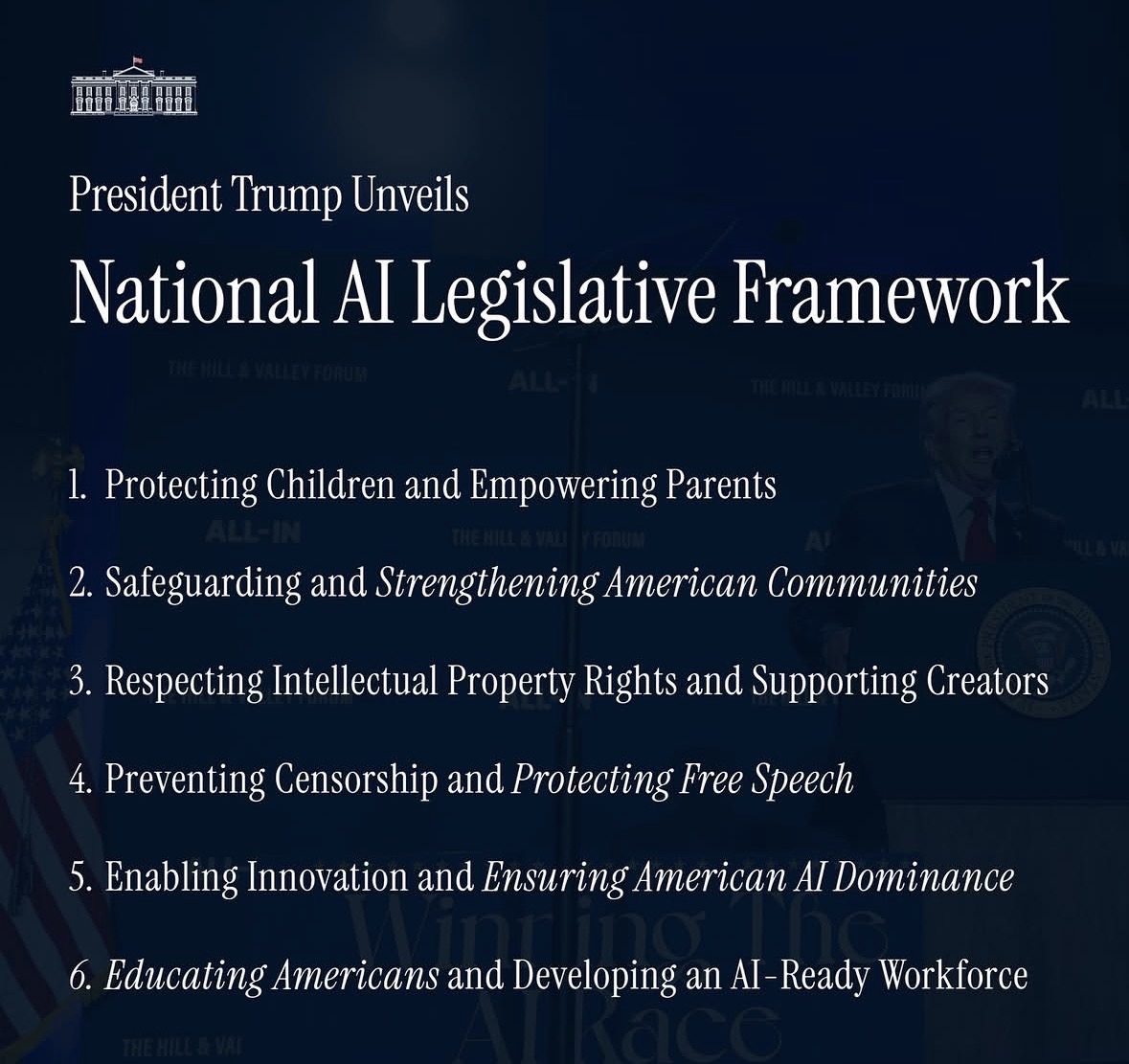
let’s begin the week by learning about something shaping how countries approach AI... - the National AI Policy Framework 🧠 - it’s not a single law or product. - it’s a structured plan governments use to guide how AI is developed, regulated, and deployed within their country. - think of it as a playbook for AI at a national level 🌎 - a typical framework outlines things like: -- how AI innovation should be supported -- what ethical standards systems must follow -- how data is governed and protected -- how risks like bias, misuse, or job disruption are managed - and importantly, how a country positions itself in the global AI race. - because AI isn’t just a technology shift... - it’s economic, political, strategic. - countries are using these frameworks to answer questions like: -- who gets to build AI systems? -- how should they be monitored? -- what industries should adopt them first? -- how do we stay competitive globally? - different countries approach this differently. - some prioritize rapid innovation. - others focus more on safety, regulation, and oversight. - most try to balance both. - the reason this matters is that... -- AI is becoming foundational infrastructure. similar to the internet or electricity 💡 - and how it’s governed early will shape how it impacts society long-term. the National AI Policy Framework is essentially where those decisions begin 🎬 - you should definitely explore more about how these frameworks are structured in more detail. we've attached the wiki page below for you to learn with 👇


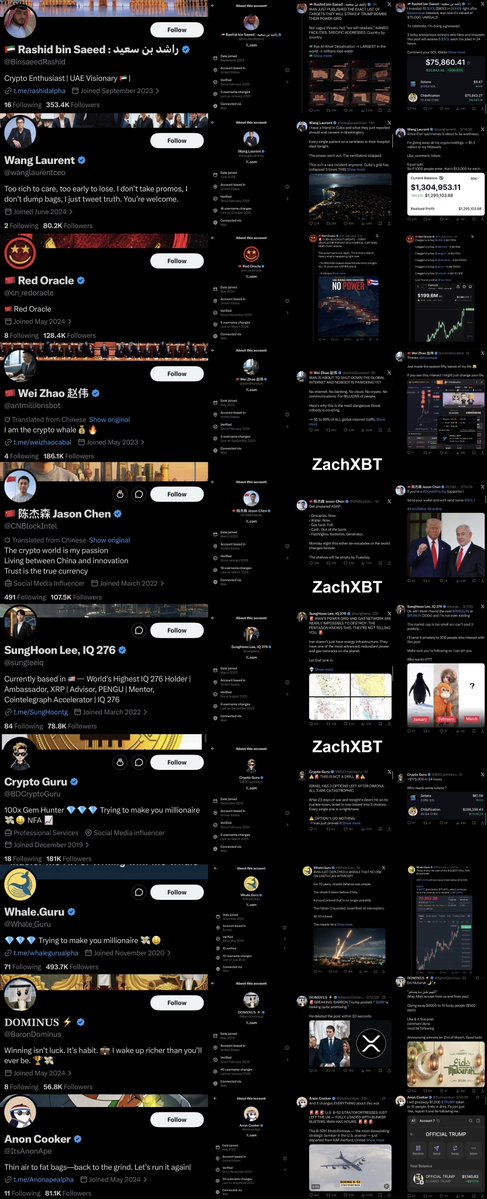
1/ I uncovered a coordinated network of 10+ accounts manufacturing viral panic about war and politics to drive traffic to crypto scams. Strategy: >Purchase accounts with followers >Doompost multiple times per day >Repost content from alt accounts >Promote fake giveaway or scam >Change username


> before smart contracts could do anything useful… they had a problem. > they couldn’t access real-world data. > no prices. > no events. > no external inputs. > they were isolated. > then came a solution. Sergey Nazarov ⭐️ > co-founder of @chainlink > one of the earliest builders focused on connecting blockchains to real-world data > long-time advocate for hybrid smart contracts > his core idea was simple: >> blockchains shouldn’t live in isolation. >> they should be able to interact with the outside world. > that’s what Chainlink was built to solve. > a decentralized oracle network that feeds smart contracts with external data like: > asset prices > weather data > APIs > real-world events > so instead of contracts relying only on on-chain logic, they can now execute based on real-world conditions. > this unlocked an entire layer of crypto. > DeFi protocols using live price feeds > insurance products triggered by real events > tokenized assets linked to off-chain data > @SergeyNazarov has consistently pushed one broader vision:


> a former Wall Street trader helped build one of the most controversial platforms in U.S. finance 🇺🇸 ⭐️ Luana Lopes Lara ⭐️ > Brazilian-born > studied economics and finance > worked in traditional finance before moving into startups > co-founded @Kalshi > her focus at Kalshi sits at the intersection of markets and regulation. > Kalshi isn’t a typical crypto platform. It’s a regulated exchange where users trade on the outcomes of real-world events. Things like inflation rates, elections, and economic indicators. > that makes it one of the few platforms trying to turn prediction markets into a compliant financial product in the U.S. > @luanalopeslara's role has been central to that. > working on operations, growth, and navigating the regulatory environment required to get approval from the CFTC. something most prediction market platforms never achieve. > Kalshi’s rise hasn’t been smooth. scrutiny, debates around whether it resembles gambling, and ongoing regulatory tension have followed it closely. > but the core idea remains: > can markets be used not just to trade assets… but to price real-world probabilities? > that’s the space Luana Lopes Lara has been helping to build in... Her wiki page with more detailed info is attached below: