

iamtheonlyholy
5.9K posts

iamtheonlyholy
@Iamtheonlyholy
Don't believe everything you read.
Katılım Mayıs 2022
1.1K Takip Edilen186 Takipçiler

iamtheonlyholy retweetledi

Listen to what Muslims say in their prayers in English. Islam is unique.
English
@eludayo_1 okele don drink like two sachets before program start 😆
English

See what Okele said about Sanyeri and listen to Sanyeri’s reaction about it 🙄😷.
Furthermore, this interviewer dey fraa sha😏
English
iamtheonlyholy retweetledi
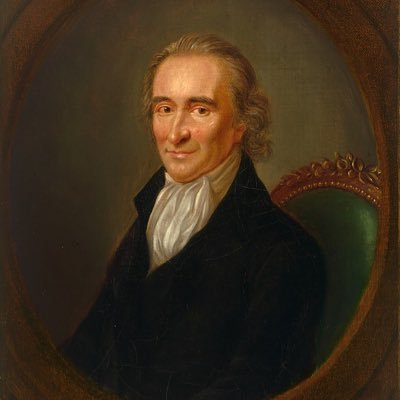
Analyst- “If colonel Gaddafi was to send a hit squad to kill President Raegan would that be terrorism?
Netanyahu- “Of course.”
Analyst- “If President Raegan was to send a hit squad to kill Gaddafi, would that be terrorism?”
Netanyahu- “No. He is guilty.”
Interview from 1986
English
iamtheonlyholy retweetledi
“The same people that told us Iraq was a big threat, that the Taliban was a big threat, are the same people telling us Iran is a big threat.”
-Charlie Kirk
English
🚨 Champions League draw: Atlético Madrid vs Club Brugge.
Español



In October 1917, an immigrant passenger ship carrying Italians to New York was caught in a violent Atlantic storm. Among those aboard were Antonio Russo, a twenty-eight-year-old carpenter, and his five-year-old daughter, Maria. Antonio’s wife had died in childbirth two years earlier. America was his last hope—to escape poverty and give his daughter a future Italy could not.
At 2:00 a.m., towering waves smashed over the decks. Water flooded the lower compartments where third-class passengers slept. The ship began to list sharply. Screams filled the corridors as people surged toward the stairs, pushing and trampling in panic. Antonio lifted Maria from their bunk and fought forward, holding her above the rising water. But the crowd was too dense, the flooding too fast, the angle of the ship too steep.
Antonio understood the terrible truth: they would not reach the lifeboats.
Minutes remained.
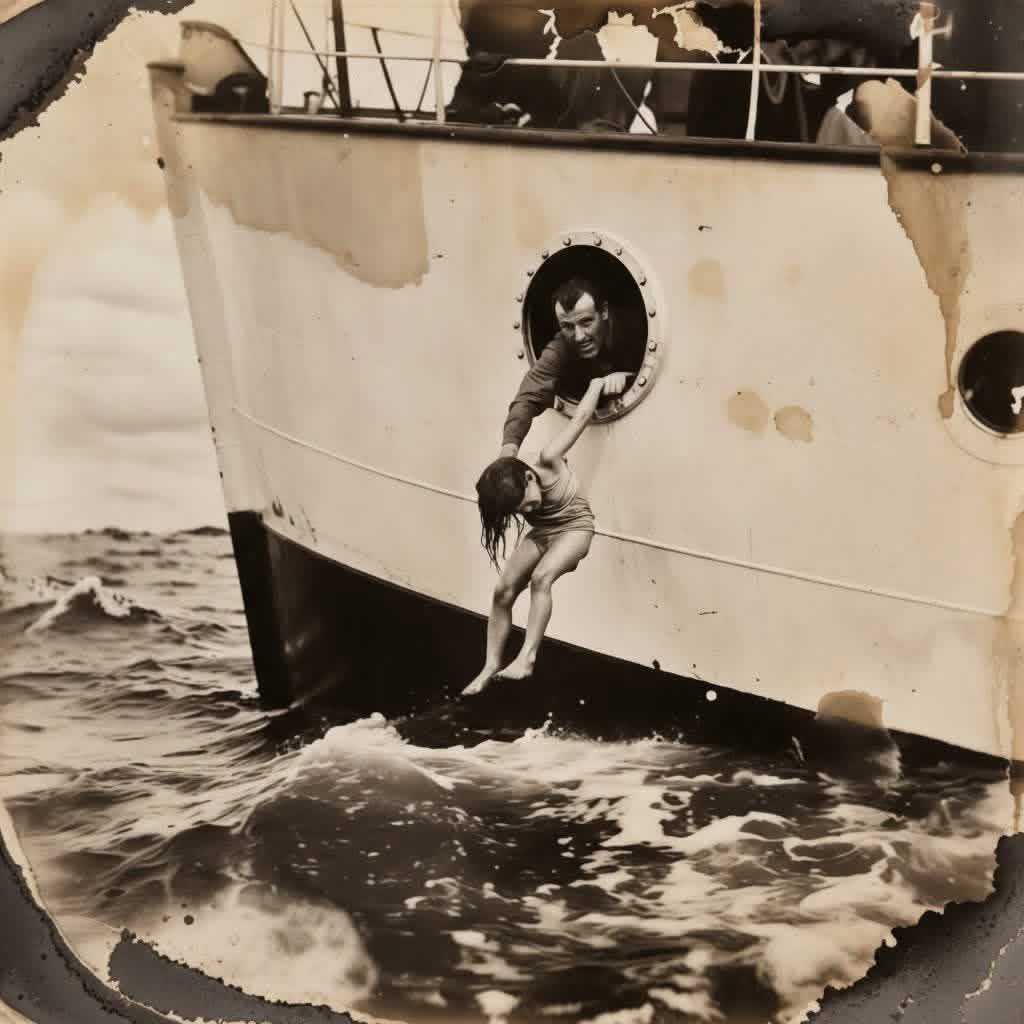
Through the chaos, he reached a broken porthole, smashed open by the storm. It was barely large enough for a child. Beyond it lay the black, freezing Atlantic. In the distance, Antonio could see searchlights sweeping the water—rescue boats were coming.
He looked at Maria—terrified, crying for her mother, clinging to him.
And then he made the choice that would define his life.
Antonio pushed his daughter through the porthole.
Maria screamed as she fell into the ocean. Antonio shouted after her, his voice cutting through the storm:
“Swim, Maria! Swim to the light! Ships are coming! Swim!”
He knew she had a chance.
He knew he did not.
The ship sank seven minutes later. Antonio Russo drowned with 117 other third-class passengers trapped below decks. His body was never recovered.
Maria Russo was pulled from the water forty-five minutes later, suffering from severe hypothermia and near drowning—but alive. She was wrapped in blankets and taken to a hospital ship. She was five years old, orphaned, traumatized, in a foreign country, unable to speak English.
She remembered only her father’s last words:
“Swim to the light.”
Maria was placed in a New York orphanage. For years, she believed her father might still be alive. No one could tell her what had happened to Antonio Russo. As time passed, hope turned into confusion… then pain. She began to believe the unthinkable—that her father had abandoned her, that throwing her into the ocean meant he did not want her.
She lived with that belief for twenty-five years.
The truth did not reach her until she was thirty. A researcher, reviewing passenger records from the 1917 shipwreck, found Antonio Russo’s name among the dead. Only then did Maria learn what her father had done—that he had sacrificed himself so she could live.
Maria Russo lived until 2004, dying at the age of ninety-two.
In 1995, at eighty-three years old, she told her story during an interview about the shipwreck:
“I thought my father was killing me. I didn’t understand he was saving me. I thought for years that he threw me away. The truth was he threw me toward life.”
Maria went on to marry. She had four children, nine grandchildren, and six great-grandchildren—thirty-one descendants who existed because one man made an impossible choice in the dark Atlantic.
“Every birthday, every good moment in my life exists because my father chose me over himself. I see his face in that porthole every night. I hear him screaming ‘swim to the light.’ I’ve been swimming to the light for seventy-eight years. I hope I made him proud.”
Her final words about Antonio Russo were simple:
“Thank you, Papa. Thank you for throwing me toward life. Ti amo.”
Some acts of love last longer than lifetimes.
English
iamtheonlyholy retweetledi

This recitation of Surah ad-Duha is regarded as the oldest known audio recording of the Holy Qur'an.
It was arranged by the Dutch orientalist Christiaan Snouck Hurgronje, who stayed in Makkah in 1885 and is reported to have used the Muslim name ʿAbd al-Ghaffar while there. He used Thomas Edison’s then newly invented phonograph wax cylinders to make the recording.
The reciter was a local Qa'ri from Makkah but his identity is not established.
English
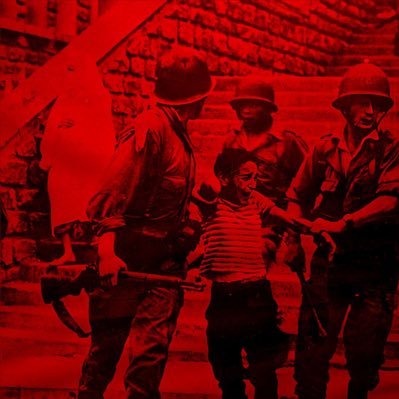
⚡️Lebanese sources:
Takbeers (Allahu Akbar chants) and distribution of sweets in Palestinian Ain al-Hilweh refugee camp in Lebanon following the killing of the Israeli collaborator Yasser Abu Shabab in Gaza.
English

“Don’t bring your religious w@r agenda to Yoruba land. I bought this land from my pastor friend and built a mosque with the help of my pastor friend next door. The house behind me is his church. We have never fought. On my child’s wedding day, we went together with him carrying his Bible” - Muslim cleric says ❤️
English


@YinKysmileS @Rainwontmiss wow 😯
been trying to remember the movie title for years 🥹
English

@Rainwontmiss That's definitely Traveler.
It’s just one season, but my heart was in my mouth from the very first episode to the final one.

English


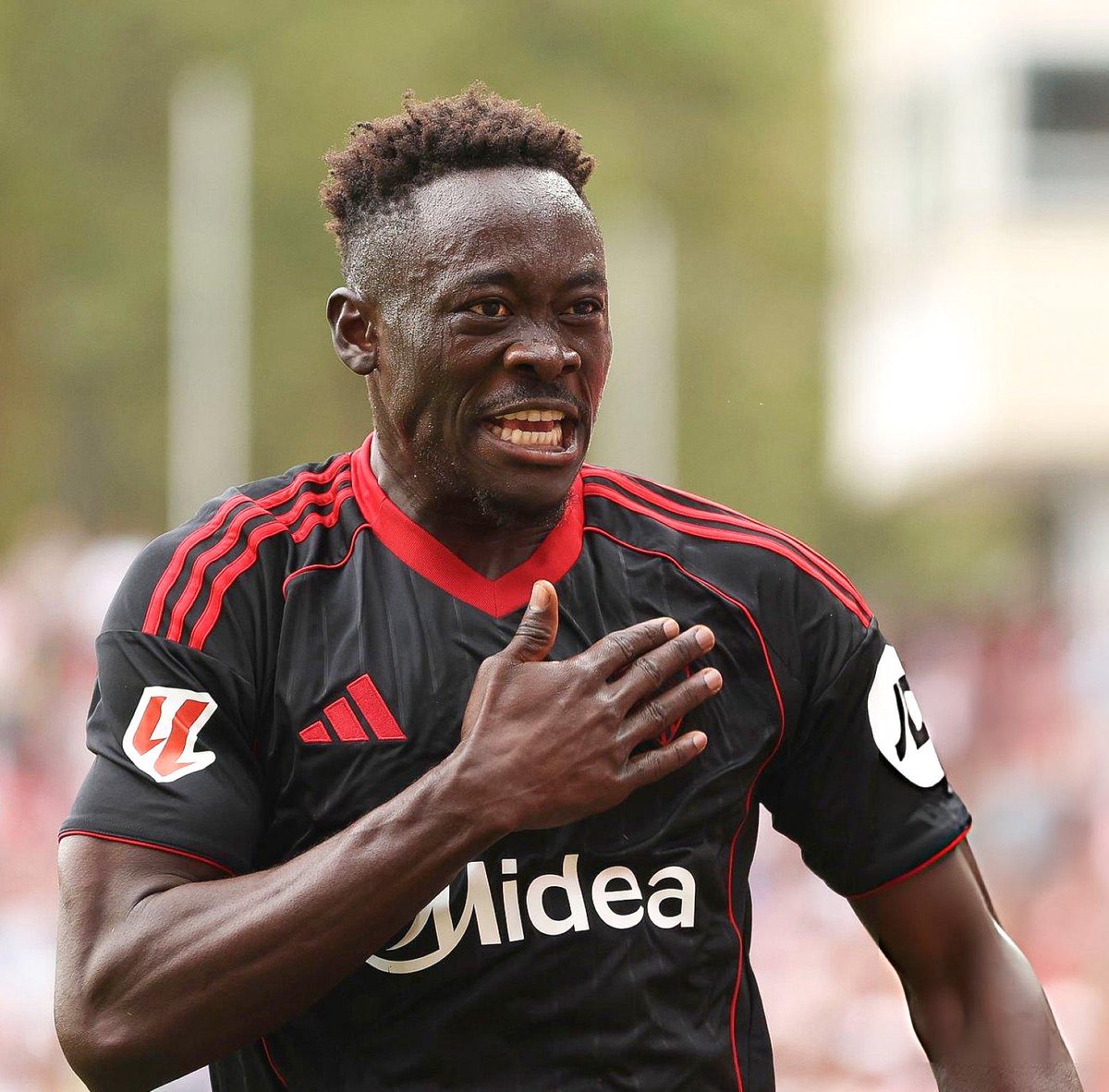
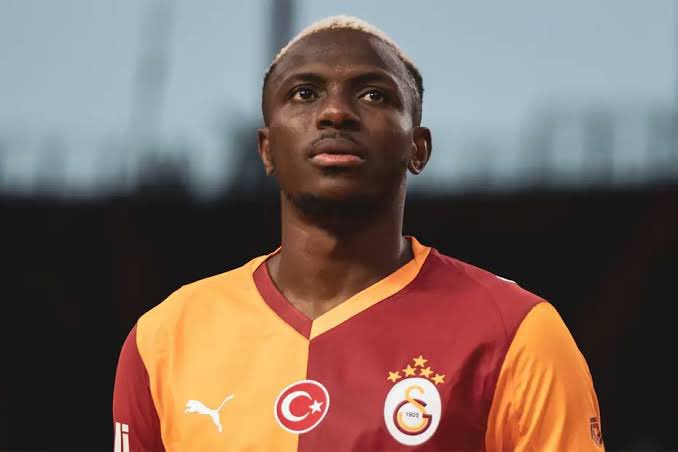
Can we all agree that Akor Adams is better than victor osimhen?🤔
English
iamtheonlyholy retweetledi

If you’re still up and active don’t just scroll, own the trends.
Bet on hashtags, trade attention with @kloutgg and stay Klouted till the lights go out.
There’s still time before the epoch ends… which hashtag are you claiming tonight
Single davinci ⛩️@0xSvinci
If you’re still up and active don’t just scroll, own the trends. Bet on hashtags, trade attention with @kloutgg and stay Klouted till the lights go out. There’s still time before the epoch ends… which hashtag are you claiming tonight
English

@uncle_vill 😅😅😅😅
so the man give una football age for sec school
English
Dear Mr saheed my intro tech teacher back then
The Date of birth wey you help me write for waec registration that time claiming that you don’t want us to pass NYSC age before we finish school
I’m done with school now and not 30 yet
But na everyday I Dey do affidavit
Thanks
English