

Ian McCall
110 posts


Bodø/Glimt’s 442 zonal defence is ‘simple’ in the same way an ABBA pop song is ‘simple’.
*I know ABBA are Swedish and B/G are Norwegian.
English
@ThePurist_ Argentinian football seems to have been in a constant debate throughout its history that has become the wider discourse for all football today.
English

This is the most extraordinary and powerful talk I have ever seen in relation to football. Menotti cared deeply about the game, but his mission went far beyond it.
This is from 1996, but every single point applies today. It's surreal and in some ways tragic.
A must watch.
Juani Jimena@JimenaJuani
I believe the best way to pay tribute to Cesar Luis Menotti is by spreading his word For that reason, I decided to share with all of you this FULL masterclass with English subtitles that you can download from this link, I hope you enjoy it: drive.google.com/file/d/1KKSbVy… RIP❤️
English
Ian McCall retweetledi

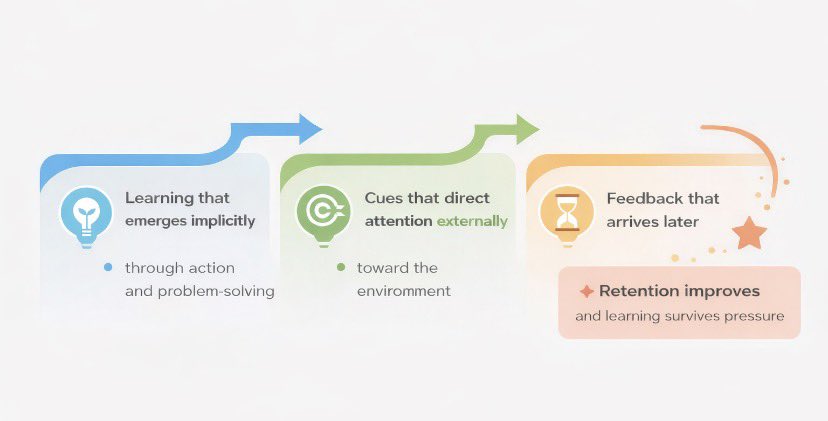
𝗪𝗵𝘆 𝘀𝗼𝗺𝗲 𝗳𝗲𝗲𝗱𝗯𝗮𝗰𝗸 𝘀𝘁𝗶𝗰𝗸𝘀 𝗮𝗻𝗱 𝗺𝗼𝘀𝘁 𝗱𝗼𝗲𝘀𝗻’𝘁
Not all learning comes from instruction.
A lot of it happens despite it.
Research across skill acquisition points to a similar pattern:
• learning that emerges 𝗶𝗺𝗽𝗹𝗶𝗰𝗶𝘁𝗹𝘆
• cues that direct attention 𝗲𝘅𝘁𝗲𝗿𝗻𝗮𝗹𝗹𝘆
• feedback that arrives 𝗹𝗮𝘁𝗲𝗿, not instantly
This type of learning tends to last longer and survive pressure better.
When feedback is constant, immediate, and internally focused (“your body”, “your technique”, “your movement”), performance can improve quickly. Retention often doesn’t.
What does tend to stay with people is feedback that:
• connects to 𝗼𝘂𝘁𝗰𝗼𝗺𝗲𝘀
• helps them notice something 𝗶𝗻 𝘁𝗵𝗲 𝗲𝗻𝘃𝗶𝗿𝗼𝗻𝗺𝗲𝗻𝘁
• arrives after they’ve already felt success or failure
In other words, the learner builds their own link between intention, action, and result.
This is why:
•players remember what space opened.
•learners recall the effect of a solution.
•𝗱𝗲𝗹𝗮𝘆𝗲𝗱 𝗳𝗲𝗲𝗱𝗯𝗮𝗰𝗸 often lands deeper than real-time correction.
The moment you interrupt, you risk replacing perception with instruction.
Good feedback nudges attention and lets the learner do the work.
Often, what stays isn’t what we say.
It’s what the environment allowed them to discover.
English
Ian McCall retweetledi

@stirling_j Rangers changed at half time which was a factor too. Didn’t adjust or respond to it.
English
Good from Celtic in 1st half, should be further ahead, only conceded 1 chance.
But they still cant slow the tempo and rest in possession.
As in previous games, HT seems to kill energy and allow doubts to appear.
Goals conceded are ridiculous at any level.
Very tough spot for WN.
English
"We conversed with each other on the field and could find each other at any moment. I'd a great rapport off the pitch with him too, so we were in total sync."
Roberto Parrottino@rparrottino
Totti & Cassano
English
Ian McCall retweetledi
𝗖𝗼𝗮𝗰𝗵𝗶𝗻𝗴 𝗖𝗼𝘂𝗿𝘀𝗲𝘀 - 𝗡𝗼𝘄 𝗛𝗮𝗹𝗳 𝗣𝗿𝗶𝗰𝗲
Our 𝗖𝗵𝗶𝗹𝗱𝗿𝗲𝗻’𝘀 𝗖𝗼𝗮𝗰𝗵𝗶𝗻𝗴 𝗖𝗼𝘂𝗿𝘀𝗲 and 𝗬𝗼𝘂𝘁𝗵 𝗖𝗼𝗮𝗰𝗵𝗶𝗻𝗴 𝗖𝗼𝘂𝗿𝘀𝗲 are now available at half price for the festive period.
Designed for coaches who want to refresh their thinking, develop their session design, and inspire learning, creativity, and decision-making in real environments.
Visit:
corinthiancreative.co.uk
To explore the courses and the wider coaching services we offer.

English
Ian McCall retweetledi
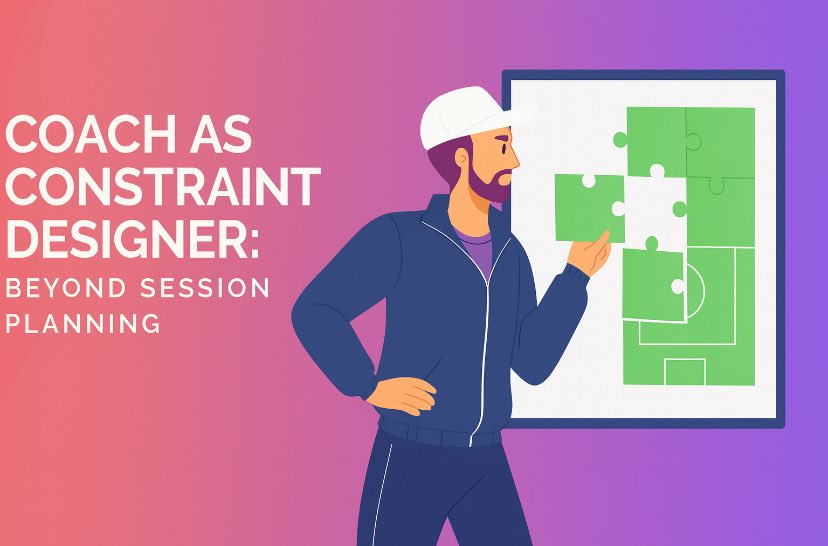
𝗖𝗼𝗮𝗰𝗵 𝗮𝘀 𝗖𝗼𝗻𝘀𝘁𝗿𝗮𝗶𝗻𝘁 𝗗𝗲𝘀𝗶𝗴𝗻𝗲𝗿: 𝗕𝗲𝘆𝗼𝗻𝗱 𝗦𝗲𝘀𝘀𝗶𝗼𝗻 𝗣𝗹𝗮𝗻𝗻𝗶𝗻𝗴
Training design is more than organising practices. Each task shapes the invitations for action, the decisions available, and the possibilities players can perceive. When you design constraints, you influence the interactions that guide learning. The role becomes less about directing actions and more about crafting environments that prompt intelligent behaviour.
𝗪𝗵𝗲𝗿𝗲 𝗣𝗼𝘀𝘀𝗶𝗯𝗶𝗹𝗶𝘁𝗶𝗲𝘀 𝗔𝗽𝗽𝗲𝗮𝗿
Constraints reveal openings that players might otherwise miss. Small adjustments in space, tempo, or opposition can shift the landscape of options and highlight new routes through the game.
𝗪𝗵𝗲𝗿𝗲 𝗣𝗲𝗿𝗰𝗲𝗽𝘁𝗶𝗼𝗻 𝗧𝗮𝗸𝗲𝘀 𝗣𝗿𝗶𝗺𝗮𝗿𝘆 𝗥𝗼𝗹𝗲
As tasks take shape around key cues, players begin to notice what matters. They learn to read signals that guide movement, recognise patterns that emerge, and connect ideas with the moment in front of them.
𝗪𝗵𝗲𝗿𝗲 𝗦𝘆𝘀𝘁𝗲𝗺𝘀 𝗦𝗵𝗮𝗽𝗲 𝗔𝗰𝘁𝗶𝗼𝗻
Meaningful constraints align individual actions with the wider dynamic. Players interact with the task, the environment, and each other. New behaviours form through those interactions, giving rise to solutions that fit the rhythm of the game.
Designing constraints is a creative process. It shapes how players sense, decide, and act, and it influences the ideas that become possible during play.
𝗤𝘂𝗲𝘀𝘁𝗶𝗼𝗻𝘀 𝗳𝗼𝗿 𝗖𝗼𝗮𝗰𝗵𝗲𝘀 𝗗𝗲𝘀𝗶𝗴𝗻𝗶𝗻𝗴 𝗖𝗼𝗻𝘀𝘁𝗿𝗮𝗶𝗻𝘁𝘀
•What behaviour or interaction do you want the task to invite?
•Which cues do you hope players begin to notice as the game unfolds?
•How might a small shift in space or rules change the possibilities players perceive?
•What solutions emerge naturally within the design, without being introduced?
•How does the task shape the rhythm, tempo, and flow of the interactions you’re looking for?
English
Ian McCall retweetledi
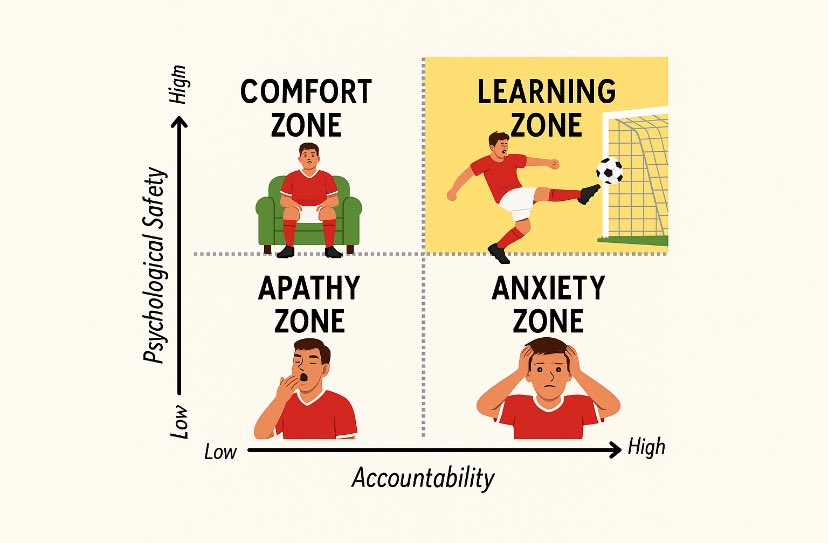
𝗖𝘂𝗹𝘁𝗶𝘃𝗮𝘁𝗶𝗻𝗴 𝗣𝘀𝘆𝗰𝗵𝗼𝗹𝗼𝗴𝗶𝗰𝗮𝗹 𝗦𝗮𝗳𝗲𝘁𝘆 𝗳𝗼𝗿 𝗖𝗿𝗲𝗮𝘁𝗶𝘃𝗲 𝗥𝗶𝘀𝗸-𝗧𝗮𝗸𝗶𝗻𝗴
Creative actions grow when players feel able to explore ideas. When the environment supports experimentation, players take initiative, test new possibilities, and expand their decision space. Psychological safety sits at the centre of that process. 🧵
English

We are delighted to announce the arrival of our beautiful girl Freya Catherine Lindsay Lawson 🩷
Born on Sunday 2nd November weighing 6lbs 3oz.
We are absolutely besotted with her 🥰
Ps we can’t find the instruction manual so if anyone has a spare…😉

English
Ian McCall retweetledi
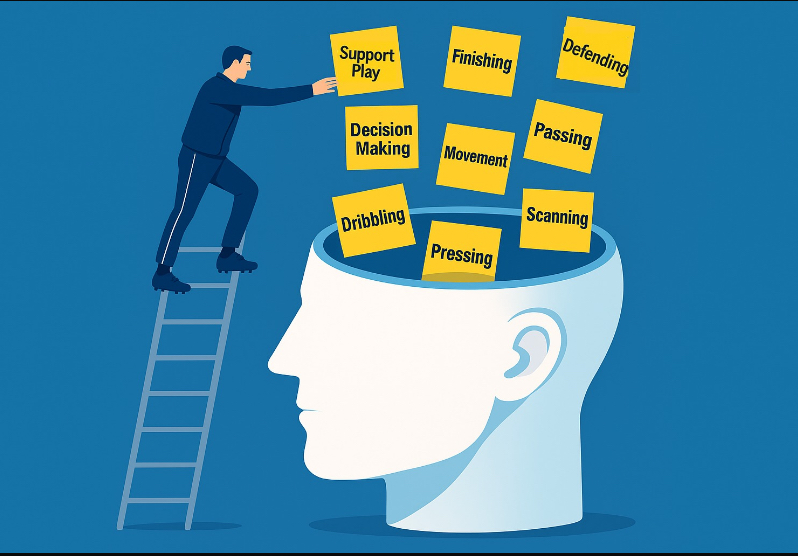
𝗠𝗮𝗸𝗶𝗻𝗴 𝗜𝘁 𝗦𝘁𝗶𝗰𝗸.
A player can look fluent in training yet struggle to reproduce the same moments later in the week.
That gap often comes down to two kinds of learning strength: what’s easy to recall right now, and what’s stored deeply enough to endure.
In training, retrieval is often strong ideas are fresh, the task is familiar, and feedback is instant. However, unless that learning is revisited, challenged, and rebuilt under changing conditions, storage remains weak. The knowledge fades the moment the context shifts.
𝗧𝗼 𝗕𝘂𝗶𝗹𝗱 𝗟𝗮𝘀𝘁𝗶𝗻𝗴 𝗟𝗲𝗮𝗿𝗻𝗶𝗻𝗴
• 𝗥𝗲𝘃𝗶𝘀𝗶𝘁, 𝗗𝗼𝗻’𝘁 𝗷𝘂𝘀𝘁 𝗥𝗲𝗽𝗲𝗮𝘁. Return to core principles across different sessions and game formats. Familiar ideas in unfamiliar environments create stronger links.
• 𝗦𝗽𝗮𝗰𝗲 𝗼𝘂𝘁 𝘁𝗵𝗲 𝗦𝘁𝗿𝘂𝗴𝗴𝗹𝗲. Allow time between exposures. Retrieval after forgetting strengthens memory far more than constant rehearsal.
• 𝗦𝗵𝗶𝗳𝘁 𝘁𝗵𝗲 𝗦𝘂𝗿𝗿𝗼𝘂𝗻𝗱𝗶𝗻𝗴𝘀. Keep the principle, change the problem - new spaces, opponents, or rules test what truly transfers.
• 𝗠𝗲𝗮𝘀𝘂𝗿𝗲 𝗢𝘃𝗲𝗿 𝗧𝗶𝗺𝗲. Evaluate progress by what reappears weeks later, not what looks neat today.
Performance shows what’s accessible now.
Understanding shows what survives time, pressure, and change.
𝗖𝗼𝗮𝗰𝗵 𝗳𝗼𝗿 𝘄𝗵𝗮𝘁 𝗲𝗻𝗱𝘂𝗿𝗲𝘀
English
Ian McCall retweetledi
𝗦𝗲𝗲𝗶𝗻𝗴 𝗪𝗵𝗮𝘁 𝗢𝘁𝗵𝗲𝗿𝘀 𝗗𝗼𝗻’𝘁
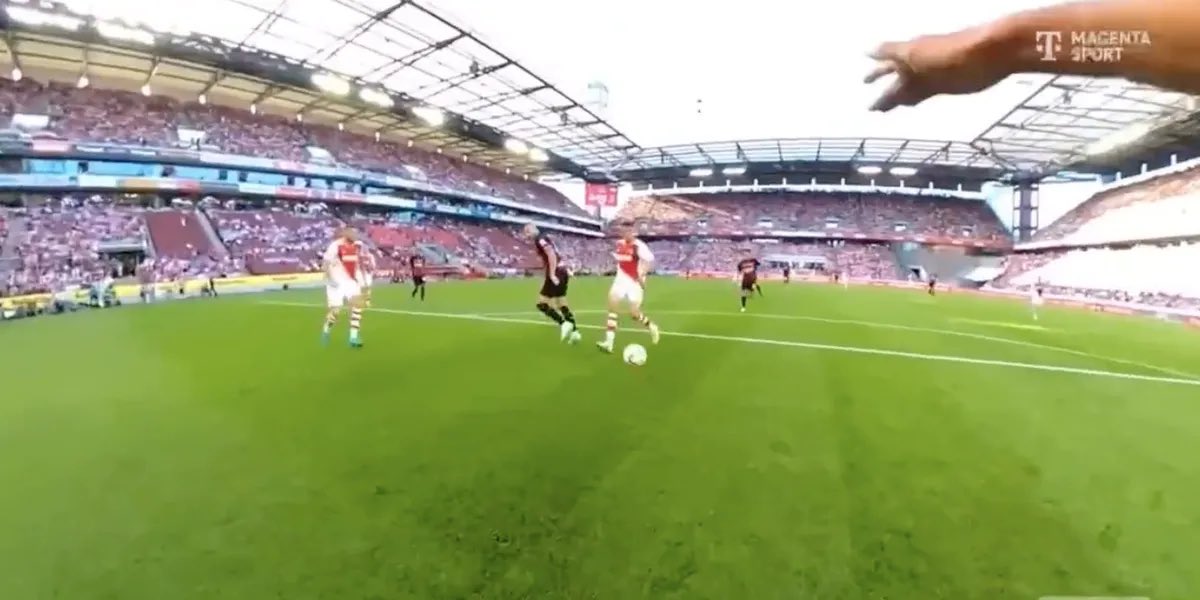
In football, creativity often comes down to perception.
The best players see more of what’s happening.
When perception is narrowed, players fall into predictable habits.
When it widens, the game opens up.
𝗛𝗼𝘄 𝘁𝗼 𝗧𝗿𝗮𝗶𝗻 𝗕𝗿𝗼𝗮𝗱𝗲𝗿 𝗣𝗲𝗿𝗰𝗲𝗽𝘁𝗶𝗼𝗻
1. 𝗩𝗮𝗿𝘆 𝗜𝗻𝗳𝗼𝗿𝗺𝗮𝘁𝗶𝗼𝗻:
Change the space, rules, or number of teammates to alter what players must notice.
The goal is awareness.
2. 𝗗𝗲𝗹𝗮𝘆 𝗜𝗻𝘀𝘁𝗿𝘂𝗰𝘁𝗶𝗼𝗻:
Let players search before explaining. Discovery builds more flexible decision-making than direction.
3. 𝗥𝗲𝘄𝗮𝗿𝗱 𝗨𝗻𝘂𝘀𝘂𝗮𝗹 𝗦𝗼𝗹𝘂𝘁𝗶𝗼𝗻𝘀:
Notice moments when a player solves a problem differently – even if it doesn’t work yet.
Recognition shapes attention.
4. 𝗧𝗿𝗮𝗶𝗻 𝗖𝗼𝗻𝘁𝗲𝘅𝘁:
Design tasks where players must read the situation and adapt.
𝗙𝗼𝗿 𝗖𝗼𝗮𝗰𝗵𝗲𝘀
Creativity grows from environments where attention is expanded.
Every time you design a session, ask:
“𝗪𝗵𝗮𝘁 𝘄𝗶𝗹𝗹 𝗺𝘆 𝗽𝗹𝗮𝘆𝗲𝗿𝘀 𝗹𝗲𝗮𝗿𝗻 𝘁𝗼 𝘀𝗲𝗲 𝘁𝗼𝗱𝗮𝘆?”
English
Ian McCall retweetledi
𝗗𝗲𝘀𝗶𝗴𝗻𝗶𝗻𝗴 𝘄𝗶𝘁𝗵 𝗧𝗶𝗺𝗲: 𝘁𝗲𝗺𝗽𝗼, 𝗿𝗵𝘆𝘁𝗵𝗺, 𝗮𝗻𝗱 𝘁𝗵𝗲 𝘁𝗶𝗺𝗶𝗻𝗴 𝗼𝗳 𝘁𝗮𝘀𝗸𝘀
Time shapes how players experience the game.
Through it, coaches can tune intensity, rhythm, and attention - creating distinct types of focus and decision-making. 🧵

English
Ian McCall retweetledi
𝗜𝗻 𝘆𝗼𝘂𝗿 𝘁𝗿𝗮𝗶𝗻𝗶𝗻𝗴 𝘀𝗲𝘀𝘀𝗶𝗼𝗻𝘀, 𝗱𝗼 𝘆𝗼𝘂 𝘀𝗲𝗲 𝗹𝗲𝗮𝗿𝗻𝗶𝗻𝗴 𝗼𝗿 𝗽𝗲𝗿𝗳𝗼𝗿𝗺𝗮𝗻𝗰𝗲?
In youth football, success in training can look very different depending on what you value.
A session that looks smooth, tidy, and efficient might feel satisfying but does it represent real learning?
English
Ian McCall retweetledi
𝗘𝗺𝗲𝗿𝗴𝗲𝗻𝗰𝗲 𝗶𝗻 𝗟𝗲𝗮𝗿𝗻𝗶𝗻𝗴 - 𝗵𝗼𝘄 𝗽𝗮𝘁𝘁𝗲𝗿𝗻𝘀 𝗮𝗿𝗶𝘀𝗲 𝘁𝗵𝗿𝗼𝘂𝗴𝗵 𝗽𝗹𝗮𝘆
When players 𝗮𝗰𝘁, 𝗲𝘅𝗽𝗹𝗼𝗿𝗲, 𝗮𝗻𝗱 𝗮𝗱𝗮𝗽𝘁 within subtly shifting conditions, 𝗺𝗼𝘃𝗲𝗺𝗲𝗻𝘁 𝘀𝗼𝗹𝘂𝘁𝗶𝗼𝗻𝘀 can self-organize.
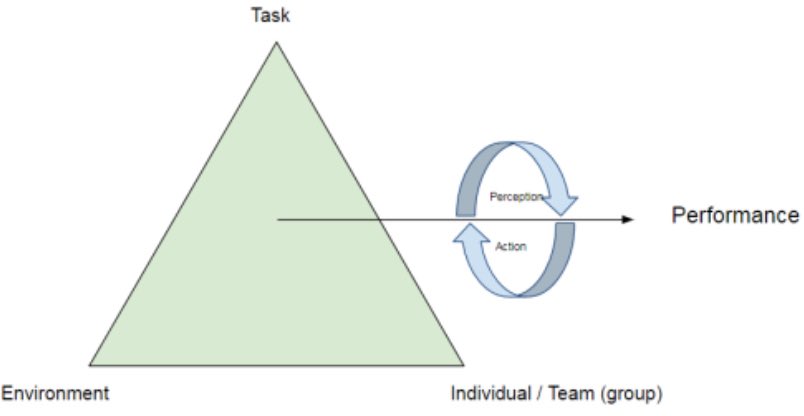
In other words, 𝗲𝗺𝗲𝗿𝗴𝗲𝗻𝘁 𝗯𝗲𝗵𝗮𝘃𝗶𝗼𝘂𝗿 is not pre-programmed - it arises from the interaction between the 𝗮𝘁𝗵𝗹𝗲𝘁𝗲, 𝘁𝗵𝗲 𝘁𝗮𝘀𝗸, 𝗮𝗻𝗱 𝘁𝗵𝗲 𝗲𝗻𝘃𝗶𝗿𝗼𝗻𝗺𝗲𝗻𝘁.

English
Ian McCall retweetledi
𝗖𝗼𝗻𝘀𝘁𝗿𝗮𝗶𝗻𝘁𝘀 𝗮𝘀 𝗜𝗻𝘃𝗶𝘁𝗮𝘁𝗶𝗼𝗻𝘀
Constraints are openings rather than restrictions.
Every condition we set in training shapes attention. A smaller space invites quicker play, extra goals invite scanning for new routes, different zones invite support and movement.
When players see constraints as invitations, they learn to search, adapt, and create.
Some ways to frame them as opportunities:
⚫ Change pitch shapes to invite different passing and dribbling decisions.
⚫ Use zones or areas to invite combinations.
⚫ Rotate conditions so no solution feels fixed.
Good design opens options rather than closing them off.
How do you use constraints to invite play?
English
Ian McCall retweetledi
𝗧𝗵𝗲 𝗩𝗮𝗹𝘂𝗲 𝗼𝗳 𝗨𝗻𝗰𝗲𝗿𝘁𝗮𝗶𝗻𝘁𝘆
Football is a game of constant change. No pattern repeats exactly, no decision is ever made in the same conditions twice.
As coaches, we sometimes design practices that are too predictable - neat, tidy, and rehearsed. The game itself isn’t like that.
Uncertainty is not a problem to remove, but a condition to design for.
- Uncertainty sharpens awareness.
- Uncertainty speeds recognition.
- Uncertainty builds adaptability.
Some simple ways to bring uncertainty into training:
- Vary the numbers, underloads and overloads during a practice.
- Use various different start positions or ball entries.
- Introduce new conditions multiple times within the same game.
- Change the scoring system or rewards.
When players learn to thrive in unpredictable spaces, they become more prepared for the reality of the game.
How do you design for uncertainty in your sessions?

English
Always enjoy having these conversations.
This follow-up to the MSC Insider presentation digs into creativity, decision-making, and how coaching environments shape both.
Corinthian Creative@Corinthian_CC
After presenting on the Modern Soccer Coach Insider, I joined Gary Curneen on the MSC podcast for a follow-up discussion on creativity in football. We explored how coaches can design environments that encourage creativity and decision-making. 🎧 Listen: open.spotify.com/episode/6zLDzz… 🎥 Watch: youtu.be/2bXbAGA3vdM?si…
English
Ian McCall retweetledi
𝗧𝘄𝗼 𝗩𝗶𝗲𝘄𝘀, 𝗢𝗻𝗲 𝗔𝗶𝗺 - 𝗧𝗼 𝗶𝗺𝗽𝗿𝗼𝘃𝗲 𝗹𝗼𝗻𝗴 𝘁𝗲𝗿𝗺
🎥 𝗦𝗲𝗲 𝘁𝗵𝗲 𝗗𝗶𝗳𝗳𝗲𝗿𝗲𝗻𝗰𝗲 - 𝗳𝗼𝗿 𝗶𝗻𝗱𝗶𝘃𝗶𝗱𝘂𝗮𝗹 𝗽𝗹𝗮𝘆𝗲𝗿𝘀.
Using your match footage for detailed breakdowns that highlight your play, your choices, and how you can better impact the game.
📲 corinthiancreative.co.uk/individual-vid…
📊 𝗔𝗻𝗮𝗹𝘆𝘀𝗲 𝘁𝗼 𝗔𝗱𝘃𝗮𝗻𝗰𝗲 - 𝗳𝗼𝗿 𝘁𝗲𝗮𝗺𝘀.
Get full match analysis designed to show how your team plays, where the key moments emerge, and how you adjust and adapt to improve together.
📲 corinthiancreative.co.uk/team-video-ana…
Both services are:
👉 Tailored to your game footage
👉 Focused on real actions and real development
👉 Designed to give you perspective and direction
From the individual to the team, these analysis tools help you build around your game.⚽️

English
Ian McCall retweetledi
𝗧𝘄𝗼 𝗖𝗼𝘂𝗿𝘀𝗲𝘀, 𝗢𝗻𝗲 𝗣𝗮𝘁𝗵 - 𝗖𝗼𝗮𝗰𝗵𝗶𝗻𝗴 𝗙𝗼𝗿 𝗧𝗵𝗲 𝗙𝘂𝘁𝘂𝗿𝗲
𝗖𝗿𝗮𝗳𝘁 𝗬𝗼𝘂𝗿 𝗖𝗼𝗮𝗰𝗵𝗶𝗻𝗴 – for coaches working with children in the foundation phase.
A toolkit for creating learning environments that nurture joy, decision-making, and creativity.
📲 corinthiancreative.co.uk/childrens-coac…
𝗗𝗲𝘀𝗶𝗴𝗻 𝗳𝗼𝗿 𝗗𝗲𝘃𝗲𝗹𝗼𝗽𝗺𝗲𝗻𝘁 – for coaches working with youth players in the 11-a-side game.
A resource for shaping how your team plays, how your players grow, and how you lead with purpose.
📲 corinthiancreative.co.uk/youth-coaching/
𝗕𝗼𝘁𝗵 𝗰𝗼𝘂𝗿𝘀𝗲𝘀 𝗮𝗿𝗲:
👉 Self-paced and mobile-friendly
👉 Built on real coaching, real problems, and real development
👉 Full of creative tasks to expand how you think and design
𝗙𝗿𝗼𝗺 𝗳𝗼𝘂𝗻𝗱𝗮𝘁𝗶𝗼𝗻 𝘁𝗼 𝘆𝗼𝘂𝘁𝗵, 𝘁𝗵𝗲𝘀𝗲 𝗰𝗼𝘂𝗿𝘀𝗲𝘀 𝗴𝗶𝘃𝗲 𝘆𝗼𝘂 𝘁𝗵𝗲 𝘁𝗼𝗼𝗹𝘀 𝘁𝗼 𝗰𝗼𝗮𝗰𝗵 𝘄𝗶𝘁𝗵 𝗰𝗿𝗲𝗮𝘁𝗶𝘃𝗶𝘁𝘆 𝗮𝗻𝗱 𝗽𝘂𝗿𝗽𝗼𝘀𝗲. ⚽️

English