⚖️ The US just passed the AI Accountability Act — companies using AI in hiring, lending & healthcare must now publish bias audits. Years of self-regulation are over. The rules just changed. #AI #AIRegulation #AIAccountability
English
Imran Illiyas
3.5K posts
@ImranHashtag
Entrepreneur | AI Startup Founder | CryptoAnalyst | Philanthropist | GeoPolitics | ManUtd | Sri Lankan 🇱🇰



🇮🇷🇺🇸🇬🇧 Iran just proved its missiles can reach far beyond the Middle East Iran fired two intermediate-range ballistic missiles at Diego Garcia, a joint U.S.-UK military base sitting 4,000 kilometers away in the middle of the Indian Ocean. Neither hit the base, but the message landed harder than any warhead could. Tehran has always publicly claimed its missile range tops out at 2,000 km. This strike attempt doubles that number overnight. The Khorramshahr-4 that likely carried out the attack can also deliver cluster warheads, the same munitions that have been devastating Israeli cities for three weeks. Look at the map. A 4,000 km range from Tehran draws a circle that reaches Paris, London, and most of Europe. Every NATO capital that thought this war was a distant Middle Eastern problem just realized Iranian missiles could theoretically reach their doorstep. Source: @sentdefender WSJ


We just blew up an Iranian ship in international waters and left all of the survivors to drown. This is who we are now.






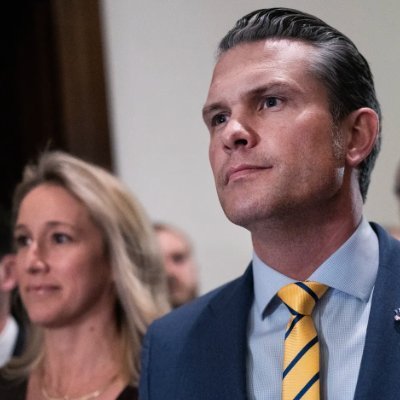
"Did Israel force your hand to launch these strikes against Iran?" @POTUS: "No... Based on the way the negotiation was going, I think [Iran] was going to attack first, and I didn't want that to happen — so if anything, I might've forced Israel's hand."


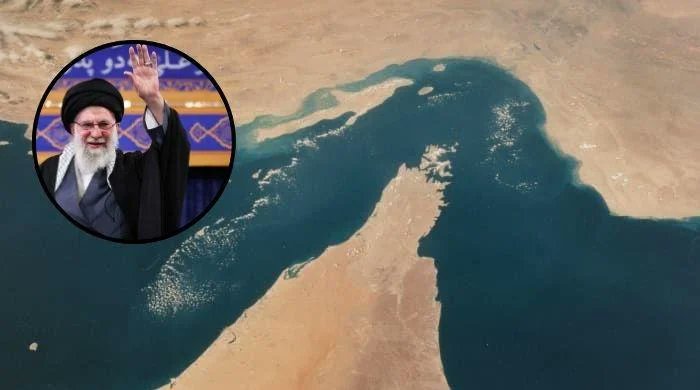
🚨🇺🇸🇮🇷 U.S-ISRAELI STRIKES ON IRAN: MAJOR COMBAT, MAJOR CONSEQUENCES The Middle East just crossed a line it may not be able to uncross. After coordinated strikes by the United States and Israel on Iranian targets, including the compound of Supreme Leader Ali Khamenei, Trump declared the start of “major combat operations” and openly urged Iranians to “take over your government.” Iran answered within hours, launching missiles toward Israel and U.S. military installations in Qatar, Kuwait, Bahrain, and the UAE. Airspace across the region shut down. Hundreds of flights were grounded. Sirens wailed throughout Israel. Smoke rose near the U.S. Navy’s Fifth Fleet base in Bahrain. Even Dubai, usually insulated from frontline chaos, felt the spillover. Netanyahu framed the assault as removing an “existential threat.” Washington insists Iran cannot be allowed to develop a nuclear weapon. Tehran denies pursuing one and now vows “crushing retaliation,” declaring all U.S. bases in the region legitimate targets. And just like that, deterrence becomes escalation. Calling on Iranians to overthrow their government may sound bold, but history is littered with examples of foreign pressure strengthening the very regimes it seeks to topple. Nationalism hardens. Hardliners consolidate. Internal dissent gets crushed under the banner of resisting outside aggression. Meanwhile, regional allies are uneasy. The UK has distanced itself from the strikes. European leaders condemn Iranian retaliation but stop short of endorsing Washington’s escalation. Gulf states now face direct missile threats on their soil. This is how regional conflicts become global crises. The stated goal is to stop a nuclear Iran. The risk is a multi-front war stretching from Israel to the Gulf, pulling in proxy forces, global powers, and energy markets already on edge. While “major combat operations” are easy to announce, they’re much harder to contain.