
Bonjo🦧 retweetledi
Bonjo🦧
4.2K posts



Bonjo🦧 retweetledi

Being told for 20 years that we have no culture . . .
And then discovering that a lot of Japan absolutely adores our culture.
It's gonna he a good day.
English


@rc51_nono_sp2 @nikitabier realized americans love japanese twitter and started boosting you guys for us instead of Indians posting rage bait
English

Bonjo🦧 retweetledi



@LucreSnooker @simonsarris And unusable. You couldnt dock anything to that pier without destroying it
English


This isn't striking, it just sucks. It relies on a beautiful boat and the sea to have anything remotely good interesting it. It does nothing to its environment but steal.
This happens often with modern and brutalist designs
Sci-Fi Archives@SciFiArchives
A striking brutalist sanctuary by Juan Carlos Beltrán
English
@L7Weenie23 @AviSniffmann @bowtiedgerman The gip and glucagon agonists do. Thats what makes it muscle sparing
English

English

1 week on reta after years of being dismissive about GLPs
English
@QuiteShallow Good. Artists. Steal.
Dont call it a spiritual successor, just fucking wear their skin and do your own thing with it.
English

Bonjo🦧 retweetledi

Elon has a ten trillion dollar company on his hands if he can figure out how to replace the Indian bots with Japanese ones

English

Cosmically funny that the true heir to his legacy is the love child with the Mexican Cleaning Lady.
New York Post@nypost
Arnold Schwarzenegger helping train love child at Venice gym for bodybuilding debut trib.al/GI9jT6N
English
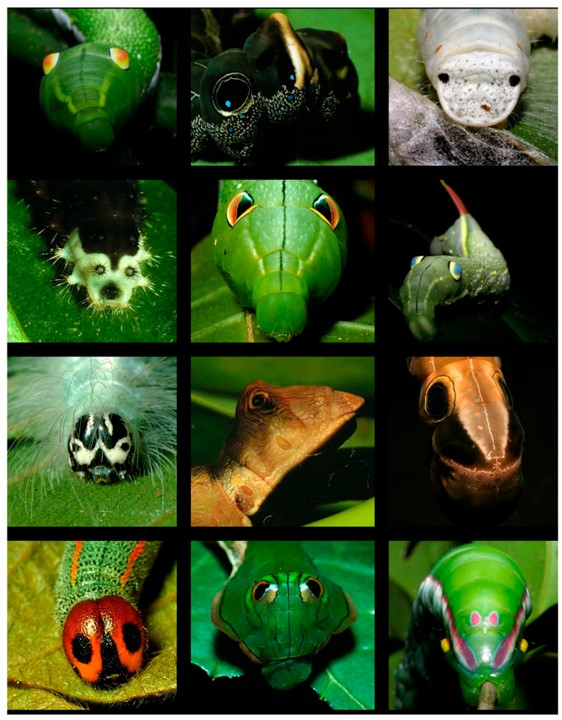
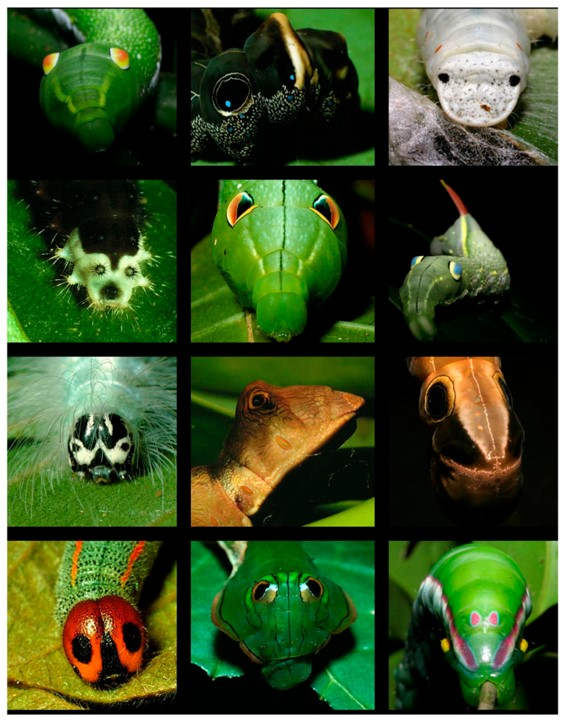
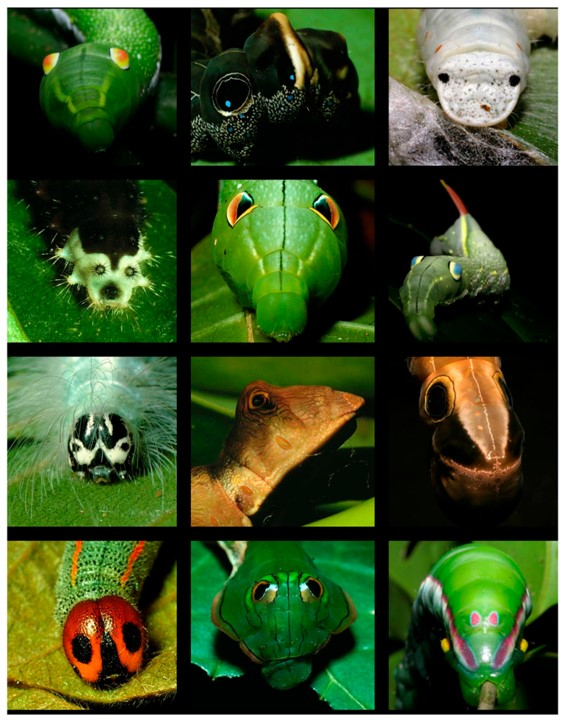
@KwaoBuabeng @Joey_FS @sporadica This has happened independently across many species and the "early" examples tend to be something as simple as coloration and false-eye spots
English

@Joey_FS @sporadica It has to significantly look like a snake from the get go for this to work. It has to have randomly mutated look like a snake genes out of nowhere
English

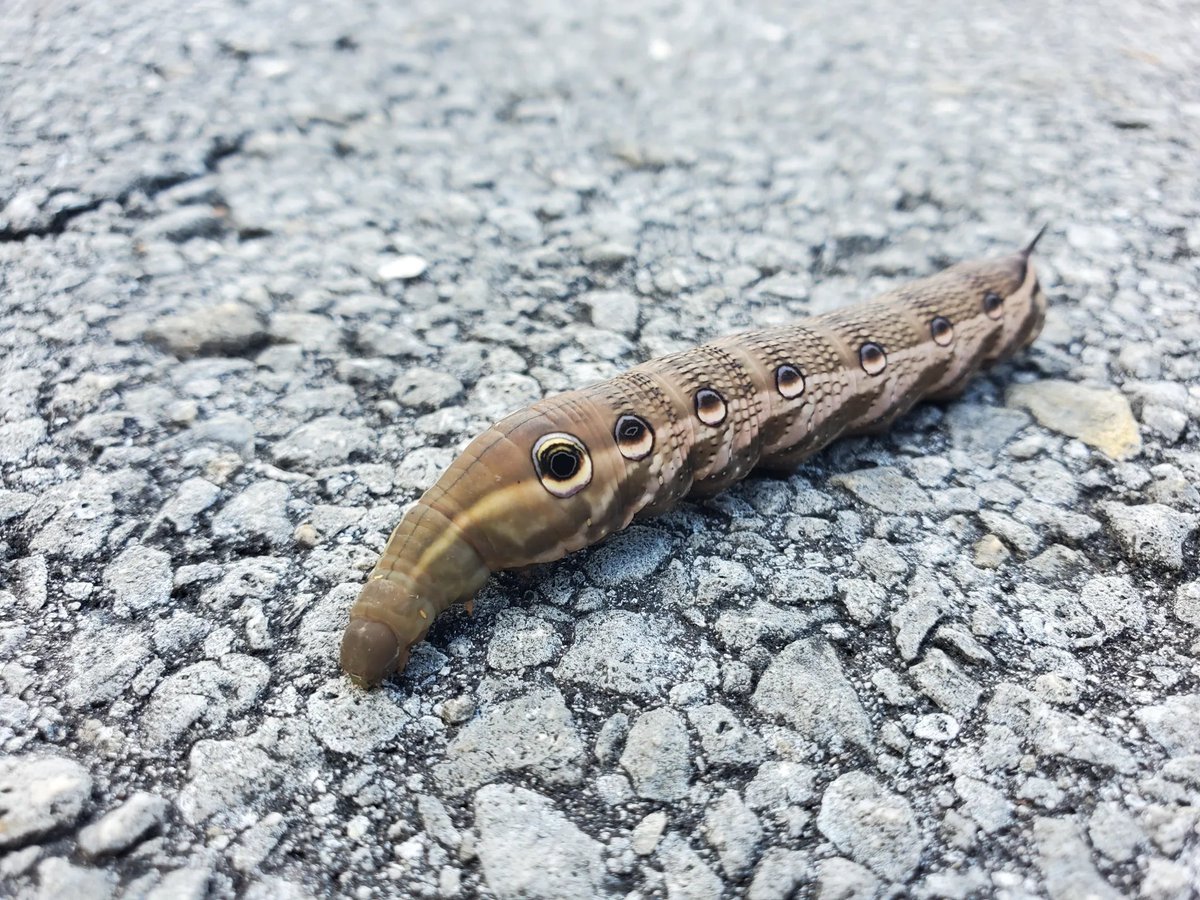
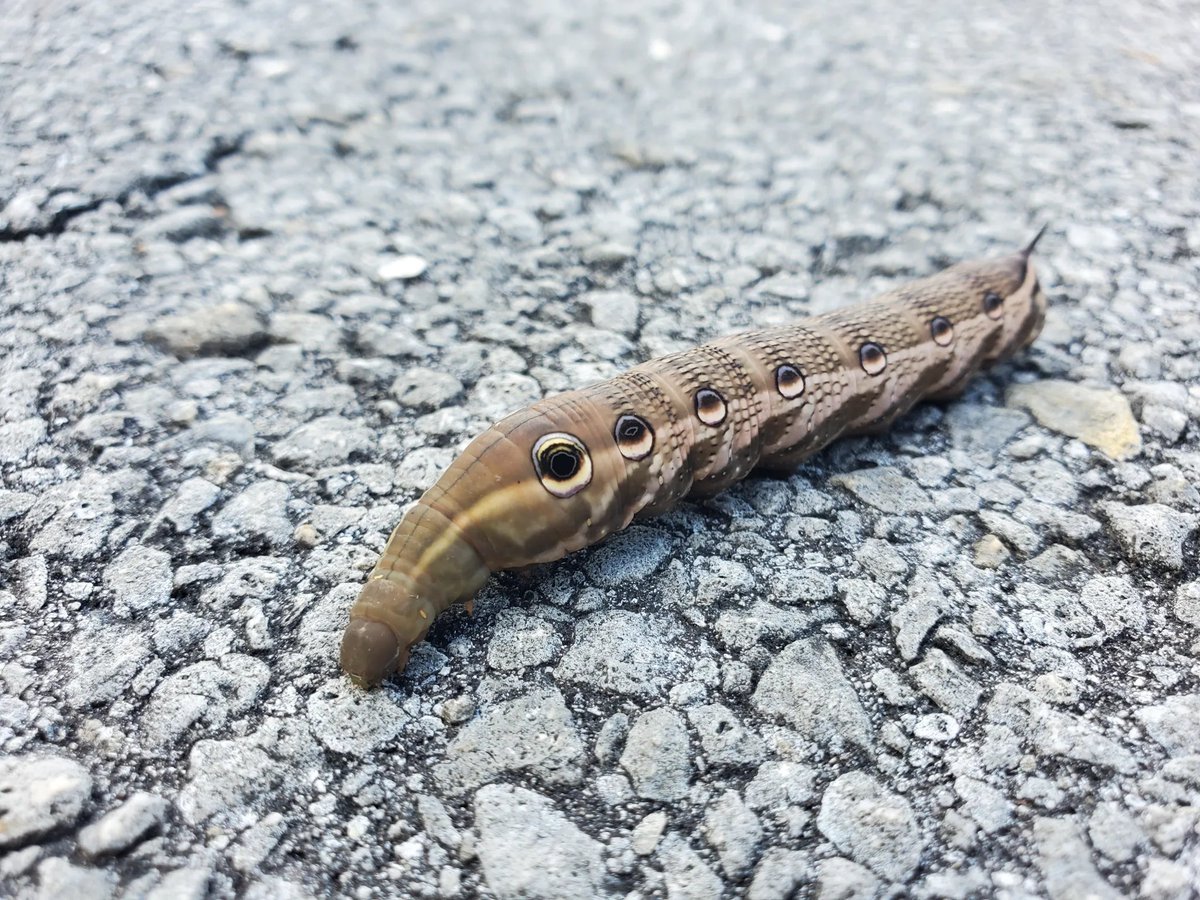
how the hell does evolution manage to do this kinda shit
SULLY@SULLY10X
The non-poisonous Snake-Head Caterpillar inflates its tail to resemble a poisonous viper. It’s found in the Eastern United States in all summer long.
English
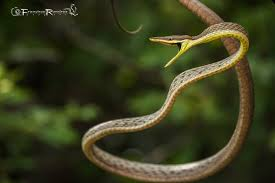
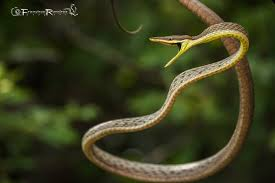
You start with eyespots and coloration and work from there, if you share habitat with say, the brown vinesnake, as the sphinx-moth caterpillar in the OP does, then you'll be under selective pressure to more convincingly resemble one through a process called Batesian Mimicry
reasonandnature.com/2022/04/10/cat…
English

@ccryptominor @sporadica Well it didn't just magically happen or by will of the caterpillar so would love to know your theory on how we got a caterpillar looking like a snake.
English
@sporadica The caterpillar of the sphinx moth in the OP is native to central America and shares habitat with the very common brown vinesnake (you wont find either of these in the "eastern US")
English
@sporadica You start with false eye-spots and go from there
reasonandnature.com/2022/04/10/cat…
English
@DrFisura @verdantleaf1 @sporadica You start with something as simple as eyespots and coloration and work from there
reasonandnature.com/2022/04/10/cat…
English

@verdantleaf1 @sporadica Explains nothing of how the similarity came to be in the first place
No, natural selection cannot select something that isn't already there
English
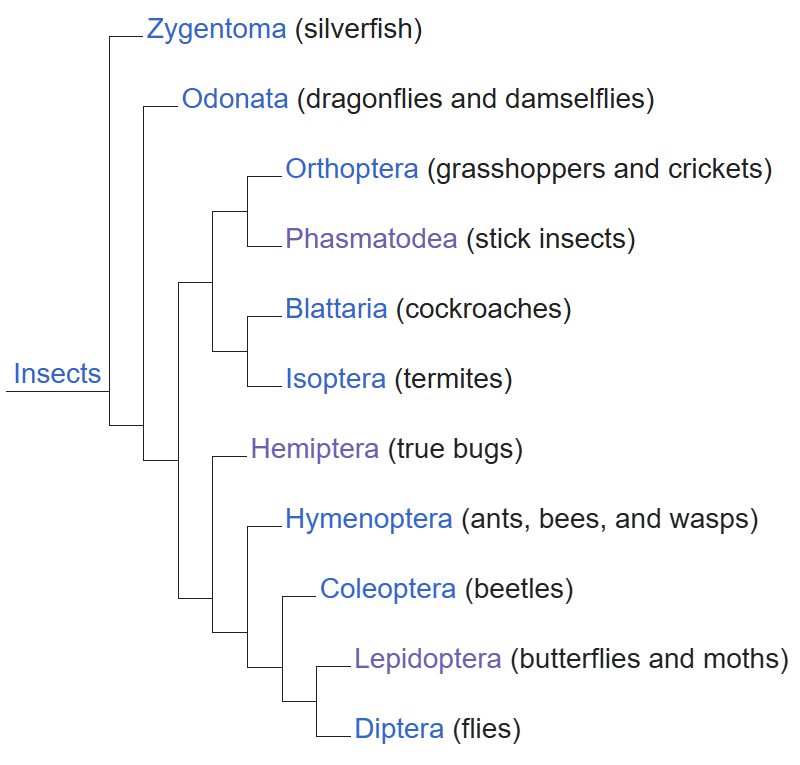
That one's divergent evolution, the entire suborder of Hymenopterida has that same life cycle and it was first "developed" by a much more modest shared ancestor (ants, splitting from "bugs" who are still around too as stinkbugs and leafhoppers), while the midge-like ancestors of butterflies diverged from flies in the late Jurassic.
This group includes Ants, wasps, beetles and flies who all share a similar worm->pupae->adult life cycle to this day. If you did a mealworm workshop in school you got to see a more modest version of what butterflies "made" more impressive (beetles also get pretty wild with some species you'll get a 1/4lb grub transforming into giant tank-beetles)
As for the exact origin of this behavior it's still actively debated! We know pretty well when it happened but the exact mechanism and evolutionary "step" is still being worked out, the leading theory is that all insects undergo a similar process as embryos but hatch directly into adulthood, while Hymenopterida hatch early, eat and grow then undergo a final "embryonic molt" into adulthood.
#Theories_on_the_origin_of_holometabolan_metamorphosis" target="_blank" rel="nofollow noopener">en.wikipedia.org/wiki/Holometab…

English

@Joey_FS @sporadica What about the ones that randomly started dissolving themselves inside a chrysalis it created over itself. Did the ones who half and quarter dissolved themselves on the way to that evolved trait get more resources and breed more?
English
@FLOTFW @Joey_FS @sporadica The early defense look like false-eye patterns which have been evolved repeatedly across many species
English

@Joey_FS @sporadica What safe environment did they live in before looking exactly like a snake? Bigger, stronger, faster, smarter can be explained by natural selection, this is something different. The defense is useless until perfected.
English
@g_br_l @sporadica It's not random at all, it starts with something as simple as eye-spots you can see in many species, and under strong enough selective pressure can become more refined and convincing.
britannica.com/science/Batesi…
English

@sporadica it's all random man!!!!! just a probabilistically impossible chance of the exact combination of a few thousand genes within the span of a few million generations, all randomly selected to make the fucking bug look like a snakes head!!! nothing to think about here man don't worry
English
@Txp_RBI_Xctuxl I have seen a documentary on this and the meteorology is an underappreciated aspect of D-day
English

I feel like we've reached the end of WW2 movies. All of the interesting stories have been told. Now we get movies about black women sorting mail in England and the meteorologist that did the weather forecast for D-Day.
Met Office@metoffice
The first trailer for ‘Pressure’ is here, the film which tells the story of the most important weather forecast; the D-Day forecast. Andrew Scott stars as Group Captain James Stagg – the Met Office meteorologist tasked with delivering the weather forecast and helping shape D-Day's plans. In cinemas 9 September. #pressuremovie @StudiocanalUK
English