I have some questions for @peyushbansal, CEO of @Lenskart_com, a publicly listed company that has blocked me for asking questions. Do listen and RT if you agree. #NoBindiNoBusiness
Salary doesn't make you rich.
I've listed 75 passive income ideas to earn while your sleep.
All you need is:
- Smartphone/PC
- High Speed Internet
- 8 hours a day
Retweet & Reply "Money" to get it for free
[Must be following] so that I will DM you
[Only for First 500 People]
My AI side hustle earns me $2,000 weekly.
I made a guide to help you make $250 daily.
Normally $199, it's FREE today!
Like + comment "Send" and I'll DM it to you
(must follow me so that I can DM)
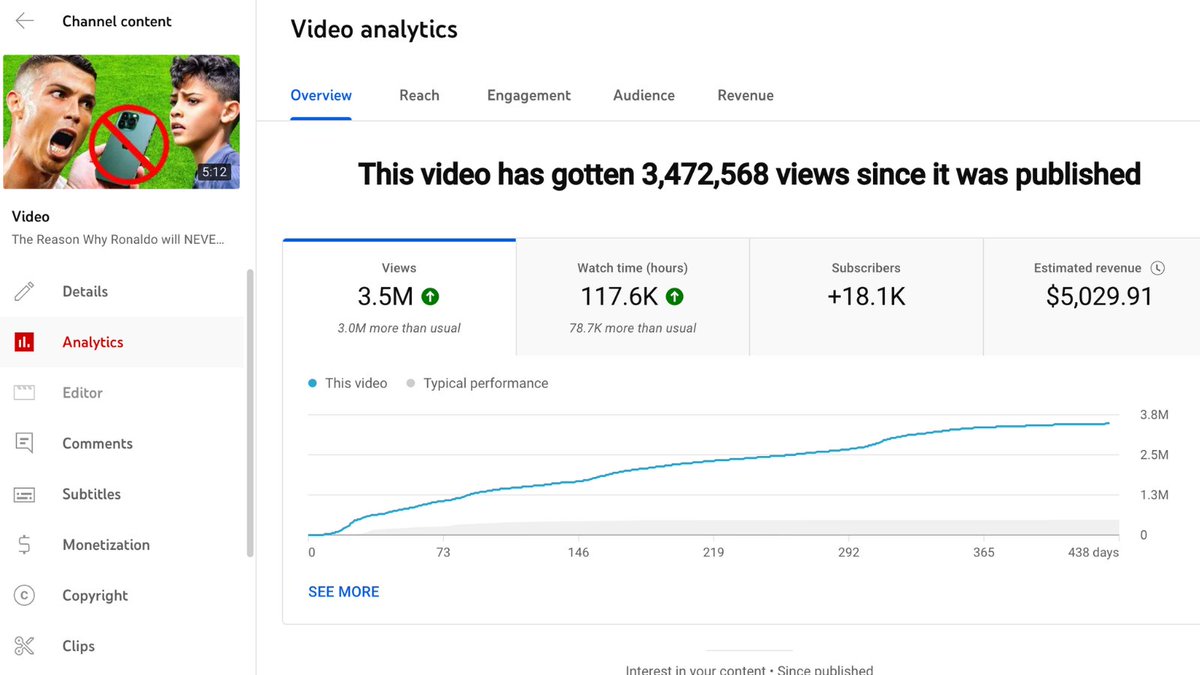
YouTube Video Case Study:
Views: 3,5 Million
Revenue: $5,000
Cost: $50
Profit: $4950
Want to learn how I did it?
Like + Comment ’YT’, and I'll DM you my FULL $5,800 Course FOR FREE!
(Must be following)
You're in a web development interview, and you're asked:
"Do you recommend using OAuth or JWT (JSON Web Tokens) for secure user authorization? Explain your authentication approach."
Here's how to answer, discussing use cases and how each method works:
OAuth:
Use Case:
OAuth is an excellent choice when you need to enable third-party applications to access user data or perform actions on behalf of users.
It's commonly used for scenarios like social login (allowing users to sign in with their existing social media accounts) and for authorizing API access by external clients.
How it works:
OAuth involves multiple roles:
Resource Owner (User): This is the user who owns the data or resources that the third-party app wants to access.
Client (Third-party App): The application that seeks access to the user's data.
Authorization Server: This server is responsible for verifying the user's identity and managing permissions.
Resource Server: This server hosts the user's data and grants access to authorized clients.
The OAuth flow allows users to grant permissions to external apps without sharing their actual credentials (e.g., username and password).
Instead, it provides a secure and authorized way for apps to access user data.
JWT (JSON Web Tokens):
Use Case:
JWT is ideal for internal authentication and maintaining stateless sessions within your application.
It's often used to securely represent user IDs, roles, or other claims in a compact, self-contained format.
How it works:
JWTs consist of three parts:
Header:
Contains metadata about the token, like the algorithm used for signing.
Payload: Contains claims, which are statements about the user and additional data.
These claims are often used to convey user ID, roles, and more.
Signature: This is generated using a secret key and is used to verify the authenticity of the token.
JWTs are typically issued to a client after successful authentication and can be included in subsequent requests to authorize the user.
They are self-contained, meaning all the necessary information is within the token, reducing the need to store session state on the server.
Authentication Approach Recommendation:
Choose OAuth when your project involves granting access to user data or actions by third-party applications.
It's an excellent choice for scenarios where you want to allow external apps to interact with your system securely.
Choose JWT for internal authentication and maintaining stateless sessions within your application.
It's efficient and secure for managing user sessions, especially within your own ecosystem.
Combining Both: In some cases, you might use OAuth for external authentication, such as social login, and then issue a JWT to the client after successful authentication.
This approach allows you to leverage the benefits of both methods.
You're in a web development interview, and you're asked:
"Do you recommend using OAuth or JWT (JSON Web Tokens) for secure user authorization? Explain your authentication approach."
Here's how to answer, discussing use cases and how each method works:
OAuth:
Use Case:
OAuth is an excellent choice when you need to enable third-party applications to access user data or perform actions on behalf of users.
It's commonly used for scenarios like social login (allowing users to sign in with their existing social media accounts) and for authorizing API access by external clients.
How it works:
OAuth involves multiple roles:
Resource Owner (User): This is the user who owns the data or resources that the third-party app wants to access.
Client (Third-party App): The application that seeks access to the user's data.
Authorization Server: This server is responsible for verifying the user's identity and managing permissions.
Resource Server: This server hosts the user's data and grants access to authorized clients.
The OAuth flow allows users to grant permissions to external apps without sharing their actual credentials (e.g., username and password).
Instead, it provides a secure and authorized way for apps to access user data.
JWT (JSON Web Tokens):
Use Case:
JWT is ideal for internal authentication and maintaining stateless sessions within your application.
It's often used to securely represent user IDs, roles, or other claims in a compact, self-contained format.
How it works:
JWTs consist of three parts:
Header:
Contains metadata about the token, like the algorithm used for signing.
Payload: Contains claims, which are statements about the user and additional data.
These claims are often used to convey user ID, roles, and more.
Signature: This is generated using a secret key and is used to verify the authenticity of the token.
JWTs are typically issued to a client after successful authentication and can be included in subsequent requests to authorize the user.
They are self-contained, meaning all the necessary information is within the token, reducing the need to store session state on the server.
Authentication Approach Recommendation:
Choose OAuth when your project involves granting access to user data or actions by third-party applications.
It's an excellent choice for scenarios where you want to allow external apps to interact with your system securely.
Choose JWT for internal authentication and maintaining stateless sessions within your application.
It's efficient and secure for managing user sessions, especially within your own ecosystem.
Combining Both: In some cases, you might use OAuth for external authentication, such as social login, and then issue a JWT to the client after successful authentication.
This approach allows you to leverage the benefits of both methods.
After DEATH of Lord Shiva’s first wife Sati, he lost the desire to love & was only left with anger
Shiva in deep pain carried Sati on his shoulders & in grief performed 'Tandava' destroying the universe
Vishnu Ji had to use “Sudarshan Chakra” on Shiva to STOP the destruction…
After Hindu Gods were ATTACKED by Raktabija, Gods became weak.
Only "Maa Durga" could help them & fight Raktabija. So she took her DEADLIEST avatar & KILLED him, but her BLOODLUST got out of control.
Even Shiva couldn't stop her RAGE so he 'surrendered' to save the universe...