Taylor Rezvani, PhD

63 posts

Taylor Rezvani, PhD banner
Taylor Rezvani, PhD

Taylor Rezvani, PhD

@IntegratedSpeci

Interdisciplinary researcher & philomath. Puppy socialization, dog welfare, animal studies/behavior/welfare, veterinary edu. Cofounder @wholedogacademy.

Portland, OR Katılım Nisan 2013
303 Takip Edilen54 Takipçiler
Taylor Rezvani, PhD retweetledi

Whole Dog Academy
Whole Dog Academy@WholeDogAcademy·
FREE Puppy Socialization Classes! 4 free puppy play sessions with WDA trainers-in-training! Join us for one or all Thursday nights in March - the 1st session is tonight! There is still space! Classes are held at the fabulous @BrooklynYardVet Sign-up here: greatheartk9.as.me/WDApuppyclass
English

0
1
1
92
Taylor Rezvani, PhD retweetledi
Canine Science Conference
Canine Science Conference@CanSciCon·
Mark your calendars: The 2024 Canine Science Conference will be held from June 21st to the 23rd, 2024 at @UW in Seattle, Washington. #CSC22 #CSC24
Canine Science Conference tweet media
English
0
12
27
0
Taylor Rezvani, PhD retweetledi
Hal Herzog
Hal Herzog@herzoghal·
Ouch... "A stronger attachment to one’s dog was also related to a greater fear of being rejected and unloved (Anxiety), which was, in turn, associated with a higher mental health burden." bmcpsychiatry.biomedcentral.com/articles/10.11…
English
1
11
21
0
Taylor Rezvani, PhD retweetledi
Alexandra Horowitz
Alexandra Horowitz@DogUmwelt·
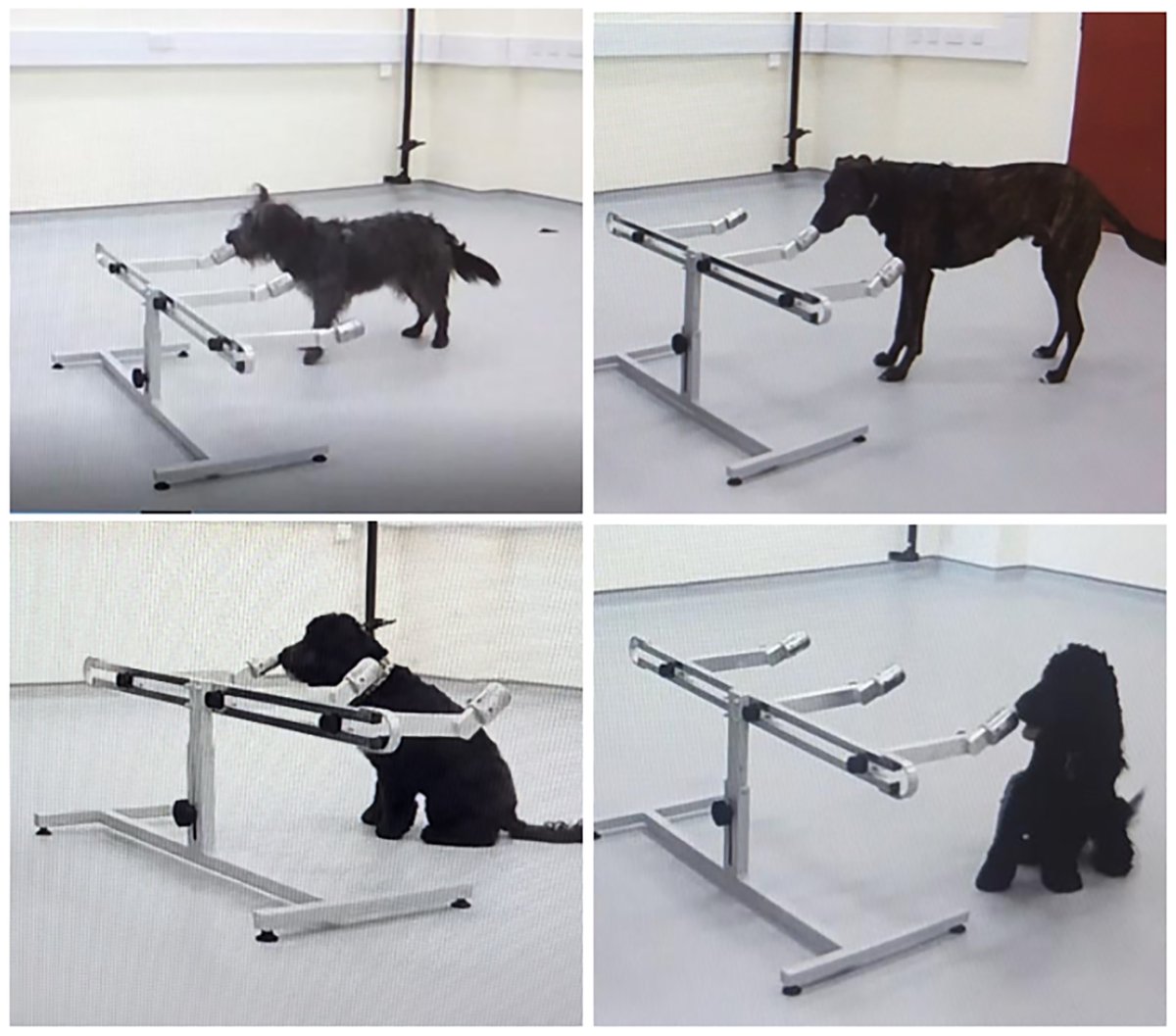
my only sadness is that the names & info of all the dogs are not included. all papers should have the dog names and who they are! at least here we have Soot, Fingal, Winnie, and Treo...
Alexandra Horowitz tweet media
English
2
2
49
0
Taylor Rezvani, PhD retweetledi
Croney Research Group
Croney Research Group@CroneyGroup·
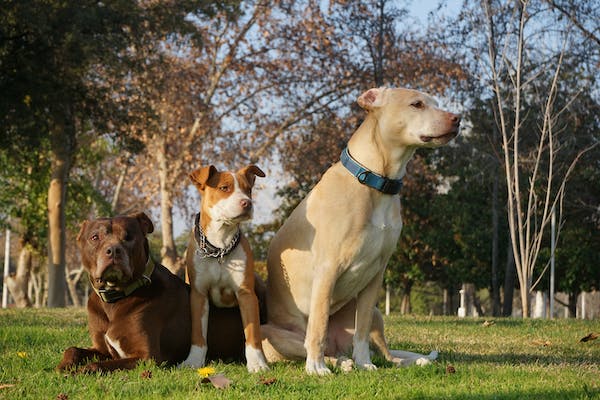
Results from this study showed that socialization of kenneled dogs to unfamiliar people and other dogs within their kennels, as well as increased exposure of dogs to more diverse novel stimuli may support the welfare of dogs. Find out more at tinyurl.com/2xuh2kkx #DogWelfare
Croney Research Group tweet media
English
0
4
4
0
Taylor Rezvani, PhD retweetledi
Eniko Kubinyi
Eniko Kubinyi@KubinyiEniko·
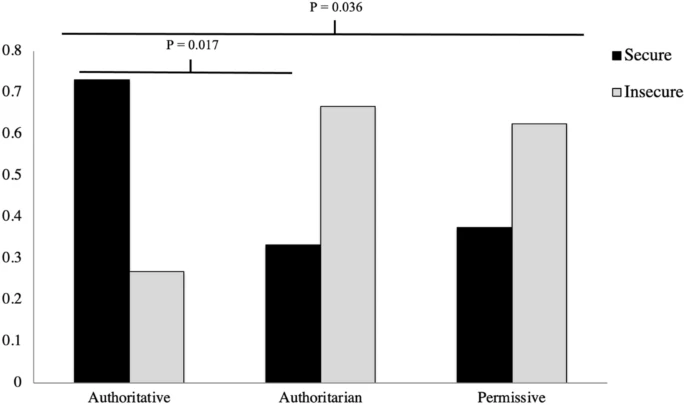
dogs with authoritative owners had the highest rate of secure attachment, were highly social, sensitive to social context and were more persistent and successful on the problem-solving task than dogs with authoritarian owners and permissive owners link.springer.com/article/10.100…
Eniko Kubinyi tweet media
English
2
14
55
0
Taylor Rezvani, PhD retweetledi
Croney Research Group
Croney Research Group@CroneyGroup·
🚨We have a NEW EXTENSION PAPER!! "Meeting the behavioral needs of kenneled dogs", by Aitor Arrazola, @IntegratedSpeci, and Candace Croney, explains why caretakers should meet kenneled dogs' behavioral needs, and suggests strategies to do so.🐶 Link below. extension.purdue.edu/extmedia/VA/VA…
English
0
3
7
0
Taylor Rezvani, PhD retweetledi
Croney Research Group
Croney Research Group@CroneyGroup·
Congrats to @ShanisBarnard and Aitor Arrazola on their poster presentations at @2022Isae!! 🎉👏 Keep an eye out for their studies on behavioral and management factors related to rehoming success, and the link between management practices and fear in commercial-breeding kennels.🐶
Croney Research Group tweet mediaCroney Research Group tweet media
English
0
3
8
0
Taylor Rezvani, PhD
Taylor Rezvani, PhD@IntegratedSpeci·
@SFVetBehavior Absolutely. So important for pre-vet and veterinary students to learn about animal behavior and humane training! Similar findings in my dissertation work. How can we encourage the shift? Glad the conversation is growing!
English
0
0
0
0
Dr Wailani Sung
Dr Wailani Sung@BayAreaVB·
This is a huge problem. When are the Deans in the Veterinary Colleges going to recognize the need for Behavior classes? There are only 5 established Behavior Programs in the U.S. Veterinary colleges. How silly that vet students should learn body language & low stress handling!
Eniko Kubinyi@KubinyiEniko

Behaviour problems in dogs and cats were not ranked in the top 4 welfare problems by 40% of vets (n = 59). ~50% felt reluctant to discuss behav. problems with clients. 80% felt their education equipped them poorly in dealing with pets' behav. problems. onlinelibrary.wiley.com/doi/10.1111/av…

English
2
6
31
0