

Irfan Siddique
1.1K posts

Irfan Siddique
@Irfansidq
Aristotle| Prisoner of Garrison state |
Islamabad Katılım Mayıs 2022
22 Takip Edilen20 Takipçiler

“Pashtuns? Pukhto? Are you Afghan? Are you Pakistani? Isn’t it AfGANiSTAN?”
These are the questions I get constantly when I post videos speaking in Pashto or when I’m filming from Pakistan. So here’s a quick explainer about who we Pashtuns are.
English
@khantainer Remove his clothes and clean the wall. These چ people destroyed every place in north.
English

This was last year, when some locals caught him and updated his software right there. I don’t know what joy they get from writing their names on these.
Gilgit Baltistan Tourism.@GBTourism_
We kindly request tourists not to write their names on stones or any other natural surfaces at these beautiful tourist spots. ہم سیاح حضرات سے درمندانہ درخواست کرتے ہیں کہ ان خوبصورت سیاحتی مقامات پر، خاص طور پر پتھروں یا دیگر قدرتی سطحات پر اپنا نام نہ لکھیں۔ اس سے ان قدرتی خوبصورتیوں کو نقصان پہنچتا ہے۔ جب آپ گلگت بلتستان پاکستان آئیں، تو اپنی یادیں دلوں میں بسائیں، نہ کہ دیواروں یا پتھروں پر۔ اس طرح کے اعمال آپ کے نام کو بلند نہیں کریں گے، بلکہ آپ کی عزت اور مقام کو کم کریں گے۔"
English
@iqrarulhassan آپ دونوں لوگوں کو دیکھ کر مجھے پاکستان کے collective intellectualive پر شدید تحفظات ہو گئے ہیں۔ آپ دونوں حضرات نہ تو کہیں سے صحافی نظر آ رہے ہیں اور نہ ہی ہے mature انسان۔ باقی اقرار اب دوسروں کو ہر وقت ڈالرز کا تنے دینے سے پہلے اپنی لاکھوں روپے کی تنخواں کا ب بتا دیں
اردو
نہ نہ میرا بھائی۔۔۔ بھاگنے نہیں دوں گا۔ آپ نے یہ ثابت کرنا ہے کہ میں نے کہاں یہ اعتراف کیا کہ گالی نہیں دی گئی۔۔۔ ایک ہزار ٹوئیٹس بھی کریں گے تو میرا سوال ایک ہی رہے گا کہ میری ٹوئیٹس یا میری ویڈیو سے یہ ثابت کریں کہ میں نے کہاں اعتراف کیا؟؟ کیونکہ پہلی ٹوئیٹ میں آپ نے یہ دعوٰی کیا تھا۔
Syed Zeeshan Aziz@iemziishan
چونکہ آپ بات "باپ" تک لے گئے تو لیجیئے بھائی میں نے آپ کے جھوٹ بولنے کا بھی ثبوت دے دیا👇 میں آپ کے ایک باپ کے ہونے پر شک نہیں کروں گا مگر ثابت کیجیئے کہ گالی دی گئی؛ ثابت کرنے کے طریقے بھی ویڈیو میں بتا دیئے ہیں؛ اگر ثابت نہ کرسکے تو براہ مہربانی آج سے خود کو "جواد دا منڈا" کہنے کی اجازت دیجیئے : شکریہ 👇
اردو
@Wizzard623413 @bismilhamza I didn't say this . I am not a supporter of PTI. His opinions are biased. It's my opinion you can disagree.
And thank you for showing your brought up 😁
English

@Irfansidq @bismilhamza Just because he don't like PTi so he worst, youthia logic bc
English

Syed Muzammil Shah is best thing ever happened to our Generation. He is our asset & we need to protect him.
English
@iRaiSaqib Saqib sb with due respect you can check PAMA Report for that. Asking this question on Twitter won't do anything except unverified claims.
English

پچھلے چند ہفتوں یا مہینوں میں آپ toyota corolla یا honda civic کوئی برانڈ نیو سڑک پر نظر آئی؟ لگتا یوں ہے جیسے چائینیز کاریں ان دونوں giants کو کھا گئی ہیں پاکستان میں۔
اردو
@Nazratkhan1676 @bismilhamza Mr. Ali I am talking about parties not individuals. And I'll try not to be bonga and stfu 🫡
English
@Nazratkhan1676 @bismilhamza Why sir We have many political parties in Pakistan and PTI is least remained in power. We have the biggest 2 issues in Pakistan.
1 Power sector , created by PMLN and Musharraf
2 Public Sector, created in People's party .
English
@stephen_john28 I really really respect Ghamidi sb .and always listen to him on many issues. But with due respect I totally disagree on his Take about political islam.
English

@Nazratkhan1676 @bismilhamza And for matter of fact . I always watch his video on social media use and family vlogging impact on the younger generation.
He is an educated man but biased and not honest intellectually .
Intellectual dishonesty is the biggest threat any nation can have.
English

@Irfansidq @bismilhamza PTI is the worst phenomenon happened to Pakistan
English
@AbdullahKhan333 @hasankhyber Pls do check again pashtoons population in Pakistan is more than 4 cror
English

ہمارے دوست @hasankhyber کی اس پوسٹ کے بعد میں نے تھوڑی ریسرچ کی تو معلوم ہوا کہ افغان پشتون کے لئے بولی جانی والی اصطلاح تھی اور افغانستان کے نام سے ایک باقاعدہ ملک موجودہ سرحدوں کے ساتھ دنیا کے نقشے پر گزشتہ صدی میں ابھرا۔ ماضی میں افغانستان نام کا کوئی ملک نہیں تھ۔ احمد شاہ درانی کی سلطنت بعد میں برطانیہ، روس اور ایران نے کانٹ چھانٹ کر کے افغانستان بنا دی۔ حسن خان کی پوسٹ پر ایک صاحب نے کمنٹس میں یہ انکشاف بھی کیا کہ موجودہ افغانستان کی تمام تر سرحدات کا تعین برطانیہ نے کیا جب اس کا افغانستان کی خارجہ پالیسی پر تسلط تھا۔
میں نے اپنے طور ریسرچ کی تو مجھے اس سوال کا جواب مل گیا جو کافی عرصے سے سمجھ نہیں آرہا تھا کہ پاکستان کا پشتون بالعموم افغان مہاجرین کے بارے میں باقی پاکستانیوں کی نسبت زیادہ سخت رویہ کیوں رکھتا ہے۔
پاکستان میں پشتونوں کی تعداد ساڑھے تین سے چار کروڑ تک ہے جبکہ افغانستان میں پشتونوں کی تعداد ایک کروڑ اسی لاکھ سے دو کروڑ بیس لاکھ تک ہے۔ یعنی افغان بمعنی پشتون تو زیادہ تر پاکستان میں آباد ہیں۔ افغانوں(بمعنی پشتون) کی آبادی والا دنیا کا سب سے بڑا شہر کراچی ہے۔ شاید یہی وجہ ہے کہ افغان مہاجرین کے لئے خیبر پختونخواہ افغان کی بجائے کابلی کی اصطلاح زیادہ مستعمل رہی ہے۔
لب لباب یہ ہے کہ افغانستان کی تاریخ پانچ ہزار سال پرانی نہیں بلکہ 1919 میں موجودہ افغانستان وجود میں آیا اور جو پانچ ہزار سال والا دعوی اس دعوے کی مصداق قوم کی اکثریت پاکستان میں آباد ہے نا کہ افغانستان میں۔
میں چونکہ قوم پرستی وغیرہ کے جھنجھٹ میں نہیں پڑتا۔ میرے نزدیک کلمہ قومیت کی ایک بہتر بنیاد ہے جس نے ہم سب کو ایک پرچم تلے یکجا کیا۔ تاہم جب کچھ لوگ جو خود کو ملا عمر کے پیروکار کہتے ہیں وہ اچانک قوم پرستی کا لبادہ اوڑھ کر سوشل میڈیا کے میدان میں جاہلانہ تفاخر کی بات کرتے ہیں تو پھر تاریخ کے اوراق کھولنا پڑ جاتے ہیں۔
حسن خان آپ کا بہت شکریہ جو آپ نے ایک چھوٹی سی پوسٹ سے تحقیق کی ایک نئی جہت کو سامنے لایا۔۔کم از کم میرے لئے کیونکہ میں تاریخ پر عبور نہیں رکھتا۔
Hassan khan@hasankhyber
What's common in 1747 and 1947 concerning this region?
اردو
@Junaidkhan51351 @sofiya_dawar Jis Baap ki DP lagaye hai woh b pathan hai
हिन्दी

@sofiya_dawar Who is this basted. Punjabis are hardworking to earn bread for his children . But our Pashtun and Baloch don’t care and bother about our children and family . You also tell the ppl that Pashtuns and Baloch killing prople by blowing themself . U r responsible not Punjab
English
Irfan Siddique retweetledi

This is how Punjab has been exploiting Balochistan and KPK for the past 70 years. But whenever someone speaks out about it, they are either kidnapped, killed in targeted attacks, or imprisoned on false charges.
English
@MariaToorpakai صرف نسل پرستی اور انسانوں سے نسلی بنیاد پر نفرت کبھی ب صحیح طریقہ نہی۔ ہمیں bacha خان کی طرح ک لوگوں کی ضرورت ہیں۔ جو علم اور امن کی بات کریں۔ انسان اچھی اور برے دنیا کا ہر کونے میں ہیں ۔ لیکن خود کو بہتر کرنا اور سوسائٹی میں علم اور جہالت کا خاتمے کو ترجیح دینی چاہیئے
اردو
انسان کی عادات بتا دیتی ہیں کہ وہ دوزخ کو بھی جنت بنا سکتا ہے۔ جنت کا تعلق اعمال، رویوں، سوچ اور ترجیحات سے ہے۔ کوئی وطن بھی جنت بن سکتا ہے۔ جنگ کے متلاشی ہمیشہ جنگ ہی پاتے ہیں۔ مارٹن لوتھر کنگ نے تشدد کے بجائے علم، کتاب، کھیل اور محنت سے اپنا مقام بنانے کا درس دیا-
Umar pashteen@umerpashtoon
@MariaToorpakai اللہ نہ کرے کہ اپنا جنت نظیر وطن چھوڑ کر دوسرے علاقے میں جائے
اردو
@MariaToorpakai میں عام طور پر آپکی باتوں سے متفق نہی ہوتا۔ آپکا عمومی رویہ پشتونوں کی بارے میں غلط ہے۔ لیکن بہرحال اس بات سے مجھے اتفاق ہے کا پشتونوں کی تباہی میں سب سے زیادہ حصہ ان نام نہاد نیشنلسٹ لوگوں کا ہے۔ انہوں نے آج تک قوم ک لیے کوئی پروڈکٹیو کام نہی کیا۔ ۔
اردو
@TeslaAndDoge @TezmoMotors Baji Bijli Kahan se aye gy Pakistan main ? ,🫡
हिन्दी

Pakistan should go 100% electric. At @TezmoMotors we are working to make electric rickshaws ubiquitous in Pakistan.
Atif Mian@AtifRMian
Petrol at Rs 30/litre in Pakistan sounds crazy. It is not. What is crazy is the policy failure that prevents it. Petrol is around Rs 300/litre today, excluding government levy, here's how it can effectively be Rs 30/litre. People do not consume petrol for its own sake; they use it to travel. The average Pakistani rides a motorbike. A fuel-efficient motorbike can travel about 60 km on one litre. An efficient electric scooter can travel about 30 km per kWh, so it needs only 2 kWh to cover the same 60 km. What should 2 kWh cost in Pakistan? Pakistan is one of the best places in the world for solar, with an all-in LCOE cost of around 5 cents per kWh. The electricity cost is 10 cents, or Rs 30/litre of distance travelled! The Rs 30/litre calculation remains the same for cars. The 300-versus-30 gap is the cost of bad policy. It reflects billions of dollars of saving that could instead finance EV infrastructure: charging, distribution, battery swapping, and smart pricing software etc. - boosting much-needed domestic investment. Since solar is highly modular. You do not need massive scale to get reasonable efficiency. That creates business and employment opportunities for small domestic power producers. Instead, Pakistan leaned into large fossil-fuel plants financed by dollar-denominated borrowing and guaranteed returns. Local firms face credit constraints, but solar creates a natural collateralizable cash flow through electricity sales to the grid. With the right regulatory framework, this could have unlocked large private domestic investment, and employment. Battery swapping is another area where small local businesses could have emerged and scaled. Electricity enables smart pricing. When solar supply is abundant, prices can fall, and poor households and firms can shift usage to cheaper hours - automatic demand stabilization Better air quality would mean longer, healthier lives and higher productivity. That is a growth multiplier Green technology industries could be developed domestically with the right industrial policy, easing balance-of-payments pressure while raising employment and investment. Instead, Pakistan chose imported-fuel power plants, protected a backward-looking domestic auto sector, and raised electricity prices by burdening them with the fixed costs of those plants and heavy taxation, slowing EV adoption. Then came the net-metering fiasco, all to keep zombie power plants alive. Pakistan’s energy policy may be the clearest example of a broken nervous system. I hope someone fixes it, because people are paying the price, 300-versus-30
English
Irfan Siddique retweetledi

Irfan Siddique retweetledi
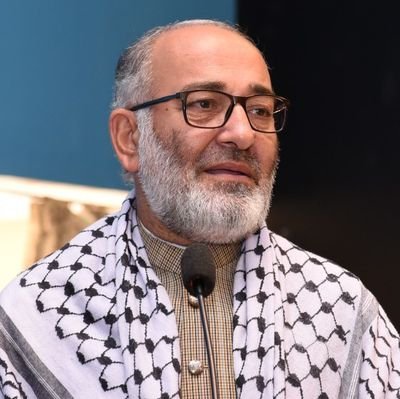
Test Sail in sicily, italy...
آزمائشی سفر،روانگی۔۔۔صقلیہ،اٹلی
Free Free Palestine
باقاعدہ روانگی 24 اپریل کو متوقع ہے۔ان شاء اللہ
اردو
@AimalWali So first time you are talking sense. Pakhtunkhawa should not be divided on minor language differences.
And 2nd pls do not mention tribes if you don't know history you missed many Tribes . Just an example Niazi. Berki. Jadoons . Tareens. Andany More.
English

مونږ ټول پښتانه يو، ټوله پښتونخوا زمونږ ده، ددې وطن هره لاره, هره دره، هر غر، هر مشر چې د هر خېل دے۔ هومره زمونږ دے څومره چې د خپل خېل دے۔ د قبائېلي نظام نه ډېر پخوا مونږ باچا خان راؤښکې يو او نن بيا څه نادانان مونږ يا خو په شعوري توګه يا په غېر شعوري توګه تقسيمول غواړي۔ نن چې د "افغان" قام کوم حال دے ددې وروستو مونږ ددې جوګه يو چې وس نور ځان په خپلو قبيلو تقسيم کړو؟ مونږ پښتانه يو او کۀ يوسفزي دي، کۀ افريدي دي، کۀ مومند دي، کۀ محمدزي دي،کۀ شینواري دي، کۀ خټک دي، کۀ بنګښ دي، کۀ اورکزي دي، کۀ وزیر دي، کۀ مسيد دي، کۀ داوړ دي او کۀ ګنډاپور،تنولي، سواتي،بابر،ترکلاڼي،تڼی،ځدراڼ،منګل، خوګیاڼي، ځاځي،احمدزي،سلیمانخېل، تره کي، اندړ، توخي، هوتک، پوپلزي، بارکزي، الکوزي، اڅکزي، نورزي، توري،ماموند،سالارزي،اتمانخېل، عزيز خېل، اکاخېل، زخېل،حليمزي، عليخېل او کۀ سدوزي دي او کۀ ددې نه علاوه زمونږ نورې قبيلې دي، دا ټول زمونږ دي۔ مونږ دې په يو جرګه او په بله جرګه څوک نۀ تقسميوي، تقسيم کښې مو تاوان دے، ټول يو شئ چې ګټه وکړو ګورې دښمن مو دومره هوښيار دے چې اول ئې د يو بل نه بدظنه کړي يو او وس مو په باقاعده توګه يو بل ته مخامخ ودروي۔
#ZaPakhtoonYum
PS