IsabelR0mer0 retweetledi
IsabelR0mer0
1.2K posts

IsabelR0mer0
@IsabelR0mer0
Geochemist, marine life, ecology, ecosystem impacts, etc.
St Petersburg, FL Katılım Haziran 2012
251 Takip Edilen176 Takipçiler

I am honoured and humbled to be on this year’s Forbes 50 over 50 Innovators list alongside an absolutely amazing group of people! Thank you @Forbes @mcgrathmag @VickieCFlorida!
Schmidt Ocean@SchmidtOcean
Congratulations to our Executive Director @JyovianStorm! She was included in #ForbesOver50 for innovation: the inventors, scientists and STEM superstars who are leading the charge in advancing these technologies for good. forbes.com/sites/maggiemc…
English
IsabelR0mer0 retweetledi

We’re urging the International Seabed Authority to stop all plans for deep sea mining, which will have devastating implications for the marine environment. Please sign our petition:
change.org/p/internationa…
English
IsabelR0mer0 retweetledi

#HappyHalloween! SOI's #BridgeOrBarrier expedition was only 2nd sighting of "Casper" the #GhostOctopus! These #DeepSea octopuses don't have 'ears' like dumbos+lack color-changing abilities of shallow water relatives.
@GuardianScience update on the mystery: theguardian.com/environment/20…
English
IsabelR0mer0 retweetledi

Happy #Halloween! With its glowing eyes and transparent body, this alien-esque glass squid, seen during #Okeanos #SeascapeAlaska, may look like something from science fiction, but it’s real – right from deep waters off the Aleutian Islands! 👽🛸🦑
English
IsabelR0mer0 retweetledi

Rejection of your paper or grant has NO relevance to the opinion of #research community. It is nothing but the opinion of one person.
Several examples:
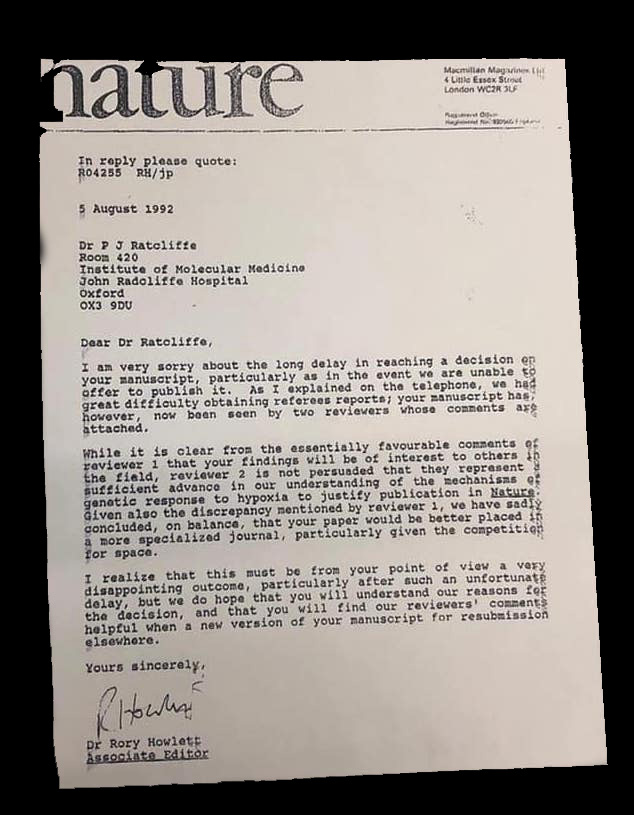
1. The first paper on graphene was rejected from Nature because “it did not constitute a sufficient scientific advance”. Later, it was awarded a Nobel prize.
2. The first manuscript showing the microbiome-brain connection was published after 7 submissions that took 3 years. Today, this field has exploded. I expect it will get a Nobel prize in the future.
3. Theodore Maiman tried to publish a paper describing the first operating laser in Physical Review Letters and… got a rejection!
4. Peter Ratcliffe, who worked on cells’ response to changes in oxygen levels, got his key paper rejected from Nature (see photo). Later, he was awarded a Nobel Prize for this work.
And there are many other examples…
.
And yet I see so many young scientists stressing about rejections. For some reason, they seem to genuinely expect that the editors should know which study is truly worth it.
As a result, many rejections are met with surprise and disbelief:
“How could they reject it? They publish so much trash, and yet they think our detailed 3-year-long study is not interesting to the community! WHY?”
.
Well, the reality is:
- Most editors have very little time to delve into your study. They can easily FAIL to recognize the potential impact of your study. Proper communication in the cover letter and clear writing style can help (although only to a limited degree).
- Many reviewers have little idea about the science in your paper. But they can have a big ego. So, if they have a bad day or were rejected recently, it’s easy for them to find 1000 technical reasons to reject your paper as well.
- Most scientists genuinely don’t know if your discovery can make any impact. If we could predict the course of science, we would be living very differently!
My message is simple:
Forget about objectivity. Academia is a very subjective world. Fight for objectivity but don’t take it for granted.
A great study will be found, cited and recognized. Disregard of where it’s published.
A bad study requires a high-impact journal to be found and cited. But the long-time recognition might be a problem.
High-IF journals are simply billboards. Their rejections do NOT represent the opinion of a scientific community.
You can get rejected but don’t reject yourself!
Believe in your results.
#AcademicTwitter #AcademicChatter

English

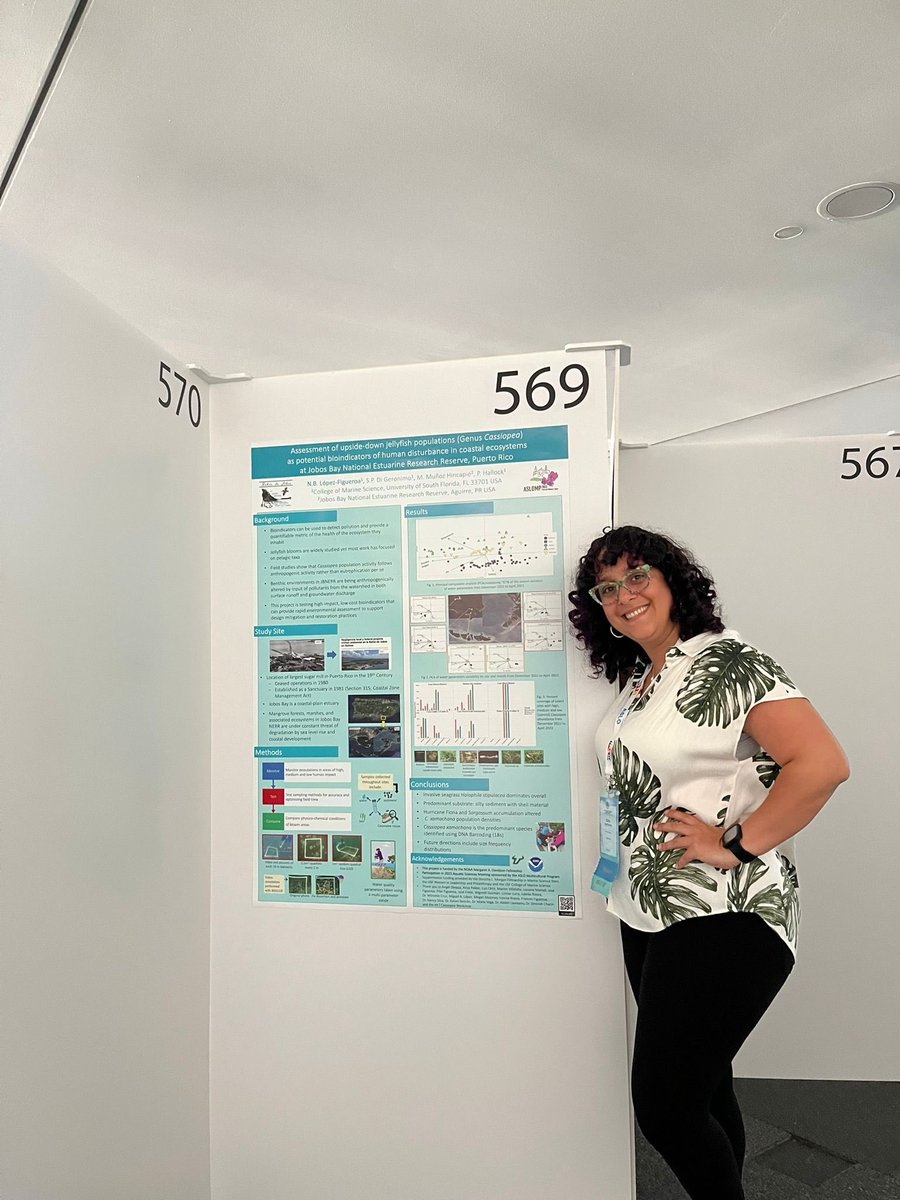
@cnatsphysalia I will be there, for a second thought I missed it!
English
IsabelR0mer0 retweetledi

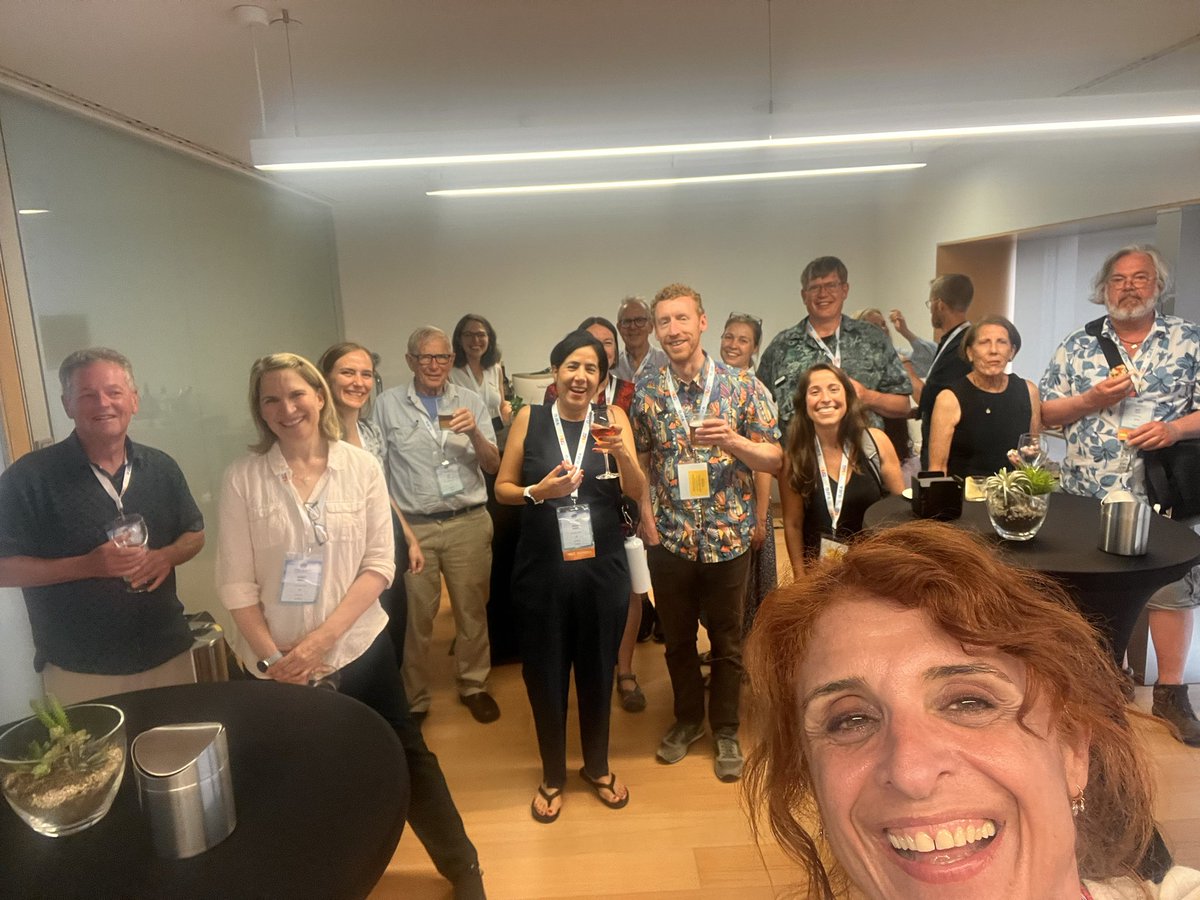
@BekliogluMeryem @KCheruvelil @PatSoranno @DrCloern @MtnScience @ljfalkenberg @R_Franco_Santos Great meeting you all!
English
IsabelR0mer0 retweetledi


Proud mama moment at #ASLO2023: my daughter volunteering (under the G-L sign) They told her that as far as they know, she is the 1st high schooler volunteering ever, and the best, she loved it (met people from all including amazing students that welcomed her like one of them).

English
IsabelR0mer0 retweetledi

Super excited to have shared part of my research at #ICC10 in the genomics symposium. Thanks everyone that was there and co-authors @BrackenGrissom @MIZ_BIOS. A special thanks to @DanteFenolio for the amazing S. debilis photos! @CrustaceanSoci

English

Honored to be part of this paper describing the cause of the mass mortality of Diadema antillarum in the Caribbean Sea in 2022 science.org/doi/10.1126/sc…
English

So proud to be part of this team!!!😃😃😃. Scientists identify 2022 sea urchin killer usf.edu/marine-science…
English

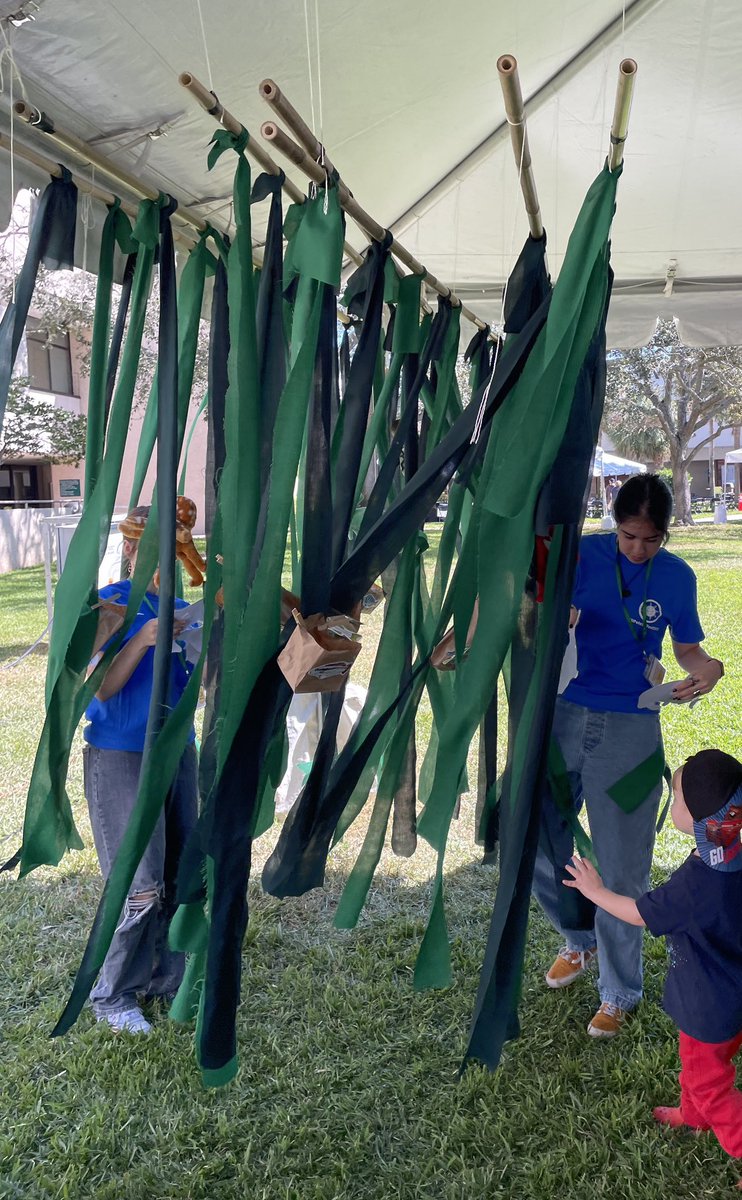
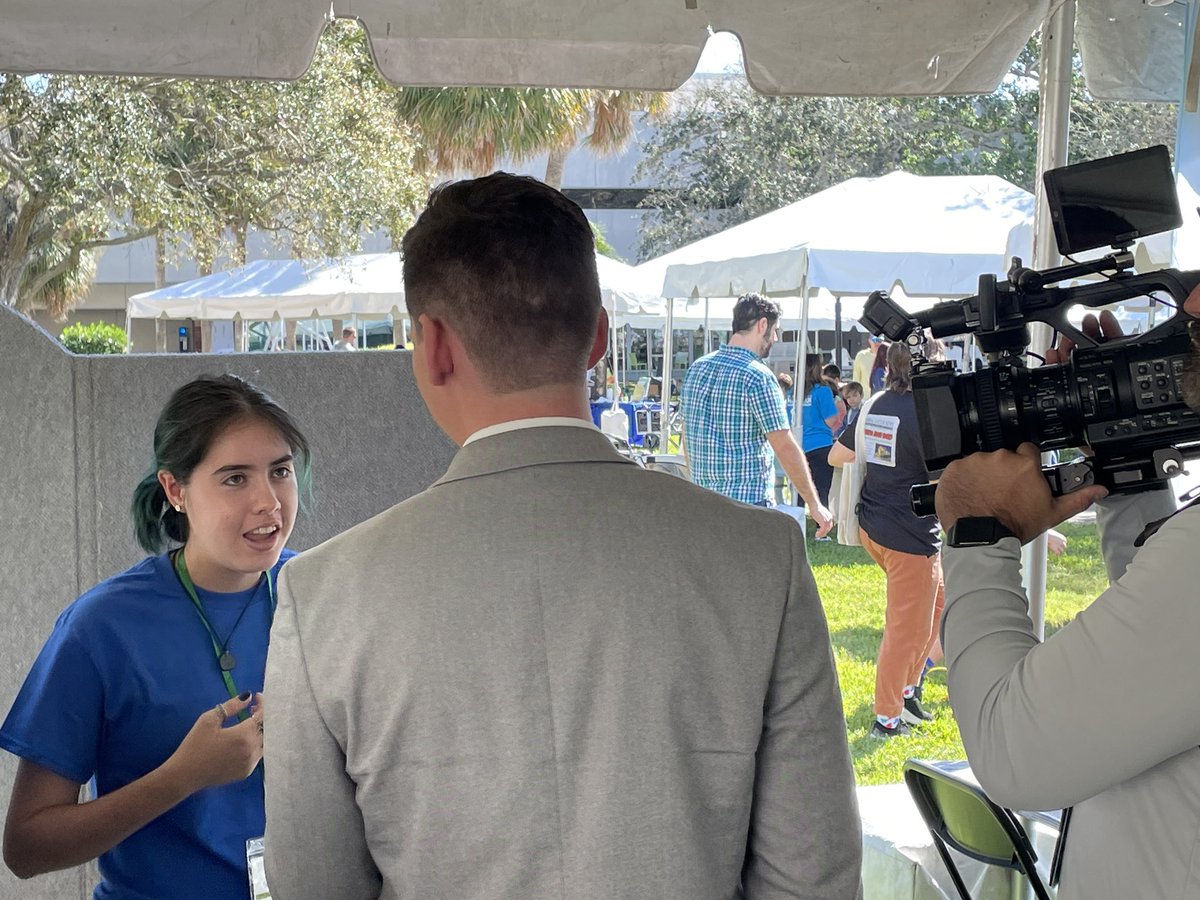
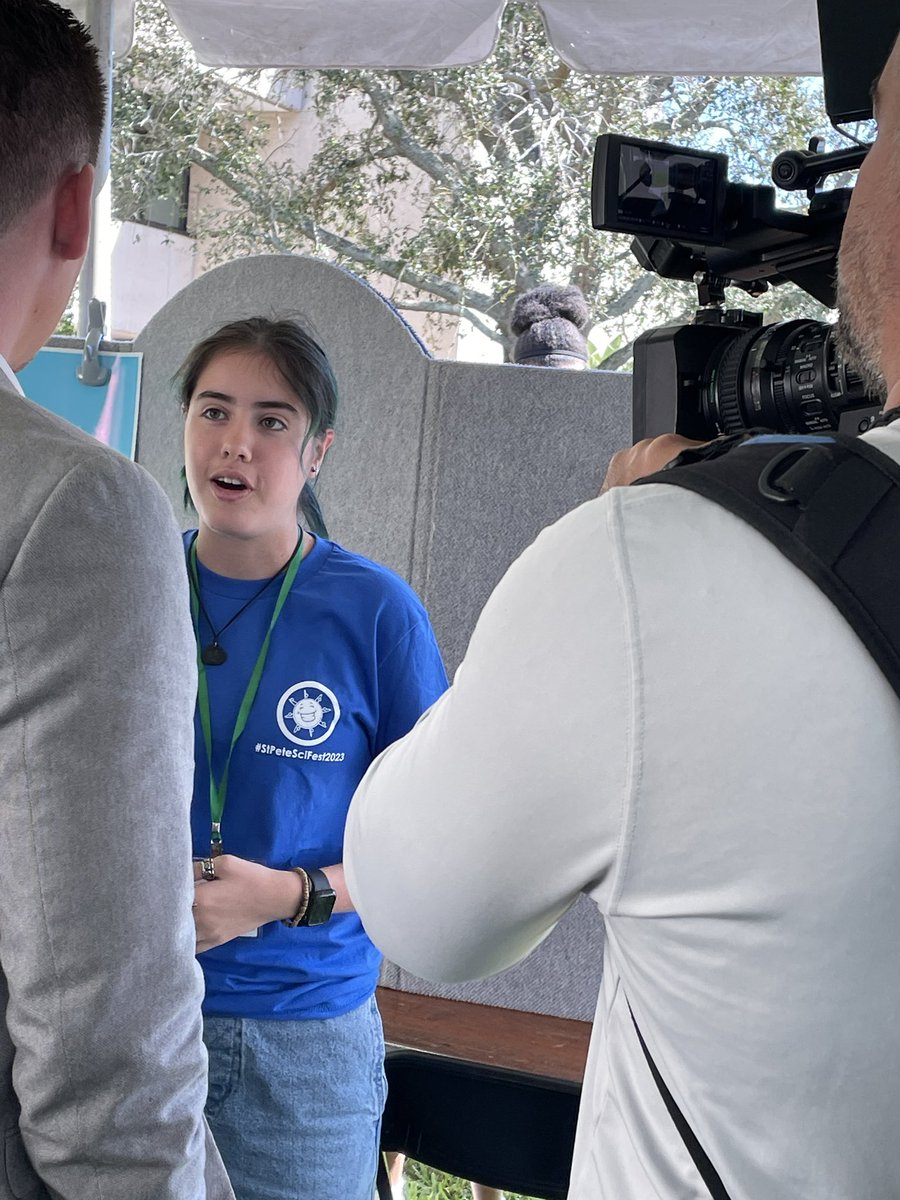
Proud mama moment at the St Pete Science Festival: My daughter volunteer at @virome_girl and gave an interview 😃😃 @USFCMS @StPeteSciFest @StPeteFL wtsp.com/video/tech/sci…


English
IsabelR0mer0 retweetledi

Check out this episode on @DeepSeaPod which talks about the deep oceanic Gulf of Mexico, Deepwater Horizon, and my carbon export work!
open.spotify.com/episode/3q0V1r…
English
IsabelR0mer0 retweetledi

Lancetfishes are some of the largest fish inhabitants of the mesopelagic zone, and they are predators with an appetite!🐟🦐🦀 Studying them can help scientists understand deep-sea food webs - read about it in this weeks Creature Spotlight👀💡
summerh2020.eu/creature-spotl…
English
IsabelR0mer0 retweetledi

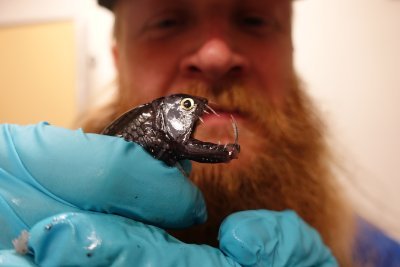
The "Bulbous Dreamer" (Oneirodes eschrichtii) has been one of the most unusual anglerfishes that we have encountered in the Gulf of Mexico during the DEEPEND project (see deependconsortium.org).

English