NOAA Ocean Exploration

6.8K posts

NOAA Ocean Exploration banner
NOAA Ocean Exploration

NOAA Ocean Exploration

@oceanexplorer

Official @NOAA account for NOAA Ocean Exploration, the only federal organization dedicated to exploring and understanding our ocean.

Katılım Ağustos 2008
798 Takip Edilen216.6K Takipçiler
NOAA Ocean Exploration
NOAA Ocean Exploration@oceanexplorer·
Towering hydrothermal vent chimneys are some of the most unforgettable features of the seafloor. But how do they form? This demonstration shows how it works. The steps to try this yourself are in this lesson plan: oceanexplorer.noaa.gov/lesson/vents-a…
English
0
4
18
1.2K
NOAA Ocean Exploration
NOAA Ocean Exploration@oceanexplorer·
How do the lifestyles and body shapes of fishes change as you dive deeper into the ocean? In a new paper, Mackenzie Gerringer and her co-authors help answer that question by studying footage from deep-sea exploration dives. Read about what they found: oceanexplorer.noaa.gov/news/fish-dist…
NOAA Ocean Exploration tweet media
English
0
19
118
4.5K
NOAA Ocean Exploration
NOAA Ocean Exploration@oceanexplorer·
This red crab hit the deep-sea jackpot, snagging a prime squid head as an afternoon snack! As soon as ROV Deep Discoverer arrived, the crab decided this wasn’t going to be “dinner and a show” and scurried off with its tasty prize. More images & videos: oceanexplorer.noaa.gov/multimedia/
English
4
20
133
5.1K
NOAA Ocean Exploration
NOAA Ocean Exploration@oceanexplorer·
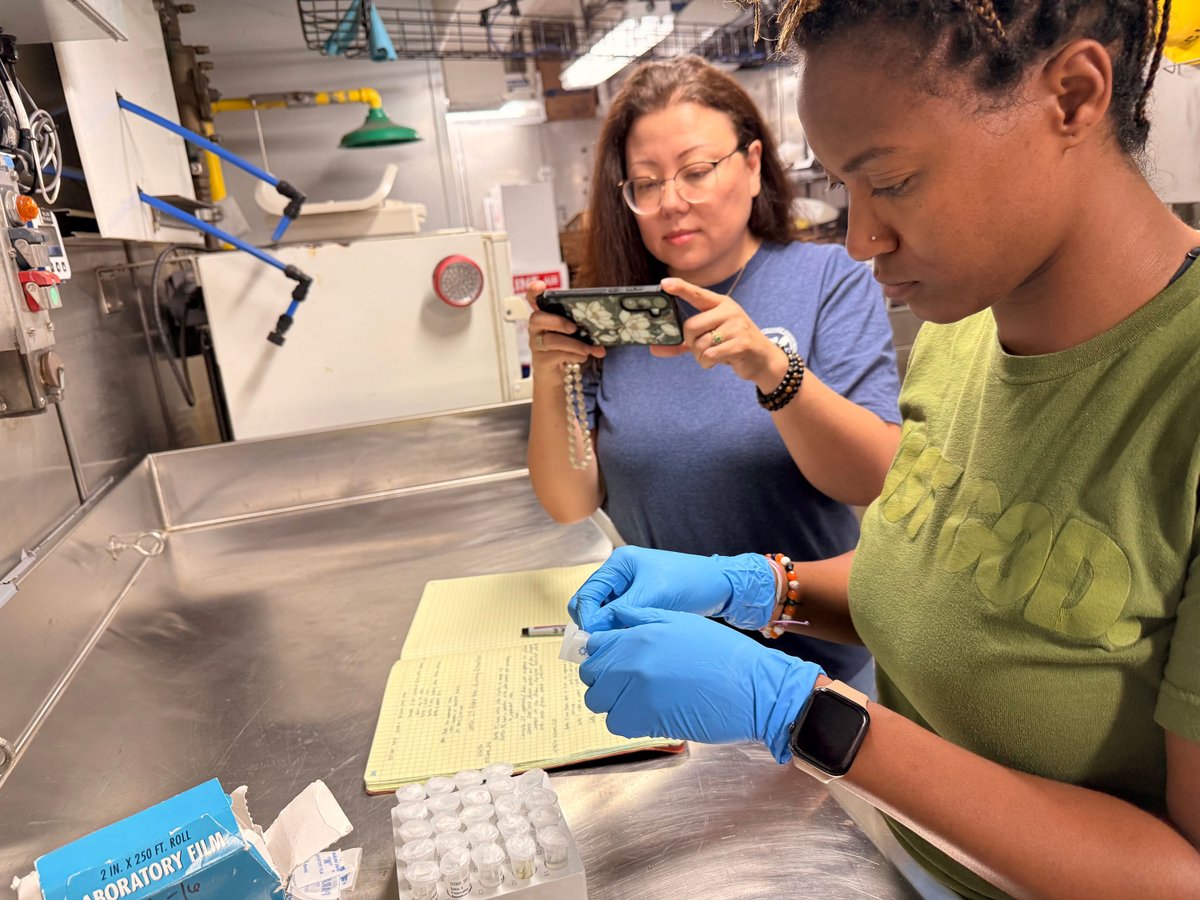
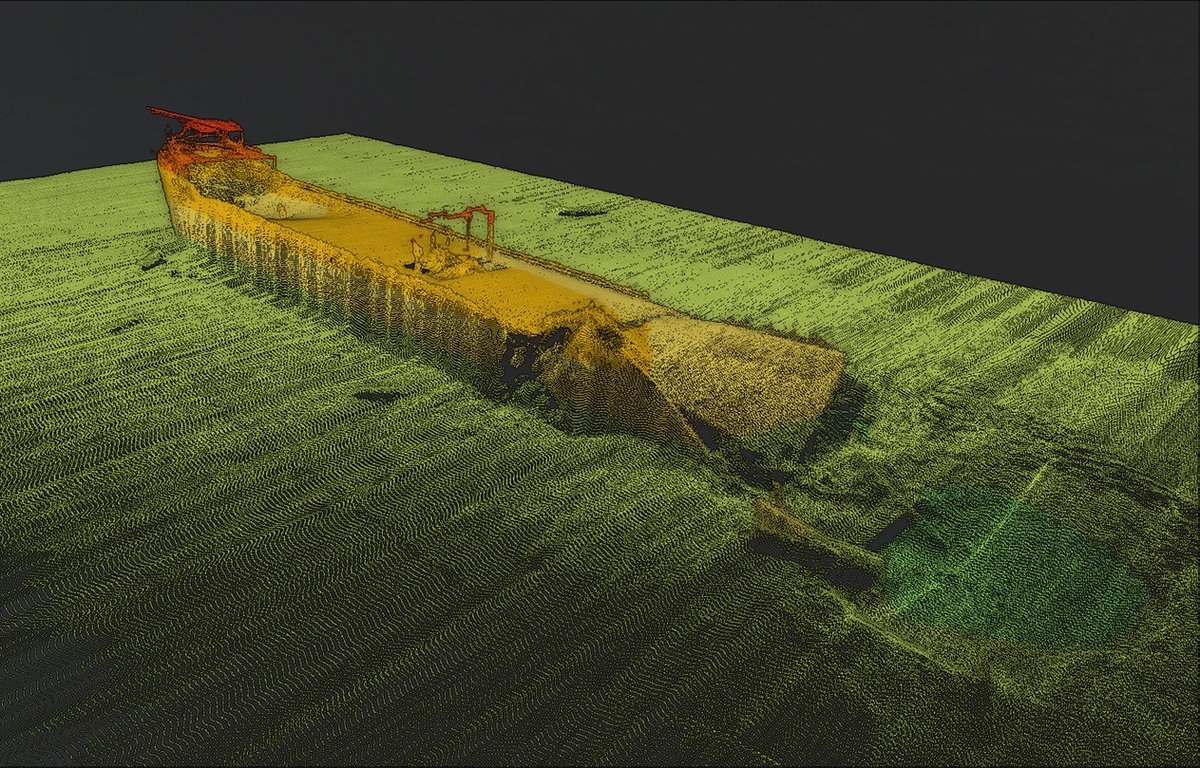
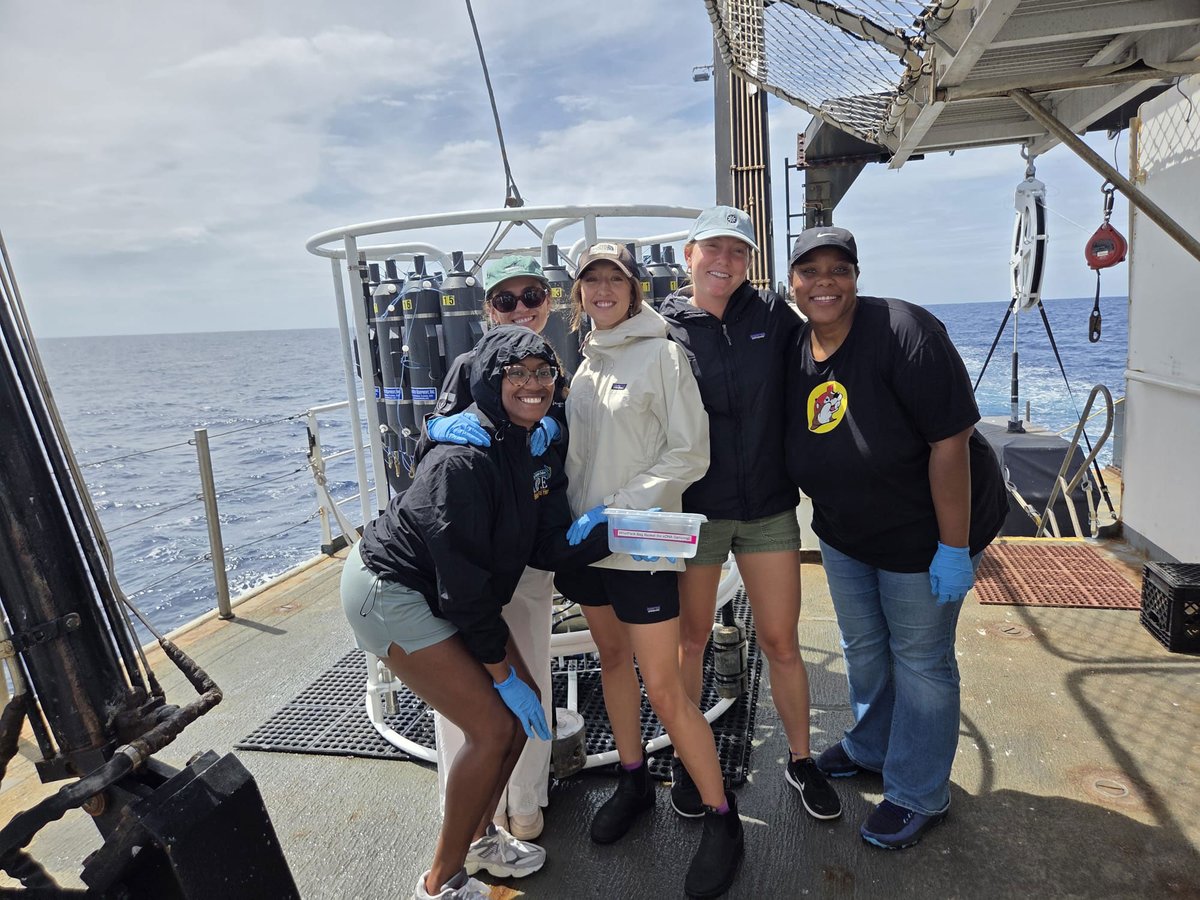
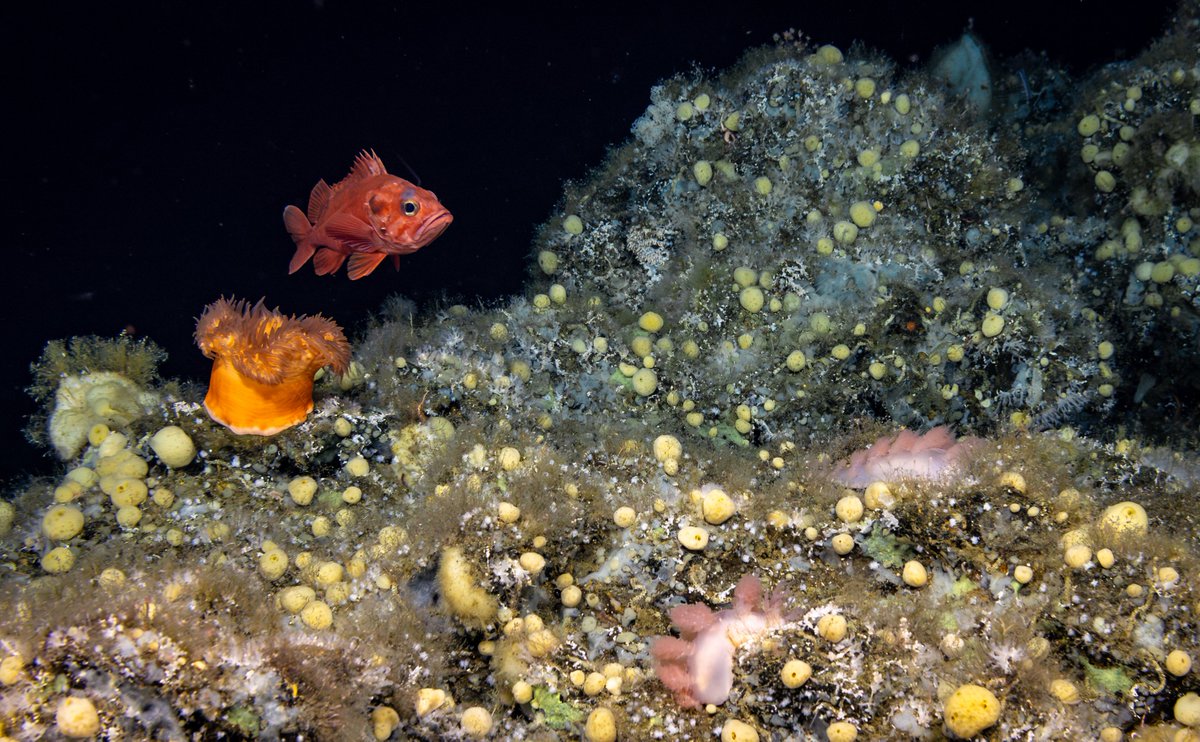
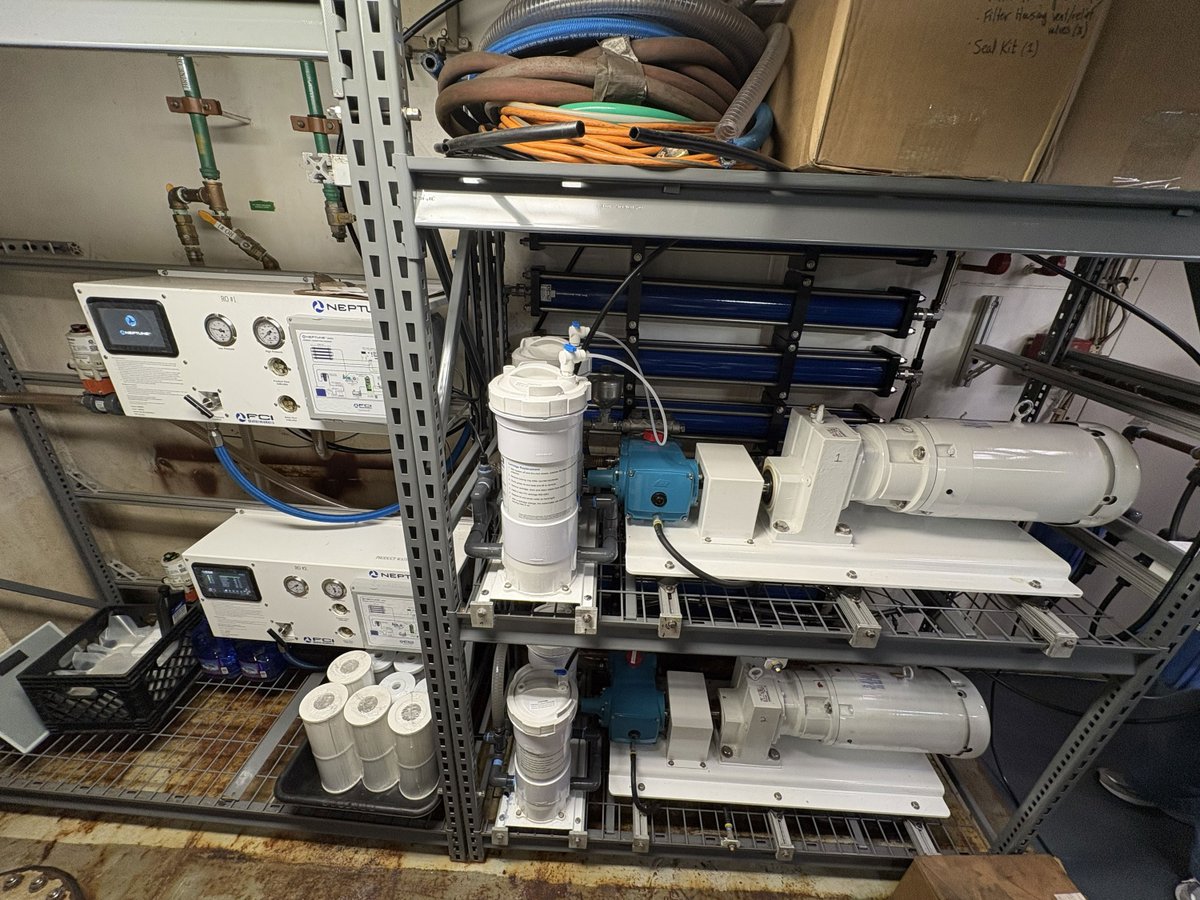
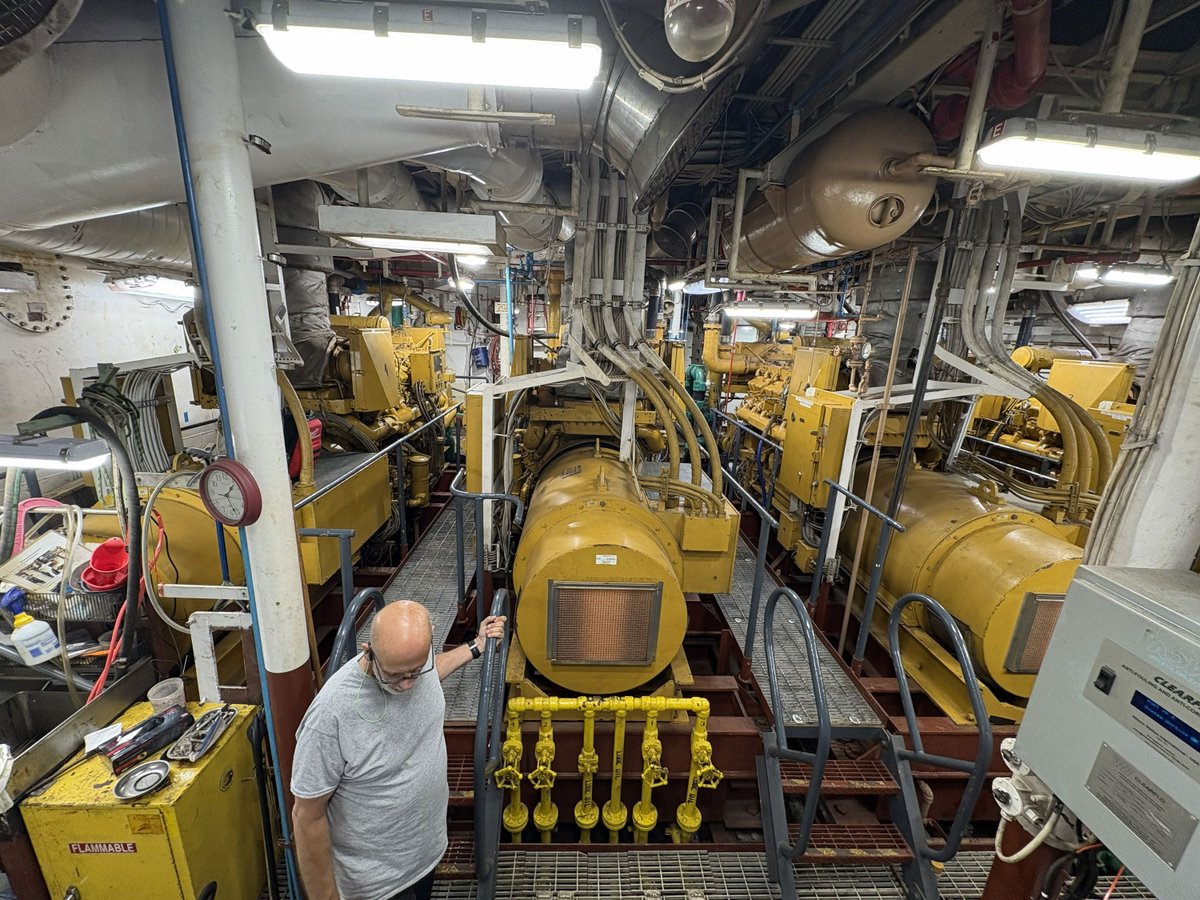
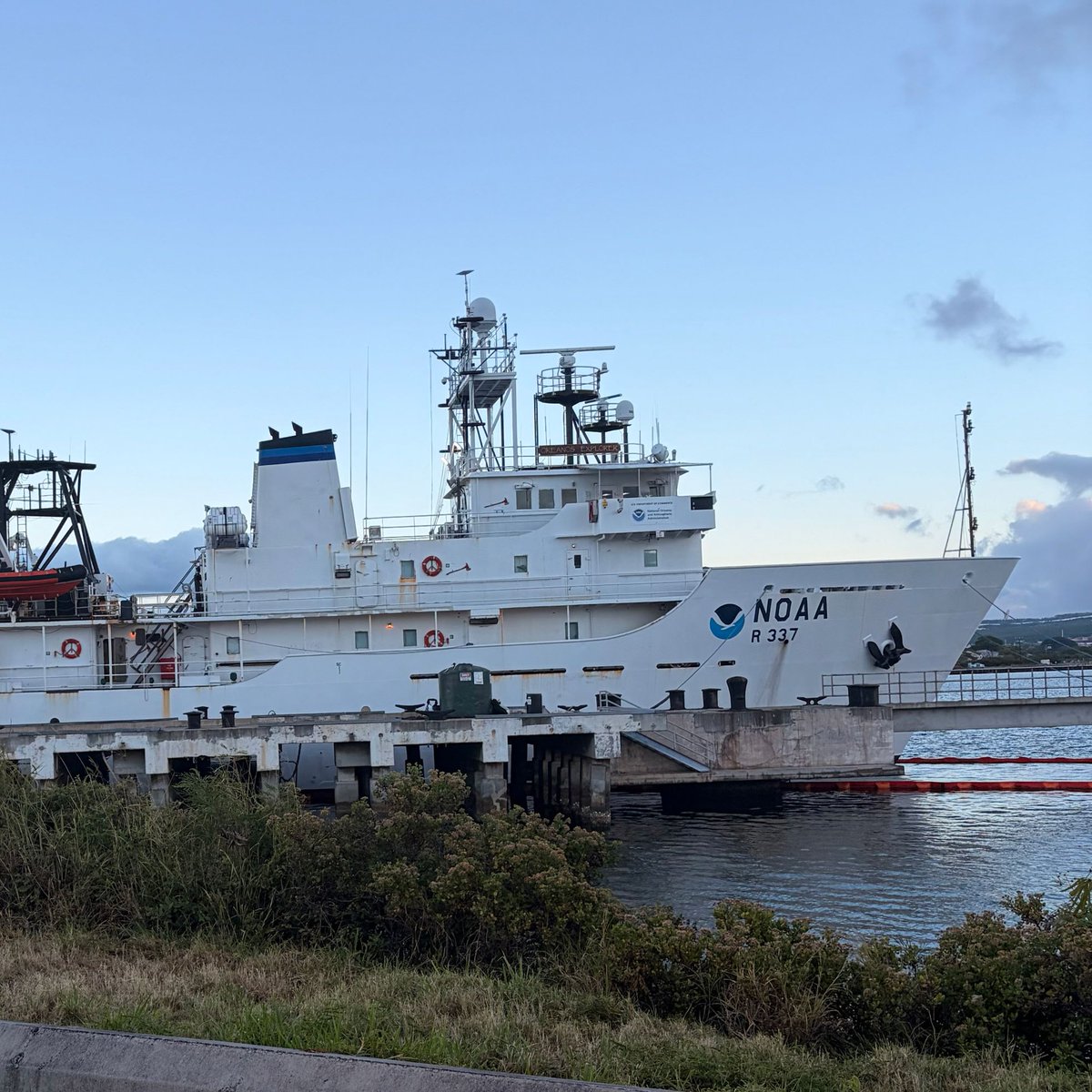
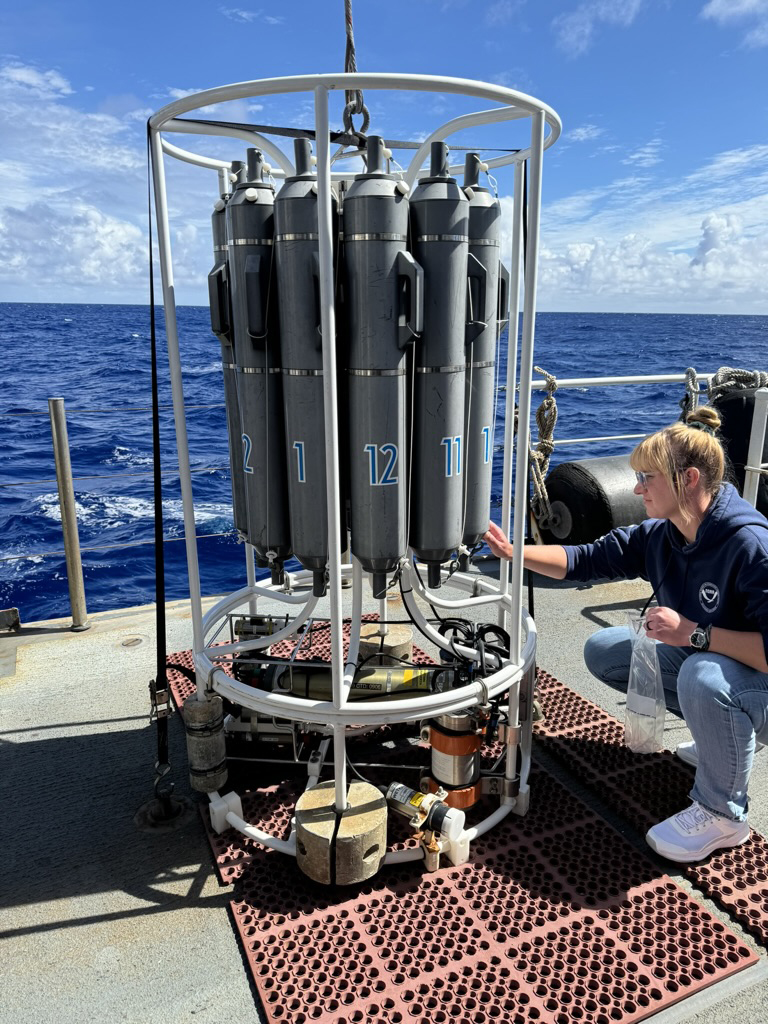
In 2025, we led & supported expeditions for scientific discovery; tested & supported development of new & emerging technologies; shared our work with a variety of audiences; strengthened our network of partners; & more. Check out our 2025 annual report: oceanexplorer.noaa.gov/about/annual-r…
NOAA Ocean Exploration tweet mediaNOAA Ocean Exploration tweet mediaNOAA Ocean Exploration tweet mediaNOAA Ocean Exploration tweet media
English
0
8
35
2K
NOAA Ocean Exploration
NOAA Ocean Exploration@oceanexplorer·
Scientists understand a lot of things. But can they see why bacteria love the taste of hydrothermal vent chemicals? This lesson teaches high schoolers how some ecosystems survive without sunlight! Share it with your favorite teachers: oceanexplorer.noaa.gov/lesson/vents-a…
NOAA Ocean Exploration tweet mediaNOAA Ocean Exploration tweet mediaNOAA Ocean Exploration tweet media
English
0
2
20
1.2K
NOAA Ocean Exploration
NOAA Ocean Exploration@oceanexplorer·
What would you do for some tasty detritus? Deep-sea sponges like this one grow to lengths of over 2 meters (6.5 feet) to put themselves in perfect position for ocean currents to deliver their food. We found this lengthy sponge during the linked expedition: oceanexplorer.noaa.gov/expedition/ex2…
NOAA Ocean Exploration tweet media
English
3
9
73
3.2K
NOAA Ocean Exploration
NOAA Ocean Exploration@oceanexplorer·
When ROV pilots gently touched this bamboo coral, the individual polyps retracted in sequence…proving that, even though they lack faces or limbs, these bamboo corals are very much alive! Dive into deep-sea corals: oceanexplorer.noaa.gov/education/deep…
English
0
14
106
3.6K
NOAA Ocean Exploration
NOAA Ocean Exploration@oceanexplorer·
Nearly 20 individual deep-sea octopods were seen brooding their eggs during a 2023 dive at “Gumby Ridge" in Alaska. Several juveniles were also spotted in the area, providing a second indication of a successful nursery ground. Check out the video here: oceanexplorer.noaa.gov/multimedia/oke…
NOAA Ocean Exploration tweet media
English
0
15
63
1.9K
NOAA Ocean Exploration
NOAA Ocean Exploration@oceanexplorer·
Ever wondered what deep-sea animal has the biggest teeth? The common fangtooth has the biggest teeth of any ocean animal compared to its body size... but its body is only 17 cm (6-7in) long! Learn more in this Ocean Exploration Fact: oceanexplorer.noaa.gov/ocean-fact/wha…
English
1
19
132
15.2K
NOAA Ocean Exploration
NOAA Ocean Exploration@oceanexplorer·
Not all corals live in the shallows! Over half of all known coral species are found in deep, dark waters where temperatures range from 4 to 12 °C (39 to 54°F). You can learn more about deep-sea corals here: oceanexplorer.noaa.gov/education/deep…
NOAA Ocean Exploration tweet mediaNOAA Ocean Exploration tweet media
English
2
32
135
3.1K
NOAA Ocean Exploration
NOAA Ocean Exploration@oceanexplorer·
For us, the "deep" ocean includes depths greater than 200 m (656 ft), which is where sunlight begins to dwindle. But the absence of sun does not equate to the absence of life... oceanexplorer.noaa.gov/ocean-fact/dee… [📽️: Giant grenadier off Kodiak, AK, at 4,250 m (2.6 mi). Now that's deep!]
English
3
73
353
7.9K
NOAA Ocean Exploration retweetledi
NOAA Library
NOAA Library@NOAALibrary·
Join us tomorrow, March 4th, at 1pm ET for ShipwreckFinder: A QGIS Tool for Shipwreck Detection in Multibeam Sonar Data. Register: vimeo.com/event/5729869
NOAA Library tweet media
English
0
1
8
1.5K
NOAA Ocean Exploration
NOAA Ocean Exploration@oceanexplorer·
NOAA Ocean Exploration’s teacher workshops are made possible with the help of a team of expert educators: professional development facilitators! Learn about the facilitators and how they prepare to bring ocean discovery to life: oceanexplorer.noaa.gov/news/ocean-exp…
NOAA Ocean Exploration tweet media
English
0
4
15
1K
NOAA Ocean Exploration
NOAA Ocean Exploration@oceanexplorer·
If you’re eagerly awaiting spring’s arrival, you’re going to want to download our March desktop wallpaper calendar. This beautiful coral resembles cherry blossoms, a reminder that spring is right around the corner. Get it here: oceanexplorer.noaa.gov/multimedia/cal…
NOAA Ocean Exploration tweet media
English
0
8
30
1.9K
NOAA Ocean Exploration
NOAA Ocean Exploration@oceanexplorer·
Join us next week for a presentation on ShipwreckFinder, a new tool for detecting shipwrecks in sonar data! The seminar will be held on March 4 from 1 to 2 p.m. Eastern Time. Register here: vimeo.com/event/5729869
NOAA Ocean Exploration tweet media
English
1
1
12
1.1K
NOAA Ocean Exploration
NOAA Ocean Exploration@oceanexplorer·
2/23-3/10, a team of researchers & engineers are testing their tool for characterizing soundscapes: the first ever autonomous, near-real-time, directional acoustic profiling float powered by marine renewable energy (ocean thermal energy conversion, OTEC). oceanexplorer.noaa.gov/expedition/24a…
NOAA Ocean Exploration tweet media
English
0
3
26
1.5K