Jonathan Amos

17.2K posts

Jonathan Amos banner
Jonathan Amos

Jonathan Amos

@JCDAmos

Journalist. Former BBC Science Correspondent. Way too interested in icebergs for my own good.

Cambridge, UK Katılım Ocak 2010
1.7K Takip Edilen51.4K Takipçiler
Sabitlenmiş Tweet
Jonathan Amos
Jonathan Amos@JCDAmos·
My last story as a staffer for the BBC. A puzzle that surrounds the end-of-life manoeuvres of the oldest UK satellite still up there - #Skynet1A. Who moved it, when and why? bbc.co.uk/news/articles/…
Jonathan Amos tweet media
English
35
62
295
37.1K
Jonathan Amos retweetledi
Bill Clinton
Bill Clinton@BillClinton·
I'm saddened by the passing of Craig Venter, a brilliant scientist and visionary entrepreneur whose partnership with the NIH led to the mapping of the human genome—unlocking new insights about ourselves and our common humanity. I'll always be grateful for the chance to know him and learn from him. His legacy will endure with every new discovery built on his lifetime of research and innovation.
English
182
313
2.6K
134.1K
Jonathan Amos retweetledi
Kristin Fisher
Kristin Fisher@KristinFisher·
13 questions in 20 minutes and not a single one about Artemis II… at an event honoring the Artemis II astronauts. Speaking as a former White House Correspondent, I get how the game is played. But come on y’all. That’s just bad etiquette and deeply incurious. These are the first humans to travel to the moon in over 50 years, and nobody had a question worth asking them?
The White House@WhiteHouse

President Trump Participates in a Greeting with Artemis II Astronauts twitter.com/i/broadcasts/1…

English
231
742
4.4K
221.7K
Jonathan Amos
Jonathan Amos@JCDAmos·
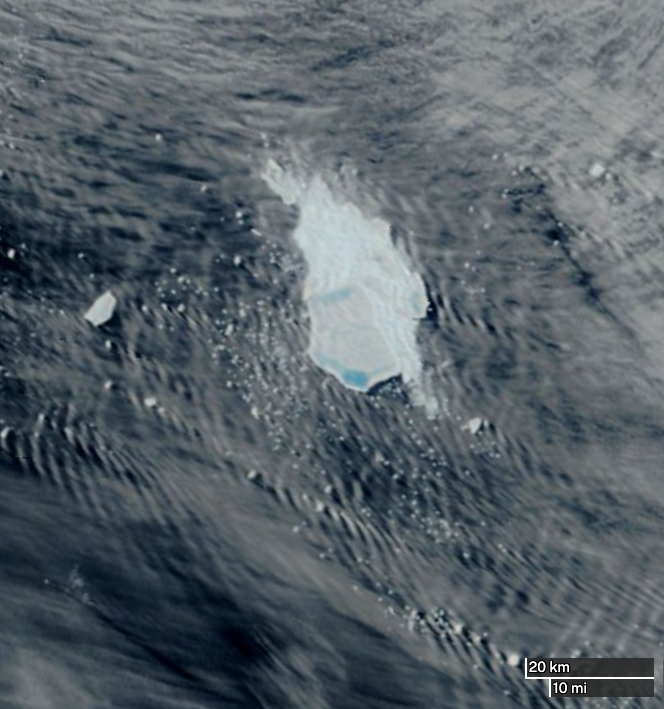
I'm reasonably convinced now that Iceberg A23a has completely collapsed. The USNIC is no longer tracking a berg of that name. But A23k (also not listed) does lumber on, albeit in a disheveled state. This view is from Thursday (9 April) NOAA-21 VIIRS. usicecenter.gov/Products/Antar…
Jonathan Amos tweet media
English
0
2
8
914
Jonathan Amos
Jonathan Amos@JCDAmos·
End days for Iceberg A23. The two largest remaining fragments - A and K - had major blowouts on or just after the 28th of March. The largest chunks are ~50 sq km. A23 calved from the Filchner-Ronne Ice Shelf in 1986. Quite the journey it's had over four decades.
Jonathan Amos tweet mediaJonathan Amos tweet media
English
0
5
7
657
Jonathan Amos
Jonathan Amos@JCDAmos·
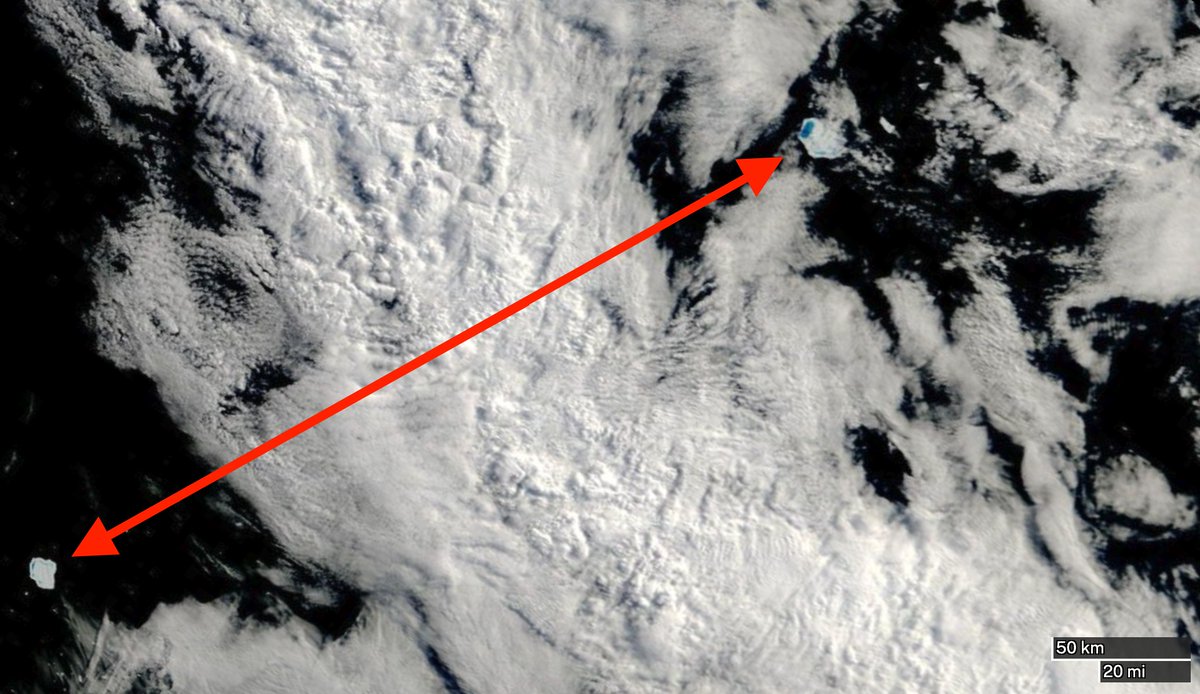
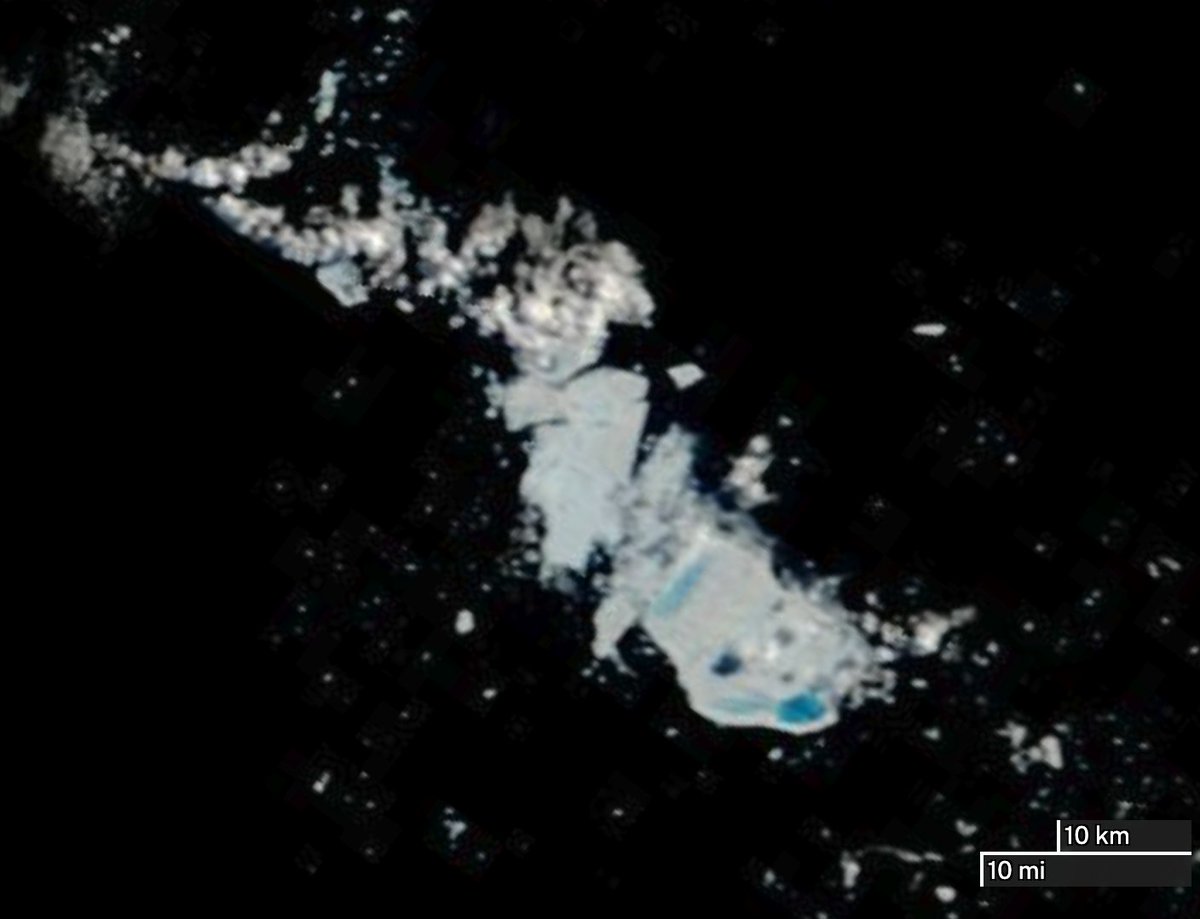
The last two big fragments of the once mighty A23 iceberg. The US National Ice Center calls the bottom-left object A23k and the top-right, A23a. Its latest report (20/3/26) said both were about 140 sq km. Latitude is roughly 50 deg S.
Jonathan Amos tweet media
English
0
2
3
568
Jonathan Amos retweetledi
Jack Beyer
Jack Beyer@thejackbeyer·
bunch of legends right here.
Jack Beyer tweet media
English
6
10
180
12K
Jonathan Amos retweetledi
Rob Coppinger
Rob Coppinger@Rob_Coppinger·
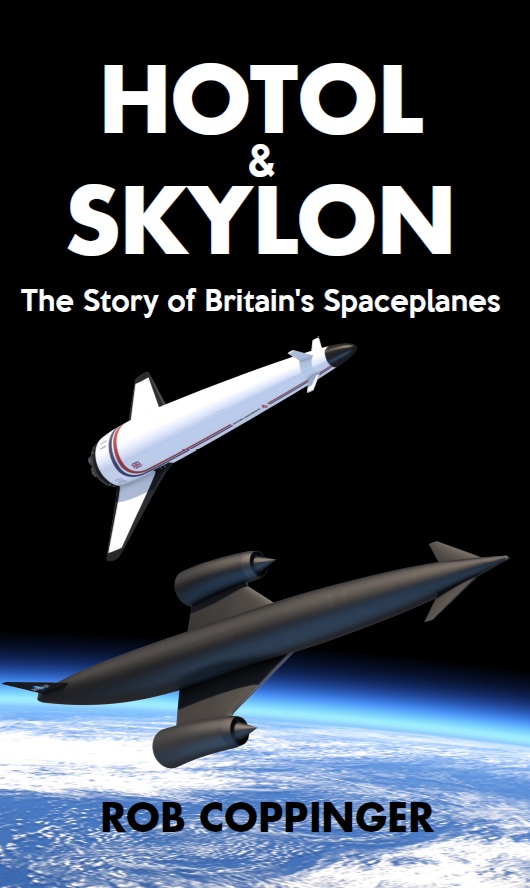
Front cover reveal! Here is the cover of my second book, HOTOL & Skylon: The story of Britain's spaceplanes, that is being published by the British Interplanetary Society @BIS_spaceflight this year. Spanning more than 40 years, the story follows the engineers whose ideas 1/2
Rob Coppinger tweet media
France 🇫🇷 English
12
43
165
6.5K
Jonathan Amos
Jonathan Amos@JCDAmos·
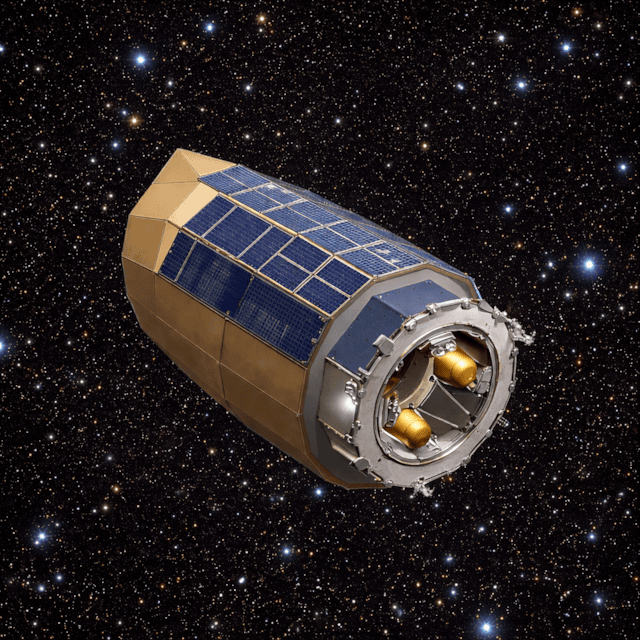
This is pretty cool. @SurreySat has been engaged to develop the spacecraft platform for the Lazuli space observatory, which is Eric and Wendy Schmidt's idea for a privately-built telescope with a primary mirror larger than Hubble's.
Jonathan Amos tweet media
English
1
14
81
3.3K
Jonathan Amos
Jonathan Amos@JCDAmos·
@ByJoshLewis Some of the ways these bergs melt and fracture can inform us about the ways ice shelves could also collapse when confronted by warmer waters and air. Already, we've seen ponding surface melt water leading to hydrofracture on Antarctic Peninsula shelves. e.g. Larsen B in 2002.
English
1
0
0
17
Josh Lewis
Josh Lewis@ByJoshLewis·
@JCDAmos Seems very odd for the researchers to compare this to Antarctica proper, which will not move around, let alone so far north into hotter waters
English
1
0
0
29
Jonathan Amos
Jonathan Amos@JCDAmos·
Not quite RIP, but maybe last breaths. The BBC's Mark Poynting and Erwan Rivault catalogue the life and times of Iceberg A23a: bbc.co.uk/news/resources…
English
2
2
11
1.3K
Jonathan Amos
Jonathan Amos@JCDAmos·
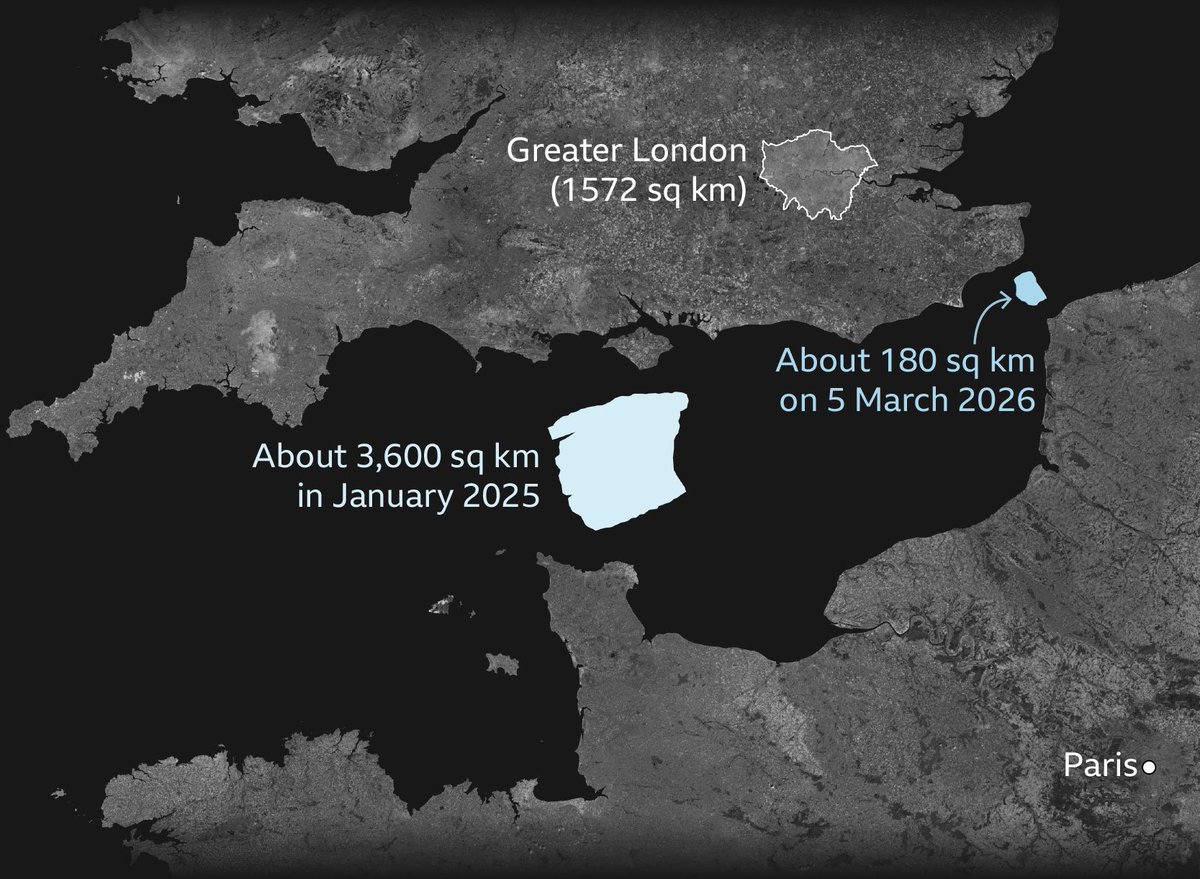
It's hard to believe it was once so big. See Erwan's comparison map below. The US National Ice Center will soon stop cataloguing and tracking the old giant.
Jonathan Amos tweet media
English
0
1
8
614
Jonathan Amos
Jonathan Amos@JCDAmos·
Every day now brings another blowout. This image from Nasa/Terra/Modis comes from yesterday (6 March). As Mark and Erwan point out: at 48 deg South, the iceberg is nearer the equator than London.
Jonathan Amos tweet media
English
1
0
9
765
Jonathan Amos
Jonathan Amos@JCDAmos·
Iceberg A23a crosses the 49th Parallel South and suffers another big fragmentation event. Now only 170 sq km. Still bigger than many British cities but a far cry from the 4,000 sq km behemoth that broke free from Antarctica in 1986.
Jonathan Amos tweet media
English
0
3
9
822
Will Marshall
Will Marshall@Will4Planet·
Great to see @FT exploring the complexities of orbital data centres & our work w/ @Google on Suncatcher. Just a quick response here. Generally, space-based AI is a lofty goal, but it's a more sustainable long-term solution in comparison to terrestrial alternatives. Absolutely true that all the components take real Earth resources, but one does not need: 1) buildings, 2) land, 3) water cooling; & with simple 24/7 solar power, 4) large battery plants or nuclear/fossil power stations to get continuous power. 🌍 Most of the specific issues raised, we already know how to solve: - Cooling: this is the hardest bit, but we cool devices in space all the time with passive & active radiators. It drives mass but the calcs show it's altogether cheaper in space with launch <$200-300/kg, which we estimate is coming in just 2-3 years <-- hence starting now. - Space debris: agreed, we have to take care but we do know how to avoid this, mainly by flying in low, 'self-cleaning' orbits. - Radiation hardening: advanced computers perform very well for many years in orbit. We need to test TPUs, but unlikely to be a roadblock. - Servicing: one doesn't need it; we'll just accept a small failure rate. - Monitoring: much easier in space than terrestrially: neither launches or orbital objects can be hidden, unlike underground buildings. - Astronomy interference [my add]: we need to take care not to ruin observations from ground-based telescopes. Luckily we'll use dawn-dusk polar orbits, which reduces this significantly. In sum, lots of complex issues to tackle, but all look tractable. This is a Moonshot, but its an idea whose time has come... 🛰️🖥️💫
Financial Times@FT

Putting data centres in space is even harder than it sounds ft.trib.al/6vJru7y | opinion
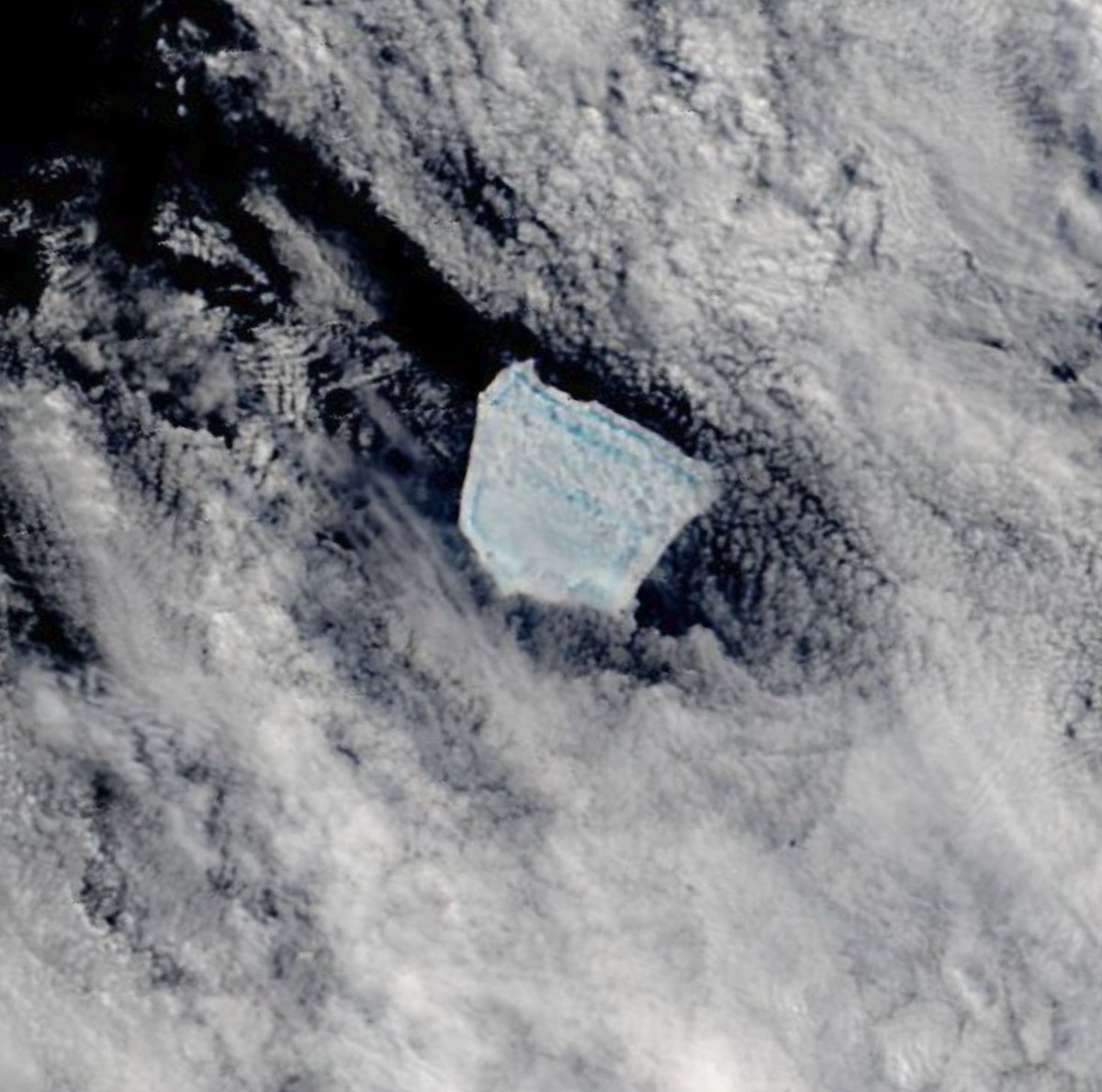
English
7
34
219
27.5K
Jonathan Amos
Jonathan Amos@JCDAmos·
Iceberg A23a lost a 1/4 of its area on Sunday. Image left is from Saturday. Image right is today. Now just 315 sq km and surrounded by the spreading melange from Sunday's sudden collapse. Notice how quickly the ramparts corralling surface meltwater have reformed.
Jonathan Amos tweet mediaJonathan Amos tweet media
English
0
2
11
726
Jonathan Amos
Jonathan Amos@JCDAmos·
The remnant iceberg A23a has suffered another massive hydrofracture event at 46 deg S, 32 deg W. You can just make out the slush puppie splurge of melange around a central block of robust ice. Not long now. This image is from @eumetsat Meteosat-12 at 11:20 UTC on Sunday.
Jonathan Amos tweet media
English
0
6
24
1.7K
Jonathan Amos
Jonathan Amos@JCDAmos·
Iceberg A23a today (17 Feb). A totally clear sky. Utterly stunning. Still refusing to die. Still 500 sq km in area. Image from the Modis instrument on the venerable Aqua satellite, another oldie that's still plugging away.
Jonathan Amos tweet media
English
0
6
7
721
Jonathan Amos retweetledi
Oxford Space Systems
Oxford Space Systems@OxfordSpace·
📢Oxford Space Systems Wrapped Rib Antenna Successfully Deployed In-Orbit on CarbSAR Mission aboard @SurreySat .Proven, compact, stowage-efficient antennas enabling high-performing Earth Observation - UK SAR 🔗Full details here: oxford.space/post/?permalin…
English
0
2
11
965
Jonathan Amos retweetledi
Peter B. de Selding
Peter B. de Selding@pbdes·
Radarsat provider @Iceye proposes 1,000-sat network including SAR/optical, RF-sensor &transport layer for European govts. Several billion euros - within current EU/ESA budgets, says CEO. Initial service 2028, ops by 2030 feasible. Just an idea. #defis_eu @esa #Europeanspaceconf
Peter B. de Selding tweet media
English
7
46
172
38.3K