

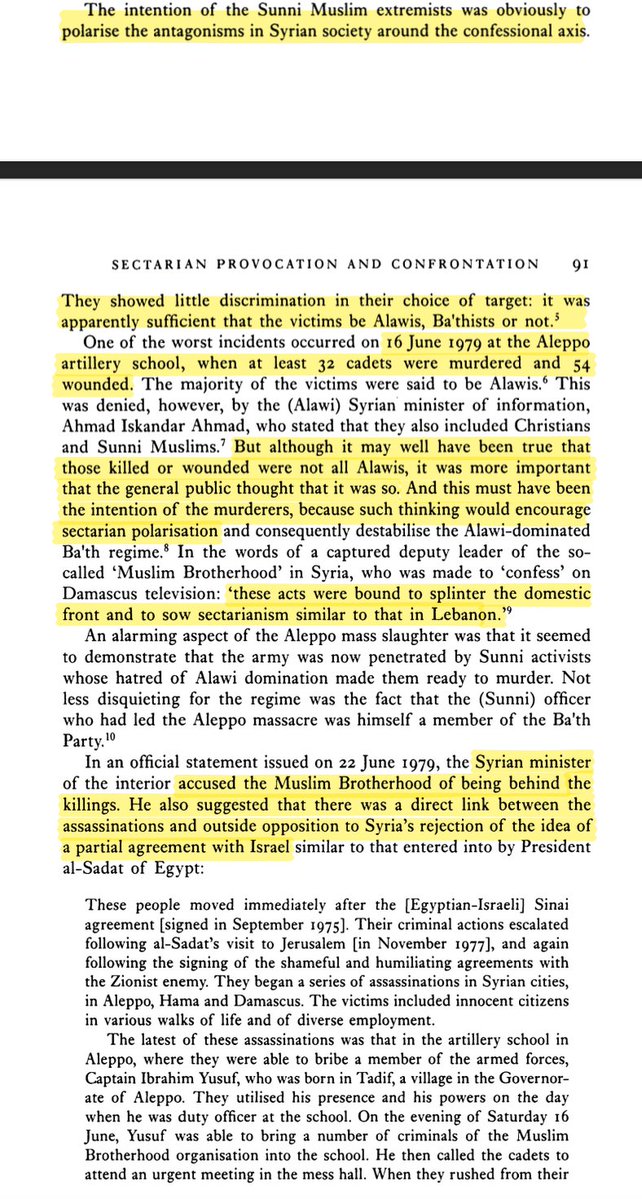
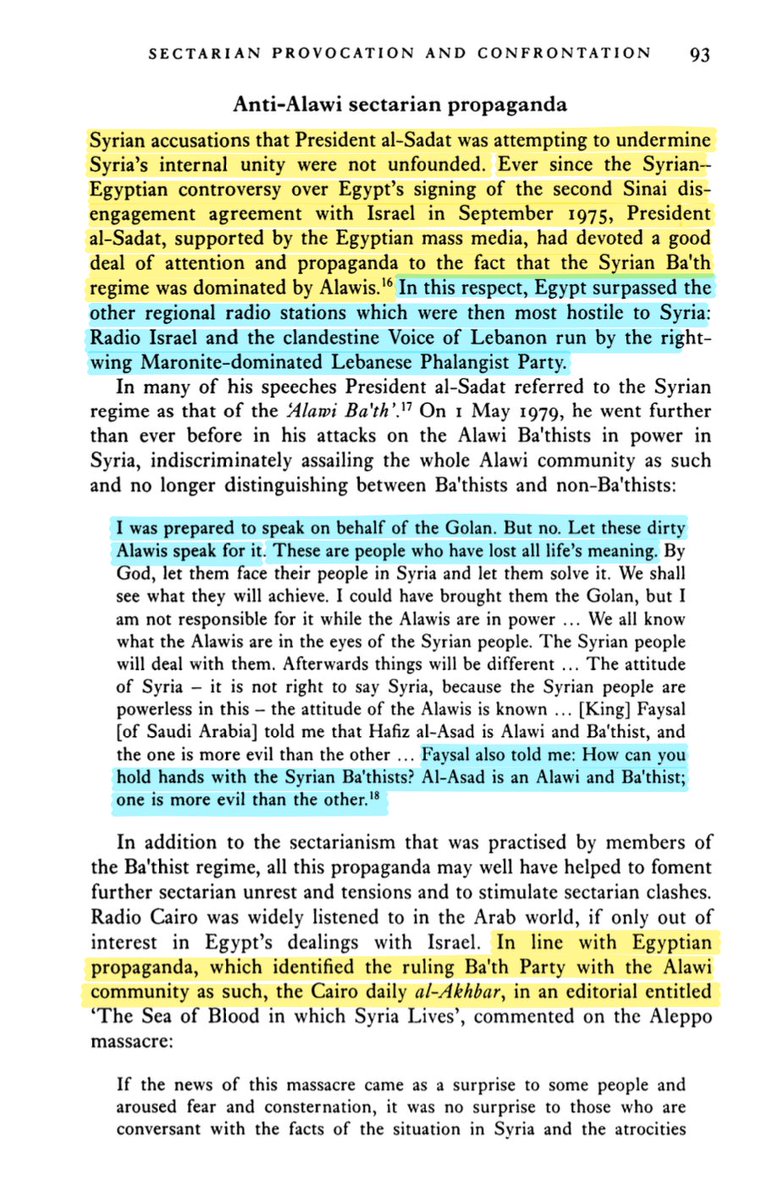
Data indicates that sect representation in positions of power in Syria before 2011 (government and military) correlates with the sect composition of Syria. Sunnis became more politically enfranchised as literacy rates went up between 1963 and 2000. By 2000, Sunni Arabs made up around 67% of the Ba'ath Party regional commands. This compares to 54% in 1963. Before the war, Sunnis (including both Kurds and Arabs) made up 74% of the Syrian population, according to the CIA. Dr. Michael Izady's Gulf2000 Project at Columbia University estimates Sunni Arabs to be 59% of the Syrian population in 2010. This indicates an overrepresentation of Sunni Arabs in positions of power. Alawites are also overrepresented, with Alawites making up around 13% of the pre-war population according to the CIA, and 20% of the party command in 2000. Christians are underrepresented, with 11% of the Syrian population before the war being Christian, while only 7% of party commands are controlled by them. Druze are proportionately represented, while all other sects or ethnicities are minimally or not represented (namely Kurds, Ismailis, and Shias). Of note, of the regional party command members in the year 2000 who had a military background (23 out of 98): 56% (13) were Sunni, while 43% (10) were Alawites. There weren't Druze or Christian party command members of military background. In the early days of the Ba'athist Syrian Republic, Ismailis and Druze appeared to play a very big role in the party, likely due to higher literacy rates and better educational backgrounds. Their presence declined as Sunni literacy rates rose, allowing for increased political enfranchisement and participation in political office by a larger pool of qualified individuals. Source: The Struggle For Power in Syria by Nikolaos van Dam, 4th edition (2011)