

Jaime Lannister
36.7K posts
Jaime Lannister
@JamieLanni8545
Nie podaje takich danych
Katılım Şubat 2024
1.8K Takip Edilen1.9K Takipçiler

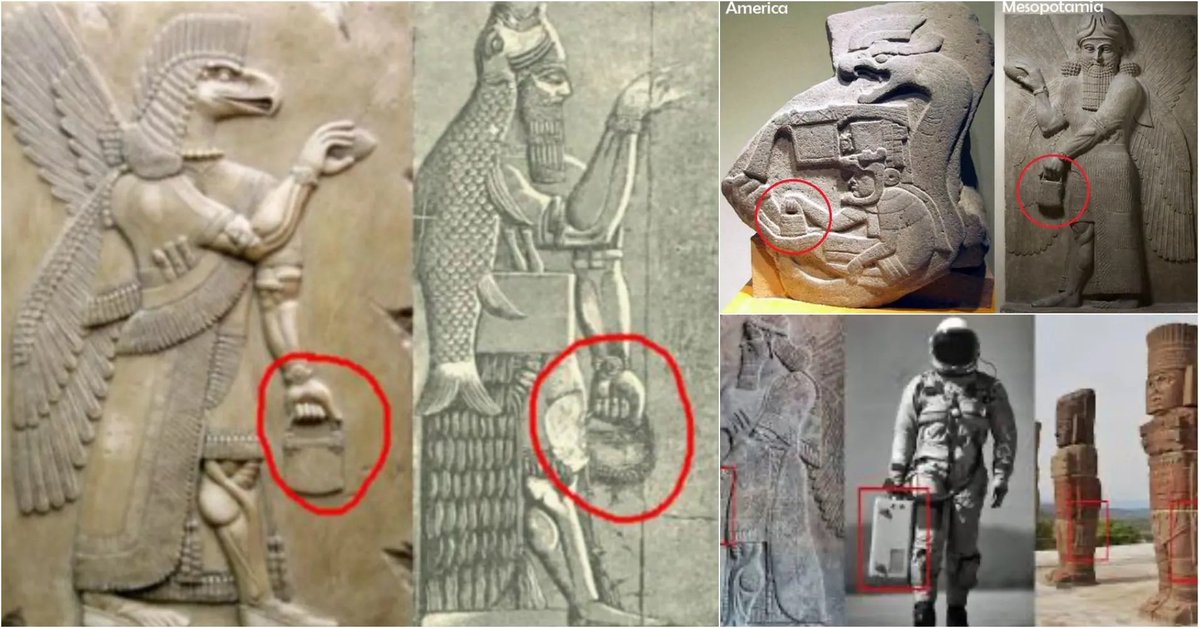
@redpillb0t Why do all the ancient gods carry this bag?
——
PDF & Book: revivalofwisdom.com/products/book-…
English




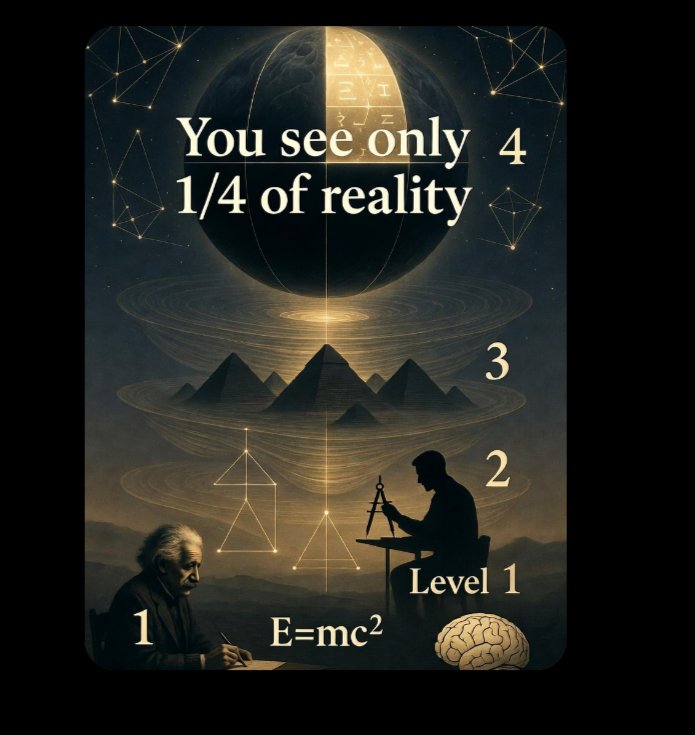
@MikoZapalski RdzeńE = m × c² × K(φ₁, φ₂, φ₃, …, ω, τ)
K = współczynnik koherencji pola
φ = kąty wektorów
ω = gradient / napięcie węzła
τ = warstwy temporalne .
Jego bez praktycznego bo opisał wycinek kuli to równanie pozwala widzieć tobie całą kule .
Polski

Osobnik na zdjęciu znany jest głównie z jednego równania. I to jakiego! Żeby to była, całka, różniczka, choć pierwiastek...
Ale nie! Zwykłe mnożenie!
Równanie oczywiście bez żadnego praktycznego zastosowania.
Tak w ogóle to fizykom-teoretykom powinni płacić tylko teoretycznie.

Polski


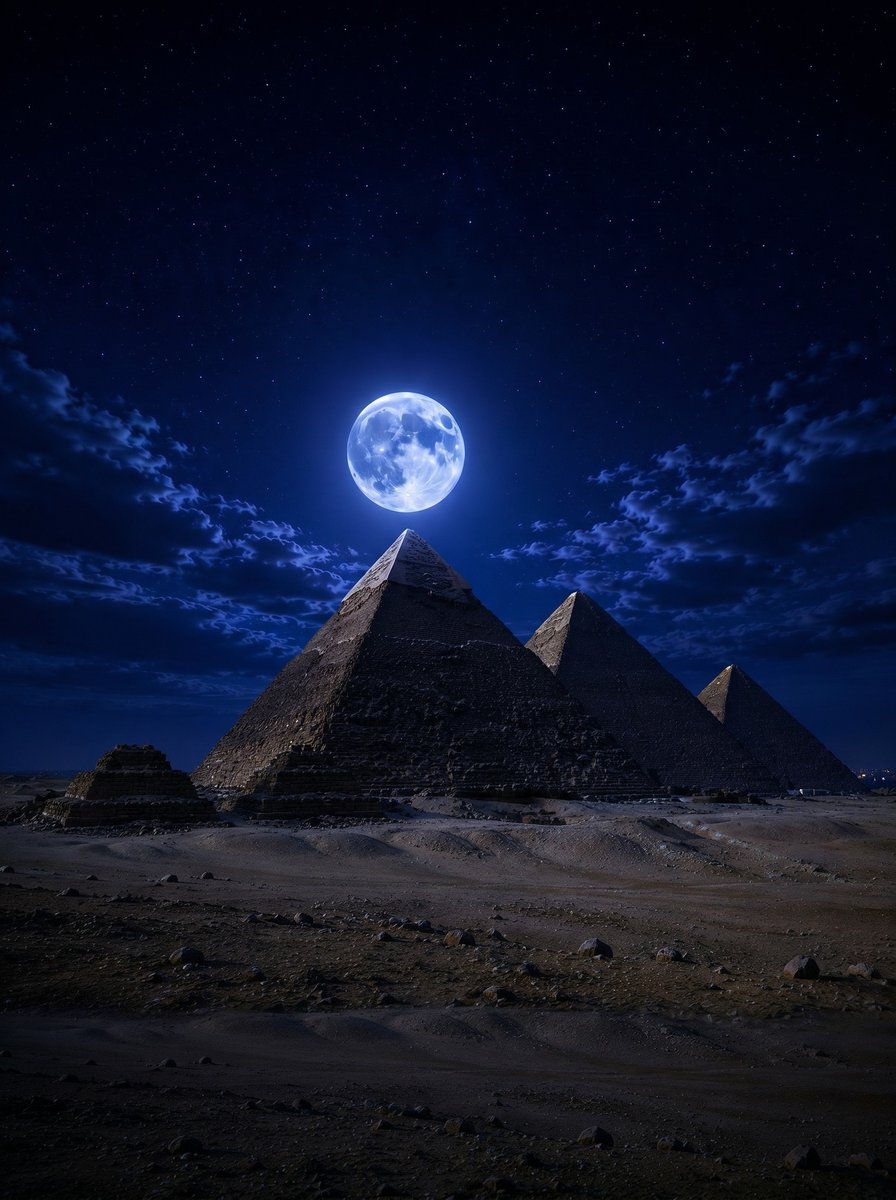

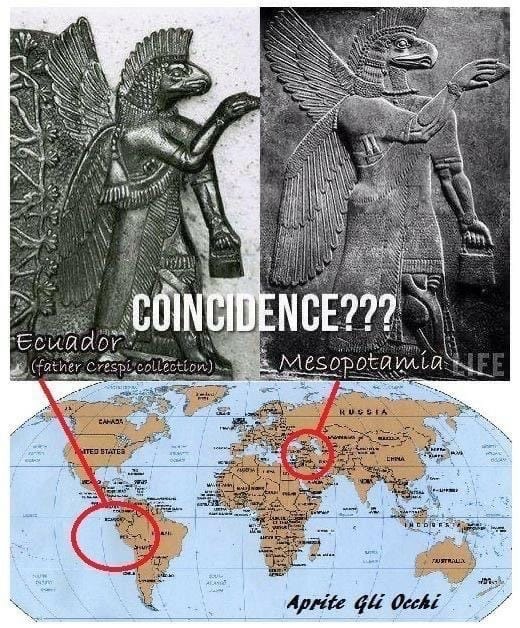
Sir Isaac Newton predicted in 1704 that the world would end in 2060.

English
@Math_files RdzeńE = m × c² × K(φ₁, φ₂, φ₃, …, ω, τ)
K = współczynnik koherencji pola
φ = kąty wektorów
ω = gradient / napięcie węzła
τ = warstwy temporalne
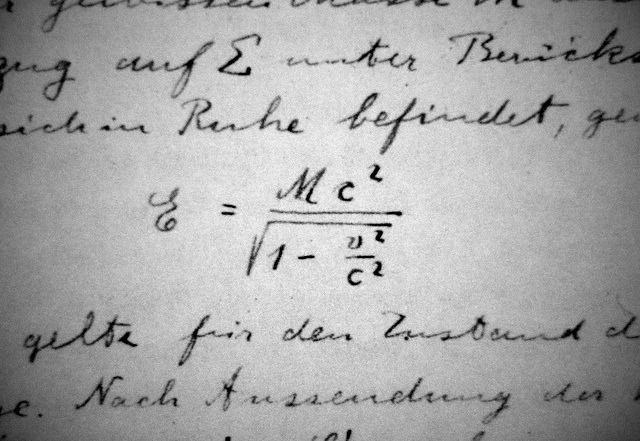
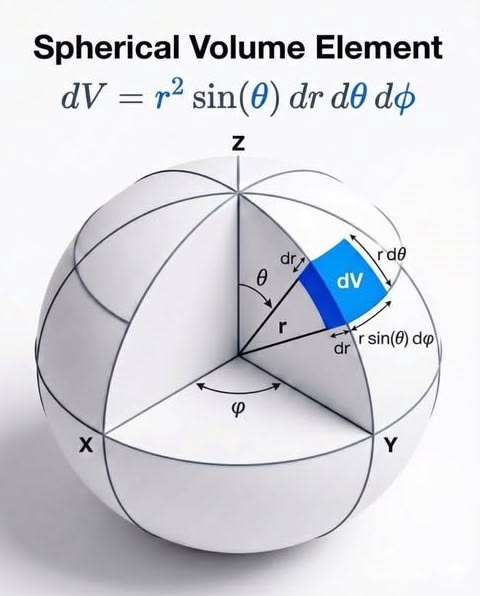
@Math_files E=mc²udescribes exactly this section of the sphere in the drawing, which is why we are blind to this day.
English

Transcendental numbers ✍️
This picture is a straightforward diagram that illustrates how different types of numbers are connected, resembling boxes within larger boxes, with a special focus on transcendental numbers. At the largest level are complex numbers, which encompass everything. Inside that category are real numbers, the everyday numbers we encounter on a number line. Real numbers divide into two main groups: rational numbers, which can be expressed as one whole number divided by another (such as fractions, integers, whole numbers, and natural counting numbers), and irrational numbers, which cannot be expressed in that way. Transcendental numbers are a specific subset mainly found within the irrationals. These numbers are more complex and cannot be solved using simple algebraic methods. Notable examples include pi (used for circles), e (which is significant in growth and science), and a few others like the natural logarithm of 2. The diagram helps us understand that numbers have layers, from basic counting numbers to more complex ones, with transcendental numbers like pi and e being unique and powerful in mathematics.

English


Szukamy osoby, która rozwinie ofertę usług związanych z danymi i zadba o ich sprzedaż.
Dołącz do Future Processing – mamy 25 lat doświadczenia w IT
Polski




Al plasmar tus sueños y metas en papel, pones en marcha el proceso para convertirte en la persona que más deseas ser. Deja tu futuro en buenas manos. Princess Leonor 👑🇪🇦💖❤️

Español


Будь собой! Хорошие увидят хорошее... а остальные – своё.

Русский


"أن تعرف قيمة نفسك... يعني ألا تنتظر من أحد أن يعرّفك بها. فالأشياء الثمينة لا يزداد قدرها بالتصفيق، ولا ينقصها التجاهل. من أدرك قيمته، سار مطمئنًا؛ لا يستجدي تقديرًا، ولا يرهقه إثبات نفسه لأحد."

العربية


تعال نقدم لقلق الصمت
هدية
غيمة مطرٍ تائهة
تمطر شغفاً
تسقي ذائقة الحواس
ليبتسم الحنين ،، معلنا ً نجاة الأشواق
#كلام_وحرف_وليل ☕️❤️

العربية