Jens Lindemann

750 posts

Jens Lindemann banner
Jens Lindemann

Jens Lindemann

@JensLindem

graduate in public admin and development studies @lunduniversity / digital visa processing for @GermanyDiplo / mountaineering @DAV_Alpenverein and @NaturFreunde

Praha, Konstanz, Lund Katılım Temmuz 2016
2K Takip Edilen210 Takipçiler
Milka Ivanovska Hadjievska
Milka Ivanovska Hadjievska@MilkaIvHa·
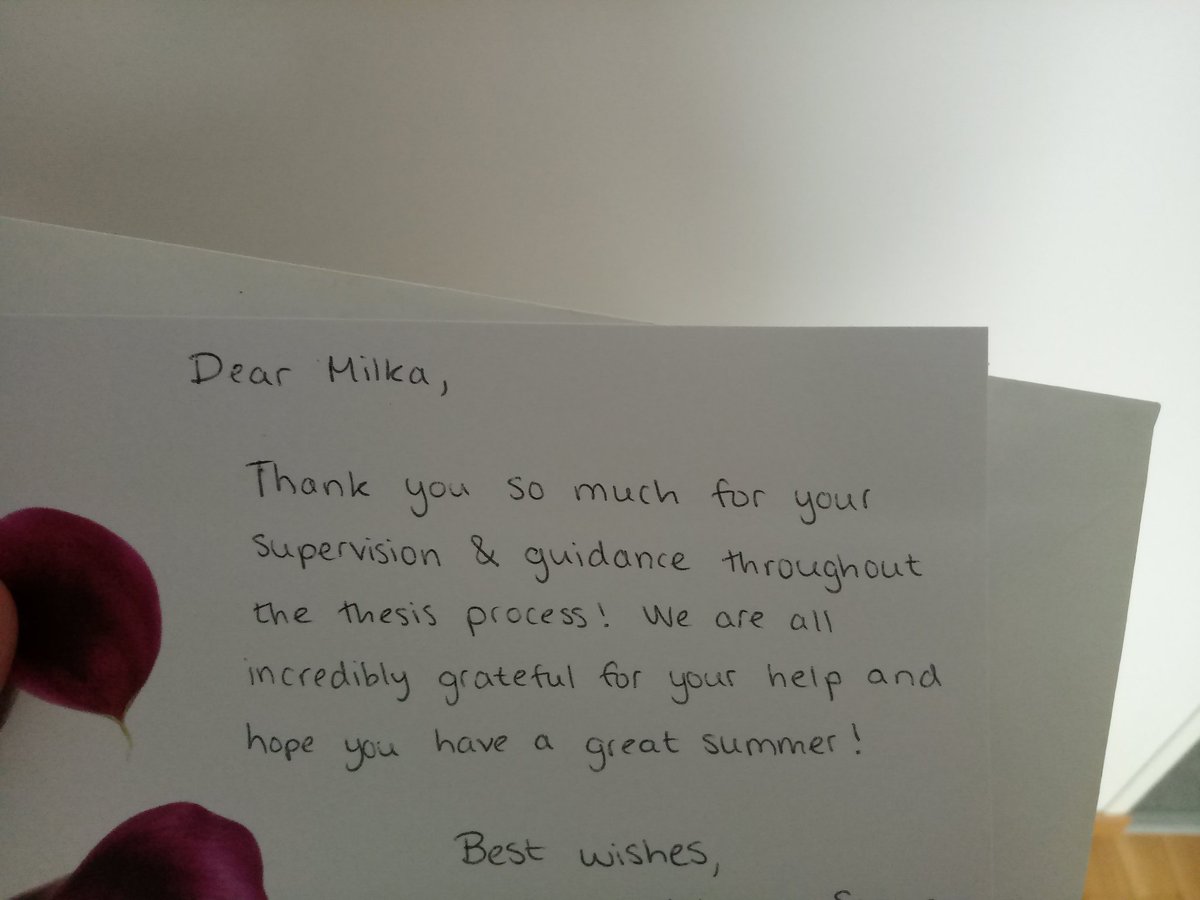
From my lovely students💐It feels extra special since I am leaving @pol_LU I will definitely miss the smart and talented Lund students!
Milka Ivanovska Hadjievska tweet mediaMilka Ivanovska Hadjievska tweet media
English
2
0
26
872
Jens Lindemann retweetledi
James Hennessey
James Hennessey@JamesEHennessey·
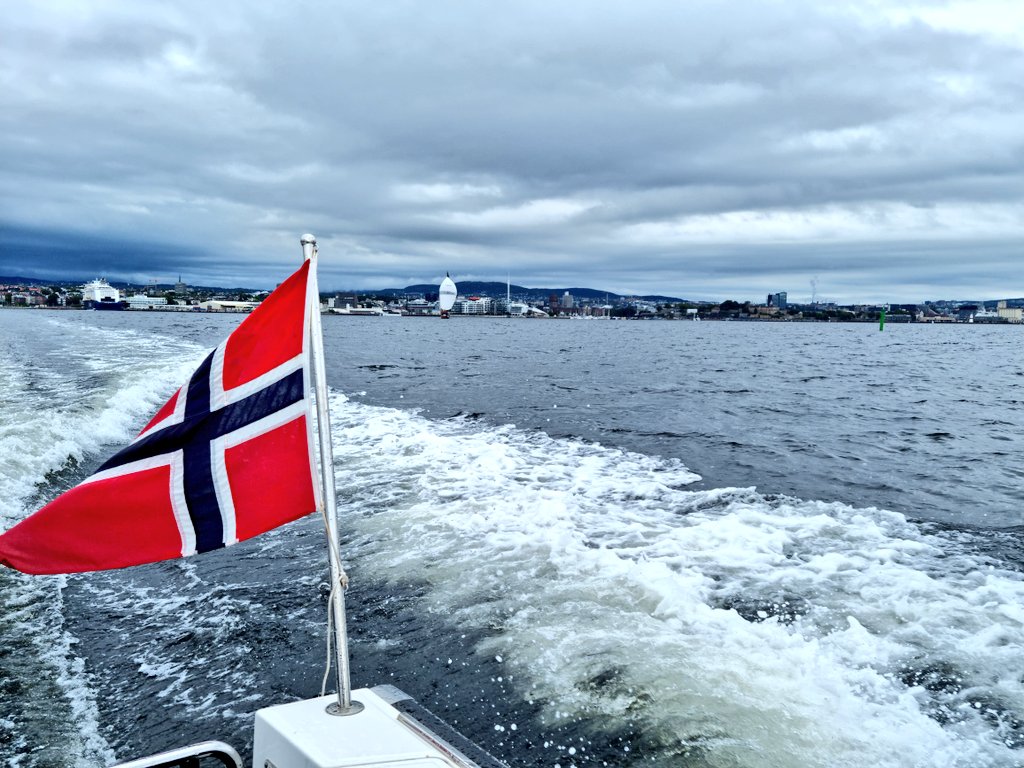
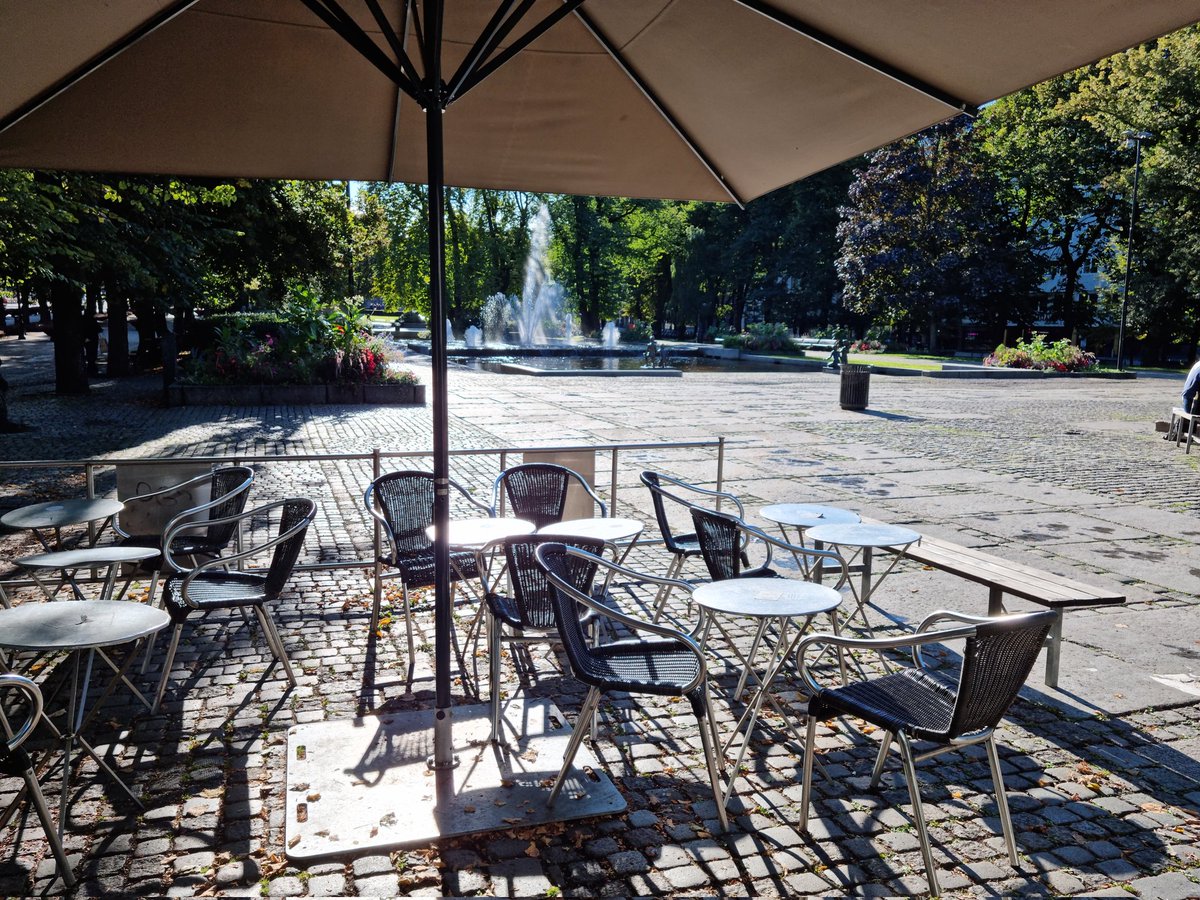
Let's be more Olso. 8/8
James Hennessey tweet mediaJames Hennessey tweet mediaJames Hennessey tweet mediaJames Hennessey tweet media
English
2
6
147
7.7K
Jens Lindemann retweetledi
Dr Kareem Carr
Dr Kareem Carr@kareem_carr·
Every Data Scientist needs to know these ideas. They will blow your mind. 1. Correlation vs Causation P(A | B) is the probability of A given B. It is the probability that we will observe A given that we have already observed B. P(A | do(B)) is the probability of A given do(B). It is the probability that we will observe A given that we have intervened to cause B to happen. In this context, an intervention simply means to take an action of some kind. Therefore do(B) means to take an action which causes B to happen. The expressions P(A | B) and P(A | do(B)) might seem very similar but they represent very different situations. 2. We can only learn P(A|B) from the data alone. Bob has an extremely accurate weather app and is always very good about bringing his umbrella when it rains. We observe Bob over several years and we find that whenever it rains, Bob always has his umbrella and he never brings his umbrellas on days when it doesn't rain. In the language of probability, we say P(Umbrella | Rain) = 1 and P(Rain | Umbrella) = 1 as well. What we can learn from this data alone is how to predict whether it rains with a 100% accuracy by checking whether Bob has an umbrella. We can also learn to predict with 100% accuracy whether Bob has an umbrella by checking if it's going to rain. What we cannot learn is what will happen if we give Bob an umbrella on a random day of our choosing. The answer to this question is P(Rain | do(Umbrella) ) and it's unknowable from the data alone. We need prior knowledge about how the world works to properly interpret the data we collected. We need to know that rain has an effect on Bob's behavior, but Bob's behavior has no effect on the rain. Information about the effects of interventions are simply not available in raw data unless it is collected by controlled experimental manipulation. 3. Scientific Experiments work because they produce a very special kind of data. You may have heard of what many people call a scientific experiment. Take a collection of objects, animals or people. Randomly split that collection into a control group and a treatment group. Apply your intervention to the treatment group while leaving the control group alone. If you observe any differences between the treatment group and the control group, it is logical to attribute these differences to the treatment. You can therefore say the differences were caused by the treatment. In statistics, the procedure I just described is called a Randomized Controlled Trial. It is a procedure for generating a specific kind of data where: P(Difference | Treatment) = P(Difference | do(Treatment) ) This is why traditional science experiments work. They are designed to capture causal information. This is not the case for vast majority of data that we collect in society. Without human guidance or access to real world knowledge, statistical algorithms and artificial intelligences can only learn P(A | B) from the raw data. This is a fundamental mathematical limitation on the use of data alone. That's it for now. This post is part of a series of posts about the concept of causal inference. They are based on the content of the Book of Why by Judea Pearl with lots of commentary from me. Follow me (@kareem_carr) so you don't miss out on the next post. Please show support by liking and retweeting the thread.
Dr Kareem Carr tweet media
English
107
1.2K
6.3K
1.2M
Jens Lindemann
Jens Lindemann@JensLindem·
Apparently there is disturbance in Swedish global development research because the government intends to cut off enormous amounts of funding. Most important point to my reading: The government confuses humanitarian needs with development research. aftonbladet.se/debatt/a/VPXmg…
Ulf Bjereld@UlfBjereld

Stor artikel i ansedda Nature om regeringens abrupta stopp för utlysningen av medel till utvecklingsforskning. Genant för Sverige, inkompetent hanterat av regeringen. nature.com/articles/d4158…

English
0
0
0
135
Jens Lindemann
Jens Lindemann@JensLindem·
@BBWMagazine @jarvbone @OnyxBrass @blackdyke @briggusbb @fodensband @Euph_Foundation @BTM_Band @hammondsband @meadeuph @childseuphonium @bassbonechris @LisaFitzLom @NYBBGB @NYBBS I also love trumpet music and play myself (just started with a historical and refurbished Bohemian flugelhorn again). But I am far from being professional enough to be featured @BBWMagazine, at least from the perspective of music complexity... You meant @trumpetjens for sure :)
English
0
0
0
94
Hana Kubátová
Hana Kubátová@KubatovaHana·
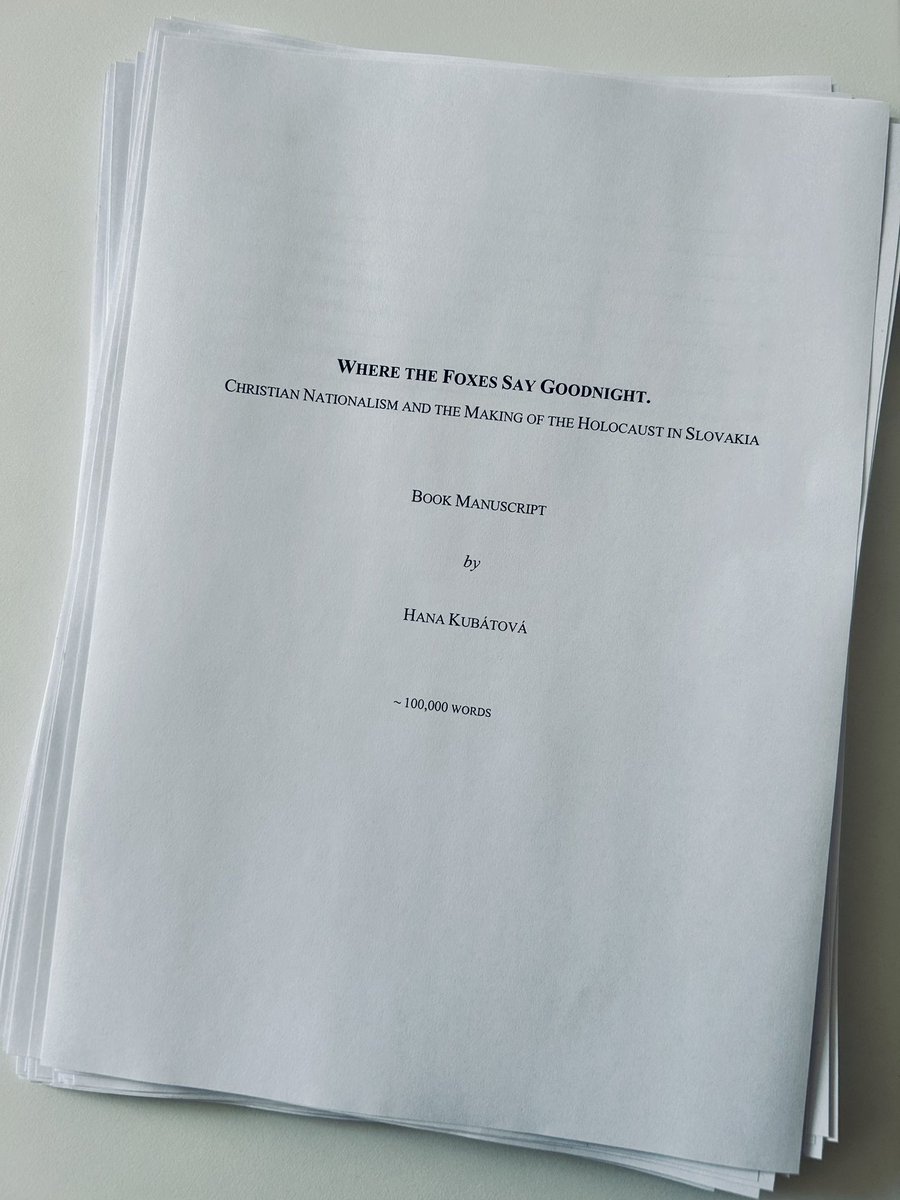
But what should I do now?
Hana Kubátová tweet media
English
9
3
96
10.3K
Jens Lindemann
Jens Lindemann@JensLindem·
@LukasLei Was hat das mit der Statistik-Vorlesung von Shikano zu tun?
Deutsch
0
0
0
11
Jens Lindemann
Jens Lindemann@JensLindem·
@ZdenekHrib I am this week in Lund, Sweden, and here the combination of bus, walking, cycling, tram, connectedness to fast long-distance trains, delivery transportation, and very very few but slowed down individual cars works excellent. Just get rid of the cars in Prague. Most will like it.
English
0
0
0
94
Zdeněk Hřib
Zdeněk Hřib@ZdenekHrib·
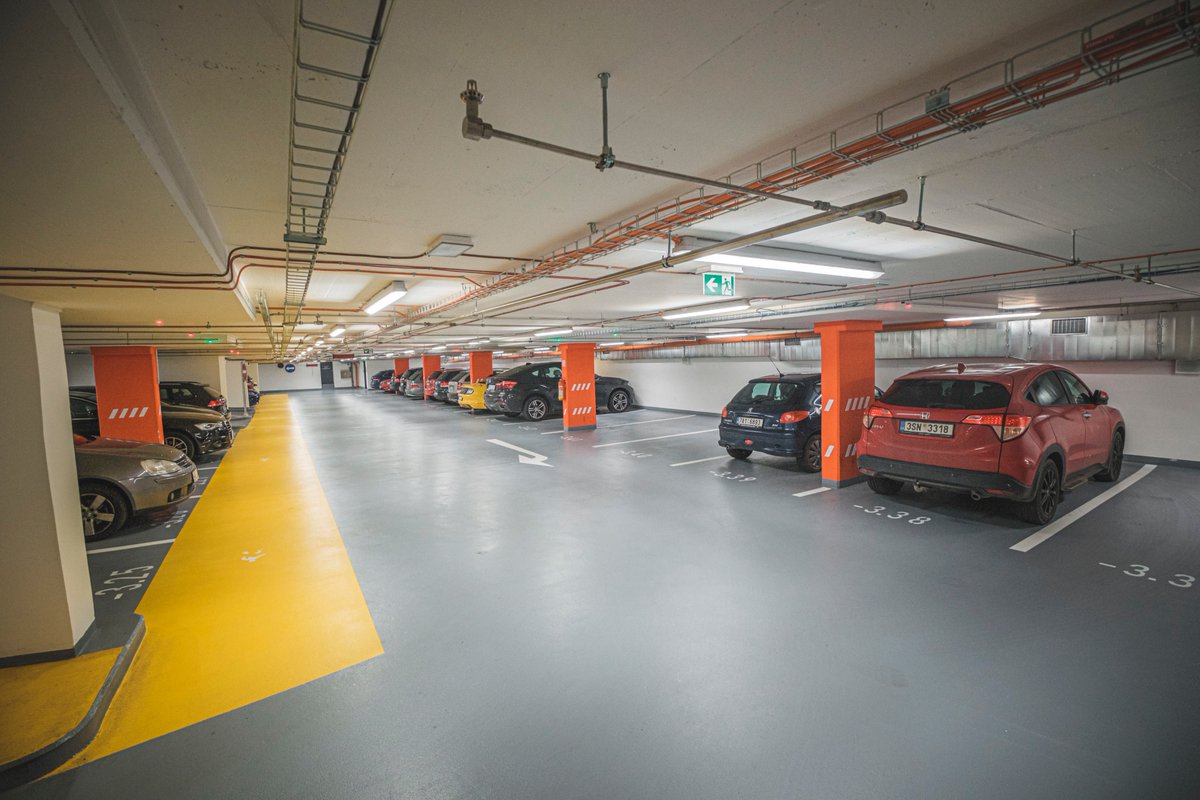
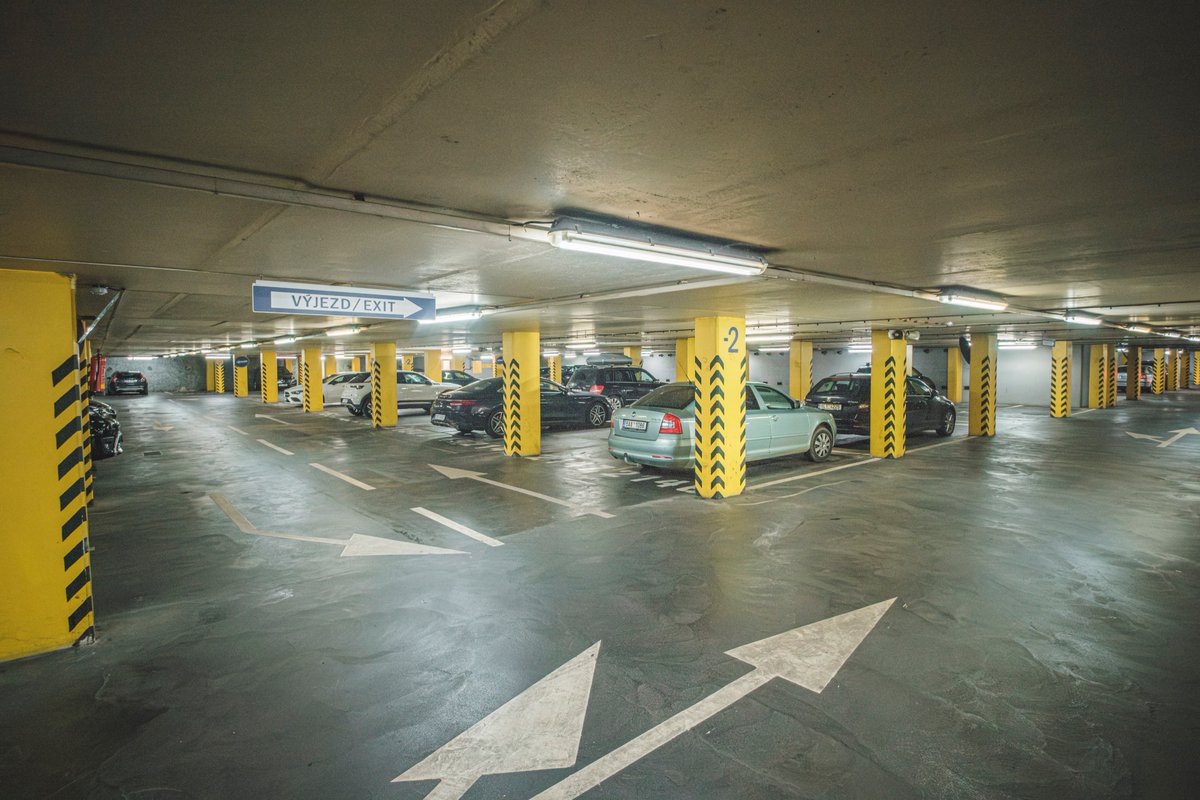
V centru Prahy není kde zaparkovat v garážích. Akorát že vůbec! 🙂 Volná místa v garážích jsou, jak jsme si sami ověřili. Zaparkovat šlo třeba hned u Národního divadla, na Náměstí Republiky nebo u Rudolfina (což je dokonce jen půl kilometru od Karlova mostu). (1/2)
Zdeněk Hřib tweet mediaZdeněk Hřib tweet mediaZdeněk Hřib tweet media
Čeština
91
8
442
244K
Jens Lindemann
Jens Lindemann@JensLindem·
Czech political economy is slipping out of hand.
English
0
0
1
133
michailidu janka
michailidu janka@malajankaa·
@PiratIvanBartos @mar_cvk @PiratskaStrana cože prosim? viděl jsi vůbec, na jakých přednáškách jsem tam byla? týkaly se role avantgardního umění v revolučním hnutí a ukrajování lidských práv v současném Polsku a Maďarsku. můžeš mi laskavě říct, co z toho je PROVOKACE? a proč tady zas jedeš nějakou antikomunistickou ódu?
Čeština
114
13
516
42.1K
Jens Lindemann
Jens Lindemann@JensLindem·
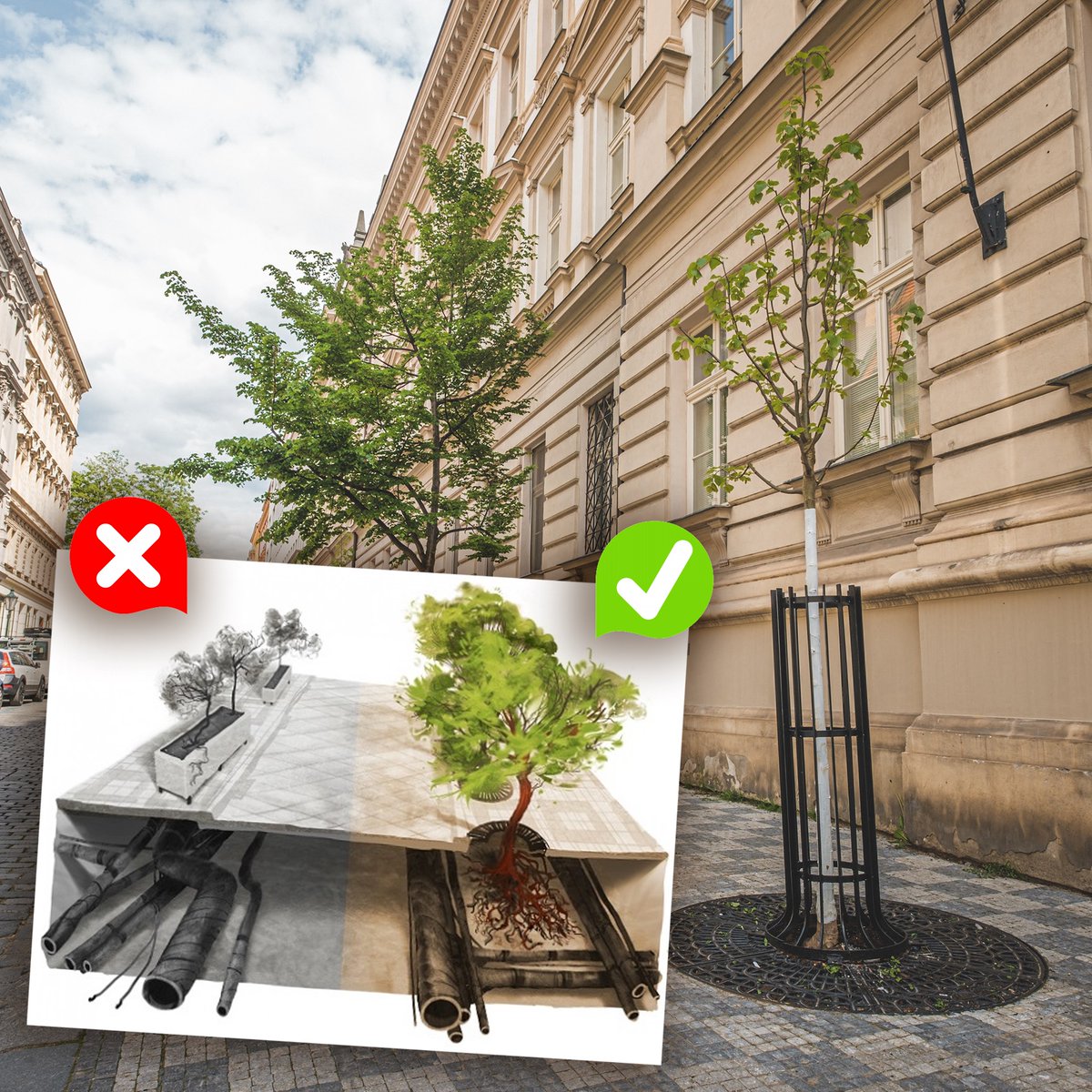
@ZdenekHrib Looks as a solid nature-based solution. If initial experiences prove feasible, please implement for whole Prague.
English
0
0
0
19
Zdeněk Hřib
Zdeněk Hřib@ZdenekHrib·
Kromě toho se věnujeme i následné péči o stromy. Průběžně zaléváme stromy vysazené v posledních třech letech. Případně zaléváme i starší stromy, které takovou péči potřebují. Zalévání pak sledujeme díky měřákům na hadicích cisteren a jejich GPS polohám. Konec 🧵
Čeština
2
1
99
5.4K
Zdeněk Hřib
Zdeněk Hřib@ZdenekHrib·
Sázíme v ulicích Prahy 1000 stromů podle pravidel té nejlepší péče! 🌳 Od podzimu do letošního jara vysázelo @TSKPraha přes 700 stromů a dalších 150 ještě brzy přibude. (Na fotce můžete vidět například nově zasazený strom v Betlémské ulici přímo v centru města). 🧵 (1/5)
Zdeněk Hřib tweet media
Čeština
25
18
438
49.1K