Brad Surak@BradSurak
Just returned from visiting customers across Latin America, and as always, the conversations with executives, operators, dispatchers, and flight crews left me energized and optimistic about what's ahead, with plenty to think about.
One topic came up again and again: AI.
Not in an abstract or futuristic way. Practically. What does it actually mean for their operations? What can they trust? What worries them? These are exactly the right questions, and the conversations around them are inspiring a series of posts I want to share over the coming weeks.
Let me start here: AI in aviation shouldn't just stand for Artificial Intelligence, it should stand for Aviation Intelligence.
That distinction matters more than it might sound.
The aviation industry has navigated profound technology transitions before. Paper to digital. Digital to mobile. Each time, it wasn't just about adopting a new tool. It was about rebuilding trust with technology that is now in the cockpit, in the hands of dispatchers, and at the center of operations. Jeppesen ForeFlight has had the privilege of walking alongside operators through those shifts for decades. And we've learned that in aviation, trust has to be earned, one verified piece of data, one reliable procedure at a time.
AI is the next major transition. And I believe it may be the most consequential one yet.
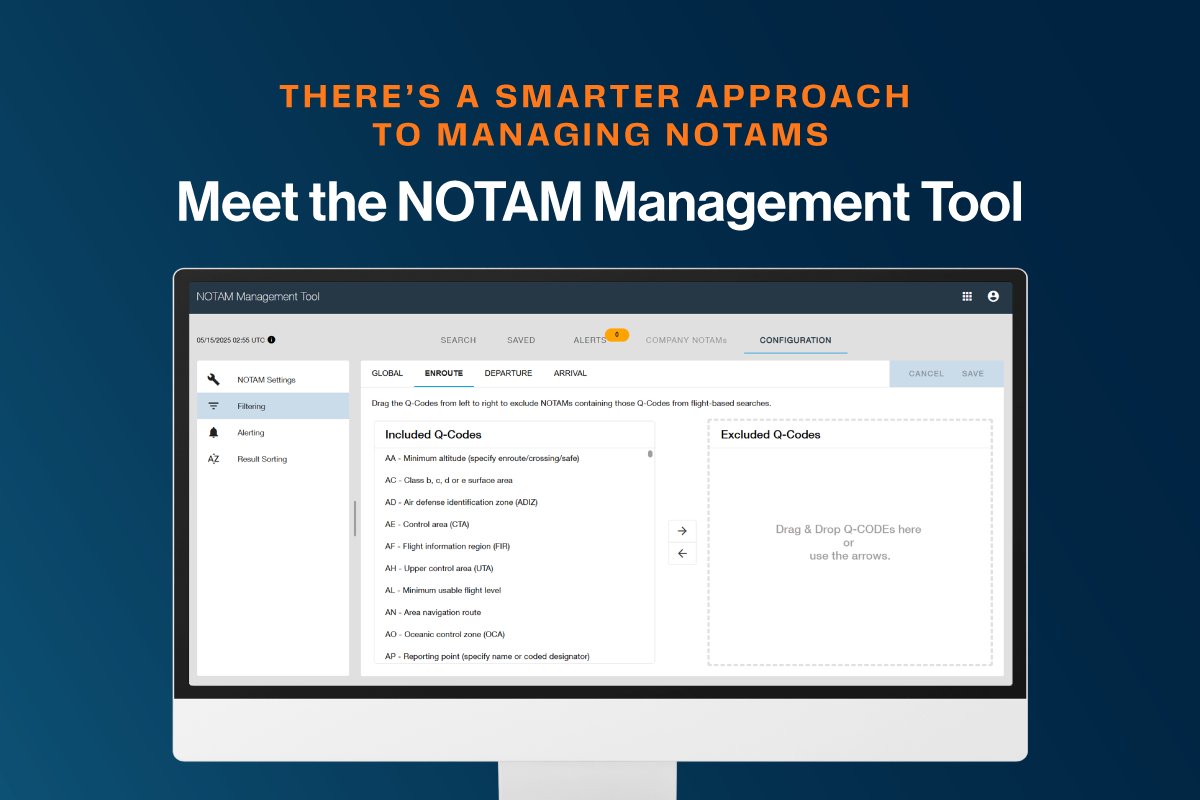
But right now, our industry faces a real challenge: most of the AI being deployed is general purpose. It was trained on the public internet. It can answer an aviation question fluently and sound completely authoritative, and still get the fuel reserve wrong, miss a critical NOTAM, or apply a performance calculation to the wrong airframe.
In most industries, a confident-but-wrong AI is an inconvenience. In aviation, it cascades.
The executives and operators I spoke with in Latin America already feel this tension. They're being asked to evaluate AI tools. They're under pressure to modernize. And at the same time, they're asking the right question: Can we trust these answers enough to stake our reputation, and our passengers' safety, on them?
That's the conversation I want to have openly. What does the industry actually need AI to be before we can rely on it? What are the standards? The safeguards? The proof points that build real confidence?
I don't think any one company has all the answers. This is a moment for the whole industry to shape together, including airlines, operators, regulators, technology providers, and the pilots and dispatchers who live with these tools every day.
So I'll ask: What's your biggest concern about AI adoption in aviation right now? What would need to be true for you to trust an AI recommendation in an operational context?
I'll be sharing more over the coming weeks, grounded in customer conversations, not hype. Looking forward to hearing from you.
#Aviation #AviationIntelligence #AI #FlightOperations #AviationSafety #JeppesenForeFlight