Jeramy
325 posts

Jeramy
@JeramyUtara
Data Centers | Finance | Real Estate | Orioles
Katılım Temmuz 2018
967 Takip Edilen425 Takipçiler

@CordialWords You’re saying by supporting data centers one supports CSAM?
English

Andrew has refused to take a stance on CSAM image generation, but his followers think it’s just the cost of AI existing. His response to this is a cutesy “wut” because clearly it’s not a serious topic for him.
Andy Masley@AndyMasley
Last night I posted that people's understanding of local data center environmental impacts is really paranoid and now this guy with a big following is saying it means I think pedophilia is fine. This is left wing QAnon

English
Jeramy retweetledi

Jeramy retweetledi
Jeramy retweetledi

I’ve now linked 15+ separate data sources into Volterra Intelligence.
The hard part is not just ingesting the data. The hard part is making it all work together in a way that feels coherent and useful instead of feeling like a bunch of disconnected tables and dashboards.
That has probably been the biggest focus.
Power, facilities, providers, utilities, counties, markets, incentives, climate, risk, activity - getting all of that to talk to each other cleanly is the whole job.
English
Jeramy retweetledi
Jeramy retweetledi
Jeramy retweetledi
Jeramy retweetledi
Jeramy retweetledi

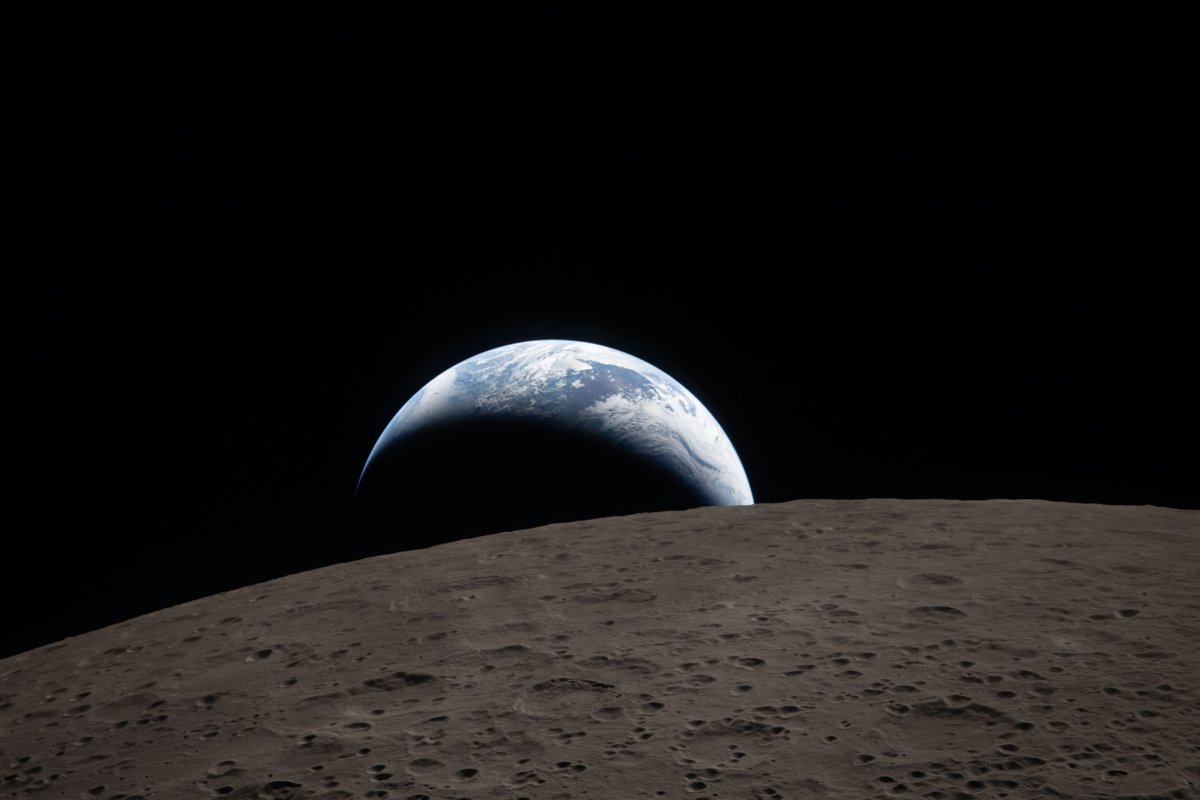
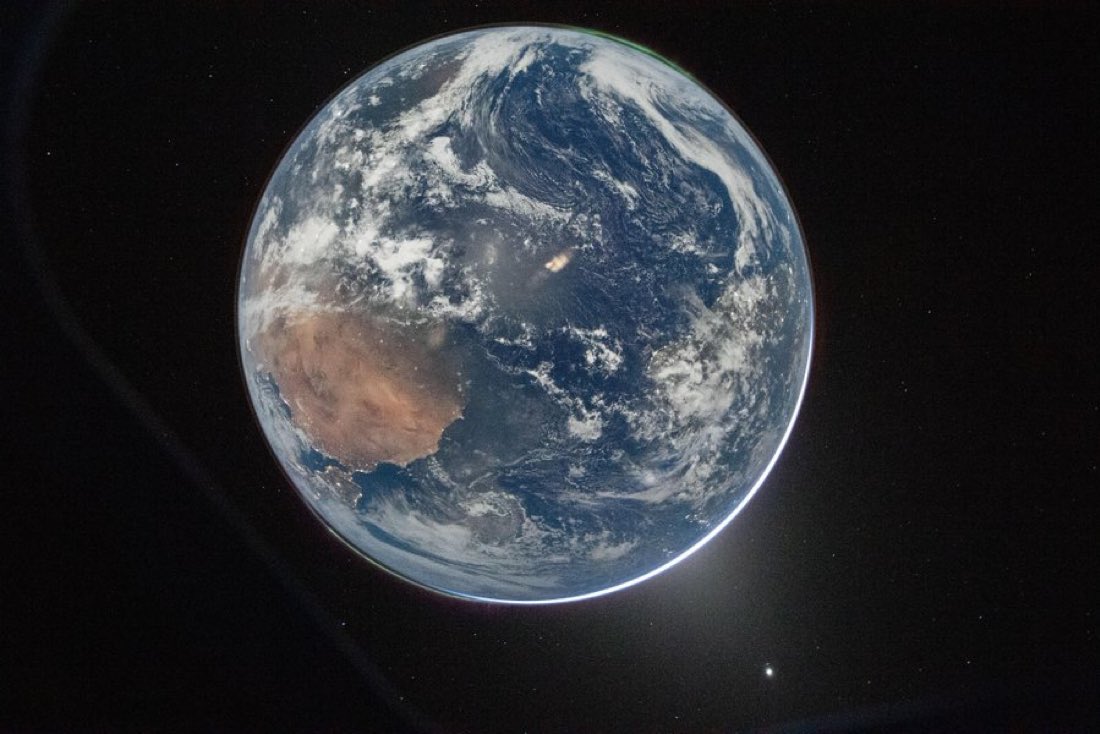
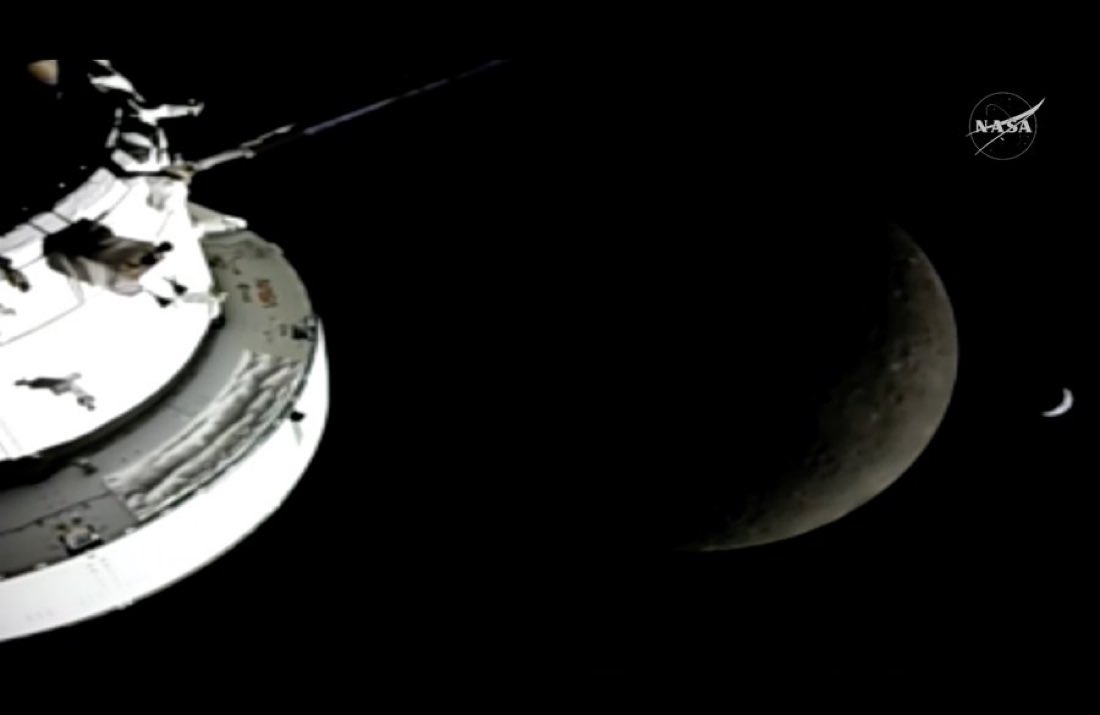
If you're under 53 years old, you have never once been alive while a human was farther than 250 miles from Earth. Tonight, four astronauts are heading 252,000 miles out. That's a thousand times farther than any person has gone in your lifetime.
The 250-mile ceiling is where the International Space Station floats. Every astronaut since December 1972 has been stuck in that zone. Spacewalks, science experiments, cool photos from orbit, sure. But nobody left the neighborhood.
The last crew to go farther was Apollo 17. December 1972. Nixon was president. The internet didn't exist. Cell phones were 11 years away. The youngest member of that crew is now 90 years old.
The farthest any human has ever been from Earth is 248,655 miles. The Apollo 13 crew set that number in 1970, and they didn't mean to. Their oxygen tank blew up, and the emergency route home took them farther out than anyone before or since. Tonight's crew will break that record on purpose.
And the crew itself. Victor Glover becomes the first Black astronaut to leave Earth's neighborhood. Christina Koch becomes the first woman. Jeremy Hansen, a Canadian fighter pilot, becomes the first non-American to do so. When they come home, they'll slam into the atmosphere at 25,000 mph, faster than any human has ever traveled.
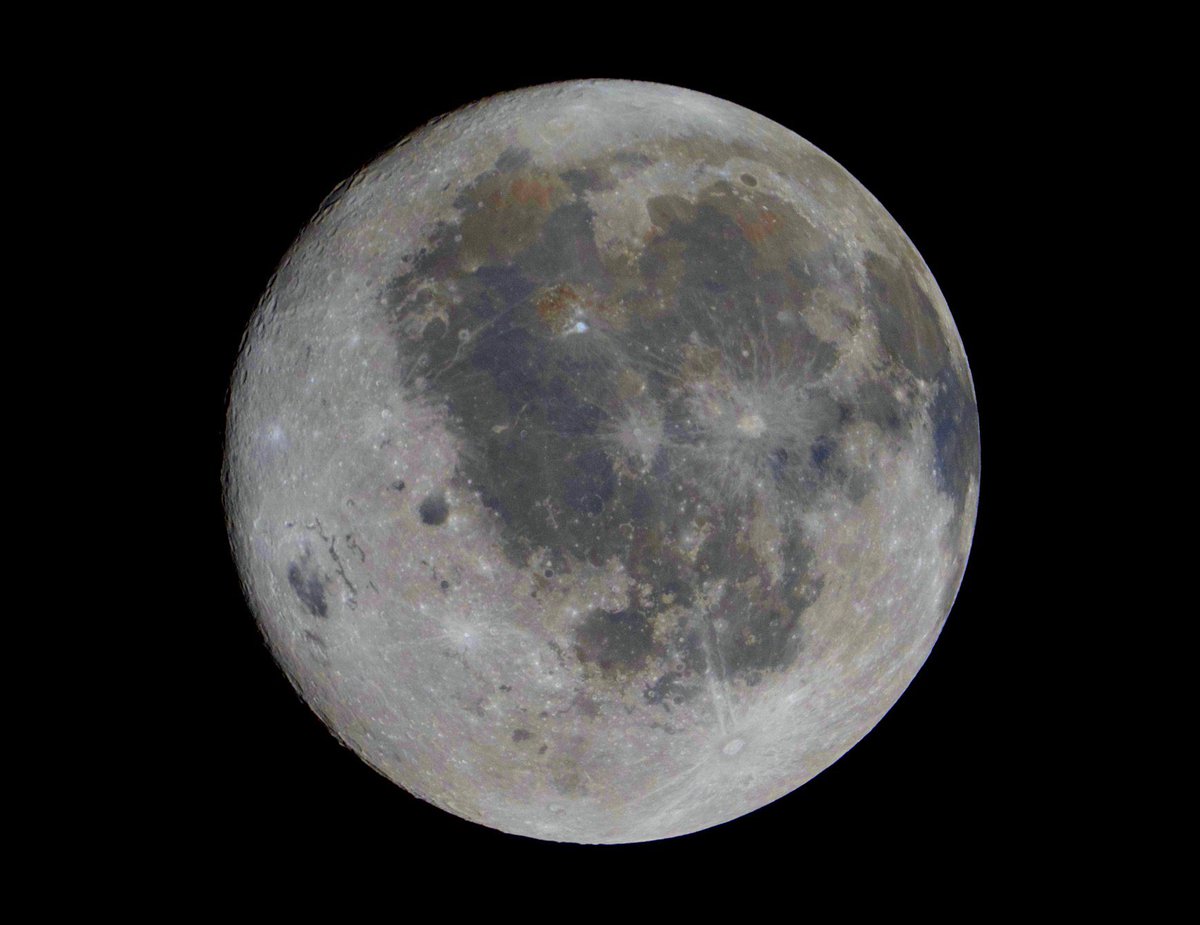
The Moon's south pole has ice. Water ice, sitting in craters so deep that sunlight hasn't hit them in billions of years. A 2024 NASA study found way more of it than anyone expected. You can split water into hydrogen and oxygen, which gives you rocket fuel, breathable air, and drinking water, all made on the Moon instead of hauled up from Earth. George Sowers at Colorado School of Mines calculated that Moon-made fuel could shave $12 billion off a single trip to Mars. The Moon is a gas station on the road to Mars.
NASA Administrator Jared Isaacman announced last week a $20 billion plan to build a permanent base at the South Pole over the next seven years, with landings every six months. China is developing its own lunar lander and spacesuit, aiming for a crewed landing by 2030. The Artemis program has burned through $93 billion so far, and the first actual surface landing is penciled in for 2028. There's a real question of who gets there first this time around.
Harrison Schmitt walked on the Moon in December 1972 as part of Apollo 17. He's 90. Asked about it this week, he sounded pretty relaxed. "Mars is attainable," he said. "We're humans. That's what we've always done."
NASA@NASA
We're going around the Moon. Come watch with us. Artemis II's four-astronaut crew is lifting off from @NASAKennedy on an approximately 10-day mission that will bring us closer to living on the Moon and Mars. The launch window opens at 6:24pm ET (2224 UTC). twitter.com/i/broadcasts/1…
English
Jeramy retweetledi
Jeramy retweetledi

One thing that probably gets lost when people talk about AI coding is that the boring setup work still matters a lot.
It took me three days just to get dev, staging, and production provisioned the right way. Not glamorous, but very worth it.
A lot of stuff built quickly with AI looks great until you get under the hood. I really did not want that.
English

I’ve now taken three real runs at building VolterraIQ.
The honest answer is the first two were too early. The vision was there, but what I wanted to build wasn’t really possible with AI coding yet, at least not without it becoming a giant mess.
Over time, the models got a lot better, and I got a lot better at actually using them. That combination made a huge difference.
For the first time, I was able to coordinate the architecture, design system, and actual build in a way that held together.
Still a lot to do, but it finally feels like it’s on the right foundation.
English