Jhon F. Caro retweetledi
Jhon F. Caro
11.4K posts

Jhon F. Caro
@JhonFCaroP
Filosofía. Teología. Licenciado en Historia Eclesiástica, de la Pontificia Universidad Gregoriana. Presbítero de Santa Romana Iglesia.
San Salvador, El Salvador Katılım Mayıs 2022
550 Takip Edilen234 Takipçiler
Jhon F. Caro retweetledi


In today’s Gospel reading (Jn. 14:1-12), the Lord Jesus speaks words of profound consolation to His disciples on the eve of entering into His Passion: “Do not let your hearts be troubled. Believe in God; believe also in me” (Jn 14:1). These words come at a moment of deep anxiety. The disciples sense that something decisive is about to happen. Jesus prepares them—not by removing their trials, but by directing their trust toward Himself.
He promises, “In my Father’s house there are many dwelling places… I go to prepare a place for you” (Jn 14:2). This is more than reassurance about heaven; it is an invitation to place our hope in the eternal communion with God that Christ alone can secure. The way to the Father is not a vague path of human striving, but a Person—Jesus Himself. “I am the way, and the truth, and the life. No one comes to the Father except through me” (Jn 14:6). In this solemn declaration, Jesus reveals that He is not merely a teacher or a guide; He is the very access to God.
When Philip asks, “Lord, show us the Father, and we will be satisfied,” Jesus responds with gentle firmness: “Whoever has seen me has seen the Father” (Jn 14:8–9). Here the mystery of the Incarnation shines forth. The eternal Son, one in being with the Father, has made the invisible God visible. In the face of Christ, we behold the face of the Father. In His words, we hear the voice of the Father. In His works, we encounter the power of the Father.
Jesus then turns to us with a challenge and a promise: “Whoever believes in me will do the works that I do, and will do greater ones than these” (Jn 14:12). The “greater works” are not mightier miracles in a worldly sense, but the spread of grace through the Church to all nations—works accomplished by the power of the Holy Spirit after Christ’s Ascension. Every act of charity, every sacrament celebrated, every soul brought to conversion participates in this continuing mission.
Our world today is filled with troubled hearts—troubled by uncertainty, suffering, division, and sin. The Gospel does not deny these realities; it places them beneath the lordship of Christ. He is the Way we must follow, even when the path is difficult. He is the Truth we must cling to, even when falsehoods surround us. He is the Life we must receive, especially when our own strength fails.

English
Jhon F. Caro retweetledi

@dianama46158538 CONGRESO SINVERGÜENZA.
ESE HOMBRE NO SIRVE PARA NADA.
Español
Jhon F. Caro retweetledi

God has given each of us a personal guardian angel from the moment of our conception until death, a heavenly protector assigned by divine love. The Catholic Church teaches this clearly, and the saints urge us to turn to them in prayer with confidence and devotion.
Here are three powerful reasons, rooted in the Catechism of the Catholic Church and the reflections of the saints:
✅ For Divine Protection
Our guardian angels watch over us constantly, shielding us from harm, both physical and spiritual. The Catechism of the Catholic Church (CCC 336) affirms: “From its beginning until death, human life is surrounded by their watchful care and intercession.”
St. Jerome reflects on the dignity this brings: “How great is the dignity of souls, that each person has from birth received an angel to protect it.”
✅ For Spiritual Guidance
They act as faithful shepherds, leading us toward eternal life with God. As St. Basil the Great teaches (quoted in the Catechism): “Beside each believer stands an angel as protector and shepherd leading him to life.”
✅ For Faithful Friendship and Intercession
Our guardian angels are our closest companions, with us day and night, interceding before God and helping us especially in temptation and prayer.
St. John Vianney encourages us: “Our guardian angels are our most faithful friends, because they are with us day and night, always and everywhere. We ought often to invoke them.”
St. John Bosco adds: “When tempted, invoke your angel. He is more eager to help you than you are to be helped.”
Pray to your guardian angel today, thank them, ask for their help, and grow in friendship with this heavenly guide God has given you.
The Guardian Angel Prayer:
Angel of God, my guardian dear,
to whom God’s love commits me here,
ever this day be at my side,
to light and guard, to rule and guide.
Amen🇻🇦

English
Jhon F. Caro retweetledi

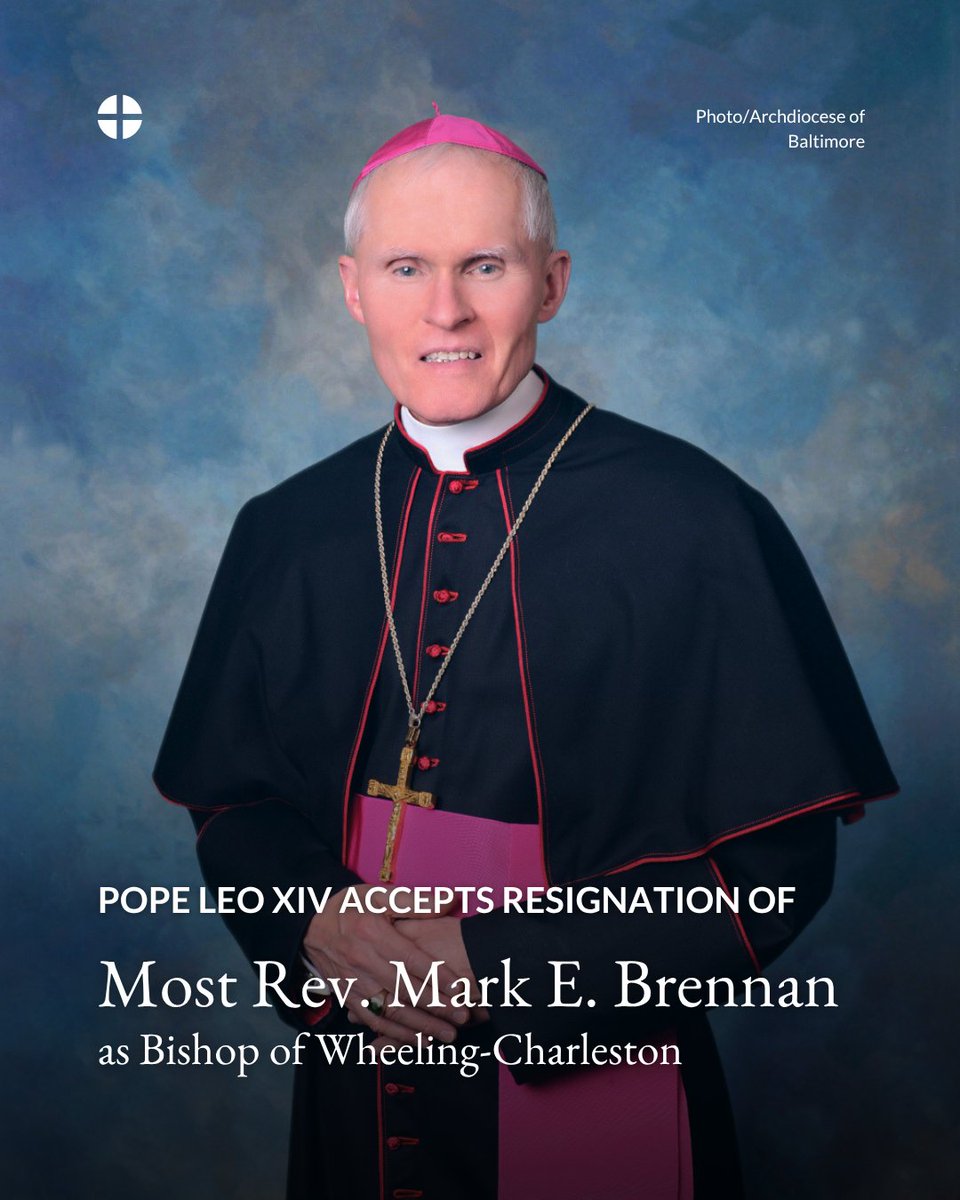
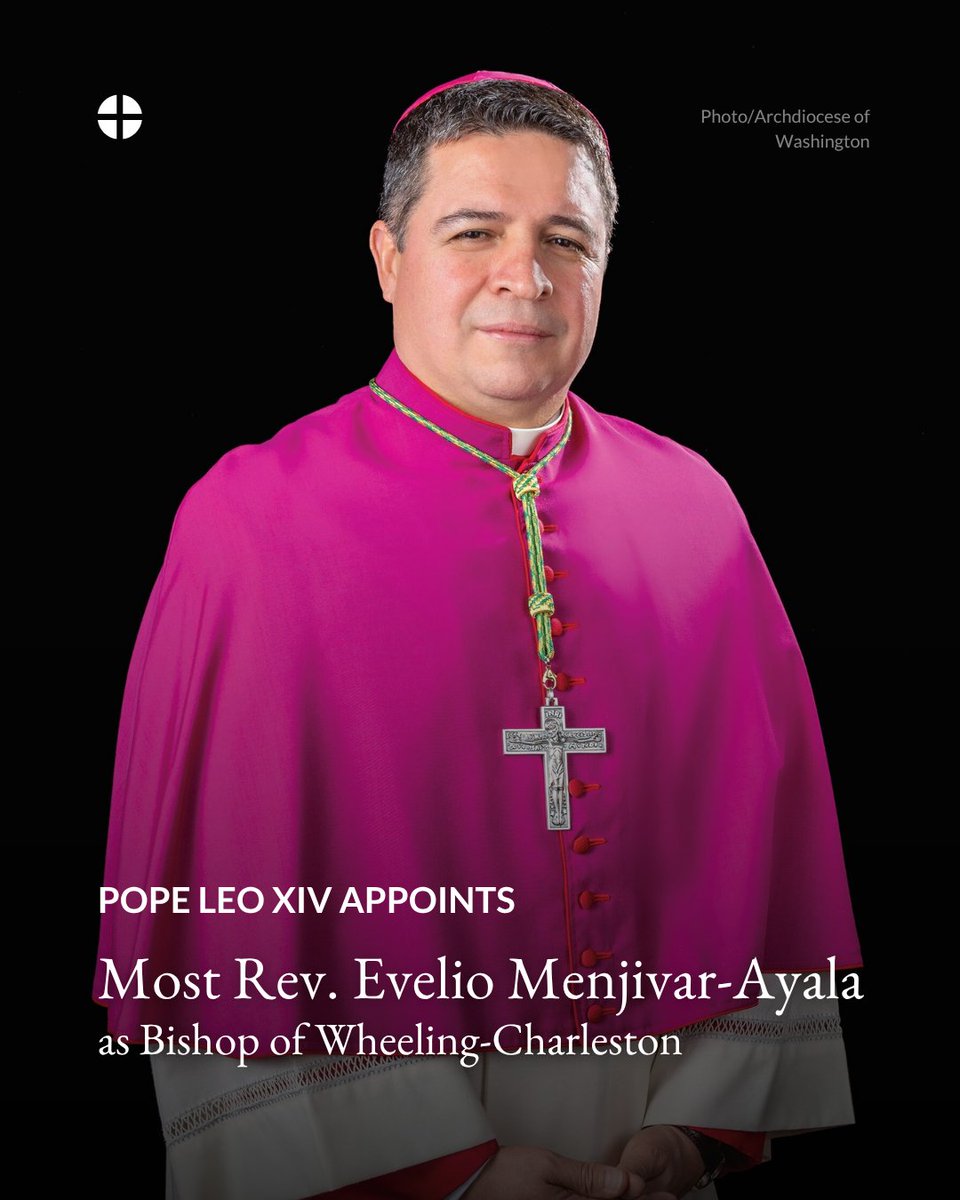
Pope Leo XIV Accepts Resignation of Bishop Mark Brennan of Wheeling-Charleston; Appoints Bishop Evelio Menjivar-Ayala as Successor | Read the full release at: ow.ly/rIHy50YT3Br


English
Jhon F. Caro retweetledi

Iglesia en Perú ofrece gratis libro sobre Santo Toribio como modelo de santidad actual
La Conferencia Episcopal Peruana (CEP) puso a disposición del público un nuevo libro titulado Modelo de vida: Santo Toribio de Mogrovejo. Una catequesis para la santidad, el cual busca acercar la figura del gran evangelizador del Perú como modelo de santidad actual. La iniciativa se enmarca en los 300 años de canonización de Santo Toribio de Mogrovejo y ha sido impulsada por Mons. Carlos García Camader, presidente de la CEP.
El libro propone una lectura accesible que resalta el testimonio de Santo Toribio como pastor, misionero y defensor de la dignidad humana en el contexto del Nuevo Mundo.
Además, incluye el discurso que el Papa León XIV dirigió a los obispos peruanos durante la visita ad limina de enero de 2026, en el que los anima a vivir ad instar Apostolorum, es decir, a la manera de los apóstoles, siguiendo el ejemplo de sencillez y valentía del santo.
La obra está estructurada en diversos capítulos que profundizan en las dimensiones más importantes de la vida de Santo Toribio. En primer lugar, se presenta su santidad personal, marcada por un profundo amor a Dios y una intensa devoción a la Eucaristía.
Asimismo, se destaca su relación filial con la Virgen María, especialmente bajo advocaciones como la Virgen del Camino y Nuestra Señora de la Peña de Francia.
Otros apartados subrayan su labor como catequista incansable, promotor de los primeros catecismos en castellano, quechua y aymara, así como su papel organizador en la Iglesia a través de los Concilios Limenses.
El texto también recoge su compromiso social como “Padre de los pobres”, su capacidad de inculturación y su visión sinodal, que lo llevaron a recorrer más de 40.000 kilómetros en visitas pastorales y a confirmar a santos peruanos como Santa Rosa de Lima y San Martín de Porres.

Español
Jhon F. Caro retweetledi

“¿A qué juega la derecha? ¿A perder las elecciones? ¿No se les ocurre nada mejor que pelear? Derrotar a Cepeda y la Constituyente petrista debería ser el único objetivo de las campañas de Paloma y Abelardo”: @saludhernandezm
Español
Jhon F. Caro retweetledi