Jim Genac

2.8K posts

Jim Genac banner
Jim Genac

Jim Genac

@Jim_Genac

Author ‘Path to the Summit’: Anatoli Tarasov & the History of Soviet Hockey Part 1 - Available now on Amazon. See also @pathtothesummit

British Columbia, Canada Katılım Kasım 2009
362 Takip Edilen203 Takipçiler
Jim Genac
Jim Genac@Jim_Genac·
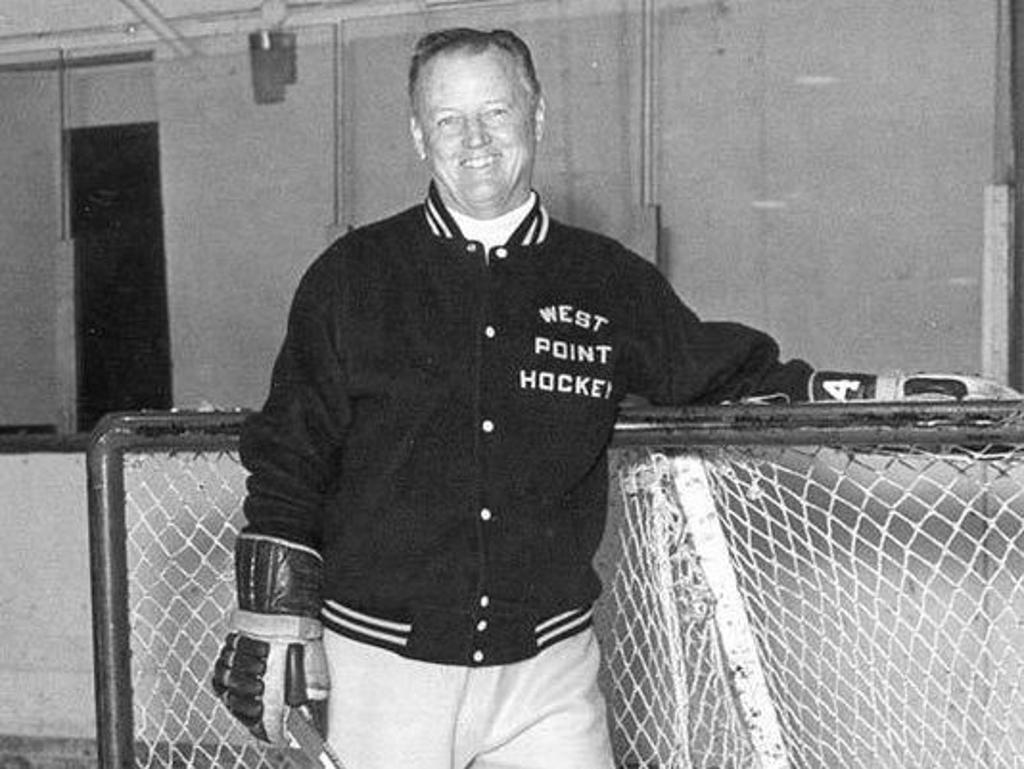
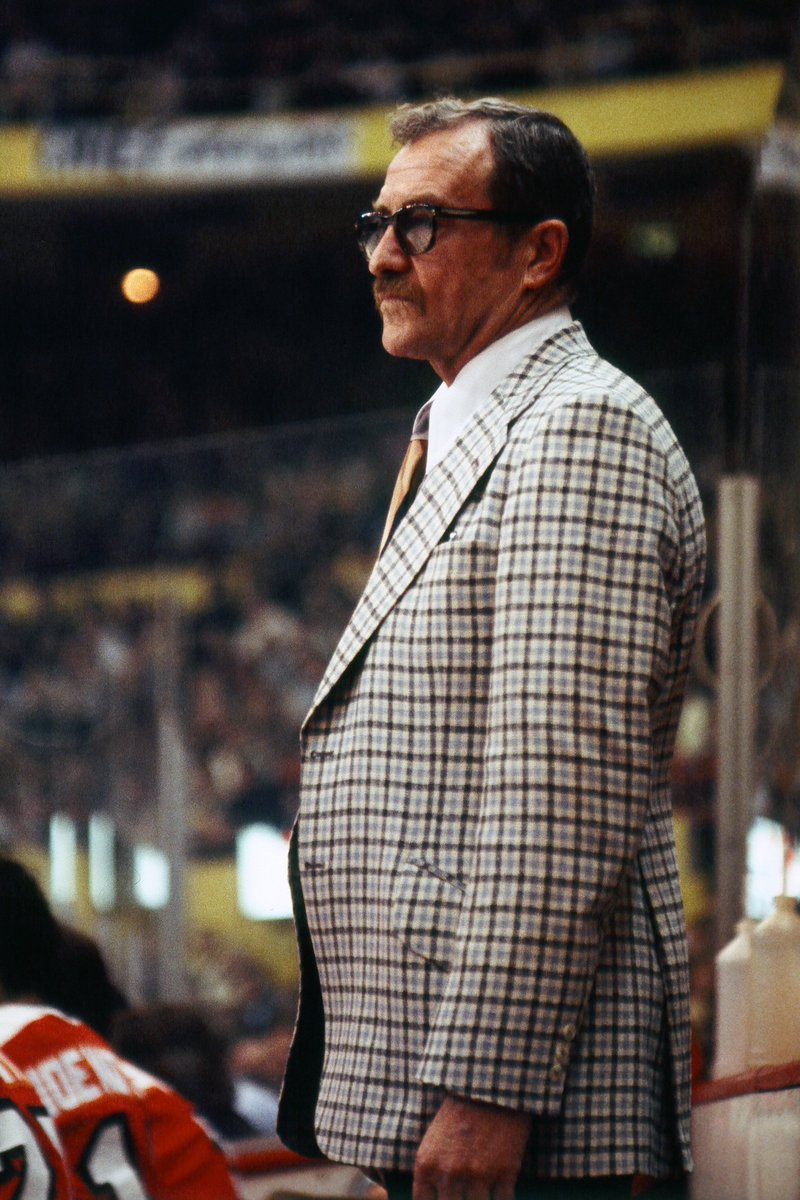
With @usahockey winning 2026 Olympic gold, let's take a moment to recall the first American gold medal in 1960. Jack Riley was the architect of America's impossible gold medal at Squaw Valley — the coach who turned a team the hockey world had written off into champions in the first 'Miracle On Ice.' Brought in as the one missing piece from previous Olympic squads, Riley arrived with unambiguous credentials: a Dartmouth playing career, service in the Naval Air Corps, a stint as player-coach at the 1949 World Championships, and a decade at West Point where he won NCAA Coach of the Year twice. He had watched the 1959 World Championships firsthand, and when he took over the national team, he knew exactly what was required. What followed was a winter of controlled punishment. Riley ran three-hour practices at West Point as though he were a drill sergeant with U.S. Army. Players called him "Sir," not "Coach." His central conviction was straightforward — America couldn't out-skill the Soviets or Canadians, but it could out-condition them. West Point's rink, an unusually vast 232 feet by 90 feet, amplified every drill. A simple line rush demanded substantially more skating than anywhere else his players would compete that February. At Squaw Valley, it showed. The Americans outskated Canada end-to-end, beat the Soviets 3-2, and closed out Czechoslovakia to claim gold. Herb Brooks was Jack Riley’s final cut one week before those Olympic Games. Riley’s approach profoundly influenced Herb Brooks as he prepared for the 1980 Olympics. I’ll have a full chapter on the 1960 Games in Part 2 of Path to the Summit. Hopefully for release by the end of the month. #Soviethockey #anatolitarasov #pathtothesummit #hockeycanada
Jim Genac tweet media
English
0
0
3
50
Jim Genac
Jim Genac@Jim_Genac·
Jack Riley was the architect of America's impossible gold medal at Squaw Valley — the coach who turned a team the hockey world had written off into champions. Brought in as the one missing piece from previous Olympic squads, Riley arrived with unambiguous credentials: a Dartmouth playing career, service in the Naval Air Corps, a stint as player-coach at the 1949 World Championships, and a decade at West Point where he won NCAA Coach of the Year twice. He had watched the 1959 World Championships firsthand, and when he took over the national team, he knew exactly what was required. What followed was a winter of controlled punishment. Riley ran three-hour practices at West Point as though he were a drill sergeant with U.S. Army. Players called him "Sir," not "Coach." His central conviction was straightforward — America couldn't out-skill the Soviets or Canadians, but it could out-condition them. West Point's rink, an unusually vast 232 feet by 90 feet, amplified every drill. A simple line rush demanded substantially more skating than anywhere else his players would compete that February. At Squaw Valley, it showed. The Americans outskated Canada end-to-end, beat the Soviets 3-2, and closed out Czechoslovakia to claim gold. Herb Brooks was Jack Riley’s final cut one week before those Olympic Games. Riley’s approach profoundly influenced Herb Brooks as he prepared for the 1980 Olympics. I’ll have a full chapter on the 1960 Games in Part 2 of Path to the Summit. Hopefully for release by the end of the month.
Jim Genac tweet media
English
0
0
1
35
Marcel Lang
Marcel Lang@MLangHockey·
Colour footage of the "Miracle before the Miracle". 1960 Squaw Valley Olympic Winter Games, USA vs Soviet Union. From the United States National Archives.
English
2
0
2
521
Marcel Lang
Marcel Lang@MLangHockey·
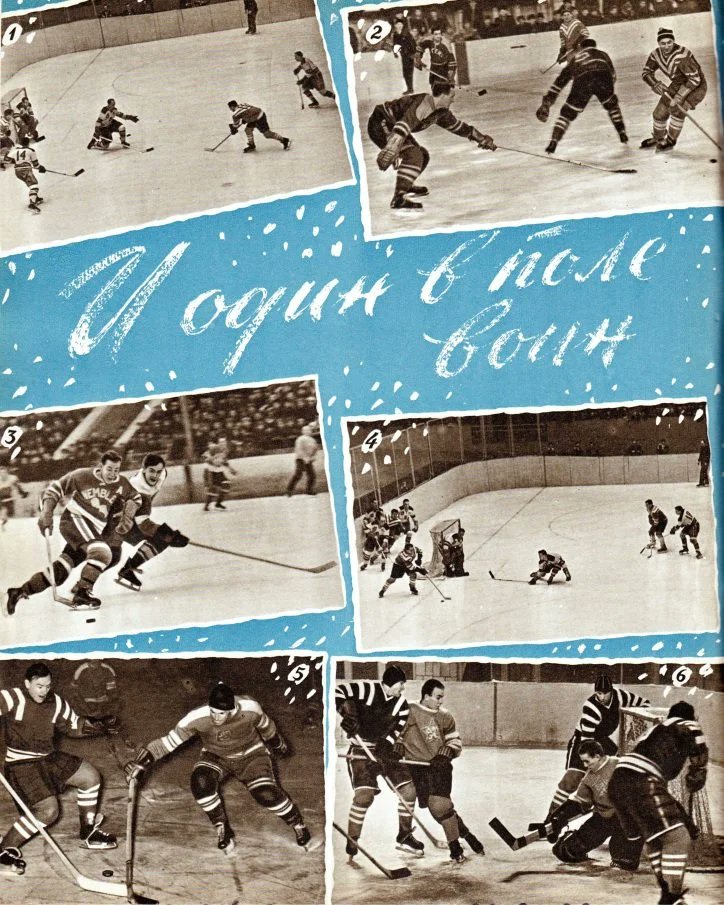
Even One Man Can Be an Army. A 1959 Soviet photo report from the Sporting Games magazine (March 1959) with comments authored by star player Vsevolod Bobrov.
Marcel Lang tweet media
English
4
0
3
108
Jim Genac retweetledi
Marcel Lang
Marcel Lang@MLangHockey·
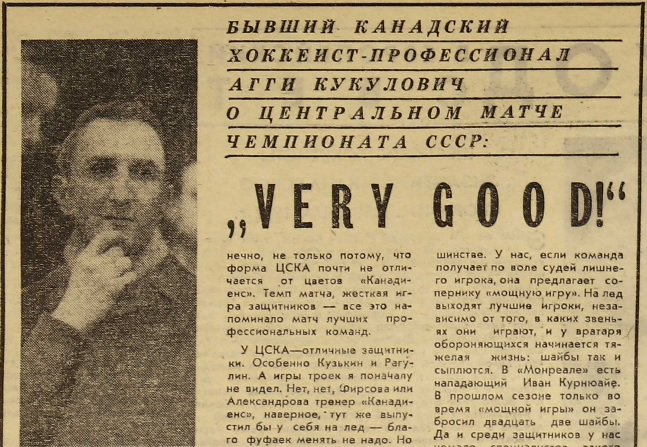
Aggie Kukulowicz is known to friends of the 1972 Summit Series as a major off-ice figure. Here we find him 5 years earlier, commenting on Soviet league games from the Moscow Sports Palace. My new article for the Society of International Hockey Research: sihrhockey.org/2020/columns/a…
Marcel Lang tweet media
English
0
1
4
101
Marcel Lang
Marcel Lang@MLangHockey·
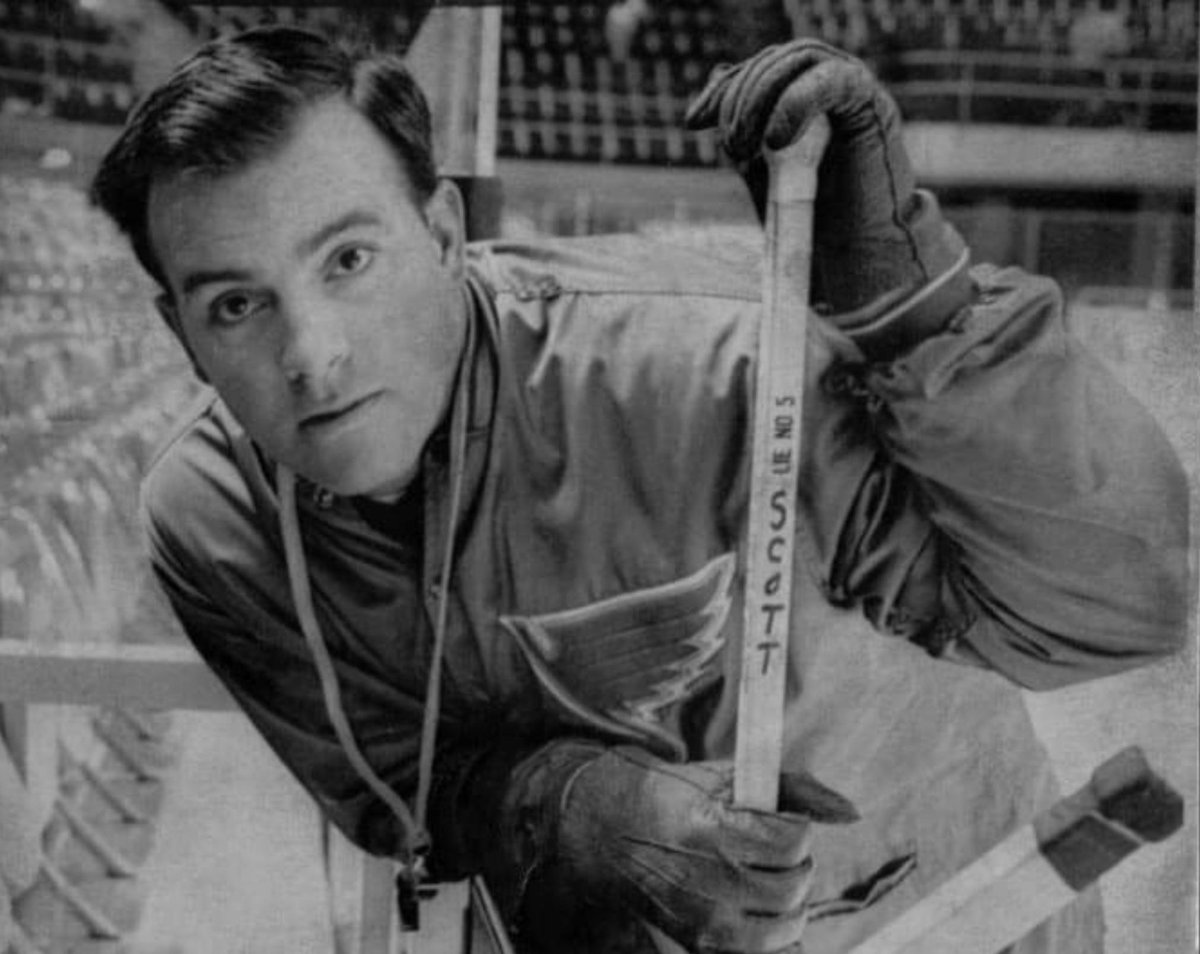
@Jim_Genac @coachwsb @StLouisBlues Neither did I. It is mentioned casually in a Russian article from 1968. "Renowned hockey expert William Bowman, a full-time scout for St. Louis Blues, called his trip to Vienna for last year's World Championship the most worthwhile of all his many trips..."
Marcel Lang tweet media
English
1
0
3
114
Marcel Lang
Marcel Lang@MLangHockey·
Interesting factoid that seems to have been unknown to the hockey world so far (at least I've never seen it mentioned anywhere): In March 1967, Scotty Bowman (@coachwsb) scouted the World Championship in Vienna for @StLouisBlues. That's how Seth Martin got into the NHL.
Marcel Lang tweet mediaMarcel Lang tweet media
English
1
0
5
113
Jim Genac
Jim Genac@Jim_Genac·
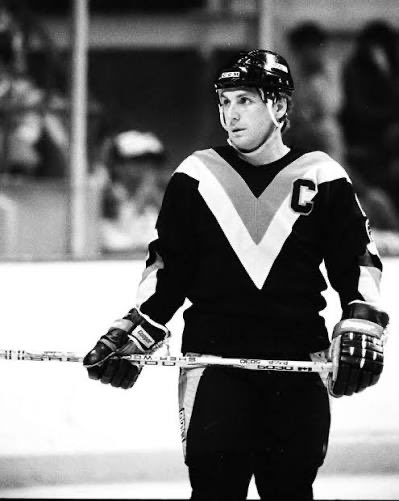
@MLangHockey When I first started researching Soviet hockey, those uniforms struck me as very familiar to my local NHL club 😝
Jim Genac tweet media
English
0
0
1
16
Marcel Lang
Marcel Lang@MLangHockey·
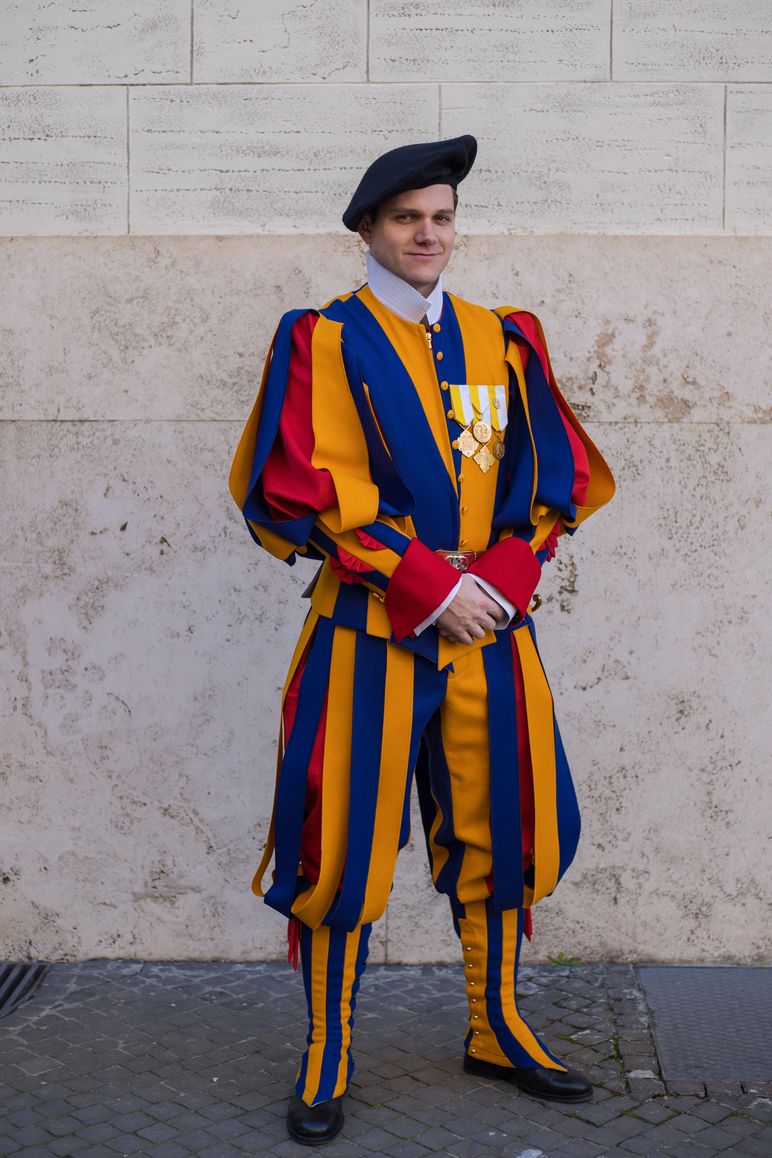
Rumours that these uniforms were inspired by the Pontifical Swiss Guard are most likely unfounded.
Marcel Lang tweet media
English
1
0
0
43
Marcel Lang
Marcel Lang@MLangHockey·
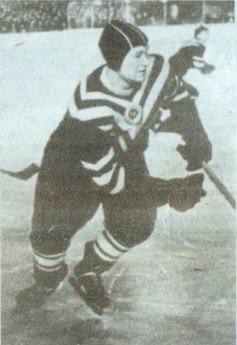
Back when even the players would dress up for a hockey game: Vsevolod Bobrov
Marcel Lang tweet media
English
1
0
2
98
Jim Genac
Jim Genac@Jim_Genac·
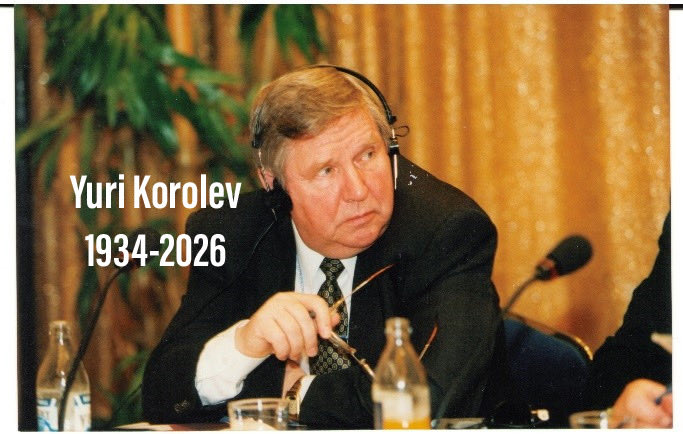
Yuri Vasilyevich Korolev, the Soviet hockey administrator remembered in Canada as head of the Soviet delegation during the 1987 "Punch-up in Piestany" brawl at the World Junior Championships, died today. A Honoured Coach of the USSR and IIHF Hall of Fame inductee (Paul Loicq Award 2011), he led the Complex Scientific Group for the Soviet men's national hockey team from the early 1960s to 1992. Working closely with coach Anatoli Tarasov, he pioneered scientific training techniques that integrated biomechanics, physiology, and off-ice conditioning into Tarasov’s training program. His research also analyzed Canadian-style tactics and he developed countermeasures for Tarasov that optimized skating efficiency, passing under pressure, and sustained high-tempo play— all to emphasize speed, technique, and collective hockey. Korolev was 91 years old.
Jim Genac tweet media
English
0
1
1
133
Jim Genac
Jim Genac@Jim_Genac·
Starovoitov was one of the players who had been offered the coaching job of CSKA when Pavel Korotkov was recruited for VVS MVO after the first season on Soviet Hockey. He turned it down because of his commitments at the Lenin Military-Political Academy. The coach position was then given to Anatoli Tarasov. In 1951, Tarasov cut Starovoitov from the team saying he could no longer keep pace with rising stars like Nikolai Sologubov. After being let go, Starovoitov turned his attention to refereeing and advanced up thru the Soviet hockey bureaucracy. Through it all, he remained a close friend of Vesvolod Bobrov. Although there is no smoking-gun memoir or interview from Starovoitov (he never wrote a tell-all, and his public statements remained diplomatic), the story persists in Russian sports journalism that he, like Vsevolod Bobrov, was deeply resentful of Tarasov’s treatment of veterans. In 1972, Starovoitov was general secretary of the Soviet Ice Hockey Federation when Tarasov was fired and replaced by Bobrov. I’ll have full details in the upcoming ‘Path to the Summit: Part II’
English
0
0
1
24
Marcel Lang
Marcel Lang@MLangHockey·
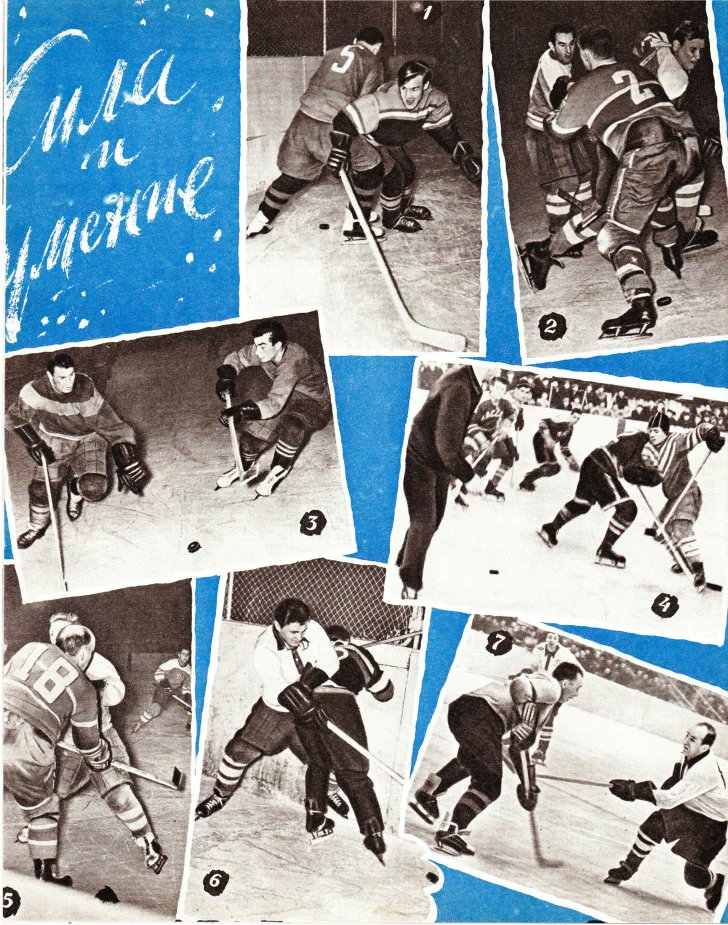
Strength and Skill. A 1959 Soviet photo report from the Sporting Games magazine (February 1959), authored by hockey referee Andrei Starovoitov. He would later serve as a high-ranking official in the Soviet hockey federation and IIHF.
Marcel Lang tweet media
English
2
0
2
106
Jim Genac
Jim Genac@Jim_Genac·
Anatoli Tarasov was dismissed as coach of CSKA in December 1960 after a group of players revolted over his coaching methods. It was Alexander Vinogradov who replaced him. But Vinogradov was then axed at the end of the season despite leading CSKA to the league championship. By November of 1961, Tarasov was back as coach. I’ll have full details in Path to the Summit: Part II
English
0
0
1
37
Marcel Lang
Marcel Lang@MLangHockey·
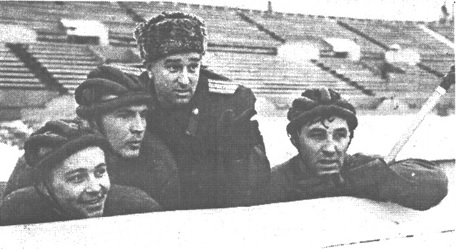
Army coach Anatoli Tarasov with players (left to right) Alexander Vinogradov, Yuri Pantyukhov and Yuri Baulin.
Marcel Lang tweet media
1
0
2
106
Marcel Lang
Marcel Lang@MLangHockey·
In June 1974, Fred Shero went to Moscow to study Soviet training methods... and he gave a long interview to Soviet sports journalist Igor Fein. Read it here: forums.hfboards.com/threads/fred-s…
Marcel Lang tweet media
English
1
1
6
982
Jim Genac retweetledi
Shanaka Anslem Perera ⚡
Shanaka Anslem Perera ⚡@shanaka86·
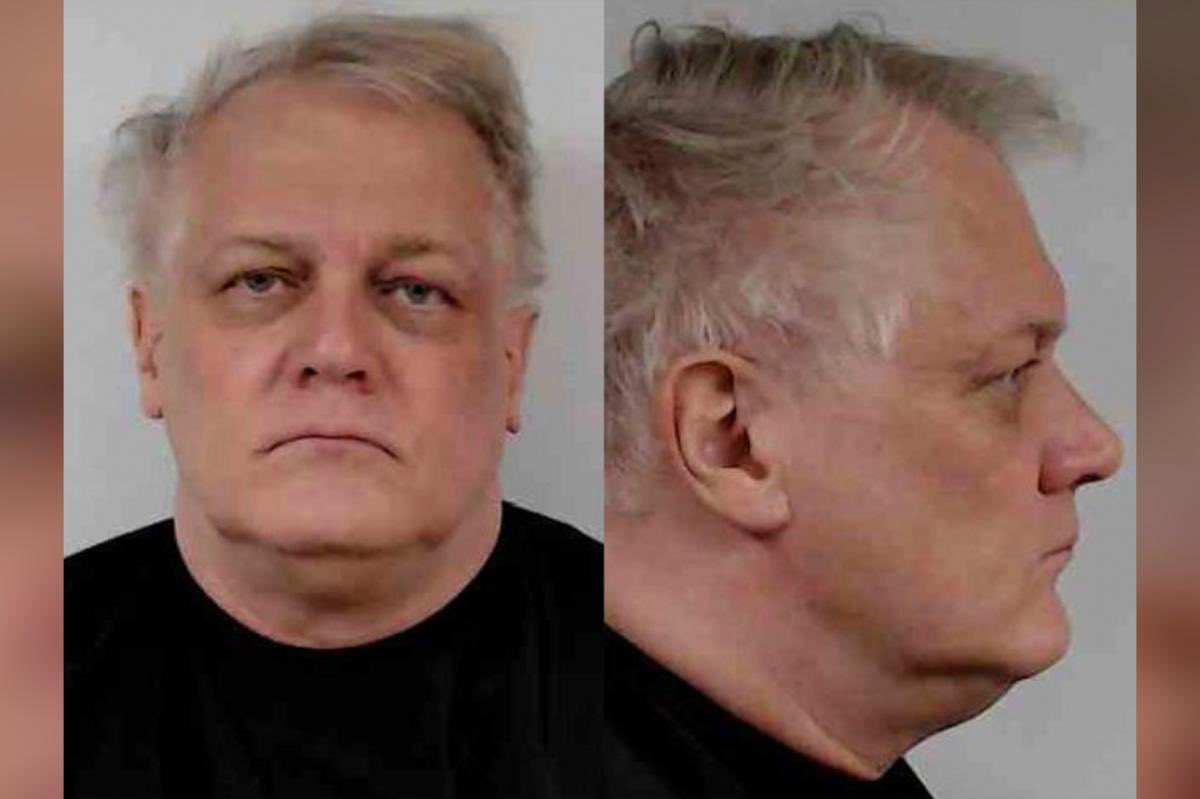
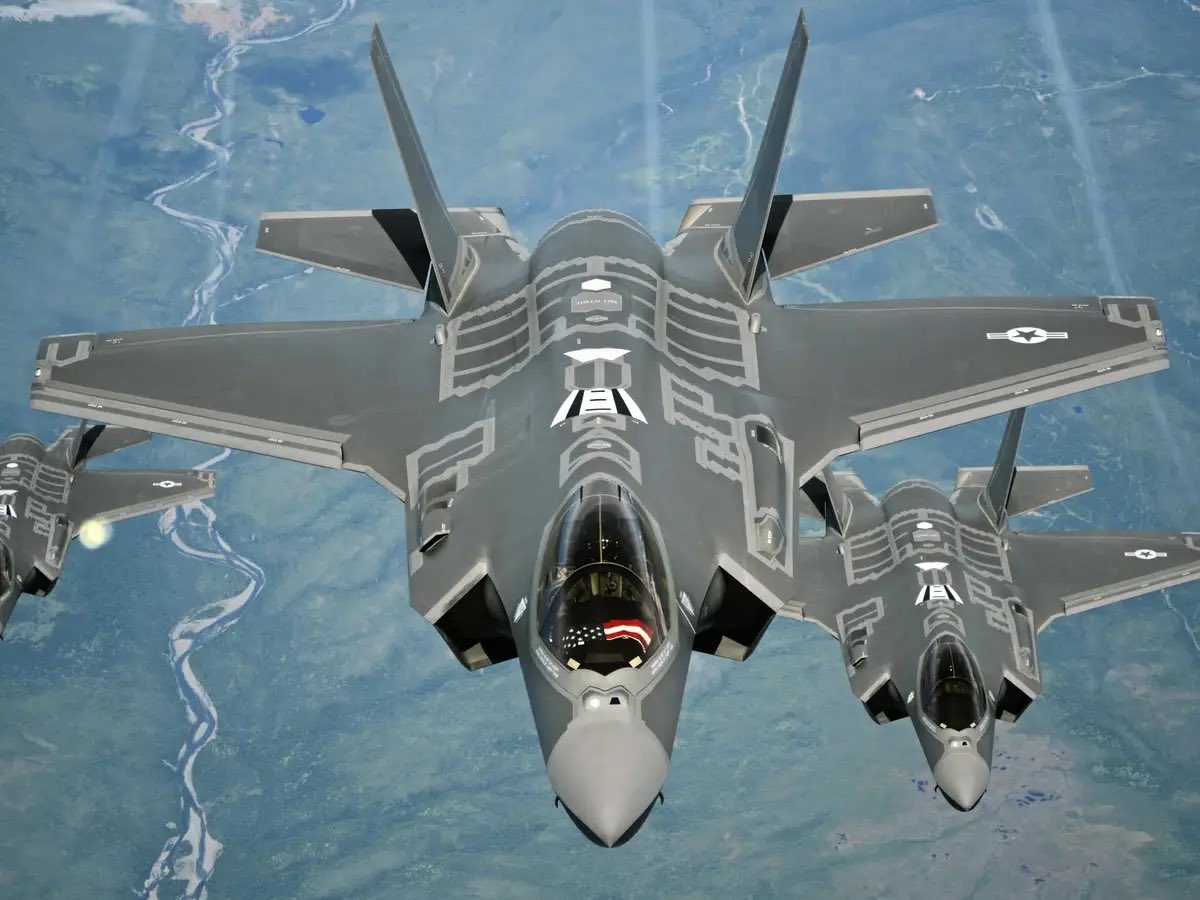
BREAKING: The FBI just arrested a former U.S. Air Force Major who spent 26 months in Beijing training Chinese fighter pilots. But the story everyone is missing is not the arrest. It is the network behind it. Gerald Eddie Brown Jr. Call sign “Runner.” 65 years old. 24 years in the Air Force. Flew the F-4, F-15, F-16, A-10. Commanded units responsible for nuclear weapons delivery. After retiring in 1996, he became a contract simulator instructor training American pilots to fly the F-35 Lightning II. In August 2023, he started negotiating to train PLAAF pilots. His intermediary connected him to the network of Stephen Su Bin, a Chinese national who pleaded guilty in 2016 to conspiring with PLA hackers to steal 65 gigabytes of classified data from Boeing and major defense contractors. The targets: the C-17, the F-22, and the F-35. Read that again. The same network that stole the F-35’s blueprints then recruited the man who trained Americans to fly it, and sent him to Beijing to teach Chinese pilots how to fight against it. First steal the machine. Then acquire the mind of the instructor. Brown arrived in China in December 2023. Day one: three hours answering questions about the U.S. Air Force. Day two: a personal briefing to PLAAF officers. He stayed for twenty-six months. He only returned to U.S. soil in February 2026 and was arrested yesterday in Jeffersonville, Indiana. He is not an anomaly. Five Eyes intelligence issued a joint warning in June 2024 that the PLA is systematically recruiting Western fighter pilots through shell companies. At least 30 former British pilots identified. Former Marine Daniel Duggan arrested in 2022 on the same charges. His network connection? Stephen Su Bin. Same node. Different asset. The question Washington does not want asked: How does a man with nuclear weapons experience and F-35 simulator access negotiate with a convicted Chinese hacker’s network, fly to Beijing, train enemy pilots for over two years, and only get arrested when he voluntarily walks home? You can arrest Brown. You can convict him. You cannot un-teach what he taught. That knowledge now lives permanently inside the PLAAF. It will be institutionalized. It will compound. The damage is done. The only question is whether Runner ran alone.
Shanaka Anslem Perera ⚡ tweet mediaShanaka Anslem Perera ⚡ tweet media
FBI Director Kash Patel@FBIDirectorKash

Major story… the FBI and our partners have arrested a former U.S. Air Force Pilot who was allegedly training pilots in the Chinese military

English
1.9K
10K
27.8K
3.2M
Jim Genac
Jim Genac@Jim_Genac·
One of the Chapters in Path To The Summit Part 2 focuses on this tour. Fred ‘Cyclone’ Taylor travelled with Kelowna so that he could see first hand what this up & coming country was doing to develop hockey. Anatoli Tarasov gave him a personal tour of CSKA & the two debated the sport. Upon his return to Canada, Taylor issued a warning to Canadians that they needed to be worried about how good the Russians could become. In 2012, during 40th Anniversary celebrations of the 1972 Summit Series, Canadian Prime Minister Stephen Harper reference Taylor’s 1958 warning. Harper said everyone dismissed Taylor as “old & senile.” But Taylor was prescient in his analysis. For those asking: Part 2 is still undergoing editing. The original manuscript, when properly formatted, came in at over 500 pages & im trying to get it down to around 350ish. Hopefully not much longer until release.
English
0
0
1
63
Marcel Lang
Marcel Lang@MLangHockey·
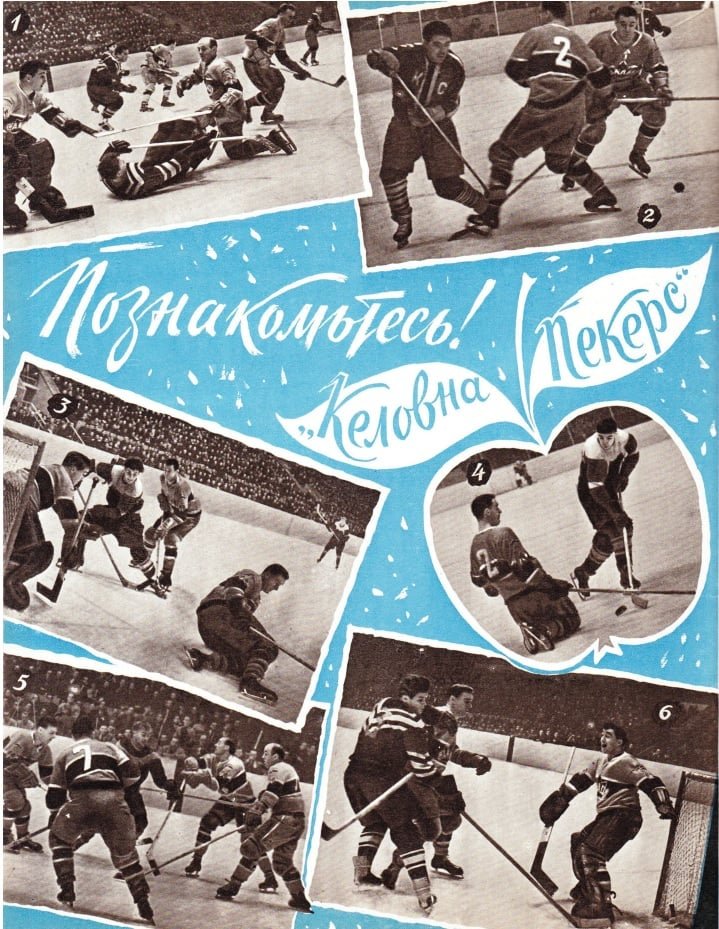
Meet the Kelowna Packers! The first team from Canada to visit the USSR were Kelowna Packers in 1958. The Sporting Games magazine dedicated a photo report (December 1958) to their visit, authored by Arkadi Chernyshov and Sergei Savin.
Marcel Lang tweet media
English
2
0
1
152
D. S. M.
D. S. M.@SalmingandMe·
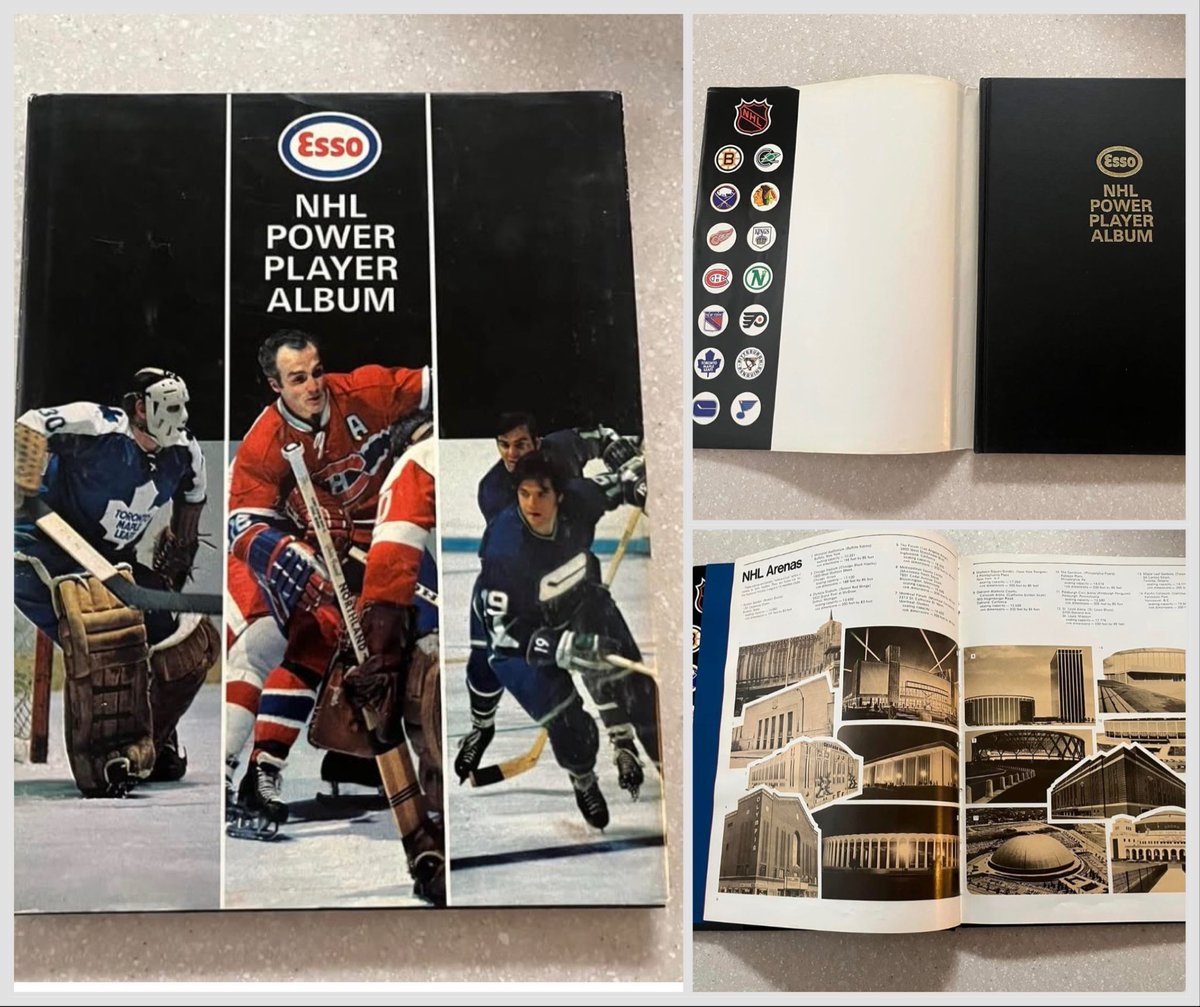
The Power Players Album might just be my favourite collectable from my youth.
Howard Berger@Berger_BYTES

Jan. 19, 1971. #Boston Garden. A commercial prior to the #NHL All-Star Game advertised a collectible that any hockey fan from the era will remember. The man in the commercial is Scott Young, a prominent sports columnist at the Globe and Mail… and, father of Canadian musician Neil Young. #Bruins #Leafs #LeafsForever #Esso

English
2
1
9
416
Jim Genac
Jim Genac@Jim_Genac·
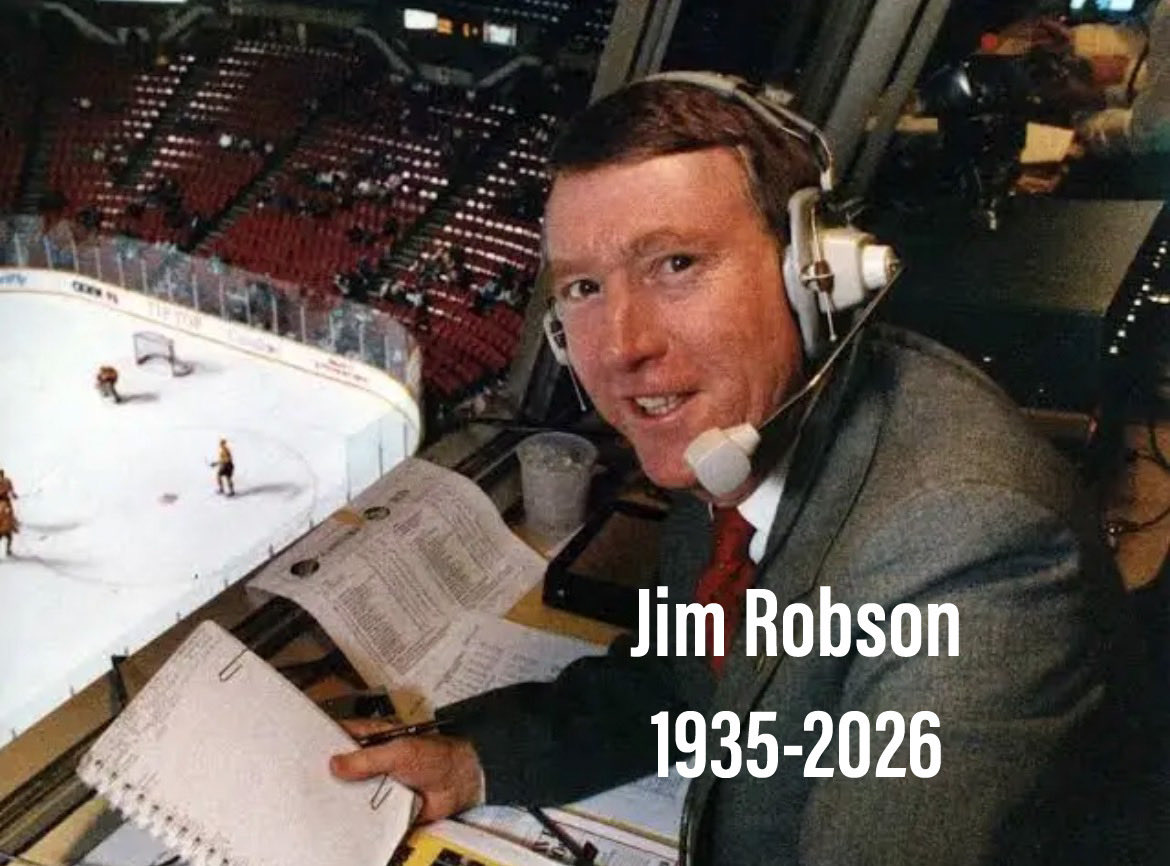
Legendary hockey broadcaster Jim Robson who was the Vancouver Canucks’ play-by-play announcer from 1970 until 1999, has passed away. Robson was the Canucks’ first play-by-play announcer when the franchise entered the National Hockey League in 1970. He was 91 years old.
Jim Genac tweet media
English
0
0
0
113
Szymon Szemberg
Szymon Szemberg@Sz1909_Szemberg·
@TallCanAudio Beg respectfully to disagree. In-arena voices should not be used by fans. Another bad example is the "woo" which comes after the official announcement in Vancouver. Happy that Michel Lacroix follows in the tradition from Claude Mouton. Subtle, dignified, classy.
English
2
0
5
605
Matt Robinson from Tall Can Audio
I’m far from a Sens fan but this is a bad take. In-arena voices are meant to be part of the experience for fans and Trottier does a great job at CTC getting people excited. And pretending the Habs don’t do the exact same thing is just absurd. Szymon is a great reporter but this is a miss.
Szymon Szemberg@Sz1909_Szemberg

The PA announcer in OTT is an embarrassment. Like an ECHL expansion team. So happy that the Canadiens keep this in a dignified way.

English
4
0
7
1.8K
Jim Genac
Jim Genac@Jim_Genac·
The Vancouver Canucks announced today that Joe Borovich, the man who designed the original ‘stick-in-rink’ logo used by the Canucks when they joined the NHL in 1970, passed away on December 31, 2025. Born in East Vancouver, Joe attended Notre Dame Secondary and later studied graphic design at Emily Carr. He was immensely proud of his career and legacy as the creator of the Vancouver Canucks logo, which is still worn on jersey sleeves and featured in rotation and retro games. Borovich was 86 years old.
Jim Genac tweet media
English
1
0
2
114
Jim Genac
Jim Genac@Jim_Genac·
This is definitely a no go for me. I will not be using @WestJet because of f this.
Jon Fraser@JonFraserTF

Hey @AHoensbroech! I can guarantee that this has ended my relationship with @WestJet. I will never fly with your airline as long as you try to defend this unsafe and inhumane 28 inch seat pitch. Perhaps you've recently made a large investment in @AirCanada, because I can't think of any other reason why you would stubbornly continue down this path. globalnews.ca/news/11606987/…

English
0
0
0
82
Jim Genac
Jim Genac@Jim_Genac·
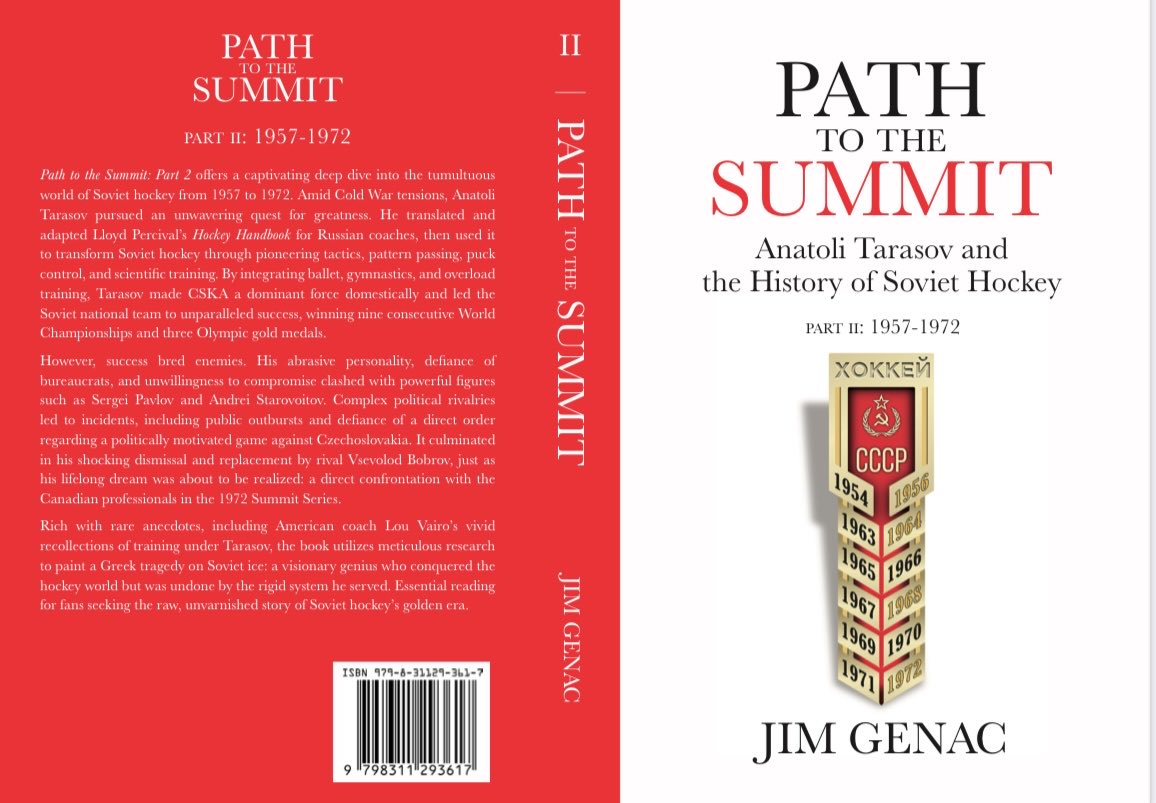
An updated version of the rear cover. Some ongoing editing is underway to reduce the overall size of the final book. Hopefully I will have a release date for you soon. =========== Path to the Summit: Part 2 offers a captivating deep dive into the tumultuous world of Soviet hockey from 1957 to 1972. Amid Cold War tensions, Anatoli Tarasov pursued an unwavering quest for greatness. He translated and adapted Lloyd Percival’s Hockey Handbook for Russian coaches, then used it to transform Soviet hockey through pioneering tactics, pattern passing, puck control, and scientific training. By integrating ballet, gymnastics, and overload training, Tarasov made CSKA a dominant force domestically and led the Soviet national team to unparalleled suecess, winning nine consecutive World Championships and three Olympic gold medals. However, success bred enemies. His abrasive personality, defiance of bureaucrats, and unwillingness to compromise clashed with powerful figures such as Sergei Pavlov and Andrei Starovoitov. Complex political rivalries led to incidents, including public outbursts and defiance of a direct order regarding a politically motivated game against Czechoslovakia. It culminated in his shocking dismissal and replacement by rival Vsevolod Bobrov, just as his lifelong dream was about to be realized: a direct confrontation with the Canadian professionals in the 1972 Summit Series. Rich with rare anecdotes, including American coach Lou Vairo’s vivid recollections of training under Tarasov, the book utilizes meticulous research to paint a Greek tragedy on Soviet ice: a visionary genius who conquered the hockey world but was undone by the rigid system he served. Essential reading for fans seeking the raw, unvarnished story of Soviet hockey’s golden era.
Jim Genac tweet media
English
0
1
6
184