Jm retweetledi
Jm
6.6K posts

Jm retweetledi
Jm retweetledi
Jm retweetledi

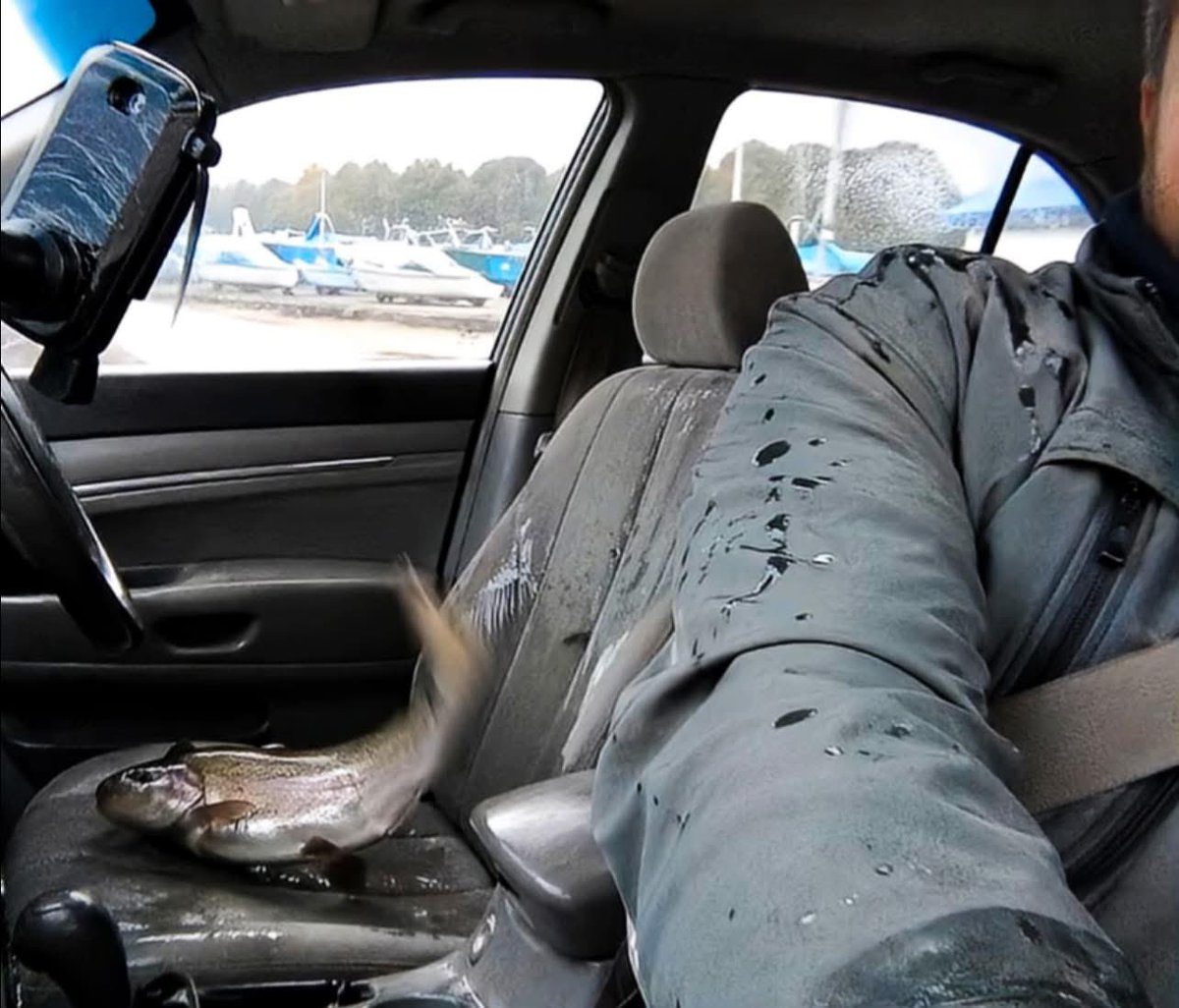
Nobody believes me and I don't care. I was doing seventy-two on I-84 outside Boise, sunroof wide open, singing along to Fleetwood Mac.
Something heavy and wet slapped me across the shoulder and landed in my passenger seat. A fourteen-inch rainbow trout. Still alive.
Flopping everywhere. I looked up through the sunroof and saw a bald eagle circling, like it was debating whether to come get it back. My dashcam caught the whole thing the shadow, the drop, me screaming.
Fish and Game verified the footage.
The eagle had lost its grip mid-flight.
I still have the trout mounted on my wall. Cost me 90 bucks at the taxidermist. Best fish I never caught.
Credit: Rayyan

English
Jm retweetledi
Jm retweetledi
Jm retweetledi
Jm retweetledi
Jm retweetledi
Jm retweetledi
Jm retweetledi

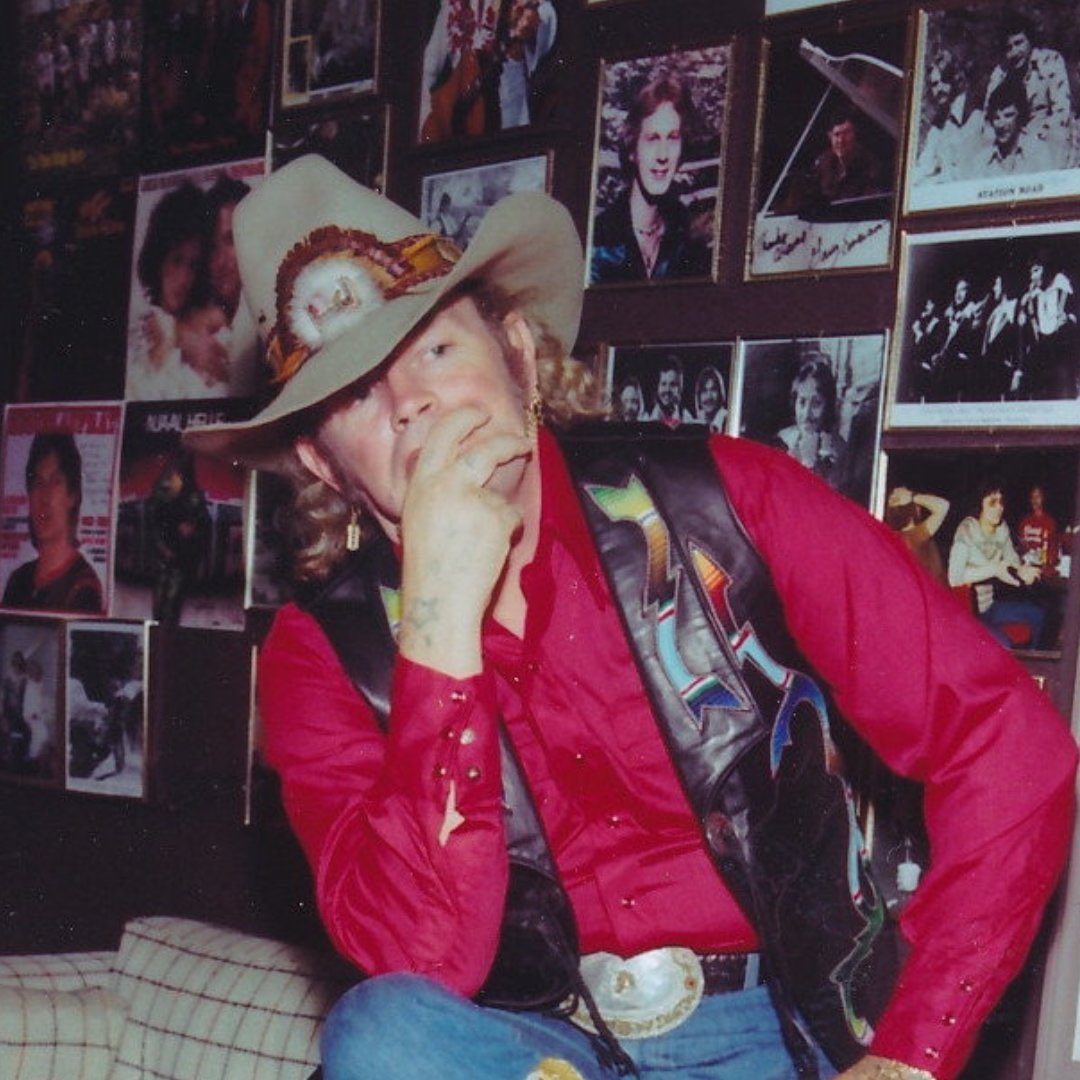
His mother wrote him, "You have not only embarrassed the family, but you have also become a disappointment to everything we raised you to be." These stinging words were delivered in a cold letter that effectively cut Kris Kristofferson out of his family’s life.
To his parents, Mary and Lars, Kris was the ultimate success story gone wrong. He was a Rhodes Scholar, a star athlete, and a Captain in the Army who had been offered a prestigious job teaching at West Point.
But in 1965, he turned his back on all of it to move to Nashville and try his hand at songwriting.
His first wife, Frances Beer, was right there by his side when the world they knew fell apart. They were high school sweethearts who had married in 1961, and for a while, they lived the life of a respected military family in West Germany.
When Kris decided to trade his officer’s uniform for a janitor’s broom, the backlash was brutal. His parents didn't just disagree with his choice; they disowned him completely.
They couldn't understand why their brilliant son would choose to sweep floors at a recording studio and hang out with "hillbilly" musicians when he could have been an elite academic.
The pressure on the young couple was immense. Fran watched as Kris worked three jobs to keep them afloat.
He spent his days cleaning up cigarette butts and his nights writing songs that no one wanted to hear yet. Money was so tight that when their son fell ill, the medical bills nearly buried them.
"I was doing what I had to do, even if it meant losing everyone I loved." The strain of the family’s rejection, combined with the crushing poverty of the early Nashville years, took a heavy toll on their relationship.
Despite the heartbreak and the letters from home telling him he was a disgrace, Kris kept going. He chose his passion over his family's approval, even when it meant being a "janitor" in the eyes of the world.
His marriage to Fran eventually ended in divorce in 1969, buckling under the weight of financial struggle and the heavy toll of rejection.
Eventually, that relentless passion bore fruit, transforming the "disappointing" janitor into a cultural icon who redefined American songwriting.
As Kris began to pen masterpieces like "Me and Bobby McGee" and "Help Me Make It Through the Night," his meteoric rise to fame proved that his gamble was not a descent into failure, but a climb toward greatness.
This professional vindication eventually paved the way for a fragile, albeit significant, healing within his family. While the stinging words of his mother’s letter could never be fully unwritten, the sheer magnitude of his success and his undeniable integrity forced a reconsideration.
Over time, Kris did find a semblance of peace with his parents. They saw that he hadn't abandoned his discipline or his brilliance; he had simply applied it to a different canvas. Lars and Mary Kristofferson reconciled with their son, attending his shows and witnessing firsthand the respect he commanded from the world.
Although the scars of their initial rejection remained a part of his story, Kris chose grace over bitterness. He welcomed them back into his life, proving that he had not only mastered the art of the song but also the difficult, quiet work of forgiveness, ultimately mending the bridge that had once been burned.

English
Jm retweetledi
Jm retweetledi
Jm retweetledi
Jm retweetledi

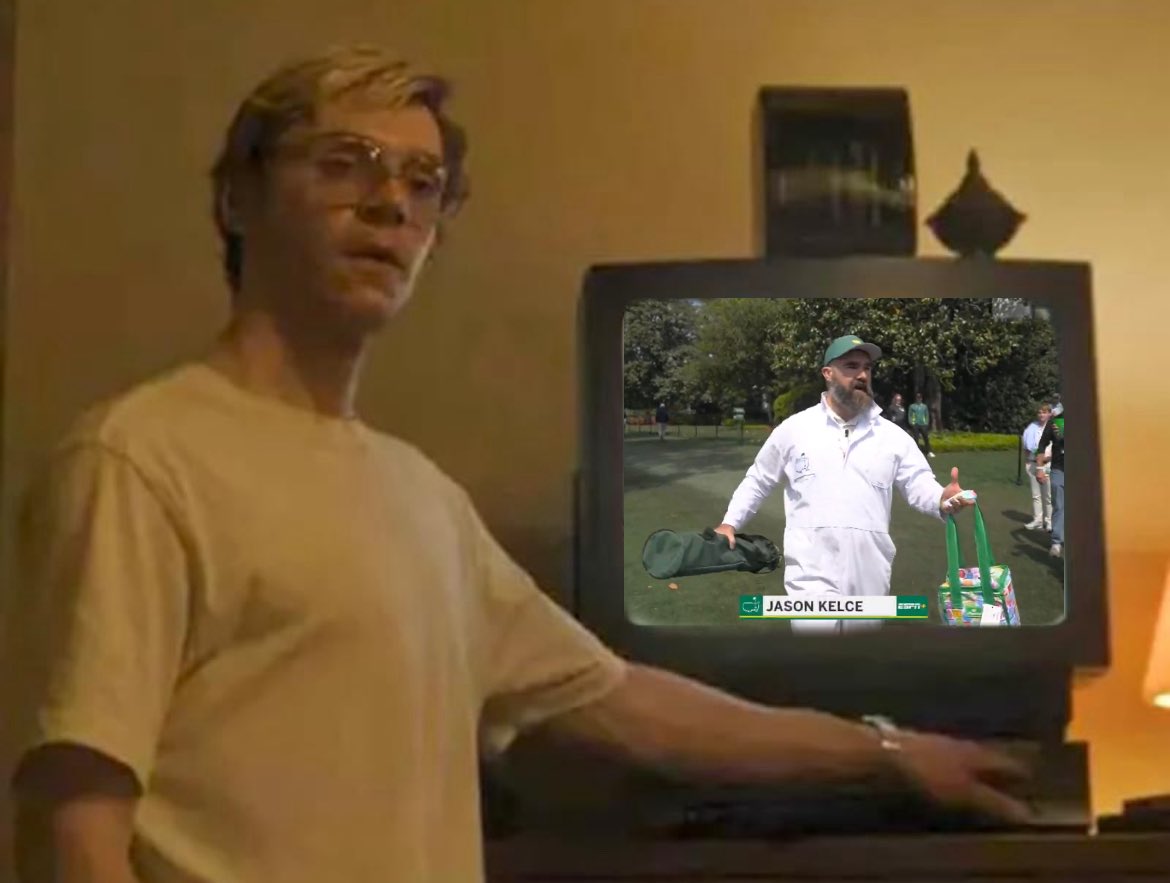
I told you we are going to watch another cringy Jason Kelce cameo then you can leave.

SportsCenter@SportsCenter
Jason Kelce is rocking a full caddie outfit for the Par 3 Contest 😅

English
Jm retweetledi
Jm retweetledi
Jm retweetledi

When I graduated from high school my very first job was at a zoo. One morning, right before we opened, the only gorilla we had, died from old age.
The gorilla was one of their most popular attractions by far, and they couldn't afford to go without one. So, the zoo owner asked me if I'd wear a gorilla suit for an extra $100 a day, if I'd pretend to be the gorilla, until the zoo could get another one.
I said, “Sure why not.” A $100 dollars extra a day was a lot of money back then. It didn't take long for me to get the hang of it and I quickly became the most popular attraction at the zoo. People from all over the world came to see the gorilla.
About a month in, the excitement started to wear off. So, to get the people's attention back, I decided to climb over the enclosure and hang from a rope above the lions' den.
A large crowd of people gathered watching the spectacle in shock and awe. Suddenly, I lost my grip and fell to the floor of the lion's den. I started screaming "HELP!! HELP!!!" Suddenly, a lion pounced on me and said, "SHUT-UP dude, you're going to get both of us fired.”
English
Jm retweetledi
Jm retweetledi